For many living with Type 1 diabetes, tattoos can represent a personal journey of self-expression and resilience. However, the decision to get inked brings unique considerations, especially regarding health and safety. Understanding the importance of medical alert styles, which can communicate critical information in emergencies, is essential for individuals with diabetes. As you read further, you’ll discover valuable insights about safely navigating the tattoo process, managing infection risks, and ensuring that your skin art reflects not only your personal story but also your health priorities. Embrace your individuality while staying informed-it’s possible to express yourself in ways that align with both your identity and your medical needs.
Understanding the Importance of Type 1 Diabetes Tattoos

Living with Type 1 diabetes requires constant awareness and management, making it essential to communicate medical needs even in situations where you’re unable to speak for yourself. Medical alert tattoos are becoming increasingly popular as a straightforward means to convey critical health information. These tattoos can serve as a vital reminder for first responders and medical personnel about your condition, ensuring prompt and appropriate care in emergencies. In fact, visible medical alerts can significantly improve responses during diabetes-related crises, such as hypoglycemia, where quick intervention can make a life-saving difference.
Another compelling reason to consider a diabetes tattoo is the personal empowerment it can provide. Many individuals see this form of self-expression as a badge of honor in their journey with diabetes. It can foster a sense of pride and ownership over one’s health condition while also raising awareness among friends, family, and the community about the realities of living with the disease. When designed thoughtfully, these tattoos can incorporate symbols and texts that resonate deeply with the wearer, reflecting their unique experiences and challenges.
In addition to simply displaying information, diabetes tattoos often lead to conversations about health management, education, and support networks. They can create opportunities for spreading awareness about Type 1 diabetes and the importance of proper care. For families and individuals battling diabetes, these tattoos can offer reassurance that their medical history is readily available, allowing them to focus on what truly matters: living their lives to the fullest and managing their condition effectively.
In summary, medical alert tattoos can play a critical role in enhancing safety and providing peace of mind for those living with Type 1 diabetes. They not only communicate essential health information but also serve as a source of empowerment and connection within the broader diabetes community.
Choosing the Right Medical Alert Tattoo Design

Choosing a medical alert tattoo is not just about aesthetics; it’s about ensuring your health and safety in emergencies. A well-designed tattoo can effectively communicate vital health information to first responders and medical personnel when you are unable to do so. This makes careful consideration of the design a crucial step in the process.
When selecting a design, consider the following elements:
- Symbolism: Incorporate recognizable symbols associated with diabetes care, such as the diabetes ribbon or other medical symbols, to ensure your tattoo is quickly understood.
- Text Clarity: Opt for clear, legible fonts. Include essential information like “Type 1 Diabetes” along with any other health conditions, allergies, or emergency contact information that might be relevant.
- Size and Placement: The tattoo should be large enough to be easily seen but not so large that it becomes overwhelming. Common placements include the wrist, forearm, or ankle-areas that are easily visible in emergencies.
- Color Choices: Use colors that not only resonate with you personally but also stand out to ensure maximum visibility, particularly in an urgent situation.
Engaging a professional tattoo artist who has experience with medical alert tattoos is vital. They can offer insights on design nuances and guide you through options that are both meaningful and practical. Additionally, it’s important to discuss your ideas with healthcare professionals to ensure that the information included in your tattoo accurately reflects your medical needs.
Lastly, remember that the purpose of this tattoo extends beyond aesthetics. It serves as a personal statement of resilience and self-advocacy in living with Type 1 diabetes. As you make your choices, let your design reflect not only your medical condition but also your unique journey and strength in managing it.
Essential Information to Include in Your Tattoo
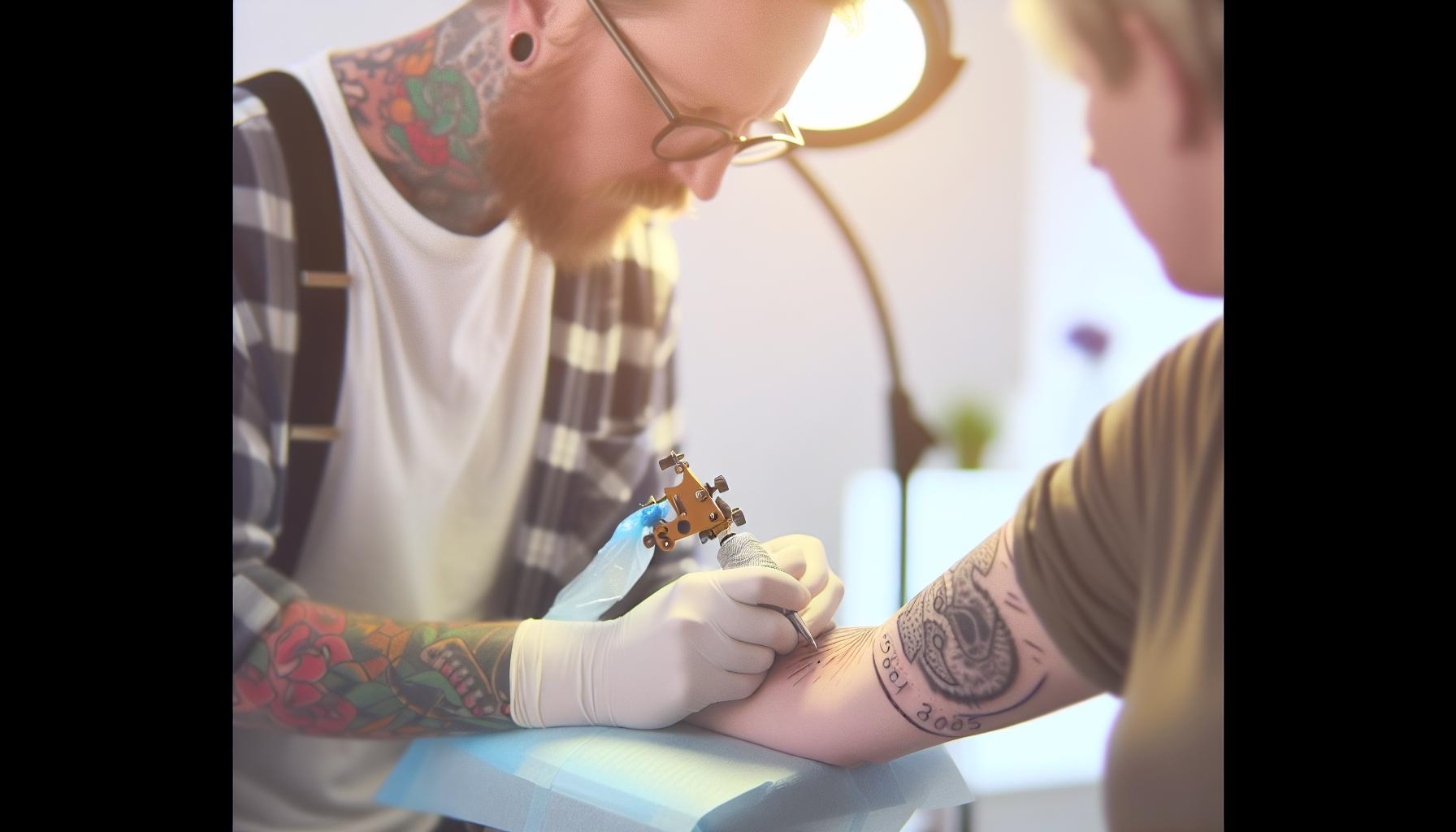
Individuals living with Type 1 diabetes face unique challenges that often require clear communication about their medical needs during emergencies. A medical alert tattoo offers a creative solution-transforming the body’s canvas into a life-saving message. When crafting a tattoo that conveys crucial health information, it is essential to include specific details that can support timely medical interventions.
Start by prominently featuring the phrase “Type 1 Diabetes.” This direct label clarifies the condition for healthcare professionals, enabling them to make informed decisions if you require assistance. In addition to the primary diagnosis, consider adding other pertinent medical details such as the presence of additional health conditions (e.g., heart disease or allergies), medication information, and even emergency contact numbers. This holistic approach can significantly enhance your safety by ensuring that first responders have access to a complete picture of your health status.
Suggested Information for Your Tattoo:
- Primary Condition: Clearly state “Type 1 Diabetes.”
- Allergies: Include any severe allergies, particularly to certain medications.
- Emergency Contact: List a name and phone number for someone who can provide further information.
- Medical Information: Mention any other significant medical conditions or medications that might be essential for emergency care.
Furthermore, consider the legibility of the font and the visibility of the tattoo’s location. Choose a clear, bold font to ensure that the information can be recognized at a glance, especially under stressful conditions when time is of the essence. Additionally, consult with your tattoo artist to determine the best placement that balances visibility and personal preference, allowing for easy access during an emergency.
An empowering decision, creating a medical alert tattoo not only enhances your safety but also represents a commitment to your diabetes management. By ensuring essential information is included in your design, you foster confidence in handling unforeseen situations while expressing your journey and resilience in living with Type 1 diabetes. Always remember to discuss your tattoo plans with healthcare professionals to ensure the accuracy of the information and to consider any potential implications for your medical care.
Placement Options: Where to Get Your Tattoo

Considering the placement of a medical alert tattoo is crucial for both visibility and personal expression. Many individuals living with Type 1 diabetes choose locations that ensure the tattoo is easily accessible yet discreet enough for daily wear. An effective placement can be the difference between a tattoo that serves its purpose during emergencies and one that goes unnoticed when it matters most.
Common placement options include the wrist, forearm, or ankle, where they remain visible for quick identification. The wrist is often favored for its visibility and ease of access; a tattoo here can be scanned quickly by first responders. The forearm also provides a larger canvas, allowing for additional information beyond just the condition, such as emergency contacts or allergies. If you prefer something more discreet, the ankle is another excellent choice, especially for those who may not want it prominently displayed at all times.
When selecting the right spot for your tattoo, consider your lifestyle and activities. If you’re active or work in environments where tattoos may not be acceptable, opting for areas that can easily be covered with clothing while remaining accessible in emergencies is wise. It’s beneficial to consult with your tattoo artist on design visibility as well as placement, ensuring the tattoo is not only aesthetically pleasing but also serves its intended purpose.
Lastly, think about how your tattoo interacts with other aspects of your health management. Factors such as wearing medical devices, like insulin pumps or continuous glucose monitors, should also influence your decision. Make sure that your tattoo does not interfere with these devices and that it remains legible and clear over time. By thoughtfully considering placement, you enhance the effectiveness of your medical alert tattoo while expressing your individuality and commitment to managing your diabetes.
Tattoo Safety: Tips for a Healthy Experience
When considering a medical alert tattoo, particularly for managing Type 1 diabetes, attention to safety is paramount. A well-executed tattoo not only serves practical purposes but also promotes a positive experience throughout your health journey. Medical tattoos signify crucial health information, but they require careful planning to ensure they remain safe, functional, and stylish.
First and foremost, selecting a reputable tattoo artist is essential. Look for professionals who have experience in creating medical tattoos. They should adhere to safety standards regarding sterile equipment and hygienic practices. Before committing, read reviews and ask to see their portfolio. This will help ensure that your tattoo not only conveys your medical alert message clearly but is also done in a way that minimizes the risk of infection or complications.
Aftercare Matters
Proper aftercare is critical for healing and longevity. After receiving your tattoo, follow these guidelines to ensure optimal healing and to maintain the clarity of your medical alert:
- Keep it clean: Clean the area gently with mild soap and water, avoiding harsh chemicals.
- Avoid soaking: For at least two weeks, refrain from swimming or soaking the tattoo in water.
- Moisturize: Use a recommended healing ointment or fragrance-free lotion to keep the area hydrated.
- Watch for signs of infection: Be vigilant for any redness, swelling, or unusual discharge, and seek professional help if these occur.
Also, remember that tattoos can fade over time, especially if frequently exposed to sunlight. To protect your tattoo and ensure its legibility, use sunscreen on the area once healed and avoid excessive sun exposure.
Consult Your Healthcare Provider
Before getting inked, consider discussing your plans with your healthcare provider. They can provide tailored advice and inform you of any precautions you may need to take, especially considering your current health status and diabetes management routine. This step not only ensures that your tattoo aligns with your medical needs but also instills confidence that you’re making informed decisions regarding your health.
Incorporating a medical alert tattoo into your diabetes management plan can enhance safety and empower you. By approaching the tattooing process with knowledge and care, you create a lasting symbol of resilience and advocacy for your health, while effectively communicating essential information in emergencies.
Customizing Your Tattoo: Personal Touches that Matter
Choosing a medical alert tattoo is an important decision for anyone living with Type 1 diabetes, and adding personal touches can transform it into a meaningful symbol of their journey. Not only does it serve a vital purpose in communicating health information during emergencies, but it also reflects your identity and experiences. Customizing your tattoo allows you to incorporate elements that resonate deeply with who you are, which can empower and inspire both you and those around you.
To start, consider the symbols or imagery that hold special meaning. You might opt for a unique design that represents your personal experience with diabetes. For instance, some individuals choose to integrate a small heart or a symbol of resilience, like a butterfly. Others may incorporate elements from their family, such as initials or a date significant to their journey with diabetes. Choose colors that resonate with you; for example, blue is often associated with diabetes awareness. The combination of imagery and colors can create a powerful representation of your story.
Additionally, think about the placement of your tattoo. Beyond aesthetics, where you place it can provide easy visibility for emergency responders while still allowing for personal discretion. Common locations include the wrist, forearm, or even close to an insulin pump site. As you select the placement, consider how it might interact with your daily activities, clothing, and exposure to the sun, which can impact design clarity over time.
Lastly, involving your healthcare provider in this process can be enlightening. They can provide insights about what to include or avoid based on your medical history and lifestyle. Their input can help tailor the design to ensure both practicality and personal significance. Remember, the ultimate goal is for your tattoo to not only serve as a medical alert but also a testament to your strength, resilience, and individuality in managing your diabetes. By turning a medical need into a personal expression, you create an enduring symbol of hope and empowerment that can thrive alongside your journey.
Legal Considerations: Medical Alerts and Regulations
In today’s world, where medical emergencies can arise suddenly, having a clear method of communicating health conditions is crucial. For individuals with Type 1 diabetes, a medical alert tattoo can be a lifeline, effectively informing responders of their condition when it matters most. However, there are important legal considerations and regulations surrounding medical alerts that potential tattoo recipients should bear in mind to ensure their tattoos serve their intended purpose.
When choosing a tattoo as a medical alert, it is essential to familiarize yourself with local legislation regarding medical alerts. Different regions may have varying requirements for what must be included in a medical alert, particularly if you plan to travel. For example, some jurisdictions may mandate specific language or symbols to be recognized by first responders. To be effective, it’s recommended that your tattoo includes key information such as “Type 1 Diabetes,” any allergies, and relevant medical contacts. This clarity can significantly influence the response time and efficiency of emergency care.
It’s also wise to consider how your tattoo design might interact with laws covering medical information. In some areas, maintaining privacy around medical conditions is legally protected. Thus, while sharing critical health information through a tattoo is beneficial, it should be balanced with the individual’s right to privacy. Furthermore, discussing these choices with a healthcare professional can be beneficial. They might provide guidance on not only what to include but also on the potential implications of having this information visibly tattooed on your body in terms of social interactions and emotional wellbeing.
As you contemplate a medical alert tattoo, remember that sharing a story of resilience through meaningful art can also provide empowerment. Alongside legal compliance and health considerations, leveraging the tattoo’s visibility as a conversation starter can help raise awareness about diabetes, contributing to broader understanding and support from your community. Make informed decisions that fit not just the legal parameters, but also your personal comfort and lifestyle, ensuring your tattoo is both a protective measure and a personal expression of your journey with diabetes.
How Tattoos Can Enhance Your Diabetes Management
Having a medical alert tattoo can significantly enhance the day-to-day management of Type 1 diabetes by serving as a constant reminder of one’s health condition and as a means of communication in emergencies. The presence of such a tattoo can empower individuals to take ownership of their diabetes management, making them more proactive in discussions about their health with friends, family, and healthcare providers. This visible representation of their condition can spark conversations that promote awareness and understanding of diabetes, transforming a personal struggle into an educational opportunity for others.
When it comes to effective diabetes management, having a tattoo can also aid in reducing anxiety about potential medical emergencies. Knowing that emergency responders can quickly identify one’s condition ensures peace of mind, allowing individuals to focus on their daily management tasks without the added worry of how they would communicate their health status in a crisis. For many, this sense of security can lead to improved mental health and well-being, which is crucial for maintaining proper diabetes care. Moreover, the act of getting a tattoo can itself be a therapeutic experience, symbolizing one’s journey and resilience in managing their health.
In addition to the emotional benefits, a medical alert tattoo also plays a practical role in diabetes management. It can serve as a prompt for individuals to stay consistent with their blood sugar checks, insulin administration, and dietary choices. The tattoo can act as a daily visual cue that encourages positive behaviors, ensuring that health remains a priority. Individuals can personalize their tattoos with inspiring designs or phrases that resonate with them, further integrating their diabetes management into their identity and lifestyle.
Ultimately, combining the visibility of a medical alert tattoo with active engagement in healthcare discussions and diabetes education can lead to better health outcomes. By sharing their experiences and advocating for their needs, individuals with Type 1 diabetes not only enhance their own management strategies but also contribute to community understanding and support, paving the way for a more informed approach to living with diabetes. As always, it’s essential to consult healthcare professionals when making decisions that impact diabetes management, ensuring that choices align with medical advice and current treatment protocols.
Inspiring Stories: Real Experiences with Diabetes Tattoos
Real experiences shared by individuals living with Type 1 diabetes often reveal the profound impact that medical alert tattoos can have on their lives. For many, these tattoos serve not just as a reminder of their condition but as symbols of empowerment and resilience. One inspiring story comes from Emily, a young woman who decided to get a medical alert tattoo after experiencing a severe hypoglycemic episode while out with friends. Emily explained that having a tattoo on her wrist, clearly stating her condition, gave her a sense of security. “I wanted to make sure that if something happened and I couldn’t communicate, people would know how to help me,” she shared. Her experience highlights the practical benefits of medical alert tattoos, especially in emergencies where clear information can be lifesaving.
Many individuals also find that their tattoos help to open conversations about diabetes, dispelling myths and fostering awareness. Jake, an athlete with Type 1 diabetes, chose to incorporate the symbol of his condition into a larger tattoo that represents his journey. Whenever he trains or competes, he proudly displays his tattoo, which has often prompted discussions with teammates and coaches. “It’s a great conversation starter,” Jake noted. “People become curious about it, and I get to share my experience, which helps let others understand what living with diabetes is really like.” This ability to educate others not only increases awareness but can also build stronger support systems surrounding those with diabetes.
For some, customizing their tattoos allows for personal expression that aligns with their journey. Maria, an artist, created a design that combines the medical alert symbol with a vibrant depiction of a sunrise. “For me, it symbolizes new beginnings every day,” she said. This unique design allowed her to wear her diabetes not only as a medical necessity but also as a piece of art that tells her story. Custom tattoos can be comprehensive and significant, encouraging individuals to reflect on their experiences and expressing their strength in managing their condition.
Amidst these narratives, the common thread remains clear: medical alert tattoos can significantly enhance emotional well-being, support awareness, and encourage proactive health management. People living with Type 1 diabetes are reminded that they can take ownership of their health journey in creative ways. However, it is always essential to consult healthcare professionals to ensure that any decisions regarding diabetes management align with current medical guidance.
Maintaining and Caring for Your Medical Alert Tattoo
Getting a medical alert tattoo is a significant step for individuals managing Type 1 diabetes, but maintaining it is equally important to ensure it remains a clear and effective means of conveying vital health information. It’s essential to treat your tattoo with care right from the moment you get it. Proper aftercare not only helps to maintain vibrancy and legibility but also promotes skin health.
To ensure your tattoo remains in excellent condition, start with the initial healing phase. This typically involves keeping the tattoo clean and moisturized. Follow your tattoo artist’s aftercare instructions, which generally recommend that you should:
- Keep the tattoo covered with a bandage for the first few hours to protect it from dirt and bacteria.
- Gently wash the tattoo with mild soap and lukewarm water, and pat it dry with a clean towel.
- Apply a thin layer of fragrance-free moisturizer or healing ointment as recommended.
- Avoid direct sunlight, swimming, and soaking for at least two weeks.
Once the tattoo has fully healed, about four to six weeks later, ongoing care is crucial. Here are some tips to keep your tattoo looking good and retaining its meaning:
Regular Care Routine
Maintaining your tattoo requires regular attention:
- Moisturize: Keep the area moisturized to prevent dryness and fading.
- Sun Protection: Use sunscreen on the tattoo if it will be exposed to the sun, as UV rays can fade colors and details.
- Avoid Scratching or Picking: This can lead to scarring and distortion of the design.
Consulting with Experts
As with diabetes management, consulting healthcare professionals regarding tattoo care is vital. Consider checking in with your doctor if you notice any irritation or changes surrounding the tattooed area, as these could indicate an allergic reaction or infection. Regular skin checks, particularly if you have any concerns or if you notice unusual changes, are also recommended.
Ultimately, your medical alert tattoo serves an essential role in your health management strategy. By ensuring it remains well cared for, you empower yourself to communicate your condition effectively in emergencies, reducing anxiety and improving safety while living with diabetes. Just as you consult healthcare professionals about your diabetes management, bringing in experts when it comes to caring for your tattoo will ensure that both your health and self-expression are maintained to the highest standards.
Consulting with Healthcare Professionals About Tattoos
Navigating the world of tattoos as a person managing Type 1 diabetes means considering both the artistic side of the design and its functions as a medical alert. Consulting with healthcare professionals is an essential step in ensuring that the decision to get a tattoo is informed and beneficial. An experienced medical provider can offer insight into the possible risks associated with ink and skin sensitivities, particularly for individuals managing chronic conditions. They can also provide tailored advice on how best to integrate a medical alert tattoo into overall diabetes management.
When meeting with your healthcare provider, it’s important to discuss your specific type of diabetes, any medication you are taking, and skin conditions that could impact how your tattoo might heal. For instance, certain diabetes medications can affect skin sensitivity, increasing the chances of irritation. A healthcare professional can also guide you on the most appropriate aftercare methods to ensure your tattoo remains clear and legible over time, such as recommendations for hypoallergenic moisturizers or specific sunblock to preserve the tattoo’s vibrancy.
Additionally, professionals can assist you in determining the best placement for your tattoo to ensure visibility for emergency responders. They can also help clarify whether you should include specific medical information beyond just your diabetes status, such as other allergies or pertinent health conditions, thereby enhancing the tattoo’s effectiveness as a medical alert. Discussions may also cover when to seek medical help if red flags arise post-tattooing-like unusual swelling or irritation.
Finally, it’s vital to recognize that while a tattoo can serve as a permanent medical alert, regular check-ins with healthcare professionals about your diabetes management remain crucial. They can offer advice on how lifestyle choices, dietary habits, and comprehensive health strategies continue to play a significant role in your overall well-being. Balancing self-expression through body art with responsible health management will empower you to live confidently with diabetes, armed with both personal identity and essential medical information.
Alternatives to Tattoos for Diabetes Alerts
Living with Type 1 diabetes means prioritizing health and safety, and while tattoos can serve as a unique medical alert, they aren’t the only option available. Many individuals prefer alternatives that offer visibility and practicality without the permanence of body art. Thankfully, there are several innovative solutions to effectively communicate important medical information.
One of the most popular alternatives is wearing a medical alert bracelet. These bracelets come in various styles, from discreet and elegant designs to bold, attention-catching options. Made from durable materials, they can withstand daily wear, and many offer customization to include specific health details like allergies and emergency contact numbers. Not only are they easily recognizable by first responders, but they can also be removed when desired.
Another effective option is medical alert necklaces. Similar to bracelets, these necklaces display essential medical information in a way that can be more visible during an emergency. With a variety of styles from simple pendants to more elaborate designs, finding one that suits personal taste is manageable. Additionally, people can opt for stickers or patches to attach to their clothing or diabetes supplies, alerting others to their condition without any modifications to the body.
For tech-savvy individuals, smartphone apps and medical ID cards offer contemporary alternatives. Many apps allow you to store crucial medical information that can be accessed quickly during emergencies. Additionally, carrying a medical ID card in your wallet serves as a reliable backup, ensuring that vital information is readily available even without physical wearables.
Ultimately, the key is to choose an alternative that not only fits your lifestyle but also provides peace of mind. Regular discussions with healthcare professionals can guide you in selecting options that best suit your medical needs. Embracing accessible alternatives can empower you on your diabetes journey, enabling a confident approach to managing your health while expressing your personal style.
Frequently asked questions
Q: What should I consider before getting a medical alert tattoo for type 1 diabetes?
A: Before getting a medical alert tattoo for type 1 diabetes, consider factors like the design, size, visibility, and placement on your body. Also, consult your healthcare provider to discuss any specific medical considerations and ensure you follow safety and healing recommendations according to your diabetes management plan.
Q: How can a medical alert tattoo improve my safety during emergencies?
A: A medical alert tattoo can significantly enhance your safety during emergencies by providing immediate information about your condition to first responders. Clearly visible and relevant details, like your diagnosis and any allergies, can expedite appropriate medical treatment when you are unable to communicate.
Q: Are there specific locations that are best for a medical alert tattoo?
A: Ideal locations for a medical alert tattoo include the wrist, inner forearm, or shoulder, as these areas are generally visible and easily accessible for medical personnel. Choose a location that is comfortable and suits your lifestyle, ensuring it can be easily seen in emergencies.
Q: What type of information should I include in my diabetes alert tattoo?
A: Include vital information such as “Type 1 Diabetes,” any allergies (e.g., insulin allergies), and essential contacts (e.g., a family member’s phone number) in your diabetes alert tattoo. Keep the design simple yet recognizable for quick identification during emergencies.
Q: How can I care for my medical alert tattoo after getting it?
A: Post-tattoo care involves keeping the tattoo clean and moisturized while avoiding sun exposure and soaking in water for at least two weeks. Follow your tattoo artist’s aftercare instructions closely to promote healing and prevent infections, ensuring that the tattoo remains clear and legible.
Q: Can high blood sugar levels affect the healing of my tattoo?
A: Yes, high blood sugar levels can slow the healing process and increase the risk of infection after getting a tattoo. It’s essential to monitor your blood glucose closely and maintain it within the target range during the healing period for optimal recovery and safety.
Q: What precautions should I take if I’m planning to get a tattoo with type 1 diabetes?
A: If you plan to get a tattoo with type 1 diabetes, consult with your healthcare provider beforehand, ensure your blood sugar is well-managed, choose a reputable tattoo artist, and follow all recommended aftercare instructions to minimize infection risks.
Q: Should I inform my tattoo artist about my diabetes before getting inked?
A: Yes, you should inform your tattoo artist about your diabetes. This information can help them take necessary precautions during the tattooing process, ensuring your safety and comfort while creating the best possible outcome for your tattoo.
By addressing these common inquiries, you can enhance awareness about type 1 diabetes tattoos as an important safety measure while promoting proper care and consultation. For more detailed guidance, visit our sections on understanding the importance of diabetes tattoos and the safety tips after getting a tattoo.
To Wrap It Up
As you consider a diabetes tattoo styled for medical alert identification, it’s essential to equip yourself with the knowledge for a safe experience. Remember, you can confidently express your identity and manage your health with one of these tattoos, as long as your diabetes is well-controlled and you choose a reputable, sterilized studio. Ready to take the next step? Explore our articles on diabetes management strategies and tips for maintaining a healthy lifestyle. Join our community and sign up for our newsletter to stay updated on the latest resources tailored to individuals with diabetes. Don’t hesitate to share your thoughts or questions in the comments below-your insights may inspire others on their journey. For additional support, check out our guides on food choices and medical care tailored specifically for those managing diabetes. Your health journey continues here-let’s navigate it together!
Get our latest guides, news, and insights highlighted in your Google Search & AI Overviews.