
The Diabetic Socks Market: Clinical Standards, Materials & Foot Protection
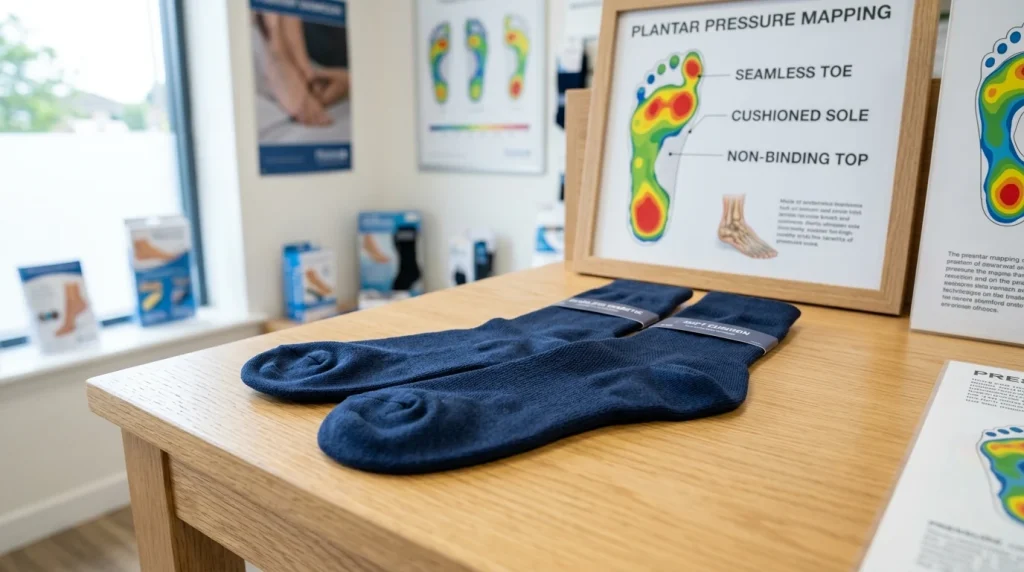
The diabetic socks market (internationally analyzed including the Japanese 糖尿病患者向け靴下市場) encompasses medical-grade therapeutic hosiery engineered without elastic binding bands, featuring seamless toe closures, moisture-wicking fibers, and antimicrobial silver threading to protect neuropathic feet from friction blisters, ischemic constriction, and ulcerations. Diabetic peripheral neuropathy and peripheral arterial disease (PAD) are silent complications that transform everyday footwear […]
Diabetic Insoles & Orthotics: Offloading Pressure, Materials & Neuropathy Care
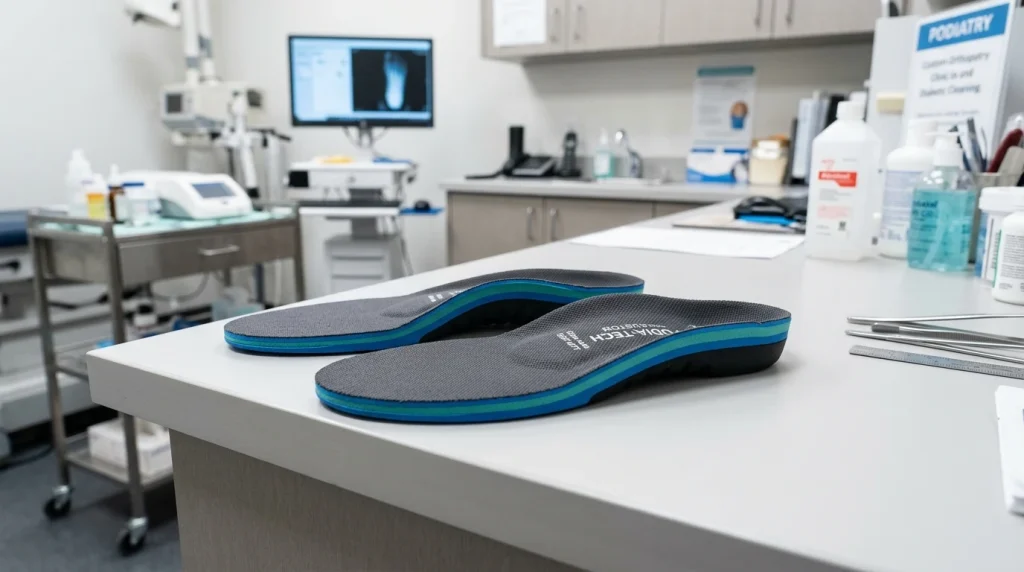
Diabetic insoles (known internationally including as 糖尿病 インソール in Japan) are custom or medical-grade prefabricated orthotic shoe inserts engineered with multi-density cushioning materials (such as Plastazote, Poron, and EVA). They redistribute peak plantar pressures, reduce shear friction, and prevent neuropathic ulcerations in high-risk diabetic feet. For individuals diagnosed with diabetes mellitus, foot complications represent one […]
Best Slippers for Diabetes: Orthopedic Support, Non-Skid Soles & Indoor Neuropathy Protection

Walking barefoot or in unsupportive flat socks at home is one of the most dangerous habits for individuals living with diabetes. Diabetic peripheral neuropathy diminishes sensory feedback, leaving the plantar surface of the foot vulnerable to microtrauma from dropped objects, pet dander, splintering wood, or hard tile flooring. Furthermore, standard novelty slippers lack structural biomechanical […]
Diabetic Slippers for Men & Women: Podiatrist-Recommended Indoor Shoes for Swollen Feet & Neuropathy

Indoor foot injuries account for a substantial percentage of diabetes-related hospital admissions and amputations worldwide. Many diabetic individuals assume that once they arrive home, walking barefoot or wearing flimsy flat slippers is harmless. In reality, hard flooring, unseen household debris, and lack of arch support can trigger catastrophic pressure ulcers and neuropathic injuries. Choosing podiatrist-recommended […]
Best Diabetic Slippers: Indoor Comfort, Non-Slip Soles & Neuropathy Foot Protection
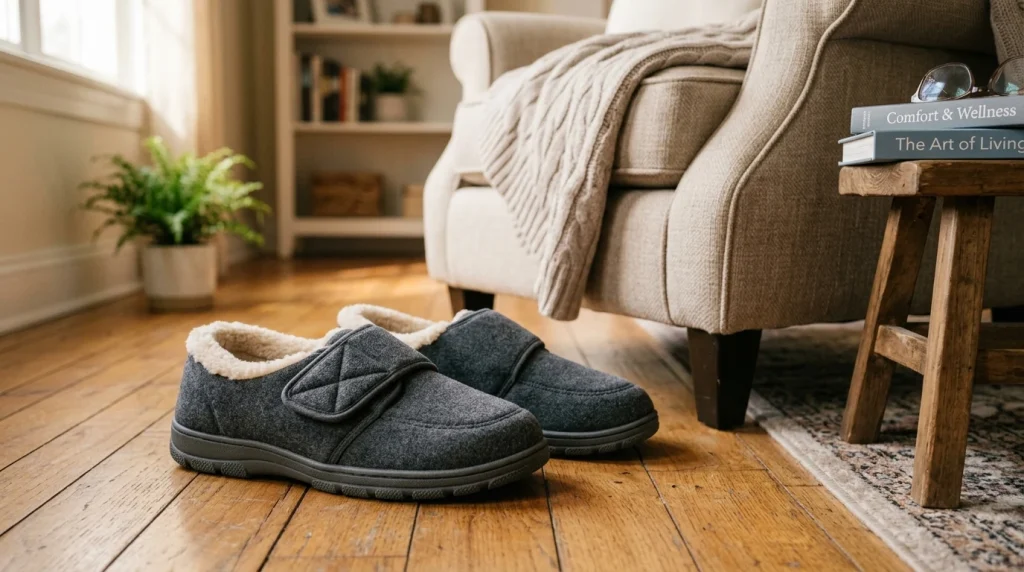
For people living with diabetes, home foot safety is just as critical as outdoor footwear choices. Walking barefoot or in thin socks indoors is one of the leading triggers of accidental puncture wounds, stubbed toes, and pressure ulcers in patients with sensory neuropathy. Orthopedic diabetic slippers provide structured arch support, non-skid rubber outsoles, soft non-binding […]
Best Sandals for Diabetics: Orthopedic Support, Neuropathy Protection & Summer Foot Care Guide
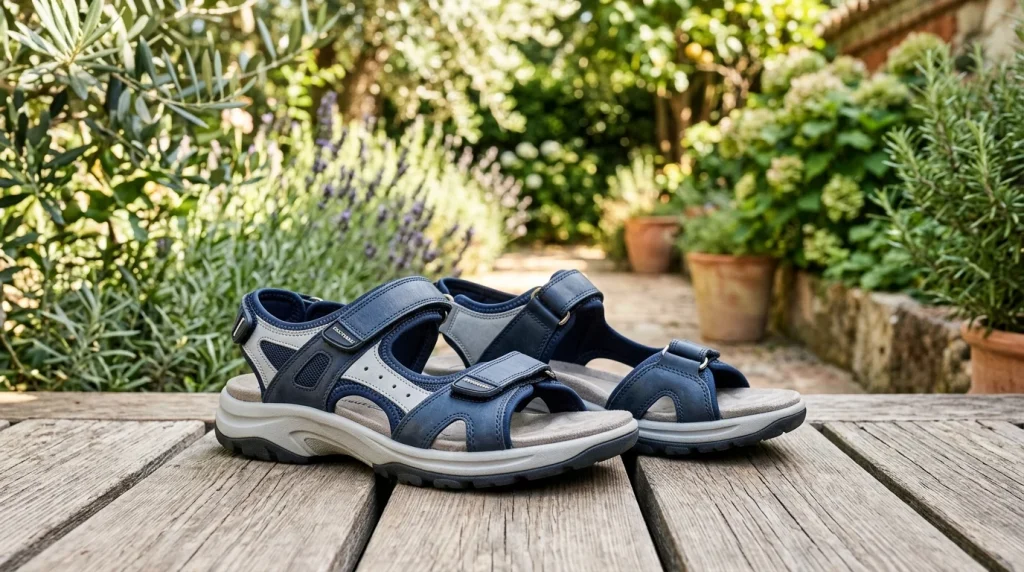
Warm-weather footwear presents a unique clinical dilemma for individuals managing diabetes and peripheral neuropathy. Traditional open-toe flip-flops and unsupportive flat sandals expose vulnerable skin to friction, debris, and pressure points that can trigger non-healing ulcerations. Choosing therapeutic, Medicare-compliant diabetic sandals with orthopedic arch support, seam-free interior linings, and adjustable closures allows patients to enjoy warm […]
Knee High Socks for Diabetics: Comfort Meets Circulation
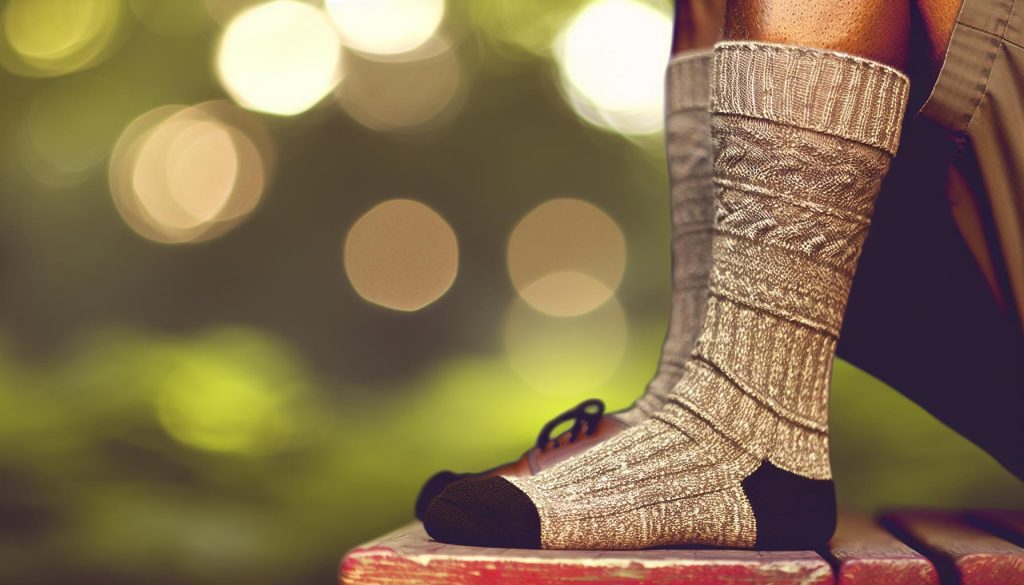
Discover the comfort of Knee High Socks for Diabetics! Improve circulation and alleviate discomfort-your feet deserve the best. Learn more now!
Should Diabetics Wear Compression Socks to Bed? Sleep Safety

Should diabetics wear compression socks to bed? Discover essential sleep safety tips that every diabetic must know for a comfortable night’s rest!
Diabetic Hiking Boots: Trail-Ready Footwear for Adventures

Discover the best diabetic hiking boots for your next adventure! Find trail-ready footwear that enhances comfort and support-perfect for every outdoor enthusiast.
Slip Resistant Diabetic Shoes: Prevent Falls & Injuries

Discover slip resistant diabetic shoes that prevent falls and injuries! Learn how the right footwear can enhance your safety and comfort. Don’t miss out!
Foundational Guides & Core Pillars
The Diabetic Socks Market: Clinical Standards, Materials & Foot Protection
Evidence-based podiatric review analyzing protective engineering, clinical indications, and foot safety protocols for footwear.
Diabetic Insoles & Orthotics: Offloading Pressure, Materials & Neuropathy Care
Evidence-based podiatric review analyzing protective engineering, clinical indications, and foot safety protocols for footwear.
Best Slippers for Diabetes: Orthopedic Support, Non — Skid Soles & Indoor Neuropathy Protection
Evidence-based podiatric review analyzing protective engineering, clinical indications, and foot safety protocols for footwear.
Diabetic Slippers for Men & Women: Podiatrist — Recommended Indoor Shoes for Swollen Feet & Neuropathy
Evidence-based podiatric review analyzing protective engineering, clinical indications, and foot safety protocols for footwear.
Biomechanics of Diabetic Footwear: Plantar Pressure Offloading, Shear Reduction & Ulcer Prevention
Diabetic lower-extremity complications remain among the most critical clinical challenges in endocrine care. Sensory loss caused by distal symmetric polyneuropathy deprives patients of the protective biological warning system that signals tissue friction, mechanical pressure, and foreign body intrusions. Standard commercial shoes, designed primarily for aesthetic appeal, frequently exert excessive localized pressure over the metatarsal heads, dorsal hammer toes, and lateral fifth metatarsals, rapidly inducing epidermal ischemia, subdermal hematomas, and full-thickness ulcerations.
Therapeutic diabetic footwear incorporates specific mechanical engineering principles validated by international podiatric consensus. Rigid or semi-rigid rocker-bottom outsoles transfer biomechanical propulsive forces away from the vulnerable forefoot, reducing peak plantar pressures during the toe-off phase of the gait cycle by up to 35%. Concurrently, extra-depth shoe lasts (providing 1/4 to 1/2 inch of additional vertical internal space) accommodate custom heat-molded multidensity orthotics (HCPCS A5512/A5514), distributing patient body weight uniformly across the total plantar surface area.
Material selection and closure mechanics dictate daily clinical compliance and safety. Supple, non-constrictive leather or breathable microfiber uppers lined with seamless, cushioned foam prevent shearing against prominent bony landmarks. Padded tongues and adjustable hook-and-loop or lace-up closures prevent anterior foot sliding inside the shoe. By coupling therapeutic footwear with rigorous daily visual foot inspections, patients dramatically reduce relative risk of tissue breakdown and secondary osteomyelitis.
| Footwear Class | Biomechanical Engineering Feature | Clinical Pressure Benchmark | Primary Therapeutic Indication |
|---|---|---|---|
| Extra-Depth Walking Shoes | 1/4 to 1/2 inch extra interior clearance; rigid shank | Peak plantar pressure reduction >30% | Peripheral neuropathy, mild hammertoes, bunions |
| Custom Rocker-Bottom Shoes | Curved apex toe rocker; stiff composite sole | Relieves forefoot peak load during toe-off | History of metatarsal ulceration, rigid hallux |
| Protective Indoor Slippers | Non-skid vulcanized rubber sole; enclosed heel cup | Prevents puncture trauma and heel fissure stress | Home ambulation; strict alternative to barefoot walking |
| Therapeutic Non-Binding Socks | Seamless toe seam, gradient stretch, moisture management | Zero circular constriction; arterial protection | Distal ischemia, lower extremity edema, friction prevention |
Topic Directory & Specialized Workflows
Footwear Clinical Engineering & Comfort Reviews
- Best Diabetic Slippers: Indoor Comfort, Non — Slip Soles & Neuropathy Foot Protection
- Best Sandals for Diabetics: Orthopedic Support, Neuropathy Protection & Summer Foot Care Guide
- Knee High Socks for Diabetics: Comfort Meets Circulation
- Should Diabetics Wear Compression Socks to Bed? Sleep Safety
- Diabetic Hiking Boots: Trail — Ready Footwear for Adventures
- Slip Resistant Diabetic Shoes: Prevent Falls & Injuries
- Diabetic Insoles: Top 7 Therapeutic Options for Comfort
- Diabetic Mens Sandals: Comfortable Summer Footwear 2025
- Extra Wide Diabetic Shoes: Comfort Solutions for Swollen Feet
- OPT Diabetic Shoe Insoles: Comfort Solutions That Actually Work
- New Balance Diabetic Footwear: Complete Comfort Review
- Merino Wool Diabetic Socks: Luxury Meets Health Benefits
- Diabetic Nerve Pain Shoes: Relief Options for Neuropathy
- SAS Diabetic Shoes: Comfort Review & Best Styles 2025
- Diabetic Pressure Socks: Circulation Support That Works
- Diabetic Orthotic Insoles: Pain Relief & Better Blood Flow
- Wigwam Diabetic Socks: Are They Worth the Investment?
- Diabetic Shoe to Swedish: Translation Guide & Medical Coverage
- Slippers Diabetic: Cozy Indoor Footwear for Sensitive Feet
- Womens Diabetic Shoes Extra Wide: Comfort for Swollen Feet
- Propet Diabetic Shoes: Comfort Meets Style for Daily Wear
- Diabetic Shoes Prescription Example: Get Coverage Approval Fast
- Diabetic Sandals: Top 8 Breathable Summer Options
- Apex Diabetic Boots: Comfort Review & Best Styles 2025
- Diabetic Safety Toe Boots: Work Protection & Foot Health
- Propet Diabetic Slippers: Comfort & Foot Protection Guide
- Shoes for Diabetics with Neuropathy: Pain Relief & Protection
- Women's Diabetic Dress Shoes: Style Meets Therapeutic Support
- Men's Diabetic Work Boots: Safety Meets Comfort
- Slippers for Diabetic Men: Therapeutic Comfort That Heals
- Diabetic Dress Shoes: Professional Style Without Foot Pain
- Diabetic Slippers for Ladies: Comfort Meets Style 2025
- Diabetic Slippers: Cozy Footwear for Sensitive Feet Relief
- Diabetic Boots: Winter Protection for Sensitive Feet
- Diabetic Slippers for Swollen Feet: Relief & Support
Footwear Selection Guides & Daily Protection Protocols
- Shoes for Diabetics with Amputated Toes: Comfort Solutions
- Thin Diabetic Socks: Why Thickness Matters for Your Feet
- Diabetic Knee High Socks: Improve Circulation & Comfort
- Best Flip Flops for Diabetics: Summer Style Meets Protection
- No Show Diabetic Socks: Invisible Protection All Day Long
- Diabetic House Shoes: Comfort & Support for Sensitive Feet
- Best Insoles for Diabetic Neuropathy: Pain Relief That Works
- Diabetic Support Socks: Gentle Compression for Daily Wear
- Medicare Diabetic Shoes Form: Step — by — Step Application
- Diabetic Inserts: Cushioned Shoe Solutions for Foot Care
- Diabetic Heels: Stylish Dress Shoes for Sensitive Feet
- Sigvaris Diabetic Compression Socks: Comfort Meets Circulation
Frequently Asked Questions: Footwear
Why is walking barefoot strictly prohibited for individuals with diabetes?
Peripheral neuropathy impairs the perception of pain, heat, and sharp objects; walking barefoot indoors or outdoors creates severe risk of unrecognized puncture wounds, burns, and splinter injuries that quickly progress to infected ulcers.
What defines Medicare-approved diabetic therapeutic shoes (A5500)?
Medicare-compliant diabetic shoes must feature extra depth, wide toe boxes, lightweight rigid shanks, and removable insoles to accommodate multi-density custom orthotics prescribed by a podiatrist or physician.
How often should diabetic footwear and orthotics be replaced?
Therapeutic shoes and custom molded inserts should be formally evaluated every 6 to 12 months, as compression of closed-cell EVA foam and outsole wear compromises pressure offloading efficacy.
What protocol should be followed when breaking in new diabetic shoes?
New shoes should be worn for only 1 to 2 hours on the first day, followed immediately by thorough visual inspection of the feet for redness or hot spots, gradually increasing wear time by an hour each day over two weeks.