✨ This article was AI edited. Editorial responsibility: Interconnect-Diabetes.eu.
Produced with AI. This article was artificially generated. Editorial responsibility: Interconnect-Diabetes.eu.
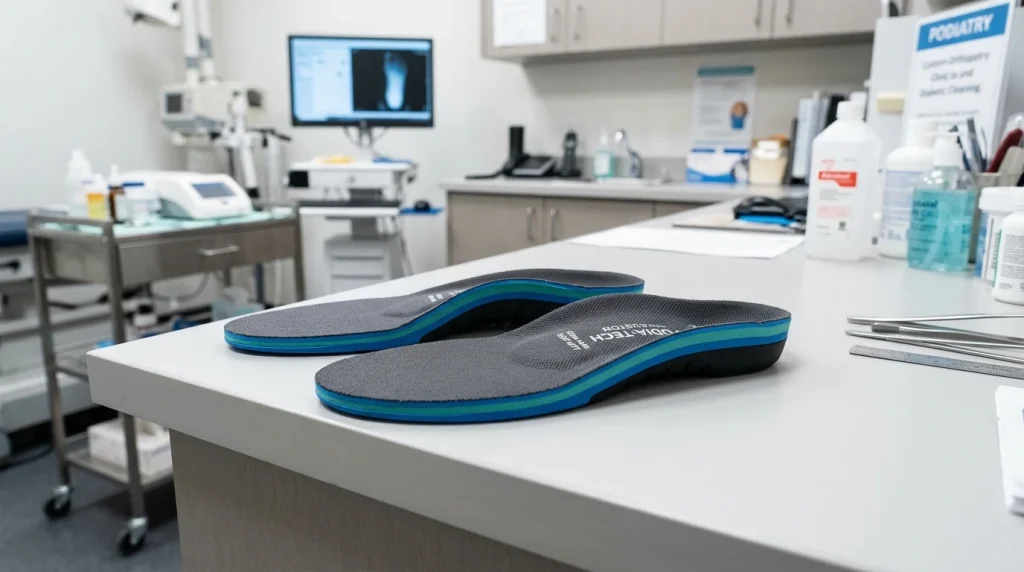
Diabetic insoles (known internationally including as 糖尿病 インソール in Japan) are custom or medical-grade prefabricated orthotic shoe inserts engineered with multi-density cushioning materials (such as Plastazote, Poron, and EVA). They redistribute peak plantar pressures, reduce shear friction, and prevent neuropathic ulcerations in high-risk diabetic feet.
For individuals diagnosed with diabetes mellitus, foot complications represent one of the most critical and preventable causes of hospitalization and lower-extremity amputation worldwide. As diabetic peripheral neuropathy gradually diminishes the protective sensation of pain, pressure, and temperature, repetitive mechanical stress from regular walking creates unseen skin micro-tears, hyperkeratotic calluses, and subcutaneous hemorrhages.
Specialized diabetic insoles and custom functional orthoses serve as the primary biomechanical shield against tissue breakdown. By fundamentally altering how vertical ground reaction forces and shear stresses are distributed across the plantar aspect of the foot, medical-grade orthotic inserts play a decisive role in limb preservation and diabetic ulcer prevention.
Biomechanical Objectives of Diabetic Orthotic Insoles
Unlike standard athletic or commercial fashion insoles—which frequently emphasize rigid arch support or springy energy return—diabetic insoles are designed with specific clinical objectives dictated by the American Diabetes Association (ADA), UK National Institute for Health and Care Excellence (NICE), and Japan Diabetes Society (JDS):
- Peak Plantar Pressure Offloading: Reducing localized vertical pressure below the critical threshold of 200 kPa (kilopascals) over high-risk bony prominences, such as the first and fifth metatarsal heads and the calcaneus.
- Shear Stress Attenuation: Eliminating horizontal friction and shearing forces between the foot and the shoe upper that cause blistering and dermal breakdown.
- Total Plantar Contact Redistribution: Distributing body weight evenly across the entire surface area of the foot, including the midfoot longitudinal arch, to relieve pressure on the forefoot and heel.
- Shock Absorption: Dampening peak kinetic impact forces during the heel-strike and toe-off phases of the human gait cycle.
- Accommodation of Structural Deformities: Safely cushioning foot deformities including claw toes, hammer toes, bunions (hallux valgus), and Charcot neuroarthropathy.
Clinical Comparison of Core Diabetic Insole Materials
The efficacy of a diabetic orthotic depends heavily on the layering of specialized closed-cell foams and viscoelastic polymers.
| Material Layer | Common Material Brand | Density & Firmness | Biomechanical Role | Key Clinical Consideration |
|---|---|---|---|---|
| Top Cover (Skin Contact) | Plastazote (Closed-cell polyethylene) | Low density (Soft / Moldable) | Conforms to foot contours via body heat; non-abrasive; self-molding | Compresses and bottoms out over 3–6 months; requires periodic professional replacement |
| Middle Shock Absorption Layer | Poron / PPT (Cellular urethane) | Medium density (Viscoelastic) | High rebound shock absorption; retains 95%+ of thickness under prolonged cyclic loading | Resists compression set; provides long-term kinetic dampening beneath metatarsal heads |
| Base Shell & Supportive Layer | EVA (Ethylene Vinyl Acetate) / Cork composite | High density (Firm / Structural) | Maintains arch contour; stabilizes rearfoot varus/valgus alignment | Rigid enough to maintain structural integrity without creating dangerous pressure points |
| Friction Reduction Additives | Silver-infused or BAMBOO-carbon fabrics | Ultra-low friction coefficient | Bacteriostatic; inhibits fungal growth and moisture buildup | Prevents maceration in feet prone to autonomic neuropathy-induced anhidrosis or hyperhidrosis |
Prefabricated vs. Custom Molded Diabetic Insoles: The Clinical Debate
When selecting footwear inserts, patients and healthcare providers evaluate two primary categories:
1. Custom Multi-Density Functional Orthotics
Fabricated using 3D laser surface scanning, optical digital pressure plate mapping, or traditional plaster cast negative molds. The podiatrist creates a bespoke device with exact metatarsal relief pads, horseshoe offloading cutouts for prior ulcer sites, and rigid lateral borders for rearfoot stabilization. Clinical literature confirms that custom orthotics achieve superior offloading for complex foot architecture (e.g., severe pes cavus, flatfoot collapse, or Charcot foot).
2. Multi-Density Prefabricated Diabetic Insoles
Manufactured in standard shoe sizes featuring a multi-layer Plastazote and EVA construction. Prefabricated insoles offer immediate accessibility, lower economic cost, and high therapeutic efficacy for low-to-moderate-risk diabetic individuals (IWGDF Risk Category 0–1) without severe foot deformities.
Daily Inspection and Insole Maintenance Protocol
Even the most advanced orthotic will fail if poorly maintained or worn improperly. Diabetic patients must follow this daily care protocol:
- Pre-Wear Tactile Sweep: Before inserting your feet into your shoes, remove the insole and run your fingers along both sides to detect foreign objects (small stones, coins), folded edges, or torn top covers that could cause unrecognized pressure sores.
- Compression Inspection: Monitor the Plastazote top layer monthly. If the foam has compressed to less than 50% of its original thickness under the ball of the foot, the insole has lost its pressure-distributing capabilities and must be refurbished or replaced.
- Shoe Compatibility: Ensure your footwear has adequate internal depth (extra-depth diabetic shoes). Inserting thick multi-density insoles into standard dress shoes compresses the dorsal aspects of the toes against the toe box, rapidly triggering ulcerations.
- Gradual Break-In Period: Wear new insoles for 1–2 hours on the first day, inspecting the plantar skin for localized erythema (redness) that persists longer than 15 minutes after removal. Gradually increase wear time by 1 hour each day over two weeks.
Frequently Asked Questions
How often should diabetic insoles be replaced?
Clinical guidelines recommend replacing diabetic insoles every 4 to 6 months for active individuals, or at least once per year, because closed-cell foams inevitably lose their viscoelastic shock-absorbing properties under repeated cyclical body weight.
Can I wear diabetic insoles in regular sneakers?
Only if the sneakers possess a removable factory liner and sufficient interior volume (extra-depth). If the shoe is too tight, the added volume of a diabetic insole will crowd the toes and create severe dorsal pressure ulcers.
Does health insurance or the NHS cover custom diabetic insoles?
In many healthcare systems, including the UK NHS and US Medicare (under the Therapeutic Shoe Bill), patients diagnosed with diabetic peripheral neuropathy, calluses, or history of ulceration qualify for coverage of therapeutic shoes and multiple pairs of custom multi-density inserts per calendar year.
Get our latest guides, news, and insights highlighted in your Google Search & AI Overviews.