Skip to content
  • Home
  • Equipment
    • Testing Supplies
    • Travel Cases
  • Footwear
    • Diabetic Boots
    • Diabetic Sandals
    • Diabetic Shoes
    • Diabetic Slippers
    • Diabetic Socks
  • Lifestyle
    • Daily Activities
    • Health Monitoring
    • Travel Planning
    • Work Considerations
  • Medical Care
    • Diabetes Specialists
    • Medical Centers
    • Medical Procedures
    • Treatment Options
  • Medical Conditions
    • Diabetic Retinopathy
    • Foot Problems
    • Foot Ulcers
    • Vision Problems
  • Nutrition
    • Diabetic Beverages
    • Diabetic Recipes
    • Diabetic Snacks
    • Foods for Diabetics
    • Restaurant Dining
  • About
Contact

Category: Foot Problems

Foot Problems categorizes dermatological, biomechanical, and musculoskeletal pathologies of the lower extremity—including cutaneous xerosis, hyperkeratotic calluses, fungal onychomycosis, digital deformities, and Charcot neuroarthropathy.

Foundational Pillars
Technical Foundations
Topic Directory
Frequently Asked Questions

Foundational Guides & Core Pillars

Foundational Guide

Can Diabetics Get Pedicures? Safety Tips & What to Avoid

Clinical research paper reviewing evidence-based diagnosis, pathophysiological mechanisms, and management strategies for foot problems.

Technical Analysis

Callus and Diabetes: Prevention Tips & Treatment Options

Clinical research paper reviewing evidence-based diagnosis, pathophysiological mechanisms, and management strategies for foot problems.

Practical Methodology

Diabetic Nerve Pain Shoes: Relief Options for Neuropathy

Clinical research paper reviewing evidence-based diagnosis, pathophysiological mechanisms, and management strategies for foot problems.

Comprehensive Reference

Podiatrists and Diabetes: Why Foot Care Specialists Matter

Clinical research paper reviewing evidence-based diagnosis, pathophysiological mechanisms, and management strategies for foot problems.

Podiatric Dermatology & Biomechanics: Callus Pathology, Deformities & Charcot Joint Care

The diabetic foot is subject to a constellation of progressive pathological alterations stemming from the interplay of autonomic, sensory, and motor neuropathies. Autonomic denervation eliminates normal sympathetic tone to the eccrine sweat glands, resulting in profound anhidrosis. The skin becomes parched, brittle, and prone to painful plantar fissures (especially across the posterior heel border). These micro-fissures breach the protective epidermal barrier, providing a direct portal for bacterial pathogens to invade subcutaneous fat and trigger rapid cellulitis.

Motor neuropathy induces selective denervation of the intrinsic lumbrical and interosseous foot muscles. As these stabilizing muscles atrophy, the stronger long flexor and extensor tendons overpower the digits, pulling the toes into rigid claw toe or hammertoe deformities. These biomechanical shifts displace the plantar submetatarsal fat pad distally, leaving the bony metatarsal heads exposed to massive unpadded impact forces during every stride. In response, the epidermis accelerates keratinocyte turnover, forming dense hyperkeratotic calluses that act as rigid foreign bodies beneath the skin.

The most catastrophic biomechanical crisis is acute Charcot neuroarthropathy (diabetic neuro-osteoarthropathy). Triggered by minor unperceived trauma in a neuropathic extremity with robust arterial perfusion, uncontrolled local osteoclast activation leads to rapid bone demineralization, microfractures, and joint subluxation. If not immobilized immediately in a non-weight-bearing cast, the structural arches collapse, producing a permanent ‘rocker-bottom’ deformity that virtually guarantees recalcitrant ulceration. Routine podiatric screening and patient education represent the premier defenses against these disabling outcomes.

Pathological EntityClinical Presentation & EtiologyUlceration Risk LevelRecommended Podiatric Intervention
Plantar Hyperkeratotic CallusThickened, yellowish stratum corneum under pressure pointsHigh (direct precursor to ulcer)Painless scalpel debridement by podiatrist; offloading orthotics
Hammertoes / Claw ToesHyperextension of MTP joint with PIP flexionModerate to High (dorsal friction)Extra-depth toe box footwear; silicone digital crests; tendon release
Cutaneous Heel FissuresDeep vertical cracks in dry, callused heel skinModerate (bacterial portal of entry)Daily application of 20–40% urea cream; heel cup orthotics
Charcot NeuroarthropathyAcute hot, red, swollen foot with arch collapseExtremely High (permanent deformity)Immediate zero-weight-bearing immobilization; CROW boot
Fungal OnychomycosisDystrophic, thickened, brittle, discolored toenailsLow to Moderate (subungual pressure)Professional mechanical nail burring; topical/oral antifungals

Topic Directory & Specialized Workflows

Foot Problems Clinical Research & Diagnostic Studies

  • Pre Diabetes Knuckles: Dark Patches Warning Signs Explained
  • Toenails Falling Off Diabetes: Emergency Signs to Watch
  • FlyCare Diabetic Cream: Foot Care Solution for Daily Use
  • Discolored Toenails Diabetes: Warning Signs & Treatment
  • Diabetic Nail Care Near Me: Find Professional Foot Care
  • Best Diabetic Pedicure Near Me: Safe Foot Care Locations
  • Shoes for Diabetics with Neuropathy: Pain Relief & Protection
  • Can a Diabetic Use Epsom Salt? Foot Soak Safety & Warnings
  • Ingrown Toenail Diabetes: Prevention & Safe Treatment Tips
  • Diabetic Slippers for Swollen Feet: Relief & Support
  • Shoes for Diabetics with Amputated Toes: Comfort Solutions
  • Gold Bond Diabetic Hand Cream: Moisturizing Review & Benefits
  • Epsom Salt and Diabetes: Foot Soak Benefits & Safety Warnings
  • Why Diabetics Can’t Use Epsom Salt: Hidden Foot Care Risks
  • Abscess in Diabetics: Warning Signs & Emergency Treatment
  • Best Insoles for Diabetic Neuropathy: Pain Relief That Works
  • Cvreoz Diabetic Cream: Does This Foot Care Product Work?
  • Diabetic Toe Nails: Warning Signs & Professional Care Tips
  • VA Recognize High Blood Pressure Cause Diabetes: What Veterans Need

Foot Problems Clinical Protocols & Treatment Guides

  • Should Diabetics Have Pedicures? Safe Foot Care Guidelines
  • Where to Get Pedicures for Diabetics: Safe Salon Guidelines
  • Diabetic Nail Salon Near Me: Safe Pedicure Locations & Red Flags
  • Is Falling Asleep After Eating a Sign of Diabetes? Warning Signs
  • Blood Blister on Toe Diabetic: Emergency Care Guide & Prevention
  • Black Toenails Diabetes: Warning Signs & When to See a Doctor
  • Should a Diabetic Get a Pedicure? Safety Tips & Precautions
  • What Is the Difference Between Diabetic Lotion and Regular?
  • Best Slippers for Diabetics with Neuropathy: Comfort & Safety
  • Pink Ring in Toilet Diabetes: What This Warning Sign Means
  • Diabetic Foot Care Products: Essential Daily Protection Guide
  • Nail Salon for Diabetics Near Me: Safe Pedicure Guide

Frequently Asked Questions: Foot Problems

Why should diabetic individuals never use chemical callus removers or razor blades at home?

Chemical acid patches and bathroom blade shaving cause severe chemical burns and unperceived deep lacerations in neuropathic skin, frequently triggering life-threatening infected ulcers.

What is the difference between an acute Charcot foot and simple cellulitis?

Both present with a warm, red, swollen foot; however, elevating a Charcot foot for 5 to 10 minutes significantly reduces erythema as autonomic blood flow stabilizes, whereas cellulitis erythema persists.

How should diabetic toenails be safely trimmed?

Toenails should be trimmed straight across following the natural contour of the toe without rounding into the corners, utilizing clean clippers and smoothing sharp edges with an emery board.

What type of daily moisturizer is safest for diabetic feet?

Emollient creams containing 10% to 20% medical-grade urea should be massaged into the heels and soles daily, but never applied between the toes where excessive moisture promotes fungal infections.

Can Diabetics Get Pedicures? Safety Tips & What to Avoid

Can Diabetics Get Pedicures? Safety Tips & What to Avoid

Can diabetics get pedicures? Discover essential safety tips and what to avoid to maintain foot health. Learn how to pamper yourself safely today!

Callus and Diabetes: Prevention Tips & Treatment Options

Callus and Diabetes: Prevention Tips & Treatment Options

Discover essential prevention tips and treatment options for callus and diabetes. Learn how to manage your condition effectively and improve your foot health today!

Diabetic Nerve Pain Shoes: Relief Options for Neuropathy

Diabetic Nerve Pain Shoes: Relief Options for Neuropathy

Discover relief with diabetic nerve pain shoes designed for neuropathy. Find comfort and support today-your feet deserve it! Don’t wait, explore your options now!

Podiatrists and Diabetes: Why Foot Care Specialists Matter

Podiatrists and Diabetes: Why Foot Care Specialists Matter

Discover why podiatrists are crucial for diabetes management! Learn how expert foot care prevents complications and enhances your quality of life. Get informed today!

Pre Diabetes Knuckles: Dark Patches Warning Signs Explained

Pre Diabetes Knuckles: Dark Patches Warning Signs Explained

Discover the surprising link between pre-diabetes and dark knuckles. Learn the warning signs and take charge of your health today! Don’t ignore these crucial signals.

Toenails Falling Off Diabetes: Emergency Signs to Watch

Toenails Falling Off Diabetes: Emergency Signs to Watch

Don’t ignore toenails falling off due to diabetes! Discover urgent signs to watch for and learn how to protect your health. Get empowered now!

FlyCare Diabetic Cream: Foot Care Solution for Daily Use

FlyCare Diabetic Cream: Foot Care Solution for Daily Use

Discover relief with FlyCare Diabetic Cream – your daily foot care solution! Soothe dry, cracked skin and enhance comfort. Don’t wait-your feet deserve the best!

Discolored Toenails Diabetes: Warning Signs & Treatment

Discolored Toenails Diabetes: Warning Signs & Treatment

Discover the warning signs of discolored toenails in diabetes! Learn effective treatments and empower your health journey today for a brighter, healthier future.

Diabetic Nail Care Near Me: Find Professional Foot Care
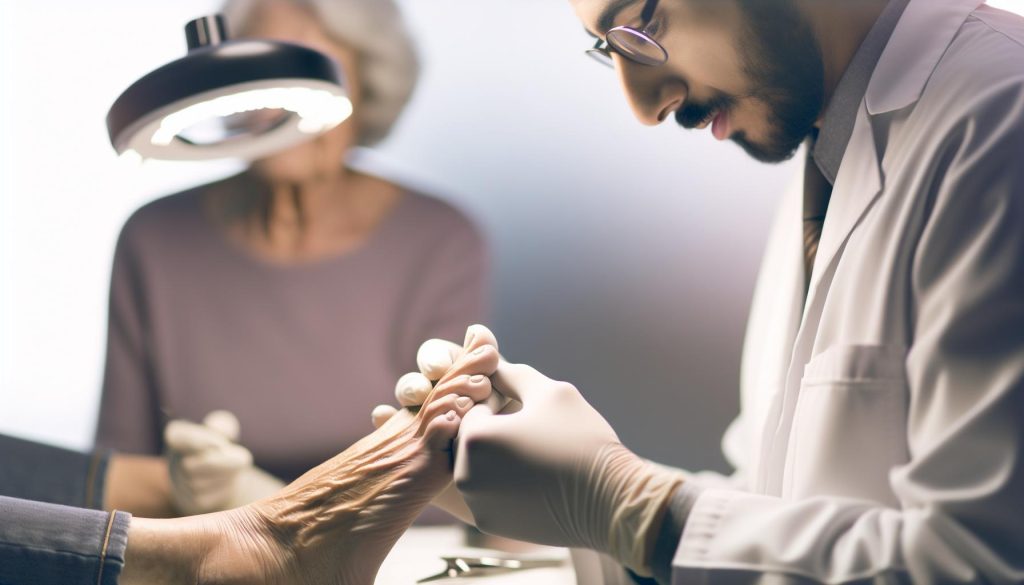
Diabetic Nail Care Near Me: Find Professional Foot Care

Discover top-notch diabetic nail care near you! Find professional foot care solutions to prevent complications and ensure healthy, happy feet today!

Best Diabetic Pedicure Near Me: Safe Foot Care Locations

Best Diabetic Pedicure Near Me: Safe Foot Care Locations

Discover the best diabetic pedicure near you for safe foot care! Find locations that prioritize your health-get pampered without worry today!

Next →

Stay informed with the latest insights and tips tailored for those living with diabetes. Explore solutions and resources designed to support you in your daily journey.

  • Homepage
  • Blog
  • About
  • FAQ
  • Contact
  • Privacy Policy
  • Homepage
  • Blog
  • About
  • FAQ
  • Contact
  • Privacy Policy

© 2024 Interconnect-Diabetes.eu. All rights reserved.

Facebook X-twitter Instagram
AI Editorial Policy