
For individuals with diabetes, self-care extends beyond diet and regular check-ups; it includes pampering practices like pedicures. However, finding a safe salon that meets specific health needs can be challenging. In this guide, we will explore essential salon guidelines tailored for diabetics to ensure your foot care routine remains both enjoyable and risk-free. Prioritizing foot health is crucial for managing diabetes, and understanding the right environments for treatments can significantly enhance your well-being. So, whether you’re preparing for a special occasion or simply indulging in some necessary self-care, let’s uncover how to confidently seek out the best pedicure experiences that prioritize your health without compromising on relaxation.
Where to Find Safe Pedicure Salons for Diabetics
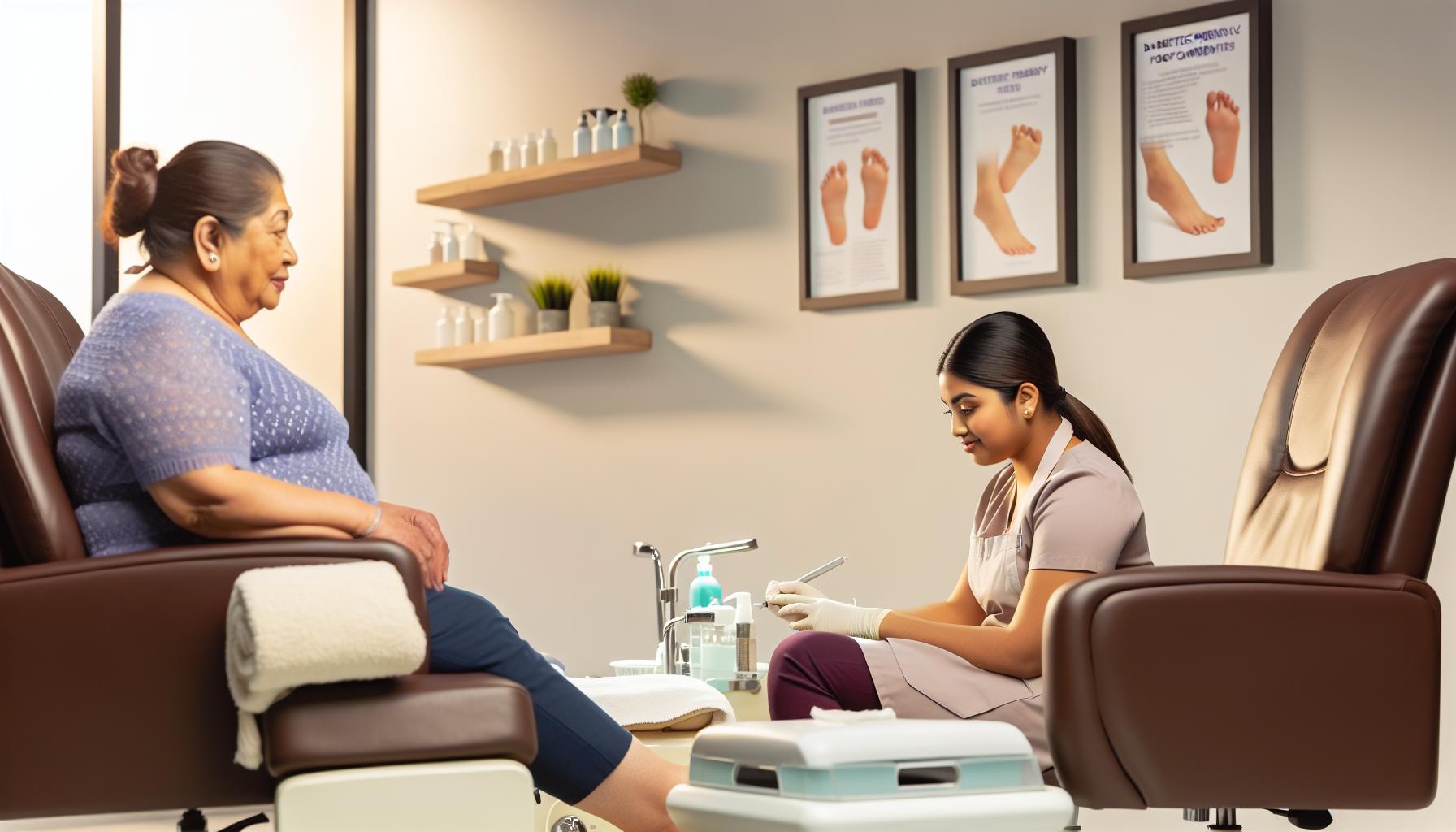
Finding the right pedicure salon can make a world of difference for individuals living with diabetes. It’s crucial to prioritize safety and hygiene due to the unique foot health challenges that diabetes can present, such as reduced circulation and increased risk of infections. To begin your search for a safe salon, consider seeking recommendations from healthcare providers, such as podiatrists or diabetes educators, who often have valuable insights on local salons that meet specific safety standards. Online reviews can also help you gauge customer experiences, but personal referrals are often the most reliable.
When assessing potential salons, be on the lookout for those that emphasize their understanding of diabetic needs. Ask about their protocols for cleanliness and sanitation practices, such as using sterilized tools and ensuring that footbaths are thoroughly cleaned between clients. You might want to visit the salon in person before booking an appointment; this allows you to evaluate the environment and speak directly with the staff about their experience with diabetic clients. Some salons may even offer specific services tailored for diabetics, demonstrating their commitment to accommodating your needs.
Another effective way to ensure you are choosing a safe salon is to look for certifications or training that staff members may have received regarding diabetic foot care. Many beauty schools and salons offer specialized training in this area, and staff who are knowledgeable about diabetic foot health can significantly reduce the chances of complications during your pedicure.
In your search, consider calling local diabetic support groups or community health centers, as they can often recommend salons with experienced staff who understand the specific needs of diabetic clients. Remember, taking the time to find the right salon not only enhances your experience but also contributes to the overall health and care of your feet.
Essential Safety Practices for Diabetic Pedicures

When it comes to pedicures for those living with diabetes, safety should always be the top priority. Individuals with diabetes can face unique challenges, such as decreased circulation and a higher risk of infections, making it essential to adopt specific practices that ensure their foot care experience is both enjoyable and secure. Understanding these safety practices can empower diabetic individuals to indulge in self-care while maintaining optimal foot health.
One of the most critical aspects of a safe pedicure is ensuring that the salon adheres to rigorous hygiene protocols. It’s advisable to confirm that the salon uses sterilized tools for every client, including nail clippers and cuticle pushers. Additionally, footbaths should be properly disinfected between uses to prevent cross-contamination. When you arrive at the salon, take note of the overall cleanliness of the environment-this includes the floors, treatment areas, and the staff’s personal hygiene. A salon that takes pride in its cleanliness is much more likely to prioritize the health needs of its clients.
Communication with your pedicurist is paramount. Before the service begins, inform them of your diabetic status and any specific concerns you might have. An experienced technician will understand how to accommodate your needs and may adjust their techniques accordingly. For example, they should avoid aggressive filing or cutting, which can lead to injuries. Additionally, if you notice any unusual signs on your feet, such as blisters, cuts, or discoloration, make sure to consult with your healthcare provider before proceeding with a pedicure.
To further enhance your safety during pedicures, consider asking the salon about its policies for diabetic clients. Some establishments may even offer specialized treatments designed for those with diabetes, promoting a more tailored approach to foot care. Taking these steps not only fosters a positive salon experience but also ensures that your pedicure aligns with your health needs, allowing you to leave the salon with beautifully cared-for feet without compromising your well-being.
Understanding Diabetic Foot Health: Key Considerations

Managing foot health is paramount for individuals with diabetes, as it can significantly influence overall well-being. Approximately 15% of people with diabetes will develop a foot ulcer during their lifetime due to complications stemming from the disease. This highlights the importance of understanding the unique considerations when it comes to foot care, especially during pedicures. Adequate care and attention can help prevent injuries, infections, and potentially severe complications.
Diabetic individuals often experience reduced blood flow and nerve damage in their feet, which can create challenges in detecting injury or infection. Regularly inspecting feet for any abnormalities, such as cuts, blisters, or redness, is essential. Any changes should prompt a consultation with healthcare providers, as timely interventions can prevent complications. When planning for a pedicure, consider the following factors that are crucial for foot health:
Key Considerations for Diabetic Foot Health
- Hygiene Practices: Choose salons that practice thorough sanitation. The use of sterilized tools and disinfected footbaths is vital to minimizing the risk of infections.
- Gentle Techniques: Inform the pedicurist of your diabetic status. Professionals trained in diabetic foot care will likely employ gentler techniques to avoid cuts or abrasions.
- Moisturization: Regularly moisturizing feet helps prevent cracking and dryness, which can lead to infections. Always choose products specifically formulated for diabetic skin.
- Footwear: Post-pedicure, it’s beneficial to wear comfortable, well-fitting shoes to reduce pressure and allow for adequate circulation.
Before scheduling your pedicure, it may be wise to consult your healthcare team about any specific foot care recommendations tailored to your condition. Empowering yourself with knowledge about your diabetic foot health not only enhances your self-care routine but also promotes lifelong health and wellness.
Choosing the Right Pedicure Services for Diabetics
Choosing the right pedicure services as a diabetic is not just about treating yourself to a bit of pampering; it’s about ensuring your safety and foot health. Many individuals with diabetes are unaware of the specific risks associated with foot care and can inadvertently expose themselves to complications during seemingly harmless beauty treatments. Therefore, it is crucial to find salons that understand the delicate nature of diabetic foot care. Start by looking for establishments that specialize in diabetic pedicures, showcasing trained staff who are knowledgeable about the unique needs of diabetic clients.
Ensuring that the services align with your health requirements involves several factors. First and foremost, consider the experience of the staff. When researching salons, inquire about their expertise in diabetic foot care. A knowledgeable technician should emphasize gentle techniques, such as using softer tools and avoiding aggressive cuticle trimming, to minimize the risk of injury. Don’t hesitate to share your diabetic status and any specific concerns before your appointment; this allows the pedicurist to tailor the experience to your needs effectively.
Next, prioritize salons that utilize safe, sanitary practices. The risks of infection are elevated among diabetic individuals, so it’s essential to choose a venue that adheres to strict hygiene protocols. This includes using sterile instruments and disinfected footbaths, as well as maintaining a clean work environment. A reputable salon will be transparent about their sanitation procedures, which can give you peace of mind.
Finally, consider the types of services offered. Look for options that focus on moisturization and relaxation, avoiding any aggressive treatments. Specifically, services that include foot massages with diabetic-friendly lotions can help promote circulation and hydration, two critical components of diabetic foot health. Ask whether the salon carries products specifically formulated for diabetics, as using the right skincare can significantly help maintain foot health.
Making informed choices about where to receive pedicures can empower those with diabetes to enjoy personal grooming while keeping their foot health a priority. Remember, while finding the right salon is essential, always consult with your healthcare provider for personalized recommendations that suit your diabetes management plan.
How to Evaluate a Salon’s Hygiene Standards

To ensure a safe and pleasant pedicure experience, evaluating a salon’s hygiene standards is paramount, especially for those living with diabetes. Potential exposure to infections and complications necessitates a keen eye for cleanliness and sanitation. Before booking an appointment, consider visiting the salon in advance to observe their practices first-hand. A clean, well-maintained environment will make all the difference in your peace of mind and safety.
As you evaluate a salon’s hygiene standards, here are key aspects to inspect:
- Instruments and Equipment: Ensure that all tools, including nail clippers, files, and cuticle pushers, are either single-use or properly sterilized between clients. Sterilization methods should adhere to health regulations, and the salon should be willing to explain their processes.
- Footbaths and Soaking Areas: Look for salons that use disposable liners for footbaths or sanitize them thoroughly after each customer. This practice helps prevent the spread of bacteria and fungi.
- Work Environment: A clean workspace is a good indicator of a salon’s overall hygiene commitment. Check for cleanliness in areas where tools are stored and the floors where services are offered. There should be visible efforts to maintain a tidy space.
- Staff Hygiene: Observe the staff’s own hygiene practices. They should wash their hands before and after each client and wear gloves during procedures to further minimize any risk of contamination.
- Client Reviews and Ratings: Research online for reviews highlighting the salon’s cleanliness and hygiene standards. Customer feedback can provide valuable insight into others’ experiences regarding safety at the salon.
Understanding these aspects of hygiene will enable you to make informed decisions that prioritize your health. Always feel empowered to ask the salon about their sterilization methods and cleanliness protocols. If they hesitate to provide clear answers, consider it a red flag. Your foot health is paramount, making it essential to choose a salon that values hygiene as a critical component of their service.
Techniques for Diabetic-Friendly Foot Care
Taking care of your feet is crucial for everyone, but especially for those living with diabetes. With the right techniques, diabetic-friendly foot care can help minimize risks and maintain healthy feet. One significant fact to remember is that people with diabetes are more susceptible to foot complications, making it imperative to adopt a proactive approach to foot care.
Using gentle, non-invasive methods is essential when caring for diabetic feet. Start with regular inspections; check for any cuts, blisters, or changes in skin color. It’s also important to keep the feet clean and dry to prevent fungal infections. When washing, use lukewarm water and gently dry the feet, especially between the toes, which can trap moisture and promote bacteria growth. Additionally, consider using moisturizing creams that are specifically formulated for diabetic skin, as they help maintain hydration without being greasy.
Choosing Appropriate Products
When selecting foot care products, prioritize those labeled as diabetic-friendly. Avoid products with harsh chemicals, which can irritate the skin. Look for moisturizers that contain ingredients such as urea or lactic acid, known to effectively hydrate the skin without causing a reaction. Clothes and socks made from breathable materials can also help keep your feet healthy.
Techniques for Handling Toenails
Special care should be taken when dealing with toenails. It’s best to trim nails straight across and avoid cutting them too short to prevent ingrown toenails. If you find it difficult to manage your toenails, seek assistance from a trained professional familiar with diabetic foot care.
Remember, regular visits to a healthcare provider for foot exams can catch issues early and prevent serious complications. Empower yourself with knowledge and practices that nurture your foot health, allowing you to indulge safely in activities like pedicures while managing your diabetes effectively. Always consult with your healthcare team before making significant changes to your foot care routine, especially in the salon setting.
Common Risks to Avoid During Pedicures
Taking care of your feet is vital, especially for those managing diabetes. While a pedicure can be a pampering escape, it’s essential to stay aware of potential risks that could jeopardize foot health. Individuals with diabetes are at an increased risk for foot complications, making it crucial to be vigilant about the practices and procedures used during a pedicure. Understanding and mitigating these risks can empower diabetic clients to enjoy salon services safely.
One significant risk comes from the use of standard pedicure tools. Instruments like razors or sharp implements can inadvertently cause cuts or abrasions, especially on sensitive diabetic skin. These injuries can lead to infections, which might escalate quickly due to compromised circulation in the feet. It’s advisable to choose salons that utilize gentle, non-invasive methods, such as using a pumice stone instead of a blade for callus removal. Make sure to communicate your specific needs and explain your diabetic condition to ensure they are accommodated effectively.
Another concern is the use of hot water and heat elements. Diabetics often have reduced sensitivity in their feet, which can result in burns if water temperature is too high. Requesting lukewarm water for foot soaks and avoiding heated mats or slippers can help prevent such incidents. Keeping a close eye on the temperature is your responsibility, and you should never hesitate to speak up if something feels uncomfortable.
Lastly, hygiene practices within the salon can dramatically impact your safety. Always choose establishments that demonstrate strict cleanliness protocols and proper sterilization of tools. Look for any signs of unsanitary conditions, such as dirty surfaces or unwashed towels. When evaluating a salon, consider asking the staff about their procedures for cleaning equipment and ensuring cleanliness. A salon environment that prioritizes hygiene will minimize the risk of infection or other complications related to foot care.
By being aware of these potential pitfalls and advocating for your own foot health during a pedicure, you can enjoy a safe and relaxing experience while managing your diabetes effectively. Always consult with your healthcare professional if you have concerns about how a pedicure might impact your foot health.
Questions to Ask Your Pedicurist Before Service
When planning a pedicure, especially for those managing diabetes, it’s vital to ensure that your foot health remains a top priority. Engaging in open dialogue with your pedicurist can significantly enhance your salon experience, helping you to feel more secure and informed. Here are some essential questions to pose before the service begins, allowing you to address any concerns and set clear expectations.
Key Questions to Ask
- What sterilization methods do you use for your tools? It’s crucial to inquire about the sanitation practices in place. Ensure that all implements are properly sterilized between clients to minimize the risk of infection, which is especially relevant for diabetics.
- Do you have experience working with clients who have diabetes? Understanding the pedicurist’s experience with diabetic clients can provide peace of mind. A knowledgeable professional can better cater to your unique needs and adjust their techniques accordingly.
- What products do you use on my feet during the pedicure? Ask about the creams, scrubs, and oils they use, ensuring they are suitable for sensitive skin. Some products may contain additives that could irritate diabetic skin or pose allergy risks.
- How will you address any calluses or rough skin? Request clarification on their methods for managing calluses. It’s essential to avoid sharp tools that can cause cuts; a gentle approach using pumice stones or other non-invasive methods is ideal.
- What precautions do you take with foot soaking temperatures? Mention your concerns regarding temperature sensitivity. A good pedicurist will be willing to adjust the water temperature to ensure it is comfortable for you.
Asking these questions not only helps establish a safe and comfortable environment but also demonstrates your commitment to proactive foot health management. Remember, your well-being matters, and any good pedicurist will appreciate your initiative in ensuring a safe experience.
When you schedule an appointment, consider discussing any additional medical concerns you might have. Maintaining open communication with your healthcare professional about your foot health and salon visits is always recommended to help you manage diabetes responsibly.
Home Pedicure Tips for Diabetics
Maintaining foot health is crucial for those managing diabetes, and pampering your feet at home can be both enjoyable and safe. A home pedicure not only allows you to relax but also helps to keep your feet in optimal condition, preventing complications that can arise due to diabetes. Whether you’re a seasoned pro or new to home foot care, implementing some simple yet effective practices can help you maintain healthy feet.
Start by preparing your space with a clean and comfortable setting. Ensure all your tools are sanitized; this includes nail clippers, files, and any other implements you plan to use. Begin your pedicure by soaking your feet in warm water mixed with Epsom salts, which can help soothe tired feet and soften skin. Keep the water at a moderate temperature to avoid any risk of burns, as diabetics may have diminished sensitivity. Soaking should last for about 10 to 15 minutes, allowing your skin to absorb moisture and making it easier to manage cuticles and calluses.
When it comes to nail care, trim your nails straight across to prevent ingrown nails. Use a gentle touch when filing to smooth any rough edges. If you notice any calluses, opt for a pumice stone instead of sharp tools that could lead to cuts or abrasions. Remember to hydrate your feet after drying them; apply a thick, diabetic-friendly moisturizer to keep skin soft and mitigate dryness.
Lastly, be vigilant about checking your feet regularly. Look for any changes, such as red spots, blisters, or skin discoloration, and consult your healthcare provider if you notice anything unusual. By fostering a routine of careful foot care at home, you can enjoy the benefits of relaxation while also prioritizing your health. Taking these extra steps ensures that your feet stay healthy and beautiful, contributing to your overall well-being.
Recommended Products for Diabetic Foot Care
Maintaining optimal foot health is essential for individuals with diabetes, and selecting the right products can significantly enhance foot care routines. The market offers a variety of specialized products designed to address the unique needs of diabetic feet, focusing on hydration, protection, and overall foot health. These products can help prevent complications, ensuring your pedicure experience is not only enjoyable but also safe.
One of the most important products to consider is a diabetic foot cream or moisturizer. Look for creams that contain ingredients such as urea or glycerin, which are effective in retaining moisture and softening dry skin without causing irritation. Brands like Hammond’s Therapeutic Foot Cream and Lotion for Diabetics are highly regarded for their formulation that caters specifically to diabetic skin. Regular use can help prevent cracks and skin breakdown, which are common concerns due to dryness.
For those prone to calluses, a gentle exfoliating scrub formulated for sensitive skin can be beneficial. Choose scrubs that use natural exfoliants, as harsh chemicals can exacerbate foot sensitivities. A pumice stone or foot file designed with rounded edges can also be effective; just ensure that it is used gently to prevent any abrasions.
Investing in well-fitting diabetic socks is another crucial aspect. Look for socks made of moisture-wicking materials that help prevent blisters and fungal infections. Brands like Dr. Scholl’s and ProFoot offer diabetic-friendly options that are designed to be non-binding, promoting circulation while keeping feet dry.
Lastly, always have a good-quality nail clipper and file dedicated solely for foot care. Opt for tools with easier grips that accommodate those with reduced hand strength. Symptoms of compromised circulation or diabetic neuropathy often necessitate extra caution during nail trimming; therefore, using the right tools can decrease the risk of cuts and injury.
By implementing these products into your foot care regimen, you not only prioritize your foot health but also empower yourself to enjoy safer and more pleasant pedicure experiences. Always consult with a healthcare professional before trying new products to ensure they are appropriate for your specific needs.
Signs of Foot Complications: When to Seek Help
Recognizing the signs of foot complications is critical for individuals with diabetes, as timely intervention can prevent serious issues. Feet can be particularly vulnerable due to factors like decreased circulation and nerve sensitivity, which are common in diabetic patients. Thus, developing an awareness of what constitutes a warning sign is essential in maintaining foot health. For instance, if you notice any changes in your skin color-whether it appears unusually pale, bluish, or red-it’s essential to seek medical attention. These color changes can indicate inadequate blood flow or infection.
Another area of concern to be vigilant about is the presence of sores, cuts, or blisters. Due to reduced sensation, people with diabetes may not feel injuries on their feet. If you notice any sores that do not heal within a few days, or if there are any signs of infection-such as increased redness, warmth, or discharge-contact your healthcare provider promptly. Additionally, any swelling, especially accompanied by pain or warmth, can signal an infection or other complications that require immediate medical assessment.
Always keep an eye on your toenails. Ingrown toenails can lead to infections, and significant pain or swelling at the nail bed should not be ignored. If you experience pain while walking, or if your foot feels unusually weak, these could be symptoms of complications such as neuropathy or arterial disease. Regular foot inspections can assist in catching these issues early, making self-care routines immensely beneficial.
Lastly, don’t forget to monitor any unusual sensations in your feet, such as numbness, tingling, or severe pain, as these may indicate nerve damage. The goal of diabetes management is not only to control blood sugar levels but also to maintain overall foot health. Regular check-ups with a healthcare provider specialized in diabetic care are critical in navigating these complexities and ensuring a proactive approach to foot health.
Personal Stories: Experiences of Diabetics with Pedicures
Experiences shared by individuals with diabetes regarding their pedicure visits can offer invaluable insights, as they navigate the balance between self-care and the need for heightened caution. One participant recounts how she transformed her routine by carefully selecting a salon known for its diabetic-friendly practices. “I always felt hesitant about pedicures due to the fear of infections,” she explains. “However, once I found a place that prioritized hygiene and had trained staff, I felt empowered to indulge in this self-care ritual.”
Many diabetics emphasize the communication aspect of their salon experiences. It’s common for individuals to inquire specifically about the tools used and the sterilization methods in place. Another diabetic shared, “Before my appointment, I always ask if they use disposable tools or sanitize everything thoroughly. Engaging in this dialogue not only puts my mind at ease but helps establish a good relationship with my pedicurist.” Clients report feeling safer when they notice sanitizing stations and meticulous cleanliness throughout the salon.
Furthermore, personal stories highlight the adjustments individuals make during their treatments. One man with diabetes found that while he enjoyed the relaxation of a spa pedicure, he opted to maintain his toenail trimming regimen at home. “I realized that I could prevent issues by being proactive. I trim my nails every few weeks and let the salon handle the polishing,” he stated. This balance allows him to savor the pampering aspect without exposing himself to potential risks.
However, not all experiences have been smooth sailing. Some individuals have faced discomfort during or after their pedicures due to improper techniques, prompting them to seek professional advice afterward. Experts advise diabetics to pay attention to any pain or unusual sensations during treatment. “If something feels off, don’t hesitate to voice your concerns,” one diabetic urges, emphasizing the importance of standing up for your own health. Ultimately, these personal narratives not only serve as a testament to the importance of safety and awareness but also inspire others living with diabetes to pursue their self-care goals confidently.
Faq
Q: Can diabetics get pedicures safely?
A: Yes, diabetics can safely get pedicures if they choose salons that follow strict hygiene practices and use appropriate techniques. It’s essential to communicate your condition with the salon staff and opt for services that minimize risks, as outlined in our section on Essential Safety Practices for Diabetic Pedicures.
Q: What should I look for in a pedicure salon for diabetics?
A: When selecting a pedicure salon, look for high hygiene standards, certified technicians, and a focus on diabetic-friendly practices. Check reviews and ask about their safety protocols to ensure a safe experience. Refer to our article section on Evaluating a Salon’s Hygiene Standards for more details.
Q: How often can diabetics get pedicures?
A: Diabetics can benefit from regular pedicures, ideally every 4 to 6 weeks. However, individual needs may vary based on foot health. It’s wise to consult your healthcare provider for personalized recommendations, particularly if you have any foot complications.
Q: Are there specific services that diabetics should avoid during a pedicure?
A: Yes, diabetics should avoid services that involve aggressive techniques, such as hard skin removal or deep nail cleaning, which can lead to skin injuries. Instead, opt for gentle exfoliation and moisturizing, which is discussed in our Techniques for Diabetic-Friendly Foot Care section.
Q: What questions should I ask a pedicurist before booking an appointment?
A: Before booking, ask about their experience with diabetic clients, the hygiene standards they follow, and the products they use. This helps ensure your safety and comfort during the pedicure. More detailed guidance is available in our Questions to Ask Your Pedicurist Before Service section.
Q: How can I take care of my feet at home if I can’t get to a salon?
A: You can maintain foot health at home by practicing daily foot inspections, moisturizing regularly, and using diabetic-friendly nail care products. Our Home Pedicure Tips for Diabetics section provides helpful techniques to manage foot care effectively.
Q: Are there any signs of foot complications I should look out for after a pedicure?
A: After a pedicure, monitor your feet for redness, swelling, or increased warmth, which could indicate infection or injury. If you notice any unusual signs, consult your healthcare provider immediately. For more details, refer to our Signs of Foot Complications: When to Seek Help section.
Q: Can I bring my own products to a salon for my pedicure?
A: Yes, bringing your own products ensures that only familiar and safe items are used on your feet. It’s advisable to discuss this with the salon staff beforehand to ensure they can accommodate your needs and preferences. Check our Recommended Products for Diabetic Foot Care for suitable options.
Key Takeaways
As you explore safe options for pedicures designed for diabetics, remember that prioritizing your foot health is not just essential; it’s empowering. By choosing salons that adhere to safety guidelines, you can indulge in self-care while managing your diabetes effectively. Don’t hesitate to reach out to your healthcare provider with any questions or concerns you may have-it’s vital to have a trusted professional in your corner.
For more insights on managing diabetes daily, check out our articles on Food Choices for Diabetics and Medical Care and Diabetes Management. If you’re looking for products tailored for diabetic care, explore our recommended resources to make informed decisions. We invite you to leave your thoughts or share your pedicure experiences in the comments below. Your voice matters! Keep navigating your diabetes journey with confidence and stay connected for more valuable insights.
Get our latest guides, news, and insights highlighted in your Google Search & AI Overviews.