
Did you know that what you eat can significantly impact your blood sugar levels? For those managing diabetes, finding delicious yet nutritious meals is essential. This is where vegetarian soups come in-packed with wholesome ingredients, these soups not only help regulate blood sugar but also provide warmth and comfort. In this article, we’ll explore 12 blood sugar-friendly vegetarian soups that are easy to prepare and full of flavor. By incorporating these recipes into your diet, you can feel empowered to make healthier choices that support your overall well-being. Whether you’re a long-time vegetarian or simply looking to add more plant-based meals into your routine, these soups are tailored to meet your dietary needs while keeping your taste buds satisfied. Let’s discover how to create nourishing, diabetic-friendly soups that make meal times enjoyable and health-focused.
Understanding Diabetes and Nutrition for Vegetarians
Understanding and managing diabetes through nutrition is crucial, especially for vegetarians who may face unique challenges in maintaining balanced blood sugar levels. Vegetarian diets can be rich in fiber, vitamins, and minerals, all beneficial for overall health. However, it’s essential to be mindful of carbohydrate sources and their effects on blood sugar. Incorporating a variety of low-glycemic foods-such as legumes, whole grains, and non-starchy vegetables-can help manage glucose levels effectively.
To enhance diabetes management, focus on meals that provide sustained energy without causing spikes in blood sugar. Foods high in fiber not only promote digestive health but also contribute to a feeling of fullness, making it easier to manage portions and reduce the likelihood of overeating. Choosing whole, minimally processed foods is key. Examples include quinoa, lentils, chickpeas, and a rainbow of vegetables. These foods complement soups perfectly, allowing for delicious, nutrient-dense recipes that cater to vegetarian needs while controlling blood sugar levels.
When preparing soups, consider adding ingredients that support blood sugar stability. Ingredients like spinach, kale, and broccoli can elevate the nutrient profile, while lentils and beans provide both protein and fiber. Using herbs and spices for flavor rather than relying on salt or high-sodium seasonings can also enhance your soups while keeping them heart-healthy. By experimenting with flavors and textures, you can create soups that are both satisfying and beneficial for diabetes management.
Always remember, while dietary choices play a significant role in diabetes management, consulting with healthcare professionals is vital. Personalized meal planning can provide tailored advice that considers individual health needs and preferences, ensuring that every vegetarian can enjoy a fulfilling diet without compromising on health.
The Importance of Blood Sugar Control in Diabetics
Maintaining stable blood sugar levels is vital for individuals managing diabetes, as fluctuations can lead to serious health complications over time. High blood sugar (hyperglycemia) can cause long-term damage to the heart, kidneys, nerves, and eyes, while low blood sugar (hypoglycemia) can result in dizziness, confusion, or even loss of consciousness. In the context of a vegetarian diet, where certain carbohydrate sources may be prevalent, understanding how to control blood sugar becomes even more essential.
The key to blood sugar control lies in making informed food choices. Incorporating low glycemic index (GI) foods, which lead to gradual rises in blood glucose, can significantly benefit diabetes management. For vegetarians, this might include options such as whole grains (like quinoa and brown rice), legumes (like lentils and chickpeas), and a variety of non-starchy vegetables. Soups can be an excellent vehicle for these ingredients, allowing for diverse combinations that keep meals both satisfying and balanced. For instance, a hearty lentil soup not only provides protein but also fiber, which is crucial for slowing digestion and preventing spikes in blood sugar.
To bolster blood sugar control, focusing on high-fiber ingredients in soups is beneficial. Fiber helps in promoting a feeling of fullness, which can prevent overeating-an important factor when it comes to maintaining a healthy weight and controlling glucose levels. Furthermore, choosing herbs and spices for seasoning instead of salt can add flavor while supporting heart health, an essential consideration for those with diabetes. For example, adding cinnamon may help improve insulin sensitivity, while turmeric is known for its anti-inflammatory properties.
Incorporating these practices into daily meals can lead to significant improvements in managing diabetes. However, it’s crucial to remember that dietary changes should be complemented by regular consultation with healthcare professionals. They can provide tailored advice and monitor your progress, ensuring a well-rounded approach to diabetes management that includes not only diet but also exercise, medication, and regular check-ups. By partnering with medical professionals, individuals can take proactive steps in managing their diabetes effectively while enjoying delicious, chef-inspired vegetarian soups.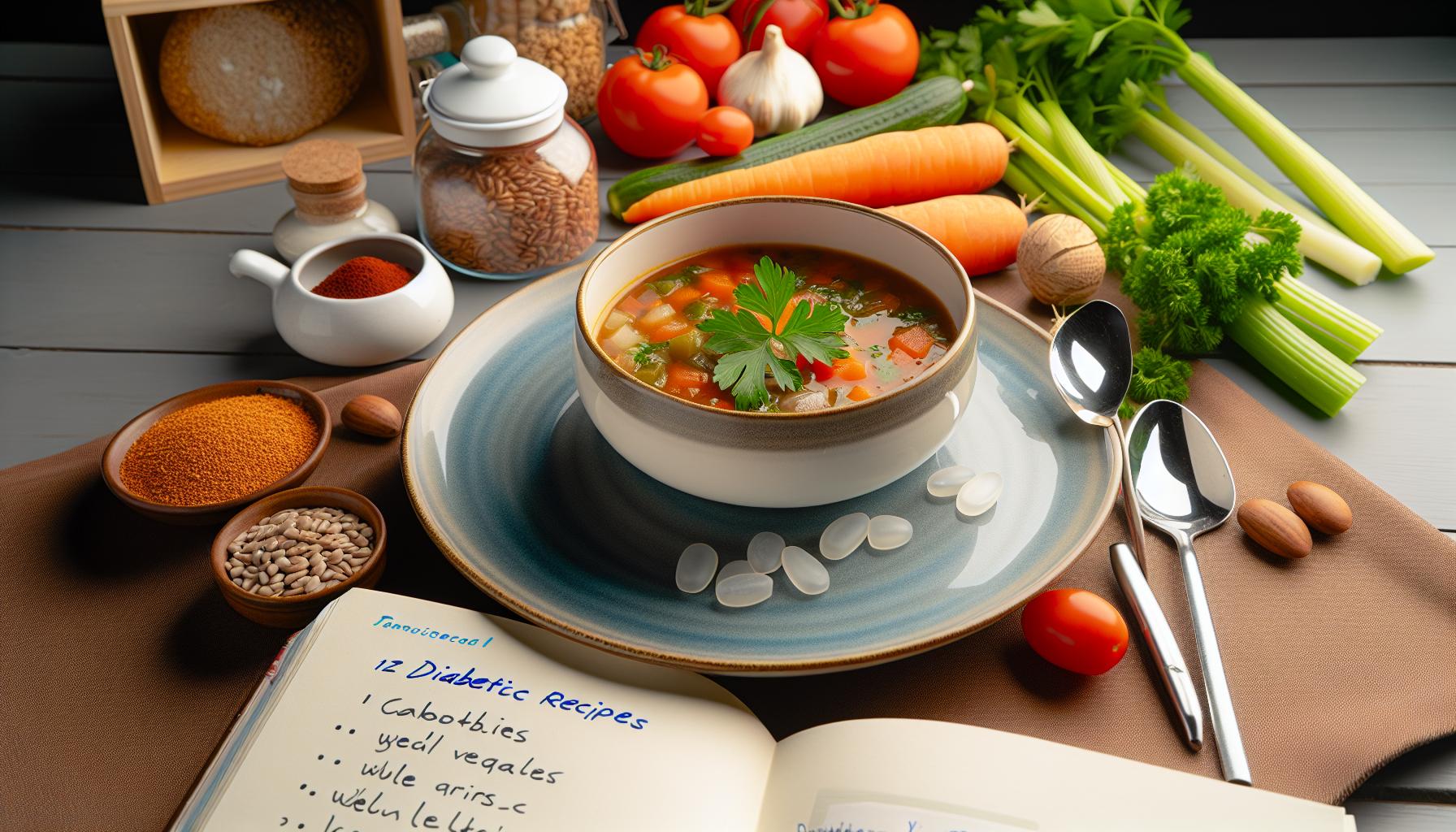
12 Delicious and Nutritious Soup Recipes for Diabetics
Creating soups can be an artful and nutritious way to help manage diabetes, especially when they are packed with ingredients that are both satisfying and beneficial for blood sugar control. Here are some delightful recipes that not only cater to vegetarian diets but are also low in glycemic index, rich in fiber, and packed with flavor.
Hearty Lentil Vegetable Soup
This filling soup combines lentils, which are high in protein and fiber, with a variety of colorful vegetables like carrots, spinach, and tomatoes. Start by sautéing onions and garlic, then add diced vegetables and rinsed lentils with vegetable broth. Season with bay leaves and thyme and let simmer until lentils are tender. Serve with a squeeze of lemon for a refreshing twist.
Spiced Tomato and Chickpea Soup
This warming soup is perfect for chilly days. Begin by roasting tomatoes, garlic, and red onions until caramelized. Blend with canned chickpeas and vegetable broth for a creamy consistency. Add spices like cumin and cayenne for an extra kick. Finish with fresh herbs, such as cilantro or basil, for an aromatic garnish.
Creamy Cauliflower and White Bean Soup
Rich in fiber, this soup is made by blending steamed cauliflower and white beans until smooth. Cook onions in a bit of olive oil, then add the cauliflowers and beans along with vegetable broth. Blend and season with salt, pepper, and a dash of nutmeg for warmth.
Mixed Green and Quinoa Soup
This refreshing soup is packed with greens like kale and Swiss chard, combined with quinoa for added protein. Start by sautéing garlic and onions, then add your greens and rinsed quinoa with broth. Season with lemon juice and zest for brightness, making it a great spring or summer dish.
Asian-inspired Miso Shitake Soup
A savory and umami-rich soup, combine miso paste with water to create a broth. Add sliced shitake mushrooms, spinach, and tofu cubes. Enhance with sesame oil and green onions before serving, ensuring a comforting bowls of protein.
Pumpkin and Coconut Soup
This creamy soup features pumpkin puree and light coconut milk for a luxurious texture. Start off by sautéing onions and garlic; add pumpkin, coconut milk, and vegetable broth, then blend until smooth. Season with ginger and a sprinkle of cinnamon for added warmth.
Curried Butternut Squash and Apple Soup
For a hint of sweetness, blend roasted butternut squash and apple with curry powder. Sauté onions first, add the roasted squash and apple, then pour in broth. Blend until creamy and season to taste. Perfect for fall, this vibrant soup delights the senses.
Spinach and Feta Soup
This light soup combines the nutritional punch of spinach with the tanginess of feta cheese. Sauté onions, add spinach, then purée with broth. Stir in crumbled feta before serving for a beautiful presentation and rich flavor.
Roasted Beet and Barley Soup
Rich in antioxidants, this vibrant soup incorporates roasted beets and barley. Start by roasting beets until tender, then blend with sautéed onions and barley cooked in vegetable broth. Season with dill and a splash of vinegar for a refreshing finish.
Zucchini and Basil Soup
Light yet flavorful, this soup uses zucchini and fresh basil as the stars. Sauté onions, add zucchini, and cook until tender. Blend with broth and fresh basil leaves, then serve hot with a dash of lemon juice to brighten the flavors.
Garlic and Potatoes Soup
Perfectly comforting, this creamy soup is made by simmering garlic with potatoes until soft, then blending until smooth. Add vegetable broth, and season with black pepper and rosemary for an earthy vibe.
Moroccan-spiced Vegetable Soup
For an exotic twist, create a soup with chickpeas, sweet potatoes, and an array of spices like coriander and turmeric. Sauté onions, add vegetables, canned tomatoes, and broth, cooking until soft. The warm spices make it delightful for any meal.
Integrating these soups into a weekly meal plan can not only simplify meal preparation but also ensure a balance of nutrients crucial for effective diabetes management. These recipes help support blood sugar control while offering a variety of flavors that can satisfy just about anyone’s palate. Remember, while these soups are designed with health in mind, always consult with healthcare professionals regarding dietary changes and management strategies tailored to your lifestyle.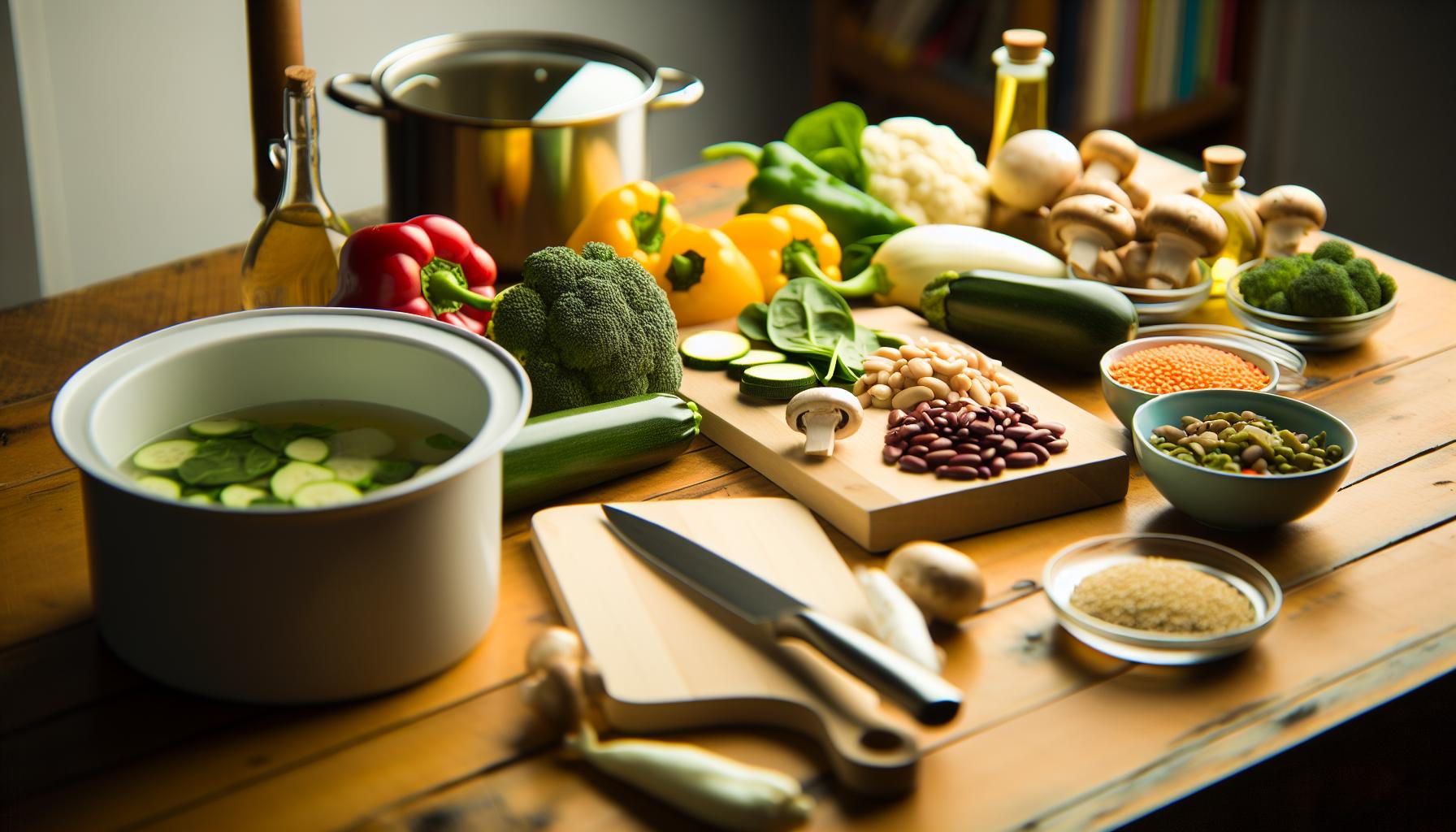
Ingredients to Include for Low Glycemic Index Soups
Incorporating the right ingredients into your soups can make a significant difference in managing blood sugar levels, especially for those following a vegetarian diet. Low glycemic index (GI) foods are essential in this context because they help maintain stable blood sugar levels, preventing spikes that can be detrimental for diabetics. When creating your next delightful soup, focus on the following ingredients that not only support health but also enhance flavor and texture.
- Legumes: Beans, lentils, and chickpeas are high in protein and fiber, making them excellent additions. They have a low GI and provide a satisfying basis for your soups, promoting fullness while stabilizing blood sugar levels.
- Non-Starchy Vegetables: Incorporate an array of non-starchy vegetables like spinach, kale, zucchini, and bell peppers. These vegetables are low in calories and carbohydrates while being rich in vitamins and minerals.
- Whole Grains: If you desire a heartier soup, consider quinoa, barley, or farro. These grains have a moderate GI but are packed with nutrients, fiber, and plant protein, making them a great complement to your soup base.
- Healthy Fats: Use avocado or olive oil for sautéing vegetables as they can improve satiety and nutrient absorption. Avocados, particularly, add a creamy texture to soups without the need for high-GI thickeners.
- Herbs and Spices: Don’t shy away from herbs and spices! Turmeric, ginger, garlic, and cumin not only add depth and flavor to your soups but also are known for their anti-inflammatory properties, which can be beneficial in managing diabetes.
- Coconut Milk or Unsweetened Almond Milk: For creamy soups, opt for coconut milk or unsweetened almond milk instead of dairy cream. They provide a richer texture without the carbs and sugars found in dairy alternatives.
Choosing ingredients with a focus on low GI can transform your soups into nutritious meals that are both satisfying and health-promoting. Always remember, balancing these ingredients while maintaining variety in your choices can make meal planning enjoyable and simple. As you explore different combinations and flavors, consider working with healthcare professionals to ensure your meals align with your broader diabetes management strategy, tailoring your dietary changes to your unique health needs.
How to Prepare Soups that Support Diabetes Management
Creating soups that are delicious and suitable for diabetes management is both an art and a science. When preparing your soups, the goal is to keep them nutritious while ensuring they remain enjoyable and satisfying. Cooking with low glycemic index ingredients can play a crucial role in managing blood sugar levels. Start by choosing a base of unsalted vegetable broth or water, which serves as a flavorful yet low-calorie foundation. As you simmer your ingredients, they’ll release their natural flavors, enhancing the overall taste of your soup.
Begin with a medley of non-starchy vegetables such as celery, carrots, onions, and garlic. These foundational ingredients are rich in vitamins and minerals while being low in carbs. Sauté them in a small amount of healthy fat, like olive oil or avocado oil, to help with nutrient absorption and to add depth to the flavor. To maintain a heart-healthy profile, keep the amount of oil to a minimum while ensuring that the vegetables soften nicely.
Incorporating legumes, such as black beans or lentils, will not only add a wholesome texture but also provide a healthy dose of protein and fiber, both of which contribute to satiety and help manage blood sugar levels. You can also add whole grains like barley or quinoa that offer additional fiber while keeping the glycemic load manageable. To add creaminess without relying on dairy, consider using puréed vegetables (like butternut squash or cauliflower) or unsweetened plant-based milks, which can enhance texture while keeping it diabetic-friendly.
Finally, never underestimate the power of herbs and spices in your soup. Ingredients like turmeric, ginger, and cumin not only uplift the flavor profile but are also known for their anti-inflammatory properties that can benefit overall health. Remember, as you prepare your soups, it’s essential to taste and adjust seasoning with low-sodium options to maintain heart health. By prioritizing these methods, you can create an array of soups that are not only tailored to diabetes management but are also versatile enough to cater to varying taste preferences and dietary needs. Always consult healthcare professionals when developing dietary routines to ensure they align with your health goals.
Tips for Customizing Soups to Fit Your Taste and Needs
Creating soups that are not only nutritious but also tailor-made to suit your personal taste and dietary needs can transform your meals into delightful experiences. A well-customized soup can contribute to effective blood sugar management while still being enjoyable. First, consider introducing a variety of vegetables based on your preferences. For instance, while carrots and celery are classic ingredients, feel free to experiment with seasonal vegetables such as zucchini or spinach for varied flavors and textures. Such choices not only add diversity but also enhance the nutritional profile of your soup.
Next, don’t shy away from infusing your soups with different flavors through herbs and spices. Using fresh or dried herbs like basil, oregano, or coriander can elevate the taste without additional calories or sodium. Furthermore, spices such as cinnamon or nutmeg can add a unique twist, especially in hearty squash or lentil soups. Remember, it’s all about personalizing; start with smaller amounts and gradually increase to match your palate.
When it comes to texture, you have a plethora of options. If you prefer creamy soups, consider blending cooked vegetables to achieve a smooth consistency without cream or dairy, which can increase unnecessary calories and fat. Alternatively, leave some ingredients chunkier for a more rustic feel, incorporating whole beans or grains for added substance and satisfaction. This not only keeps the soup exciting but also enhances the fiber content, which is beneficial for diabetics in managing blood sugar levels.
Lastly, portion sizes and meal pairing are also critical elements to consider. You might find that adding a mixed greens salad or a side of whole grain bread can complement your soup while ensuring a balanced meal. Preparing larger batches and freezing portions for later is a practical approach to meal planning, providing convenience for busy days. As you explore these customization techniques, remember to consult healthcare professionals for tailored advice that aligns with your specific health goals, ensuring that your culinary creations not only suit your taste but also support your diabetes management strategy.
The Role of Fiber in Diabetic-Friendly Soups
Incorporating fiber into soups is a fantastic way to enhance both the nutritional quality and the effectiveness of meals for those managing diabetes. Fiber plays a crucial role in regulating blood sugar levels, as it slows down the absorption of glucose, helping to prevent spikes in blood sugar after meals. For individuals with diabetes, this means that adding fiber-rich ingredients to soups can contribute to more stable energy levels and improved overall health.
When crafting diabetic-friendly soups, consider including various sources of dietary fiber. Vegetables such as spinach, broccoli, and carrots are excellent options not only for their fibrous content but also for their low glycemic index. Legumes, like lentils and beans, are another powerful way to increase fiber while providing protein and essential nutrients. These ingredients can be blended into the soup for a creamy texture or kept chunky for a heartier feel. Here are some fiber-rich ingredients to include:
- Lentils: Packed with fiber and protein, they help keep you full and stabilize blood sugar.
- Beans: Black beans, chickpeas, and kidney beans add texture and creaminess while boosting fiber content.
- Vegetables: Incorporate a variety of fiber-rich vegetables like kale, cauliflower, or bell peppers.
- Whole Grains: Consider adding whole grains like quinoa or brown rice for additional fiber.
To maximize the benefits of fiber, aim for a balance between soluble and insoluble fibers. Soluble fiber can help lower cholesterol and regulate blood sugar, while insoluble fiber promotes digestive health. Combining ingredients like oats with vegetables can create a robust soup that not only satisfies but also nourishes the body effectively.
While crafting these soups, remember that hydration is also essential for fiber to work properly in the digestive system. Encourage the consumption of liquids alongside fiber-rich meals to optimize digestion and prevent discomfort. Personalize the soup to fit your taste preferences by experimenting with different fiber sources, and don’t hesitate to consult healthcare professionals for guidance tailored to your specific dietary needs. As you embrace these nutritious options, you’re not just making meals; you’re fostering a pathway towards improved health and well-being.
Seasoning and Flavoring Soups without High Sodium
Creating flavorful soups while minimizing sodium can be a delightful challenge, especially for those managing diabetes. Many store-bought and prepared soups are loaded with sodium, which can lead to unintended spikes in blood pressure and negatively impact overall health. Fortunately, there are plenty of ways to season and flavor your soups without high sodium levels, making your meals both tasty and diabetes-friendly.
One great starting point is to use aromatic ingredients such as onions, garlic, and shallots. These not only elevate the taste but also come packed with health benefits. Adding fresh herbs like basil, cilantro, or parsley can bring a vibrant flavor to your soups. Dried herbs and spices such as oregano, thyme, cumin, and turmeric also enhance flavor without the addition of salt, allowing you to create comforting soups that are both satisfying and heart-healthy.
Don’t overlook the power of acidity; a splash of vinegar or a squeeze of lemon juice can brighten and enhance flavors significantly, reducing the need for salt. Furthermore, umami-rich ingredients like mushrooms or nutritional yeast contribute depth to your soups, making them flavorful without compromising health.
For added richness, try incorporating low-sodium vegetable broth or homemade broth, which can be tailored to your taste preferences and sodium needs. Blending cooked vegetables into your soup can create a thicker consistency while providing additional nutrients and flavor. Consider experimenting with toppings such as avocado, toasted seeds, or nuts; these not only add flavor but also contribute healthy fats and protein, furthering satiety and blood sugar control.
Embracing these seasoning strategies not only makes your soups delicious but also empowers you to take control of your dietary choices in a supportive way. Always remember to consult with healthcare professionals for personalized advice on dietary management for diabetes, ensuring your soup creations align with your overall health goals.
Storage Tips to Maintain Freshness and Nutrients
To keep your soups fresh and nutritious, proper storage is essential, especially for those managing diabetes who rely on healthy meal options. One key practice is to allow soups to cool completely before transferring them into storage containers. This step helps prevent condensation, which can lead to spoilage. Use airtight containers to create a barrier against air, minimizing exposure that can cause degradation of both flavor and nutrients.
For longer storage, consider freezing your soups. This method not only preserves the taste but also ensures that the nutritional values remain intact. When freezing soups, leave space at the top of the container to allow for expansion. Glass jars are a great option if you have freezer-safe ones, as they are non-reactive and can better maintain the quality of the food. For added convenience, portion out soups into single-serving containers so you can easily grab a meal whenever needed.
When it comes to reheating, always thaw soups in the refrigerator overnight before warming them on the stove or microwave to maintain texture and flavor. Stirring occasionally while reheating helps to achieve an even temperature throughout. If you’ve added delicate ingredients, like leafy greens, consider adding them near the end of the reheating process to preserve their nutritional integrity.
Lastly, labeling your containers with the date of preparation can help keep track of freshness. Soups typically last in the fridge for about 3-4 days, but when stored in the freezer, they can last up to 3 months. These storage strategies ensure that your soup remains a delightful, nutritious addition to your diabetic meal plan, empowering you to enjoy variety and health in your diet while managing your condition effectively. Always consult healthcare professionals for guidance tailored to your individual nutrition needs.
How to Incorporate Soups into a Balanced Meal Plan
Incorporating soups into your meal plan can be both a delicious and strategic choice for managing diabetes, particularly for those following a vegetarian diet. Soups can be composed primarily of vegetables, legumes, and whole grains, providing essential nutrients while maintaining a low glycemic index. This means they help keep blood sugar levels stable, which is crucial for anyone navigating diabetic health challenges. Whether you enjoy a warming bowl at lunch or as part of a cozy dinner, soups can serve as a versatile base for your meals.
To effectively integrate soups into a balanced meal plan, consider the following approaches:
- Pairing with Other Foods: Serve your soup alongside a protein-rich side, such as a salad with chickpeas or a whole grain bread. This combination can enhance satiety and provide a more balanced nutrient profile.
- Focus on Fiber: Choose soups loaded with vegetables, beans, and whole grains like barley or quinoa. These ingredients not only add flavor but also contribute to fiber intake, promoting digestive health and improving blood sugar control.
- Batch Cooking: Make large batches of your favorite soups and portion them out for the week. This not only saves time but ensures you always have a healthy, low-glycemic meal option available.
- Rotate Recipes: Keep meals exciting by rotating different soup recipes throughout the week. Incorporating a variety of ingredients helps prevent meal fatigue and ensures you receive diverse nutrients.
When planning your meals, pay attention to the overall caloric intake and adjust your portion sizes accordingly. Incorporating soups can also help you stay hydrated, as many recipes include broth or water as a base. Remember to check the sodium levels in prepared ingredients, especially in store-bought broth, as high sodium can pose health risks.
Finally, the process of preparing homemade soups can itself be therapeutic and satisfying. Experimenting with different spices and herbs can make meals more enjoyable while avoiding high-sodium seasonings. For best practices, always consult healthcare professionals when making significant changes to your diet, ensuring that your plans align with individualized health goals and medical advice. This empowering approach allows you to manage your condition effectively while delighting in the comforting and nutritious offerings that soups provide.
The Benefits of Meal Prepping Soups for Diabetic Diets
Planning and preparing meals ahead of time can be a game changer for those managing diabetes, and soup is an ideal choice for meal prepping. The convenience and versatility of soups make them easy to adapt to various dietary needs, while their ingredients can be carefully selected to maintain a low glycemic index-perfect for blood sugar control. When you get into the habit of preparing soups in batches, you not only save time but also ensure that nutritious meal options are readily available. This strategy significantly reduces the temptation to reach for less healthy food choices when hunger strikes.
One of the significant benefits of meal prepping soups is their ability to remain delicious and nutritious even after being stored. Many soups actually improve in flavor as they sit, allowing the ingredients to meld beautifully, which means each batch can provide satisfying meals throughout the week. Consider using ingredients rich in fiber, such as lentils, beans, and a variety of vegetables. These selections not only contribute to fullness but also help stabilize blood sugar levels. When you incorporate ingredients like quinoa or barley, you’re adding complex carbohydrates that nurture both your taste buds and your health.
Another advantage of meal prepping soups is portion control. When you prepare servings in advance, you can better manage your caloric intake and ensure that each meal aligns with your dietary goals. For diabetics, this means understanding not just the portion sizes but also the nutritional content of each ingredient. Using clear containers can help you stay organized, and labeling them with nutritional information can facilitate mindful eating. Moreover, this practice reduces food waste, as you make exactly what you need for the week ahead, incorporating seasonal vegetables or items nearing expiration.
Lastly, preparing soups in advance allows for quick and easy meals on busy days. You can reheat a prepared soup in just minutes, making it a perfect option for lunch at work or a quick dinner after a long day. This planning promotes a sustainable and healthy eating pattern, offering consistency that can greatly aid in diabetes management. Always remember, though, before making any significant changes to your meal plan, it’s crucial to consult with healthcare professionals to ensure that your dietary choices align with your individual health goals. This supportive approach empowers you not only to manage your diabetes effectively but also to enjoy the nourishing and delightful experience that comes with homemade soups.
Consulting Healthcare Professionals for Meal Planning
Consulting healthcare professionals is a cornerstone of effective diabetes management, especially when planning meals that align with your health goals. Engaging with dietitians or certified diabetes educators can offer personalized guidance tailored to your specific needs, lifestyle, and preferences. These experts can provide insight into how to create nutritious, blood sugar-friendly soups that incorporate a variety of ingredients while maintaining a vegetarian approach. For instance, they can help you understand the carbohydrate content of your soup ingredients, ensuring you make choices that support stable blood sugar levels.
Additionally, continual communication with your healthcare team is essential for monitoring your diabetes control over time. They can help you interpret your blood sugar readings and adjust your meal plans accordingly. This could mean experimenting with different high-fiber ingredients such as beans, lentils, or certain vegetables that are known for their low glycemic index properties. Such personalized adjustments can lead to improved outcomes and make the process of meal planning less daunting.
Another valuable aspect of consulting healthcare professionals is gaining access to reputable resources, including recipes, meal prep tips, and nutritional assessments. For example, they might recommend specific herbs and spices that can enhance the flavor of your soups without increasing sodium content, thus supporting heart health-a vital consideration for those with diabetes. Consider joining support groups led by healthcare providers, where you can exchange experiences and tips, further enriching your understanding of managing diabetes.
Lastly, it’s crucial to remember that self-education is a pivotal part of diabetes management. Through informed discussions with healthcare professionals, you can enhance your skills in selecting ingredients and preparing meals, making your culinary journey both enjoyable and supportive of your health goals. By taking an active role and following professional advice, you empower yourself to navigate daily challenges with confidence, ensuring that meal planning becomes a seamless and satisfying part of your life.
Frequently Asked Questions
Q: What are the best ingredients for diabetic-friendly vegetarian soups?
A: The best ingredients for diabetic-friendly vegetarian soups include low-glycemic vegetables like zucchini, spinach, and broccoli, along with legumes such as lentils and chickpeas for protein and fiber. These ingredients help maintain stable blood sugar levels. Consider adding herbs and spices for flavor without added sodium. For more detailed guidance, check the section on Ingredients to Include for Low Glycemic Index Soups.
Q: How can I make soups that are low in sodium for diabetics?
A: To make low-sodium soups, use fresh or dried herbs, spices, and garlic to add flavor instead of salt. Opt for low-sodium vegetable broth as a base. You can also incorporate ingredients like tomatoes or mushrooms, which naturally enhance the soup’s taste without increasing sodium levels. For additional ideas, refer to the section on Seasoning and Flavoring Soups without High Sodium.
Q: Are there any specific soups that can help lower blood sugar?
A: Yes, soups made with high-fiber ingredients such as lentils, beans, and vegetables can help stabilize blood sugar levels. Try incorporating spices like cinnamon or turmeric, which may have beneficial effects on blood glucose. Explore the recipes in the 12 Delicious and Nutritious Soup Recipes for Diabetics section for suggestions.
Q: When is the best time to eat soup for diabetes management?
A: The best time to eat soup for diabetes management is as part of a balanced meal. Having soup before or with lunch or dinner can help increase satiety, potentially leading to lower overall calorie intake. For a more tailored approach, consider consulting the section on How to Incorporate Soups into a Balanced Meal Plan.
Q: How can I store soups to keep them fresh and nutritious?
A: Store soups in airtight containers in the refrigerator for up to five days. For longer storage, freeze individual portions in freezer-safe containers. Thaw in the refrigerator before reheating. For more tips, see the Storage Tips to Maintain Freshness and Nutrients section.
Q: What role does fiber play in diabetic-friendly soups?
A: Fiber is crucial in diabetic-friendly soups as it helps control blood sugar levels by slowing digestion and preventing rapid spikes in glucose. High-fiber ingredients, such as beans and leafy greens, are excellent additions. Learn more in the section on The Role of Fiber in Diabetic-Friendly Soups.
Q: Can soups be included in a diabetic meal prep?
A: Yes, soups are excellent for meal prep as they can be made in large batches and stored for several days. They allow for convenient and healthy options throughout the week. For effective meal prepping strategies, refer to the Benefits of Meal Prepping Soups for Diabetic Diets section for practical advice.
Q: Why should diabetics choose vegetarian soups?
A: Vegetarian soups are often lower in calories and saturated fats, making them heart-healthy. They frequently contain nutrient-dense vegetables and legumes, promoting better blood sugar control. For a comprehensive overview, explore Understanding Diabetes and Nutrition for Vegetarians in the article.
The Way Forward
Embracing these 12 blood sugar-friendly vegetarian soups can transform your meal planning and keep your diabetes management on track. Remember, these recipes aren’t just delicious; they’re carefully crafted to support your health by maintaining stable blood sugar levels. Don’t wait to enhance your dining experience-try one tonight and see how satisfying healthy eating can be!
For further exploration, check out our comprehensive guide on Eating Right with Diabetes and discover essential tips on Managing Diabetes Through Meal Prep. Also, consider subscribing to our newsletter for exclusive recipes and resources that empower your journey toward better health.
If you have questions or need more advice, don’t hesitate to leave a comment below or consult with your healthcare provider about your dietary choices. Share your favorite soup recipes and engage with our community! Your path to delicious, diabetic-friendly meals starts here-keep exploring and thriving!
Get our latest guides, news, and insights highlighted in your Google Search & AI Overviews.