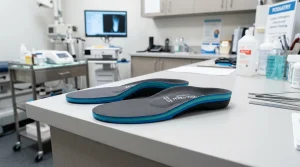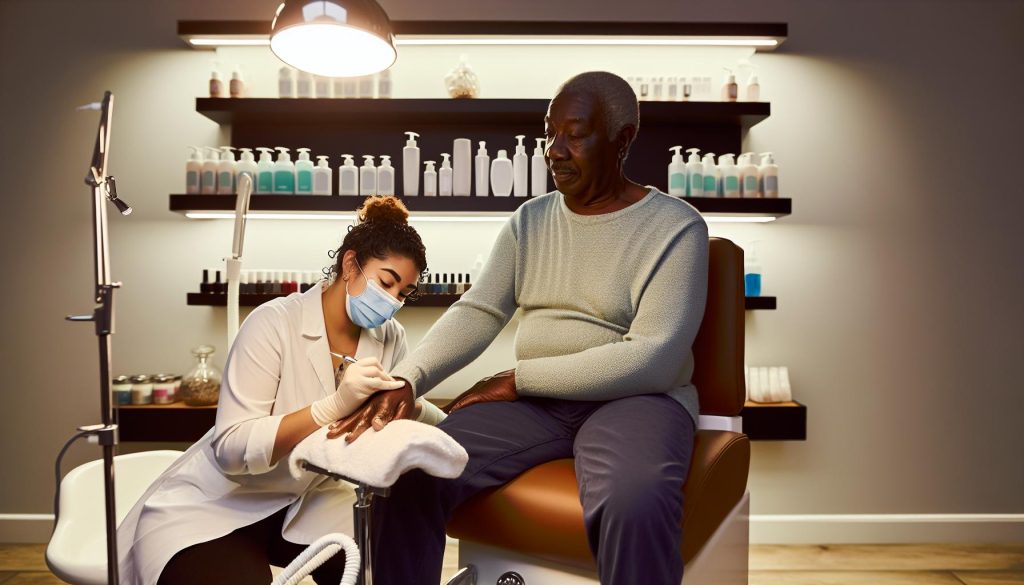
For those managing diabetes, self-care can often feel like a balancing act. Did you know that foot care is especially vital for diabetics? Safe pedicures can support your health and enhance your well-being, but it’s crucial to choose a nail salon that prioritizes safety and hygiene. In this guide, we’ll explore the essential factors when finding a nail salon tailored to diabetics. From understanding the right techniques to look for, to discovering salons that cater to your unique needs, we aim to empower you with knowledge. Let’s make sure your next pedicure is not only about pampering but also aligns with your health goals. Continue reading to learn how to treat yourself while keeping your feet happy and healthy!
Nail Salon Safety Tips for Diabetics
Diabetics need to be particularly vigilant about foot care, especially when visiting nail salons, where the risk of complications can be heightened due to minor injuries or infections. Proper nail salon safety is crucial to prevent any adverse effects on a diabetic’s health. Blood flow to the feet may be compromised in individuals with diabetes, which can lead to slower healing and increased risk for infections. Therefore, it’s important to ensure that the salon follows stringent safety protocols.
When you visit a nail salon, observe the hygiene practices meticulously. Look for the following safety practices to ensure a safe environment:
- All tools should be sterilized and properly disinfected.
- Single-use items, such as disposable files and buffers, should be provided to avoid cross-contamination.
- Ensure nail technicians wear gloves and wash their hands before and after each client.
In addition, avoid any procedures that involve cutting or digging into the skin, as these practices can lead to open wounds or infections. Instead, opt for gentle techniques such as soaking, filing, and just clipping the nails. It’s also advisable to communicate your specific needs and diabetic status to your nail technician to ensure they are aware of the precautions necessary to provide safe treatment.
If you notice any signs of irritation, redness, or swelling following a pedicure, seek medical attention promptly. Regular foot exams are important for diabetics, and maintaining open communication with your healthcare provider about your foot health can lead to better outcomes. Following these nail salon safety tips can help everyone feel more comfortable while ensuring foot health remains a top priority.
Understanding Diabetic Foot Care Needs
Diabetic foot care is essential for maintaining overall health and preventing complications. Individuals with diabetes often experience reduced blood flow to the extremities, leading to slower healing processes and an increased risk of infections. This makes regular foot examinations and prompt attention to any changes in foot condition particularly vital. It’s estimated that nearly 15% of diabetics will experience foot ulcers at some point, underscoring the importance of proactive preventive measures.
When considering foot care, remember that prevention is infinitely easier than treatment. Here are some essential diabetic foot care needs and practices to keep in mind:
- Regular Inspections: Daily foot checks can help identify blisters, cuts, or other abnormalities early. Pay close attention to areas between the toes, where moisture can lead to fungal infections.
- Moisturization: Keeping the feet hydrated can prevent dry, cracked skin, which is prone to infection. However, it’s crucial to avoid moisturizing between the toes to reduce the risk of fungal growth.
- Proper Footwear: Choose shoes that fit well and provide adequate support. Ill-fitting shoes can cause blisters and other injuries, which are especially troublesome for diabetics.
- Regular Professional Care: Schedule periodic visits to a podiatrist for thorough foot exams. These professionals can address nail care and foot hygiene that may be challenging to manage independently.
Encouragement and education remain vital in managing diabetic foot health. Families and caregivers can play an essential support role by helping individuals keep track of their foot care routines and encouraging them to seek timely medical attention when needed. By incorporating these practices into daily life, diabetics can significantly reduce their chances of complications, ensuring they maintain their mobility and overall quality of life.
Choosing a Diabetes-Friendly Nail Salon
Finding a nail salon that prioritizes the safety and health of diabetic clients can significantly impact your foot care routine. Many people may not realize that certain nail salons may not be equipped to provide the careful attention required for individuals with diabetes, particularly when it comes to foot health. It is essential to seek out environments where staff are knowledgeable about diabetes and the specific needs it creates for foot care. The right salon can not only enhance your nail care experience but can also be a vital partner in maintaining your overall well-being.
Look for nail salons that advertise diabetes-friendly services. Such establishments typically have trained staff who understand the necessary precautions, including proper sterilization techniques and how to handle foot care without risking injury. Don’t hesitate to ask about their experience with diabetic clients. A reputable salon will be open to discussing their cleaning protocols, the qualifications of their staff, and how they ensure a safe experience for all clients. Additionally, ensure that they use tools that are thoroughly disinfected and avoid practices that could lead to cuts or abrasions on your feet.
Inquire about their policies on client health disclosures. A responsible nail technician will likely ask about any diabetic conditions, such as neuropathy or circulation issues, that may affect your treatment. This consultation allows them to tailor the services to your individual needs, ensuring that they take extra care during your pedicure. For added peace of mind, you might want to schedule an initial appointment to assess the salon’s cleanliness and approach before committing to regular visits.
Lastly, don’t forget to seek recommendations from fellow diabetics or healthcare providers. Online reviews can also give you insights into a salon’s reputation for catering to diabetic clients. By choosing wisely, you can enjoy the pampering experience of a nail salon while maintaining the utmost care for your foot health.
Essential Questions to Ask Your Nail Technician
When visiting a nail salon as a person with diabetes, ensuring your safety and foot health should be your top priority. Asking the right questions can significantly enhance your experience and provide peace of mind. Start by inquiring about the training and experience of the nail technicians. A knowledgeable technician should be familiar with proper podiatric care principles and aware of the specific considerations for diabetic clients. This foundational understanding can influence the level of care you receive during your visit.
Next, ask about their sanitation practices. Questions like, “How do you ensure tools are properly disinfected?” and “What measures are in place to prevent cross-contamination?” are essential. A responsible nail salon should adhere to stringent hygiene protocols, utilizing sterilized equipment and disposable tools whenever possible. Understanding these practices will help you gauge the salon’s commitment to client safety.
It’s also crucial to discuss your personal health status openly. You might say, “Do you ask about specific conditions such as neuropathy or circulation issues?” This conversation will allow the technician to tailor their services according to your needs, ensuring a risk-free pedicure. For example, if you have neuropathy, you might require gentler techniques and more thorough monitoring throughout the process.
Finally, consider asking about the products they use. Inquire if the salon uses hypoallergenic or diabetic-friendly nail care products, as these can minimize the risk of adverse skin reactions. A well-prepared salon will happily provide information about ingredients and the brands they trust, further reinforcing your confidence in their services. By taking the time to ask these key questions, you empower yourself to make informed decisions that support both your nail care and overall well-being.
Signs of Infection to Watch Out For
Recognizing the signs of infection is crucial for individuals with diabetes, especially after a visit to a nail salon. Elevated blood sugar levels can impair the body’s healing response, making infections more likely and potentially more serious. While nail care can be a delightful treat, awareness and vigilance are key to ensuring your foot health remains uncompromised.
After your pedicure, it’s essential to monitor your feet for any abnormalities. Here are some vital :
- Redness or Swelling: If the area around a nail or on the foot starts to look red or swell, it’s a clear indication that something might be wrong.
- Increased Pain or Tenderness: While some discomfort can be normal after a pedicure, persistent or increasing pain is a sign that you should consult a healthcare professional.
- Warmth: Touch your skin; if an area feels warm compared to the surrounding skin, it can be a sign of infection.
- Discharge: Any pus or unusual drainage from a cut, blister, or treatment area signals a need for immediate medical attention.
- Changes in Color: Darkening or unusual discoloration of the skin can also indicate infection and should never be overlooked.
If you notice any of these symptoms, it is essential to seek medical help promptly. While not every change is a cause for alarm, being quick to act can prevent a small issue from escalating into something more significant. Regular foot care, complemented by awareness of potential infections, forms the cornerstone of effective diabetes management, helping you enjoy activities like a salon visit with confidence and peace of mind.
Recommended Pedicure Techniques for Diabetics
When it comes to maintaining beautiful and healthy feet, diabetics can enjoy pampering sessions with the right precautions in place. A safe pedicure experience involves techniques tailored to minimize the risk of injury or infection, which are crucial considerations for those managing diabetes. Here are some effective pedicure techniques designed specifically for diabetics, ensuring that your salon visits remain enjoyable and health-conscious.
One of the first steps is to choose a reputable nail salon that specializes in diabetic foot care. Proper sanitation must be a top priority; all tools should be sterilized, and single-use items like buffers or files should be available. When the pedicure begins, communicate your specific needs to the nail technician. Ensure that they understand the importance of gentle handling, especially around sensitive areas like calluses or corns, which can be prone to cuts.
The following techniques can enhance the safety and comfort of your pedicure:
- Soaking: A warm, gentle soak helps soften the skin, making it easier to work with. Avoid using excessively hot water as sensitivity may be heightened.
- Gentle Exfoliation: Opt for soft exfoliants that won’t damage the skin. Avoid aggressive scrubbing which can lead to micro-tears and increase the risk of infection.
- File Carefully: Use a soft nail file or emery board, ensuring that nails are trimmed straight to prevent ingrown nails. Do not cut cuticles; instead, push them back gently.
- Moisturizing: Apply a diabetic-friendly moisturizer, focusing on dry patches without compromising areas between the toes. This helps keep the skin hydrated and healthy.
- Massage with Caution: While a soothing foot massage is beneficial, inform your technician to avoid pressure on any sensitive areas or open sores.
At the end of the session, don’t forget to evaluate your feet for any unusual changes. The goal is to leave your pedicure feeling refreshed and safe, confident that you have prioritized your health while indulging in self-care. Remember, regular foot assessments and open communication with your nail technician are key components of proactive diabetic foot care. Enjoy your pampering responsibly, and celebrate the joy of well-maintained feet!
Hygiene Practices in Nail Salons
When visiting a nail salon, particularly for those managing diabetes, hygiene practices cannot be overlooked. Proper sanitation is crucial not only for enhancing your pampering experience but also for protecting your health. Bacteria and fungi thrive in moist environments, making the nail salon an area where cleanliness should be prioritized to prevent potential infections. A well-maintained salon will ensure all tools and equipment are sanitized, establishing a safe space for your pedicure needs.
A reputable nail salon should follow strict hygiene protocols. This includes sterilizing all reusable tools, such as scissors, clippers, and files, in an autoclave or similar device designed for disinfection. Moreover, single-use items like nail files and buffers should always be available to reduce the risk of cross-contamination. When arriving for your appointment, take a moment to observe the salon’s cleanliness. Look for signs such as the overall tidiness of the space, the presence of clean linens, and whether staff members are wearing gloves and masks during treatments.
Communicating with your nail technician about hygiene practices can also enhance your safety. Feel free to ask about their cleaning procedures and what measures they take to ensure that the environment is safe for clients with diabetes. A knowledgeable technician will appreciate your concerns and should willingly provide information regarding how equipment is sanitized and what precautions are taken to protect clients’ health.
Additionally, it’s beneficial to bring your own tools, such as clippers or files. This not only ensures that the tools used are clean but also gives you peace of mind during the pedicure. Engaging in these proactive steps will help create a positive and safe experience, allowing you to enjoy your salon visit while prioritizing your health.
Nail Products Safe for Diabetic Clients
When it comes to pampering oneself at a nail salon, diabetics must be particularly mindful of the products used during treatments. With the potential for skin and nail complications, selecting the right nail products can make all the difference in ensuring a safe and enjoyable experience. Many nail products contain ingredients that, while providing great results, may be harsh or irritating for those with sensitive skin, making it crucial to opt for diabetic-friendly alternatives.
When choosing nail products, consider the following tips to ensure safety and comfort:
- Non-Acetone Nail Polish Removers: Opt for non-acetone removers as they are gentler on the skin and nails, minimizing the risk of dryness and irritation.
- Hypoallergenic Nail Polishes: Look for hypoallergenic brands that steer clear of common irritants and allergens, providing a safer option for those with sensitivity.
- Moisturizing Top Coats: Use a moisturizing top coat to help lock in hydration and provide a protective layer against potential environmental irritants.
- Natural and Organic Products: Choose products made from natural and organic ingredients whenever possible. These formulations are often free from harsh chemicals and better suited for sensitive skin.
- Gentle Exfoliants: If foot scrubs or exfoliants are used, ensure they contain gentle ingredients and are not too abrasive, as diabetic skin can be more vulnerable to cuts and scrapes.
If uncertain about which products are best, don’t hesitate to discuss options with your nail technician. A skilled professional will be informed about the specific needs of diabetic clients and can recommend suitable products. Additionally, bringing your own preferred nail products or requesting the use of certified diabetic-friendly items can enhance safety.
Remember, the goal is to enjoy a pleasurable and relaxing salon visit without compromising your health. By choosing the right products, you can indulge in self-care while keeping your feet and nails in optimal condition.
DIY Nail Care Tips for Diabetics at Home
Taking care of your nails at home can be a rewarding way to maintain both hygiene and aesthetics, especially for those living with diabetes. Regular DIY nail care not only prevents complications but also promotes relaxation and self-care. Here are some essential tips to ensure your at-home nail care routine is effective and safe for your unique needs.
Start by gathering the right tools to create a clean and efficient workspace. Utilize nail clippers, a gentle nail file, and a soft-bristle toothbrush for cleaning under the nails. Before beginning, wash your hands thoroughly and sanitize all tools to reduce the risk of infection. Cut your nails straight across to prevent ingrown nails, which can be a concern for diabetics. Avoid cutting the cuticles, as this can lead to painful, open wounds.
Moisturizing is Key
Moisturize your feet and nails regularly. Diabetic skin often tends to be drier and more prone to cracking. Use a rich, diabetic-friendly moisturizer that contains ingredients like urea or shea butter to keep your skin supple. After moisturizing, consider applying a light layer of nail polish specifically formulated for sensitive skin; seek hypoallergenic options that do not contain harsh chemicals. This not only enhances the appearance of your nails but also adds a layer of protection.
Monitor for Changes
While performing your nail care routine, keep an eye out for any changes in your nails or surrounding skin. Look for signs of infection, such as redness, swelling, or discharge, and consult a healthcare professional if you notice any concerning symptoms. Diabetic patients should also focus on regular circulation checks. Elevating your feet during your nail care session can promote better blood flow.
Quick Maintenance Tips
For ongoing maintenance, consider these quick tips:
- Regular Cleaning: Clean your nails with a gentle disinfectant to maintain hygiene.
- Foot Soaks: Soak your feet in warm water mixed with Epsom salt for 10-15 minutes to soften skin before trimming.
- Keep Hydrated: Drink plenty of water to improve skin hydration from the inside out.
By incorporating these DIY nail care tips into your routine, you can enjoy healthier nails and feet while embracing your commitment to diabetes management. As always, make sure to consult your healthcare provider for any specific concerns regarding your diabetic care and nail health.
Benefits of Regular Foot Care for Diabetics
Regular foot care is essential for individuals with diabetes, as it plays a vital role in preventing complications that can arise from the condition. Did you know that approximately 15% of diabetics will develop a foot ulcer during their lifetime? A consistent foot care routine not only helps in maintaining overall foot health but also significantly reduces the risk of infections, neuropathy-related injuries, and even amputations associated with severe complications. The old adage “an ounce of prevention is worth a pound of cure” rings particularly true in diabetic foot care.
One of the primary benefits of regular foot care is improved blood circulation. Diabetes can lead to vascular issues, which may impede blood flow to your feet. Engaging in regular foot care practices, such as daily inspections, gentle massages, and maintaining proper foot hygiene, promotes better circulation. Elevating your feet after care not only feels good but also further aids in blood flow, helping your feet stay healthy and responsive to any signs of trouble.
Incorporating routine foot assessments is equally crucial. By learning to recognize potential issues early on-such as discoloration, swelling, or changes in skin texture-diabetics can address concerns before they escalate. It’s recommended to inspect your feet daily and to make use of a mirror if necessary to check hard-to-see areas. Regular visits to a healthcare provider for professional foot exams can also catch issues that may go unnoticed in day-to-day care. If you notice abnormalities, such as cuts that refuse to heal or persistent soreness, timely intervention can make a world of difference.
Lastly, consistent foot care can significantly enhance the quality of life for diabetics. Healthy feet allow for greater mobility and independence, enabling individuals to engage more fully in daily activities and social interactions. By adhering to effective foot care practices, you empower yourself to enjoy life while managing diabetes, providing a layer of protection and comfort that is invaluable. Remember, your feet deserve the same attention and care as the rest of your body. Making foot care a priority is not just about aesthetics; it’s about embracing a healthier, happier lifestyle.
Finding Local Diabetic-Friendly Nail Salons
Finding a nail salon that accommodates the unique needs of individuals with diabetes can be a game-changer for maintaining foot health and enhancing overall well-being. With the right tools and practices, you can enjoy a safe and relaxing pedicure experience that aligns with your health requirements. Did you know that proactive foot care can help reduce the risk of serious complications like infections and ulcers associated with diabetes? Here are some strategies to help you find local diabetic-friendly nail salons.
One effective approach is to conduct thorough research online or through local community resources. Look for salons that specifically advertise diabetic-friendly services, and check reviews to see how they perform in terms of hygiene and care for clients with diabetes. It can also be helpful to ask your healthcare provider or diabetes educator for recommendations, as they may know of qualified professionals in your area.
When searching for a nail salon, consider checking their sanitation practices upfront. A reputable salon will be happy to explain their sterilization methods for tools and the cleanliness of their workspaces. Don’t hesitate to ask about their experience caring for diabetic clients. Finding a salon that uses single-use tools or has advanced sterilization techniques can provide extra peace of mind.
Another tip is to visit the salon in person before scheduling an appointment. Observe the environment: Is it clean and well-lit? Are the staff members knowledgeable about foot care and diabetes? This initial visit allows you to gauge whether you feel comfortable and confident in their expertise. Engaging with technicians directly can also offer insights into their understanding of your specific needs.
Finally, don’t forget to advocate for your own foot care! When you arrive for your appointment, communicating your personal health situation and any specific care you need will ensure that you receive a service that is safe and enjoyable. Regularly visiting a diabetic-friendly nail salon can be a vital part of your self-care routine, enhancing not only the health of your feet but also your overall quality of life. Exploring these options will empower you to manage your diabetes effectively while indulging in the pampering you deserve.
Resources for Diabetic Foot Health Education
Understanding the nuances of diabetic foot health is crucial for preventing complications and maintaining overall well-being. Did you know that more than 60% of non-traumatic lower limb amputations occur in individuals with diabetes? This staggering statistic underscores the importance of proper foot care and education. Access to reliable resources can empower diabetic individuals and their families to navigate the complex world of foot health, ensuring proactive measures are taken to prevent issues before they arise.
One valuable resource is the American Diabetes Association (ADA). They offer a wealth of information on diabetic foot care, including guidelines for daily foot inspections, the importance of proper footwear, and tips for managing foot complications. Their website includes educational materials and personal stories that resonate with individuals living with diabetes, making the guidance both relatable and actionable. Additionally, local health departments often provide community-based workshops focused on diabetes management, which may cover foot care topics.
Professional Guidance and Support
Consulting with healthcare providers, such as endocrinologists and certified diabetes educators, is essential for personalized foot care advice. These professionals can help develop a tailored foot care plan that addresses individual health needs and potential risks. Furthermore, collaborating with podiatrists-specialists in foot health-is key, as they can identify problems early and recommend treatments or preventative measures tailored to diabetic patients.
Online Communities and Forums
Engaging with online communities can also provide support and education about diabetic foot health. Websites and platforms like Diabetes Daily or the Diabetes Support Forum allow individuals to share experiences, ask questions, and receive feedback from others who understand the daily challenges of living with diabetes. Such community interactions can lead to valuable information about local resources, treatment strategies, and coping mechanisms.
By leveraging a mix of educational materials, professional expertise, and community support, individuals with diabetes can enhance their foot care routine significantly. Staying informed and engaged is vital to reducing the risk of complications and promoting a healthier lifestyle. Remember, proper education and self-advocacy are your best tools in managing diabetes effectively and safely enjoying activities like getting a pedicure.
Faq
Q: How can diabetics find safe nail salons nearby?
A: Diabetics can find safe nail salons by searching online for “diabetic-friendly nail salons near me” or by using community directories. Look for salons that specifically advertise services tailored to diabetic needs, ensuring staff are trained in diabetic foot care and hygiene practices.
Q: What should diabetics look for in a nail salon?
A: Diabetics should prioritize cleanliness, trained technicians, and the use of sanitized tools. Ask about their experience with diabetic clients and ensure they follow strict hygiene protocols. Choosing salons that offer specialized services for diabetics is crucial for safe pedicures.
Q: Are there specific pedicure techniques for diabetics?
A: Yes, safe pedicure techniques for diabetics include avoiding aggressive cuticle trimming, using gentle exfoliation methods, and ensuring no nicks or cuts occur during treatment. Always communicate your specific needs to the technician for optimal care [[Nail Salon Safety Tips for Diabetics]].
Q: How often should diabetics get pedicures?
A: Diabetics should aim for regular pedicures every 4 to 6 weeks, but this may vary based on individual foot health. Regular foot care helps prevent issues like ingrown nails and infections, making consistent visits to a trusted nail salon essential [[Benefits of Regular Foot Care for Diabetics]].
Q: What questions should diabetics ask their nail technician?
A: Diabetics should ask about the salon’s hygiene practices, technician training in diabetic foot care, and if they use diabetic-friendly products. Understanding these key factors can help ensure a safer and more comfortable experience during your visit [[Essential Questions to Ask Your Nail Technician]].
Q: What are signs of infection to watch for after a pedicure?
A: After a pedicure, diabetics should monitor for redness, swelling, increased warmth, or discharge around the nails and feet. Any unusual changes warrant immediate medical attention to prevent complications [[Signs of Infection to Watch Out For]].
Q: Can diabetics do their own nail care at home?
A: Yes, diabetics can safely perform nail care at home by following specific guidelines like using gentle tools, maintaining hygiene, and avoiding harsh chemicals. Regular home care can supplement professional services to promote foot health [[DIY Nail Care Tips for Diabetics at Home]].
Q: Why is foot care important for diabetics?
A: Foot care is crucial for diabetics to prevent complications such as ulcers and infections. Regular foot inspections, hygiene practices, and professional care significantly reduce risks and promote overall foot health [[Benefits of Regular Foot Care for Diabetics]].
Insights and Conclusions
As you seek a safe and enjoyable pedicure experience, remember that caring for your feet is vital, especially for those managing diabetes. Explore your local options now to find a nail salon that prioritizes cleanliness and safety, aligning with the insights shared in our “Nail Salon for Diabetics Near Me: Safe Pedicure Guide.” Don’t wait-your self-care deserves immediate attention!
For more information on diabetic foot care, check out our articles on daily management tips and suitable diabetic products. Engaging in regular foot care and consulting with your healthcare professional can make a significant difference in your overall well-being. We invite you to share your experiences or ask questions in the comments below, and feel free to explore other topics related to diabetes management. Remember, every step you take towards better care is a step toward a healthier you!
Get our latest guides, news, and insights highlighted in your Google Search & AI Overviews.