✨ This article was AI edited. Editorial responsibility: Interconnect-Diabetes.eu.
Produced with AI. This article was artificially generated. Editorial responsibility: Interconnect-Diabetes.eu.
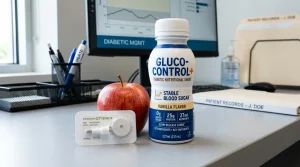
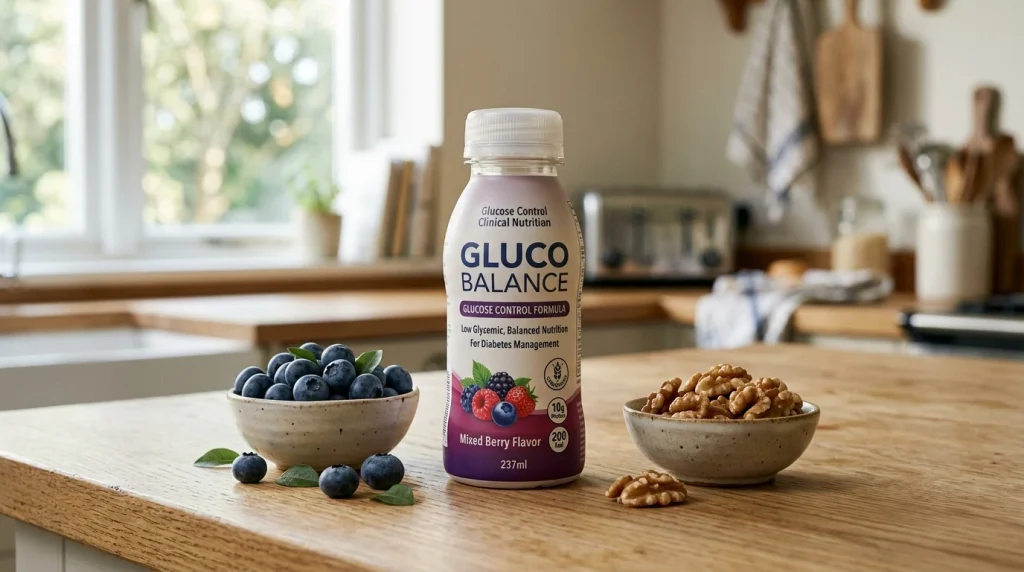
Boost diabetic drink side effects typically center on gastrointestinal discomfort, including bloating, gas, nausea, and loose stools, largely caused by soluble corn fiber, milk protein concentrate, and artificial sweeteners (sucralose and acesulfame potassium). While clinically safe for most, consuming multiple bottles rapidly can cause osmotic GI distress or unexpected glucose fluctuations.
Specialized clinical nutritional supplements like Boost Glucose Control (manufactured by Nestlé Health Science) are formulated to provide balanced meal replacement nutrition while minimizing postprandial glycemic excursions. Designed with a controlled carbohydrate matrix (16g per bottle, with only 4g of sugar) and elevated protein (16g to 30g), these beverages have become a staple for individuals managing type 2 diabetes, prediabetes, and gestational diabetes.
Despite their established efficacy in smoothing glycemic variability, patients frequently report unexpected adverse reactions after introducing these ready-to-drink shakes into their daily regimen. Understanding the specific physiological side effects, the biochemical ingredients responsible, and strategies for improving gastrointestinal tolerance is essential for safe nutritional management.
Overview of Reported Boost Glucose Control Side Effects
Clinical trials and patient post-market surveillance indicate that side effects associated with Boost Glucose Control are overwhelmingly gastrointestinal and metabolic in nature:
| Reported Side Effect | Estimated Frequency | Underlying Physiological Mechanism | Primary Culprit Ingredient | Clinical Management Strategy |
|---|---|---|---|---|
| Abdominal Bloating & Gas | Common (15–25%) | Colonic fermentation of non-digestible soluble fibers producing hydrogen, methane, and carbon dioxide | Soluble Corn Fiber / Prebiotic Inulin | Sip slowly over 20–30 minutes; start with half a bottle daily to allow microfloral adaptation |
| Osmotic Diarrhea / Loose Stools | Moderate (8–12%) | Hyperosmolar fluid shifts drawing water into the intestinal lumen; unabsorbed milk solids | High mineral concentration, magnesium salts, artificial sweeteners | Avoid drinking on an empty stomach; do not exceed 2 servings per 24-hour period |
| Postprandial Nausea & Fullness | Moderate (5–10%) | Delayed gastric emptying induced by high protein load and cholecystokinin (CCK) stimulation | Milk Protein Concentrate & Calcium Caseinate (16–30g) | Chill beverage thoroughly; consume between meals rather than alongside solid food |
| Reactive Hypoglycemia | Rare (1–3%) | Exogenous mealtime insulin overdosing due to miscalculating the slow absorption rate of modified carbs | Slow-digesting carbohydrate matrix | Monitor Continuous Glucose Monitor (CGM); adjust insulin-to-carb ratios with endocrinologist |
| Lactose Sensitivity Reactions | Low (<5%) | Residual milk sugars fermenting in lactose-intolerant patients | Milk Protein Concentrate (<0.5g lactose per bottle) | Take supplemental lactase enzyme or switch to 100% plant-based diabetic meal shakes |
Deep-Dive: The Ingredients Behind the Symptoms
To understand why adverse reactions occur, one must examine the specific biochemical agents present in the Boost Glucose Control formulation:
1. Soluble Corn Fiber (Digestive Fiber)
Each serving contains 4 grams of soluble prebiotic fiber. While soluble fiber is beneficial for slowing carbohydrate absorption and feeding healthy bifidobacteria in the gut, unconditioned intestinal microbiomes can become overwhelmed. When large amounts of fiber reach the cecum intact, colonic bacteria rapidly ferment the substrate, producing short-chain fatty acids (SCFAs) along with copious gaseous byproducts, resulting in painful abdominal distension.
2. Non-Nutritive Sweeteners: Sucralose & Acesulfame Potassium
To eliminate simple sugars while preserving palatability, Boost relies on synthetic high-intensity sweeteners. Although approved by the US FDA and European Food Safety Authority (EFSA), emerging research indicates that chronic high intake of sucralose may alter gut microbiota composition in sensitive individuals, potentially contributing to transient intestinal hyperpermeability or mild crampy discomfort.
3. Concentrated Calcium Caseinate & Whey Fractions
Casein is a slow-digesting milk protein that forms a gel-like curd in the acidic environment of the stomach. For patients with gastroparesis—a common autonomic neuropathic complication of diabetes—this slow digestion can severely aggravate feelings of fullness, early satiety, and gastric reflux.
Who Should Avoid or Exercise Caution with Boost Diabetic Shakes?
While generally safe for the general diabetic population, specific patient groups require medical clearance before consuming Boost Glucose Control:
- Diabetic Gastroparesis Patients: The combination of high casein protein and dietary fat delays gastric emptying, exacerbating chronic nausea and postprandial vomiting.
- Severe Chronic Kidney Disease (CKD Stage 4–5): Each bottle delivers approximately 260 mg of potassium and 220 mg of phosphorus. In patients with compromised renal filtration, accumulating these minerals increases the risk of dangerous hyperkalemia and renal osteodystrophy.
- Cow’s Milk Protein Allergy (IgE-Mediated): Boost Glucose Control contains true dairy proteins (casein and whey); it is strictly contraindicated for anyone with an established dairy allergy.
Optimizing Gastrointestinal Tolerance: Clinical Strategies
For patients experiencing mild to moderate digestive side effects after drinking Boost Glucose Control, small behavioral adjustments can dramatically improve gastrointestinal tolerance without sacrificing nutritional benefits. First, never gulp the beverage in a single rapid draft; sipping the 8-ounce serving over 20 to 30 minutes prevents sudden osmotic shifts in the small intestine and reduces the volume of air swallowed.
Second, temperature matters: consuming the shake chilled over ice or blending it with unsweetened almond milk slows the rate of gastric emptying and blunts digestive sensitivity. Additionally, taking a daily broad-spectrum probiotic supplement containing Lactobacillus and Bifidobacterium strains supports the colonic microflora in metabolizing prebiotic soluble corn fiber with significantly less gas production and abdominal bloating.
Medication Interactions and CGM Monitoring Recommendations
When introducing specialized diabetic nutritional drinks into an established medical treatment plan, patients taking insulin secretagogues (such as sulfonylureas like glimepiride) or exogenous insulin must coordinate with their healthcare team. Because Boost Glucose Control features slow-release carbohydrates, taking rapid-acting prandial insulin immediately upon opening the bottle can result in early hypoglycemia, as the insulin peak precedes the slow arrival of digested glucose.
Using a Continuous Glucose Monitor (CGM) allows patients to visualize their unique personal glucose curve over a 3-hour post-consumption window, identifying whether an extended bolus (dual-wave bolus) on an insulin pump provides a more harmonious match to the drink’s sustained absorption kinetics.
Frequently Asked Questions
Can Boost Glucose Control cause blood sugar to spike?
While it contains only 4g of sugar, each bottle contains 16g of total carbohydrates. In individuals with profound insulin resistance or those who consume the beverage rapidly alongside other carbohydrate foods, a modest glucose elevation of 30–50 mg/dL can occur.
How can I prevent diarrhea when drinking Boost?
Ensure the shake is chilled, drink it slowly over 20 minutes, and never consume more than one bottle at a time. Taking a daily probiotic supplement can also help your microbiome adapt to the prebiotic soluble fiber.
Is Boost Glucose Control lactose-free?
It is clinically suitable for lactose intolerance because it contains less than 0.5g of lactose per serving, but it is not 100% lactose-free or dairy-free since it is formulated with milk protein concentrate.
Get our latest guides, news, and insights highlighted in your Google Search & AI Overviews.