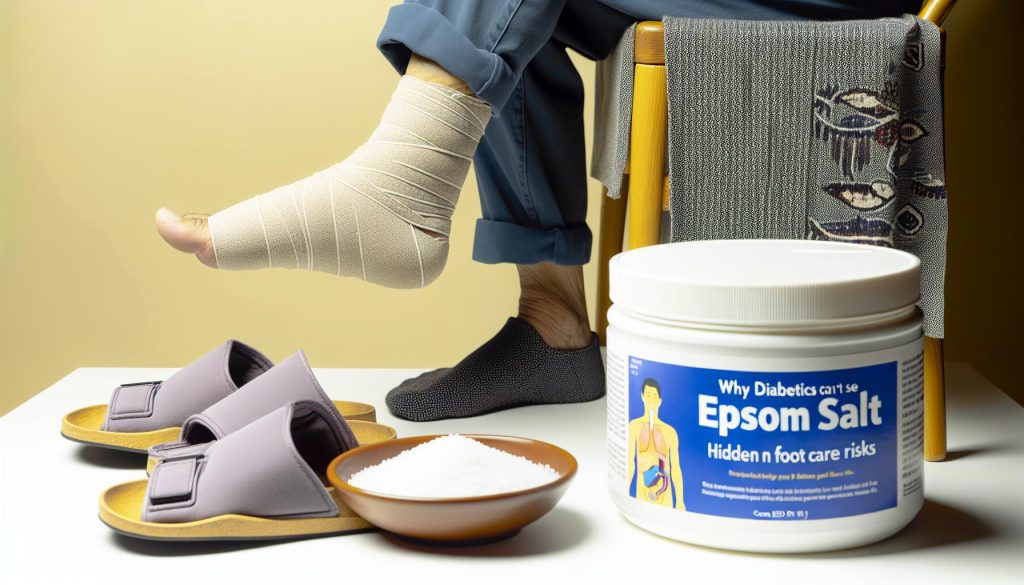
Did you know that foot health is particularly critical for individuals with diabetes? With an increased risk of complications, choosing the right foot care products is essential. One popular remedy, Epsom salt, may seem harmless, but it can pose hidden risks for diabetics. In this article, we will explore why Epsom salt baths can lead to unintended consequences, such as skin issues or infection risks, impacting your overall health management. With diabetes management extending beyond diet and medication, understanding the implications of seemingly benign treatments is crucial. Join us as we delve into safer alternatives and best practices for foot care, ensuring your daily routine supports optimal health and well-being.
Understanding Epsom Salt’s Effects on Diabetes
Epsom salt, composed of magnesium sulfate, has gained immense popularity for its perceived therapeutic benefits, particularly in baths for soothing sore muscles and relieving stress. However, when it comes to individuals with diabetes, the story shifts dramatically. Understanding how Epsom salt interacts with diabetes is crucial in managing foot care effectively. Individuals with diabetes often face challenges related to circulation and nerve damage, which can make even minor injuries a potential source of major complications. The use of Epsom salt in foot baths, while appealing for muscular relief, may not be a wise choice due to its potential to exacerbate existing issues.
The primary concern with Epsom salt lies in its ability to draw water from the body. For diabetics, this could lead to dehydration of the skin, making feet more susceptible to cracks and sores. Diabetic individuals generally have reduced sensitivity due to neuropathy, which increases the risk of unnoticed injuries. Furthermore, if water is not drained correctly after soaking, it can create a damp environment that fosters bacterial growth, leading to infections. Thus, while Epsom salt may seem like an effective remedy for foot pain, it can inadvertently contribute to the very foot care challenges that diabetics face.
It’s also important to note the unique foot care needs of individuals with diabetes. Regular inspections of the feet are essential, as minor issues can escalate into severe complications without prudent management. Instead of Epsom salt, diabetics should focus on simpler, safer methods for maintaining foot hygiene and health, such as daily washing with mild soap and warm water, followed by thorough drying, particularly between the toes. For moisturizing, a diabetic-friendly lotion can help maintain skin integrity without risking excessive moisture that leads to fungal infections.
If you’re navigating diabetes management, consider discussing any foot care regimens with a healthcare professional who understands your unique condition. Their expertise can provide you with tailored recommendations that prioritize your health and ensure that every part of your diabetic care plan contributes positively to your overall well-being.
The Science Behind Epsom Salt Usage

Epsom salt, scientifically known as magnesium sulfate, has long been heralded for its various health benefits, particularly in soothing sore muscles and providing a relaxing experience during baths. This compound is said to increase magnesium levels in the body, which can play a role in muscle function and relaxation. However, for individuals managing diabetes, reveals potential risks that can outweigh its benefits, especially when it comes to foot care.
The application of Epsom salt primarily hinges on its purported ability to draw moisture from the body, a process that can actually lead to skin dehydration. For individuals with diabetes, whose skin may already be more vulnerable due to conditions like neuropathy and circulatory issues, this dehydration can significantly impact foot health. When the skin becomes dry and cracked, it increases the risk of wounds and infections-conditions that can escalate quickly in those with diabetes. When considering the delicate balance of managing diabetes, particularly foot care, the risks associated with Epsom salt become increasingly relevant.
Moreover, soaking in warm water with Epsom salt can create an environment that, while initially comfortable, may pose hidden dangers. If feet are not dried thoroughly after soaking, moisture can linger, fostering an ideal breeding ground for bacteria and fungi. This is particularly concerning for diabetics, for whom even minor infections can lead to serious complications, including the risk of amputation. Thus, while the appeal of Epsom salt baths may be strong, they may inadvertently contribute to greater health issues rather than promote healing.
In light of these considerations, individuals with diabetes should explore alternative methods for foot care that prioritize safety and effectiveness. Simple routines that include daily washing with mild soap, thorough drying, and the application of diabetic-friendly moisturizers can provide the necessary care without the associated risks of Epsom salt. Prioritizing regular foot inspections and consulting with healthcare professionals about personalized care plans can empower individuals to take charge of their foot health while navigating the challenges of diabetes.
Potential Risks of Epsom Salt for Diabetics

Many people with diabetes may be drawn to the relaxing properties of Epsom salt baths, hoping for relief from soreness or stress. However, it’s crucial to be aware of the potential risks associated with this practice, particularly when it comes to foot care, which is of paramount importance to diabetic individuals. One significant concern is that Epsom salt, primarily composed of magnesium sulfate, draws moisture out of the skin. For those already grappling with diabetes-related skin issues, such as dryness and reduced skin barrier function, this can exacerbate vulnerabilities, leading to a heightened risk of cracked skin, wounds, and subsequent infections.
Moreover, the warm, moist environment created by soaking in Epsom salt may seem inviting, but it can also become a breeding ground for harmful bacteria and fungi. If feet are not dried properly after soaking, the lingering moisture can lead to complications, especially for diabetics who have a compromised healing capacity. Simple blisters or cuts can escalate quickly in severity, potentially leading to serious conditions that may require medical intervention. Therefore, what might appear to be a soothing ritual could inadvertently put one’s foot health-and overall well-being-at risk.
Another layer of concern lies in the potential for Epsom salt to mask symptoms of foot problems. A relaxing soak might dull the sensation of discomfort or pain, preventing individuals from recognizing early signs of serious issues such as neuropathy or foot ulcers. This delay in addressing these symptoms can lead to critical complications over time. Consequently, it’s essential for diabetics to remain vigilant and not allow the soothing effects of an Epsom salt bath to overshadow the need for thorough foot inspections and prompt medical evaluations when needed.
Emphasizing proactive foot care is vital for individuals managing diabetes. Strategies like daily washing with gentle soaps, meticulous drying, and the use of moisturizers specifically designed for diabetic skin can offer peace of mind and significantly reduce the risks associated with foot care. Regular check-ups with healthcare providers ensure any concerns are addressed early and effectively. While Epsom salt baths may beckon with their promise of relief, it is essential to weigh those desires against the potential hidden risks-prioritizing long-term health and safety should always come first.
Foot Care Challenges Unique to Diabetics
Living with diabetes presents a complex web of challenges, particularly when it comes to foot care. Diabetic individuals have to navigate a unique set of vulnerabilities due to compromised blood circulation, neuropathy, and skin integrity issues, which can make foot health a delicate balancing act. It’s estimated that about 15% of people with diabetes will develop a foot ulcer during their lifetime, making proactive management essential.
One of the most pressing issues is decreased sensitivity in the feet, often caused by neuropathy. This condition can lead to a diminished ability to feel cuts, blisters, or sores, which might go unnoticed until they become more serious. As these small injuries can easily escalate into infections, it is crucial for diabetic individuals to perform daily foot inspections to catch any abnormalities early. Regular self-checks can be the difference between a minor issue and a serious health complication.
Moreover, diabetes can contribute to poor circulation, which affects how wounds heal. A lack of adequate blood flow can slow down the healing process, making it imperative to seek prompt treatment for any injuries. The skin of diabetics also tends to be drier, further increasing the risk of cracks and fissures that can harbor infections. To combat this, it’s advisable to moisturize feet using diabetic-safe creams, while avoiding the spaces between the toes to prevent moisture buildup.
Strategies for Effective Foot Care
To help manage these challenges, consider incorporating the following practices into your daily routine:
- Daily Foot Inspections: Take the time each day to look over your feet for any signs of injuries, redness, or abnormalities.
- Gentle Cleansing: Wash feet daily with mild soap and warm water, being careful with temperatures to avoid burns.
- Moisturizing: Use a diabetic-safe moisturizer to keep the skin hydrated, but avoid putting creams between the toes.
- Proper Footwear: Invest in well-fitting shoes that provide support and minimize friction.
- Regular Check-Ups: Schedule frequent visits with a healthcare professional to monitor foot health and attend to any concerns swiftly.
Establishing a proactive foot care routine will empower individuals with diabetes to manage their foot health effectively. While there may be temptations to engage in soothing practices like Epsom salt baths, it’s crucial to remain aware of the specific risks associated with diabetes, prioritizing strategies that enhance overall well-being and prevent complications. By staying vigilant and informed, diabetic individuals can take control of their foot health and reduce the likelihood of serious issues down the line.
Alternatives to Epsom Salt for Foot Care

Finding suitable is crucial for individuals managing diabetes. While Epsom salt baths may offer temporary relief for sore feet, they can present hidden risks, including skin irritation and increased moisture retention, which are detrimental for those prone to foot complications. Fortunately, there are numerous effective options that can promote foot health without the potential downsides.
One excellent alternative is warm foot baths using plain warm water and a mild, fragrance-free soap. This approach will allow for gentle cleansing without the risk of irritation from additives. Incorporating essential oils, such as tea tree oil or lavender, can provide soothing and antiseptic properties. However, always dilute essential oils and consult with a healthcare professional to ensure they align with individual health needs.
Additionally, soaking with apple cider vinegar can help maintain skin integrity while offering antifungal properties. A mixture of one part vinegar to two parts water can help cleanse the feet and combat any minor fungal issues, all while promoting a healthy skin pH. The foot bath should last no more than 15-20 minutes, followed by thorough drying to prevent moisture retention between toes.
For moisturizing the skin, diabetic-safe creams are highly recommended. Look for products containing urea or hyaluronic acid, both of which are designed to hydrate dry skin effectively without causing excessive moisture build-up. Regularly applying these creams-especially on dry feet-can help to prevent cracks that might lead to infections. It’s essential to always apply cream at the foot’s surface and to avoid applying it between the toes.
To further support foot health, utilizing exfoliating scrubs made from natural ingredients, like oatmeal or sugar, can help remove dead skin cells without harsh abrasives. Using a pumice stone carefully can also aid in keeping the skin smooth and reducing the risk of dry, cracked feet. However, moderation is key to avoiding any injury or irritation to sensitive diabetic skin.
By integrating these safer, effective alternatives into your daily care routine, you can promote overall foot health while steering clear of the risks associated with Epsom salt. As always, regular consultation with a healthcare provider is vital in addressing your specific needs and creating a personalized foot care plan that honors your health and lifestyle.
Recognizing Diabetic Foot Symptoms
Many individuals living with diabetes may be surprised to learn that they are at a heightened risk for foot complications. In fact, diabetes can lead to various issues that necessitate vigilant foot care. Early detection of symptoms is crucial, as it can prevent more severe problems such as infections or even amputations. Regularly monitoring foot health is not just a recommendation; it is essential for maintaining quality of life.
can be straightforward if you know what to look for. Common indicators include:
- Changes in Color: Pay attention to any discoloration of the skin on your feet. Unusual redness, paleness, or a bluish tint can indicate circulation issues.
- Temperature Variations: Compare the temperature of your feet to other areas of your body. Cooler feet might suggest reduced blood flow, while unusually warm feet can signal inflammation or infection.
- Swelling: Persistent swelling, especially if localized, may point to fluid retention or infection requiring medical evaluation.
- Open Sores or Ulcers: Take note of any cuts, blisters, or sores that do not heal properly-these may develop into serious complications if left untreated.
- Neuropathy Symptoms: Symptoms such as tingling, numbness, or a “pins and needles” sensation can indicate nerve damage, a common complication of diabetes that can hinder your ability to feel when your feet are injured.
- Changes in Nail Health: Curled, thickened, or discolored toenails can be signs of fungal infections or other underlying issues.
Regular self-examinations can help you identify these symptoms early. A good practice is to check your feet daily-looking between the toes, on the soles, and around the heels. Use a mirror if necessary or ask a loved one to assist you in examining areas that are hard to see.
If you notice any of these symptoms, it’s vital to consult with a healthcare provider promptly. Continuous communication with your medical team will empower you to take proactive steps in managing your diabetic foot health. They can provide tailored advice on treatment options and preventive care tailored to your unique situation. Always prioritize professional guidance when it comes to foot care, ensuring that your approach best suits your health needs and lifestyle.
Best Practices for Diabetic Foot Hygiene
Maintaining proper foot hygiene is crucial for individuals living with diabetes, as it significantly reduces the risk of complications. One fascinating fact is that nearly 60% of diabetes-related amputations can be prevented through proper foot care and hygiene. By adopting effective practices, you can help safeguard your foot health and enhance your overall well-being.
To support healthy feet, it is essential to establish a daily foot care routine. Start by washing your feet daily with mild soap and warm water, ensuring you dry them thoroughly, particularly between the toes, to prevent fungal infections. Regular moisturizing is also vital; apply a fragrance-free lotion to prevent dryness and cracking, which can lead to infections. However, avoid applying lotion between the toes, as excess moisture can foster bacterial growth.
Regular foot inspections are another cornerstone of effective hygiene. Make it a habit to check your feet daily for any cuts, blisters, or signs of infection. If you have limited vision or mobility, consider using a mirror or asking a family member for assistance. Promptly address any issues by consulting your healthcare provider, as early intervention can prevent serious complications.
Choosing appropriate footwear is equally important. Opt for well-fitted shoes that provide support and protect your feet from injuries. Avoid walking barefoot, even in your home, to reduce the risk of cuts or punctures. If you experience any foot pain or discomfort, seek professional advice to address potential problems before they escalate.
By implementing these best practices, you can empower yourself to manage your foot health proactively. Remember that consistent communication with your healthcare team plays a pivotal role in addressing any concerns and adapting your care plan as necessary. Through informed choices and routine care, you can navigate the challenges of diabetes while safeguarding your feet.
Professional Recommendations for Foot Care
It’s essential for individuals with diabetes to be proactive about their foot care. Research indicates that nearly 60% of amputations related to diabetes could be prevented with proper foot maintenance and timely medical intervention. emphasize creating a regimen tailored to the unique challenges faced by those living with diabetes, especially concerning the potential risks of using substances like Epsom salt.
To start, daily foot inspections are crucial. Individuals should look for signs of redness, swelling, blisters, or any cuts, as these can quickly lead to complications if untreated. If visual inspection is challenging, using a mirror or enlisting the help of a family member can ensure that no issues go unnoticed. When abnormalities are spotted, it’s imperative to consult a healthcare professional promptly to prevent escalation.
Moisturizing Guidelines
Moisturizing the feet is another vital aspect of diabetic foot care. It’s recommended to use a fragrance-free lotion to keep the skin hydrated, but be careful to avoid applying lotion between the toes as this can create a breeding ground for infections. Instead, focus on the heels and the tops of the feet, ensuring to keep the skin supple without causing excess moisture where it can be harmful.
Choosing the Right Footwear
Selecting appropriate footwear cannot be overstated. Diabetics should avoid shoes that are too tight or ill-fitting, as this increases the risk of blisters and pressure sores. It’s advisable to seek footwear with good arch support and cushioning. For those who spend extended time on their feet, orthopedic shoes designed specifically for diabetic patients can provide added protection and comfort.
In summary, following professional recommendations for diabetic foot care involves diligence and adherence to a routine that emphasizes inspection, hydration, and suitable footwear. These practices create a comprehensive strategy to minimize risks and maximize foot health, guiding individuals toward a more informed approach. Always consult healthcare providers for personalized advice, ensuring any foot issues are addressed promptly and effectively.
Addressing Common Myths About Foot Care
Many misconceptions surround foot care for diabetics, creating challenges that can jeopardize their health. One prevalent myth is that Epsom salt baths are a safe, effective remedy for foot pain and swelling. While Epsom salt is often touted for its purported benefits, diabetics should approach its use with caution. The high magnesium content in Epsom salt may not provide the expected relief and could lead to complications such as skin irritation or infection, particularly for those with sensitive skin or existing foot conditions.
Another common belief is that applying excessive moisture, such as with creams or lotions, is beneficial for diabetic feet. In reality, while it is crucial to keep the feet hydrated, too much moisture-especially between the toes-can foster fungal infections. Diabetics should focus on targeted moisturizing, using fragrance-free lotions on the tops and bottoms of their feet, while avoiding the spaces between the toes to prevent potential issues. This balance is vital to maintaining skin integrity without increasing the risk of infection.
There is also a misconception that all footwear is adequate for individuals with diabetes. In fact, the type and fit of shoes can significantly impact foot health. Many diabetics might think any comfortable shoe suffices; however, wearing shoes without proper arch support or a cushioned interior can lead to blisters, calluses, and serious foot injuries. Investing in high-quality, diabetic-approved footwear is not just a luxury-it is a necessity for injury prevention.
It’s essential to distinguish fact from fiction regarding foot care in diabetes management. Opening a dialogue about these myths allows individuals to make informed decisions. Always consult with healthcare professionals to create a personalized foot care plan that addresses these challenges effectively, ensuring optimal foot health and mobility.
Integrating Epsom Salt into a Diabetic Lifestyle
requires a nuanced understanding of its potential benefits and risks. Although Epsom salt is often marketed for its soothing and pain-relieving properties due to its magnesium content, diabetics must carefully consider how it fits into their overall foot care routine. The high magnesium levels in Epsom salt can be counterproductive for individuals with diabetes, as these baths may lead to skin irritation or exacerbate existing foot conditions, potentially resulting in infections or further complications.
For those seeking alternatives, it’s vital to focus on methods that support foot health without the risks associated with Epsom salt. Regular foot checks are essential; using a mirror or asking a family member to assist can ensure that no cuts, blisters, or other issues are overlooked. Engaging in good foot hygiene practices, such as washing and thoroughly drying the feet, particularly between the toes, can mitigate issues related to moisture buildup and fungal infections. Moisturizing is crucial, but it should be approached with care-using a fragrance-free lotion on the tops and bottoms of the feet while avoiding the spaces between the toes is recommended to maintain skin integrity without promoting moisture-related infections.
Practical Foot Care Tips for Diabetics
- Daily Inspections: Check your feet every day for any signs of sore, redness, or blisters.
- Custom Footwear: Invest in diabetic-approved shoes that provide proper support and fit well.
- Hydration Strategy: Use lotion wisely-hydrate the skin without over-moisturizing the areas between toes.
- Consult Professionals: Regular visits to a podiatrist can help manage and prevent foot issues effectively.
Ultimately, any consideration of integrating Epsom salt into foot care should begin with consulting healthcare professionals familiar with diabetes management. They can offer personalized advice that aligns with individual health needs and goals. Recognizing that foot health is paramount in diabetes management can empower individuals to take proactive steps in maintaining their well-being while avoiding common pitfalls associated with misconceptions about Epsom salt’s efficacy.
Patient Stories: Real-Life Experiences with Foot Care
For many living with diabetes, foot care becomes a daily consideration, often shaped by both practical experiences and advice from medical professionals. One inspiring story comes from Maria, a passionate gardener who once relied on Epsom salt soaks to soothe her tired feet after long hours of tending her plants. However, after experiencing skin irritations that wouldn’t heal and subsequent infections, she consulted her podiatrist. Her healthcare provider emphasized that while Epsom salt can certainly feel comforting, the high magnesium content might actually exacerbate the sensitivity in her already compromised skin. With professional guidance, Maria pivoted her approach to foot care. Now, she opts for regular moisturizing with a fragrance-free lotion and meticulously inspects her feet daily, ensuring she catches any issues before they escalate.
Similarly, John, a father of two, learned the hard way about the hidden risks associated with Epsom salt. After hearing about its purported benefits in relaxation and pain relief, he decided to incorporate it into his foot baths. Soon, he noticed cracks and redness developing on his heels-a common side effect of prolonged exposure to Epsom salt. After a detailed conversation with his endocrinologist, he ditched the Epsom salt in favor of daily foot inspections and the use of specialized diabetic socks. John’s proactive approach to foot hygiene, coupled with the realization that not all home remedies are suitable for diabetics, has allowed him to maintain healthier feet, free from infection.
These firsthand accounts reflect a vital community understanding: individuals with diabetes can benefit immensely from shared experiences. Such stories reinforce the importance of professional guidance and the need to be cautious with home remedies. Regular foot care practices rooted in medical advice empower patients to navigate their diabetic journey more effectively, ensuring they prioritize their foot health in every aspect of their daily lives. As these real-life experiences illustrate, focusing on proven strategies-like daily inspections and appropriate footwear-not only prevents complications but also enhances overall well-being.
Ultimately, listening to patient stories can help others with diabetes make informed choices regarding their foot care routine. Encouragement from those who have faced similar challenges is invaluable for creating a supportive environment where individuals feel empowered to take charge of their health while seeking professional consultation for tailored strategies.
Seeking Professional Help for Diabetic Foot Issues
Seeking professional help is critical for individuals with diabetes, especially when it comes to foot care. Diabetics face a higher risk of foot complications due to neuropathy, poor circulation, and reduced healing capabilities. A recent study indicated that foot ulcers are a common and serious complication, emphasizing the need for individuals to be vigilant and proactive about foot health. Regular consultations with healthcare professionals can provide valuable insights into managing foot care effectively while identifying issues early on before they escalate into more severe problems.
When challenges arise, such as skin infections, persistent wounds, or unusual discomfort, it is essential to consult specialists. Podiatrists have the expertise to offer personalized care strategies and may recommend treatments tailored to specific conditions, ranging from specialized foot creams to orthopedic footwear. For instance, a patient experiencing recurring blisters or soreness might benefit from custom orthotics, which can alleviate pressure points and enhance comfort during daily activities.
Key Professional Resources for Diabetic Foot Care:
- Podiatrist: Provides specialized guidance on foot hygiene, proper footwear, and wound care.
- Endocrinologist: Offers management strategies for blood sugar levels that can significantly impact foot health.
- Diabetes Educator: Assists in comprehensive diabetes management, ensuring patients are informed about self-care practices.
Consulting with healthcare providers not only ensures patients are following the best practices for foot care but also facilitates a holistic approach to their diabetes management. Educated patients are better equipped to make informed decisions about their health, reinforce proper hygiene practices, and recognize when professional intervention is necessary.
Incorporating regular foot examinations into routine medical appointments can significantly affect outcomes. Patients should ask their healthcare provider to include a foot assessment during their visits, and if any concerns arise between appointments, contacting the healthcare team promptly is crucial. This proactive approach ultimately fosters safer, healthier feet, allowing individuals with diabetes to maintain an active and fulfilling lifestyle despite the inherent risks.
Frequently asked questions
Q: Why should diabetics avoid Epsom salt foot soaks?
A: Diabetics should avoid Epsom salt foot soaks due to potential skin irritation and the risk of foot injuries. Elevated magnesium levels can affect blood sugar control, and hot water can exacerbate neuropathy and increase the risk of burns or cuts. For safe foot care, consider alternatives outlined in our article.
Q: What are safer foot care options for diabetics instead of Epsom salt?
A: Safer foot care options for diabetics include moisturizing creams specifically designed for diabetic skin, gentle exfoliation with a foot file, and regular foot inspections. These practices help maintain foot health without the risks associated with Epsom salt soaks. For more details, see our section on alternatives to Epsom salt.
Q: Can Epsom salt cause complications in diabetic foot care?
A: Yes, Epsom salt can lead to complications in diabetic foot care, such as skin irritation and dehydration. Diabetics often have sensitive skin, increasing the likelihood of adverse reactions. It’s essential to prioritize gentle care methods; refer to our best practices for diabetic foot hygiene for more information.
Q: What symptoms indicate a diabetic foot problem?
A: Symptoms indicating a diabetic foot problem include numbness, tingling, swelling, persistent redness, or open sores. Early diagnosis is crucial to prevent severe complications. For a comprehensive guide to recognizing these symptoms, check our section on diabetic foot symptoms.
Q: How can diabetics maintain foot health effectively?
A: Diabetics can maintain foot health by practicing regular foot inspections, keeping feet clean and dry, moisturising daily, and wearing appropriately fitting footwear. These habits help prevent injuries and infections; our article offers detailed best practices for diabetic foot hygiene.
Q: What should diabetics do if they experience foot pain?
A: If diabetics experience foot pain, they should consult with a healthcare professional to assess the underlying cause. Pain may be indicative of neuropathy or circulation issues, requiring tailored medical advice. For guidance on seeking professional help, see our section on diabetic foot issues.
Q: Is it safe for diabetics to use foot baths?
A: While foot baths can be beneficial, diabetics must exercise caution. Ensure the water temperature is lukewarm, never hot, to prevent burns. Avoid soaking for extended periods. For safer practices, refer to our insights on foot care challenges specific to diabetics.
Q: Why is foot hygiene especially important for diabetics?
A: Foot hygiene is crucial for diabetics due to their compromised circulation and potential nerve damage, increasing the risk of infections and ulcers. Regular hygiene practices help detect problems early, enhancing overall foot health. For more tips, view our section on best practices for diabetic foot hygiene.
To Wrap It Up
Understanding the hidden risks of Epsom salt for foot care is crucial for diabetics. By prioritizing safe practices and consulting healthcare professionals, you can protect your well-being while managing diabetes effectively. Don’t let misinformation lead to unnecessary complications-take the time to explore alternative therapies that are safer for your unique needs.
For more insights on diabetic care, check out our articles on daily management techniques and best practices for diabetic foot care. Also, consider signing up for our newsletter to stay updated with the latest diabetes management resources. Together, we can navigate the challenges of diabetes more confidently. Leave your thoughts or questions in the comments; your engagement could help others in our community! Remember, informed choices are empowering-explore wisely, and take charge of your health today.
Official Epsom Salt Diabetes Warning: Podiatric Guidelines and Ulceration Risks
Every major podiatric association issues an explicit epsom salt diabetes warning due to severe clinical consequences observed in diabetic lower-extremity care. Diabetic skin has reduced sebum production and compromised autonomic barrier function. Immersing feet in hypertonic magnesium sulfate baths accelerates epidermal dehydration, creating microscopic fissures that serve as entry portals for devastating polymicrobial infections.
| Clinical Risk Factor | Biological Mechanism | Manifestation in Diabetic Patients | Evidence-Based Safe Alternative |
|---|---|---|---|
| Hypertonic Barrier Stripping | Magnesium sulfate draws intracellular water out of epidermal keratinocytes | Severe heel cracking, cutaneous fissures, interdigital maceration | 10–20% prescription urea cream applied to heels only |
| Loss of Protective Sensation | Peripheral neuropathy prevents temperature discrimination | Scalding thermal burns from water testing failure | Lukewarm water strictly verified by digital thermometer (<37°C) |
| Infection Vulnerability | Stagnant warm foot baths harbor opportunistic environmental pathogens | Rapidly progressive cellulitis or deep space osteomyelitis | Gentle soap washing, patting completely dry with clean towel |
Get our latest guides, news, and insights highlighted in your Google Search & AI Overviews.