✨ This article was AI edited. Editorial responsibility: Interconnect-Diabetes.eu.
Produced with AI. This article was artificially generated. Editorial responsibility: Interconnect-Diabetes.eu.
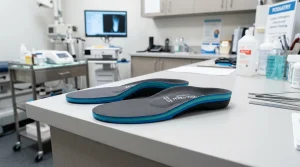
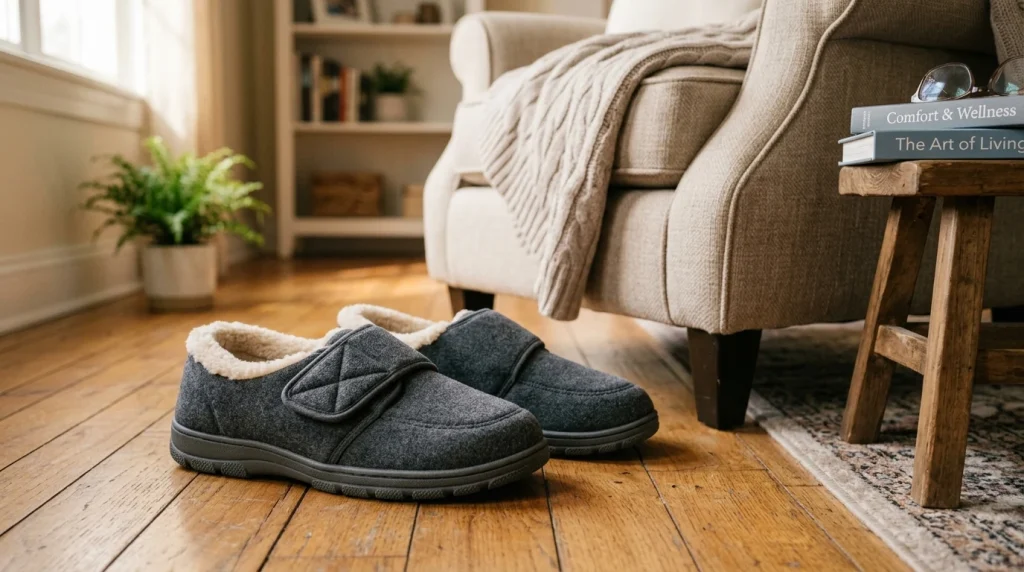
For people living with diabetes, home foot safety is just as critical as outdoor footwear choices. Walking barefoot or in thin socks indoors is one of the leading triggers of accidental puncture wounds, stubbed toes, and pressure ulcers in patients with sensory neuropathy. Orthopedic diabetic slippers provide structured arch support, non-skid rubber outsoles, soft non-binding interiors, and adjustable closures to keep feet protected, warm, and stable inside the home.
Home Footwear Essentials
- The No-Barefoot Rule: The American Diabetes Association (ADA) strongly advises diabetic patients never to walk barefoot indoors due to the risk of undetected micro-trauma.
- Non-Skid Outsoles: Slippers must feature rugged anti-slip rubber treads to prevent slips on hardwood, tile, and linoleum floors.
- Wide Toe Box & Extra Depth: Accommodates bunions, hammertoes, and peripheral edema without focal pressure points.
- Breathable Temperature Regulation: Natural shearling or moisture-wicking fleece linings keep feet warm without causing hyperhidrosis or fungal infections.
Why Indoor Footwear is Crucial for Diabetic Patients
Peripheral neuropathy numbs protective pain reflexes. A dropped needle, a small splinter, or an unseen pet toy on a carpeted floor can penetrate the skin without the patient feeling any discomfort. Left unnoticed for days, such minor injuries can harbor severe deep-tissue infections, cellulitis, and osteomyelitis.
Furthermore, standard commercial house slippers frequently lack anatomical arch support, resulting in abnormal gait mechanics, plantar fascia strain, and excessive pressure concentration under the first and fifth metatarsal heads. Diabetic house shoes bridge the gap between clinical orthotics and relaxed living room comfort by stabilizing the foot structure while shielding delicate skin from thermal extremes and mechanical hazards.
Core Anatomical Features of Medical-Grade Diabetic Slippers
| Feature | Benefit for Diabetes | Clinical Rationale |
|---|---|---|
| Adjustable Hook-and-Loop Flap | Easy step-in entry and customized tightness | Accommodates fluctuating swelling (edema) and thick diabetic socks |
| Rigid Heel Counter | Stabilizes the rearfoot and prevents slippage | Prevents the slipper from sliding off during walking, reducing fall risk |
| Seamless Plush Interior | Zero internal friction or rough stitching | Prevents friction blisters on bony prominences and sensitive skin |
| Indoor/Outdoor Durable Outsole | Puncture-resistant solid rubber base | Safe for brief trips to the mailbox or patio without changing shoes |
Types of Diabetic Slippers for Every Need
1. Bootie-Style Slippers for Cold Feet & Raynaud’s Phenomenon
Patients with diabetes often suffer from poor distal circulation and vasospasm, leading to chronically cold feet. High-top bootie slippers with genuine sheepskin or thermal fleece line the ankles and lower calves, promoting gentle warmth without restricting blood flow. The high collar prevents cool drafts while stabilizing the upper ankle joint during movement.
2. Closed-Back Clog Slippers with Orthotic Arch Support
Featuring a structured EVA midsole and contoured arch, these clogs support the plantar fascia and distribute body weight evenly across the entire footbed. The closed-back heel cup ensures the slipper stays firmly anchored to the foot, eliminating the continuous toe-gripping action required by open-back scuffs that can exacerbate hammertoes and metatarsalgia.
3. Wrap-Around Edema Slippers (Super-Wide Fit)
Designed with dual-flap Velcro openings that fold completely flat, wrap-around slippers allow individuals with severe dependent edema, bulky medical dressings, or limited joint mobility to place their foot down on the footbed and wrap the upper panels snugly without painful sliding friction.
Clinical Biomechanics: Offloading Plantar Pressures at Home
In diabetic foot biomechanics, peak plantar pressures under the metatarsal heads are the primary mechanical driver of tissue necrosis and ulcer formation. Standard foam flat slippers allow the arch to collapse during mid-stance, concentrating ground reaction forces directly beneath the second and third metatarsophalangeal joints. In contrast, medical-grade diabetic slippers integrate a firm nylon or fiberglass shank within a dual-density EVA midsole. This structural foundation spreads the load across the entire plantar vault, reducing localized pressure peaks by up to 40%.
Daily Home Foot Care Protocol for Slipper Wearers
- Morning Slipper Shake-Out: Always invert and shake slippers thoroughly before putting them on to ensure no foreign objects (coins, pebbles, buttons, pet claws) have fallen inside.
- Wear with Diabetic Socks: Pair slippers with seamless, non-binding bamboo or merino wool diabetic socks to absorb sweat and add an extra layer of soft cushioning.
- Evening Skin Inspection: Inspect soles, heels, and between toes with good lighting and a handheld mirror every night after removing your slippers to identify minor redness before it progresses.
- Thermal Regulation Caution: Never place slippers directly on space heaters, radiators, or hot water bottles, as trapped heat can cause accidental thermal burns in neuropathetic feet.
Frequently Asked Questions (FAQ)
Can I sleep with diabetic slippers on?
No, sleeping in slippers can cause excessive heat buildup, moisture accumulation, and localized pressure sores. If you suffer from cold feet at night, wear loose, non-binding thermal diabetic bed socks rather than rigid house slippers.
How do I clean and disinfect diabetic slippers?
Regularly wipe down non-porous rubber outsoles and use antibacterial fabric sprays on interior linings. Wash removable insoles with mild antimicrobial detergent and allow them to air-dry completely to prevent fungal and bacterial growth (such as athlete’s foot and paronychia).
Are memory foam slippers good for diabetics?
While memory foam feels soft initially, it often compresses completely under body weight within minutes, offering zero arch stability or pressure offloading. Look for slippers that combine a high-density orthotic base with a memory foam top layer for both support and comfort.
When should I replace my indoor diabetic slippers?
Replace diabetic slippers every 6 to 9 months of daily wear, or immediately if the heel counter softens, the outsole tread becomes smooth, or the interior lining develops thinning spots or lumps.
Get our latest guides, news, and insights highlighted in your Google Search & AI Overviews.