
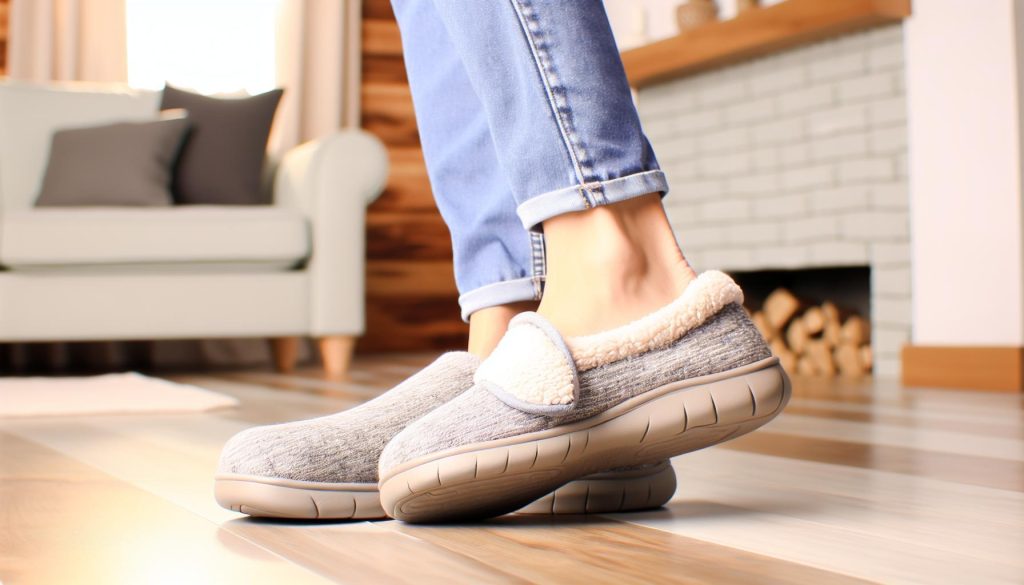
Living with diabetes brings unique challenges, especially when it comes to caring for sensitive feet. Did you know that individuals with diabetes are at a higher risk for foot complications due to nerve damage and poor circulation? This makes choosing the right footwear crucial-not just for comfort, but also for preventing painful and potentially serious issues. Diabetic house shoes can provide the essential support and cushioning needed for sensitive feet, helping to alleviate discomfort and reduce the risk of injury. In this article, we’ll explore why proper footwear is important for your daily routine and how investing in quality diabetic house shoes can significantly improve your overall well-being. Join us as we delve into the benefits and features of these specialized shoes, ensuring you stay comfortable and protected every step of the way.
Choosing the Right Diabetic House Shoes for Comfort
Choosing the right diabetic house shoes can significantly enhance your comfort and well-being at home. Many individuals with diabetes experience sensitive feet, making it essential to select footwear that provides not only comfort but also the necessary support and protection. Evidence shows that poorly chosen shoes can contribute to foot complications, which are often more serious for those with diabetes. By prioritizing the right footwear, you can help prevent potential issues and enjoy greater peace of mind during your daily activities.
When selecting diabetic house shoes, focus on features that cater to your specific needs. Look for options with soft linings and breathable materials, as these can minimize irritation and sweat, both of which are crucial for maintaining foot health. A wide toe box is another essential feature; it allows for natural toe movement which reduces the risk of friction and blisters. Additionally, shoes with adjustable closures, such as Velcro straps, can help accommodate swelling or changes in foot size throughout the day, ensuring a snug but comfortable fit.
Comfort should be a top priority in your selection process. The ideal diabetic house shoe will offer adequate cushioning to absorb shock and pressure from walking, especially in areas prone to calluses or sores. The shoe should also provide stable arch support, which is vital for maintaining proper alignment and reducing strain on your feet and joints. By investing in a quality pair of diabetic house shoes, you can significantly enhance your daily comfort while reducing the risk of complications associated with diabetes.
Key Features to Look for in Diabetic Footwear

Selecting the right footwear is as crucial for your health as it is for your comfort, especially for individuals managing diabetes. Shoes designed for diabetic feet play a pivotal role in preventing complications, such as foot ulcers and nerve damage. When choosing diabetic house shoes, consider these key features that can significantly impact your daily comfort and overall foot health.
Soft, Breathable Materials
Opt for shoes made from soft, breathable fabrics that reduce irritation and promote airflow. Materials like cotton and soft-knit fabrics minimize friction against the skin, which is vital for sensitive feet. Avoid shoes with seams that might rub against the foot and choose options that have minimal external decorations or protrusions that could cause discomfort.
Wide Toe Box
A wide toe box is essential to allow natural toe movement and prevent crowding. This feature helps to reduce the risk of calluses, blisters, and other potential injuries. Ensure the shoes offer ample space for your toes to wiggle freely, helping to enhance comfort throughout the day.
Adjustable Closures
Shoes with adjustable closures, such as Velcro straps or laces that can easily be tightened or loosened, are ideal for accommodating any swelling that may occur throughout the day. This flexibility ensures a snug fit that can adapt to changing foot sizes without causing discomfort or constriction.
Shock Absorption and Arch Support
Effective cushioning is a must for diabetic footwear. Look for shoes that offer shock-absorbing insoles, preferably made from materials like memory foam or gel, which help to distribute pressure evenly across the foot. Adequate arch support is also crucial; it helps in maintaining proper alignment and alleviating strain on your feet and joints, supporting better balance and comfort as you move around your home.
By focusing on these features, you can find diabetic house shoes that provide both comfort and necessary protection, making a significant difference in your day-to-day experience while managing diabetes. Always remember to consult with your healthcare provider or podiatrist for personalized recommendations tailored to your specific needs.
Why Comfort is Crucial for Sensitive Feet

Choosing the right footwear is essential for individuals managing diabetes, as discomfort can lead to more significant issues like ulcers or infections. Foot sensitivity, a common issue among diabetics due to neuropathy, makes wearing the appropriate shoes critical for maintaining overall foot health. Shoes that prioritize comfort reduce the risk of injury and enhance the quality of daily life, allowing individuals to engage in various activities without fear or pain.
A well-cushioned shoe is vital for reducing pressure points on sensitive feet. Shock-absorbing materials-such as gel or memory foam insoles-help distribute body weight evenly, minimizing impact with each step. This cushioning is particularly beneficial for those with decreased sensation in their feet, making it less likely they will overlook injuries or irritations that could develop into serious complications. Additionally, a roomy toe box prevents crowding, allowing for natural toe movement and reducing friction, which is essential for preventing discomfort and potential blisters.
Another aspect of comfort that cannot be overlooked is the fit of the shoe. Shoes with adjustable closures not only allow for a personalized fit but also accommodate fluctuations in foot size that may occur throughout the day due to swelling. Maintaining a snug yet comfortable fit prevents unnecessary movement within the shoe, which can cause irritation and lead to injuries. Regularly assessing the fit and comfort of diabetic footwear ensures it meets the ongoing needs of sensitive feet, empowering individuals to navigate their daily routines with confidence.
In summary, the focus on comfort in diabetic house shoes plays an indispensable role in foot health management. Prioritizing features like cushioning, width, and adjustability equips individuals to embrace their daily activities, fostering a sense of independence and well-being necessary for the effective management of diabetes. Always consult a healthcare professional or podiatrist for tailored advice and recommendations specific to your foot health needs.
Materials That Soothe and Protect Your Feet

Selecting the right materials for diabetic house shoes is essential for ensuring comfort and support for sensitive feet. The right materials can significantly reduce friction, provide a breathable environment, and offer essential cushioning-making them key components in foot health for those managing diabetes. Shoes crafted from soft, high-quality fabrics not only feel good against the skin but also help minimize the risk of blisters and sores, which are crucial for those with neuropathy or reduced sensation.
Soft Fabrics for Gentle Comfort
When considering diabetic footwear, look for shoes made from materials like cotton or bamboo. These natural fibers are breathable and help wick moisture away from the skin, keeping feet dry and less prone to fungal infections. Many diabetic shoes also feature padded linings made from synthetic or natural foam that provide extra cushioning without added bulk. This cushioning is particularly beneficial for those with sensitive feet, offering a protective barrier against impacts and uneven surfaces.
Shock-Absorbing Soles
The choice of sole material plays a pivotal role in foot protection as well. Look for shoes with rubber or EVA foam soles, which are known for their shock-absorbing properties. These soles help distribute weight evenly, reducing the pressure on sensitive areas of the foot. A well-designed sole also prevents slipping, enhancing stability and reducing the risk of falls-an important consideration for individuals with compromised foot sensation.
Temperature Regulation
Consideration for thermal comfort is also essential in diabetic footwear. Materials such as gel-infused foam not only provide cushioning but also offer temperature regulation, helping to keep feet warm in cooler conditions and cool during warmer months. This balance is particularly important for people with diabetes, who may experience fluctuations in foot temperature and circulation.
By keeping these material characteristics in mind, individuals can find diabetic footwear that not only soothes and protects their feet but also supports a better quality of life. Remember to consult healthcare professionals for personalized advice regarding footwear needs, ensuring the selected materials align with specific foot health concerns.
The Importance of Arch Support and Cushioning

Proper arch support and cushioning are vital components in diabetic house shoes, significantly impacting comfort and foot health for individuals managing diabetes. Did you know that inadequate support can lead to serious foot complications, including ulcers and neuropathy flare-ups? The right footwear can help mitigate these risks, ensuring that each step feels secure rather than painful.
Footwear designed with proper arch support can distribute body weight evenly across the foot, reducing stress on pressure points and providing stability. Those with diabetes often face challenges such as neuropathy, which can diminish sensation in the feet. Thus, shoes that offer strong arch support not only enhance comfort but also play a crucial role in preventing injuries. Look for shoes that have built-in arch support or ones that accommodate custom orthotics to tailor the shoe to individual needs. Additionally, when cushioning is considered, pay attention to the thickness and material. Proper cushioning absorbs shock from impact, protecting sensitive areas of the foot, which is especially important for individuals who may have lost some fat padding on the soles over time.
To maximize both comfort and protection, prioritize diabetic footwear that features multi-layer cushioning systems. This design often incorporates soft foam layers that conform to the shape of the foot, reducing friction and lowering the risk of blisters. For instance, choosing shoes with gel inserts or air pockets can provide added relief and adaptability. The right arch support combined with appropriate cushioning can transform an ordinary shoe into a sanctuary for your feet, making daily activities more enjoyable and less stressful.
Investing the time to select the right diabetic house shoes with proper arch support and cushioning can yield considerable benefits, especially in managing diabetes long term. Always consult with a healthcare provider or podiatrist for personalized recommendations tailored to your unique needs, as they can provide valuable insights into which products and features can best protect your foot health.
Best Practices for Selecting the Perfect Fit
Choosing the right footwear can have a significant impact on your overall well-being, especially for individuals managing diabetes. A proper fit not only enhances comfort but also plays a vital role in preventing foot complications, making it essential to approach the selection process thoughtfully. When you’re on the journey of finding diabetic house shoes, here are some best practices that can guide you toward the perfect fit.
Firstly, always measure your feet, as size can change over time. It’s best to have your feet measured at the end of the day when they are at their largest. This can help you select shoes that accommodate any swelling that may occur throughout the day. Look for shoes that provide sufficient room, especially in the toe box, allowing your toes to wiggle freely. A shoe that is too tight can cause friction and pressure points, leading to blisters or calluses, which are particularly concerning for diabetic feet.
Consider Adjustability and Support
Additionally, opt for shoes with adjustable features, such as Velcro straps or laces, that can tailor the fit more snugly around your foot. This is especially beneficial if you have feet that swell during the day or require additional support due to arches or foot shape. Aim for a snug fit but ensure there’s still enough space to avoid discomfort.
Inspect the materials of the footwear, prioritizing soft, breathable fabrics that provide moisture control to prevent excessive sweating, a common issue for individuals with diabetes. Remember, shoes with a cushioned insole can enhance comfort while absorbing shock, which is particularly beneficial for sensitive feet.
Trial and Walk
Finally, don’t hesitate to walk in the shoes before making a decision. This will not only give you a sense of their comfort but also allow you to observe how well they fit during movement. Pay attention to any areas of friction or discomfort. If possible, shop for diabetic footwear later in the day, as your feet may swell slightly and provide a more accurate reflection of what you’ll experience during regular wear.
Taking the time to choose the right diabetic house shoes can make a world of difference in your daily comfort and foot health. Always consult with healthcare professionals or podiatrists for tailored advice and reliable recommendations, ensuring your unique needs are prioritized. Remember, investing in proper footwear is a crucial step in managing your diabetes effectively!
Top Recommended Brands for Diabetic House Shoes
Finding the right footwear is essential for anyone managing diabetes, especially when it comes to choosing house shoes that provide warmth, comfort, and support. There are several brands renowned for their diabetic house shoes that prioritize these features. Each of these brands offers a range of options specifically designed with sensitive feet in mind, ensuring that comfort and foot health are at the forefront.
Top Brands to Consider
Here are some of the :
- Orthofeet: Known for its orthopedic design, Orthofeet shoes provide excellent cushioning and arch support. They feature extra-depth designs to accommodate custom orthotics and have soft, breathable uppers to enhance comfort.
- Dr. Comfort: This brand specializes in diabetic and therapeutic footwear, offering styles that focus on relieving pressure points. Their shoes often include moisture-wicking materials and a wide toe box, making them a great option for those with neuropathy or poor circulation.
- Propet: Propet shoes are designed for comfort and stability, offering a variety of styles that are both functional and stylish. They typically feature cushioned insoles and adjustable closures for a customized fit.
- New Balance: While primarily known for athletic footwear, New Balance has a range of diabetic-friendly options. Their shoes are crafted with superior support and cushioning, ideal for those who spend a lot of time on their feet.
Exploring these brands can significantly enhance the comfort of your daily routine. When selecting house shoes, consider styles that offer adjustable features, such as laces or Velcro straps, which allow you to modify the fit as necessary. A brand like Orthofeet, for example, often features shoes with adjustable widths, accommodating various foot shapes and swellings throughout the day.
As you shop for diabetic shoes, remember to prioritize comfort and support. Look for shoes that not only fit well but also use materials that help manage moisture and provide adequate insulation without excessive bulk. Consulting with healthcare professionals can also guide you in making the most appropriate choices tailored to your specific needs, ensuring that your journey towards better foot health remains a priority.
How to Care for Your Diabetic Footwear
Taking proper care of your diabetic footwear is crucial for maintaining comfort and ensuring your foot health. Properly maintained shoes can prevent complications like blisters and sores, which are especially important for individuals with diabetes who may have reduced sensitivity in their feet. To keep your diabetic house shoes in optimal condition, consider implementing a few simple care routines.
First, it’s important to regularly clean your shoes, both inside and out. Remove any dirt or debris with a soft brush or cloth, and use mild soap and water to wipe the exterior. Allow them to air dry completely, avoiding direct heat sources that may warp or damage the material. For the interior, consider using a moisture-wicking footbed or inserting foot sprays designed to manage odor and moisture, which can contribute to fungal infections.
Storage and Maintenance Tips
When not in use, store your shoes in a cool, dry place away from direct sunlight. Avoid folding or crumpling your shoes, as this can cause creases and affect their shape over time. Using shoe trees can help maintain their structure. Additionally, if you find your diabetic shoes starting to wear out-such as losing cushioning or arch support-don’t hesitate to replace them. The comfort and support of your feet are paramount, and worn shoes can lead to painful conditions and additional health complications.
Regular Inspections
Another key aspect of caring for your diabetic footwear is performing regular inspections. Before putting on your shoes, check for any signs of damage or wear, such as frayed seams or cracks in the soles. Make sure the insoles are properly aligned and showing signs of adequate cushioning. It’s also essential to assess your feet daily for any new sores, blisters, or other irregularities, especially if you have peripheral neuropathy where sensation may be diminished.
By following these simple care instructions, you’ll not only prolong the life of your footwear but also enhance overall foot health. Remember, while these tips are helpful, consulting with a healthcare professional is always a wise choice for tailored advice and treatment options. Prioritizing foot care is a fundamental part of diabetes management that can lead to a more comfortable and active lifestyle.
Understanding Foot Health: Preventing Diabetic Complications
Foot health is an often-overlooked aspect of diabetes management that can significantly impact quality of life. Approximately 50% of individuals with diabetes experience some form of nerve damage, which can lead to decreased sensation in the feet. This condition, known as peripheral neuropathy, increases the risk of unnoticed injuries, infections, and ultimately, ulcers that could lead to severe complications, including amputations. Taking proactive steps to protect and maintain foot health is crucial, and choosing the right house shoes is an essential part of this preventative care.
Diabetic house shoes should prioritize comfort and support, offering features that protect sensitive feet. It’s essential for shoes to provide a gentle fit, ample cushioning, and support without causing friction or pressure points. Look for shoes with soft, stretchable materials that accommodate foot deformities such as bunions or hammertoes. Additionally, a wide toe box is vital; too-tight shoes can restrict blood circulation, worsening foot health. When shopping, consider options with removable insoles, allowing you to customize the fit further by adding specialized orthotics if needed.
Regular foot inspections should be a part of daily self-care routines. Before slipping into your house shoes, take a moment to visually assess your feet for any cuts, blisters, or unusual discolorations. If you notice anything concerning, consult your healthcare provider promptly. Health professionals can offer guidance tailored to your specific condition, ensuring you maintain optimal foot health. Furthermore, partnering with a podiatrist can open doors to practical treatment options, including recommendations for diabetic-friendly footwear or therapeutic interventions to reduce pain and improve mobility.
In summary, understanding foot health is not just about keeping your feet comfortable; it’s about preventing serious diabetic complications. Emphasizing the importance of proper footwear, frequent inspections, and professional consultations can empower individuals with diabetes to lead more active and fulfilling lives, minimizing the risk of foot-related issues.
User Reviews: Real Experiences with Diabetic Shoes
Real-life experiences shared by users can provide invaluable insights into finding the right diabetic house shoes. Many individuals living with diabetes highlight the significance of prioritizing comfort and support in their footwear choices. One common thread in reviews is the transformation that a well-fitted pair of shoes can bring. Users have reported that the right diabetic shoes not only alleviate discomfort but also enhance their overall mobility and confidence throughout the day.
A frequent sentiment among reviewers is the importance of a wide toe box and cushioned insoles. Many people with sensitive feet appreciate shoes that allow for natural foot movement without constricting their toes. For instance, a user mentioned how switching to shoes with a roomy fit reduced pinching pain associated with both bunions and neuropathy. Another factor mentioned is the choice of materials; breathable fabrics are often preferred as they help keep feet cool and dry, preventing complications that can arise from moisture.
In addition to comfort, the ability to incorporate custom orthotics has been a game changer for many users. Shoes designed with removable insoles allow individuals to swap them out for their personalized orthotics, ensuring a snug fit tailored to their specific needs. Reviews frequently point out that taking this extra step can greatly reduce foot fatigue during the day, meaning users can stay active without fear of discomfort.
For anyone on the lookout for diabetic footwear, user reviews often encourage seeking recommendations from healthcare providers, especially podiatrists. Many individuals share their positive experiences after consulting with specialists, who not only guide them to proper footwear but also stress the importance of integrating regular foot care routines. The combination of wise shopping, user feedback, and professional advice empowers those managing diabetes to make informed choices that significantly enhance their quality of life.
Shopping Tips for Diabetic Footwear Online
Navigating the online shopping landscape for diabetic house shoes can be overwhelming, but understanding key strategies can ensure you find comfortable and supportive options tailored to your needs. Start by researching brands known for their diabetic-friendly footwear, as they often incorporate features specifically designed for sensitive feet. Look for customer reviews that focus on comfort, fit, and support, as these firsthand accounts can guide your decisions. Being informed can help you avoid common pitfalls and select a pair of shoes that enhance your daily comfort.
When shopping online, always pay attention to the sizing charts provided by the manufacturer. Since shoe sizes can vary significantly from one brand to another, it’s crucial to measure your feet accurately before making a purchase. Measure both feet, as it’s common for one foot to be larger than the other. This approach ensures that you pick the right size, minimizing the chances of discomfort or blisters. Additionally, look for shoes with adjustable features like straps or laces that can accommodate any swelling that may occur throughout the day.
Consider the return policy before finalizing your purchase. Many retailers offer generous return or exchange policies, allowing you to try the shoes at home and assess their comfort while walking indoors. This is especially important for diabetic footwear, as the right fit is crucial in preventing further complications. If possible, opt for sites that provide free return shipping, which can ease the process of finding your perfect pair.
Lastly, don’t hesitate to reach out directly to customer service if you have specific questions about the shoes, such as material composition or orthotic compatibility. Many reputable online retailers have knowledgeable staff ready to assist you in making the best choice. Remember, investing in quality diabetic footwear is key to maintaining mobility and comfort, so take your time to find the right pair that will support your health and lifestyle.
Consulting Your Podiatrist for Tailored Advice
When it comes to choosing the right footwear for diabetes management, consulting a podiatrist can be invaluable. Podiatrists specialize in foot care and can provide personalized recommendations that take into account your unique foot shape, any existing health conditions, and the specific requirements of diabetic individuals. Each person’s needs can vary significantly; what works for one person may not suit another. Therefore, having tailored advice can ensure that you are making informed decisions about your footwear, which is vital for maintaining both comfort and overall foot health.
A podiatrist can perform a thorough assessment of your feet, identifying issues such as neuropathy, poor circulation, or foot deformities that may require special attention. This detailed evaluation will help in selecting shoes that offer the right type of cushioning, support, and protection to prevent complications like blisters, calluses, or even serious infections. For individuals with reduced sensation in their feet, a podiatrist can guide you toward footwear with features that enhance safety while accommodating potential swelling or other foot changes throughout the day.
When you consult with your podiatrist, it’s crucial to communicate your lifestyle and daily activities. For instance, if you spend long hours at home or enjoy standing while doing certain tasks, they can suggest specific shoe features such as wide toe boxes, adjustable closures, and moisture-wicking materials. These elements will not only improve comfort but also help in managing foot health effectively. Bringing any current shoes to the appointment can also facilitate a better discussion about the fit and comfort.
Incorporating regular follow-ups with your podiatrist into your care routine can further ensure that your footwear continues to meet your changing needs. As diabetes can progress and change how your body responds to different pressures and movements, having a trusted healthcare professional advise you on footwear will empower you to take proactive steps in your foot care. Remember, the right pair of shoes is an essential part of maintaining your mobility and independence, so take the time to seek professional guidance.
FAQ
Q: What are the benefits of wearing diabetic house shoes?
A: Diabetic house shoes provide essential comfort and support for sensitive feet. They help reduce pressure points, prevent blisters, and minimize the risk of foot injuries, making them crucial for maintaining foot health in individuals with diabetes. Their cushioning and proper fit can enhance overall well-being at home.
Q: How do I select the right size for diabetic house shoes?
A: To select the right size, measure your feet at the end of the day when they are most swollen. Look for shoes with adjustable straps or elastic materials for a better fit. Always allow space for a comfortable toe box. Consult the sizing guide of the brand for specific measurements.
Q: Why is arch support important in diabetic house shoes?
A: Arch support is critical because it helps distribute weight evenly across the foot, which can alleviate pressure on sensitive areas. Proper arch support also enhances alignment and stability, reducing the risk of injury and discomfort for individuals with diabetic neuropathy.
Q: Can diabetic house shoes help with circulation?
A: Yes, diabetic house shoes can improve circulation by providing a comfortable, non-restrictive fit. Shoes designed with breathable materials and proper cushioning can promote blood flow, which is essential for foot health, especially in those with diabetes where circulation issues can arise.
Q: How often should I replace my diabetic house shoes?
A: It’s advisable to replace diabetic house shoes every six months or sooner if they show signs of wear such as loss of cushioning or support. Regular checks ensure that you maintain optimal foot protection and comfort, which is essential for preventing complications.
Q: Are there specific materials recommended for diabetic house shoes?
A: Look for diabetic house shoes made from soft, breathable materials like cotton or synthetic mesh that can wick away moisture. Padding with memory foam or gel inserts is also recommended to enhance comfort and reduce friction on sensitive areas of the foot.
Q: What features should I avoid in diabetic house shoes?
A: Avoid shoes with high heels, narrow toe boxes, or rigid soles, as these can increase pressure and lead to foot injuries. Shoes that lack adequate cushioning or support can exacerbate existing foot problems, so it’s important to prioritize comfort and stability.
Q: How do I care for my diabetic house shoes?
A: To care for diabetic house shoes, regularly clean them with mild soap and water, avoiding harsh chemicals. Let them air dry to maintain their shape and integrity. Also, inspect for wear and tear periodically to ensure they provide adequate support and protection.
The Conclusion
Finding the right diabetic house shoes can significantly enhance your daily comfort and support, especially for sensitive feet. With cushioned designs and features tailored for optimal foot health, don’t wait to elevate your well-being. Invest in your comfort today and experience the difference.
To explore more about how to manage diabetes effectively, check out our guides on daily management and food choices. If you’re looking for personalized consultations or are curious about the latest diabetic products, feel free to reach out or browse our collection. Your journey towards better foot health and overall wellness starts now-don’t hesitate to take the next step. Join our community by signing up for our newsletter for tips and resources tailored for you! Share your thoughts with us in the comments below; we love hearing from you.
Get our latest guides, news, and insights highlighted in your Google Search & AI Overviews.










