✨ This article was AI edited. Editorial responsibility: Interconnect-Diabetes.eu.
Produced with AI. This article was artificially generated. Editorial responsibility: Interconnect-Diabetes.eu.
Warm-weather footwear presents a unique clinical dilemma for individuals managing diabetes and peripheral neuropathy. Traditional open-toe flip-flops and unsupportive flat sandals expose vulnerable skin to friction, debris, and pressure points that can trigger non-healing ulcerations. Choosing therapeutic, Medicare-compliant diabetic sandals with orthopedic arch support, seam-free interior linings, and adjustable closures allows patients to enjoy warm weather safely while protecting feet from diabetic complications.
Key Podiatric Takeaways
- Protective Footwear Features: True diabetic sandals require deep heel cups, anatomical arch contouring, multi-strap adjustability for edema, and non-binding foam padding.
- Neuropathy Vulnerability: Reduced sensation (loss of protective threshold) means small pebbles or abrasive straps can cause deep tissue necrosis without conscious pain.
- Closed-Toe vs. Open-Toe Options: Patients with active peripheral arterial disease (PAD) or severe neuropathy are strongly advised to select closed-toe fisherman sandals or hybrid walking sandals.
- Daily Foot Inspection Routine: Always check foot surfaces with a hand mirror immediately after removing sandals for erythema (redness), blisters, or hot spots.
The Biomechanics of Diabetic Foot Care & Summer Footwear
Diabetic peripheral neuropathy damages both sensory nerves (leading to numbness, tingling, or complete loss of sensation) and autonomic nerves (causing anhidrosis and severe dry skin prone to fissures). When combined with microvascular disease, even minor abrasions from rigid sandal straps or exposed toe collisions can rapidly evolve into diabetic foot ulcers (DFUs), which account for a substantial percentage of diabetes-related hospital admissions worldwide.
Podiatric clinical guidelines from the International Working Group on the Diabetic Foot (IWGDF) stipulate that therapeutic footwear must minimize peak plantar pressure, eliminate internal friction seams, and accommodate diurnal foot volume fluctuations caused by dependent venous edema.
Essential Features to Look For in Diabetic Sandals
| Sandal Feature | Clinical Function | Podiatric Recommendation |
|---|---|---|
| Multi-Point Adjustable Straps | Accommodates swelling (edema) throughout the day without constriction | Hook-and-loop (Velcro) closures over the forefoot, instep, and heel |
| Deep Heel Cup & Arch Contour | Stabilizes the subtalar joint and aligns the calcaneus to prevent lateral rolling | Rigid rearfoot shank with anatomical EVA or cork-latex footbeds |
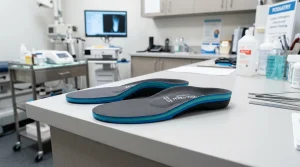
| Removable Ergonomic Footbed | Allows insertion of custom diabetic orthotics (A5512/A5513 inserts) | Sandals with depth-molded footbeds removable via velcro anchors |
| Rocker Sole Technology | Reduces metatarsal head pressure by promoting smooth gait rollover | Mild rocker bottoms that absorb ground reactive impact forces |
Comprehensive Evaluation of Top Diabetic Sandal Designs
1. Closed-Toe Fisherman Sandals (Maximum Protection)
For patients diagnosed with moderate-to-severe sensory neuropathy, closed-toe fisherman sandals represent the gold standard for summer footwear. They combine the ventilation and breathability of a sandal with the impact protection of an athletic shoe. High-grade closed-toe sandals feature hand-stitched full-grain leather uppers backed by seamless neoprene linings that eliminate shear stress across the dorsal aspects of the toes. The reinforced composite toe cap prevents blunt-force trauma from furniture corners, sidewalk curbs, and loose gravel.
2. Multi-Strap Orthopedic Walking Sandals
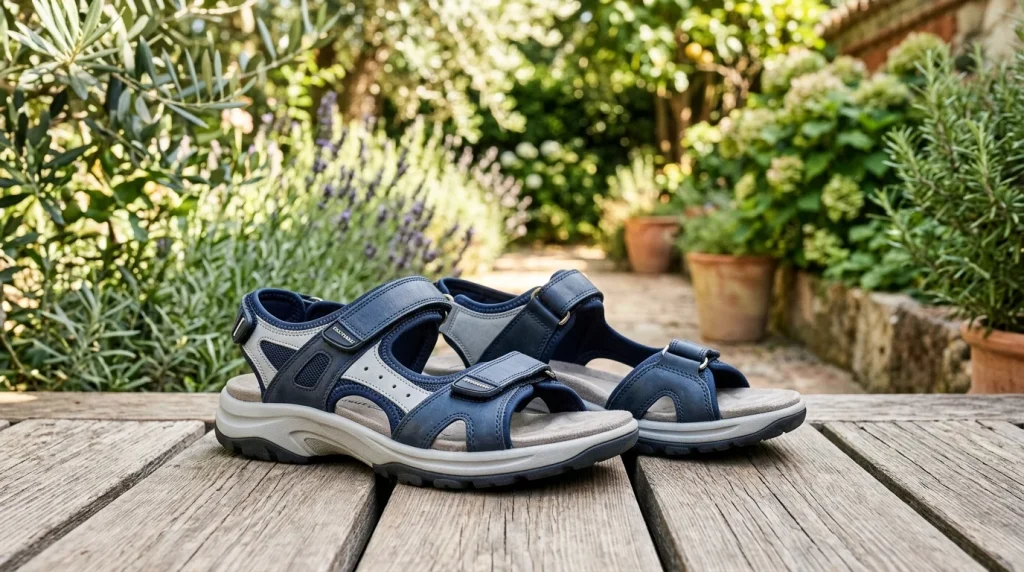
Active diabetic individuals require walking sandals engineered with triple hook-and-loop adjustment zones across the distal forefoot, midfoot instep, and posterior calcaneal region. This triangular stabilization system prevents internal foot slippage during dynamic ambulation, mitigating blister risk. Furthermore, high-density polyurethane midsoles maintain their structural arch contour over hundreds of walking miles without bottoming out.
3. Therapeutic Recovery Slides with Anatomical Contouring
Designed for post-activity wear or around-the-house comfort, therapeutic recovery slides should feature deep heel cradles and medical-grade EVA foam with high rebound elasticity. Unlike generic commercial slides that feature flat, unyielding plastic footbeds, diabetic slides provide a mild longitudinal medial arch cookie and metatarsal pads to offload high-pressure forefoot hotspots.
Clinical Fitting Protocol: How to Size Diabetic Sandals
A proper fit is paramount to avoiding footwear-induced pressure injuries. Diabetic individuals must adhere to the following professional fitting guidelines:
- Late-Day Fitting: Always measure and try on new sandals in the late afternoon or early evening when physiological dependent edema causes feet to reach their maximum volume.
- Thumb’s Width Rule: Ensure a minimum of 1/2 inch (approximately one thumb width) of clearance between the longest toe and the front boundary edge of the sandal footbed.
- Width Accommodation: Select wide (2E) or extra-wide (4E) options if bunions, tailor’s bunions, or hammertoes are present, ensuring zero lateral overhang across the footbed perimeter.
- Break-In Schedule: Wear new sandals indoors for no more than 30 to 45 minutes on Day 1, followed by thorough skin inspection. Gradually increase wear time by 30 minutes daily over a two-week period.
Critical Warnings: Summer Footwear Mistakes to Avoid
- Never Wear Thong-Style Flip-Flops: The central toe post creates severe friction in the first web space, a frequent site of catastrophic diabetic ulceration and amputations.
- Never Go Barefoot in Sandals Without Sizing Checks: Always confirm the sandal footbed matches the perimeter of your foot without overhang.
- Avoid Thin, Uncushioned Soles: Minimalist soles transfer ground shock directly to the plantar fascia and metatarsal heads, accelerating callus buildup and skin breakdown.
Frequently Asked Questions (FAQ)
Can diabetics wear sandals without socks?
While high-quality diabetic sandals with seamless, padded linings can be worn barefoot for short periods, podiatrists recommend wearing thin, moisture-wicking seamless diabetic socks with open sandals to prevent blister formation and reduce bacterial accumulation.
Are diabetic sandals covered by Medicare or insurance?
Under the Medicare Therapeutic Shoe Bill (Part B), qualifying diabetic patients with documented neuropathy, peripheral vascular disease, foot deformities, or history of ulceration may receive coverage for therapeutic shoes and custom orthotics annually when prescribed by a podiatrist.
How often should diabetic sandals be replaced?
Diabetic footwear should typically be replaced every 6 to 12 months, or sooner if the outsole shows uneven wear, the internal cushioning compresses completely, or the straps lose elasticity.
What are the early warning signs of footwear friction?
Persistent redness (erythema) that does not fade within 15 minutes of shoe removal, localized skin warmth, fluid-filled blisters, or callus thickening are immediate indicators that footwear is causing excessive friction or pressure.
Get our latest guides, news, and insights highlighted in your Google Search & AI Overviews.