✨ This article was AI edited. Editorial responsibility: Interconnect-Diabetes.eu.
Produced with AI. This article was artificially generated. Editorial responsibility: Interconnect-Diabetes.eu.
Indoor foot injuries account for a substantial percentage of diabetes-related hospital admissions and amputations worldwide. Many diabetic individuals assume that once they arrive home, walking barefoot or wearing flimsy flat slippers is harmless. In reality, hard flooring, unseen household debris, and lack of arch support can trigger catastrophic pressure ulcers and neuropathic injuries. Choosing podiatrist-recommended diabetic slippers for men and women provides structured anatomical support, non-skid rubber protection, seamless linings, and extra depth to protect sensitive feet inside the home.
Essential Podiatric Takeaways
- The Indoor Hazard Reality: Diabetic peripheral neuropathy deprives the feet of pain sensation, turning carpet tacks, pet claws, and dropped objects into severe infection vectors.
- Critical Structural Requirements: Medical-grade slippers require rigid heel counters, structured arch shanks, wide toe boxes, and puncture-resistant outsoles.
- Edema & Deformity Accommodation: Adjustable hook-and-loop straps accommodate fluctuating peripheral edema, bunions, and claw toes without creating friction blisters.
- Medicare Part B Shoe Bill: Therapeutic indoor shoes and custom inserts may be eligible for Medicare reimbursement when prescribed by a podiatrist for qualifying diabetic conditions.
The Clinical Biomechanics of Indoor Diabetic Foot Care
Hardwood, tile, and laminate flooring generate substantial ground reaction forces upon heel strike. Without structured footwear, the plantar fascia undergoes excessive tension, while the first and fifth metatarsal heads absorb concentrated vertical forces. In the neuropathic diabetic foot, this concentrated pressure accelerates callus development, subcutaneous hemorrhage, and ulcer formation.
Podiatric clinical guidelines emphasize that therapeutic indoor house shoes must stabilize the rearfoot, distribute body weight across the entire plantar vault, and eliminate internal seams that could abrade thin, anhidrotic skin.
Top Categories of Diabetic Slippers for Men & Women
| Slipper Style | Best Clinical Indication | Key Features | Sizing & Width Options |
|---|---|---|---|
| Wrap-Around Velcro Edema Booties | Severe peripheral edema, lymphedema, wound dressings | Fold-flat design with dual adjustable Velcro flaps; extra-wide depth | Medium (D) to Super-Wide (6E) |
| Orthopedic Clog Slippers (Closed Heel) | Plantar fasciitis, heel spurs, mild neuropathy | Contoured anatomical arch support, high-density EVA midsole, non-skid sole | Narrow (B) to Extra-Wide (4E) |
| Thermal Shearling Booties | Raynaud’s phenomenon, poor peripheral circulation, cold feet | 100% natural Australian sheepskin lining; moisture-wicking and thermal regulating | Standard to Wide (2E) |
| Indoor/Outdoor Hybrid Loafers | Active individuals needing durability for patio/mailbox trips | Rugged vulcanized rubber outsole, water-resistant suede upper, removable insoles | Regular to Extra-Wide (4E) |
Essential Features Checklist for Purchasing Diabetic Slippers
1. Removable Orthotic Footbeds
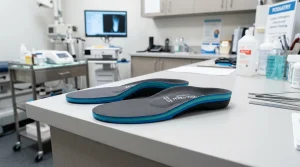
Many diabetic individuals require custom orthotic inserts (A5512/A5513 custom multi-density plastazote inserts) to offload localized peak pressures. Ensure the slippers feature removable factory insoles that provide sufficient internal volume for custom orthotics without crowding the dorsal aspect of the foot.
2. Extra-Depth & Seamless Microfiber Linings
Bony deformities such as hallux valgus (bunions) and hammertoes rub painfully against standard shoe seams. Diabetic slippers feature extra-depth toe boxes and completely smooth, seam-free interior linings padded with memory foam or medical fleece to eliminate friction points.
3. Anti-Slip Rubber Outsoles
Diabetic peripheral neuropathy frequently causes proprioceptive deficits, increasing fall risk. Never purchase slippers with smooth felt, leather, or cheap plastic bottoms. Look for textured herringbone rubber soles that grip wet bathroom tile and smooth hardwood securely.
Hygiene, Moisture Control & Antimicrobial Care
Moisture accumulation inside house slippers creates an ideal breeding environment for dermatophytes (fungal pathogens causing tinea pedis) and opportunistic bacteria. Because diabetic microvascular disease impairs local immune defense, superficial fungal fissures can rapidly become entry portals for invasive bacterial cellulitis.
- Use Removable Washable Insoles: Wash insoles weekly with mild hypoallergenic detergent and let them air dry completely before reinserting.
- Apply Silver or Copper Ion Sprays: Antimicrobial fabric sprays containing colloidal silver or botanical antifungal agents prevent odor and pathogen colonization.
- Alternate Between Two Pairs: Rotate between two pairs of diabetic house shoes to allow each pair 24 hours of resting time to dry thoroughly.
Daily Home Foot Care Protocol for Slipper Wearers
- Shake Before Stepping In: Always turn slippers upside down and tap them firmly before slipping your feet inside to dislodge hidden foreign particles (small toys, gravel, coins).
- Pair with Seamless Socks: Wear breathable, non-binding diabetic socks made from bamboo or merino wool to manage moisture and prevent micro-friction.
- Evening Skin Inspection: Examine feet under bright lighting with a handheld mirror every evening. Look for redness that does not fade within 15 minutes, warm spots, or blisters.
- Replace Promptly: Replace indoor slippers every 6 to 9 months of regular wear, or immediately if the heel counter softens or the inner cushioning flattens.
Frequently Asked Questions (FAQ)
Can I wear open-back slip-on mules if I have diabetes?
Podiatrists advise against backless slip-on mules. To keep backless shoes on the foot, toes must subconsciously curl and grip (clawing action), which worsens hammertoes and increases metatarsal pressure. Always choose slippers with a closed heel counter or secure heel strap.
Are memory foam slippers supportive enough for diabetic feet?
Pure memory foam slippers feel soft initially but quickly collapse under body weight, offering zero arch stability or pressure redistribution. Choose hybrid slippers that combine a firm orthotic EVA midsole with a top layer of cushioning memory foam.
How should diabetic slippers be cleaned?
Wipe rubber outsoles with antibacterial disinfectant wipes. For sheepskin or fabric uppers, use specialized suede/fleece cleaners and allow slippers to dry naturally away from direct heaters or radiators.
Get our latest guides, news, and insights highlighted in your Google Search & AI Overviews.