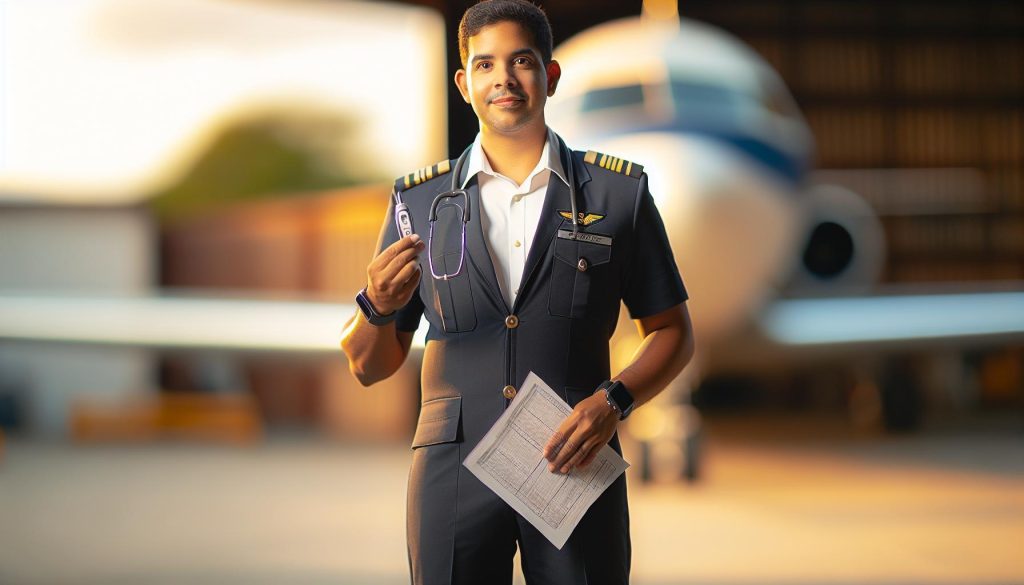
Did you know that thousands of individuals with diabetes aspire to take to the skies as pilots? While the dream of flying is attainable, it comes with specific medical requirements that can seem daunting. This article delves into the aviation medical standards for those with diabetes, addressing common concerns about health, safety, and the ability to meet regulatory demands. By understanding these requirements and the potential paths to certification, you can navigate the complexities of becoming a pilot while managing your diabetes effectively. Whether you’re a passionate pilot-in-training or simply curious about the intersection of aviation and health, continue reading to explore your possibilities and discover how you can soar above the clouds with confidence.
Understanding Diabetes and Its Impact on Pilots

Diabetes affects millions of people worldwide, and its management becomes critical for individuals aspiring to pilot careers. The implications of living with diabetes extend beyond personal health; they encompass safety, regulatory compliance, and operational effectiveness in aviation. Understanding how diabetes can impact a pilot’s ability to perform is crucial. For instance, fluctuations in blood glucose levels can lead to symptoms such as fatigue, dizziness, or confusion, which are detrimental in high-stakes environments like flying. It is essential for pilots to maintain stable blood sugar levels and develop a consistent routine to manage their condition effectively.
A well-structured diabetes management plan is invaluable for pilots. This plan should include regular monitoring, a balanced diet tailored to individual needs, and a clear understanding of how stress and irregular schedules can affect glucose levels. Pilots must be educated about the signs of hypo- or hyperglycemia and know how to respond appropriately. For example, carrying fast-acting glucose sources, such as glucose tablets or juice packs, can be a lifesaver during sudden drops in blood sugar. Additionally, incorporating hydration and small, nutrient-dense snacks during flights can help maintain energy levels and overall well-being.
Moreover, the aviation industry increasingly recognizes the capabilities of diabetic individuals. As policies evolve, it’s vital for pilots to stay informed about the latest medical standards applicable to their condition. Researching aeromedical regulations, staying connected with a healthcare team, and engaging in support networks can help pilots navigate the complexities of flying with diabetes. As we see advancements in technology, such as continuous glucose monitors, pilots can now manage their diabetes more effectively, allowing them to maintain both their health and their passion for flying. Ultimately, a proactive and informed approach to diabetes management not only empowers pilots but also reinforces their commitment to safety and professionalism in aviation.
Aviation Medical Standards for Diabetes Management
Navigating the aviation medical standards when managing diabetes can feel daunting for prospective pilots. However, a clear understanding of these requirements can empower individuals living with diabetes to pursue their passion for flying. Regulatory bodies, such as the Federal Aviation Administration (FAA) in the United States, have established specific medical guidelines to ensure safety in flight, while also recognizing that many people with diabetes manage their condition effectively and can perform safely as pilots.
To qualify for a medical certificate, pilots with diabetes must demonstrate that their condition is well-controlled. This typically involves presenting documentation from a qualified healthcare provider that outlines their management plan, including medication adherence, lifestyle adjustments, and regular monitoring of blood sugar levels. The medical examiner may ask for a history of the pilot’s diabetes, including any complications, as well as detailed accounts of their self-management practices. Keeping meticulous records of blood glucose levels, incidents of hypoglycemia or hyperglycemia, and responses to emergencies plays a crucial role in this process.
Key Considerations for Diabetic Pilots
Pilots with diabetes often need to meet the following criteria during their medical evaluations:
- Stable blood sugar levels: Demonstrating consistency in managing and monitoring blood glucose is essential. This includes regular check-ups and maintaining a balanced diet.
- No history of severe hypoglycemic episodes: Applicants should ideally have no episodes that resulted in loss of consciousness or required assistance from others.
- Adherence to treatment plans: Medical professionals will review the pilot’s commitment to their diabetes care, including medication compliance and dietary considerations.
- Regular doctor visits: Continuous engagement with healthcare providers ensures the pilot’s health remains a priority, which is a fundamental part of maintaining flying rights.
Engaging with a specialized aviation medical examiner can provide further clarity and guidance, as they are experienced in the nuances of diabetes management within the aviation context. Pilots can enhance their chances of meeting medical standards by participating in support networks or diabetes management programs. These organizations can offer invaluable resources, encouraging connections with others who manage diabetes while pursuing careers in aviation.
In summary, individuals with diabetes can fulfill their dreams of being a pilot by following well-defined medical standards and actively managing their health. With the proper support and management strategies in place, they can demonstrate their capabilities and safety in the cockpit, ultimately contributing to the aviation industry’s ongoing commitment to inclusivity and safety.
Types of Diabetes and Their Implications for Flying

Individuals seeking to pursue a career as a pilot while managing diabetes must understand the different types of diabetes and their specific implications for flying. Primarily, diabetes is classified into three main types: Type 1, Type 2, and gestational diabetes, each presenting unique challenges and considerations for pilots.
Type 1 diabetes is an autoimmune condition where the pancreas produces little to no insulin. Pilots with Type 1 need to be diligent in monitoring their blood sugar levels, as they are at a higher risk of hypoglycemia, which can be particularly dangerous when flying. Consistent management through insulin therapy, dietary adjustments, and regular glucose monitoring is essential. A pilot’s ability to recognize the early signs of hypoglycemia and respond promptly is crucial for safety in the cockpit.
Type 2 diabetes, which is more common and often related to factors such as obesity and lifestyle, can sometimes be managed through diet, exercise, and oral medications. Pilots with Type 2 must demonstrate that their blood glucose levels remain stable and that their condition is well-controlled. This management may also involve periodic medical evaluations to ensure their health remains optimal for flying duties.
Gestational diabetes, occurring during pregnancy, generally resolves after childbirth. While it may not directly affect a woman’s ability to fly post-pregnancy, it’s vital for pilots to follow their healthcare provider’s advice regarding any potential long-term effects on their health and flying status.
Key Management Strategies for Each Type
To ensure flight safety regardless of diabetes type, pilots should adopt the following management strategies:
- Regular Monitoring: Keeping track of blood sugar levels, especially before and during flights, is essential.
- Emergency Preparedness: Pilots should carry fast-acting carbohydrates and have a solid emergency plan for hypoglycemic events.
- Dietary Awareness: Understanding how food impacts blood sugar and planning meals accordingly can help maintain stable levels during flights.
- Medication Management: Having a structured medication plan, including adjustments for travel, ensures the condition remains controlled.
Seeking guidance from healthcare professionals and aviation medicine specialists can provide crucial support and education. With careful planning and proactive health management, pilots living with diabetes can safely operate their aircraft, demonstrating that effective diabetes management can align with the demands of aviation.
Navigating the Application Process for Pilot Certification

Embarking on a journey to become a pilot while managing diabetes may seem daunting, but understanding the application process can empower aspiring aviators to navigate their path confidently. The first crucial step is to familiarize yourself with the aviation medical standards. In many countries, individuals with diabetes can qualify for a pilot’s license, but they must demonstrate that their condition is well-managed and does not interfere with their ability to fly safely. The criteria can vary significantly, so reviewing the specific regulations set forth by the aviation authority in your region is essential.
When preparing for the application, pilots with diabetes should gather and present comprehensive medical documentation that details their condition and management strategies. This includes records of regular blood sugar monitoring, medication plans, and any lifestyle modifications made to maintain stable glucose levels. Consulting with a healthcare professional experienced in aviation medicine can provide guidance on what documentation is most pertinent and how to best present it during the evaluation process.
It’s also beneficial to understand the various categories of medical certification. For instance, the first-class medical certification, which is required for airline transport pilots, may have stricter requirements compared to second or third-class certification. Consequently, aspiring pilots should be prepared for the possibility of additional evaluations, including consultations with endocrinologists or other specialists who can attest to their fitness for flying.
Being proactive also means leveraging any available support resources, such as diabetes associations or pilot groups that offer mentorship programs. Connecting with other pilots who manage diabetes can yield valuable insights into their experiences during the certification process. With the right approach, adequate preparation, and professional guidance, navigating the application process can lead to a successful outcome, proving that diabetes is not a barrier but rather a challenge that can be effectively managed.
Medical Evaluation: What to Expect During Your Exam

Undergoing a medical evaluation is a critical step for pilots with diabetes aspiring to earn their wings. Understanding what to expect during this examination can alleviate anxiety and empower candidates to showcase their fitness for flying. The medical assessment typically includes a comprehensive review of the pilot’s medical history, with particular attention to how well the diabetes is managed. Candidates are encouraged to come prepared with detailed documentation, including:
- Blood sugar records: Logbooks or charts displaying glucose levels over time can illustrate effective management.
- Medication information: A list of prescribed medications, including dosages and any adjustments made over time.
- Physician letters: Recommendations from endocrinologists or diabetes specialists attesting to the pilot’s capacity to fly without significant risk.
During the evaluation, a certified aviation medical examiner (AME) will typically conduct a physical examination and assess the candidate’s overall health. This may include vital signs, vision tests, and neurological evaluations. The AME will focus on how well the pilot manages their diabetes, stressing the importance of stability in blood glucose levels. If the candidate is on insulin or has experienced complications related to diabetes, the examiner may require additional tests or assessments from specialists to gauge their fitness to operate an aircraft safely.
Pilots should approach this evaluation with transparency and confidence. Understanding the potential for additional testing or follow-ups may seem daunting, but being upfront about one’s condition can foster a more productive relationship with the examiner. For example, candidates who’ve experienced episodes of hypoglycemia should provide an in-depth explanation of how they have adapted their management strategies to reduce risks associated with flying.
Ultimately, thorough preparation and a proactive stance not only help candidates navigate the evaluative process but also reinforce their commitment to safe flying practices. By presenting a clear picture of their diabetes management, aspiring pilots can demonstrate that they are not only capable of piloting an aircraft but are also dedicated to prioritizing their health.
Strategies for Managing Diabetes While Flying
Flying with diabetes presents unique challenges, but with proper management strategies, pilots can navigate these hurdles effectively. One of the most critical aspects of managing diabetes in the cockpit is maintenance of stable blood glucose levels, as fluctuations can impair concentration and decision-making abilities necessary for safe flying. Therefore, a well-thought-out plan encompassing medication management, dietary choices, and routine monitoring is essential.
Daily Management and Preparation
Before taking to the skies, pilots should develop a comprehensive daily management routine that includes regularly monitoring blood glucose levels. Utilizing continuous glucose monitors (CGMs) can be particularly beneficial, allowing for real-time glucose tracking and timely interventions if levels become abnormal. Additionally, pilots should ensure they have an adequate supply of diabetes management supplies, including insulin, test strips, and snacks high in carbohydrates for emergencies. Proper planning also entails reviewing the flight schedule and expected duration to anticipate and manage potential fluctuations in blood sugar due to changes in activity levels or meal timings.
Food Choices and Snacks
Diet plays a significant role in diabetes management, especially for pilots who need sustained energy and focus. Preparing healthy, balanced meals before flights can help maintain stable glucose levels. Foods rich in complex carbohydrates, fiber, and protein will provide longer-lasting energy without significant spikes in blood sugar. For snacks, consider carrying items such as:
- Nuts: These provide healthy fats and protein.
- Low-sugar granola bars: These can offer quick energy without causing excessive spikes in glucose levels.
- Fruits: Apples or pears can help maintain energy and provide real sugar when needed.
Being proactive about food choices can significantly reduce the risk of hypoglycemia or hyperglycemia during flights.
Emergency Protocols
Pilots must also be familiar with protocols for managing emergencies related to diabetes. This includes knowing the signs of hypoglycemia, which can include dizziness, confusion, and excessive sweating, and having a plan to address it promptly. Carrying a fast-acting source of glucose, such as glucose tablets or juice, is vital. Additionally, ensuring that co-pilots or crew members are aware of the pilot’s condition and management strategy can provide an extra layer of safety during flight. Education, both for oneself and for team members, helps create a support network that can effectively handle any unforeseen situations.
In summary, while diabetes management in flying requires thoughtful planning and preparation, it is entirely feasible for pilots to maintain their health and pursue their passion for aviation. Regular communication with healthcare providers, adherence to medication regimens, and strategic meal planning can empower pilots to soar safely and confidently high above the clouds.
Diet and Nutrition Tips for Pilots with Diabetes
Eating well is a cornerstone of effective diabetes management, particularly for pilots who lead demanding, high-stakes lives in the cockpit. Proper nutrition not only helps to stabilize blood glucose levels but also ensures consistent energy and focus essential for safe flying. Understanding the nutritional landscape associated with diabetes can transform challenges into proactive measures that promote health and performance.
Prioritizing Balanced Meals
Balancing macronutrients is vital. A pilot’s meals should incorporate a mix of complex carbohydrates, proteins, and healthy fats to maintain energy levels without causing spikes in blood sugar. Complex carbohydrates, found in whole grains, legumes, and vegetables, digest slowly, providing gradual energy release. Pairing these with protein sources like lean meats, fish, or plant-based proteins can enhance satiety and further stabilize blood sugar. Healthy fats from sources such as avocados, nuts, and olive oil can also be beneficial when used in moderation.
Smart Snacking
Snacks can make or break a pilot’s blood sugar control during flights, making their choice critical. Stocking the cockpit with healthy snacks can prevent hunger-related dips in concentration and energy. Opt for items that have a good mix of nutrients, such as:
- Hummus with vegetable sticks: A fiber-rich choice that can aid in satiety while providing essential nutrients.
- Greek yogurt with berries: Offers protein and antioxidants, making it a satisfying low-sugar option.
- Whole-grain crackers with cheese: This provides a nice balance of protein and carbohydrates for longer-lasting energy.
Meal Timing and Pre-Flight Planning
Timing is everything when it comes to meals and snacks for pilots. Prior to a flight, it’s advisable to eat a well-balanced meal that includes carbohydrates, proteins, and healthy fats a few hours before taking off. This helps to ensure steady blood glucose levels throughout the duration of the flight. During longer flights, having a well-thought-out plan for when to eat snacks or meals can prevent fluctuations and maintain focus.
Hydration and its Importance
Staying well-hydrated is often overlooked, yet it plays a critical role in overall health and diabetes management. Dehydration can affect blood sugar levels and cognitive performance. Carrying water bottles on board and making a conscious effort to drink throughout the flight can support both physical well-being and cognitive function, crucial for a pilot’s responsibilities.
By making informed food choices and planning meals and snacks thoughtfully, pilots with diabetes can navigate the sky with confidence. It’s not just about eating, but about fueling the body in a way that supports both health and the demands of the aviation profession. Regular consultations with healthcare professionals are essential to tailor these recommendations to individual needs and ensure safe and effective diabetes management in the air.
Monitoring Blood Sugar Levels in Flight
Flying with diabetes requires careful monitoring of blood sugar levels to ensure safety and effectiveness in the cockpit. Maintaining stable glucose levels is crucial, as both hypoglycemia (low blood sugar) and hyperglycemia (high blood sugar) can significantly impair a pilot’s cognitive functions and reaction times. One fundamental practice is to regularly check blood glucose levels before, during, and after flights. This not only aids in immediate decision-making but also helps to prevent any adverse effects from occurring while airborne.
To effectively monitor blood sugar levels, pilots should leverage advanced technologies such as continuous glucose monitors (CGMs). These devices provide real-time monitoring, alerting the user to any fluctuations that may require prompt action. For instance, if a pilot’s blood sugar begins to drop unexpectedly, a CGM can trigger an alarm, allowing time to consume a quick source of glucose before it becomes critically low. Such proactive measures can be life-saving, ensuring that the pilot remains alert and capable throughout the flight.
Moreover, pre-flight planning is essential. Before taking off, pilots should assess their blood sugar levels and ensure they are within the target range. If levels are not optimal, quick adjustments can be made through diet or insulin administration depending on the individual’s treatment plan. Keeping a detailed log of blood sugar readings can also be beneficial, providing insights into how various foods, stress, and flying conditions affect glucose levels. This knowledge allows for better individualized management strategies.
In-flight strategies should include placing glucose tablets or quick-acting sugars, such as fruit juice, within easy reach in the cockpit. Understanding the implications of altitude and pressure changes on blood sugar can also help pilots prepare adequately. Staying engaged with healthcare professionals for regular monitoring and adjustments of diabetes management plans is vital in ensuring pilots with diabetes can remain compliant with aviation medical standards, thus fostering confidence while operating an aircraft.
Emergency Protocols for Diabetic Pilots
Being prepared for emergencies is crucial for pilots managing diabetes, as timely action can mean the difference between safe flying and serious health complications. Hypoglycemia, or low blood sugar, is a common risk that can impair cognitive function and reaction times. Pilots must have a clear plan in place for responding to these emergencies, ensuring both their safety and the safety of their passengers.
Emergency Action Plan
Developing a personal emergency action plan is essential. This plan should detail steps to take in the event of hypoglycemia, hyperglycemia, or any diabetes-related health issue while flying. Key components of this plan should include:
- Immediate Solutions: Always have easily accessible fast-acting glucose sources, such as glucose tablets or fruit juice, in the cockpit. This ensures that, in the event of a blood sugar drop, the pilot can quickly restore glucose levels.
- Communication Protocols: Establish communication procedures with the co-pilot or crew to inform them of any issues. Regular briefings on diabetes management should be part of crew training.
- Flight Diversions: If a pilot recognizes symptoms of severe hypoglycemia, they should be prepared to divert to the nearest airport where medical help can be accessed if necessary.
Preparation and Training
Pilots should undergo training to recognize the signs of diabetes complications both in themselves and fellow crew members. Symptoms of hypoglycemia can include confusion, dizziness, and sudden fatigue, while hyperglycemia can lead to increased thirst and frequent urination. Understanding these symptoms can lead to quicker intervention.
It’s recommended to hold practice drills that simulate emergencies. This can enhance readiness and reduce panic during actual events. Also, collaborating with healthcare providers to understand how altitude can affect blood sugar levels is critical for informed decision-making in-flight.
Regular Health Monitoring
Ongoing management includes regular health check-ups with specialists who understand the unique challenges pilots face. Keeping comprehensive logs of blood sugar levels and corresponding dietary choices can help in adjusting treatment plans effectively. Innovative tools like continuous glucose monitors (CGMs) offer real-time data that assists pilots in making informed decisions about their health during flight.
In conclusion, an effective emergency plan tailored to manage diabetes while flying not only empowers pilots but enhances overall flight safety. Being proactive in diabetes management, combined with a thorough understanding of how to respond to emergencies, enables pilots with diabetes to navigate challenges confidently and maintain their critical roles in aviation.
Support Networks and Resources for Diabetic Pilots
Connecting with a supportive community is crucial for pilots managing diabetes, as shared experiences and resources can offer both practical guidance and emotional reassurance. Engaging with organizations and online networks dedicated to diabetes can provide pilots with access to the latest research, treatment options, and personalized experiences from others who understand the unique challenges of flying with diabetes. Embracing these resources can empower pilots to advocate for their health while pursuing their aviation careers confidently.
Key Resources for Diabetic Pilots
Several organizations focus specifically on diabetes education, research, and support, which can be invaluable for pilots. These include:
- Diabetes Self-Management Education and Support (DSMES): This program offers classes that equip individuals with the knowledge and skills needed to manage their diabetes effectively.
- American Diabetes Association (ADA): The ADA provides resources, support groups, and information on navigating diabetes management in various professions, including aviation.
- International Diabetes Federation (IDF): This global organization offers guidance ensuring that pilots stay informed about international regulations related to diabetes and aviation.
These networks not only provide medical information but also help find local support groups where pilots can meet others facing similar situations. Engaging in community discussions can often provide insights into practical adjustments and lifestyle changes that positively impact diabetes management.
Advocacy and Professional Support
Connecting with medical professionals who specialize in aviation medicine can significantly aid pilots dealing with diabetes. They offer tailored advice regarding safe flying practices, treatment options, and regulatory compliance. Referrals from general practitioners to endocrinologists or diabetes educators who understand the implications of diabetes on flight safety are invaluable.
Additionally, participating in workshops or forums held by aviation organizations focused on medical issues can enhance a pilot’s knowledge about the relationship between their condition and aviation-specific challenges. These platforms allow pilots to ask questions and gain insights based on real-world experiences.
In conclusion, harnessing the power of support networks and professional resources can make a substantial difference in managing diabetes while pursuing a career in aviation. By leveraging these connections, pilots can confidently navigate the complexities of their condition, ensuring both their safety and the safety of their passengers in the skies.
Real-Life Stories: Pilots Who Manage Diabetes
Many pilots with diabetes have successfully navigated their aviation careers by implementing effective management strategies and fostering a supportive community. For example, one commercial pilot diagnosed with Type 1 diabetes shared how crucial it was to establish a routine that included consistent blood glucose monitoring and meal planning tailored around his flight schedules. He emphasized the importance of always carrying fast-acting carbohydrates for quick corrections during flights, underscoring that preparation is key to maintaining control and ensuring safety.
Another inspiring story comes from a private pilot who manages her Type 2 diabetes through lifestyle adjustments and regular check-ins with her healthcare team. She incorporates physical activity into her pre-flight routine, often taking brisk walks at the airport to help regulate her blood sugar. This proactive approach not only benefits her health but also enhances her focus and performance while flying. She notes that engaging in local diabetes support groups has provided her with valuable insights, affirming that sharing experiences helps demystify the challenges of managing diabetes in aviation.
Moreover, a retired airline pilot reflected on his journey with diabetes and the evolution of medical standards in aviation. He mentioned how, when he was diagnosed, there were limited resources for pilots facing similar health issues. However, with advances in medical understanding and advocacy from organizations like the American Diabetes Association, he now sees more pilots thriving with diabetes, motivated by success stories and a greater acceptance of health conditions in aviation.
These narratives illustrate that managing diabetes successfully while flying is not only possible but can also be achieved with careful planning, lifestyle adjustments, and community support. Pilots are encouraged to seek out practical resources, consult with aviation medicine specialists, and leverage technology to stay informed about their condition. By sharing their experiences, pilots with diabetes can foster a sense of camaraderie that helps drive progress and improve the safety and well-being of all in the skies.
Future Trends: Changes in Aviation Medical Regulations
As the landscape of diabetes management evolves, so too do the aviation medical regulations governing pilots with diabetes. Recent trends indicate a shift toward more inclusive policies that reflect the growing understanding of diabetes as a manageable condition rather than an outright disqualifier for flying. This progression is fueled by advances in medical research, innovative technologies, and advocacy efforts from both medical professionals and pilot organizations.
One promising change in aviation medical standards is the increased recognition of the potential for pilots with well-controlled diabetes to operate safely. Regulatory bodies are beginning to outline more specific guidelines on how insulin use and blood sugar management can coexist with aviation duties. For example, some jurisdictions are now allowing pilots with certain types of diabetes who maintain stable blood glucose levels and follow stringent self-management protocols to obtain special issuance certificates. This process typically involves a thorough evaluation by an aviation medical examiner (AME) who assesses the pilot’s individual health status and management plan.
Moreover, technology plays a crucial role in shaping future regulations. Continuous glucose monitoring (CGM) systems and insulin pumps are becoming more common among diabetic pilots, providing real-time data and automatic insulin delivery that minimizes the risk of hypoglycemic episodes during flight. As these devices continue to demonstrate their reliability and efficacy, it is likely that regulations will evolve to accommodate their use more broadly within the aviation community. Airlines and regulatory bodies may begin to establish specific procedures for pilots to report their device status and any associated alerts, further ensuring safety in an operational setting.
In addition to the adoption of technology, training and education for both pilots and AMEs is essential. As advocacy groups push for better representation and support for pilots with diabetes, initiatives focusing on comprehensive training for medical professionals regarding diabetes management in aviation will be crucial. Such programs can help dispel myths surrounding diabetes and empower a more supportive environment for aspiring pilots, enabling them to confidently pursue their careers while managing their health effectively.
As diabetes care continues to advance, pilots with diabetes can look forward to a future where regulations evolve to embrace their capabilities and foster their success in aviation. By remaining engaged with medical professionals and advocating for personal health management, pilots can not only comply with existing standards but can also actively participate in shaping a more inclusive aviation community.
Q&A
Q: Can pilots with diabetes obtain a medical certificate?
A: Yes, pilots with diabetes can obtain a medical certificate, but they must meet specific aviation medical requirements. This includes demonstrating proper management of the condition and undergoing regular evaluations to ensure their health and safety in flight.
Q: What are the FAA requirements for diabetes management in pilots?
A: The FAA requires pilots with diabetes to have stable blood glucose levels and to provide documentation of their condition management. This often includes medical evaluations and possibly continuous glucose monitoring, which verifies their ability to safely operate an aircraft.
Q: How can diabetic pilots manage their condition while flying?
A: Diabetic pilots can manage their condition by planning meals, monitoring blood sugar levels before and during flights, and carrying necessary medical supplies. It is also crucial to have an emergency protocol in place for handling hypoglycemic events.
Q: Are there different medical certification standards for type 1 and type 2 diabetes?
A: Yes, while both types of diabetes can allow for medical certification, type 1 diabetes generally requires more rigorous monitoring and testing. The FAA assesses each case individually based on the pilot’s management plan and health history.
Q: What kind of medical evaluations can diabetic pilots expect?
A: Diabetic pilots can expect comprehensive medical evaluations that include reviewing their blood glucose management history, conducting physical exams, and possibly requiring tests like HbA1c to assess long-term glucose control.
Q: Can diabetes disqualify a pilot from flying commercial aircraft?
A: Diabetes itself does not automatically disqualify a pilot from flying commercial aircraft, but a thorough evaluation is necessary. The FAA assesses the pilot’s fitness based on how well the diabetes is managed and any related complications.
Q: What should diabetic pilots include in their flight bag?
A: Diabetic pilots should include necessary items like blood glucose monitors, testing strips, insulin, snacks to counteract low blood sugar, and a medical alert card indicating their condition in their flight bag.
Q: Where can diabetic pilots find support and resources?
A: Diabetic pilots can find support through aviation organizations focused on health, online communities, and local diabetes support groups. These resources provide valuable information and connect pilots facing similar challenges.
The Conclusion
Navigating the skies with diabetes is not just possible but also rewarding, as long as you understand the aviation medical requirements and manage your condition effectively. If you’re eager to learn more, explore our detailed guides on daily diabetes management, including food choices and lifestyle considerations. Don’t miss our insights on seeking the right medical care and specialist referrals to ensure you’re fit to fly.
Ready to take action? Subscribe to our newsletter for expert tips and resources, or check out our detailed articles that answer your questions about becoming a pilot and maintaining your health as a diabetic. We’re here to support your journey every step of the way-engage with us by leaving a comment below and sharing your thoughts. Together, let’s navigate the skies and empower each other in diabetes management!
Can You Be a Pilot with Diabetes? FAA and EASA Class 1 Medical Clearance
Aspiring aviators often wonder can you be a pilot with diabetes or does a diagnosis automatically ground commercial and private aspirations. Groundbreaking regulatory modernizations by the Federal Aviation Administration (FAA) and European Union Aviation Safety Agency (EASA) established strict protocols allowing insulin-treated diabetes mellitus (ITDM) pilots to obtain first-class, second-class, and third-class medical certification through continuous glucose monitoring (CGM) protocols.
| Aviation Authority | Medical Class Eligible | Mandatory Glycemic Monitoring | Disqualifying Criteria |
|---|---|---|---|
| FAA (United States) | Class 1, 2, and 3 (Special Issuance) | Continuous Glucose Monitor (CGM) with real-time in-cockpit data logging | Unexplained severe hypoglycemia (<54 mg/dL) within prior 12 months; hypoglycemia unawareness |
| EASA (Europe) | Class 1 (OML – Operational Multi-pilot Limitation), Class 2 | Pre-flight and in-flight capillary/CGM testing every 60 minutes | Proliferative diabetic retinopathy, autonomic neuropathy, or unstable HbA1c (>8.5%) |
| Non-Insulin Treated (Metformin/GLP-1) | Standard Issuance (All Classes) | Annual endocrine evaluation and clinical HbA1c review | Concurrent sulfonylurea therapy without adequate hypoglycemia monitoring |
Get our latest guides, news, and insights highlighted in your Google Search & AI Overviews.