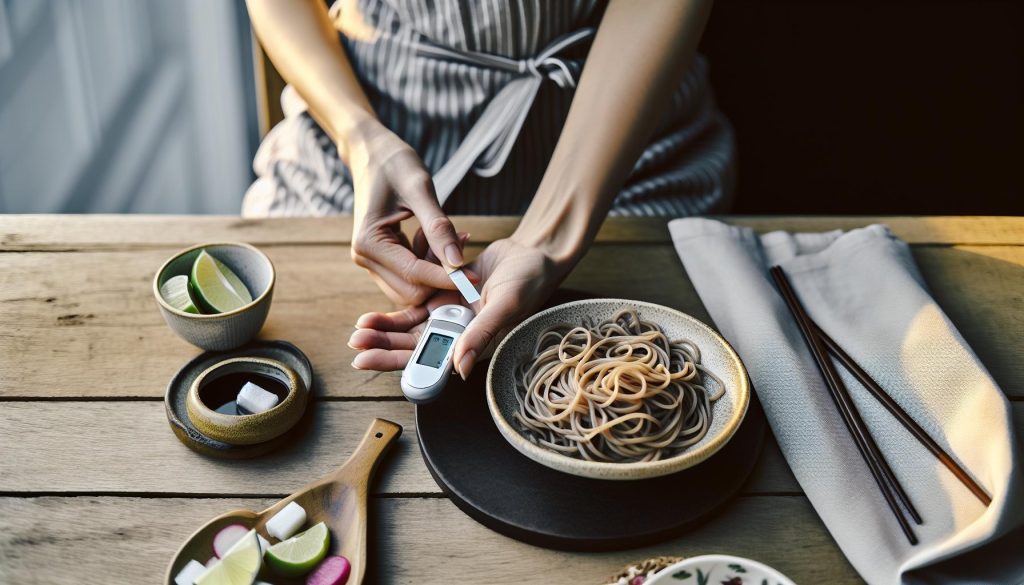
For those managing diabetes, food choices can feel overwhelming, especially when it comes to incorporating beloved dishes into their diets. Soba noodles, made primarily from buckwheat, have gained popularity for their unique flavor and nutritional benefits. But are they suitable for individuals with diabetes? In this article, we will explore the safety and effects of soba noodles on blood sugar levels, addressing common concerns and offering insights to help you make informed dietary decisions. Understanding how these traditional Japanese noodles can fit into a diabetes-friendly lifestyle can empower you in your daily management. Stay with us as we uncover the science behind soba noodles and their place in your meal planning, helping you enjoy delicious food while prioritizing your health.
Understanding Buckwheat: Nutritional Benefits for Diabetes
Buckwheat, the star ingredient in traditional soba noodles, is not only a versatile grain but also a powerhouse of nutrition, especially beneficial for those managing diabetes. Rich in fiber, protein, and essential nutrients, it has a unique composition that can aid in blood sugar control and overall health. The soluble fiber found in buckwheat may help slow down glucose absorption, ultimately leading to more stable blood sugar levels. Moreover, buckwheat is packed with antioxidants that may reduce inflammation and support heart health, making it a favorable choice for individuals with diabetes.
When you consume buckwheat as part of a meal, its high fiber content helps to slow digestion and absorption of carbohydrates. This gradual release can prevent spikes in blood glucose levels-a crucial factor for diabetes management. Additionally, buckwheat contains a good amount of magnesium, contributing to improved insulin sensitivity. Studies indicate that a diet rich in magnesium may reduce the risk of developing Type 2 diabetes and support insulin function, thereby helping those who are already diagnosed.
Incorporating buckwheat into your meals can be simple and rewarding. Consider swapping out conventional pasta or rice with soba noodles in salads, stir-frys, or soups. By doing so, you not only enhance the nutritional profile of your dishes but also bring more variety to your table. As with any dietary choice, it’s essential to consult with a healthcare professional to ensure that incorporating soba noodles aligns with your overall dietary plan. With the right approach, buckwheat can certainly play a role in a balanced diet that supports diabetes management and promotes better health.
Are Soba Noodles Low Glycemic?
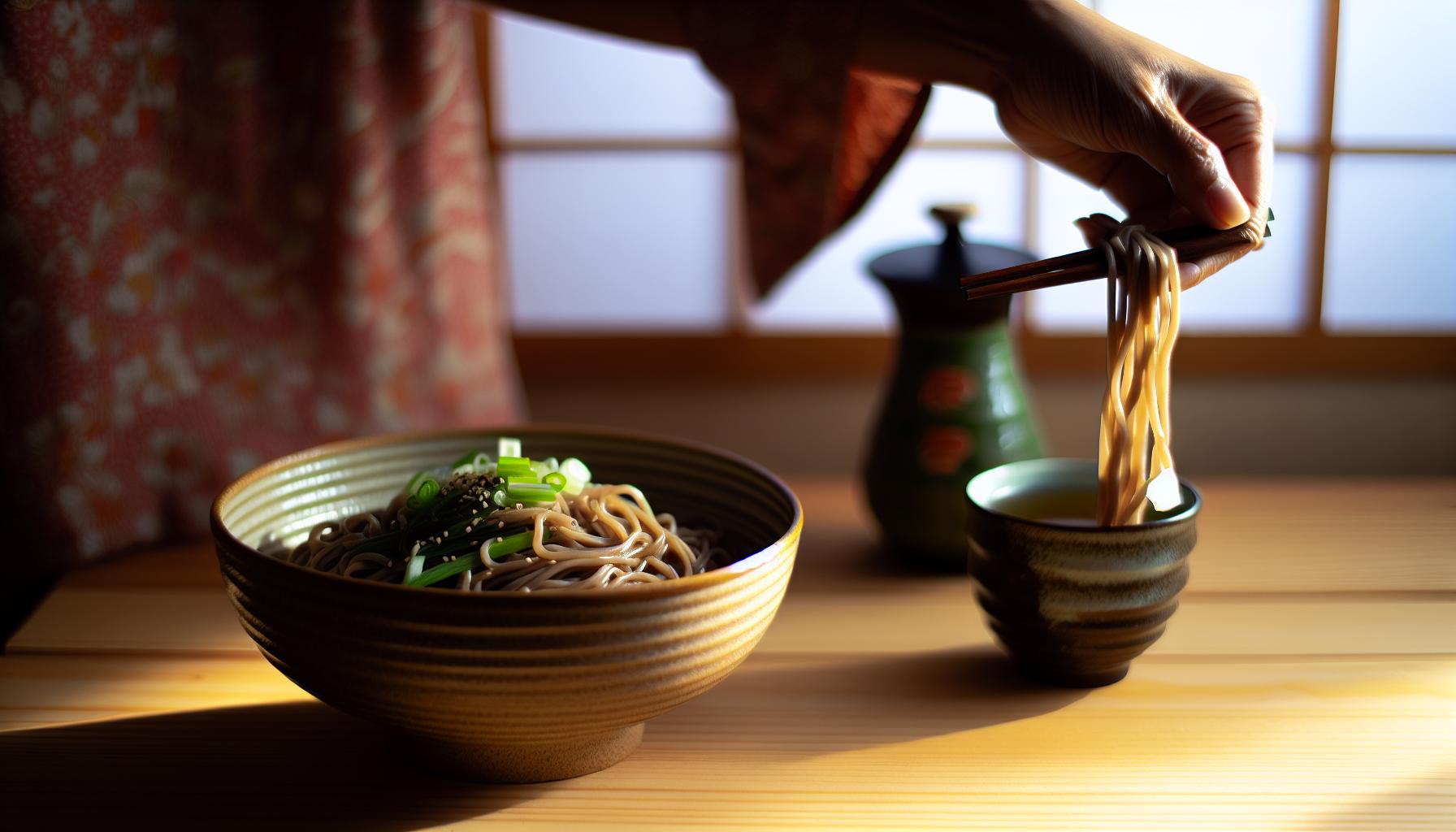
Soba noodles, primarily made from buckwheat flour, are not only delicious but also boast a relatively low glycemic index (GI), making them an appealing choice for those managing diabetes. The GI measures how much a particular food raises blood glucose levels after consumption, with lower values indicating a slower, steadier rise. Soba noodles generally have a GI of around 45 to 50, which is significantly lower than that of many traditional wheat noodles and pasta, that can range from 50 to more than 70. This characteristic makes them suitable for inclusion in a balanced diet aimed at stabilizing blood sugar levels.
The presence of soluble fiber in buckwheat, coupled with its unique nutrient content, contributes to their low glycemic impact. Soluble fiber works by slowing down the absorption of carbohydrates in the digestive tract, resulting in a more gradual increase in blood sugar levels. This can prevent those dreaded spikes that many diabetics seek to avoid. Besides aiding in blood sugar control, the high magnesium content in buckwheat supports improved insulin sensitivity, further enhancing its suitability for those with diabetes.
When considering incorporating soba noodles into your meals, it’s beneficial to pair them with a variety of low-glycemic vegetables and proteins. This not only enriches the dish nutritionally but also enhances overall satiety and blood sugar management. For instance, serving soba noodles with stir-fried kale, bell peppers, and grilled chicken can create a wholesome meal that provides nutrients and energy without compromising blood sugar levels. As always, it is wise to consult healthcare professionals regarding dietary choices, ensuring that any meal plan aligns with individual health needs and goals.
Comparing Soba Noodles to Other Noodle Types

Soba noodles stand out in the noodle category for their unique nutritional profile and lower glycemic index, making them especially beneficial for diabetics. When compared to traditional wheat-based noodles, such as spaghetti or udon, soba noodles have a significant advantage in managing blood sugar levels. While typical wheat noodles can have a glycemic index ranging from 50 to over 70, soba noodles sit comfortably between 45 and 50. This lower GI means that soba noodles result in a slower release of glucose into the bloodstream, which is crucial for maintaining stable blood sugar levels throughout the day.
Understanding the Nutritional Edge
By incorporating buckwheat-a gluten-free grain that is the primary ingredient in soba noodles-diabetics can benefit from additional health perks. Buckwheat is not only rich in soluble fiber, which aids in slowing digestion and nutrient absorption, but it also contains essential amino acids and minerals like magnesium that improve insulin sensitivity. This makes buckwheat noodles an excellent alternative for those in need of a diabetes-friendly option.
In contrast, many other noodles, particularly those made from refined wheat or rice, often lack these beneficial nutrients and tend to contribute to quicker spikes in blood sugar. For instance, a typical serving of white pasta can lead to a rapid elevation of glucose levels, which is something diabetics aim to avoid. Thus, switching to soba noodles can be a small yet impactful change in one’s diet, enabling better blood sugar control without sacrificing flavor.
Pairing Soba with Other Foods
It is equally important to consider how soba noodles are served. Pairing them with low-glycemic, nutrient-dense vegetables and proteins can enhance their overall health benefits. Dishes that combine soba noodles with spinach, mushrooms, or grilled tofu not only provide a complete meal but also optimize nutrient intake, ensuring robust energy levels without excessive carbohydrate load. By making educated choices about side dishes and sauces, individuals can maximize the healthful qualities of soba noodles while keeping their diabetes in check.
In summary, when it comes to noodle options for managing diabetes, soba noodles shine due to their lower glycemic index, rich nutrient content, and versatile pairing capabilities. Incorporating them thoughtfully into meals can lead to a delicious and effective way to stay healthy, with the added benefit of satisfying diverse culinary preferences. Always remember to consult healthcare professionals for personalized dietary advice and meal planning that fits individual health goals.
How Soba Noodles Affect Blood Sugar Levels
Soba noodles present a promising option for individuals seeking to manage their blood sugar levels effectively. With a glycemic index ranging from 45 to 50, these noodles are significantly lower than many traditional wheat-based noodles. This characteristic means the carbohydrates in soba noodles are digested more slowly, resulting in a gradual release of glucose into the bloodstream. Such a stable release is essential for maintaining balanced blood sugar levels, making soba an excellent choice for those living with diabetes.
When exploring how these noodles influence blood sugar, it is important to consider their composition. Soba noodles are primarily made from buckwheat, which is rich in soluble fiber. This fiber not only aids in digestion but also helps improve insulin sensitivity, potentially providing additional benefits for blood sugar management. Including fiber-rich foods like buckwheat in meals can foster better control of glucose levels, as fiber assists in slowing down the absorption of sugar in the bloodstream-a crucial factor for diabetic individuals.
Moreover, the manner in which soba noodles are prepared and served plays a crucial role in their impact on blood sugar. Pairing soba noodles with low-glycemic vegetables and lean proteins can create a balanced meal that further stabilizes blood sugar levels. For instance, a dish containing stir-fried soba noodles with broccoli, carrots, and grilled chicken not only enhances nutritional value but also minimizes any potential spikes in blood sugar. By incorporating a variety of nutrient-dense ingredients into meals, individuals can enjoy flavorful dishes while effectively managing their diabetes.
In summary, soba noodles’ unique characteristics contribute to a lower glycemic response, making them a valuable part of a diabetic diet. By choosing soba and being mindful of meal compositions, individuals can work towards better blood sugar management while enjoying diverse culinary experiences. Always consult healthcare professionals for personalized dietary advice and to tailor meal plans that suit individual health goals.
Incorporating Soba Noodles into a Diabetic Diet
can be a delicious and nutritious way to enjoy meals while managing blood sugar levels. With their unique composition, including a significant amount of soluble fiber from buckwheat, soba noodles contribute to a slower digestion rate, ultimately aiding in the stabilization of glucose release into the bloodstream. This makes them a smart choice for those looking to add variety to their meals without compromising their health.
To maximize the benefits of soba noodles, it’s essential to consider how they are prepared and served. Revolutionizing traditional recipes can create balanced dishes that are both satisfying and blood sugar-friendly. For example, try pairing soba noodles with a vibrant medley of low-glycemic vegetables like spinach, bell peppers, and zucchini. Adding a protein source such as grilled tofu or shrimp can create a well-rounded plate that helps reduce the overall glycemic load while providing essential nutrients.
Moreover, consider swapping out high-sugar sauces for lighter options made with low-sodium soy sauce or sesame oil, which not only enhances flavor but also keeps sugar levels down. Incorporating healthy fats, such as avocado or nuts, can provide added satiety and support heart health-important factors for diabetes management.
When shopping for soba noodles, look for 100% buckwheat varieties, as they are not only gluten-free but also contain all nine essential amino acids. This means you can enjoy a complete protein source that fits seamlessly into a balanced diabetic diet. Always remember to check nutrition labels to choose options with the lowest sodium and minimal additives.
In summary, integrating soba noodles into meals can be both delightful and beneficial for blood sugar management. By thoughtfully combining these noodles with nutrient-dense foods and engaging in creative cooking, individuals can enjoy a delicious array of flavors and textures while staying aligned with their health goals. As always, it’s crucial to work with healthcare professionals for tailored dietary advice that considers individual health needs.
Cooking Tips for Healthier Soba Noodle Dishes
Cooking with soba noodles can be a rewarding experience, especially when seeking to manage diabetes effectively. Given their low glycemic index and high fiber content from buckwheat, these noodles present a fantastic opportunity to create balanced meals that not only satisfy but also helps regulate blood sugar levels. Here are some practical tips to enhance your soba noodle dishes while keeping health at the forefront.
First, consider the cooking process. To retain the nutritional value and ensure the noodles maintain a desirable texture, avoid overcooking them. Soba noodles typically take just 4 to 8 minutes to cook. Once cooked, quickly rinse them under cold water to stop the cooking process and remove excess starch, which can cause a spike in blood sugar. This simple step also helps improve the noodles’ texture, making them more enjoyable to eat.
When creating your soba noodle dishes, aim to incorporate a variety of colorful, low-glycemic vegetables. Ingredients like spinach, bell peppers, and zucchini not only add vibrant flavors but also provide essential vitamins and antioxidants. Pair the noodles with a healthy protein source, such as grilled chicken, tofu, or legumes, to create a well-rounded meal. This combination helps stabilize blood sugar levels while also promoting satiety.
Utilizing flavorful yet lower-sugar sauces is also key to enhancing your dishes. Instead of traditional high-sugar dressings, opt for homemade sauces using low-sodium soy sauce, sesame oil, or a splash of rice vinegar. Adding herbs and spices can impart amazing flavor without unnecessary carbs. Incorporating healthy fats, such as slices of avocado or a sprinkle of nuts and seeds, can further enrich the dish, providing essential nutrients and contributing to heart health.
Finally, keep an eye on portion sizes and the overall glycemic load of your meals. Soba noodles can be part of a thoughtful, balanced diet, but moderation is essential. Consider consulting with a healthcare professional or dietitian to tailor your meal planning specifically to your health needs, ensuring you make the most of these nutritious noodles in your diabetic-friendly diet. Enjoying soba noodles is not just about incorporating them into your meals-it’s about making conscious choices that support your health journey.
Potential Risks and Considerations for Diabetics
Soba noodles, made from buckwheat flour, are often celebrated for their potential health benefits, particularly among those managing diabetes. However, it’s essential to approach their consumption with an informed perspective. While these noodles have a low glycemic index, which generally helps in stabilizing blood sugar levels, there are certain risks and considerations that individuals with diabetes should keep in mind.
Firstly, even though buckwheat is gluten-free, cross-contamination can occur during processing, especially if the noodles are manufactured in facilities that handle gluten-containing grains. Those with celiac disease or severe gluten sensitivity should carefully check the packaging to ensure it is certified gluten-free. Moreover, while traditional soba noodles are nutritious, not all varieties are created equal. Some brands may mix buckwheat with wheat flour, containing gluten and altering the overall glycemic response. Always read ingredient labels when purchasing to choose 100% buckwheat soba.
Portion size is another critical factor. While soba noodles can fit well into a diabetic diet, consuming them in large amounts can lead to a spike in blood sugar levels, counteracting their benefits. Adopting a mindful eating approach can help maintain portion control. This includes balancing soba noodles with plenty of non-starchy vegetables and healthy proteins, which can slow down the absorption of carbohydrates.
Lastly, incorporating soba noodles into varied meals and paying attention to accompanying sauces and seasonings is essential. Many store-bought sauces are high in sugar and sodium, which can further complicate blood sugar management. Opt for homemade dressings and limit the use of high-sugar condiments. By being mindful of these factors, individuals with diabetes can enjoy soba noodles as part of a healthful and balanced diet. Remember to consult with healthcare professionals to tailor dietary choices to your individual needs, ensuring well-rounded diabetes management.
Soba Noodles and Gluten Sensitivity: What to Know
Understanding the nuances of gluten sensitivity is vital for anyone looking to incorporate soba noodles into their diet, especially those managing diabetes. While soba noodles are primarily made from buckwheat, which is naturally gluten-free, not all soba products guarantee a gluten-free designation. This is crucial for individuals with celiac disease or severe gluten sensitivities, as cross-contamination during processing can pose significant health risks. It’s essential to choose varieties that explicitly state “gluten-free” on the packaging to avoid potential complications.
Furthermore, many commercial soba noodles may blend buckwheat flour with wheat flour to create a different texture or flavor, which would not be suitable for those with gluten-related disorders. Always scrutinize ingredient lists and be aware of the brand’s overall production practices. Look for brands that prioritize transparency and offer products made solely from 100% buckwheat.
For those who are gluten-sensitive, incorporating soba noodles into meals can be a delightful experience, offering a unique taste and a healthy alternative to more traditional pasta products. When paired with a variety of fresh, non-starchy vegetables and lean proteins, soba noodles can enhance the nutritional profile of a meal. However, it’s imperative to consult healthcare professionals to tailor dietary choices according to individual health needs, especially when managing diabetes alongside gluten sensitivity.
Additionally, when navigating grocery shopping, consider the following tips to ensure you’re making safe choices:
- Check for certified gluten-free labels on soba products.
- Select brands known for their rigorous testing to prevent cross-contamination.
- Experiment with homemade soba dishes using 100% buckwheat flour, allowing for full control over ingredients.
By being vigilant and informed, individuals with diabetes and gluten sensitivities can confidently enjoy the benefits of soba noodles as a wholesome dietary option.
Expert Opinions on Soba Noodles and Diabetes
Incorporating soba noodles into a diet for diabetes management has garnered positive feedback from various nutritionists and health experts. Many emphasize the unique benefits of buckwheat, the primary ingredient in traditional soba noodles, which is rich in fiber and protein while being lower in calories than many other noodle types. This attribute can help individuals with diabetes maintain stable blood sugar levels. Renowned dietitians often advocate for the inclusion of soba noodles as part of a balanced meal, particularly when complemented by nutrient-dense vegetables and quality proteins, which aids in mitigating post-meal blood sugar spikes.
Experts agree that soba noodles have a moderate glycemic index, generally ranging between 50 and 55. This positions them as a favorable option for those needing to monitor their carbohydrate intake. The presence of fiber slows down carbohydrate absorption, contributing to improved glycemic control. However, professionals advise caution, as the glycemic response can vary based on cooking methods and serving sizes. For example, overcooked noodles may have a higher glycemic impact compared to al dente preparations.
Furthermore, many health professionals advocate for personalized dietary approaches. They encourage individuals to monitor their blood glucose levels in response to different meals-including soba-allowing for tailored eating plans that align with specific health needs. Consulting with registered dietitians or diabetes educators is recommended to create a practical food strategy that stays within the larger framework of diabetes care. This professional guidance is vital, not only for optimizing meal planning but also for addressing any potential questions about food interactions, portion control, and nutrient balance.
Soba noodles can be expertly integrated into a diabetic diet through various preparations. Mixed with vegetables and lean proteins, they provide a culinary versatility that encourages healthy eating habits. Incorporating a wide range of colors from vegetables not only enhances the visual appeal of meals but also boosts their nutritional value. As such, health experts encourage trying homemade soba dishes where ingredient selection can be controlled for additional health benefits while keeping meal satisfaction in high regard.
Delicious Soba Noodle Recipes for Diabetic-Friendly Meals
Delicious, satisfying, and versatile, soba noodles are an excellent choice for those looking to maintain healthy eating habits while managing diabetes. With the combination of buckwheat’s rich nutritional profile-packed with fiber, protein, and essential minerals-these noodles can be a delightful foundation for various meals that cater to your health needs. Preparing dishes with soba noodles can transform ordinary ingredients into vibrant, diabetic-friendly meals, ensuring you enjoy both the cooking process and the final outcome.
One nourishing recipe to consider is a Soba Noodle Salad. Combine cooked soba noodles with an array of colorful vegetables like bell peppers, carrots, and cucumbers. To enhance flavor without adding unnecessary sugars, toss with a homemade dressing made from soy sauce, sesame oil, and a splash of rice vinegar. You can also add protein sources such as grilled chicken, shrimp, or tofu to further round out the meal. The crunch of vegetables mixed with the nutty flavor of soba noodles creates an appealing dish that’s great served chilled or at room temperature.
Another delicious option is Stir-Fried Soba Noodles. Stir-frying allows for quick cooking, keeping vegetables crisp and packed with their natural nutrients. Start by sautéing garlic and ginger in a non-stick pan, then add a selection of seasonal vegetables and cooked soba noodles. Incorporate lean protein like turkey or tempeh, and finish with a dash of low-sodium soy sauce and a sprinkle of sesame seeds. This method not only makes for a hearty meal but also enables you to customize ingredients based on your preferences and what’s available in your pantry.
For something soothing, try a Soba Noodle Soup. Start with a low-sodium vegetable or chicken broth, adding cooked soba noodles, mushrooms, spinach, and green onions. You can include a poached egg for added protein, as eggs are a nutritious and diabetes-friendly food choice. This warm bowl of goodness is not only comforting but also rich in vitamins and minerals, providing sustenance without spiking blood sugars.
When crafting these tasty dishes, keep the focus on portion control and balanced nutrition. It’s vital to ensure your meals include a mix of carbohydrates, proteins, and healthy fats, which helps stabilize blood glucose levels. Experimenting with flavors and ingredients, you may explore different Asian-inspired components such as edamame, seaweed, or bamboo shoots, enhancing both the taste and nutritional value of your meals. Always remember to consult with healthcare professionals for personalized dietary advice that suits your unique health needs, making your meal time both delicious and supportive of your diabetes management journey.
Shopping Tips: Choosing Quality Soba Noodles
When it comes to incorporating soba noodles into a diabetic-friendly diet, choosing the right product is essential for maximizing their health benefits. Not all soba noodles are created equal, and understanding what to look for can help you make informed decisions that support your dietary needs. Soba noodles made primarily from buckwheat flour are the healthiest option, as they contain heightened levels of fiber and essential nutrients. However, many commercial brands may include refined wheat flour in their ingredients, which can reduce the nutritional value and impact blood sugar levels.
To ensure you’re selecting high-quality soba noodles, keep the following tips in mind:
- Check the Ingredients: Look for noodles that list buckwheat flour as the primary ingredient. Ideally, you want at least 80-100% buckwheat flour with minimal additives.
- Whole Grain Options: Opt for whole grain soba noodles when possible, as they tend to be higher in fiber, which can aid in blood sugar control.
- Gluten-Free Considerations: While buckwheat is naturally gluten-free, some brands may process their noodles in facilities that handle gluten-containing products. If you have gluten sensitivity or celiac disease, be sure to look for soba that specifies gluten-free on the packaging.
- Nutritional Profile: Take a moment to review the nutritional label. Prioritize noodles with lower sodium levels and higher fiber content. Aim for options that provide at least 3-4 grams of fiber per serving.
By making intentional choices, you can enjoy the delicious taste of soba noodles while ensuring that they contribute positively to your health. Always consider your personal dietary needs, and don’t hesitate to consult with healthcare professionals for tailored advice on how to best incorporate these nutritious noodles into your meal planning and diabetes management strategy. Local markets and specialty Asian grocers often have a diverse selection, so don’t shy away from exploring different brands and varieties available to you.
Consulting Healthcare Professionals About Dietary Choices
When managing diabetes, staying informed about dietary choices is crucial, and consulting healthcare professionals is an invaluable step towards achieving optimal health. Healthcare providers, including doctors, registered dietitians, and diabetes educators, can offer personalized guidance that aligns with individual health needs and lifestyle goals. Such expert advice becomes even more vital when considering new foods, like soba noodles, and assessing their potential role in blood sugar management.
Working with healthcare professionals enables individuals to take a proactive approach to their dietary choices. They can help tailor a meal plan that incorporates soba noodles, examining factors such as portion control and preparation methods to ensure they fit within a balanced diet. For instance, discussing the glycemic properties of soba noodles compared to other types of noodles can provide clarity on how they may affect personal blood sugar levels. This tailored approach helps create a sustainable and enjoyable eating pattern that supports diabetes management.
Beyond food choices, healthcare professionals can provide holistic care by addressing the intersection of nutrition, medication, and lifestyle factors. They can assist in monitoring how new foods impact overall health, adjusting medications if necessary, and recommending appropriate monitoring techniques for blood sugar levels. Additionally, engaging with specialists in diabetes care can provide insights into managing challenges related to physical activity, weight management, and emotional well-being, creating a comprehensive strategy for living well with diabetes.
Finally, individuals should not hesitate to advocate for their health by asking questions and expressing any concerns during consultations. Creating a partnership with healthcare providers fosters an environment of trust and empowerment, enabling better decision-making and ultimately leading to improved health outcomes. Whether it’s exploring the benefits of soba noodles or seeking advice about diabetic lifestyle modifications, professional guidance is a cornerstone of effective diabetes management.
Q&A
Q: Are soba noodles beneficial for diabetics?
A: Yes, soba noodles can be beneficial for diabetics due to their lower glycemic index compared to traditional wheat noodles. They are made from buckwheat, which offers fiber and protein, aiding in blood sugar management. Incorporating soba noodles into meals can be a healthy choice for those managing diabetes.
Q: How should diabetics prepare soba noodles?
A: Diabetics should prepare soba noodles by steaming or boiling them and pairing them with low-sodium, vegetable-based sauces or proteins. Avoid deep-frying and excessive sauces high in sugars. For healthy variations, consider adding vegetables to boost nutritional content and fiber, making meals more satisfying.
Q: Can soba noodles raise blood sugar levels?
A: Soba noodles may raise blood sugar levels, but their effect is typically lower than that of regular pasta due to their lower glycemic index. Monitoring portion sizes and overall carbohydrate intake is essential to manage blood sugar effectively while enjoying soba noodles.
Q: Are there any risks for diabetics consuming soba noodles?
A: While soba noodles are generally safe for diabetics, risks may include gluten sensitivity reactions if made with wheat flour. Always check product labels for ingredients and consult with a healthcare professional about dietary choices for personalized advice.
Q: What is the best way to include soba noodles in a diabetic diet?
A: The best way to include soba noodles in a diabetic diet is to use them as a base for salads or stir-fries loaded with vegetables and lean proteins. This adds essential nutrients while maintaining balanced blood sugar levels. Explore healthy recipes for delicious meal ideas.
Q: Where can I buy quality soba noodles?
A: Quality soba noodles can be found at health food stores, Asian grocery stores, and online retailers. Look for products labeled as 100% buckwheat for optimal health benefits. Check the product ingredients to ensure it aligns with your dietary needs and preferences.
Q: Is it important for diabetics to consult a doctor before eating soba noodles?
A: Yes, it’s important for diabetics to consult a healthcare professional before incorporating soba noodles into their diet. A doctor or dietitian can provide tailored advice based on individual health status and dietary requirements, ensuring safe and effective management of diabetes.
Q: How do soba noodles compare to other noodle types for diabetes management?
A: Compared to other noodles, soba noodles rank lower on the glycemic index, making them a preferable option for diabetes management. They also offer a higher protein and fiber content, which can contribute to satiety and stable blood sugar levels. Consider exploring various noodle types in your diet for overall balance.
Future Outlook
As we’ve explored, soba noodles, made primarily from buckwheat, can be a nutritious option for those managing diabetes when consumed mindfully. They provide a satisfying alternative to traditional pasta with potential benefits like lower glycemic impact. If you’re considering incorporating soba into your meals, act now-experiment with recipes that fit your dietary needs and make this delicious noodle part of your healthy eating plan.
Don’t stop here! Check out our articles on diabetes-friendly meal planning and how to select nutrient-dense foods to enhance your daily management. Have questions or experiences to share? We encourage you to comment below or explore our community resources for support. Remember, it’s vital to consult your healthcare professional for personalized advice, ensuring that your food choices align with your overall diabetes management strategy. Together, we can navigate the path to better health!
Get our latest guides, news, and insights highlighted in your Google Search & AI Overviews.