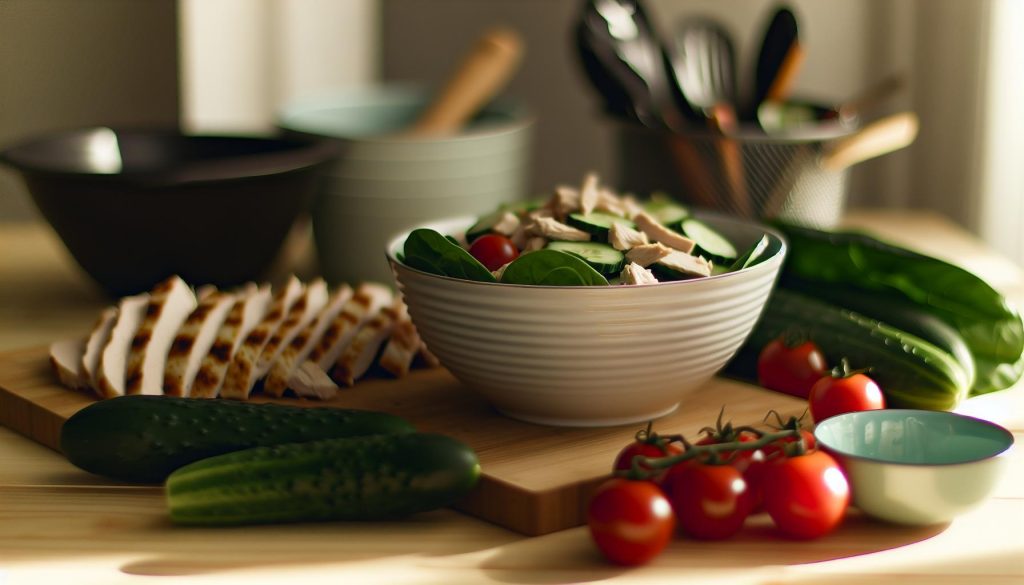
Did you know that meal choices can significantly impact diabetes management? Chicken salad is not only a delicious and versatile dish but also a fantastic option for those looking to maintain healthy blood sugar levels. Packed with protein and low in carbohydrates, chicken salad can be tailored to fit your dietary needs without sacrificing flavor. For individuals and families managing diabetes, preparing nutritious, satisfying meals is essential for daily wellness. This article presents five delectable low-carb chicken salad recipes that are both easy to prepare and tailored to support your health goals. Dive in and discover how these nutritious recipes can make meal planning enjoyable while keeping your diet diabetes-friendly.
Understanding Carbohydrates: The Key for Diabetics
Understanding carbohydrates is essential for effective diabetes management, particularly when making food choices that impact blood sugar levels. Carbohydrates, found in foods like grains, fruits, vegetables, and dairy, are your body’s main source of energy. However, not all carbohydrates affect your blood sugar in the same way. Understanding the difference between complex carbohydrates and simple sugars can help you make informed dietary choices.
Complex carbohydrates, such as whole grains, legumes, and starchy vegetables, are broken down more slowly into glucose, providing a steadier source of energy and preventing sharp spikes in blood sugar. These foods are often rich in fiber, which aids in digestion and further stabilizes blood sugar levels. On the other hand, simple carbohydrates, found in sugary foods and refined grains, can lead to quick increases in blood sugar, which can be problematic for diabetics.
When planning a healthy meal, particularly low-carb options like chicken salad, it’s important to focus on including non-starchy vegetables along with your protein sources. Foods such as leafy greens, bell peppers, and cucumbers not only add texture and flavor but also provide essential vitamins and minerals without significantly impacting blood sugar levels. Additionally, incorporating healthy fats-like those from avocados or olive oil-can create balanced meals that promote satisfaction and prevent overeating.
Educating yourself about carbohydrate counting and its role in your overall diet allows for better control over your diabetes. Consulting with healthcare professionals, such as registered dietitians, can provide tailored advice and strategies based on your individual health needs. With the right knowledge and support, making informed dietary choices becomes an empowering part of diabetes management.
Benefits of Low-Carb Diets for Blood Sugar Control
When it comes to managing diabetes, the impact of the diet on blood sugar control is profound, and low-carbohydrate diets emerge as a particularly effective strategy. Studies show that reducing carbohydrate intake can result in lower blood glucose levels, better insulin sensitivity, and potentially more effective weight management-a crucial factor for many people with type 2 diabetes. By focusing on nutrient-dense, lower-carb foods like chicken salad, individuals can enjoy flavorful meals that help stabilize blood sugar without sacrificing taste or satisfaction.
A low-carb diet can lead to significant improvements in blood sugar control. This is primarily because lower carb intake translates to less glucose entering the bloodstream after meals, minimizing those post-meal spikes that can be challenging for diabetics. For instance, incorporating more lean proteins and healthy fats into your chicken salad-such as avocado or olive oil-provides essential nutrients while being low in carbs. Additionally, the inclusion of non-starchy vegetables not only enhances flavor but also adds fiber and essential vitamins, all of which contribute to overall metabolic health without impacting blood sugar negatively.
It’s vital for individuals to consult healthcare professionals, like registered dietitians, when considering dietary changes. They can provide personalized plans that align with one’s lifestyle and health needs, ensuring that the chosen diet remains balanced and nutritious while effectively managing diabetes. With the right approach, switching to a low-carb diet can feel empowering, turning meal preparation into an opportunity for creativity and health.
Incorporating delicious low-carb chicken salad recipes not only satisfies hunger but also supports diabetes management. Here, focusing on portion sizes while being mindful of carbohydrate content facilitates a consistent way to enjoy meals without fear of erratic blood glucose levels. Making small but significant dietary adjustments can lead to lasting improvements in health outcomes and daily well-being.
Essential Ingredients for Healthy Chicken Salad
When crafting a chicken salad that is not only satisfying but also diabetic-friendly, it’s important to focus on ingredients that support blood sugar stability while enhancing flavor and nutrition. A well-balanced chicken salad should emphasize high-protein and low-carb components, making it ideal for those managing diabetes. The key is to use fresh, whole foods that are naturally low in sugars and rich in essential nutrients.
One of the primary ingredients in any chicken salad is, of course, lean chicken breast. This protein source is low in carbohydrates and high in protein, making it an excellent choice for maintaining muscle mass and supporting metabolic health. Additionally, opting for grilled or poached chicken rather than fried ensures that your salad remains heart-healthy.
Next, incorporating healthy fats is essential for adding flavor and improving meal satisfaction. Ingredients like avocado, olive oil, or even a dollop of Greek yogurt not only enhance the richness of the salad but also provide essential fatty acids that promote satiety without spiking blood sugar levels. Instead of traditional dressings which may contain added sugars, creating a homemade vinaigrette with olive oil and vinegar can keep your salad light and nutritious.
A wide selection of non-starchy vegetables serves as the foundation for a colorful, textured salad. Ingredients such as spinach, kale, cucumbers, bell peppers, and celery provide fiber, vitamins, and minerals while maintaining a low carbohydrate count. These vegetables not only add volume and crunch but also contribute to overall health by supporting digestive and heart health.
Finally, don’t forget to consider herbs and spices, which are a game-changer when it comes to flavor without calories or carbs. Fresh herbs like basil, cilantro, or parsley can elevate your chicken salad, making it more appealing and satisfying. Using spices like black pepper, garlic powder, or cumin can also enhance flavor without the need for additional sugar or sodium.
In summary, the essential ingredients for a healthy chicken salad go beyond just chicken. By thoughtfully selecting lean proteins, healthy fats, vibrant vegetables, and flavorful herbs and spices, you can create a meal that supports diabetes management, promotes health, and satisfies hunger. As always, consulting with healthcare professionals can provide personalized guidance to ensure your meal plans align with your specific health needs and goals.
5 Delicious Low-Carb Chicken Salad Recipes
Eating healthy doesn’t have to be bland or boring, especially when it comes to chicken salad. For those managing diabetes, finding low-carb options can be both delicious and satisfying. These recipes not only cater to dietary restrictions but also elevate flavor while keeping your blood sugar levels in check. Here are five enticing low-carb chicken salad recipes that pack a punch in taste without compromising on health.
1. Avocado Chicken Salad
Start with cooked, shredded chicken breast and combine it with creamy ripe avocado, diced tomatoes, chopped cilantro, and a squeeze of lime juice. The avocado provides healthy fats while being low in carbohydrates. A sprinkle of salt and pepper enhances the flavors. Serve on a bed of greens or enjoy it on its own.
2. Greek Yogurt Chicken Salad
Swap out traditional mayo for Greek yogurt to cut down on carbs and add protein. Mix shredded chicken with Greek yogurt, diced celery, sliced grapes, and walnuts. The yogurt gives a creamy texture while keeping blood sugar levels steady. Season with dill or parsley and enjoy it wrapped in lettuce leaves for a fresh crunch.
3. Buffalo Chicken Salad
For a spicy kick, combine shredded rotisserie chicken with hot sauce, crumbled blue cheese, diced celery, and a drizzle of olive oil. This recipe is not only low in carbohydrates but also packs in flavor. Toss all ingredients and serve on a bed of mixed greens, garnished with additional blue cheese if desired.
4. Curried Chicken Salad
Add a twist with a curried chicken salad. Toss together shredded chicken, plain Greek yogurt, curry powder, diced apples, and chopped almonds. This tangy and sweet combination brings an exciting twist to ordinary chicken salad while providing healthy fats and fiber.
5. Mediterranean Chicken Salad
Combine cooked chicken with chopped cucumbers, tomatoes, red onion, kalamata olives, and feta cheese. Dress with olive oil and lemon juice for a zesty flavor. This salad is refreshing and loaded with beneficial nutrients, making it a perfect option for meal prep.
These recipes are designed to not only fulfill your cravings but also to empower you in managing your diabetes through thoughtful nutrition. Always consult with healthcare professionals when making dietary changes, ensuring that your meals align with your individual health goals and medical advice. Happy cooking!
Nutritional Analysis of Each Recipe
Nutritional analysis is essential for those managing diabetes, as understanding the composition of meals can greatly aid in blood sugar control. Each of the five low-carb chicken salad recipes not only delivers on flavor but also offers a variety of health benefits that are crucial for diabetic management. Let’s dive into the nutritional highlights of each recipe to empower your meal choices.
Avocado Chicken Salad
This dish is rich in healthy fats primarily due to the avocado, which is heart-friendly and promotes satiety. Incorporating shredded chicken increases protein intake without a high carbohydrate count. On average, one serving has approximately:
- Calories: 300
- Carbohydrates: 8g
- Fiber: 4g
- Protein: 28g
- Fat: 18g
The fiber from the tomatoes and avocado helps regulate blood sugar levels, making this salad a superb choice.
Greek Yogurt Chicken Salad
Replacing mayonnaise with Greek yogurt significantly reduces calories and carbohydrates while adding a boost of protein and probiotics. A typical serving might contain:
- Calories: 250
- Carbohydrates: 10g
- Fiber: 2g
- Protein: 30g
- Fat: 15g
The addition of grapes helps satisfy sweet cravings with minimal sugar impact, allowing for a balanced snack or meal.
Buffalo Chicken Salad
For those who enjoy a bit of spice, this salad combines shredded rotisserie chicken with bold flavors, delivering a satisfying kick. Nutritional breakdown for a serving includes:
- Calories: 320
- Carbohydrates: 6g
- Fiber: 1g
- Protein: 30g
- Fat: 22g
Olive oil adds heart-healthy monounsaturated fats, essential for heart health, especially for diabetics.
Curried Chicken Salad
This version incorporates wholesome ingredients like apples and almonds, creating a delightful balance of sweet and savory. Each serving typically provides:
- Calories: 280
- Carbohydrates: 12g
- Fiber: 3g
- Protein: 27g
- Fat: 15g
The spices add flavor without calories, making it suitable for those who might be concerned about weight management.
Mediterranean Chicken Salad
Combining a variety of vegetables and healthy fats, this salad is nutrient-dense. A serving of this vibrant dish might offer:
- Calories: 310
- Carbohydrates: 9g
- Fiber: 3g
- Protein: 26g
- Fat: 20g
The inclusion of olives and feta contributes to flavors while providing antioxidants beneficial for overall health.
By understanding the nutritional content of these recipes, individuals managing diabetes can make informed choices that support their health goals. It’s always best to consult with healthcare professionals when developing a meal plan to ensure it aligns with personal dietary needs.
Tips for Meal Prepping Chicken Salad
Meal prepping chicken salad can significantly simplify your week while ensuring you remain on track with your dietary goals, especially when managing diabetes. Planning ahead gives you the freedom to control portion sizes and ingredients, which is essential when keeping an eye on carbohydrate intake. Here are some practical tips that will help you prepare delicious low-carb chicken salads that are not just healthy but also enjoyable.
To get started, consider batch cooking your chicken in different styles-grilled, roasted, or poached-so that you can switch up the flavor profiles throughout the week. Once cooked, shred or cube the chicken and store it in airtight containers or covered bowls in the fridge. This way, the main ingredient is ready to go whenever you need to whip up a salad. Additionally, pre-chop or prepare your favorite salad veggies, such as cucumbers, celery, and bell peppers. Store them in separate containers to maintain freshness, making it easy to grab a handful and toss them into your salad.
Another helpful strategy is to experiment with dressings and seasonings. Instead of relying solely on high-calorie or high-carb dressings, try using a simple mix of olive oil, vinegar, and your choice of herbs and spices. You can create small jars of various dressings and mix them with your chicken salad just before eating to keep the ingredients crisp and fresh. For added flavor, consider adding fresh herbs like cilantro or parsley right before serving, which can elevate the dish without contributing significant calories or carbohydrates.
Ensure you track the nutritional content of your chicken salad as you prepare it. Employing a simple spreadsheet or meal tracking app can help you monitor daily intake, particularly carbohydrate counts, which is crucial for maintaining stable blood sugar levels. Additionally, it’s wise to pack your salads in portion sizes that suit your dietary needs; using meal prep containers with individual compartments can help with this. Remember, preparing meals can strengthen your commitment to a low-carb lifestyle and provide you with the energy and nutrients necessary to thrive daily.
By taking these steps and incorporating thoughtful preparations into your routine, you’ll find that managing diabetes becomes more manageable, and you can enjoy a variety of delicious flavors throughout your week. Always consult with your healthcare provider or a registered dietitian to tailor your meal prep strategy to your specific health needs, ensuring that your food choices align with your overall health goals.
Using Fresh Herbs and Spices to Enhance Flavor
Incorporating fresh herbs and spices into your meals is a fantastic way to enhance flavor without adding unnecessary carbohydrates or calories-crucial factors for maintaining stable blood sugar levels. For individuals managing diabetes, the zing of fresh herbs can transform a simple low-carb chicken salad into a vibrant culinary experience. Ingredients such as basil, cilantro, dill, and parsley not only provide unique flavors but also offer various health benefits, making them an essential part of your meal preparation toolkit.
Fresh herbs are rich in antioxidants and vitamins, contributing to overall wellness while supporting metabolic health. For instance, basil adds a sweet, aromatic taste and is an excellent source of vitamin K. Cilantro is another herb that’s low in calories and packed with flavor; it can help combat inflammation, making it a great addition to your chicken salad. Here are some practical ways to integrate these herbs into your dishes:
- Chop finely: Chop fresh herbs and mix them into your salad just before serving to preserve their flavor and nutrients.
- Make herb-infused dressings: Combine olive oil, vinegar, and fresh herbs in a jar; shake well and drizzle over your chicken salad for a burst of freshness.
- Garnish with herbs: Use herbs as a finishing touch. A sprinkle of parsley or chives on top of your salad not only looks appealing but also elevates the flavor.
Spices like cumin, paprika, and black pepper can also enhance your salad’s flavor profile without adding carbs. A sprinkle of cumin can add warmth, while paprika brings a subtle smokiness. Experimentation is key here; start with small amounts and adjust according to your taste preferences.
Ultimately, using fresh herbs and spices is not just about enhancing flavor-it’s about empowering yourself in your meal choices. This approach allows you to create delicious, satisfying meals that support your health journey while keeping your palate excited. As always, consult with your healthcare provider or a registered dietitian when making significant changes to your dietary habits. Continued learning and experimentation can lead to delightful discoveries in the kitchen, making your diabetic meal preparation both enjoyable and nutritious.
Alternative Protein Sources for Varied Diets
When crafting a satisfying and nutritious chicken salad, diversifying your protein sources can add both variety and nutritional benefits. While chicken is a lean protein staple, exploring alternative proteins not only enhances the flavor and texture of your salads but also aligns well with dietary needs, particularly for those managing diabetes.
Incorporating various proteins is a great way to prevent boredom with your meals and to support different dietary preferences. Fish such as salmon or tuna can be a delicious substitute; they are rich in omega-3 fatty acids, which promote heart health-an important consideration for individuals with diabetes. For a plant-based option, chickpeas offer a good balance of protein and fiber. They can help stabilize blood sugar levels and keep you feeling full longer. Additionally, tofu or tempeh can be excellent vegetarian alternatives, containing high levels of protein and being low in carbohydrates.
Consider other meats like turkey or lean beef, which not only provide essential nutrients but also help diversify your meals. Ground turkey is particularly versatile; it can be seasoned and mixed into salads effortlessly. You could even experiment with using hard-boiled eggs for added creaminess and protein without significant carbs, making them a favorable choice for those monitoring their glycemic response.
Notably, including protein-rich foods not only supports muscle maintenance but can also assist in managing hunger levels more effectively. Here are some practical suggestions to incorporate varied protein sources into your chicken salad recipes:
- Mix proteins: Combine chicken with chickpeas or shredded tuna for a unique texture and flavor dimension.
- Create a layered salad: Use Tupperware to layer different proteins along with vegetables and greens; this keeps your salad fresh and exciting.
- Experiment with dressings: Create dressings that pair well with different proteins, like a lemon-tahini dressing that complements chickpeas or a zesty yogurt dressing for turkey.
Ultimately, integrating diverse protein sources into your salads will not only cater to your taste preferences but also support your health goals by providing the necessary nutrients while helping manage blood sugar levels. Remember to consult with healthcare professionals or a registered dietitian to personalize your meal plans based on your individual needs. With thoughtful planning and creativity in the kitchen, you can make every meal a delightful experience that supports your journey toward better health.
Common Mistakes to Avoid in Diabetic Meal Planning
Navigating meal planning can be particularly challenging for individuals managing diabetes, especially when it comes to creating nutritious and satisfying dishes like chicken salad. A single misstep can lead to unintended spikes in blood sugar levels, making it crucial to recognize and avoid common pitfalls that could derail your dietary goals. Here are several frequent mistakes that can compromise the healthfulness of your meals.
One of the most significant errors is overlooking the carbohydrate content in dressings and added ingredients. Many store-bought dressings, for instance, can be laden with sugars and unhealthy fats. To create a diabetic-friendly chicken salad, consider making your own dressings using ingredients like olive oil, vinegar, and herbs, which add flavor without the excess sugar. Similarly, adding high-carb ingredients like croutons or sweet fruits can drastically increase the carbohydrate load of your salad. Instead, opt for low-carb vegetables such as cucumbers, bell peppers, and leafy greens that provide crunch and volume without the sugar spike.
Another common mistake is the lack of balanced portion sizes. It’s easy to underestimate how much protein, healthy fats, and carbohydrates you’re putting on your plate. A well-balanced chicken salad should ideally include a proper ratio of these macronutrients to maintain steady energy levels. Utilize measuring cups or a food scale to gain a clearer understanding of portion sizes until you are comfortable estimating them without assistance.
Additionally, neglecting to incorporate sufficient fiber can lead to unintended hunger pangs and fluctuating blood sugar levels. Fiber plays a crucial role in slowing down carbohydrate absorption and aiding digestive health. Incorporate high-fiber ingredients like avocados, beans, or seeds into your chicken salad for an added nutritional boost. Not only will they enhance satiety, but they will also contribute to a more stable blood sugar response.
Finally, failing to plan ahead for meals is a mistake that can lead to unhealthy choices when hunger strikes. Prepare your chicken salad in bulk, using fresh ingredients, and store it in proportional containers. This approach not only saves time but also makes it more convenient to choose a healthy option over a quick, less nutritious snack. By avoiding these common pitfalls, you can take charge of your meal planning and create chicken salads that are not only delicious but also supportive of your health goals. Remember, consulting with healthcare professionals or registered dietitians can provide personalized guidance for your diabetes management journey.
Storing and Serving Your Chicken Salad Safely
To ensure that your chicken salad remains delicious and safe for consumption, proper storage and serving techniques are essential. Not only do these practices help preserve the freshness and quality of the ingredients, but they also play a significant role in preventing foodborne illnesses, which is particularly important for those managing diabetes. The USDA recommends that perishable foods, including chicken salad, should not be left out at room temperature for more than two hours, or just one hour if the temperature exceeds 90°F.
For optimum freshness, store any leftover chicken salad in an airtight container in the refrigerator. By following these guidelines, you can maintain the texture and flavor of the salad while keeping it safe for days to come. It’s best to consume it within three to five days. If you’re prepping in advance, consider portioning your salad into single-serving containers. This makes it easier to grab a portion for lunch or a quick snack, aligning with diabetes management goals by promoting balanced eating habits and controlling portions.
When serving chicken salad, presentation can enhance the dining experience. Instead of using pre-packaged ingredients that may be high in carbs, opt for fresh vegetables and homemade dressings. This not only elevates flavor but also allows for better control over the nutritional content of the meal. Utilize large bowls for communal servings, but be mindful to return any leftovers promptly to the refrigerator. If you plan to serve at an event, consider having ice packs under the serving dish to keep it chilled, reducing the risk of food spoilage.
Moreover, it’s important to remember that even low-carb ingredients can introduce hidden sugars, especially in store-bought dressings or condiments. Encourage creativity with substitutions, using items like plain Greek yogurt or avocado as dressing bases, adding both creaminess and beneficial fats without unnecessary carbohydrates. Ultimately, being aware of food safety and proper preparation methods not only enhances your chicken salad experience but also supports your health in managing diabetes effectively. Always consult healthcare professionals for personalized advice tailored to your dietary requirements.
Meal Pairing Ideas for Balanced Nutrition
Creating a balanced meal is crucial for managing diabetes effectively, and pairing your chicken salad with the right side dishes can enhance both nutrition and satisfaction. When considering what to serve alongside your delicious low-carb chicken salad, aim for options that complement its flavors while providing essential nutrients without spiking blood sugar levels. A well-rounded plate should include healthy fats, high-fiber carbohydrates, and protein, all aimed at supporting stable blood glucose levels.
One excellent pairing is a side of non-starchy vegetables, such as roasted Brussels sprouts or a fresh cucumber and tomato salad. These options are low in calories and carbohydrates while being rich in vitamins and minerals. They add volume and crunch to your meal without contributing to excessive carbohydrate intake, allowing you to enjoy a filling dish that supports your dietary goals. Another option could be a small serving of quinoa or brown rice which provides whole grains and fiber, both important for overall health and blood sugar control.
Portion Control is Key
While the nutritional quality of your meal is vital, portion control plays a significant role as well. Incorporating healthy fats, such as a slice of avocado or a handful of walnuts, not only enhances the flavor of your chicken salad but also contributes monounsaturated fats that can help improve insulin sensitivity. Just be mindful of serving sizes, as these fats are calorie-dense.
To add a delightful twist, consider a light, homemade vinaigrette or a yogurt-based dressing over your salad; this can pair beautifully without adding excessive sugars. Use fresh herbs and spices to make your meal more vibrant and flavorful, which encourages you to enjoy eating healthy. For instance, a pinch of dill or a sprinkle of paprika can elevate a simple salad into a delightful dish.
Lastly, if you’re looking for an easy meal prepped option, create a mini charcuterie board. Combine your chicken salad with some slices of low-fat cheese, cherry tomatoes, and a few whole grain crackers. Not only does this provide a variety of nutrients, but it also makes your meal visually appealing, which can enhance your eating experience.
Combining these meal pairing ideas with your chicken salad can help ensure a nutritious, balanced diet that supports effective diabetes management. Always consult with healthcare providers for tailored advice, and remember that healthy eating is a vital aspect of living well with diabetes.
Frequently asked questions
Q: What are the best low-carb ingredients for chicken salad for diabetics?
A: The best low-carb ingredients for chicken salad include cooked chicken breast, leafy greens like spinach or romaine, cucumbers, celery, avocados, and low-fat dressing options. These ingredients help keep the carbohydrate count low while providing essential nutrients. For more, see the section on Essential Ingredients for Healthy Chicken Salad.
Q: How can I make chicken salad more flavorful without adding carbs?
A: Enhance your chicken salad’s flavor by incorporating fresh herbs and spices, such as dill, parsley, or garlic powder. You can also use ingredients like lemon juice or vinegar to add zest without increasing carbohydrate content. For tips, refer to Using Fresh Herbs and Spices to Enhance Flavor.
Q: Are there any store-bought low-carb salad dressings suitable for diabetics?
A: Yes, many store-bought salad dressings cater to low-carb diets. Look for options labeled “sugar-free” or “low-carb” and check the nutrition label for carb content. Popular choices often include vinaigrettes and creamy dressings made with avocado or yogurt.
Q: How much chicken salad is safe for diabetics to eat in one sitting?
A: Portion sizes can vary, but a safe serving of chicken salad for diabetics is about 1 to 1.5 cups. This size helps manage carbohydrate intake while providing a satisfying meal. For meal prep tips, check out Tips for Meal Prepping Chicken Salad.
Q: Can I use canned chicken in my diabetic-friendly chicken salad?
A: Yes, canned chicken can be a quick and convenient option for chicken salad. Ensure it’s low-sodium and free from added sugars. Rinse it before use to reduce sodium content. For recipe ideas, see the section on 5 Delicious Low-Carb Chicken Salad Recipes.
Q: What are some common mistakes when preparing chicken salad for diabetics?
A: Common mistakes include using high-carb ingredients like sweet dressings or excessive fruits. Also, neglecting portion control can lead to higher-than-ideal carbohydrate intake. For more, read through Common Mistakes to Avoid in Diabetic Meal Planning.
Q: How can I store chicken salad properly to maintain its freshness for diabetics?
A: Store chicken salad in an airtight container in the refrigerator for up to 3-4 days. For best flavor and safety, consume it within this timeframe and avoid leaving it out at room temperature for more than 2 hours.
Q: What can I serve with chicken salad for a balanced diabetic meal?
A: Pair chicken salad with low-carb sides like a green salad, steamed vegetables, or low-carb crackers. This combination will add fiber and nutrients without spiking blood sugar levels. For meal pairing ideas, refer to Meal Pairing Ideas for Balanced Nutrition.
Insights and Conclusions
Thank you for joining us in exploring these delightful low-carb chicken salad recipes perfect for diabetics! Each recipe not only satisfies your cravings but also supports healthy eating habits tailored for diabetes management. If you loved these ideas, don’t miss our posts on “Healthy Snack Options for Diabetics” and “Understanding Carb Counts in Diabetic Diets”-your next steps toward delicious and safe meal planning!
We encourage you to subscribe to our newsletter for more tips, recipes, and insights that empower you in your daily journey with diabetes. Have questions or want to share your own variations? Leave a comment below-we’d love to hear from you! Remember, effective diabetes management is a journey best navigated with the support of healthcare professionals, so consult your doctor when making dietary changes. Your health is the priority, and we’re here to help you achieve it successfully!
Get our latest guides, news, and insights highlighted in your Google Search & AI Overviews.