Did you know that wearing the right walking shoes can significantly reduce injury risk for diabetics? Finding the perfect pair not only provides comfort and support but also plays a crucial role in managing foot health, a common concern for those living with diabetes. In this article, we’ll explore eight pairs of shoes specifically designed to keep your feet safe and your daily strolls enjoyable. Whether you’re hitting the pavement for exercise or simply enjoying a leisurely walk, selecting the right footwear can make all the difference. Join us as we delve into options that prioritize cushioning, stability, and breathability, ensuring that every step you take is a step towards a healthier you. Your journey towards better foot health starts here-let’s discover the best walking shoes for diabetics together!
Choosing the Right Features in Walking Shoes for Diabetics
Choosing the right walking shoes is crucial for individuals with diabetes, as proper footwear can significantly reduce the risk of foot injuries and complications. With the right features, walking shoes can enhance comfort, support proper foot mechanics, and improve overall foot health. When selecting shoes, it’s essential to consider factors such as cushioning, arch support, material, fit, and style, which collectively play a pivotal role in a diabetic individual’s mobility and comfort.
The Importance of Cushioning and Support
Cushioning in walking shoes acts as a shock absorber, reducing the impact on feet and joints as you walk. This is particularly important for diabetics, as neuropathy can diminish sensitivity and increase the risk of injury. Look for shoes with adequate cushioning in the midsole area and consider those with gel or foam inserts for added comfort and support. Moreover, shoes providing robust arch support help maintain proper alignment and reduce excessive strain on the feet, which is vital for preventing pain and deformities in diabetic patients.
Top Materials for Breathable and Durable Footwear
Materials play a significant role in the comfort and longevity of walking shoes. Opt for lightweight, breathable fabrics such as mesh or synthetic textiles, which promote airflow and help manage moisture. This is particularly beneficial in preventing fungal infections, a common concern for those with diabetes. Additionally, consider shoes featuring durable outsoles made from rubber or EVA, which provide traction and can withstand the wear and tear of daily walking.
The Role of Proper Fit in Preventing Foot Injuries
Proper fit should be a top priority when choosing walking shoes. Shoes that are too tight can lead to blisters, corns, and other foot issues, while shoes that are too loose might cause instability and increase the likelihood of falls. Always measure your feet regularly, as size can change over time, and try shoes on later in the day when your feet are slightly swollen to ensure a better fit. Look for shoes with adjustable features like laces or straps to accommodate foot swelling and provide a snug yet comfortable fit.
Best Styles of Walking Shoes for Diabetic Foot Health
When it comes to styles, look for shoes specifically designed for walking or fitness, as these often come with features tailored to comfort and support. Sneakers with a wider toe box can prevent pressure on the toes, while those with a rocker bottom sole can help promote efficient movement. Additionally, diabetic-friendly shoe brands often offer customizable options, allowing you to select features that best suit your individual needs.
By understanding these vital aspects of choosing walking shoes, you can empower yourself or your loved ones to take proactive steps towards maintaining foot health and enhancing mobility. Always consult with healthcare professionals for personalized recommendations tailored to your specific diabetic needs.
The Importance of Cushioning and Support

Cushioning and support are paramount for anyone managing diabetes, as they play a vital role in protecting foot health during everyday activities. For individuals with diabetes, particularly those experiencing neuropathy, the sensitivity in their feet can be significantly diminished, making them more susceptible to injuries. Proper footwear with excellent cushioning acts as a buffer against impact, reducing the stress on joints and providing enhanced comfort. This is not just about luxury; it’s a necessity to help prevent complications such as ulcers or infections, which can arise from prolonged pressure or imbalance.
When shopping for walking shoes, look for features that incorporate ample cushioning throughout the insole and midsole. Options with gel or foam inserts provide additional shock absorption, allowing for a more comfortable walking experience. It’s crucial to ensure that these cushioning materials are both soft and resilient, as this combination helps in energy return and overall foot dynamics. Moreover, robust arch support is essential, as it aids in maintaining proper foot alignment, reducing excessive strain on your feet, and subsequently minimizing pain and potential deformities that can arise due to improper footwear.
Key Features to Consider:
- Shock Absorption: Shoes should effectively absorb impact to shield sensitive areas of the feet.
- Arch Support: Ensure the shoes provide adequate support to maintain alignment.
- Material Quality: Look for durable yet breathable materials that enhance comfort and longevity.
For individuals with diabetes, practical choices in footwear can lead to a significant improvement in daily mobility and comfort. Making informed decisions about the shoes you wear is a proactive step towards managing your health and enjoying a more active lifestyle. Always seek professional advice tailored to your specific needs, as healthcare providers can offer targeted recommendations to further ensure the safety and well-being of your feet.
Top Materials for Breathable and Durable Footwear
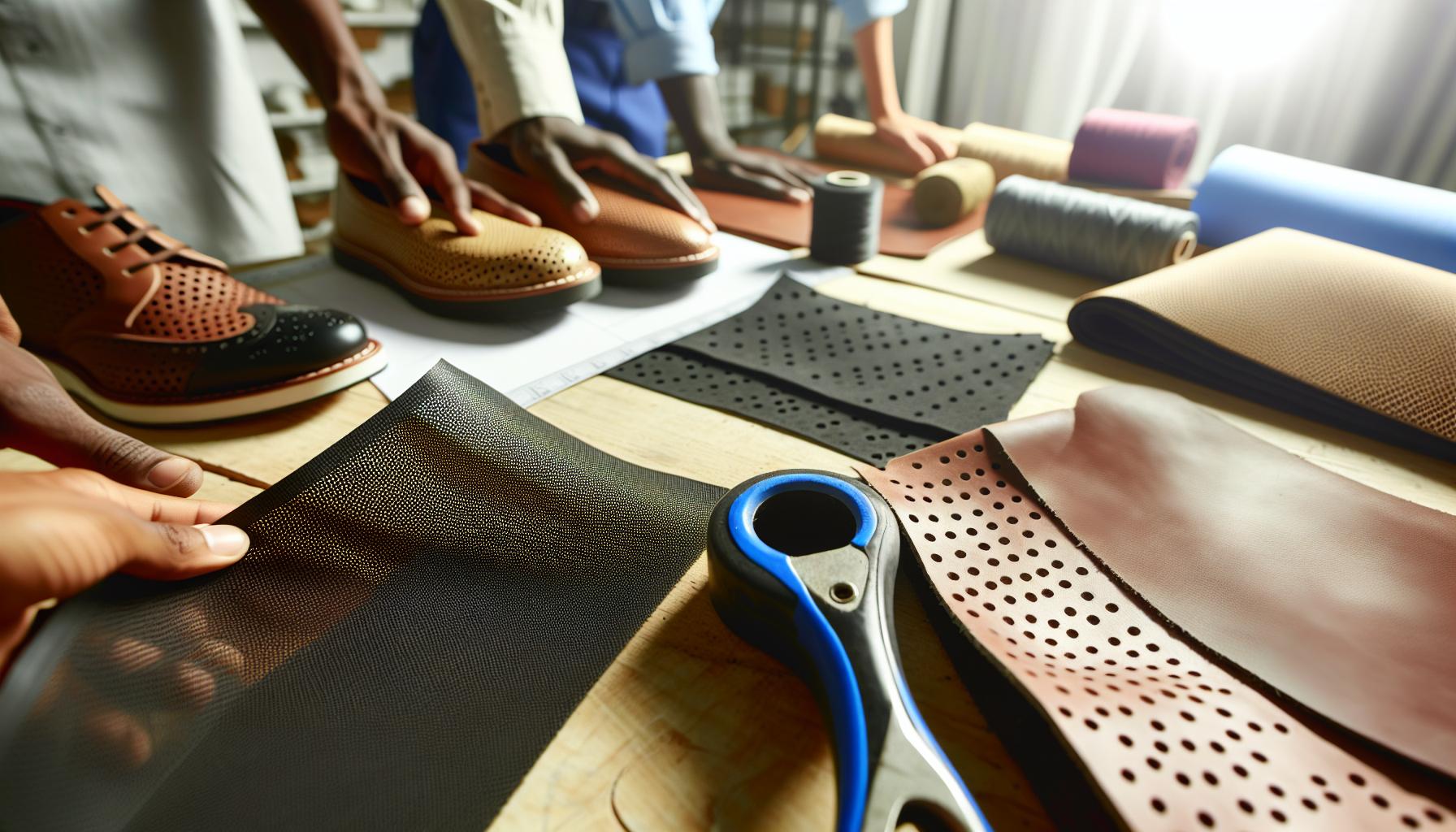
Selecting the right materials for walking shoes is crucial for individuals with diabetes, as choosing breathable and durable footwear can significantly enhance comfort and protect against foot injuries. High-quality materials not only contribute to the overall fit and longevity of the shoes, but they also ensure that your feet remain dry and comfortable during physical activity, reducing the risk of complications such as blisters or infections.
One of the top materials used in diabetic walking shoes is mesh, which is popular for its breathability. Mesh allows air circulation, helping to keep feet cool and dry, an essential factor for preventing moisture buildup that can lead to fungal infections. Additionally, it’s lightweight, meaning you won’t feel weighed down during your walks. Another material worth considering is memory foam, known for its excellent cushioning properties. Memory foam molds to the shape of your foot, providing personalized comfort and support, which is particularly beneficial for those with sensitive feet.
In addition to breathability and cushioning, look for shoes constructed with durable upper materials, such as synthetic leather or high-quality nylon. These materials offer not only robustness but also flexibility, which can adapt to the natural movement of your feet. A sturdy outer sole made from rubber or a similar composite adds extra grip and stability, reducing the risk of slips and falls-important considerations for anyone managing diabetes due to the potential for reduced sensation and balance issues.
Finally, it’s vital to ensure any shoe you choose includes moisture-wicking properties. This feature keeps sweat away from the skin, reducing the likelihood of hot spots and friction, which are common precursors to pressure sores in diabetics. When armed with the right footwear, diabetic individuals can feel empowered to engage in daily activities with greater confidence and comfort, paving the way for a more active lifestyle. Always remember to consult healthcare professionals for personalized recommendations tailored to your specific needs and condition.
The Role of Proper Fit in Preventing Foot Injuries

Finding the right fit for walking shoes is crucial for preventing injuries, especially for those managing diabetes. A poorly fitting shoe can lead to a host of issues, including blisters, calluses, and more severe complications like foot ulcers. Proper fit goes beyond just selecting the right size; it encompasses various aspects of shoe construction and how they interact with your foot.
When trying on shoes, ensure there is enough space in the toe box. Ideally, you should be able to wiggle your toes freely without feeling cramped. A good rule of thumb is to have about a half-inch of space between your longest toe and the end of the shoe. Additionally, the heel should fit snugly to prevent slipping, which can cause friction and lead to painful blisters. Look for shoes with adjustable features, such as laces or Velcro straps, which allow you to customize the fit for added security.
Width is another critical factor. Diabetic individuals often experience changes in foot shape due to various health conditions, so it is essential to choose shoes that accommodate these changes. Many brands offer different width options, so don’t hesitate to explore these variations. If you notice any pressure points or excessive tightness when trying on shoes, it’s best to look for alternatives that provide a more forgiving fit.
Finally, remember that wearing proper socks can enhance the fit of your walking shoes. Opt for moisture-wicking materials that reduce friction and keep your feet dry. This combination of well-fitted shoes and the right socks can significantly decrease the likelihood of developing foot injuries, allowing you to enjoy walking as an effective form of exercise safely.
By prioritizing the right fit in walking shoes, you empower yourself to stay active and maintain your health while managing diabetes. Always consult with healthcare professionals for personalized advice tailored to your unique needs, ensuring that every aspect of your foot care is addressed effectively.
Best Styles of Walking Shoes for Diabetic Foot Health
Selecting the right walking shoes can transform the daily experience for individuals managing diabetes, making walks more enjoyable and safe. The ideal shoes should combine functionality with comfort, ensuring that any potential foot issues are minimized. Certain styles target the specific needs of diabetic feet, taking into account features like cushioning, support, and moisture management.
Styles to Consider
When exploring the , consider the following options:
- Diabetic Walking Sneakers: These typically use cushioning technology designed to reduce impact and enhance comfort. Look for Sneakers that offer a wide toe box to prevent cramping.
- Motion-Control Shoes: Ideal for individuals who tend to overpronate, these shoes provide additional structure and stability, helping to control the foot’s movement during walking.
- Slip-On or Velcro Shoes: For those with limited mobility, shoes that feature easy-on designs can be a blessing. These styles allow for quick adjustments without the need for bending down too much.
- Cushioned Sandals: During warmer months, a supportive sandal with arch support and cushioned soles can be a great option, providing breathability while ensuring comfort.
Key Features to Look For
Prioritizing particular attributes when selecting walking shoes can enhance overall foot health:
- Shock Absorption: Shoes with quality shock-absorbing midsoles can significantly reduce stress on the feet and joints.
- Arch Support: Look for shoes that support the natural arch of the foot, helping to distribute pressure evenly and prevent discomfort.
- Breathability: Opt for shoes made from breathable materials to keep feet dry and reduce the risk of fungal infections, a common concern for diabetics.
- Removable Insoles: These allow for the use of custom orthotics if needed, tailoring the shoe to individual foot conditions.
When navigating the options for walking shoes, it’s essential to keep comfort at the forefront. Engaging with footwear designed with diabetic needs in mind not only promotes comfort but also empowers individuals to maintain an active lifestyle safely. Always consult with healthcare professionals for tailored advice on footwear that aligns with personal health needs and lifestyle.
How to Test Walking Shoes for Comfort and Safety
Finding the right walking shoes can significantly impact the comfort and safety of individuals managing diabetes. It’s crucial to approach the process of testing new footwear thoughtfully to ensure that the shoes not only fit well but also support foot health. Here are some practical strategies to effectively assess walking shoes for comfort and safety, helping to empower you or your loved ones in making informed choices.
When trying on shoes, always bring along any orthotics or custom insoles you might use. This method allows you to gauge how the shoe accommodates additional support. After slipping them on, take a walk in the store, if possible, to replicate your usual walking routine. Pay attention to how the footwear feels with each step. Ideally, there shouldn’t be any tight spots or pinching, particularly across the forefoot or toes. A good rule of thumb is to ensure there’s about a half-inch of space between your longest toe and the front of the shoe-this helps accommodate foot expansion during movement.
To evaluate cushioning, perform a simple test: press down on the shoe’s midsole with your palm. The material should feel resilient and responsive, providing adequate shock absorption. Take note of how well the shoe cradles your feet during this test. When considering the grip, walk on different surfaces, including smooth floors and textured terrains, to assess traction. A shoe’s sole should offer a firm grip without being too rigid, allowing for natural foot movement while reducing the risk of slips and falls.
Before making a purchase, consider wearing the shoes for longer periods. Take them for a short walk around the neighborhood or inside your home for about 30 minutes. This extended trial helps identify any discomfort or pressure points that may not be noticeable during the store fitting. Regularly check in with your healthcare provider about your footwear choices, as ongoing professional guidance can help optimize your foot care and address any concerns you may have.
Maintaining a proactive approach to foot health is essential for those managing diabetes. Emphasizing comfort and safety in walking shoes not only enhances your walking experience but also supports an active lifestyle, reducing the likelihood of foot injuries over time.
User Reviews: Real Feedback on Diabetic Walking Shoes
Finding the right pair of walking shoes can be a game-changer for individuals managing diabetes, offering essential comfort and support. User reviews can provide invaluable insights into which diabetic-friendly footwear truly delivers on its promises. Across various platforms, users consistently highlight the need for shoes that prioritize cushioning, breathability, and proper fit. Many customers share experiences of relief from foot pain after switching to diabetic shoes, emphasizing how these features significantly improved their daily activities.
One common feature praised in user reviews is the cushioning and support, often described as “walking on clouds.” A user noted, “I finally found a pair that doesn’t pinch my toes and provides excellent arch support.” This perspective underscores the importance of cushioning in absorbing impact, which is critical for individuals with sensitive feet. Additionally, several reviewers have mentioned the importance of lightweight materials that prevent fatigue during long walks, suggesting that thoughtful design can lead to better mobility and enjoyment in daily routines.
Breathability also emerges as a top priority among reviewers. Many diabetic shoe users commented on experiencing less sweating and heat buildup, with one user stating, “These shoes kept my feet dry even on longer walks.” This aspect is crucial for preventing fungal infections and maintaining overall foot health, as individuals with diabetes may have reduced circulation, leading to prolonged moisture retention.
In terms of fit, users often recommend trying on shoes at the end of the day when feet are more swollen, reflecting a real-world understanding of how feet can change throughout the day. One reviewer shared, “I found that getting a half size up was perfect for ensuring comfort without any tight spots.” This tip can be particularly beneficial for those managing diabetes, as proper fit is essential for preventing blisters and other foot injuries.
Overall, user reviews provide a supportive community of shared experiences, empowering those with diabetes to make informed choices about their footwear. With numerous options available, it is essential to look for shoes that not only meet the specific needs of diabetic foot health but also resonate with personal testimonials from fellow users. Always remember, while these insights are helpful, consulting with a healthcare professional remains crucial in making tailored footwear decisions.
Affordable Walking Shoe Options for Every Budget
Finding a walking shoe that balances quality and affordability is essential for those managing diabetes, as proper footwear significantly impacts foot health. Many brands now offer specialized diabetic shoes that provide ample support and comfort without breaking the bank. Here are some great options that deliver both quality and value, making it easier for individuals with diabetes to maintain an active lifestyle.
Affordable Options to Consider
When searching for budget-friendly diabetic walking shoes, keep the following brands in mind:
- Orthofeet: Known for their orthopedic benefits, Orthofeet offers a range of diabetic shoes that come in various price points, usually starting around $100. They feature excellent cushioning and arch support, crucial for sensitive feet.
- Propét: This brand provides a variety of diabetic-friendly styles at affordable prices, often under $100. Their shoes are designed with roomy toe boxes and flexible uppers, making them a practical choice for those with foot conditions.
- Dr. Comfort: While slightly higher in price, starting at about $120, Dr. Comfort offers shoes designed specifically for diabetics. They focus on comfort and can accommodate orthotics, making them worth the investment.
- Skechers: With versatile styles that feature memory foam insoles, Skechers can often be found for around $70. They combine style and function, catering to those who want comfortable footwear for everyday use.
Finding Value Without Compromise
When selecting the right pair of walking shoes, look for sales or discount options online. Websites like Amazon and Zappos frequently offer promotions, and local stores often have clearance sections where quality diabetic footwear may be available at a fraction of the regular price. Additionally, many brands provide a satisfaction guarantee, allowing you to return or exchange unsatisfactory shoes, ensuring you find the right fit.
Utilizing these resources not only aids in maximizing your budget but also allows you to prioritize your foot health. Always ensure you consult with a healthcare professional before making significant footwear choices, particularly if you have specific foot concerns related to diabetes. In doing so, you can embrace a more confident and active lifestyle, knowing you’ve made informed decisions for your well-being.
When to Replace Your Walking Shoes for Optimal Safety
Wearing proper walking shoes is critical for individuals with diabetes, as foot health is paramount in preventing complications. Shoes are not meant to last forever; knowing when to replace them can significantly affect safety and comfort. One clear indicator of needing a replacement is visible wear and tear, such as worn-out soles or frayed edges. As the shoes lose their structure, the support they provide diminishes, leading to increased discomfort and a higher risk of injury.
Regularly assessing cushioning is also vital. If you notice that the shoes no longer feel as comfortable as when you first bought them, it’s likely time for new ones. Cushioned soles help absorb shock and reduce pressure on the feet, which is especially important for diabetics who may have reduced sensitivity or circulatory issues. A lack of adequate cushioning can lead to foot pain, blisters, or even skin breakdown-serious concerns for anyone managing diabetes.
Another telltale sign is when your shoes no longer offer proper support. Pay attention to how your feet feel, particularly after walking or standing for extended periods. If you experience increased fatigue or unusual discomfort, this is a clear signal that your shoes are not performing as they should. Additionally, strains or aches in your feet, knees, or back can indicate that your shoes are compromising your body’s alignment.
Finally, it’s important to remember that even if your shoes don’t show visible signs of wear, you should consider replacing them every 6-12 months, depending on usage. A proactive approach reduces the risk of injury and supports ongoing foot health. Regular consultations with healthcare professionals, such as podiatrists, can help ensure that your footwear choices align with your individual health needs. Staying informed and taking action can empower you to navigate diabetes with confidence and maintain a more active lifestyle.
Professional Recommendations: Experts’ Picks for Diabetic Shoes
Choosing appropriate footwear is crucial for individuals managing diabetes, as the right shoes can significantly reduce the risk of injuries and complications. Experts often emphasize several key factors when recommending diabetic walking shoes. These include the importance of superior cushioning, supportive structures, and breathable materials that work synergistically to promote foot health.
One of the most highly recommended styles by podiatrists is the New Balance 990v5. This shoe is praised for its combination of cushioning and stability, making it an ideal choice for daily walking. The ASICS Gel-Venture 7 also receives accolades for its rugged design and excellent shock absorption, providing both comfort and protection on various terrains. For those who prefer a more sporty look, the Nike Air Zoom Structure offers a breathable mesh upper and responsive cushioning, making it a favorite among fitness enthusiasts who require extra support.
Additionally, many experts advocate for shoes with removable insoles, allowing individuals to insert custom orthotics tailored to their specific needs. The Orthofeet Edgewater is a standout in this category, designed specifically with the diabetic foot in mind, offering extra depth and comfort while accommodating custom orthotics. Similarly, Brooks Addiction Walker combines therapeutic features with a classic design, ensuring that wearers can maintain their style without compromising on support.
When selecting diabetic walking shoes, consulting with healthcare professionals such as podiatrists can provide personalized insight based on individual foot mechanics and health conditions. They can help identify shoes that meet specific needs, ensuring not just comfort but also safety while walking. Frequent assessments and trying different pairs to find the right fit can empower individuals to take proactive steps toward maintaining their foot health.
Remember, investing in high-quality shoes is a critical aspect of overall diabetes management that can greatly enhance life quality. By heeding expert advice and prioritizing foot health, individuals can navigate their daily routines with confidence and assurance.
Lifestyle Tips for Maintaining Healthy Feet as a Diabetic
To maintain healthy feet as a diabetic, it is crucial to incorporate daily habits that prioritize foot care. Did you know that more than half of diabetes-related complications stem from foot issues? This underscores the importance of regular foot inspections and dedicated care. Implementing a routine can mitigate risks and promote overall well-being.
Start each day by thoroughly inspecting your feet for any cuts, blisters, or changes in color, shape, or temperature. This simple practice can help detect problems early before they escalate. Moisturizing is also essential; applying a gentle lotion can prevent dry skin, which can lead to cracking and infections. However, be sure to avoid putting lotion between the toes, as this area is prone to fungal infections.
Footwear Choices
Wearing appropriate footwear is crucial for foot health. Invest in quality shoes that provide ample cushioning and support, as outlined by podiatrists. Look for options with breathable materials and enough space for your toes to move freely. You may also want to consider using custom orthotics if recommended by your healthcare provider, which can significantly improve comfort and alignment.
Maintaining Regular Appointments
Schedule regular check-ups with a podiatrist to monitor foot health and discuss any concerns. Having a professional assess your feet can help catch potential issues before they develop into serious conditions. Don’t hesitate to voice any discomfort, as this feedback is vital for managing your diabetes effectively.
Adhering to a balanced diet and staying active also plays a pivotal role in foot health. Proper nutrition helps regulate blood sugar levels, minimizing the risk of diabetes-related complications. Pair this with low-impact exercises that are easy on the feet, such as swimming or cycling, to enhance circulation and maintain mobility.
By adopting these proactive measures, you can navigate the daily challenges of diabetes management with confidence. Always consult with qualified healthcare professionals when making decisions about your foot care routine, ensuring you are taking the best steps for your unique needs.
Resources for Ongoing Diabetes Foot Care and Monitoring
Caring for your feet as a diabetic is a crucial aspect of managing your overall health, yet it often remains overlooked until issues arise. Did you know that nearly half of all diabetes-related foot problems can be prevented with proper foot care and monitoring? By actively engaging with resources related to diabetes foot care, you can reduce your risk of complications and enhance your quality of life.
Utilizing various resources can help ensure your feet stay healthy. Begin by consulting with a podiatrist regularly, as they provide specialized care for diabetic foot issues. They can offer personalized advice and check for any potential problems before they become serious. Additionally, many medical centers and diabetes associations offer educational materials and workshops focused on foot care for diabetics. These resources provide valuable insights on maintaining foot health, tips for selecting suitable footwear, and effective self-care practices.
You can also benefit from online communities and forums that focus on diabetes management. Engaging with others who face similar challenges can provide emotional support and practical advice. Websites like the American Diabetes Association offer a plethora of information on diabetes, including suitable footwear options, effective exercises for foot health, and dietary recommendations tailored for diabetics.
Moreover, consider tracking your foot health through a dedicated foot care diary. Documenting daily inspections, any discomfort experienced, and product use can help you identify patterns or issues that require a healthcare provider’s attention. This proactive approach not only keeps you accountable for your foot health but fosters a greater understanding of your body’s response to various treatments and strategies.
Remember, it’s essential to consult with healthcare professionals regarding your foot care regimen and before making any changes to your management plan. By utilizing these resources and taking a comprehensive approach to your foot care, you’re better equipped to maintain healthy feet and lead an active lifestyle while managing diabetes.
Frequently asked questions
Q: What features should I look for in walking shoes for diabetics?
A: Look for features such as excellent cushioning, arch support, and a wide toe box, which help prevent pressure points and provide comfort. Breathable materials and adjustable fastenings are also vital for proper fit and temperature regulation. This advice aligns with the section on choosing the right features in your article.
Q: How can walking shoes prevent injuries for diabetics?
A: Walking shoes can prevent injuries for diabetics by providing adequate shock absorption and reducing friction. Properly designed shoes can help maintain foot health, promote stability, and protect against common diabetic foot complications. Refer to the section on the importance of cushioning and support for more details.
Q: When should I replace my walking shoes as a diabetic?
A: Replace your walking shoes every 300-500 miles or sooner if you notice a decline in comfort or support. Frequent inspections for wear and tear, especially on the soles and around the toe area, can help you maintain optimal foot health. This is discussed in your article in the section on when to replace your shoes.
Q: Why is proper fit crucial for diabetic walking shoes?
A: Proper fit is essential to prevent blisters and pressure sores, which are more likely to occur in individuals with diabetes due to reduced foot sensitivity. Shoes that fit well provide better support and reduce the risk of injuries. Explore the article’s section on the role of proper fit for comprehensive advice.
Q: What are some affordable options for diabetic walking shoes?
A: Affordable options for diabetic walking shoes include brands like New Balance, Skechers, and ASICS, often available at competitive prices. Look for sales or online discounts to find quality footwear within your budget. Your article highlights affordable walking shoe options for more recommendations.
Q: Can wearing the wrong shoe size affect my foot health as a diabetic?
A: Yes, wearing the wrong shoe size can lead to foot deformities, pain, and increased risk of ulcers. It’s vital to measure your feet regularly and choose shoes that accommodate any swelling or foot changes. This concept is further discussed in the proper fit section of your article.
Q: What are the signs that my walking shoes are not effective for diabetes?
A: Signs your walking shoes may not be effective include persistent foot pain, blisters, or calluses. If shoes feel uncomfortable or you notice uneven wear patterns, it’s crucial to assess and possibly replace them to protect your foot health. Refer to your article’s section on how to test walking shoes for comfort and safety for more insights.
Q: How can I test walking shoes for comfort before buying?
A: Test walking shoes for comfort by wearing them for at least 10-15 minutes in-store, walking on different surfaces, and ensuring there’s a thumbs-width space between your longest toe and the shoe tip. Check for tightness or pinching that could indicate poor fit. This testing method is crucial and is covered in your article’s section on testing for comfort and safety.
To Conclude
Finding the right walking shoes is crucial for managing diabetes and preventing injuries. Our curated list of “Walking Shoes for Diabetics: 8 Pairs That Prevent Injury” offers you the support and comfort necessary to keep moving confidently. Don’t wait to invest in your health-visit our product pages today to discover the perfect fit for your lifestyle.
For ongoing diabetes management, explore our resources on daily food choices, medical care, and lifestyle strategies. You might also be interested in our guide on diabetic-specific products and tools designed to enhance your daily routine. Your journey doesn’t end here; stay informed and engaged by checking out our comprehensive articles and feel free to join the conversation by leaving a comment or sharing your experiences. Let’s take the next step toward better health together!
Get our latest guides, news, and insights highlighted in your Google Search & AI Overviews.