
For many people living with diabetes, the joy of a cozy wine night can feel out of reach due to concerns about sugar content and blood sugar levels. However, the emergence of sugar-free wines opens up new possibilities for enjoying this timeless tradition without compromising health. These wines are crafted to be low-sugar or even completely free of sugar, allowing you to savor the flavors and aromas without the guilt. Understanding how to navigate wine choices can empower diabetic individuals to partake in social gatherings confidently. In this article, we’ll explore the best options available, tips for safe consumption, and how to enjoy wine nights that align with your health goals. Join us as we uncover a world where indulgence meets mindful choices, ensuring your next wine night is both enjoyable and diabetes-friendly!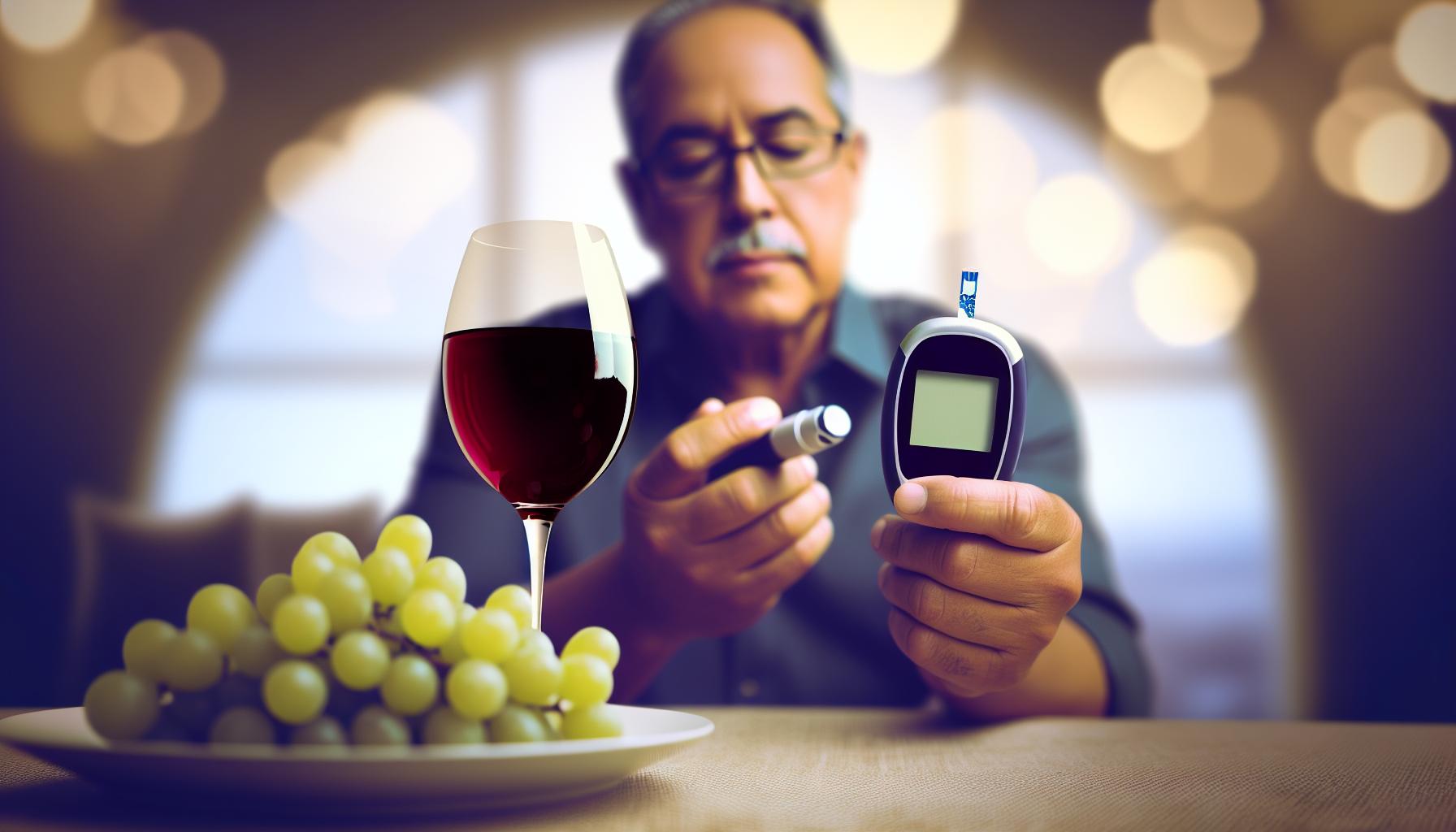
Sugar Content in Wine: What Diabetics Need to Know
Many people may not realize that wine, despite its enjoyment factor, can carry varying levels of sugar that may affect blood glucose levels, especially for those managing diabetes. When consuming wine, it’s crucial to understand its sugar content. Traditional wines can contain significant residual sugars, usually from the fermentation process. Dry wines typically have lower sugar levels, often resulting in less than 1 gram of sugar per serving, while sweeter wines may contain significantly more, reaching up to 7 grams or more per serving. Recognizing these differences can empower individuals to make better choices.
Knowing what types of wine are best suited for blood sugar control can greatly enhance the wine experience for diabetics. Generally, opt for dry red wines (like Cabernet Sauvignon or Merlot) or dry white wines (such as Sauvignon Blanc or Chardonnay). These wines are less likely to cause rapid spikes in blood sugar. Additionally, sparkling wines often contain less sugar as well, making them a celebratory choice without the sugar overload. It’s always a good idea to consult the label or the winemaker for precise sugar content, ensuring that your choice aligns with your dietary needs.
When it comes to enjoying wine healthily, portion control is vital. A standard serving of wine is about 5 ounces, and being mindful of this can help maintain stable blood sugar levels. Mixing wine with water or opting for wine spritzers-using sparkling water-can reduce overall alcohol intake while still allowing you to enjoy the flavors. Moreover, pairing wine with low-carb snacks, such as cheese or nuts, can help balance any potential effects on blood glucose, providing a more rounded and satisfying experience.
Lastly, hidden sugars in some wines may be lurking, so it’s essential to be meticulous while reading labels. Look out for terms like “sweet,” “dessert,” or “fruity,” which often indicate higher sugar content. When in doubt, resources like wine apps or databases can offer comprehensive information on various brands. Always consult your healthcare provider when integrating wine and alcohol into your overall diabetes management plan, ensuring that your choices are safe and suited for your health needs.
The Benefits of Sugar-Free Wine Options
Wine can be a delightful indulgence, and for those managing diabetes, sugar-free wine options present an exciting way to enjoy this beverage without the worry of significant blood sugar spikes. These wines are crafted to reduce or eliminate sugar content, allowing individuals to partake in social settings while adhering to their dietary needs. Choosing sugar-free options means savoring flavors without compromising health, promoting a balanced lifestyle without feeling deprived.
One of the primary advantages is the control over blood glucose levels. Regular wines, especially those that are sweeter, can lead to spikes in blood sugar. In contrast, sugar-free wines typically contain minimal residual sugars, often less than 0.5 grams per serving, providing a much safer alternative. This means you can enjoy a glass of wine at dinner or during celebrations without the stress of managing sudden glucose fluctuations. Additionally, sugar-free wines can be lower in calories, offering a lighter option for those who are mindful of their overall caloric intake as part of their diabetes management.
Moreover, sugar-free wines often feature a diverse range of flavors and styles, catering to different palates. Whether one prefers a crisp white or a robust red, there are numerous selections available that maintain the integrity of taste without the added sugars. For instance, many producers now create unique blends that emphasize the natural profiles of the grapes, bringing forward flavors like berry, stone fruit, and floral notes that can be just as enjoyable as their sugary counterparts.
Social Enjoyment and Meal Pairings
Embracing sugar-free wine also fosters a sense of social inclusion. Being able to raise a glass during family gatherings or outings with friends creates camaraderie and shared experiences without the worry of negative health impacts. Pairing these wines with low-carb or healthy foods can enhance meals, bringing a well-rounded dynamic to dining experiences. Consider complementing a sugar-free red wine with grilled vegetables or lean meats, or enjoy a crisp white with a simple salad topped with olive oil and vinegar. This thoughtful approach ensures that your wine choice aligns seamlessly with a healthy meal.
Incorporating sugar-free wines into your diet can be a liberating move that allows for enjoyable occasions and mindful consumption. For anyone navigating diabetes, it is vital to remain informed and aware of your choices. Always consult with healthcare professionals about your specific dietary preferences and how they fit within your personal diabetes management plan, ensuring a safe and enjoyable wine experience.
How to Choose Diabetic-Friendly Wines
Choosing the right wine while managing diabetes can feel daunting, but it doesn’t have to be. By being informed and focusing on options that align with your health needs, you can enjoy wine responsibly. When selecting diabetic-friendly wines, it’s essential to pay attention to three critical factors: sugar content, alcohol level, and overall ingredients.
Sugar Content
One of the foremost considerations is the residual sugar in the wine. Opt for wines labeled as “dry,” as these typically have less sugar than sweeter varieties. Many sugar-free wines contain fewer than 0.5 grams of sugar per serving, which can significantly minimize the risk of blood sugar spikes. Always check the wine label and reach for options that specify low sugar or low-carb. If the label is vague, don’t hesitate to ask at the store or consult with your favorite winery about their products’ sugar levels.
Alcohol Level
The alcohol content also plays a crucial role. Wines with higher alcohol levels can affect blood sugar differentially, sometimes leading to a drop in blood sugar after consumption due to how alcohol metabolizes in the body. Choosing wines with an alcohol content of around 12-13.5% can help maintain more stable blood sugar levels. It’s wise to keep in mind that moderation is key, as excessive consumption may lead to unpredictable spikes or drops in glucose levels.
Ingredient Awareness
Being mindful of additional ingredients in wine is also essential. Some wines may include additives like sweeteners or preservatives that could increase the overall sugar content. Look for organic or natural wines, which often avoid additives that can interfere with your health goals. When in doubt, contact the producer directly or consult resources that list compliant brands.
Incorporating these strategies into your wine-buying approach empowers you to enjoy wine nights safely while managing diabetes. Remember, personal dietary choices should always align with guidance from healthcare professionals. Educating yourself and communicating with trusted sources ensures that your wine experience is exciting and health-conscious.
Understanding Alcohol Effects on Blood Sugar
Understanding the effects of alcohol on blood sugar is essential for managing diabetes effectively, especially when you want to indulge in a glass of wine. Alcohol can have a unique impact on glucose levels in the body that may not always align with your expectations or desires. Unlike carbohydrates that increase blood glucose levels directly, alcohol is metabolized differently, which can lead to some surprising outcomes.
When you consume alcohol, your liver prioritizes metabolizing it over managing blood sugar levels. This is particularly important for people with diabetes because, in some cases, drinking can lead to a drop in blood sugar, especially if consumed on an empty stomach or combined with carbohydrate sources. For instance, a person with type 1 diabetes may experience hypoglycemia hours after drinking, after the alcohol has been metabolized and the liver is no longer able to release glucose into the bloodstream effectively. Thus, it’s crucial to monitor your blood sugar levels before and after enjoying wine to avoid these potential drops.
Moreover, not all wines are created equal; the sugar content and alcohol concentration can significantly affect blood sugar responses. Dry wines typically have less sugar and are less likely to cause spikes in blood glucose. A study indicated that moderate consumption of wine might even improve insulin sensitivity in some people, but this benefit is balanced by the risks mentioned earlier. To enjoy wine responsibly, the key is to pay attention to your body’s signals and combine wine with a meal. This not only helps buffer alcohol absorption but also provides essential nutrients that can stabilize your blood sugar.
Always consult with your healthcare provider to develop a personalized plan that accommodates occasional wine consumption while ensuring that your diabetes management remains a priority. By understanding how alcohol affects blood sugar, you can enjoy wine nights safely and responsibly while staying in tune with your health.
Best Sugar-Free Wine Brands for Diabetics
When it comes to navigating the world of wine as a diabetic, discovering sugar-free options can feel like finding a hidden treasure. Many brands now produce wines specifically for those who want to enjoy a glass without the guilt of extra sugar. These wines not only cater to different palates but also align with dietary restrictions, making social occasions easier and more enjoyable.
Some top brands that prioritize low or no sugar include Freixenet’s Alcohol-Free Sparkling Wines, which provide a festive fizz without the sugar crash. Additionally, St. Regis offers a ring of sugar-free wines with a wide array of varietals, from crisp whites to robust reds, ensuring that everyone can find something to enjoy. If you’re looking for something with a more unique flavor profile, Wunder creates innovative wines infused with botanicals, offering a sophisticated taste while maintaining a sugar-free status.
Exploring these options can truly enhance your wine experience while managing diabetes effectively. When selecting wines, be sure to check the labels closely for sugar content information, and remember that dry wines typically contain less sugar. Most importantly, always consult with your healthcare provider if you’re unsure about wine consumption and its impact on your health. With the right choices, you can savor your wine nights with confidence while prioritizing your well-being.
Pairing Wine with Low-Carb Foods
not only enhances your dining experience but also helps manage blood sugar levels effectively. The beauty of this combination lies in its ability to complement flavors while adhering to a diabetic-friendly diet. When you choose wines that are low in sugar, such as dry varieties, you create a perfect pairing that balances indulgence and health.
Consider starting with a selection of proteins; lean meats like chicken, turkey, and fish are excellent low-carb options. A glass of Sauvignon Blanc pairs beautifully with grilled chicken or a light fish dish, enhancing the freshness of the meal without overwhelming it with sweetness. On the other hand, a bold Cabernet Sauvignon can elevate a rich dish like grilled steak, providing a satisfying contrast while minimizing the carb content.
Vegetables also play a crucial role in your low-carb meals, and there’s a perfect wine to match virtually every green on your plate. Roasted Brussels sprouts or asparagus can be beautifully complemented by a crisp Chardonnay, which adds a layer of complexity without increasing sugar intake. Additionally, earthy vegetables like mushrooms can be paired with a Merlot, creating a sumptuous and flavor-packed meal.
When selecting wines, look for those labeled as “dry” and check sugar content indicators. The goal is to find wines that maintain a rich flavor profile without adding excess carbohydrates. This thoughtful approach can help ensure your wine nights remain enjoyable and safe, empowering you to fully savor each moment while prioritizing your health. Always remember to consult with healthcare professionals about your dietary choices, ensuring that your wine pairings fit well within your overall diabetes management plan.
Tips for Enjoying Wine Nights Healthily
Enjoying wine nights can be a delightful experience, even for those managing diabetes. By making informed choices and being mindful of your consumption, you can partake in the joys of wine while prioritizing your health. The key lies in understanding your body’s responses and making educated decisions regarding your wine selections and meal pairings.
One effective way to enhance your wine experience is to opt for sugar-free or low-sugar wines, typically labeled as “dry.” These selections tend to contain fewer carbohydrates and less sugar, making them more suitable for your diet. Always take a moment to read labels and check for any additional ingredients that might include hidden sugars, ensuring you stay within your dietary limits. Consider pairing your wine with compatible low-carb foods that not only complement the flavors but also help stabilize blood sugar levels. Lean proteins and non-starchy vegetables are excellent choices that can create a satisfying meal without overwhelming your carb count.
Setting boundaries can also play a crucial role in managing your wine consumption. Here are some practical tips to keep in mind:
- Know Your Portions: Standard serving sizes for wine are about 5 ounces. Use measuring cups to pour your wine to avoid overindulging.
- Stay Hydrated: Alternate your wine with water throughout the evening, which can help moderate your alcohol intake and reduce dehydration.
- Plan Your Meals: Think about your wine selection in advance and prepare a meal that harmonizes well with your drink, ensuring it remains low in carbohydrates.
- Engage with Friends: Make your wine night a social gathering that focuses not just on drinking but also on sharing meals that meet everyone’s dietary preferences, including diabetes-friendly options.
Ultimately, enjoying wine nights while maintaining your health is entirely possible with the right strategies in place. Always remember to consult with healthcare professionals regarding your dietary choices and manage your overall diabetes plan effectively. Taking control of your wine experience can empower you to savor each sip while staying committed to your health and well-being.
Sodium and Other Ingredients in Wine
While many wine drinkers focus on sugar content when considering their choices, can also play a significant role in how wine affects overall health, particularly for individuals managing diabetes. It’s essential to be aware that most grape wines are naturally low in sodium, typically containing about 5 milligrams per 5-ounce serving, making them a relatively safe option. However, flavored wines or certain sparkling varieties can have added sodium, which may not be as obvious.
Before pouring that glass, it’s wise to understand what else might be included in your wine. Many wines undergo various processing methods, some of which include additives that can affect your health. Common additives may include sulfites, which are used as preservatives, and stabilizers that enhance clarity and stabilization. While these are generally recognized as safe, it’s still critical to pay attention to how your body reacts to these substances, particularly if you have sensitivities or allergies.
Moreover, certain wines may have additional flavoring agents or artificial sugars that can significantly alter their nutritional profiles. For example, some dessert wines may appear inviting but could be loaded with hidden sugars, pushing their carbohydrate content to higher levels, which is something diabetics should definitely minimize. Therefore, always opt for wines that are either labeled as organic or have minimal processing. Such wines often contain fewer additives, leading to a cleaner product that aligns better with your health objectives.
Whenever you shop for wine, make it a habit to check the labels. Although it’s challenging to find extensive nutritional information on wine bottles, knowing that a product has no added sugars or sodium can make a considerable difference in your entire wine experience. Consider asking at the tasting bar or retail store about specific wines’ contents. Engaging with knowledgeable staff can provide clarity on which options are best suited for your dietary needs. With this understanding, you’ll not only enhance your enjoyment of wine but also ensure it aligns seamlessly with your health goals. As always, consulting with healthcare professionals regarding your dietary choices is crucial for effectively managing diabetes.
Identifying Hidden Sugars in Wine Labels
Identifying hidden sugars in wine can be a crucial step for individuals managing diabetes who wish to enjoy a glass without jeopardizing their health goals. Many wines, especially sweet, flavored, or dessert varieties, can contain significant amounts of added sugars, often masked under various labels or marketing terms. For someone with diabetes, understanding how to pinpoint these hidden sugars is essential for maintaining blood glucose levels.
One effective way to navigate wine labels is to look for specific terms and ingredients. While wines may not always list their sugar content, identifying clues can help. Be cautious of labels that include terms such as “sweet,” “dessert,” or “late harvest,” as these typically indicate higher sugar levels. Additionally, some wines may have ingredients like “sugar” or “high fructose corn syrup” listed, which should be avoided. The absence of these terms is a good sign, but also remember that “dry” wines tend to have lower sugar levels in general.
Here are some practical tips to ensure you choose wines with lower sugar content:
- Research Brands: Some brands specialize in crafting lower-sugar or sugar-free wines. A quick online search before heading to the store can yield helpful information.
- Ask Questions: Don’t hesitate to ask staff at wine shops for recommendations. They can often share insights about specific bottles, especially regarding added sugars.
- Choose Organic Wines: Organic wines typically undergo less processing and often contain fewer additives, reducing the chances of hidden sugars.
- Focus on Tannins: Wines high in tannins, such as many reds, usually have less residual sugar compared to sweeter varieties.
Being vigilant about what’s in your wine can’t just enhance your enjoyment of it; it’s a significant step toward managing diabetes effectively. Before making any dietary changes, especially concerning alcohol consumption, it is always wise to consult your healthcare professional to ensure your choices fit within your personal health management plan. This proactive approach not only supports your well-being but also helps create enjoyable social experiences centered around wine, without compromising your health goals.
Crafting Your Diabetic Wine Experience
Crafting a tailored wine experience while managing diabetes allows you to indulge in social activities without sacrificing your health goals. Many people assume that enjoying a glass of wine is off-limits for diabetics, but with the right knowledge and choices, you can savor your evenings safely. One key aspect is to seek out wines that are not only low in sugar but also come from producers who prioritize transparency in their ingredients. Knowing what to look for in wines can empower you to enjoy an enriched wine experience that aligns with your dietary needs.
To elevate your wine nights, consider pairing your drink with appropriate foods that complement the wine while keeping your carbohydrate intake in check. For example, enjoy a glass of dry red wine with a platter of olives, almonds, and cheese. These foods contain healthy fats and proteins that can help stabilize your blood sugar levels, allowing you to enjoy your evening without worry. Additionally, making informed choices about your wine can involve planning ahead. Whether you’re preparing for a dinner party or a relaxed evening at home, drafting a simple menu that balances low-carb options with your selected wines can create a delightful experience without the apprehension.
Furthermore, remember that moderation is key when it comes to alcohol consumption, even with sugar-free options. Drinking smaller amounts can help you better monitor the effects on your blood sugar levels. Consider using smaller wine glasses to keep your servings in check or designating specific wine nights to enjoy your selected wines without temptation. Integrating mindful drinking practices not only enhances your enjoyment but also empowers you to maintain a healthy lifestyle while navigating social situations.
Lastly, incorporating knowledge about your preferences can transform your experience. Keeping a journal of wines you enjoy, along with their sugar content and how they affect your blood sugar, can serve as a personal guide for future selections. This proactive approach not only instills confidence in your choices but also fosters a deeper appreciation for the diverse world of wines that can be enjoyed safely, adding to your overall quality of life while managing diabetes.
Strategies for Moderation and Portion Control
When it comes to enjoying wine nights, those managing diabetes can find peace of mind through effective moderation and portion control. A common misconception is that wine consumption must be completely eliminated, but with intentional strategies, you can still partake in social occasions without jeopardizing your health. Understanding your limits is crucial; thereby connecting with your body and recognizing how different wines affect your blood sugar will empower you to make informed choices.
One practical tip is to opt for smaller wine glasses. This simple adjustment not only visually tweaks your perception of serving size but also helps you enjoy your drink more mindfully. For instance, a smaller glass might hold just a five-ounce pour instead of a typical six or more. This minor change can significantly reduce the total amount consumed over an evening. Additionally, consider keeping track of your intake throughout the night, such as using a journal or a smartphone app designed for monitoring alcohol and carbohydrate intake.
Progressively integrating wines into your routine can cultivate a more enjoyable experience. Designate specific “wine nights” during the week where you allow yourself to indulge, rather than incorporating wine into every social gathering. This not only enhances anticipation but also aligns with healthier habits. By committing to these designated nights, you can better manage your overall consumption and maintain control over your blood sugar levels.
Incorporating food pairings with your wine can also facilitate moderation. Consuming protein-rich foods like cheese or nuts alongside your wine can slow down the absorption of alcohol, thus helping maintain stable blood sugar levels. Creating a well-balanced low-carb menu not only elevates your dining experience but supports your overall diabetes management plan. Prioritizing these practices allows you to enjoy wine as part of a holistic approach to health while indulging sensibly in a social landscape that celebrates life and connection.
Planning Safe Wine Gatherings with Friends
When hosting a wine gathering with friends, creating an inclusive atmosphere that accommodates everyone-including those managing diabetes-can enhance the experience for all. Understanding how to navigate the wine selections and overall environment can lead to enjoyable memories, rather than concerns about blood sugar levels. Offering sugar-free or low-sugar wine options promotes both social connection and health, as these wines can provide the indulgence of wine nights without excessive sugar intake.
To start, encourage a diverse selection of wines, ensuring some fit the low-sugar category. Some helpful choices include dry reds like Cabernet Sauvignon or Merlot and dry whites such as Sauvignon Blanc and Pinot Grigio. These wines generally contain lower sugar levels and can easily align with diabetic-friendly options. Additionally, consider hosting a small tasting session where guests can sample various wines, including those labeled as “no added sugar.” This interactive approach not only makes the gathering fun and educational but also fosters a supportive environment for those monitoring their diets.
Pairing wine with the right foods enhances the overall experience while aiding blood sugar management. Think about providing a spread of protein-rich snacks, such as cheese platters, charcuterie boards, or nuts. These foods can slow alcohol absorption and help maintain stable blood sugar levels. Moreover, encourage your friends to bring their own low-carb dishes. A cooperative effort in meal prep ensures that everyone feels included and respected in dietary preferences, showcasing the importance of community in managing health.
Lastly, open communication about dietary needs can significantly alleviate any underlying concerns at your gathering. Informing your friends about your low-sugar wine choices and the reasoning behind them can inspire others to consider healthier options too. Remember, you’re not only managing your diabetes but also leading by example. By prioritizing health-conscious practices while still enjoying the rich, sociable experience that wine nights offer, you foster an environment where all friends can feel connected and supported.
Faq
Q: What types of wine are best for diabetics?
A: Dry wines, such as Sauvignon Blanc or Cabernet Sauvignon, are typically better for diabetics as they usually contain less sugar than sweet or dessert wines. Opting for sugar-free wines or those labeled as “dry” can help maintain healthy blood sugar levels.
Q: How does alcohol affect blood sugar levels in diabetics?
A: Alcohol can cause fluctuations in blood sugar levels. It may initially lower blood sugar but can lead to a spike later. Diabetics should monitor their glucose levels closely when consuming wine and consult their healthcare provider for personalized advice.
Q: Can diabetics drink wine at all?
A: Yes, diabetics can enjoy wine in moderation, choosing sugar-free or dry options. It’s crucial to monitor portion sizes and understand how wine affects individual blood glucose levels. Regular consultations with healthcare professionals are recommended.
Q: Are there sugar-free wine brands recommended for diabetics?
A: Yes, brands like FitVine, Cupcake Vineyards, and Dry Farm Wines are popular for their low-sugar or sugar-free options. Always check labels for specific nutritional information before purchasing.
Q: What should diabetics look for on wine labels?
A: Diabetics should look for wines labeled as “dry” and check for sugar content on nutrition labels. Ingredients to avoid include sweeteners and flavor additives that can increase sugar content.
Q: How can diabetics enjoy wine nights without compromising health?
A: Diabetics can enjoy wine nights by choosing sugar-free wines, practicing moderation, pairing wine with low-carb foods, and monitoring blood sugar levels. Planning ahead can help ensure a safe and enjoyable experience.
Q: What are the health risks of drinking wine for diabetics?
A: Risks for diabetics include hypoglycemia, particularly if alcohol is consumed on an empty stomach, and potential alcohol-related complications. Always consult with a healthcare provider to understand personal risks before drinking wine.
Q: How can I enjoy wine without added sugars?
A: To enjoy wine without added sugars, look for brands that explicitly state they are sugar-free or low-sugar. Opt for natural wines made from organic grapes and avoid flavored wines or those with added sweeteners.
For more insights on sugar content and making informed choices, explore our article on managing diabetes through food and drink selections.
The Conclusion
Thank you for exploring “Sugar Free Wine for Diabetics: Enjoy Wine Nights Safely.” You’ve taken a significant step towards making informed choices that enhance your social experiences without compromising your health. Remember, enjoying wine as a diabetic doesn’t have to be daunting-embracing sugar-free options allows you to savor every delightful moment while managing your well-being effectively.
For more insights, consider checking out our articles on diabetes-friendly food choices and daily management tips to enrich your lifestyle. If you’re looking for personalized advice, don’t hesitate to reach out for a consultation with our specialists who can help tailor your approach to managing diabetes.
Sharing your thoughts or questions in the comments can help foster a supportive community. Keep the conversation going, explore our site for more resources like healthy alternatives and diabetic products, and empower yourself on your journey to health. Remember, every small step counts, and you’re not alone in this journey!
Get our latest guides, news, and insights highlighted in your Google Search & AI Overviews.