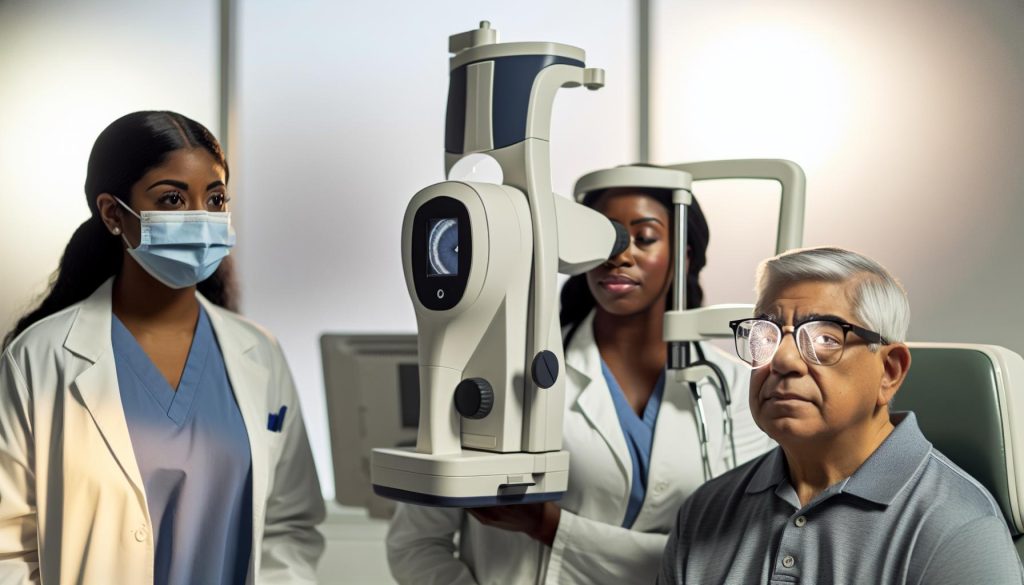
Did you know that diabetic retinopathy is one of the leading causes of blindness among adults? As a diabetes patient or support system, understanding this serious eye condition is crucial for preserving vision. Optos diabetic retinopathy screening technology stands at the forefront of eye health, offering advanced imaging that can detect early changes in the retina caused by fluctuating blood sugar levels. By prioritizing regular screenings, individuals can take proactive steps toward managing their diabetes and protecting their eyesight. Join us as we explore how this innovative technology can make a significant difference in your journey toward optimal health and vision, empowering you to make informed decisions alongside your healthcare team. Your eyesight is precious-let’s ensure you have the tools to safeguard it as you navigate daily diabetes management.
Understanding Diabetic Retinopathy: What You Need to Know
Diabetic retinopathy is a critical condition for individuals living with diabetes, yet many remain unaware of its risks and implications. This eye disease affects the retina’s blood vessels, leading to potential vision loss and, in severe cases, blindness. It is estimated that around 40-45% of individuals with diabetes experience some degree of diabetic retinopathy, emphasizing the importance of awareness and regular eye examinations. Understanding this condition is vital for proactive disease management and the preservation of vision.
One key aspect of diabetic retinopathy is that it often develops without any noticeable symptoms in its early stages. This underscores the importance of regular eye screenings, particularly for those with diabetes. Early detection through advanced screening technologies, such as Optos wide-field imaging, can significantly influence treatment outcomes. Early-stage changes in the retina may not trigger any visual disturbances, but they can indicate underlying issues that need immediate attention.
Maintaining good control of blood glucose levels, blood pressure, and cholesterol can greatly reduce the risk of diabetic retinopathy. Alongside medical treatment, lifestyle choices play a crucial role in managing diabetes and protecting eye health. Incorporating a balanced diet, regular exercise, and routine check-ups can empower individuals and families to take charge of their health. When faced with health challenges, individuals should engage in open discussions with their healthcare providers, ensuring they are informed and comfortable about their treatment decisions.
Educating oneself about diabetic retinopathy is an essential first step. Resources like diabetic education programs or support groups can provide valuable information and shared experiences, helping to navigate the complexities of diabetes management. Remember, managing your eye health is not just about regular screenings; it’s about fostering a comprehensive approach to diabetes care that integrates diet, lifestyle, and professional support.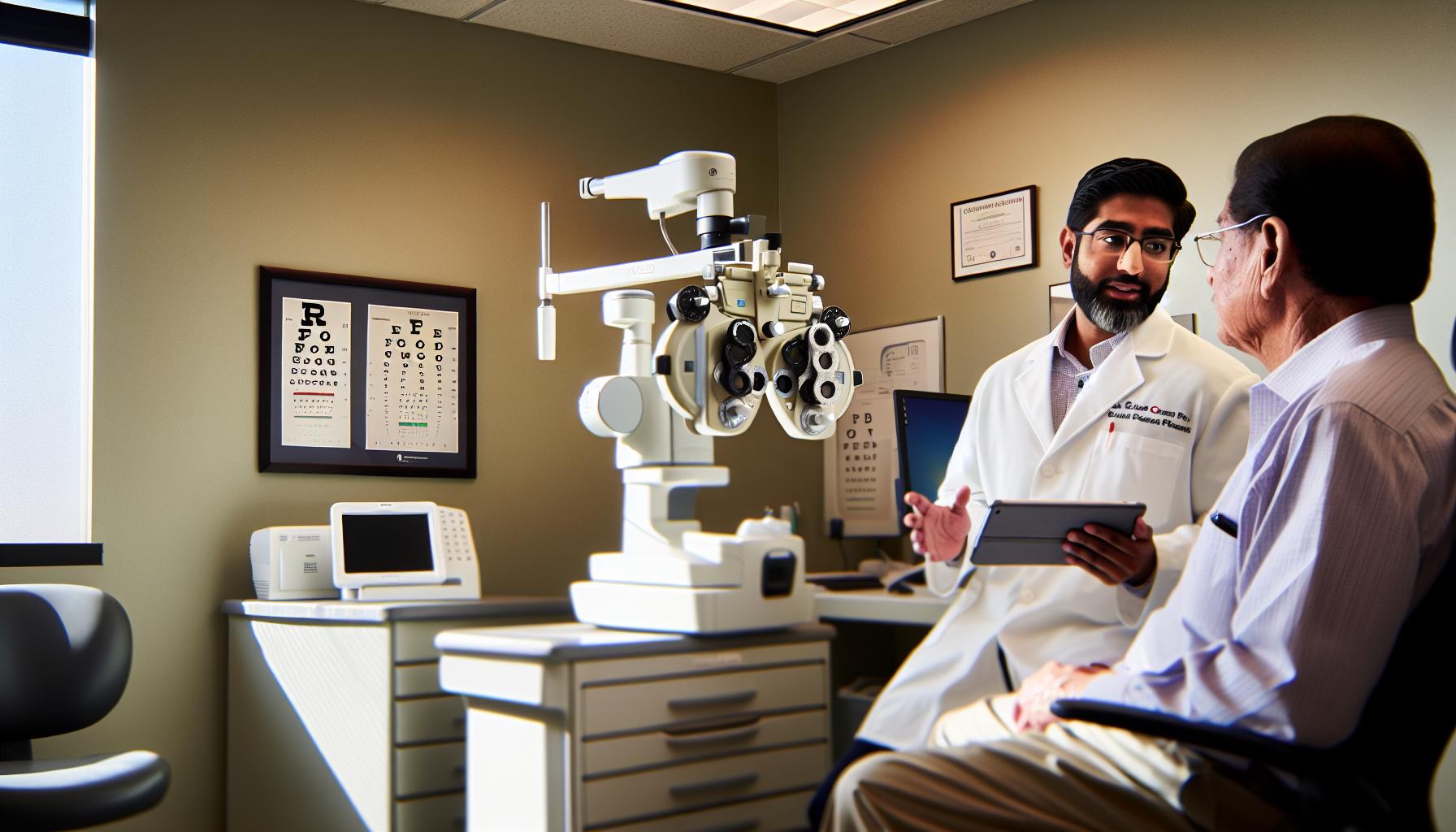
The Role of Optos Technology in Eye Care
The advancements in eye care technology have transformed how diabetic retinopathy is detected and managed, with Optos technology leading the way. This innovative imaging system utilizes wide-field retinal imaging to produce comprehensive digital images of the retina, covering up to 200 degrees of the visual field. Unlike traditional screening methods that might only capture a fraction of the retina, Optos provides a broader view, allowing for early detection of issues before they escalate into serious vision problems. This capability is crucial, as diabetic retinopathy can develop silently, often without obvious symptoms until significant damage has occurred.
Advantages of Optos Technology
One of the primary benefits of Optos technology is its ability to identify subtle changes in retinal health that may be missed by standard imaging techniques. For individuals living with diabetes, this can mean the difference between proactive management and potential vision loss. The high-resolution images produced by the Optos system can reveal the condition of retinal blood vessels, allowing eye care professionals to spot the early signs of diabetic retinopathy, such as microaneurysms and retinal hemorrhages. By enabling more thorough examinations, the technology plays a vital role in tailoring timely interventions, from lifestyle adjustments to more advanced treatments.
In addition to its diagnostic capabilities, Optos technology supports improved patient experience. The non-invasive nature of the imaging process, accompanied by minimal discomfort, ensures that individuals are more likely to participate in regular screenings. Early detection and intervention are essential, especially since managing blood glucose levels is a daily commitment that can influence eye health. Patients empowered with knowledge from their examinations can have informed discussions with healthcare providers, leading to better management strategies.
Lastly, as diabetes management continues to evolve, leveraging advanced technology like Optos helps to create a comprehensive approach to diabetic care. When combined with regular follow-up appointments, healthy lifestyle choices, and clear communication with healthcare teams, Optos imaging stands out as a proactive measure in the fight against diabetic retinopathy. By prioritizing eye health, individuals can take significant steps in preserving their vision and enhancing their overall quality of life.
How Advanced Screening Enhances Early Detection
Advanced screening technologies, particularly those utilizing wide-field imaging like the Optos system, have revolutionized the early detection of diabetic retinopathy, a condition that can lead to irreversible vision loss if not identified and managed promptly. By featuring a comprehensive view of the retina, these screenings can reveal critical details about retinal health that traditional methods, which often capture only a narrow field of vision, may overlook. This broader perspective is crucial, especially since diabetic retinopathy can develop silently, often with minimal warning signs until significant damage has occurred.
The ability of Optos technology to provide high-resolution images enables eye care professionals to detect subtle changes in the retina, such as microaneurysms or small hemorrhages. These early indicators are essential for proactive intervention that can alter the course of the disease. For patients, understanding these early signs can empower them to engage in discussions with their healthcare teams about effective diabetes management strategies, including lifestyle adjustments and potential treatment options. The heightened awareness and knowledge gained from advanced screenings contribute to a more collaborative healthcare environment, where patients feel like active participants in their own care.
A non-invasive, quick, and painless process further enhances patient compliance and participation in regular screenings. Many people living with diabetes may feel apprehensive about eye examinations, but the ease of wide-field imaging can alleviate those fears, promoting more frequent check-ups. Consequently, early detection is more achievable, which can lead to timely interventions. As individuals continue managing their blood glucose levels, regular screenings become an integral part of their overall health strategy, allowing for adjustments based on the findings from eye examinations.
In the broader context of diabetic care, combining advanced screening techniques with ongoing education and support creates a comprehensive management plan. This can include not only regular eye exams but also discussions about nutritional choices, exercise regimens, and medication adherence. Patients are encouraged to seek support from healthcare professionals who can provide personalized advice tailored to their specific health needs. By emphasizing the importance of early detection through advanced screening, individuals can take significant strides toward preserving their vision and enhancing their quality of life while effectively managing their diabetes.
Benefits of Wide-Field Imaging for Diabetics
Individuals living with diabetes face numerous health challenges, and among the most critical is the risk of diabetic retinopathy. With approximately one-third of diabetics experiencing some level of this eye condition, early detection becomes paramount. Wide-field imaging technologies, such as the Optos system, have emerged as game-changers in the fight against vision loss by offering a panoramic view of the retina. This comprehensive perspective allows eye care professionals to identify changes and potential issues earlier than traditional methods, which typically only capture a small section of the retina.
One of the key is its ability to detect subtle changes in the retina that might go unnoticed during standard examinations. Conditions like microaneurysms, which are small bulges in the blood vessels, can be critical early indicators of diabetic retinopathy. By spotting these signs early on, healthcare providers can initiate preventive measures or treatments that may halt or delay the progression of the disease. The immediacy of this feedback can empower patients, making them more involved in their care decisions and more proactive about managing their diabetes.
Moreover, the non-invasive nature of wide-field imaging contributes to improved patient experiences. Traditional retinal screenings may require dilating the pupils or using more extensive equipment, which can be intimidating or uncomfortable for patients. In contrast, the quick and painless process associated with Optos technology encourages more regular eye exams, which is essential for ongoing monitoring of retinal health. Regular screenings can help ensure that any changes in the retina are spotted promptly, maintaining visual function and quality of life.
In addition to enhancing diagnostic capabilities, wide-field imaging supports a holistic approach to diabetes management. It opens avenues for healthcare providers to discuss the importance of blood sugar control, nutrition, and lifestyle adjustments with their patients. When individuals see concrete evidence of the health of their eyes and the effects of their diabetes management strategies, they are more likely to stay engaged in their overall health journey. This newfound awareness not only enhances trust in the healthcare process but also fosters a collaborative environment where patients feel empowered to take control of their health.
Comparing Optos to Traditional Retinal Screening
The landscape of diabetic eye care is rapidly evolving, and one of the most significant advancements is the introduction of Optos technology for retinal screening. Unlike traditional retinal examinations, which typically provide a limited view of the retina and may require dilation, Optos offers a wide-field imaging solution that captures up to 200 degrees of the retina in one image. This broader perspective not only increases the chances of detecting early signs of diabetic retinopathy-such as microaneurysms or changes in blood vessel permeability-but it also allows for a more detailed assessment of the retina’s overall health.
One of the remarkable advantages of Optos technology is its non-invasive nature and speed. Patients often express anxiety towards traditional eye exams primarily due to dilation, which can lead to temporary blurriness and discomfort. The Optos screening, however, is quick and does not require pupil dilation, making it a more comfortable experience. This ease of access encourages patients to undergo more frequent screenings, essential for managing their diabetic health effectively. For those living with diabetes, regular monitoring of retinal health can be life-changing, aiding in the early detection and preventive care that may stave off vision-threatening complications.
In contrast, traditional methods might miss delicate changes in the retina due to their narrower focus. This distinction is crucial; small, early markers of diabetic retinopathy can easily go overlooked when using standard screening techniques. Additionally, with traditional retinal exams, follow-up visits are often necessary to clarify findings or conduct further assessments, which can complicate patient care. By providing immediate, comprehensive images, Optos technology empowers eye care professionals to make informed decisions on the spot, streamlining the process and fostering a proactive approach to eye health.
With its innovative capabilities, Optos not only enhances the effectiveness of screenings but also serves as a powerful tool in patient education. As patients are shown real-time images of their retinal health, they become more engaged in the conversation about their diabetes management. Understanding the direct impact of blood sugar levels on eye health can motivate individuals to adhere more closely to their management plans, whether through medication compliance, monitoring their blood sugar, or making lifestyle changes. Overall, the shift from traditional retinal screening to advanced wide-field imaging represents not just a technological upgrade, but a paradigm shift towards more personalized, proactive diabetes care.
Navigating the Screening Process: What to Expect
To ensure a smooth and informative experience during your screening, it’s essential to know what to expect when visiting a healthcare provider for an Optos retinal examination. Unlike traditional exams, the Optos technology allows for expedited screenings, where you’ll typically be greeted by a friendly staff member who will guide you through the process. One of the standout features of this technology is that there is no need for pupil dilation, which can often lead to discomfort and temporary blurriness. This means that your visit will be efficient and more comfortable, allowing for immediate images to be captured without the aftereffects associated with dilating drops.
You will begin the screening by having your eyes positioned in front of the Optos device. The process is both quick and non-invasive; you’ll be asked to look into the camera for a few seconds while the machine takes images of your retina. As the device captures a full wide-field image of your retina, it only takes about 90 seconds to complete the examination. This brevity not only streamlines your visit but also allows you to return to your daily activities with minimal disruption.
After the imaging process, your eye care professional will review the captured images with you, providing a more comprehensive understanding of your retinal health. This visual feedback is invaluable, as it fosters a dialogue about your diabetes management and emphasizes the importance of regular screenings. Patients often leave the appointment with a greater sense of empowerment and awareness regarding their eye health.
For optimal results from these screenings, consider the following tips:
- Maintain your diabetes management plan: Regular monitoring of blood sugar levels can significantly impact your retinal health.
- Communicate openly: Share any concerns or symptoms you may be experiencing with your healthcare provider.
- Follow up: Attend regular follow-up appointments as recommended, even if your screening results are normal.
With consistent engagement in your eye care, you are taking proactive steps that are crucial for maintaining your vision and overall health. While it’s natural to have questions or feel uncertainty going into any medical procedure, knowing that you are supported by advanced technology like Optos can help ease those worries. This commitment to your eye health will not only aid in early detection of any potential issues but also reinforce the importance of regular screenings in your diabetes management journey.
Interpreting Your Screening Results with Confidence
Understanding the results of your Optos retinal screening is crucial for taking charge of your eye health, particularly when managing diabetes. This advanced imaging technology provides a detailed view of your retina, allowing healthcare professionals to identify potential issues early, such as diabetic retinopathy. When you receive your results, it’s essential to interpret them with clarity and confidence, ensuring you understand what they mean for your current health and future management.
During your appointment, your eye care professional will walk you through the images captured by the Optos device. These images offer a comprehensive look at the blood vessels in your retina, allowing for immediate assessment of any abnormalities. If the images show signs of diabetic retinopathy, you may see descriptions such as “microaneurysms,” “hemorrhages,” or “exudates,” which indicate various stages of the condition. Understanding these terms can be intimidating, but your healthcare provider is there to explain their significance and answer any questions you may have.
- Ask Questions: Don’t hesitate to ask for clarification on anything you don’t understand. Your healthcare provider can explain how these findings relate to your overall diabetes management.
- Request a Printed Copy: Having a physical copy of your results can help you discuss them with your family members or diabetes care team.
- Follow Up: Depending on your results, you might need more frequent screenings or additional tests. Stay proactive by scheduling these follow-ups and managing your diabetes closely.
Engaging actively in discussions about your results fosters a deeper understanding of your eye health and solidifies your role in your diabetes management journey. Early detection of any complications can significantly improve your treatment outcomes, reinforcing the importance of regular screenings. Remember, knowledge empowers you; by interpreting your results with confidence, you’re better equipped to advocate for your health and make informed decisions about your care.
As you navigate this process, consider your overall lifestyle and diabetes management practices. These elements are integral to your eye health-regular monitoring of blood sugar levels, maintaining a balanced diet, and staying active can positively influence your retinal health. With each screening and each conversation with your healthcare provider, you’re taking vital steps to protect your vision and overall wellbeing.
Impact of Regular Screening on Diabetes Management
Regular screenings for diabetic retinopathy play a pivotal role in the comprehensive management of diabetes, highlighting the connection between eye health and overall well-being. With advanced technologies like Optos, detailed imaging of the retina allows healthcare providers to detect early signs of complications long before symptoms may manifest. For individuals managing diabetes, understanding the nuances of these screenings can lead to proactive health decisions and optimized treatment plans.
The significance of early detection cannot be overstated. Diabetic retinopathy can progress silently, making regular eye exams essential. Research suggests that individuals who engage in routine screenings have a higher chance of identifying potential issues early, which can dramatically alter the treatment trajectory. For instance, timely intervention when microaneurysms or hemorrhages are detected can help preserve vision and prevent further complications. By regular monitoring, patients can collaborate with their healthcare teams to adjust their diabetes management strategies-be it altering medication, adjusting dietary plans, or increasing physical activity-all geared towards maintaining optimal blood sugar levels.
As you navigate your screenings, consider maintaining a structured routine that integrates diabetes management with eye health. Keeping a diary of blood glucose levels, dietary choices, and physical activity can provide valuable insights that you can share during your screening appointments. This collaborative approach not only empowers patients but also equips healthcare professionals with the necessary context to tailor individualized care plans.
Ultimately, engaging with your screenings is an act of self-advocacy and empowerment. By prioritizing regular eye tests and understanding the implications of their results, you are taking significant steps toward effective diabetes management. Remember, consistent monitoring, alongside a balanced diet and lifestyle adjustments, can foster better eye health and overall well-being. Take charge of your health journey; your proactive efforts can make a substantial difference in your quality of life.
Emerging Innovations in Diabetic Eye Care
The landscape of diabetic eye care is rapidly evolving, driven by innovative technologies that enhance detection and treatment options. One of the most exciting advancements is the use of wide-field imaging technology, which allows for comprehensive views of the retina. Unlike traditional imaging methods that may only capture small sections of the retina, wide-field imaging can visualize nearly the entire retinal surface in a single scan. This capability is crucial for diagnosing diabetic retinopathy early, as it can reveal changes like microaneurysms or hemorrhages that might otherwise go unnoticed.
Further, artificial intelligence (AI) is beginning to play a significant role in diabetic eye care. AI algorithms can analyze retinal images with remarkable accuracy, identifying signs of diabetic retinopathy and stratifying risk levels more efficiently than ever before. For patients, this means shorter wait times for results and a greater chance of early intervention, which is key to preserving vision. As these technologies continue to mature, they promise to make screenings not only quicker and more efficient but also more accurate, leading to personalized treatment plans that are tailored to individual needs.
Telemedicine is also becoming an invaluable tool for those managing diabetes and related eye conditions. Virtual consultations allow patients to engage with eye care specialists without the need for travel, which can be especially beneficial for those living in remote areas. Additionally, remote monitoring technologies enable healthcare providers to keep track of patients’ eye health over time, ensuring timely interventions when necessary. This advancement can reinforce a patient’s daily management regimen, empowering them to take a proactive role in maintaining their overall health.
As innovations like these emerge, it is crucial for patients to stay informed and engaged in their care pathways. Regular discussions with healthcare providers about new screening technologies, treatment options, and lifestyle adjustments will empower individuals living with diabetes to make informed decisions. Embracing these advancements can lead to better eye health outcomes and a higher quality of life. Remember, these innovations are tools to help you manage your condition, and working closely with qualified healthcare professionals is always key to effective health management.
Patient Testimonials: Real-Life Success Stories
Many patients living with diabetes have shared transformative experiences after utilizing advanced screening technology, such as Optos, for diabetic retinopathy. Their stories reveal not only the emotional journey of managing this chronic condition but also the profound impact that early detection can have on preserving vision and quality of life.
Consider the case of Maria, a 54-year-old woman diagnosed with type 2 diabetes ten years ago. Despite her diagnosis, she had never undergone a thorough eye exam. When she learned about wide-field imaging through a community health seminar, she decided to take action. After her first Optos screening, Maria was astonished by the level of detail the imaging provided. “By capturing nearly the entire retina in one go, my eye doctor detected some early changes that we could address before they progressed,” she recounted. With timely intervention, she felt empowered, noting that regular check-ups allowed her to adjust her diabetes management plan proactively.
Similarly, John, a 45-year-old father of two, faced a daunting situation when he began to notice visual changes. His healthcare team recommended an Optos screening, which not only confirmed diabetic retinopathy but also mapped out its extent. “I was scared at first, but the clarity of the Optos images showed me that my doctor had the information needed to be proactive,” he said. With a tailored treatment plan, John went on to share how maintaining his eye health became an integral part of his overall diabetes management strategy. He now reminds others, “Regular screenings have become a part of my routine, just like checking my blood sugar.”
These testimonials highlight the empowering nature of advanced screening technologies in diabetic eye care. Patients who take charge of their health through regular screenings and proactive management find that their fears diminish as they gain valuable insight into their condition. Engaging in conversations around treatment options and lifestyle changes can foster a supportive community, encouraging both patients and families navigating the complexities of diabetes. Early detection through tools like Optos leads to timely interventions, reinforcing the importance of staying informed and connected with healthcare professionals for the best outcomes.
In conclusion, the stories of individuals like Maria and John serve as a powerful reminder: taking proactive steps in eye health not only aids in preserving vision but also significantly enhances one’s journey of living with diabetes. Embracing the advancements in diabetic eye care equips patients to make informed decisions while reinforcing the critical importance of professional guidance in managing their health effectively.
Frequently Asked Questions About Optos Screening
When it comes to diabetic retinopathy screening, many patients have a plethora of questions about the process, its benefits, and its implications. Understanding these aspects can significantly ease the anxiety that often accompanies medical screenings and empower patients to take proactive steps in managing their eye health.
One frequently asked question is, “What exactly does Optos screening involve?” Optos technology utilizes wide-field imaging to capture up to 80% of the retina in a single image, making it a comprehensive tool for assessing retinal health. Unlike traditional methods that may require dilation and can only view a limited portion of the retina, Optos provides a panoramic view, allowing your eye care professional to detect potential issues, such as diabetic retinopathy, earlier and more effectively.
Another common concern is, “Is the Optos screening process painful or uncomfortable?” The good news is that most patients find the process to be quick and painless. There is no need for needles or invasive procedures; patients simply look into the machine as it captures images of their retina. Some might experience temporary aftereffects, such as brief glare or adjustments to changes in light, but these typically resolve quickly.
Patients often wonder about the frequency of screenings. “How often should I have an Optos screening?” For individuals with diabetes, it is generally recommended to undergo retinal screenings annually. However, your healthcare provider may suggest more frequent assessments based on your specific circumstances, such as the presence of existing eye conditions or if diabetic retinopathy is detected.
Lastly, it’s essential to address the question of “What happens if diabetic retinopathy is detected during the screening?” Early detection through Optos can significantly impact treatment strategies. If any signs of retinopathy appear, your healthcare team will discuss treatment options tailored to your needs. Early intervention can help prevent further vision loss and enable you to better manage your diabetes, reinforcing the importance of regular check-ups.
In conclusion, taking the time to understand the Optos screening process fosters a sense of control for patients managing diabetes. Ultimately, the ability to stay informed on eye health can lead to timely interventions, positively influencing overall health outcomes. Always consult your healthcare provider for personalized guidance and recommendations tailored to your specific condition.
Empowering Your Eye Health: Next Steps for Patients
Taking charge of your eye health is a crucial step in effectively managing diabetes and preventing complications such as diabetic retinopathy. With advancements in technology like Optos wide-field imaging, you can ensure that your retina is thoroughly examined with greater accuracy and comfort. Empowering yourself to understand the importance of regular eye screenings allows you to stay proactive about your health, reducing the risk of significant vision problems down the line.
One of the most important next steps is to schedule regular screenings as part of your overall diabetes management plan. Generally, individuals with diabetes should have an eye exam at least once a year. However, if you have been diagnosed with diabetic retinopathy or have other risk factors, your healthcare provider may recommend more frequent assessments. This process not only helps with early detection but also facilitates timely intervention if any issues arise.
Another key element is to maintain open communication with your healthcare provider regarding your diabetes management. Discuss your eye health during appointments and ask any questions you have about your screening results or further steps. Keeping track of your blood glucose levels, adhering to your prescribed treatment plan, and making healthy lifestyle choices, including a balanced diet and regular exercise, can significantly contribute to the overall well-being of your eyes and body.
Consider creating a personalized action plan that includes dietary changes focused on eye health, information about diabetic products, and strategies for maintaining optimal blood glucose levels. For example, incorporating foods rich in vitamins A, C, and E, as well as omega-3 fatty acids, can help protect your eyesight. Incorporate these elements into your daily routine for maximum benefit, and don’t hesitate to seek out the support of diabetes education programs or dietary counseling.
Your journey toward maintaining healthy eyes as a diabetic can also include seeking the latest information and innovations in diabetic eye care. Staying informed about emerging technologies and treatment options allows you to make educated decisions regarding your care. By taking these next steps, you are not only investing in your eye health but also enhancing your quality of life, enabling you to navigate the challenges of diabetes with confidence.
Faq
Q: What is Optos technology in diabetic retinopathy screening?
A: Optos technology uses ultra-widefield imaging to capture detailed images of the retina. This advanced screening method allows for earlier detection of diabetic retinopathy, leading to timely intervention and better patient outcomes. For more information, explore how advanced screening enhances early detection.
Q: How does Optos screening differ from traditional retinal exams?
A: Unlike traditional retinal exams, Optos screening provides a wider view of the retina in a single capture. This increases the likelihood of detecting abnormalities associated with diabetic retinopathy, making it a superior option for early detection and monitoring.
Q: What are the benefits of using Optos for diabetic patients?
A: The benefits of using Optos technology for diabetic patients include improved early detection of retinal issues, a quicker screening process, and higher accuracy in identifying potential problems. Regular screenings can significantly enhance diabetes management and eye health.
Q: How often should diabetics undergo Optos retinal screenings?
A: Diabetics should undergo Optos retinal screenings at least once a year, or more frequently if advised by their healthcare provider. Regular screenings assist in monitoring the progression of diabetic retinopathy and ensuring timely treatment options are available.
Q: What can patients expect during an Optos screening?
A: During an Optos screening, patients can expect a quick, painless process involving the capture of retinal images. The procedure usually takes just a few minutes, and there are no injections or dilating drops required.
Q: Are there any risks associated with Optos screening?
A: Optos screening is considered safe, with minimal risks. Some patients may experience temporary discomfort from the bright lights used during imaging, but there are typically no long-term side effects. It’s a non-invasive procedure with a clear benefit-to-risk ratio.
Q: How will I receive the results from my Optos screening?
A: Results from your Optos screening are usually communicated by your eye care provider during a follow-up appointment. They will explain the findings, discuss any necessary actions, and address any concerns you may have regarding your eye health.
Q: Can Optos technology detect other eye diseases?
A: Yes, in addition to diabetic retinopathy, Optos technology can help detect various other eye diseases, such as glaucoma and age-related macular degeneration. Its widefield imaging capabilities enable comprehensive eye examinations, enhancing overall eye care.
For further exploration of these topics, you can check out our sections on the Impact of Regular Screening on Diabetes Management and how to interpret your screening results with confidence. Stay proactive about your eye health!
Closing Remarks
Protect your vision with the cutting-edge Optos Diabetic Retinopathy screening technology. Understanding how diabetes can impact your eye health is crucial, and getting screened regularly can significantly reduce your risk of severe vision loss. Don’t wait-schedule your eye exam today and take that essential first step towards safeguarding your eyesight.
For more insights on managing diabetic health, be sure to explore our articles on daily diabetes management, lifestyle tips, and the latest diabetic products. And if you’re navigating the complexities of pet diabetes, our resources can help you find the right care. Join our community for regular updates and expert advice by signing up for our newsletter. Your journey towards better health starts here-let’s move forward together!
Get our latest guides, news, and insights highlighted in your Google Search & AI Overviews.