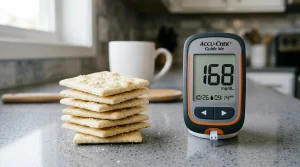
When it comes to desserts, many people with diabetes find themselves navigating a tricky landscape of cravings and health considerations. Angel food cake, known for its light, airy texture and simple ingredients, often appears as a tempting option. But is this dessert truly safe for those managing diabetes? Understanding how this cake fits within dietary guidelines can empower you to make informed choices while enjoying the pleasures of life. Whether you’re attending a gathering or simply craving something sweet, this article will delve into the nutrition of angel food cake, its effects on blood sugar, and tips for including it mindfully in your diet. Join us as we explore how to balance enjoyment with health, ensuring dessert doesn’t become a source of worry but rather a delightful experience.
Understanding Angel Food Cake: A Diabetic Perspective

Angel food cake is a light and airy dessert that offers a delightful option for those managing diabetes, but understanding its implications in a diabetic diet is crucial. Known for its simple ingredients-primarily egg whites and sugar-the cake is low in fat and can be a relatively low-calorie choice. However, its primary component, sugar, raises concerns for those seeking to maintain stable blood glucose levels. This dessert’s sweetness can be tempting, but it’s important to navigate portion sizes and ingredient alternatives wisely to indulge without compromising health.
To better assess the compatibility of angel food cake with diabetic dietary needs, consider its glycemic index (GI). Ingredients matter significantly, as traditional recipes often call for refined white sugar, which can lead to a rapid spike in blood glucose levels. Choosing to prepare angel food cake at home allows you to experiment with sugar substitutes like stevia or erythritol, which deliver sweetness without the same glycemic effect. Incorporating high-fiber ingredients or serving the cake with fruit can also provide a nutritional boost while keeping it diabetes-friendly.
Additionally, practicing portion control is essential when enjoying desserts. A small slice of angel food cake may provide satisfaction while minimizing the impact on blood sugar levels. Always monitor your body’s response after consuming such treats and consult with healthcare professionals for personalized advice tailored to your diabetes management plan. Remember, your journey with diabetes is unique, and making informed choices can empower you and help maintain a balanced and enjoyable diet.
Nutrition Breakdown: Is Angel Food Cake Safe?

Angel food cake may seem like a light dessert option, but understanding its nutritional implications is crucial for those managing diabetes. This sweet treat, traditionally made with egg whites and a substantial amount of sugar, presents both opportunities and challenges. While its low fat and low-calorie profile can be appealing, the high sugar content is a significant concern when it comes to blood glucose management.
To determine whether angel food cake is safe for a diabetic diet, it’s important to consider its glycemic index (GI). Typically, foods with a high GI can lead to rapid spikes in blood sugar levels. Since traditional recipes call for refined sugar, angel food cake could potentially fall into this category. By opting for homemade versions, however, individuals can swap out white sugar for low-glycemic alternatives like stevia or erythritol, which provide the necessary sweetness without the adverse effects on blood glucose. Additionally, incorporating high-fiber toppings such as fresh berries can enhance the nutritional profile of the cake while helping to moderate blood sugar impacts.
Portion control plays a pivotal role in safely enjoying angel food cake as well. Instead of indulging in a large slice, savoring a smaller portion can satisfy cravings without overwhelming the system with sugar. Coupling the cake with protein or fiber-rich foods can also help mitigate any glucose spikes. It’s always wise for individuals to monitor their blood sugar responses after such treats and consult healthcare professionals for tailored advice. Managing diabetes requires a nuanced approach to food choices, and empowering yourself with knowledge about desserts like angel food cake is a step towards a balanced and enjoyable diet.
The Role of Sugar in Diabetes Management
Understanding the impact of sugar on diabetes is essential for anyone looking to manage their condition effectively. Sugar, while a source of energy, can lead to significant fluctuations in blood glucose levels, an aspect critical for diabetics. For example, traditional angel food cake is made primarily with sugar, which affects its glycemic index (GI) and potential as a dessert choice. High GI foods, when consumed, can quickly raise blood sugar levels, making it vital for those with diabetes to choose what they consume carefully.
When examining the role of sugar in a diabetic diet, it’s important to focus on moderation and alternatives. While many desserts, including angel food cake, may be tempting, portion sizes play a crucial role in controlling blood sugar levels. Individual responses to sugar can vary, so it may be beneficial to monitor blood glucose levels after consuming such treats to understand personal tolerance better. Utilizing low-glycemic sweeteners, such as stevia or erythritol, offers a promising way to enjoy sweetness without the rapid spikes associated with regular sugar. These alternatives can allow for the occasional indulgence while helping to maintain steadier blood sugar levels.
Choosing to incorporate fiber-rich and protein-packed elements alongside sugary treats can also be a beneficial strategy. For instance, pairing a small slice of angel food cake with berries can add fiber, minimizing the cake’s overall impact on blood sugar. Additionally, it’s essential to remember that managing diabetes involves more than just dietary choices. Regular consultations with healthcare professionals ensure a tailored approach that considers individual health conditions and lifestyle needs. Creating a balanced diet rich in whole foods, fiber, and healthy fats can significantly contribute to overall well-being, demonstrating that while sugar requires careful management, enjoyable choices can still be made.
In the journey of managing diabetes, education about sugar’s role is empowering. It allows individuals and families to navigate daily challenges confidently. Emphasizing healthy alternatives and close monitoring of how one’s body reacts to certain foods fosters a proactive approach to health-encouraging diabetic individuals to savor their food choices while maintaining their health goals.
Low-Carb Alternatives to Traditional Desserts

In the quest for satisfying sweet cravings, many diabetics find themselves searching for that won’t cause blood sugar spikes. Traditional angel food cake, while airy and delightful, is primarily made from sugar and white flour, which can lead to elevated glucose levels. Fortunately, there are numerous lower-carb dessert options that allow for enjoyment without compromising health.
One popular alternative is using almond or coconut flour in place of regular flour. These flours not only reduce carbohydrate content but also add a rich flavor and texture. For a delightful twist on angel food cake, consider making a low-carb almond flour cake. This cake can be sweetened with sugar substitutes such as erythritol or stevia to keep the carbohydrate count low while still providing necessary sweetness.
Another great option is to explore chia seed puddings. Chia seeds are low in carbs but high in fiber and omega-3 fatty acids, which are beneficial for heart health-a crucial consideration for those with diabetes. Simply mix chia seeds with almond milk or coconut milk, add your favorite low-carb sweetener, and let it sit in the refrigerator until it thickens into a delicious pudding. Top it with a few berries for added flavor and beneficial nutrients.
Chocolate avocado mousse is another innovative dessert that provides a creamy texture and rich taste without the high sugar content of traditional mousses. By blending ripe avocados with cocoa powder and a natural sweetener, you can create a dessert that’s both satisfying and nutritious. It’s not only low in carbs but also packed with healthy fats that can improve overall health.
When considering low-carb desserts, it’s essential to read labels carefully and be mindful of portion sizes. While these alternatives can be healthier, they still could affect blood sugar levels if consumed in large quantities. Regular monitoring of blood glucose after trying new dessert options can help individuals identify their tolerance for different sweeteners and ingredients.
Ultimately, incorporating low-carb desserts into a balanced diet requires creativity and careful planning. Consulting healthcare professionals, such as dieticians or certified diabetes educators, can provide personalized guidance to navigate these choices successfully. This proactive approach empowers individuals to enjoy delicious treats while effectively managing their health.
How Portion Control Affects Blood Sugar Levels

Being mindful of portion sizes is crucial for managing blood sugar levels, especially when enjoying treats like angel food cake. Even though this dessert is lower in fat compared to many other options, it still contains carbohydrates primarily from sugar, which can cause significant spikes in blood glucose if consumed in excess. Understanding the power of portion control allows individuals with diabetes to indulge in their favorite sweets without compromising their health.
When it comes to dessert, visualizing appropriate portion sizes can make a world of difference. For instance, instead of a generous slice of angel food cake, consider cutting a smaller piece, about one inch thick. Pairing this with a dollop of Greek yogurt or a handful of berries not only enhances the dessert’s flavor but also adds protein and fiber, which can help mitigate the effects of sugar on blood sugar levels. Monitoring how different portion sizes affect your blood glucose can provide invaluable insights, allowing you to enjoy sweets responsibly.
To implement effective portion control effectively, it’s useful to adopt some practical strategies. Always serve dessert on a smaller plate to create a visual cue that helps manage expectations. Pre-portioned desserts, such as mini angel food cupcakes or single-serving ramekins filled with dessert, can also be a great way to keep indulgences in check while still satisfying a sweet tooth. Furthermore, keeping a food diary to track food intake and blood glucose responses can give you a clearer picture of how your body reacts to different portion sizes, enabling you to make informed decisions moving forward.
Overall, portion control is a powerful tool in diabetes management, enabling enjoyment of desserts like angel food cake in a manner that supports overall health goals. While it’s necessary to remain vigilant, practicing moderation can empower diabetics, allowing them to satisfy cravings without fear. Always consult healthcare professionals, such as dietitians or diabetes educators, for personalized advice tailored to your specific dietary needs.
Tips for Enjoying Desserts While Managing Diabetes
Diabetics can enjoy desserts, including angel food cake, if they approach them with mindfulness and strategy. Understanding how to indulge without compromising health is empowering. Techniques such as being selective about ingredients, controlling portions, and pairing with nutritious sides can significantly enhance the experience while keeping blood sugar levels stable.
One effective way to enjoy angel food cake is to focus on portion control. Instead of serving a large slice, cut smaller portions-ideally around one inch thick. This practice not only keeps calorie counts manageable but also allows for savoring the dessert without overindulgence. Pairing the cake with low-sugar toppings such as fresh berries or a small dollop of Greek yogurt can add flavor while boosting nutritional value with fiber and protein. These additions help temper the sugar’s impact on blood glucose levels, making your dessert feel more satisfying.
Mindful Eating Habits
Incorporating mindful eating habits is a game changer. Taking time to truly experience the flavors and textures can foster a greater appreciation for the food and diminish the urge to overeat. Chewing slowly and savoring each bite allows time for feelings of fullness to develop, helping you stop before reaching the point of excess.
Additionally, planning dessert into your daily meal can be beneficial. If you know you’ll have a treat later in the day, consider balancing your meals by choosing lower-carbohydrate options for lunch or dinner. Keeping a food diary may also assist in tracking how various desserts and portion sizes affect your blood sugar levels, which will aid in refining your choices over time.
Consulting with Professionals
Remember, your healthcare team can provide invaluable personalized advice tailored to your specific needs and preferences. Regular meetings with a dietitian can help create a meal plan that includes desserts, ensuring you maintain balance in your diet while enjoying your favorite treats. They can suggest alternative dessert options tailored to your palate and health goals. Emphasizing these holistic approaches can transform your dessert experience from a challenge into a delightful part of your routine, helping you manage diabetes with confidence and enjoyment.
Homemade vs. Store-Bought: What to Choose?
When it comes to enjoying angel food cake, diabetics often face the dilemma of choosing between homemade and store-bought versions. Each option presents unique advantages and drawbacks that can significantly impact blood sugar management and overall health. Homemade angel food cake allows for precise control over ingredients, empowering individuals to substitute or reduce sugar and opt for lower-glycemic alternatives. By baking at home, you can use natural sweeteners, such as erythritol or monk fruit, which have minimal effects on blood glucose levels while still providing a sweet taste.
In contrast, store-bought angel food cakes can be incredibly convenient, but they often contain additives, refined sugars, and preservatives that may spike blood sugar. Many commercial varieties also include higher-carb flours or syrups to enhance flavor and shelf life. It’s essential for diabetic individuals to read product labels carefully; look for cakes with minimal ingredients and lower sugar content. If you opt for a store-bought option, consider brands that specifically market themselves as low-sugar or diabetic-friendly.
Making a homemade cake may also allow you to explore creative topping options that further fit your dietary needs. For instance, topping angel food cake with fresh berries provides antioxidants and fiber without overwhelming sweetness, making it a satisfying choice. On the other hand, store-bought varieties might not provide the same flexibility with toppings, as many pre-packaged options are already sweetened excessively.
Ultimately, both options can fit into a diabetic-friendly diet if chosen wisely. Whether you decide to bake at home or purchase from a store, integrating angel food cake thoughtfully into your overall meal plan is key. Additionally, consulting with a healthcare professional or dietitian can help tailor these choices to individual blood sugar management goals, ensuring a delicious dessert experience without compromising health.
The Impact of Glycemic Index on Dessert Choices
Understanding how the glycemic index (GI) affects dessert choices can empower those managing diabetes to make informed decisions about what to indulge in. The glycemic index is a measure that ranks foods according to their impact on blood glucose levels. Foods with a high GI can cause rapid spikes in blood sugar, while low-GI foods are digested slower, leading to a more gradual rise and fall in blood glucose levels, which is crucial for diabetes management.
When considering desserts like angel food cake, it’s essential to recognize that the traditional recipe contains sugar and flour, both of which generally have higher glycemic indexes. However, the light and airy texture of angel food cake means it might not spike blood sugar as much as denser desserts. The key lies in ingredient substitutes and portion sizes. For example, using almond flour instead of regular white flour can lower the GI of a cake significantly. Additionally, choosing natural sweeteners, such as stevia or erythritol, can maintain sweetness while helping keep blood sugar levels in check.
In practical terms, pairing low-GI desserts with fiber-rich ingredients can also mitigate blood sugar spikes. Topping angel food cake with fresh fruits like berries-which are low in sugar and packed with fiber-can enhance both flavor and nutritional value without overloading calories or carbs. Similarly, incorporating nuts or seeds into your dessert can add healthy fats and protein, promoting satiety and balanced blood sugar levels.
Ultimately, understanding the glycemic index equips individuals with the knowledge to enjoy desserts mindfully. Always consult with a healthcare professional or a registered dietitian for personalized dietary advice, especially when introducing new foods or making significant changes to your diet. They’ll help you navigate the balance between enjoying desserts and maintaining proper blood sugar management, ensuring dessert remains a delightful part of life while adhering to health goals.
Incorporating Angel Food Cake into a Balanced Diet
Incorporating desserts into a balanced diet can feel daunting, especially when managing diabetes. Yet, angel food cake, with its light and airy texture, provides a unique opportunity to enjoy a sweet treat while being mindful of blood sugar levels. Unlike denser cakes, angel food cake generally has a lower glycemic index due to its primary ingredients: egg whites and sugar. When prepared thoughtfully, it can fit into a diabetic-friendly diet without overwhelming blood glucose.
To truly embrace angel food cake as part of a healthy lifestyle, consider how to enhance its nutritional profile. The cake can serve as a delightful base for a variety of toppings that not only satisfy sweet cravings but also contribute beneficial nutrients. Fresh berries, for example, add natural sweetness and significant fiber, which aids in digestion and helps manage blood sugar levels. Additionally, incorporating a dollop of Greek yogurt instead of whipped cream can provide protein and probiotics, supporting overall health and satiety.
Another crucial aspect of including angel food cake in your diet is portion control. Even though it is lighter than many desserts, serving sizes can still impact blood sugar. Aim to enjoy a slice that fits within your carbohydrate allowance for the meal. Pairing your cake with a protein-rich food, such as a handful of nuts or a side of cheese, can slow carbohydrate absorption, mitigating blood sugar spikes. Keep in mind that moderation is key; enjoying a small slice occasionally can be a fulfilling part of a diabetes management plan.
Ultimately, angel food cake can be part of a balanced diet when approached with creativity and care. It’s always a good idea to discuss any dietary changes or dessert choices with a healthcare professional to ensure they align with your personal health goals. By staying informed and making conscious food choices, you can savor sweet moments while maintaining effective diabetes management strategies.
Diabetic-Friendly Toppings and Additions
To enjoy angel food cake while managing diabetes effectively, consider the numerous topping options that add both flavor and nutritional value. One of the greatest advantages of angel food cake is its versatility, allowing you to craft a dessert that not only satisfies your sweet tooth but also supports your health goals.
Fresh fruits such as berries, peaches, or kiwi make excellent toppings for angel food cake. Berries, in particular, are rich in antioxidants and fiber, helping to moderate blood sugar levels. A cup of mixed berries can provide a delightful burst of flavor, along with vitamins that promote overall health. Their natural sugars are balanced by their fiber content, making them a safe choice for your diabetic-friendly dessert.
Another fantastic addition is Greek yogurt, which can replace traditional whipped cream. Greek yogurt is high in protein and contains probiotics that benefit gut health. By adding a dollop of non-fat or low-fat Greek yogurt, you not only enhance the creaminess of your dessert but also increase its nutritional profile, making it a more satisfying choice while helping to keep blood sugar levels stable.
For those wishing to explore other flavors, consider a sprinkle of cinnamon or nutmeg, which can enhance the taste without adding calories or sugar. These spices may also help manage blood sugar levels due to their potential benefits in insulin sensitivity. Furthermore, you can add a drizzle of sugar-free fruit sauce or a homemade fruit compote to introduce natural sweetness without the added sugars.
Incorporating nuts or seeds, such as slivered almonds or chia seeds, can also provide healthy fats and additional fiber. These toppings add a delightful crunch and are beneficial for maintaining stable blood sugar levels. When choosing toppings, structural integrity and nutritional impact should be the guiding principles. As always, consult with healthcare professionals who can help tailor your dietary choices to fit your specific health needs, ensuring that dessert remains a joyful and guilt-free experience.
Consulting Healthcare Professionals for Dietary Choices
Consulting a healthcare professional is a crucial step in managing diabetes effectively, especially when it comes to dietary choices. Dieticians, nutritionists, or endocrinologists can provide tailored guidance that aligns with individual health goals and lifestyle needs. For those who enjoy treats like angel food cake, professional advice can be instrumental in determining how to incorporate such desserts into a balanced meal plan safely.
Engaging in regular discussions with a healthcare provider allows for a comprehensive approach to diabetes management. This includes assessing carbohydrate intake, monitoring blood sugar levels, and identifying the potential impact of foods like angel food cake on overall health. Professionals can help devise a meal plan that includes appropriate portion sizes, balancing desserts with nutritious foods to ensure that cravings are satisfied without compromising blood sugar control.
Moreover, these experts can offer valuable insights into low-carb alternatives and healthier substitutions that maintain flavor while reducing the risk of blood sugar spikes. For instance, they may suggest sugar-free options or natural sweeteners that can make a diabetic-friendly version of traditional recipes. They can also emphasize how to enjoy desserts like angel food cake in moderation, teaching patients how to recognize their body’s signals and adjust portion sizes accordingly.
Incorporating healthcare guidance fosters confidence in making dietary choices while managing diabetes. Regular consultations not only strengthen nutritional knowledge but also empower individuals and families to navigate daily challenges linked to food, health, and wellness. By working closely with qualified professionals, one can ensure that every sweet moment, including enjoying angel food cake, remains a positive part of a healthy lifestyle.
Delicious Alternatives: Other Safe Dessert Options
When searching for dessert options that accommodate a diabetic lifestyle, it’s essential to prioritize choices that offer sweetness without significant blood sugar spikes. Fortunately, there are numerous delicious alternatives to traditional desserts like angel food cake that can satisfy sweet cravings while being mindful of carbohydrate intake. By exploring these alternatives, individuals managing diabetes can enjoy sweet treats without compromising their health.
Fruit-Based Desserts
Fresh fruit provides a natural sweetness along with essential vitamins and fiber, making it an excellent choice for dessert. Consider creating a fruit salad with a variety of berries, melons, and citrus fruits. Berries, such as strawberries, blueberries, and raspberries, boast lower glycemic indexes compared to many other fruits, making them particularly friendly for blood sugar management. A fruit parfait, layered with a small amount of low-fat Greek yogurt, can also offer a delicious and satisfying dessert option.
Dark Chocolate Delights
For chocolate lovers, dark chocolate can be a satisfying and healthier dessert option, especially varieties that contain at least 70% cocoa. Dark chocolate is lower in sugar than milk chocolate and is rich in antioxidants. Enjoy it in moderation-pairing a small square of dark chocolate with nuts can create a delightful and indulgent treat that satisfies cravings without excessive carbohydrates.
Low-Carb Baking Adventures
For those who enjoy baking, experimenting with low-carb ingredients can yield nutritious, diabetic-friendly desserts. Almond flour and coconut flour can substitute traditional flour in recipes, and natural sweeteners like stevia or erythritol can replace sugar without significant calorie or carb contributions. Whipping up a batch of low-carb muffins or brownies can provide a delightful dessert experience while keeping blood sugar levels stable.
Homemade Frozen Treats
Another fun option is to make homemade frozen treats. Blending fresh fruits with Greek yogurt or using coconut milk can create delectable frozen popsicles. These treats are not only refreshing but also allow complete control over ingredients, ensuring that they meet dietary needs without hidden sugars.
Incorporating these delicious alternatives into your diet offers a variety of flavors and textures that can make managing diabetes feel less restrictive. Remember to consult with healthcare professionals to tailor these suggestions to personal dietary needs and preferences, ensuring that every dessert experience is enjoyable and health-conscious.
Frequently Asked Questions
Q: Can diabetics eat Angel Food Cake?
A: Yes, diabetics can enjoy Angel Food Cake in moderation. It is lower in fat than many other cakes and can be made with sugar substitutes to reduce carbohydrate content. Portion control is key, as even low-fat desserts can impact blood sugar levels.
Q: What are the sugar alternatives for making Angel Food Cake diabetic-friendly?
A: Use sugar substitutes such as Stevia, erythritol, or monk fruit sweetener when making Angel Food Cake. These alternatives provide sweetness without raising blood sugar levels, making the dessert safer for diabetics. Consult the recipe for specific replacement ratios.
Q: How does portion size affect blood sugar when eating Angel Food Cake?
A: Portion size significantly affects blood sugar levels for diabetics. It’s advisable to keep servings small-about one slice or cup. Monitor blood glucose before and after eating to understand how your body responds.
Q: What ingredients should I avoid in Angel Food Cake for diabetes?
A: Avoid traditional white sugar and high-carb toppings like heavy frostings or sugary syrups. Instead, opt for fruit-based toppings or whipped cream made from low-calorie sweeteners for a healthier dessert option.
Q: Is homemade or store-bought Angel Food Cake better for diabetics?
A: Homemade Angel Food Cake is generally better for diabetics, as you can control ingredients and sweeteners. Store-bought versions may contain added sugars or preservatives that could affect blood sugar levels.
Q: What is the glycemic index of Angel Food Cake?
A: Angel Food Cake has a moderate glycemic index, around 46-60, meaning it can cause a moderate increase in blood sugar. Pairing it with protein or fiber can help lower the glycemic impact.
Q: Can I add fruits to Angel Food Cake for a diabetic diet?
A: Yes, adding fresh fruits like berries or peaches can enhance flavor and provide vitamins. Choose fruits that are low in sugar and watch the portion size to maintain blood sugar levels.
Q: How can I incorporate Angel Food Cake into a balanced diet as a diabetic?
A: Incorporate Angel Food Cake as an occasional treat in a balanced diet by measuring portions and balancing it with lower-carb foods throughout the day. Always monitor your blood sugar to understand how it affects you personally.
In Retrospect
As we’ve explored, enjoying angel food cake as a diabetic-friendly dessert can be a delightful option when managed wisely. Remember, moderation is key! If you’re curious about meal planning that balances taste and health, check out our guide on the Mediterranean Diet for Diabetes or learn more about managing your blood sugar levels effectively.
Don’t wait to make informed decisions that suit your lifestyle-sign up for our newsletter for ongoing tips and insights to support your journey in managing diabetes. We invite you to share your thoughts or experiences in the comments below; your input could help others navigate their dessert choices. For further resources, consider consulting with a healthcare professional who can tailor advice specific to your needs. Together, we can embrace a satisfying, healthy life while enjoying the occasional sweet treat.
Get our latest guides, news, and insights highlighted in your Google Search & AI Overviews.