For many people managing diabetes, sweet treats can seem off-limits. However, when it comes to Angel Food Cake, there may be hope for those with a sweet tooth! This light and airy dessert often contains fewer calories and sugar than traditional cakes, making it a potentially viable option for satisfying cravings. But is it truly suitable for diabetics? Understanding how Angel Food Cake fits into your dietary needs can empower you to make informed choices without feeling deprived. Join us as we explore the ingredients, nutritional benefits, and considerations for including this delightful dessert in a diabetes-friendly lifestyle.
Is Angel Food Cake Worth It for Diabetics?
Angel food cake can be a delightful option for those managing diabetes, especially when enjoyed in moderation. Its light and airy texture, primarily made from egg whites, makes it lower in fat compared to traditional cakes. However, the primary concern for diabetics rests on its carbohydrate content, which can lead to spikes in blood glucose levels if not managed wisely. With roughly 15-20 grams of carbohydrates per serving, it’s crucial for individuals to incorporate mindful strategies that allow them to satisfy cravings without compromising their health.
One of the best approaches to enjoying angel food cake lies in understanding its components. The cake usually contains simple ingredients like egg whites, sugar, and cake flour. Therefore, diabetics should pay close attention to the type and amount of sweetener used, as traditional recipes often rely on granulated sugar. Exploring alternative sweeteners, such as stevia or erythritol, can yield a version of the cake that fits within diabetic-friendly guidelines. Moreover, portion control is key; a small slice can satisfy a sweet tooth while keeping carbohydrate intake manageable.
Ultimately, the suitability of angel food cake in a diabetic diet also depends on how it’s integrated into one’s overall eating plan. Incorporating it alongside high-fiber foods, such as fresh berries or a dollop of Greek yogurt, can help mitigate the blood sugar impact and create a more balanced dessert experience. Furthermore, consulting with a healthcare professional or dietitian can provide personalized strategies, ensuring that indulgences like angel food cake can be enjoyed as part of a healthy, balanced diet. By understanding and implementing these guidelines, diabetics can savor the sweetness of life without compromising their health.
Understanding Carbohydrates in Angel Food Cake
The delicate charm of angel food cake makes it a beloved choice for many, but for those managing diabetes, understanding its carbohydrate content is crucial. Each serving of this airy dessert typically contains around 15-20 grams of carbohydrates, which can impact blood glucose levels if not consumed carefully. This cake, primarily made from egg whites, sugar, and flour, allows for culinary creativity while also posing challenges for blood sugar management.
Carbohydrates in our diets can cause our blood sugar to rise, so it’s essential to look at not just the quantity but also the quality of carbohydrates in angel food cake. While it may seem like a lighter option compared to traditional cakes, the reliance on sugar in standard recipes can lead to quick spikes in glucose levels. Diabetics can benefit from understanding how to balance their intake by considering the overall carbohydrate content of their meals. One empowering strategy involves pairing angel food cake with protein or fiber-rich foods, such as Greek yogurt or fresh fruit, which can help slow digestion and minimize blood sugar fluctuations.
Furthermore, adopting alternative sweeteners can greatly modify the dessert’s impact on blood glucose. By substituting granulated sugar with natural, lower-calorie options like stevia or monk fruit, individuals can enjoy the sweet experience of cake without the same carbohydrate burden. This flexibility means that enjoying a slice of angel food cake is not only possible but can be a delightful addition to a balanced meal.
When managing diabetes, it is vital to work closely with healthcare professionals to develop a food plan that suits individual needs. Understanding how angel food cake fits within one’s dietary framework can empower those living with diabetes to make informed choices, enjoy special occasions, and participate in sweet traditions without fear. Exploring these options ensures that enjoying dessert is not just about the moment but about sustaining long-term health and well-being.
The Importance of Portion Control for Diabetics
The delicate balance of managing diabetes can often feel overwhelming, but understanding portion control can transform how individuals approach beloved desserts like angel food cake. Just because a dessert may seem light and airy doesn’t mean it’s free from consequences when it comes to blood sugar levels. In fact, a standard serving of angel food cake can contain significant carbohydrates that necessitate careful consideration. Serving sizes are crucial; after all, even healthy foods can lead to unwanted spikes in glucose if eaten in excess.
To effectively incorporate angel food cake into a diabetic-friendly diet, adopting mindful portion control is essential. Many experts recommend using a smaller plate or measuring tools to ensure that the portion is manageable. An ideal serving size might be around one-sixth of a standard cake, which helps keep carbohydrate intake within a reasonable range. Given that desserts are often meant to be shared, offering pieces to others can not only moderate intake but also foster communal enjoyment of special treats.
Alongside portion control, it’s valuable to consider how the dessert fits within the larger meal context. Pairing smaller portions of angel food cake with a source of protein or healthy fat can slow the absorption of sugar into the bloodstream. For instance, a dollop of unsweetened Greek yogurt or a handful of nuts can turn a small slice of cake into a more balanced experience, leading to sustained energy levels rather than an immediate sugar rush.
Ultimately, the journey of managing diabetes is a personal one, marked by individual preferences and responses to food. Maintaining open lines of communication with healthcare providers can ensure that a tailored approach to portion sizes and overall dietary choices is achieved, enabling individuals to enjoy desserts like angel food cake without compromising their health goals. Empowering oneself with education on portion control can pave the way for sweet memories without the lasting repercussions on one’s health.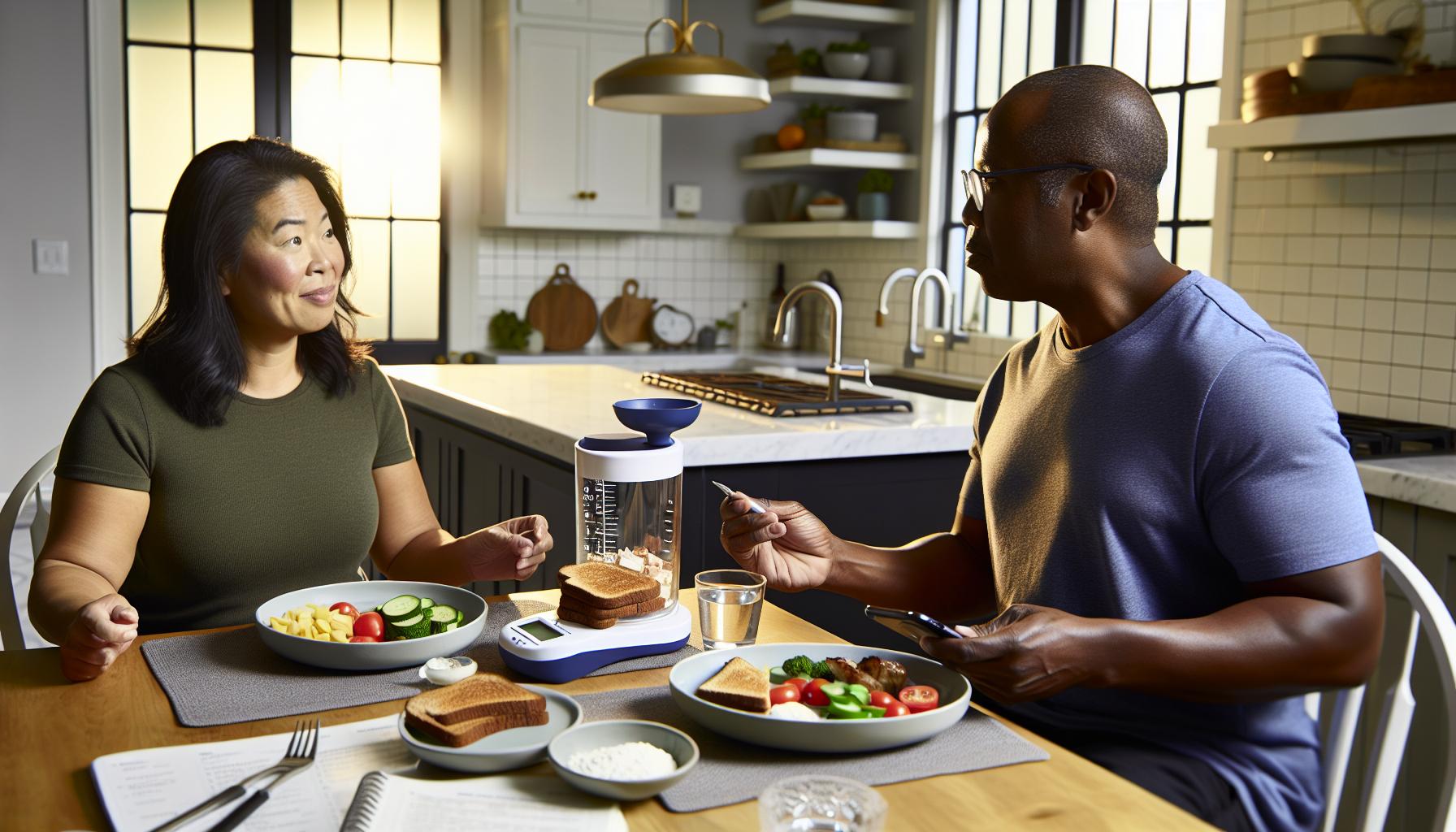
Sweeteners Used in Angel Food Cake: A Deep Dive
Angel food cake, known for its light and airy texture, can raise an important question for those managing diabetes: what kind of sweeteners should be used to keep this dessert enjoyable yet safe? Traditionally, the cake is sweetened with granulated sugar, which can significantly spike blood glucose levels. However, innovative alternatives are available that allow those with diabetes to indulge responsibly.
When exploring sweetener options, understanding the carbohydrate content is essential. Artificial sweeteners like sucralose, aspartame, and saccharin provide sweetness without the calories and carbs found in sugar. These alternatives can be included in angel food cake recipes without compromising taste, making it easier to maintain stable glucose levels. Natural sweeteners such as stevia and erythritol are also gaining popularity. They not only offer sweetness but often have minimal impact on blood sugar, making them suitable for a diabetic-friendly dessert.
Another factor to consider is how the choice of sweetener affects the cake’s texture. For example, sugar contributes not just sweetness but also moisture and structure. When substituting sweeteners, it may be necessary to adjust the recipe slightly to maintain the desired lightness of the cake. It’s beneficial to experiment with combinations of sweeteners to achieve both taste and a suitable texture. For instance, a blend of erythritol and stevia can provide the necessary sweetness while keeping carbohydrate content low.
Incorporating these sweeteners into your baking can be a fun and creative process! Just remember to monitor your blood sugar levels after enjoying a slice, as individual responses to different sweeteners can vary. Striking the right balance that satisfies your sweet tooth while managing diabetes is possible-a little experimentation can lead to delicious results that fit well within your meal plan. As always, consult with a healthcare professional before making significant changes to your diet to ensure the choices you make align with your health goals.
Comparing Angel Food Cake to Other Desserts
Angel food cake is often celebrated for its light and airy texture, but how does it compare to other popular desserts, especially when considering the dietary needs of those managing diabetes? To fully appreciate its potential role in a diabetic-friendly diet, it’s essential to look at the carbohydrate content, calorie load, and glycemic impact of various desserts.
Many traditional desserts like chocolate cake, cheesecake, or pastries tend to be dense with sugar and fat, leading to higher calorie counts and significant spikes in blood glucose levels after consumption. For instance, a slice of chocolate cake can average over 400 calories and upwards of 50 grams of carbohydrates. In contrast, a slice of angel food cake made without added sugars can deliver around 70 calories and approximately 15 grams of carbohydrates. This stark difference makes angel food cake an appealing option for those looking to satisfy their sweet tooth without compromising their blood sugar levels.
Furthermore, the versatility of angel food cake is noteworthy. It can be easily adapted with diabetic-friendly ingredients such as sugar substitutes, fruit purees, or low-carb toppings. This adaptability allows individuals to enjoy a variety of flavors, from berry-studded additions to hints of citrus, all while maintaining a lower glycemic index than many sugary desserts. However, portion control remains paramount. Even the best options can affect blood glucose levels if consumed in excess.
When considering dessert choices, it’s vital to weigh not only the immediate carbohydrate content but also the wider context of your overall dietary plan. Incorporating treats like angel food cake thoughtfully into meals can create a balanced approach to diabetes management. Sticking to small servings and pairing your treat with protein or healthy fats-such as a dollop of Greek yogurt or a handful of nuts-can also help stabilize blood sugar levels, making it a fun yet manageable indulgence. Thus, when navigating dessert options, angel food cake stands out as a lighter and more diabetes-friendly alternative that can fit harmoniously into your meal planning.
Nutrition Breakdown: What You Need to Know
Angel food cake provides a delightful option for those managing diabetes, primarily due to its lower carbohydrate and calorie counts compared to denser, sugar-laden desserts. With an impressive approximately 70 calories and 15 grams of carbohydrates per slice when made without added sugars, it’s easier on blood sugar levels. This cake achieves its light texture from whipped egg whites, which are low in carbs, and minimal ingredients, making it a suitable treat in moderation.
To maximize the benefits of angel food cake while managing diabetes, understanding its nutritional profile is crucial. The following elements are paramount:
- Calories: Typically, a slice contains around 70 calories, making it a low-calorie dessert choice.
- Carbohydrates: A serving generally has about 15 grams of carbohydrates, which may be more manageable than the typical 50 grams found in richer desserts.
- Protein: While not a significant source of protein, the egg whites used can contribute about 2 grams of protein per serving. Pairing it with a protein source can further stabilize blood sugar levels.
- Fats: Angel food cake is essentially fat-free, making it a heart-healthy option compared to many traditional cakes.
Balancing the Indulgence
Despite its appealing profile, angel food cake can still impact blood sugar levels if overconsumed. Portion control is vital. A small slice paired with a source of healthy fat or protein-like a dollop of unsweetened whipped cream or a side of Greek yogurt-can help mitigate glycemic spikes and enhance overall satisfaction. Always consider your total carb intake for the day to ensure that each treat fits within your dietary goals.
Sweet Options with Caution
When making or purchasing angel food cake, it’s wise to scrutinize the ingredients. Many commercial versions may include added sugars or syrups. For a diabetic-friendly version, consider using sugar substitutes such as stevia or erythritol. These alternatives enable you to enjoy sweetness without the adverse blood sugar impact, making your dessert not only enjoyable but also compliant with your dietary needs. Always consult with a healthcare professional or a registered dietitian for tailored advice to suit your individual health picture.
How to Make Angel Food Cake Diabetic-Friendly
To create a diabetic-friendly version of angel food cake, mindful ingredient choices and creative substitutions are key. The cake’s naturally low-fat and low-calorie profile can be enhanced by further modifying its sugar and carbohydrate content. By employing alternatives that maintain the cake’s delicate texture and sweet flavor, you can indulge while still keeping your blood sugar levels in check.
One of the primary adjustments involves replacing traditional sugar with low-calorie sweeteners. Options such as stevia, erythritol, or monk fruit sweetener provide sweetness without the spike in blood glucose. When using these substitutes, keep in mind that each sweetener behaves differently; erythritol, for example, measures cup-for-cup with sugar, while stevia is significantly sweeter, requiring less to achieve the desired flavor. Experimenting with these alternatives can lead to the perfect balance that satisfies your sweet tooth while supporting your health goals.
In addition, it’s essential to pay attention to the flour used in your angel food cake. Traditional recipes call for all-purpose flour, which is higher in carbs. Instead, consider using almond flour or coconut flour in moderation; these options can lower the overall carbohydrate content while providing a delightful nutty flavor. Remember to consider the baking time and texture when using alternative flours, as they may require slight adjustments in your recipe.
Finally, always stick to appropriate portion sizes. Even a diabetic-friendly angel food cake can affect blood sugar levels if consumed in excess. A small slice, perhaps paired with some unsweetened whipped cream or a handful of berries, can create a satisfying dessert experience without leading to a significant glycemic response. Consulting a healthcare provider or a registered dietitian for personalized advice can also help you navigate these choices effectively. By incorporating these practices into your baking, you can enjoy a treat that aligns with your dietary needs and promotes overall well-being.
Tips for Enjoying Desserts as a Diabetic
When managing diabetes, enjoying desserts can feel like a challenge, but it doesn’t have to be. By embracing a few thoughtful strategies, you can savor the sweetness of desserts without compromising your health. Start by incorporating treats with a lower glycemic impact, such as a well-prepared angel food cake, which can be modified to be both delicious and diabetic-friendly.
Smart Ingredient Choices
Opt for desserts that utilize alternative sweeteners like stevia, erythritol, or monk fruit sweetener. These options can provide sweetness without the spike in blood sugar associated with regular sugar. Moreover, choosing ingredients with beneficial nutrients-like using whole grains or adding fruits to your recipes-can enhance the overall value of your dessert. For example, pairing a slice of angel food cake with fresh berries not only adds flavor but also introduces fiber, which can help moderate blood sugar levels.
Mindful Portion Control
Another essential component is portion control. Even diabetic-friendly desserts can lead to elevated blood sugar levels if consumed in large amounts. Aim to keep your portions modest-think of slicing your cake into smaller pieces and enjoying it slowly. This allows you to appreciate the flavors while keeping your intake in check. Additionally, consider sharing your dessert or saving half for later; this can help you maintain balance in your overall diet.
Enhancing the Experience
When it comes to enjoying desserts, presentation and pairing can elevate your experience. Instead of traditional toppings that may be high in sugars and fats, try using unsweetened whipped cream or a dollop of Greek yogurt for added creaminess and protein. You can also sprinkle some cinnamon or nutmeg for an extra kick without additional sugar. Engaging in mindful eating practices-savoring each bite and appreciating the flavors-can further enhance satisfaction and reduce the urge to overindulge.
Engaging in the community, whether through local support groups or online forums, can also provide inspiration and reassurance. Sharing recipes, tips, and personal experiences with other diabetics fosters a supportive environment where individuals can explore dessert options without the burden of feeling isolated in their dietary choices. Remember, it’s all about balance and making informed decisions that fit within your daily management plan. Prioritize conversations with healthcare professionals to create a personalized approach to desserts within your diet.
Real-Life Experiences: Diabetics Share Their Stories
Many diabetics navigate the challenges of dessert cravings by finding creative ways to satisfy their sweet tooth without sacrificing their health. Stories abound of individuals who have adapted traditional favorites like angel food cake, allowing them to enjoy a beloved treat while keeping blood sugar levels in check. One inspiring account comes from Mary, a lifelong baker who felt discouraged after her diabetes diagnosis. Determined to still share desserts at family gatherings, she decided to modify her angel food cake recipe. By substituting sugar with stevia and adding fresh berries, Mary not only lowered the glycemic impact but also enhanced the flavor profile. Her family enjoyed the cake so much that they didn’t even realize it was diabetic-friendly!
Similarly, James, a father of two, found himself in a tight spot during birthday parties. He was committed to maintaining a healthy diet while also wanting to indulge in the festivities. After experimenting with various recipes, he discovered that he could create a lighter version of angel food cake that used almond flour and erythritol instead of conventional flour and sugar. This helped him control carbohydrate intake and still join in on the cake-cutting celebration without worries. His children loved helping him decorate the cake with sugar-free toppings, and they appreciated the special treats he brought to their parties.
One lesson that these experiences highlight is the importance of community and sharing ideas. Many diabetics find solace in online forums where they can exchange recipes and tips on making desserts more health-conscious. They learn how ingredient substitutions work to create a diabetic-friendly environment that is both enjoyable and supportive. Engaging in such communities fosters a sense of belonging and encourages creativity in the kitchen, enabling others to craft their own versions of angel food cake.
Above all, these personal experiences illustrate that with a few thoughtful modifications and an encouraging community, diabetes management can include delightful desserts. Consulting with healthcare professionals helps ensure that any modifications fit well within individual dietary goals, paving the way for a balanced approach to enjoying life’s sweet moments.
Professional Advice: What Dietitians Recommend
Dietitians often emphasize the power of balance and moderation when it comes to satisfying sweet cravings, especially for those managing diabetes. When it comes to enjoying desserts like angel food cake, expert recommendations can help individuals make informed choices that align with their health goals. One of the key aspects highlighted by nutrition professionals is the importance of understanding the ingredient list and portion sizes. Angel food cake, traditionally made from egg whites and sugar, is lower in fat than many other cakes but can still spike blood sugar levels if large portions are consumed.
To make angel food cake a more diabetic-friendly option, dietitians often suggest looking for recipes that substitute high-glycemic sweeteners with lower-glycemic alternatives. Sweeteners such as stevia, erythritol, or monk fruit can significantly reduce the cake’s impact on blood sugar. Additionally, incorporating fiber-rich ingredients, such as whole grain flour or adding fresh fruits, can help mitigate blood sugar spikes.
Another recommendation is to practice portion control. Dietitians generally advise serving smaller slices of cake and complementing them with protein or healthy fats, such as nuts or yogurt, to create a more balanced snack. This not only enhances the nutritional profile of the dessert but also helps in stabilizing glucose levels. It’s also advisable for individuals to keep a food diary to track how different desserts affect their blood sugar, allowing for personalized adjustments.
Lastly, dietitians encourage individuals with diabetes to consult with their healthcare providers when making dietary changes or experimenting with new recipes. This collaborative approach ensures that any modifications to dessert choices fit harmoniously within a comprehensive diabetes management plan. By blending these professional insights with creative culinary adaptations, enjoying a delicious slice of angel food cake can be both satisfying and health-conscious.
Integrating Angel Food Cake into a Balanced Diet
Angel food cake can be a delightful addition to a balanced diet for those managing diabetes, offering a light, airy texture and a sweet flavor that many enjoy. While traditionally made with sugar, the cake’s versatility allows for various adjustments that enhance its compatibility with diabetic needs. It’s essential to integrate this dessert in a thoughtful manner, ensuring that individuals can enjoy a slice without compromising their blood sugar control.
To seamlessly incorporate angel food cake into a diabetic-friendly diet, consider the following strategies:
Utilize Healthier Ingredients
Creating a homemade version of angel food cake allows for ingredient substitutions that can make a difference. Aim to replace standard sugar with alternatives like stevia or erythritol, which have a lower glycemic index and can lead to smaller spikes in blood sugar levels. Additionally, incorporating whole grain flour or adding fresh fruits not only enhances the flavor but also introduces beneficial fiber, which helps moderate glucose absorption.
Practice Mindful Portion Sizes
Understanding portion control is critical for diabetes management. A smaller slice of angel food cake paired with a protein source, such as a dollop of Greek yogurt or a handful of nuts, can create a satisfying and balanced treat. This combination leverages the nutritional benefits of both the dessert and the accompanying snack, helping to maintain stable blood sugar levels while still allowing for enjoyment of sweet flavors.
Track Your Body’s Response
Many people with diabetes find it helpful to keep a food diary to monitor how different foods affect their blood sugar levels. By noting the impact of angel food cake on their numbers, individuals can better understand their body’s responses and make more informed decisions about when and how much to enjoy this dessert. This practice empowers them to personalize their eating plans, ensuring that their dietary choices align with their health goals.
While indulging in delicious desserts like angel food cake is possible, the key lies in balance and moderation. Consulting with healthcare providers and nutrition professionals prior to making notable dietary changes is always advisable. They can offer tailored advice that accommodates individual health needs and supports overall diabetes management. By embracing these practices, those with diabetes can enjoy desserts as part of a healthy lifestyle, reinforcing the idea that managing diabetes doesn’t mean sacrificing the pleasures of good food.
Exploring Safe Serving Suggestions and Pairings
When it comes to indulging in treats like angel food cake, the way you serve it can enhance both enjoyment and health benefits, especially for those managing diabetes. By thoughtfully considering serving suggestions and pairings, you can turn a simple slice into a balanced treat that aligns with your dietary needs.
One of the most effective strategies is to pair angel food cake with toppings that add nutritional value without significantly increasing carbohydrate content. For instance, consider layering your cake with fresh berries such as strawberries, blueberries, or raspberries. Rich in antioxidants and fiber, these fruits contribute natural sweetness while also providing essential nutrients. A light drizzle of unsweetened yogurt or a dollop of Greek yogurt can also add creaminess and protein, making the meal more satisfying and helping to stabilize blood sugar levels.
It’s also beneficial to incorporate protein-rich snacks alongside your cake. Providing balance with sources like nuts, nut butters, or seeds not only enhances the flavor profile but can also help moderate the glycemic response. For instance, preparing a small serving of almond butter with angel food cake is an excellent way to combine healthy fats and protein, creating a well-rounded post-meal option.
Serving size is another vital element. Rather than indulging in a large slice, aim for a smaller portion of angel food cake and complement it with protein-rich sides and fiber-rich fruits. This approach allows for a satisfying experience without overwhelming your carbohydrate intake at once. Additionally, consider making angel food cake bites by cutting them into smaller squares and sharing them with family or friends, making it easier to enjoy in moderation while still being part of social interactions.
Ultimately, enjoying desserts like angel food cake while managing diabetes is all about creating balance. By thoughtfully selecting accompaniments that enhance nutritional value and practicing portion control, you can savor the sweetness and texture of this delightful dessert without compromising your health. Always remember to consult your healthcare professional for personalized advice tailored to your individual health needs.
FAQ
Q: Can diabetics eat angel food cake?
A: Yes, diabetics can eat angel food cake in moderation. It typically contains fewer calories and fat than traditional cakes, making it a lighter option. However, portion control is essential to manage carbohydrate intake effectively.
Q: What makes angel food cake a better choice for diabetics?
A: Angel food cake is made primarily from egg whites and sugar, resulting in lower fat content compared to other cakes. When consumed in small portions, it can fit into a diabetic meal plan, particularly when paired with healthy toppings, such as fresh fruit.
Q: Are there sugar-free versions of angel food cake?
A: Yes, sugar-free versions of angel food cake can be made using alternative sweeteners like stevia or erythritol. These options maintain sweetness without increasing blood sugar levels, making them suitable for diabetics.
Q: How can I reduce the carbohydrates in angel food cake?
A: To lower carbohydrates in angel food cake, consider using almond flour or coconut flour instead of traditional flour and substitute sugar with diabetic-friendly sweeteners. This allows for a cake that aligns better with diabetic dietary needs.
Q: What are healthy toppings for angel food cake for diabetics?
A: Healthy toppings for angel food cake include fresh berries, unsweetened whipped cream, or a light fruit compote. These toppings add flavor without significantly increasing sugar levels, making for a delicious and safe dessert option.
Q: Is angel food cake suitable for someone’s who is pre-diabetic?
A: Yes, angel food cake can be suitable for pre-diabetics if eaten in moderation. Its low fat and calorie count can be beneficial, but it’s essential to maintain portion control and monitor blood sugar levels after consumption.
Q: How does angel food cake compare to other desserts for diabetics?
A: Angel food cake is generally lower in calories and fat than many traditional desserts. This can make it a preferable option. However, always check the ingredient list for added sugars or high-carb components.
Q: Should I consult a dietitian before adding angel food cake to my diet?
A: Yes, consulting a dietitian can help tailor dessert choices, like angel food cake, to your individual dietary needs, especially if you have diabetes. They can provide personalized advice for managing your carb intake effectively.
For more tips on integrating desserts into a balanced diabetic diet, refer to our sections on portion control and nutritional breakdown within the main article.
The Way Forward
While angel food cake can be a lighter dessert option, especially when made with alternative sweeteners, it’s important to consider individual dietary needs and how it fits into your overall meal plan. Remember, managing diabetes effectively hinges on awareness of food choices and portion sizes. If you’re curious about more diabetic-friendly recipes or have questions about meal planning, check out our articles on “Healthy Dessert Ideas for Diabetics” and “Understanding Carbohydrate Counting.”
Your journey toward better health doesn’t have to be taken alone. Sign up for our newsletter for practical tips and support that align with your diabetes management goals. If you’ve enjoyed our insights on angel food cake, don’t hesitate to share your thoughts in the comments-your experiences can inspire others! Stay engaged and keep exploring our resources for a balanced, fulfilling lifestyle while managing diabetes. Remember, your health is a priority; make empowered choices today!
Get our latest guides, news, and insights highlighted in your Google Search & AI Overviews.