Did you know that foot care is especially crucial for people with diabetes? With circulation issues and neuropathy being common complications, concerns about foot health often arise. One popular self-care method is the use of Epsom salt foot soaks, known for their soothing properties. However, if you have diabetes, it’s vital to understand the safety measures and potential warnings associated with this practice. In this article, we’ll explore whether it’s safe for diabetics to use Epsom salt for foot soaks, helping you navigate your self-care routine while prioritizing your health. Discover essential tips that can lead to safe practices, ensuring your feet remain healthy and cared for.
Can Diabetics Safely Use Epsom Salt?

Epsom salt, primarily composed of magnesium sulfate, has been a popular remedy for various ailments, with many people swearing by its relaxing and soothing properties. For individuals managing diabetes, the question of safely using Epsom salt often arises, especially regarding its potential benefits and risks. While Epsom salt soaks can provide comfort and alleviate minor foot pain, it is crucial to approach this remedy with caution.
Many diabetics experience foot issues due to poor circulation or neuropathy, making foot health a significant concern. Soaking in an Epsom salt bath can promote relaxation and help reduce swelling; however, it’s essential for diabetics to monitor their feet carefully before and after use. Individuals should ensure that their feet are clean, free of cuts or blisters, and that temperatures are safe, as diabetic neuropathy can impair sensation.
While Epsom salt is generally regarded as safe, certain precautions are necessary for diabetics. It’s advisable to consult a healthcare professional before starting any new treatment regimen. Some individuals may have allergies or sensitivities to magnesium sulfate, which could cause skin reactions. Therefore, patch testing on a small area of skin prior to a full soak can be a wise decision for those with skin sensitivities.
Moreover, balancing the use of Epsom salt with other diabetic foot care practices can help maintain overall foot health. Regular check-ups with a healthcare provider or podiatrist, proper footwear, and effective glucose management are fundamental components of diabetes care. Epsom salt can be a complementary remedy, but it should never replace professional medical advice or treatment. By taking these steps, diabetics can enjoy the benefits of Epsom salt safely while prioritizing their health and well-being.
Understanding the Benefits of Epsom Salt for Diabetics

Soaking your feet in Epsom salt can be more than just a relaxing bath; for individuals managing diabetes, it might offer specific benefits that are both soothing and therapeutic. Epsom salt, known for its magnesium sulfate content, has properties that can aid in alleviating discomfort often associated with diabetic foot conditions. With the right precautions, it can serve as an adjunct to foot care routines, promoting both comfort and health.
One of the primary benefits of Epsom salt for diabetics is its role in reducing inflammation and pain. Many people with diabetes deal with various foot ailments due to conditions like neuropathy or poor circulation. When dissolved in warm water, Epsom salt may help to relax muscles and decrease swelling in the feet. This soothing effect can provide significant relief to diabetics suffering from foot pain after a long day, enhancing overall well-being.
Furthermore, magnesium, a key component of Epsom salt, plays a vital role in several body functions, including nerve function and muscle contraction. Magnesium may help in managing blood sugar levels, making Epsom salt soaks an appealing method for some diabetics looking to integrate additional sources of magnesium into their routines. While soaking feet in Epsom salt doesn’t replace proper medical treatment or dietary management, it can complement existing practices aimed at maintaining a balanced lifestyle.
However, as beneficial as Epsom salt may be, it is essential to approach its use carefully. Diabetics should always inspect their feet before and after soaking, checking for any cuts, blisters, or areas of concern that could lead to infections. Maintaining dialogue with healthcare providers is crucial, as they can guide the safe integration of Epsom salt into foot care practices while ensuring that it supports a comprehensive diabetes management plan. By fostering awareness and taking appropriate precautions, individuals can enjoy the potential benefits of Epsom salt soaks while prioritizing their foot health and overall wellness.
The Role of Magnesium in Diabetes Management
Magnesium is an essential mineral that plays a pivotal role in overall health, and its significance becomes even more pronounced for individuals managing diabetes. This powerhouse nutrient helps regulate various bodily functions including blood sugar levels, making it especially relevant for diabetics. Studies have shown that magnesium deficiency is common among people with diabetes, and this deficiency can exacerbate insulin resistance, complicating blood sugar management. Therefore, ensuring adequate magnesium intake is crucial for those living with this condition.
Research indicates that magnesium aids in glucose metabolism by enhancing the action of insulin, the hormone responsible for managing blood sugar levels. Improved insulin sensitivity means that your body can better utilize glucose, reducing the chances of spikes in blood sugar-a critical factor in diabetes management. For example, incorporating magnesium-rich foods like leafy greens, nuts, seeds, and whole grains into your diet can support blood sugar stabilization. Additionally, Epsom salt soaks, a popular method for increasing magnesium absorption through the skin, can be a relaxing way to supplement magnesium levels, especially for those who may struggle with dietary intake.
Importantly, magnesium also has anti-inflammatory properties, which can help alleviate some of the chronic inflammation often associated with diabetes. This is particularly beneficial for individuals experiencing complications such as neuropathy, where nerve damage can lead to pain and discomfort. By reducing inflammation, magnesium may contribute to an overall improvement in foot health and comfort, making it a valuable component of a comprehensive diabetic care plan.
As you consider magnesium’s role in your diabetes management, it’s essential to consult with healthcare professionals to determine the best strategies for your individual needs. Whether through careful dietary choices, Epsom salt soaks, or magnesium supplements, working closely with your healthcare provider can help you make informed decisions that align with your health goals. Empowering yourself with knowledge about magnesium’s benefits is a proactive step toward achieving better control over your diabetes and enhancing your overall well-being.
Foot Health Concerns for Diabetics: Why They Matter
Proper foot care is a cornerstone of diabetes management, as foot health can significantly impact overall wellness for individuals with diabetes. According to the CDC, approximately 34.2 million Americans have diabetes, and foot complications are among the leading causes of hospitalization for this population. In fact, foot ulcers, infections, and even amputations can arise from uncontrolled blood sugar levels, poor circulation, or nerve damage caused by diabetes. Maintaining proper foot care and addressing any concerns promptly is essential for preventing severe complications.
Individuals with diabetes often face unique challenges when it comes to foot health. Neuropathy, a common complication of diabetes, can lead to decreased sensation in the feet, making it difficult to notice injuries, blisters, or infections. This lack of feeling can result in small issues turning into severe health problems if left unaddressed. Additionally, poor blood flow can impede healing, causing wounds to become infected and prolong recovery times. Regularly inspecting feet, wearing appropriate footwear, and managing blood sugar levels are foundational practices that can help mitigate these risks.
Using Epsom salt soaks can provide a soothing and beneficial addition to a diabetic foot care routine, as they may help with pain relief and promote relaxation. The magnesium in Epsom salt is believed to assist with inflammation reduction, thereby alleviating discomfort in aching feet. However, it is essential to approach this method with caution. Diabetics should avoid soaking feet in water that is too hot to prevent burns or further damage to already compromised skin. Always consulting with a healthcare provider before incorporating new remedies into your routine can ensure that these practices align with your overall treatment strategy and personal health needs.
Empowering yourself with knowledge about foot health is crucial in navigating the complexities of diabetes management. Regular check-ups with healthcare providers and specialists can support proactive measures for foot care. Practicing safe foot hygiene, monitoring for any changes, and adhering to recommended skin care practices can significantly contribute to preserving foot health and enhancing quality of life for those living with diabetes.
How Epsom Salt Soaks Can Help with Foot Pain
Soaking your feet in Epsom salt can serve as a beneficial addition to your diabetes management routine, particularly for relieving foot pain and promoting relaxation. Epsom salt, comprised of magnesium sulfate, is said to provide several benefits that can be particularly advantageous for those experiencing discomfort related to diabetes. One of the most significant ways this remedy can help is through the reduction of inflammation and muscle soreness. Many people with diabetes report experiencing foot pain due to poor circulation, neuropathy, or simply being on their feet for extended periods. A warm foot soak with Epsom salt can encourage relaxation of the muscles and improve blood flow, offering relief from tingling sensations or soreness.
The magnesium in Epsom salt plays a pivotal role in these benefits. Magnesium is essential for many bodily functions, including muscle function and nerve signaling. While many diabetics may find it challenging to maintain optimal magnesium levels, soaking in a solution of Epsom salt can potentially support better magnesium absorption through the skin. However, it’s important to remember that while these benefits may be compelling, they should not replace comprehensive diabetic foot care strategies.
When adding Epsom salt soaks to your routine, make a habit of ensuring the water is comfortably warm-never hot-to prevent burns, especially in areas of reduced sensitivity due to diabetic neuropathy. Aim to soak your feet for about 15 to 20 minutes, allowing the magnesium to work its magic on inflammation while you unwind. Following up with good hydration, proper moisturization, and regular foot inspections will further enhance your foot care regimen. Remember, the routine should always align with your healthcare provider’s recommendations to ensure safety and effectiveness in managing your diabetes effectively.
Precautions for Diabetics When Using Epsom Salt
Soaking in Epsom salt can be a comforting experience for many people, especially those managing diabetes who are dealing with foot discomfort. However, it’s crucial to approach this practice with care to avoid potential complications. One fundamental precaution is to ensure that the water temperature is comfortable and safe. Since diabetic individuals may have decreased sensitivity in their feet, water that feels warm to someone without neuropathy may actually be too hot, leading to burns. Always test the water temperature with your hands before submerging your feet, keeping it warm-not hot-and limiting soaks to about 15 to 20 minutes.
Another important consideration involves the condition of your feet before the soak. Examine your feet regularly for any cuts, blisters, or sores, as Epsom salt soaks are not recommended for broken skin. If you notice any signs of infection or have open wounds, it’s best to consult your healthcare provider before trying Epsom salt soaks. Regular foot inspections should be part of your diabetes management routine; keeping a close eye on foot health helps catch problems early and prevents complications.
While Epsom salt can help alleviate discomfort through its magnesium content, it’s essential to balance this with regular consultations with your healthcare professional. They can provide personalized advice tailored to your specific health needs and conditions. Your healthcare team may recommend other effective methods for managing foot pain or improving circulation, ensuring your foot care regimen aligns with your overall diabetes management strategy.
Moreover, if you are new to using Epsom salt or have any concerns, starting with smaller amounts in your soak and monitoring your body’s response is prudent. Individuals with pre-existing conditions, such as high blood pressure or kidney issues, should also speak with their healthcare provider before incorporating Epsom salt soaks into their routine, as excessive magnesium can lead to complications in these cases. By taking these precautions, you can enjoy the potential benefits of Epsom salt soaks while safeguarding your foot health and overall well-being.
Signs of Epsom Salt Allergy or Sensitivity
Experiencing any discomfort or an adverse reaction during or after soaking in Epsom salt should not be taken lightly, especially for those managing diabetes. Although Epsom salt is generally considered safe for most individuals, some people may display signs of an allergy or sensitivity that could complicate their diabetes management.
Common indicators of Epsom salt allergy may include skin reactions such as redness, itching, or rash on the areas that were exposed to the solution. Additionally, symptoms like swelling or irritation can signal a negative reaction to the magnesium sulfate present in Epsom salt. In rare cases, individuals might experience more systemic reactions, such as difficulty breathing or swelling of the face, lips, or tongue, which could signify a more serious allergic response. If any of these symptoms present themselves after using Epsom salt, it is crucial to discontinue use immediately and consult a healthcare professional.
Another important consideration is the potential for skin sensitivity, which can be heightened in individuals with diabetes due to impaired circulation and neuropathy. Diabetics should remain vigilant; any unusual sensations like tingling or prolonged stinging could indicate an adverse reaction. It’s advisable to perform a patch test-a small soak on a less sensitive area of the skin-to gauge tolerance before subjecting the entire foot (or body) to Epsom salt soaks.
Ultimately, monitoring your body’s responses during Epsom salt application is vital. Keeping a diary to log any adverse reactions, including time and severity, can provide helpful insights for discussions with healthcare professionals. Staying proactive about these signs can empower diabetics to make informed choices regarding their foot care regimen, ensuring they sidestep potential complications while maximizing the benefits of Epsom salt soaks. Always prioritize consultation with your healthcare team, as they can offer tailored advice and alternative treatments that safeguard your well-being.
Alternatives to Epsom Salt for Foot Care
For those managing diabetes, it’s essential to explore safe and effective , especially if sensitivity or negative reactions have been experienced. Numerous options can provide comfort and relief without the risks associated with magnesium sulfate. Each of these alternatives not only helps soothe discomfort but may also contribute positively to overall foot health.
Herbal and Natural Soaks
Natural ingredients such as chamomile, lavender, and calendula can create a soothing soak for tired feet. These herbs possess anti-inflammatory properties, which may help in alleviating discomfort associated with sore feet. A simple chamomile tea bag steeped in hot water can be added to a basin for a refreshing soak.
Additionally, a mixture of warm water with a few drops of essential oils like tea tree or eucalyptus can enhance the bathing experience. Tea tree oil is particularly known for its antifungal properties, making it a valuable option for maintaining foot health, especially for those at risk of infections.
Salt Alternatives
If the appeal of salty soaks remains, consider alternatives like Himalayan pink salt or Dead Sea salt. Both types of salt contain various minerals beneficial to the skin and joints, providing a gentle exfoliating effect. They can be added to warm water for soaking but should be used cautiously, similar to Epsom salt, to monitor any adverse reactions.
Moisturizing Creams and Lotions
Regardless of whether a soak is preferred, incorporating high-quality moisturizing lotions or creams can be an effective way to enhance foot care. Look for products containing urea, shea butter, or coconut oil, as these ingredients deeply hydrate the skin and improve its barrier function. Regular application after bathing can help combat dryness and cracking, particularly in individuals with diabetic neuropathy.
Other Foot Care Strategies
A comprehensive approach to foot care includes routine inspection, gentle exfoliation, and maintaining good hygiene practices. Using a soft brush or a foot file can help remove dead skin and prevent uncomfortable buildups that may lead to complications. Wearing breathable, well-fitting footwear plays a crucial role in preventing foot ulcers and ensuring overall foot health, especially for people with diabetes.
In conclusion, while exploring these alternatives, it remains imperative to consult healthcare professionals for tailored advice. Each person’s circumstances, including skin sensitivity and diabetes severity, vary greatly, making personalized care vital. Empowerment comes from practicing proactive foot care and seeking professional guidance when needed, ensuring steps taken contribute positively to managing diabetes effectively.
Consulting Your Healthcare Provider: When and Why
Navigating diabetes involves a multitude of daily decisions, from meal planning to managing physical discomfort. For individuals with diabetes, the use of Epsom salt in foot soaks may seem like an appealing option for muscle relaxation or pain relief. However, before incorporating such remedies into a self-care routine, it is vital to consult a healthcare provider. Engaging with a medical professional ensures that personal strategies align with medical guidance tailored to individual conditions.
During your consultation, discuss any specific concerns you may have regarding Epsom salt use, especially if you experience issues like foot pain, skin sensitivity, or other related health matters. Your healthcare provider can help assess whether Epsom salt is suitable for your unique situation and may provide insights into potential risks, such as skin irritation or unintended interactions with other treatments or medications. This open dialogue is essential not only for understanding how Epsom salt might affect your diabetes management but also for exploring other safe alternatives.
Moreover, routine check-ins with your healthcare provider can facilitate a more comprehensive care plan that includes regular foot examinations. Feet can be particularly vulnerable for those managing diabetes, making it crucial to monitor any changes or complications. By keeping healthcare professionals in the loop, you empower yourself with evidence-based strategies to effectively manage your diabetes while ensuring any chosen treatments do not cause harm.
Lastly, be proactive in seeking advice whenever you are considering new therapies. Whether it’s incorporating Epsom salt into your routine or adopting different foot care methods, consulting healthcare professionals is a crucial step that supports your overall well-being and diabetic management journey. Always prioritize personalized care and embrace a supportive network of healthcare providers who can help guide your decisions.
User Experiences: Success Stories and Cautions
Many individuals with diabetes have turned to Epsom salt soaks in search of relief from foot pain and to promote relaxation. Success stories often circulate in community forums and support groups, highlighting personal experiences that encourage others to try this method. One user reported a significant reduction in foot discomfort after incorporating Epsom salt baths into their routine, stating that the calming effects aided not only in physical relief but also in improving their overall mood. Another individual shared that engaging in routine foot soaks with Epsom salt provided a soothing ritual that complemented their daily self-care, emphasizing the psychological benefits of taking time for oneself amidst managing diabetes.
However, while there are numerous positive reports, caution is warranted. Some diabetics have experienced skin sensitivity or irritation after using Epsom salt and noted that their healthcare providers advised against prolonged exposure. Others shared anecdotes of their experiences with foot ulcers worsening after using Epsom salt, prompting them to seek alternative solutions. It’s crucial to recognize that every individual’s situation is unique; what works well for one person might not be suitable for another. Dialing into personal health responses and remaining aware of any discomfort is paramount, as foot health can be especially vulnerable for those with diabetes.
It’s beneficial for individuals considering Epsom salt soaks to monitor their skin’s condition closely. Keeping a simple log detailing soak frequency, duration, and any changes in foot health can help identify patterns. Additionally, establishing a dialogue with healthcare professionals about the use of Epsom salt can provide tailored advice and considerations for its integration into a diabetes management program. By prioritizing safety and regularly evaluating personal experiences, individuals living with diabetes can enjoy supportive therapeutic routines that enhance wellbeing while minimizing risks.
Best Practices for Safe Foot Soaking for Diabetics
Engaging in foot soaks can become a soothing ritual for individuals managing diabetes, but ensuring safety is paramount. Studies show that diabetic patients are prone to foot complications due to decreased circulation and sensation, making it essential to adopt best practices that prioritize foot health and overall wellbeing.
To facilitate a safe and effective foot soaking experience, start by ensuring the water is comfortably warm-not hot-to prevent burns, as diabetics may have reduced sensitivity. Aim to soak your feet for 15-20 minutes, as excessive soaking could lead to skin maceration. Incorporate Epsom salt in moderation; for a typical foot soak, a cup might be sufficient. Always dissolve the salt fully to avoid any gritty texture that might irritate the skin.
Steps for a Safe Soaking Routine
- Inspect Your Feet: Before soaking, thoroughly check your feet for any cuts, sores, or irritations. Post-soak, dry them gently but completely, especially between the toes.
- Select the Right Environment: Soak in a clean basin that’s easy to sanitize, minimizing the risk of infection. Ensure the area is well-lit to spot any foot issues promptly.
- Moisturize After Soaking: After drying your feet, apply a moisturizer to keep the skin supple. Avoid applying lotion between the toes to prevent fungal infections.
- Keep It Regular: Establish a consistent schedule for foot soaks, but remain flexible based on how your feet respond. Maintain a log, noting any changes in skin condition or discomfort to discuss with your healthcare provider.
Additionally, consulting healthcare professionals before starting Epsom salt soaks is essential. They can provide tailored advice based on individual health conditions, ensuring that the practice aligns with personal diabetes management strategies. Remember, prioritizing foot health through safe practices empowers individuals with diabetes to engage in soothing therapeutic routines while minimizing risks and enhancing their quality of life.
Exploring Other Diabetic Foot Care Options
Managing foot health is crucial for individuals with diabetes, as they are at a higher risk for various foot-related complications. While Epsom salt soaks may provide some benefits, there are numerous other options available for maintaining optimal foot health and alleviating discomfort. Integrating a comprehensive foot care routine can significantly enhance your overall well-being.
A fundamental aspect of foot care involves regular washing and moisturizing. Keeping your feet clean helps prevent infections, while moisture keeps the skin supple and reduces the risk of cracking and subsequent complications. Use a gentle soap and pat your feet dry thoroughly, especially between the toes. Additionally, applying a diabetic-friendly moisturizer can work wonders; look for products free from heavy scents and additives, as these may irritate sensitive skin.
In addition to soaking and moisturizing, consider utilizing specific foot care devices like foot rollers or massage tools. These can help stimulate circulation in the feet, which is particularly beneficial for diabetics. Regularly examining your feet for any signs of blisters, cuts, or discoloration is vital. If any issues are detected, reach out to a healthcare provider immediately to prevent further complications.
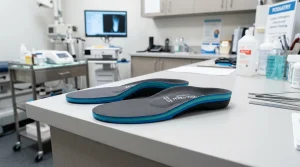
For those experiencing foot pain or discomfort, specialized orthotic inserts can provide additional support. These can be custom-made to fit your shoes perfectly, ensuring that your feet are correctly aligned while walking. Furthermore, wearing shoes that fit well and offer adequate support is essential. Look for diabetic footwear that feature soft seams and breathable materials, reducing the risk of pressure sores.
Finally, engaging with healthcare professionals such as podiatrists can provide personalized guidance and routine foot assessments, ensuring early detection and management of any potential foot issues. Prioritizing foot health through these various methods empowers individuals with diabetes to lead active, fulfilling lives while minimizing risks associated with foot complications.
Frequently Asked Questions
Q: Can diabetics safely use Epsom salt for foot soaks?
A: Yes, diabetics can safely use Epsom salt for foot soaks, provided they follow precautions. Magnesium sulfate may offer relaxation and mild pain relief, but it’s crucial to monitor for any adverse reactions and consult a healthcare professional before use. Refer to the section on precautions for detailed guidance.
Q: What are the benefits of Epsom salt foot soaks for diabetics?
A: Epsom salt foot soaks can provide pain relief, reduce inflammation, and promote relaxation, which may benefit diabetics dealing with foot discomfort. The magnesium may also play a role in better blood circulation. Check the section on the benefits for more information.
Q: Are there any risks associated with Epsom salt soaks for diabetics?
A: Diabetics should be cautious of potential foot injuries, skin irritation, or allergic reactions when using Epsom salt soaks. It’s essential to ensure feet are well-cared for and to check the water temperature to avoid burns. Consult your healthcare provider if unsure.
Q: How often can a diabetic use Epsom salt foot soaks?
A: Diabetics can typically use Epsom salt foot soaks 1-2 times per week, but it’s important to listen to your body and consult a healthcare professional about your specific health situation. For best practices, refer to the article section on safe soaking.
Q: What alternatives exist for Epsom salt foot care in diabetics?
A: Alternatives for Epsom salt foot care include using warm plain water, herbal foot soaks, or moisturizing foot creams. It’s important to maintain foot hygiene and promote circulation using suitable methods. Find more options in the section on alternatives to Epsom salt.
Q: How can diabetics monitor their foot health while using Epsom salt?
A: Diabetics should regularly check their feet for any signs of irritation or injury when using Epsom salt soaks. Keeping nails trimmed, maintaining hygiene, and using a mirror for hard-to-see areas can help monitor foot health. For detailed tips, refer to the foot health concerns section.
Q: Can Epsom salt aggravate diabetic foot neuropathy?
A: Epsom salt itself is unlikely to aggravate diabetic foot neuropathy; however, hot water soaks may worsen sensation issues. It’s best to use lukewarm water and limit soaking time. Consult with your healthcare professional for personalized advice.
Q: What should diabetics do if they experience a reaction to Epsom salt?
A: If a diabetic experiences a reaction to Epsom salt, they should stop using it immediately, wash the affected area with mild soap and water, and monitor for any worsening symptoms. Consulting a healthcare provider is crucial for further evaluation and treatment.
Final Thoughts
As we’ve explored in “Can a Diabetic Use Epsom Salt? Foot Soak Safety & Warnings,” it’s essential to approach foot care with informed caution and ensure that any treatments align with your overall diabetes management plan. Remember, while Epsom salt can offer some benefits, it’s crucial to consult healthcare professionals to address any concerns about foot health, especially for diabetics. For deeper insights, check out our articles on diabetes foot care tips and safe foot soak practices.
Don’t let uncertainty hold you back; take steps today to prioritize your health. Consider signing up for our newsletter for ongoing diabetes management tips, empowering you with the knowledge to navigate daily challenges. If you have experiences or questions, we encourage you to share them in the comments below! Your voice not only helps us improve but fosters a supportive community. Keep exploring our resources-together, we can enhance your journey toward effective diabetes management!
Can Diabetics Use Epsom Salts to Soak Feet? Podiatric Safety and Maceration Risks
A critical question frequently asked in podiatry clinics is can diabetics use epsom salts to soak feet to relieve sore arches or swelling. The emphatic clinical answer from the American Diabetes Association and podiatric surgeons is no. While Epsom salts (magnesium sulfate) are popular home remedies, soaking diabetic feet leads to severe cutaneous complications.
| Foot Care Practice | Biological Effect on Diabetic Skin | Primary Clinical Risk | Podiatric Verdict |
|---|---|---|---|
| Epsom Salt Foot Soaking | Osmotic fluid extraction drying the stratum corneum; skin waterlogging (maceration) | Deep fissures, interdigital skin tears, opportunistic bacterial infection | Strictly Contraindicated |
| Hot Water Immersion | Thermal exposure exceeding 37°C (98.6°F) on neuropathic skin | Full-thickness painless thermal burns and blistering | Strictly Contraindicated |
| Gentle Daily Washing & Pat-Drying | Lukewarm water with mild, fragrance-free cleanser; thorough towel drying | Maintains clean dermal barrier without stripping lipid mantle | Clinical Gold Standard |
| Urea-Based Moisturizing (Heels only) | Keratolytic hydration restoring cracked epidermal barriers | Eliminates hyperkeratosis without creating interdigital moisture | Clinically Recommended |
Get our latest guides, news, and insights highlighted in your Google Search & AI Overviews.