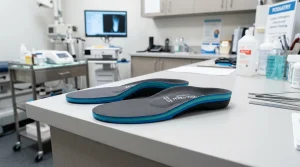
Did you know that choosing the right footwear can significantly impact the health and comfort of those living with diabetes? Diabetic slippers are designed specifically for sensitive feet, offering a cozy, supportive environment that helps prevent complications such as sores or infections. For individuals managing diabetes, finding footwear that combines comfort with safety is essential. Slippers can provide that much-needed relief, allowing you to relax at home without worrying about foot pain or injury. In this guide, we’ll explore the best options available, highlighting their unique features and benefits. Whether you’re seeking warmth during chilly evenings or extra cushioning throughout the day, understanding your choices can lead to a more comfortable lifestyle while efficiently managing your condition. Join us as we delve into the world of diabetic slippers, ensuring you make informed decisions that align with your health goals.
Choosing the Right Slippers for Diabetic Feet
is crucial, as it can significantly affect comfort, mobility, and overall foot health. Many diabetics experience foot complications due to nerve damage and reduced blood flow, making finding the perfect pair of slippers not just a matter of luxury but a necessity. Slippers that offer proper support and comfort can help prevent injuries, blisters, and other common foot issues that may arise from ill-fitting or inappropriate footwear.
When selecting slippers, consider the following important factors that cater to diabetic needs:
Fit and Comfort
The slippers should have a generous fit allowing for swelling that often occurs in diabetic feet. Selecting styles with wide toe boxes and open designs can provide easy on/off access while reducing pressure on sensitive areas. Look for adjustable straps or elastic features to accommodate changes in foot size throughout the day.
Material Matters
Choose slippers made from breathable materials to help keep the feet dry and comfortable. Look for moisture-wicking fabrics that can also manage heat, as overheating may lead to discomfort or skin issues. Additionally, cushioned insoles can enhance comfort and reduce the risk of injuries from repeated pressure points.
Support Features
Arch support plays a significant role in maintaining overall foot well-being. Diabetic-friendly slippers often have built-in arch support or can accommodate orthotic insoles, which can greatly improve foot alignment and comfort during daily wear. Furthermore, a slipper’s non-slip sole can prevent falls, a common concern for those with diabetic nerve damage.
Making a thoughtful choice when purchasing slippers can lead to enhanced comfort and reduced risks of complications due to diabetes. Always consult with healthcare professionals regarding the best footwear options tailored to individual needs, ensuring you’re equipped to manage daily challenges associated with living with diabetes.
Understanding Diabetic Foot Sensitivity
Many individuals with diabetes experience foot sensitivity, a condition that can dramatically affect daily comfort and mobility. This heightened sensitivity is often due to neuropathy, a side effect of prolonged high blood sugar levels that damages nerve endings. Consequently, diabetic feet may become less responsive to pain, heat, and cold, making it crucial to select appropriate footwear that mitigates risks associated with injuries.
Understanding the nuances of diabetic foot sensitivity is key to maintaining foot health. Those suffering from this condition might be more prone to foot ulcers, blisters, and sores-all of which can escalate into serious complications if left untreated. Thus, wearing slippers designed specifically for diabetic feet can provide both protection and comfort. For instance, avoiding restrictive footwear helps prevent pressure points that lead to injury. Look for slippers that have soft seams and interior linings to reduce the risk of friction, which can be uncomfortable for sensitive feet.
When selecting suitable slippers, focusing on cushioning, firmness, and overall structure is essential. Slippers that provide shock absorption can minimize stress on the feet when walking. Additionally, consider styles that offer a wider toe box to accommodate any swelling and provide ample space for movement without squeezing. Paying attention to these details can help individuals manage their daily activities more comfortably while minimizing the risk of foot injuries. Always consult with a healthcare professional for personalized footwear recommendations to effectively address individual diabetic foot sensitivity needs.
Top Features to Look for in Slippers

Selecting the right slippers can significantly enhance the comfort and well-being of individuals with diabetes. With the right features, slippers can shield sensitive feet from injury, provide ultimate comfort, and promote healthier foot conditions. When considering the best slippers, there are several key features to prioritize that can make all the difference in managing foot health.
Cushioning and Shock Absorption
Opt for slippers that offer high-quality cushioning. This is particularly important as it not only provides comfort but also absorbs shock, reducing the stress placed on feet with each step. Look for slippers made with memory foam or padded insoles that mold to the shape of the foot, offering personalized comfort and support.
Breathable and Soft Materials
Slippers made from breathable materials such as cotton or moisture-wicking fabrics are essential for diabetic feet. These materials help manage moisture levels and prevent overheating, reducing the risk of fungal infections and discomfort. Additionally, look for slippers that feature soft interiors to minimize friction and avoid irritation on sensitive skin.
Adjustable Fit
Flexibility in fit is crucial for those experiencing foot swelling or changes in foot shape. Slippers with adjustable straps or stretchy uppers can accommodate fluctuations in foot size while ensuring a secure fit. This feature not only enhances comfort but also reduces the likelihood of pressure points that can lead to injuries such as blisters or sores.
Supportive Soles
Adequate arch support in slippers is vital for maintaining foot health, especially for diabetics who may suffer from conditions like plantar fasciitis. Look for slippers with contoured footbeds that help distribute weight evenly and provide stability. This supportive structure is essential for comfortable movement around the home.
In conclusion, while slippers may seem like a simple choice, selecting ones that prioritize cushioning, breathability, adjustability, and support can significantly impact the comfort and safety of individuals managing diabetes. Taking the time to choose the right pair ensures that sensitive feet are well-protected and supported in their daily activities, allowing for a more comfortable lifestyle. Always remember to consult with healthcare professionals for tailored advice on footwear that best meets individual health needs.
The Importance of Arch Support for Diabetics

Proper arch support is not just a luxury for those managing diabetes; it’s a critical component of maintaining overall foot health. Individuals with diabetes are often at risk for foot complications due to reduced blood flow and nerve damage, making it essential to choose footwear that offers adequate support. Slippers designed with optimal arch support help distribute body weight evenly, reducing the strain on sensitive areas of the foot. This is particularly important for those who might experience discomfort or pain associated with conditions like plantar fasciitis or neuropathy.
Investing in slippers that feature contoured footbeds can significantly enhance comfort. These specially designed insoles help lift the arch and provide cushioning at key pressure points, effectively minimizing the chances of developing sores or blisters, which can be serious for diabetics. Additionally, maintaining proper alignment while walking or standing can help alleviate discomfort that arises from long periods of immobility, which is common when at home. A well-supported foot promotes better posture and reduces the likelihood of joint and back pain, allowing individuals to enjoy a more active lifestyle.
When selecting slippers, look for specific characteristics that indicate good arch support. High-quality options often include features such as:
- Arch Shaping: A defined arch area that molds to the foot’s natural shape.
- Firm Yet Flexible Soles: Provides stability while promoting a natural range of motion.
- Heel Support: A slight lift at the heel helps in shock absorption and overall comfort during movement.
To ensure that you find the right pair, it’s advisable to try on multiple styles and walk around in them before making a decision. Consulting a healthcare professional, such as a podiatrist, can also provide tailored recommendations based on individual foot health needs. By prioritizing footwear with robust arch support, individuals living with diabetes can effectively mitigate the risks associated with foot complications and enhance their quality of life.
Materials That Promote Comfort and Breathability

Selecting the right materials for diabetic slippers can significantly impact comfort, breathability, and overall foot health. Diabetic individuals often face challenges such as poor circulation and foot sensitivity, making it essential to choose slippers made from fabrics and components that cater to their unique needs.
Natural materials like cotton, bamboo, and soft wool provide excellent breathability, helping to regulate temperature and wick away moisture-a crucial factor in preventing foot infections. Cotton is lightweight and easy on the skin, reducing friction that might lead to blisters. Bamboo not only offers similar benefits but also has natural antibacterial properties, which can be particularly advantageous for diabetic feet. Furthermore, soft wool provides warmth and cushioning, making it ideal for cooler environments while maintaining solid moisture management.
In addition to textiles, the choice of sole materials can enhance comfort and safety. Look for slippers with rubber or slip-resistant soles that provide grip without sacrificing flexibility. A lightweight and cushioned sole can help absorb shock and reduce impact during movement, essential for individuals with foot conditions related to diabetes. Memory foam insoles are also a worthy consideration, as they mold to the foot, providing customized support and relief from pressure points.
When choosing diabetic slippers, it’s vital to avoid synthetic materials like plastic or nylon, which can trap heat and moisture, potentially leading to fungal infections or skin irritations. Instead, opting for breathable, moisture-wicking, and antibacterial materials will create a more comfortable environment for sensitive feet. By investing in slippers crafted from such quality materials, individuals can enjoy increased comfort, lower risks of complications, and ultimately an enhanced quality of life.
Stylish Yet Functional Options for Indoor Wear
Finding the perfect slippers that combine style and functionality can significantly enhance the daily comfort of individuals with diabetes. It’s essential to select designs that not only reflect personal style but also cater to the specific needs of diabetic feet. Many innovative brands now offer a wide array of options that prioritize both aesthetics and the critical features necessary for maintaining foot health.
A great choice for stylish yet functional slippers includes those featuring adjustable straps. These allow for a customized fit, accommodating any foot swelling that may occur throughout the day. Additionally, many slippers come in trendy designs that evoke a casual elegance, such as chic patterns or classic solid colors that can seamlessly blend with indoor attire. Brands like OrthoFeet have specialized offerings that demonstrate how fashionable designs can electrify your home wear while ensuring the necessary support and comfort[[3]](https://www.orthofeet.com/collections/diabetes-slippers).
Another exciting option is slippers made with orthopedic considerations in mind. Look for slippers with built-in arch support and cushioned soles. Such features not only promote proper foot alignment but also provide relief from pressure points that can aggravate diabetic conditions. Memory foam insoles, often found in many contemporary designs, offer a cozy feel while conforming to individual foot shapes, bringing about a delightful blend of softness and stability.
Moreover, incorporating exciting elements like vibrant colors and modern silhouettes can help boost morale and confidence. Styles that evoke a sense of personal flair while fulfilling functional requirements can encourage individuals to wear their slippers, promoting comfortable wear throughout the day. By prioritizing such stylish yet practical options, you can effortlessly enhance your indoor experience, ensuring that comfort is always within reach while maintaining a touch of personal style.
Maintaining Slippers for Longevity and Hygiene
To ensure that your diabetic slippers remain clean, comfortable, and supportive, proper maintenance is essential. Not only do well-maintained slippers prolong their lifespan, but they also help in preventing potential foot issues that can arise due to neglect. Regular cleaning and care of your slippers can minimize the risk of bacterial growth and maintain the integrity of supportive materials, which is crucial for individuals with sensitive feet.
One effective way to maintain cleanliness is to regularly wash or wipe down your slippers, depending on the materials used. Most fabric slippers can typically be machine washed on a gentle cycle; however, it is important to check the manufacturer’s care label for specific instructions. For slippers made of synthetic materials or those with additional embellishments, using a damp cloth to spot clean may be the best approach. Leaving them to dry in a well-ventilated area is crucial to avoid moisture buildup that could lead to odor or mildew.
Another aspect to consider is the daily inspection of your slippers for signs of wear or damage. Check for fraying seams, loose soles, or any unusual odor that could indicate bacterial growth. If you notice any irregularities, addressing them promptly can prevent further complications. For example, if your slippers lose their cushioning or arch support, replacing them can ensure your feet remain protected and comfortable.
Additionally, storing your slippers properly can play a key role in maintaining their quality. Keep them in a dry, cool place away from direct sunlight and avoid stacking them to preserve their shape. Consider using a shoe organizer or a dedicated drawer to keep your slippers tidy and easily accessible. Regular maintenance, coupled with proper storage, not only enhances the longevity of your slippers but also contributes to overall foot health for individuals managing diabetes. Remember to consult healthcare professionals regarding best practices for foot care in relation to your specific condition, ensuring comprehensive management of your diabetes.
The Role of Proper Fit in Diabetic Slippers
Wearing properly fitting slippers is essential for individuals with diabetes, as ill-fitting footwear can lead to various complications, including blisters, calluses, and even infections. A good fit not only enhances comfort but plays a crucial role in maintaining overall foot health. When selecting slippers, it’s important to ensure that there is sufficient room in the toe box to avoid pinching and pressure points, while also securing the heel to prevent slippage, which can cause instability and increase the risk of falls.
A proper fit involves more than just the size; it is crucial to pay attention to the slipper’s shape and design. Look for slippers with adjustable features such as straps or elastic bands. This flexibility allows for modifications in fit depending on the time of day or how swollen your feet may become. Additionally, those with wide or bespoke shapes may benefit from slippers designed specifically for different foot types, ensuring that pressure is evenly distributed and reducing the likelihood of discomfort.
When trying on slippers, consider how they feel when walking. They should provide sufficient arch support and cushioning without being overly tight. A snug fit around the heel and a little wiggle room for the toes are typically ideal. It’s also advisable to try on slippers at the end of the day when feet are most swollen, which can give a more accurate representation of the fit you’ll experience during normal wear.
To ensure a consistent fit, regularly reassess your slipper size and style, especially if you notice changes in your foot shape or swelling patterns. Consulting healthcare professionals can provide personalized recommendations tailored to your unique foot needs, ensuring that you maintain healthy feet while enjoying the comfort and warmth of your slippers. Remember, investing in well-fitting diabetic slippers is a key step towards effective diabetes management and improved quality of life.
Recommendations from Podiatrists on Footwear
Footwear choices play a pivotal role in overall health for individuals with diabetes, particularly when it comes to managing potential complications that could arise from diabetic foot sensitivity. Podiatrists emphasize the importance of selecting slippers that prioritize both comfort and functionality. Many diabetic patients experience neuropathy, which diminishes feeling in the feet, making it vital to avoid slipper designs that could lead to unnoticed injuries. Therefore, soft, seam-free interiors can prevent skin irritation and allow for a more comfortable experience.
When picking slippers, podiatrists recommend looking for features that promote circulation and support. Slippers should have a low, wide toe box to prevent cramping, alongside adjustable straps to accommodate fluctuations in foot size throughout the day. Additionally, proper arch support is essential as it helps to distribute weight evenly, reducing stress on certain points of the feet. This helps mitigate common issues such as plantar fasciitis and assists in maintaining stability while walking. Choosing slippers with cushioned soles can also absorb shock, further contributing to comfort during frequent indoor movement.
Essential Features Recommended by Podiatrists
- Soft, Non-irritating Linings: Avoid materials that can cause blisters or chafing.
- Adjustable Fit: Look for slippers with Velcro or elastic features that can adapt throughout the day.
- Arch Support: Choose options that provide sufficient arch support to minimize pain and enhance comfort.
- Slip-resistant Soles: Ensure the slippers come with non-slip outsoles to prevent falls, which can pose serious risks.
Above all, regular consultations with a podiatrist are advised for personalized footwear recommendations. Each individual’s foot health must be evaluated according to their specific health status and lifestyle needs. Incorporating these professional insights into your shopping decisions can significantly improve comfort and reduce the risk of foot complications, allowing for a more active and enjoyable life. Always consult your healthcare provider before making any changes to your foot care routine to ensure the best outcomes for your diabetic management journey.
How to Transition to Cozy Indoor Slippers
Transitioning to cozy indoor slippers can significantly enhance comfort and support for individuals with diabetes, particularly those who may experience foot sensitivity or neuropathy. The process of finding the right slippers can feel overwhelming, but approaching it thoughtfully allows for a smoother changeover that prioritizes foot health. Start by assessing your current footwear habits-do your existing slippers provide the necessary support and comfort, or do they contribute to discomfort?
When making the switch, gradually incorporating new slippers into your routine can ease the transition. Begin by wearing your chosen slippers for short periods to allow your feet to adjust. This is especially important if you are moving from traditional footwear that may not provide the needed arch support or cushioning. Consider setting specific times during the day, such as late morning or early afternoon, when you’re indoors and can comfortably evaluate how the slippers feel. Proper fit is critical, so ensure the slippers accommodate any fluctuations in foot size, especially if you experience swelling.
Additionally, select slippers that offer both style and functionality. Today’s market includes a variety of attractive designs that don’t compromise on support. Look for options that include features such as adjustable closures for a personalized fit, non-slip soles to prevent falls, and breathable materials that keep your feet comfortable throughout the day. Many diabetic-friendly slippers now come in styles that can easily transition from indoor relaxation to a quick trip outside, ensuring you feel confident and secure, no matter the setting.
Remember, it’s wise to involve your healthcare provider in your footwear choices, especially when dealing with specific conditions related to diabetes. They can provide tailored recommendations that suit your lifestyle and health needs, enhancing your overall footwear experience. Embrace the shift towards cozy indoor slippers as an integral step in taking control of your diabetes management, ensuring your feet remain healthy, comfortable, and well-cared-for.
Best Brands for Diabetic-Friendly Footwear
Diabetic-friendly footwear has become increasingly vital for individuals managing diabetes, particularly those with foot sensitivity or neuropathy. A range of brands is committed to providing stylish, comfortable, and functional options that cater specifically to the unique needs of diabetic feet. Choosing the right slippers can significantly enhance both foot health and overall well-being. Here, we explore some top brands renowned for their diabetic-friendly footwear.
One of the most recognized names is Dr. Comfort, which specializes in therapeutic slippers and shoes designed to provide extra cushioning and support. Their Cozy slipper features Dr. Comfort Gel inserts and a wide toe box, accommodating swollen feet while offering a stylish open-heel design, making them easy to slip on and off [[1]].
Another excellent choice is Silverts, which offers a broad range of diabetic shoes and slippers that focus on comfort and practicality. Their collection includes extra-wide options, ensuring a perfect fit for individuals needing additional space without compromising style. Silverts’ slippers are designed with non-slip soles and various sizes to cater to fluctuating foot sizes [[2]].
For those seeking extensive reviews and comparisons, Diabetic Me has curated a list of the best diabetic slippers available on the market. Their selection emphasizes warmth, safety, and style, making it easier for consumers to choose slippers that are not only functional but also visually appealing [[3]].
When exploring options, remember that investing in high-quality, diabetic-friendly footwear can substantially impact your comfort and daily activities. As you navigate through the available brands, consider factors like fit, materials, and the level of support offered to find the perfect slippers to support your health and lifestyle effectively. Always consult with your healthcare provider to ensure your footwear choices align with your specific needs and conditions.
Shopping Tips for Finding the Perfect Pair
Finding the right pair of slippers is crucial for individuals with diabetes, as comfort, support, and proper fit significantly affect foot health. Slippers designed for diabetic feet must cater to unique needs, such as sensitivity, swelling, and the potential for neuropathy. Here’s how to navigate your shopping experience to ensure you choose the best option.
Start by assessing your specific foot requirements. Individuals with diabetes often experience fluctuations in foot size due to swelling. It’s vital to measure your feet in the evening when they are most prone to swelling. Look for slippers with adjustable features like Velcro straps or elastic openings, which can accommodate changes in foot size throughout the day. Additionally, consider slippers with a wide toe box to prevent pinching and allow for any foot conditions, such as bunions or hammertoes.
When assessing materials, prioritize those that promote breathability and moisture-wicking properties. Natural fibers like cotton or bamboo are excellent choices, as they keep the feet dry and comfortable, reducing the risk of fungal infections. Moreover, opt for slippers with cushioned insoles that provide shock absorption and help to relieve pressure points. Memory foam and gel inserts can greatly enhance comfort and support, especially for sensitive feet.
Lastly, don’t overlook safety features. Slippers with non-slip soles are essential for preventing slips and falls, a significant risk for individuals with compromised foot sensation. If you often wear slippers around the house, ensure that the sole provides adequate grip and stability.
In essence, shopping for diabetic slippers entails a careful consideration of fit, material, and safety features. Take your time to try on different styles, and consult with your healthcare provider if you’re unsure about specific needs. Your feet deserve comfort and care, and with the right pair, you can navigate daily activities with confidence and ease.
FAQ
Q: What should I look for in diabetic slippers?
A: When choosing diabetic slippers, prioritize features like seamless interiors to prevent friction, arch support for stability, and breathable materials to reduce moisture. Also, ensure the slippers have a non-slip sole for safety. For more detailed features, check out the “Top Features to Look for in Slippers” section in our article.
Q: Are there specific materials that are best for diabetic slippers?
A: Yes, diabetic slippers are best made from soft, breathable materials such as cotton or wool, which provide comfort and help manage moisture. Additionally, look for those with cushioning to reduce pressure and protect sensitive feet. Learn more in “Materials That Promote Comfort and Breathability.”
Q: How can I ensure a proper fit for diabetic slippers?
A: To ensure a proper fit, measure your feet regularly and choose slippers with adjustable features. Look for styles that offer a roomy toe box and avoid overly tight designs, which can cause discomfort. For guidance on fit, refer to “The Role of Proper Fit in Diabetic Slippers.”
Q: Why is arch support important in diabetic slippers?
A: Arch support helps distribute body weight evenly and reduces pressure on specific foot areas, which is crucial for individuals with diabetes who may have nerve damage or foot issues. Proper arch support can prevent pain and injuries, making it essential for diabetic footwear.
Q: Can diabetic slippers be stylish as well as functional?
A: Absolutely! Many brands now offer diabetic slippers that combine style and function, featuring trendy designs without compromising on comfort and support. Explore our section on “Stylish Yet Functional Options for Indoor Wear” for recommendations.
Q: How often should I replace my diabetic slippers?
A: It’s advisable to replace diabetic slippers every 6 to 12 months or sooner if they show signs of wear. Regularly check for cushioning breakdown, loose seams, or loss of support, as these can affect foot health. For maintenance tips, refer to “Maintaining Slippers for Longevity and Hygiene.”
Q: What are some recommended brands for diabetic slippers?
A: Some reputable brands for diabetic slippers include Propet, Orthofeet, and Vionic. These brands are known for their comfortable, supportive footwear designed specifically for sensitive feet. Check the “Best Brands for Diabetic-Friendly Footwear” section for a detailed review.
Q: How do I transition to wearing diabetic cozy indoor slippers?
A: Transitioning to diabetic slippers can be made easier by gradually wearing them for short periods. Start at home, allowing your feet to adjust to the new fit and support. For more tips, see “How to Transition to Cozy Indoor Slippers” in our article.
To Conclude
In conclusion, investing in the right pair of slippers designed specifically for diabetics can significantly enhance your comfort and overall foot health. Our range of cozy indoor footwear not only offers gentle support for sensitive feet but also reduces the risk of complications associated with diabetes. Don’t wait-prioritize your foot care today and experience transformative comfort that lasts.
For additional insights, explore our articles on diabetic daily management and essential footwear choices to learn more about maintaining optimal health. If you have any questions or need further assistance, feel free to comment below or check our FAQ section. Together, let’s navigate the journey of diabetes management-your comfort and well-being are our top priorities. Visit our collection now and take the next step towards healthier, happier feet!
Get our latest guides, news, and insights highlighted in your Google Search & AI Overviews.