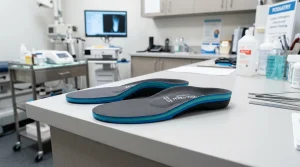
Living with diabetic neuropathy can feel overwhelming, especially when every step seems to amplify discomfort. Did you know that specific footwear designed for diabetic nerve pain can significantly improve your mobility and overall quality of life? Diabetic nerve pain shoes offer crucial relief by providing the necessary support and cushioning to protect sensitive feet, allowing you to regain confidence in your daily activities. In this article, we’ll explore various relief options to alleviate neuropathy symptoms, focusing on how the right shoes can make a meaningful difference. By understanding your choices, you can take proactive steps toward managing your condition more effectively. Let’s delve into the solutions that can help you walk comfortably and with ease.
Understanding Diabetic Nerve Pain and Its Impact
Diabetic nerve pain, commonly referred to as diabetic neuropathy, often emerges as a consequence of prolonged high blood sugar levels, which can damage the nerves throughout the body, particularly in the feet and hands. This condition can significantly impact day-to-day life, leading to discomfort, pain, and mobility issues. It can manifest in various forms, including sharp pain, burning sensations, or numbness, resulting in increased vulnerability to foot injuries and infections. Understanding the nuances of this condition is essential for effective management and relief.
The impact of diabetic nerve pain extends beyond physical sensations; it can affect emotional well-being and overall quality of life. Many individuals experience anxiety and frustration due to the unpredictability of their symptoms. Maintaining tight control over blood glucose levels is pivotal in slowing the progression of nerve damage. Consistent monitoring, proper medication adherence, and a balanced diet play substantial roles in mitigating these effects.
Investing in the right footwear is a crucial aspect of managing diabetic nerve pain. Specialized shoes designed for diabetic patients provide essential support, cushioning, and protection to the feet, helping to prevent injuries and alleviate discomfort. With a variety of resources available-including advanced designs for better fit and comfort-patients can make informed choices that cater to their specific needs. Working with healthcare professionals, such as podiatrists and diabetic educators, ensures that patients receive personalized recommendations and support.
In addition to appropriate footwear, lifestyle modifications can also play a role in alleviating nerve pain. This can include engaging in low-impact exercises, maintaining a healthy diet rich in nutrients that support nerve health, and incorporating regular check-ups with healthcare providers to monitor not only blood sugar levels but also overall foot health. By taking proactive steps and leveraging available resources, individuals can navigate the challenges of diabetic nerve pain effectively, improving their day-to-day well-being and quality of life.
Common Symptoms of Diabetic Neuropathy
Diabetic neuropathy, a common complication of diabetes, manifests through a variety of symptoms that can severely impact an individual’s quality of life. Many people affected by this condition report sensations that can range from mild discomfort to debilitating pain. Understanding the common symptoms is essential for early detection and effective management.
Individuals with diabetic neuropathy may experience a variety of sensations such as:
- Numbness: Often first felt in the toes or fingers, this symptom can lead to a loss of balance or reduced coordination, increasing the risk of falls.
- Tingling or “pins and needles”: Many describe this as a crawling feeling on their skin, which can be particularly uncomfortable.
- Burning pain: A frequent complaint among patients, this can feel similar to a hot sensation that affects daily activities and sleep.
- Sharp, shooting pains: Sudden pains can be triggered by simple movements or even by the touch of a fabric or shoe, underscoring the need for appropriate footwear.
- Increased sensitivity: Many find that their feet become excessively sensitive to touch, making it hard to wear normal shoes comfortably.
Recognizing these symptoms early can empower individuals to take prompt action, including consulting healthcare professionals who can provide appropriate guidance and treatment options. Maintaining well-controlled blood sugar levels plays a crucial role in managing neuropathy symptoms. Additionally, a proactive approach to foot care-such as wearing well-fitted, supportive shoes-can help alleviate some of the discomfort associated with these symptoms. Specialized footwear can mitigate these pain points by providing cushioning and protection, allowing individuals to navigate their daily activities with greater ease and comfort.
By staying informed and attentive to changes within their bodies, individuals living with diabetes can enhance their overall well-being, gain greater control over their condition, and ensure that diabetic neuropathy does not define their lives.
Why Specialized Shoes Matter for Diabetic Patients
Finding the right footwear can make a remarkable difference for those with diabetic neuropathy, a condition characterized by nerve damage often caused by prolonged high blood sugar levels. Specialized shoes are not merely a luxury; they are a vital part of managing this condition effectively. These specially designed shoes cater to the unique needs of diabetic patients, providing essential support and protection against injury, which is particularly critical given the reduced sensation in the feet that many individuals experience.
One of the leading benefits of specialized footwear is their ability to reduce the risk of foot complications. Diabetic neuropathy can lead to a loss of feeling in the feet, making it difficult to detect injuries or sores, which can become serious if left untreated. Specialized shoes typically feature extra cushioning and support, minimizing the impact on sore areas and redistributing pressure across the foot to prevent ulcers. For example, shoes with a wide toe box can help prevent blisters and calluses, allowing individuals to walk comfortably and confidently.
Moreover, many diabetic shoes come with features such as breathable materials and moisture-wicking liners that help maintain a healthy foot environment. This is crucial for individuals with diabetes, as foot infections can develop more easily due to reduced blood flow and sensation. Proper ventilation helps keep feet dry and cool, reducing the likelihood of foot problems that could escalate into more significant health issues.
In selecting appropriate diabetic footwear, individuals should consider shoes that are adjustable to accommodate any swelling, with non-slip soles for better traction. Remember, regular consultations with healthcare providers regarding foot health and footwear choices are essential, allowing individuals to tailor their selections to their specific needs. Approaching shoe selection with this understanding not only enhances comfort but also plays a significant role in maintaining overall foot health for diabetic patients. By prioritizing specialized footwear, individuals can take proactive steps in managing their diabetic neuropathy and improving their quality of life.
Top Features to Look for in Diabetic Shoes
Selecting the right footwear is crucial for managing diabetic nerve pain, and understanding the key features of diabetic shoes can empower individuals to make informed choices that enhance their comfort and safety. A well-designed pair of diabetic shoes can not only alleviate discomfort but also significantly reduce the risk of foot complications, which are common among those with diabetic neuropathy.
One of the primary features to look for is extra cushioning. Shoes with ample padding help to absorb shock and minimize pressure on sensitive areas of the feet. This is especially important for individuals experiencing discomfort or pain due to neuropathy. Additionally, a flexible sole provides a better walking experience by allowing natural foot movement, enhancing your stability and reducing the risk of slips and falls.
Another essential characteristic is a wide toe box. This design feature allows for ample space for the toes to move without restriction, preventing issues such as blisters and corns. Moreover, breathable materials are vital as they keep feet dry and reduce the risk of fungal infections, which can be more prevalent in those with diabetes. Look for shoes with moisture-wicking liners that help in managing sweat.
Lastly, consider adjustable closures, such as Velcro straps or elastic laces, which can accommodate any swelling throughout the day, ensuring that the shoes fit snugly and comfortably. Shoes should also have non-slip soles, providing traction to prevent falls, an essential aspect as reduced sensation can make individuals less aware of their balance. Making informed choices about footwear is a proactive step towards better foot health, contributing to overall well-being for anyone managing diabetes.
How to Choose the Right Size and Fit
Finding the right size and fit for diabetic shoes is essential for managing nerve pain and preventing further complications. Ill-fitting shoes can exacerbate discomfort or lead to injuries, particularly for individuals with diminished sensation in their feet. It’s important to remember that the size and fit of diabetic shoes may differ from regular footwear, as design features aim to accommodate the unique needs of those with diabetes.
To achieve the best fit, consider the following tips:
- Measure Your Feet: Always measure both feet at the end of the day when they are slightly swollen. This ensures that you account for any swelling that may occur throughout the day. Wear the type of socks you intend to use with the shoes during this measurement.
- Try Shoes On: When trying on shoes, wear the same type of socks you would typically wear. Walk around in the shoes to assess their comfort. They should feel secure without restriction; avoid shoes that pinch or rub at any point.
- Flexibility and Movement: Ensure the shoe allows for natural foot movement. The toe box should provide ample space for your toes to move, preventing discomfort from pinching or squeezing.
- Check for Adjustability: Choose shoes with adjustable features such as Velcro straps or elastic laces. These allow for a customizable fit, accommodating any potential swelling and ensuring comfort throughout the day.
While choosing the right pair, remember that diabetic footwear needs to prioritize comfort, protection, and support. Consulting healthcare professionals or specialists can provide valuable guidance in selecting shoes tailored to your foot health needs, and they can also recommend specific brands with a proven track record in diabetic footwear. Furthermore, consider investing in orthotic insoles if you require additional arch support or cushioning, enhancing the overall fit and comfort of your shoes.
Recommended Diabetic Shoe Brands for Comfort
Finding the right diabetic footwear is crucial for managing nerve pain associated with diabetes, as the right shoes can provide essential support and comfort. Brands specializing in diabetic shoes have invested in innovative designs that cater to the specific needs of individuals experiencing neuropathy. Their focus is on providing a combination of cushioning, durability, and adjustability, ensuring that each step feels more comfortable and significantly reduces the risk of injury.
Top Recommended Brands
Several brands stand out in the realm of diabetic shoes, each offering unique features to enhance comfort and support:
- Orthofeet: Known for its ergonomic design, Orthofeet shoes are padded with extra cushioning and feature a wide toe box, making them ideal for those experiencing discomfort. Their shoes also come with anatomical insoles that provide excellent arch support and help reduce pressure points on the feet. Explore their diabetic shoe collection for diverse styles.
- Dr. Comfort: Dr. Comfort has made a name for itself in the diabetic footwear market by focusing on both style and comfort. Their shoes often feature seamless interiors to minimize friction and irritation, an essential aspect for those with sensitive feet. Moreover, they offer a variety of widths to ensure a proper fit.
- New Balance: While primarily known for athletic footwear, New Balance also provides options specifically designed for diabetic patients. Their shoes typically come with the brand’s signature cushioned midsoles, which assist in shock absorption, and are available in various sizes and widths to ensure the right fit.
- SAS Shoes: SAS Shoes offers an array of options for diabetic footwear, combining classic styles with modern comfort features. Their shoes are designed with shock-absorbing soles that provide stability and support, particularly for those navigating varying terrains.
In choosing the right brand, it’s essential to consider individual comfort and specific foot health needs. Consulting with a healthcare professional can help narrow down the options, enabling diabetic patients to find footwear that not only alleviates pain but also empowers them to lead active lives. Remember that investing in quality footwear is a vital step towards maintaining foot health and overall wellbeing.
Insoles and Inserts: Enhancing Your Comfort
Finding the right insoles and inserts can transform the comfort and effectiveness of diabetic footwear, especially for those grappling with nerve pain. A staggering number of individuals living with diabetes face daily discomfort due to neuropathy, making proper foot care more critical than ever. Quality insoles can provide additional cushioning, enhance support, and alleviate pressure points, ultimately offering a significant improvement in both mobility and quality of life.
When selecting insoles for diabetic shoes, it’s paramount to look for features that cater specifically to sensitive feet. Consider options that include:
- Custom Orthotics: These insoles are tailored to your foot’s unique shape, providing personalized support and balance.
- Arch Support: Proper arch support is essential, as it helps distribute body weight evenly and reduces excess pressure on painful areas.
- Cushioning Materials: Materials like gel or memory foam offer excellent shock absorption, which can minimize impact during walking.
- Moisture-Wicking Fabrics: Inserts made from breathable materials can help keep your feet dry and prevent the growth of bacteria and fungi, reducing the risk of infections.
Integrating these elements into your footwear can create a more favorable walking experience. An example of such a product is a supportive gel insole designed specifically for diabetic patients, which not only cushions the foot but also aligns the arches, promoting better posture and less strain on the feet and lower back.
Insoles can also play a supportive role in managing overall foot health. Regular usage can help to alleviate symptoms of neuropathy by redistributing pressure away from sensitive areas, thus leading to enhanced comfort during daily activities. It’s worth noting that integrating these insoles into your footwear routine should be accompanied by ongoing consultation with a healthcare professional, ensuring that your foot care plan aligns with your overall health goals.
By prioritizing comfort through the right insoles and inserts, individuals with diabetes can effectively manage their symptoms, enabling them to partake in more activities with greater ease and confidence.
Lifestyle Modifications to Reduce Nerve Pain
Adopting specific lifestyle modifications can play a pivotal role in managing nerve pain associated with diabetes. Simple changes can lead to significant improvements in comfort and overall quality of life, especially for individuals dealing with diabetic neuropathy. Engaging in regular physical activity, for instance, can help improve blood circulation and reduce the risk of further nerve damage. Activities like walking, swimming, or cycling can be particularly beneficial, promoting better cardiovascular health while enhancing mobility and flexibility.
Nutrition also plays a key role in managing nerve pain. A balanced diet rich in antioxidants and anti-inflammatory foods can help combat the symptoms of neuropathy. Incorporate foods such as leafy greens, fatty fish, nuts, and berries into your meals, as these are known to promote nerve health and reduce inflammation. It’s equally important to monitor carbohydrate intake and maintain stable blood glucose levels; fluctuations in blood sugar can exacerbate neuropathic symptoms. Consulting a registered dietitian who specializes in diabetes can provide personalized dietary strategies tailored to individual needs.
Stress management techniques are another critical aspect of managing nerve pain. Practices like yoga, meditation, or tai chi can significantly reduce stress levels, which in turn may decrease pain perception and improve overall emotional well-being. Furthermore, ensuring adequate sleep is essential for recovery and managing pain; maintain a regular sleep schedule and create a restful sleep environment to enhance sleep quality.
Incorporating these lifestyle modifications not only mitigates the discomfort of nerve pain but also empowers individuals with diabetes to take charge of their health. Collaborating with healthcare professionals such as dietitians, physical therapists, and mental health specialists can provide additional support in navigating these changes, ensuring that they are both effective and sustainable. Engaging in ongoing dialogue with your healthcare team is critical in adapting these strategies to fit your unique situation and needs, fostering a proactive approach to diabetes management.
Caring for Your Feet: Essential Health Tips
Caring for your feet is particularly crucial for individuals with diabetes, especially those experiencing nerve pain or neuropathy. With the potential for decreased sensation, even minor foot injuries can escalate into serious complications if not managed properly. Regular foot care is not just about comfort; it’s a vital aspect of diabetes management that can prevent long-term damage and maintain your overall health.
Begin with daily inspections of your feet. Look for any cuts, blisters, redness, or swelling. This simple practice can help catch problems early, allowing for swift intervention before they worsen. Keep your feet clean and dry-washing them daily with warm water and mild soap, and drying thoroughly, especially between the toes. Moisturizing your feet can prevent dryness and cracking, but avoid applying lotion between your toes to reduce the risk of fungal infections.
Choosing the right footwear is equally important. Patients should opt for shoes that provide ample cushioning and support while being roomy enough to prevent blisters and sores. Avoid high heels or tight shoes that can irritate sensitive feet. Consider using orthopedic inserts or custom orthotics that provide additional support and comfort, as they can help alleviate nerve pain.
Moreover, maintaining effective blood sugar levels plays a significant role in nerve health. Staying active, engaging in regular exercise, and adhering to a balanced diet can enhance circulation and reduce the risk of complications related to neuropathy. Consulting with healthcare professionals for personalized advice and routine foot exams is strongly recommended to stay proactive about foot health.
In summary, a combination of daily foot care, appropriate footwear, and effective diabetes management can significantly support the health of your feet. By staying vigilant and adopting these practices, individuals can enjoy a higher quality of life, reduce discomfort, and prevent serious foot problems down the line.
Finding Financial Aid for Diabetic Footwear
Finding the right footwear can make a significant difference in the quality of life for individuals suffering from diabetic neuropathy, yet the cost of specialized shoes can be a considerable burden. Fortunately, various options exist to help alleviate financial stress associated with these necessary purchases. Understanding how to access financial aid can empower patients and caregivers to make informed decisions without sacrificing comfort or style.
Many health insurance plans cover diabetic shoes and inserts under durable medical equipment benefits. Patients should check with their insurance provider to understand the specifics of their coverage, including any required documentation from healthcare professionals. A prescription from a podiatrist or primary care physician often simplifies the process of obtaining reimbursement for diabetic footwear. Additionally, some plans may have networked suppliers who can help facilitate claims more effectively.
Alternative Funding Options
In addition to insurance coverage, various organizations offer financial assistance specifically aimed at those with diabetes. Nonprofits and charities, such as the American Diabetes Association, may provide resources or direct aid for diabetic supplies, including footwear. Local health departments or clinics may also run programs designed to assist residents in obtaining necessary medical equipment. Researching community resources can often uncover valuable support that is readily available.
- Medicare: If eligible, Medicare provides coverage for diabetic shoes and custom inserts, typically requiring a documented need from a healthcare provider.
- Flexible Spending Accounts (FSAs): These employer-sponsored accounts allow individuals to use pre-tax income for eligible health expenses, including diabetic footwear.
- State Programs: Some states offer additional benefits or programs for individuals with disabilities, which may include assistance for diabetic footwear.
Utilizing resources such as local diabetes support groups or online forums can provide valuable information and personal experiences on navigating financial aid for diabetic footwear. By staying informed and proactive about available options, individuals can significantly reduce out-of-pocket expenses and maintain their foot health essential for managing diabetes effectively. Always remember to consult healthcare professionals for tailored advice and to ensure the best care decisions aligned with overall health needs.
When to Consult a Specialist for Foot Health
Diabetic nerve pain can be a challenging condition that significantly impacts daily life. For individuals managing diabetes, recognizing when to seek specialized foot health care is crucial for preventing complications. If you experience persistent pain, tingling, or numbness in your feet, it’s vital to consult a healthcare professional, especially if these sensations are accompanied by changes in skin color, temperature, or the appearance of sores or wounds. Early intervention can prevent more serious complications, such as infections or foot ulcers, which may require extensive treatment.
It’s advisable to see a specialist, such as a podiatrist or an endocrinologist, if your symptoms worsen or do not improve despite home management strategies. For instance, if you find that standard over-the-counter products or footwear fail to alleviate discomfort, a specialist can recommend tailored footwear solutions or orthotic devices designed specifically for diabetic needs. They can also assess the structural integrity of your feet to prevent deformities that could exacerbate neuropathic pain.
Regular foot examinations by a healthcare provider are critical. Diabetic patients are at a higher risk for complications related to their feet, so scheduling routine appointments can help catch any issues early. If you notice any signs of infection, such as increased redness, swelling, or discharge, seek immediate medical attention. Remember, taking proactive steps in managing your foot health can greatly enhance your quality of life and prevent serious complications.
In summary, the importance of engaging with specialists for foot health cannot be overstated. Maintaining open communication with your healthcare team, being aware of changes in your foot health, and taking the initiative to seek out professional advice will empower you to manage your diabetes effectively and protect yourself from nerve pain and other complications. Your feet play a vital role in mobility and overall health, so prioritizing their wellbeing is essential.
Real-Life Success Stories: Shoes That Changed Lives
Realizing that the right footwear can significantly change one’s quality of life is a powerful motivator for many individuals living with diabetic neuropathy. Stories abound of patients who have struggled with relentless nerve pain, but with the introduction of specialized shoes, they found not just comfort, but a renewed sense of freedom. Many report that investing in appropriate diabetic shoes has helped alleviate painful symptoms, enabling them to participate in activities they once enjoyed, whether walking their dog, attending family gatherings, or simply enjoying a leisurely stroll in the park.
Take the example of Linda, a 58-year-old woman diagnosed with diabetes five years ago. For years, she dealt with stabbing pains in her feet that made even short walks excruciating. After consulting a podiatrist, she was advised to try a specific brand of diabetic shoes that feature extra cushioning and a wide toe box. Linda eventually found a pair that not only fit well but also provided the support she desperately needed. The result? She enjoys walking her grandchildren to school each morning, a simple pleasure she thought she would never regain.
Similarly, James, a retired teacher, faced daily challenges due to his diabetic neuropathy, which included numbness and tingling in his feet. After being fitted for shoes that included custom orthotics, his discomfort significantly diminished. James quickly discovered that the right shoes didn’t just relieve his symptoms; they inspired him to return to hobbies like gardening. This newfound ability to stand and move comfortably transformed his daily routine and boosted his overall well-being.
The supportive community of those living with diabetes often shares insights into their footwear experiences, emphasizing the importance of comfort and fit. Many individuals encourage others to look for shoes that offer features such as breathable materials, shock absorption, and adjustable closures to accommodate any swelling throughout the day. These discussions often illuminate just how impactful a pair of well-designed diabetic shoes can be on one’s life, fostering independence and enhancing mobility.
In recognizing that shoes can significantly alleviate the struggles associated with diabetic nerve pain, individuals are empowered to take action. By sharing their success stories, they encourage others to seek professional advice and prioritize footwear designed explicitly for their needs-transforming what can often feel like a daily battle into an opportunity for joy and connection with others.
Q&A
Q: What are the best types of shoes for diabetic nerve pain?
A: The best types of shoes for diabetic nerve pain are those designed specifically for diabetics. Look for features like extra cushioning, wide toe boxes, arch support, and a soft interior lining to minimize pressure and friction on the feet. Brands like New Balance and Brooks often offer diabetic-friendly options.
Q: How can diabetic shoes alleviate nerve pain?
A: Diabetic shoes alleviate nerve pain by providing proper support and cushioning, which helps reduce pressure on sensitive areas of the feet. They often feature shock-absorbing soles and soft materials that minimize irritation and improve overall comfort while walking, helping to manage neuropathy symptoms.
Q: Are there particular insoles recommended for diabetic nerve pain shoes?
A: Yes, insoles designed for diabetic nerve pain should offer extra cushioning, arch support, and shock absorption. Look for custom orthotics or insoles made from memory foam or gel to provide additional comfort and protection, enhancing footwear tailored for neuropathy.
Q: When should I replace my diabetic shoes?
A: You should replace your diabetic shoes every 6-12 months or sooner if you notice visible wear, decreased support, or discomfort while wearing them. Regular replacement ensures optimal protection and comfort, crucial for managing diabetic nerve pain effectively.
Q: Do diabetic shoes need to be prescribed by a doctor?
A: While diabetic shoes do not always require a prescription, a healthcare provider can evaluate your specific needs and provide a prescription for custom shoes if necessary. This is particularly beneficial for individuals with severe neuropathy or other foot complications.
Q: How do I ensure my diabetic shoes fit properly?
A: To ensure proper fit for diabetic shoes, measure both feet at the end of the day when they tend to swell. Check for adequate room at the toe and instep, and ensure the heel fits snugly without slipping. Always try shoes on with the insoles you plan to use.
Q: Can wearing the wrong shoes worsen diabetic neuropathy?
A: Yes, wearing the wrong shoes can significantly worsen diabetic neuropathy by causing additional pressure and friction, leading to pain, blisters, and even ulcers. Proper footwear is essential for managing symptoms and preventing complications associated with neuropathy.
Q: What lifestyle changes can complement the use of diabetic shoes?
A: Lifestyle changes that complement the use of diabetic shoes include maintaining a healthy diet, engaging in regular low-impact exercise, managing blood sugar levels, and adhering to a foot care routine. These practices can enhance comfort and overall foot health, helping to reduce nerve pain.
For more information on finding the right footwear, see our section on “Top Features to Look for in Diabetic Shoes.” Taking care of your feet is crucial for managing diabetes effectively.
Concluding Remarks
Finding relief from diabetic nerve pain is crucial for maintaining your quality of life, and understanding the importance of selecting the right shoes is a vital first step. By prioritizing comfort and support, you can actively manage your neuropathy and enjoy your daily activities again. Don’t wait-explore your options today!
For more insights on managing diabetes, consider reading our articles on daily sugar management and choosing the right diabetic-friendly foods. Sign up for our newsletter to stay informed about the latest products and strategies tailored for diabetes care. Remember, your journey is unique, and consulting with a healthcare professional can provide personalized guidance to address any remaining concerns. Join our community, share your experiences, and empower yourself to take charge of your health journey!
Get our latest guides, news, and insights highlighted in your Google Search & AI Overviews.