Traveling with diabetes can pose unique challenges, especially when it comes to managing your insulin. Did you know that improper storage of insulin can lead to decreased effectiveness, potentially impacting your health? A Diabetic Insulin Cooling Bag equipped with cold gel packs is essential for ensuring your insulin remains within the proper temperature range, even while on the go. This innovative product not only preserves your medication but also provides peace of mind during your travels. Understanding how to safely transport your insulin is vital for maintaining optimal blood sugar control, which is key to your overall well-being. Whether you’re embarking on a short trip or a long vacation, this guide will empower you with valuable insights on selecting the right cooling bag and tips for effective diabetes management while traveling. Dive in to discover how the right products can enhance your travel experience and support your health goals!
The Importance of Insulin Temperature Control
Maintaining the right temperature for insulin is crucial for its efficacy, particularly for those managing diabetes. Did you know that insulin can be damaged if exposed to temperatures outside the recommended range of 36°F to 46°F (2°C to 8°C)? This damage can compromise the effectiveness of the medication, potentially leading to poor blood sugar control and increased health risks. Understanding how temperature affects insulin is an essential part of diabetes management, especially during travel when conditions can vary widely.
Insulin is a sensitive hormone that requires specific storage conditions, primarily to ensure that its potency remains intact. When insulin is stored improperly, it can denature, leading to reduced effectiveness. This makes it imperative that individuals traveling with insulin take precautions to keep their supply at the appropriate temperature. Utilizing diabetic cooling bags equipped with cold gel packs is an effective solution for this issue. These bags serve to insulate insulin from temperature extremes, providing a stable environment that preserves its integrity.
When choosing a cooling bag or cold gel pack for travel, consider the duration of your trip and the expected environmental conditions. Look for products that offer consistent temperature control and are easy to use, ensuring that you can maintain your insulin’s temperature throughout your journey. Always consult your healthcare provider or a diabetes educator when planning your travel and selecting specific products, as personalized advice can offer the best care for your needs. With the right precautions in place, managing diabetes while traveling can be a breeze, allowing you to focus on enjoying your trips rather than worrying about your insulin.
How Diabetic Cooling Bags Work: A Deep Dive
Diabetic cooling bags are ingenious solutions designed to tackle one of the most critical aspects of diabetes management: maintaining insulin integrity during travel. These bags utilize insulated materials and cold gel packs to create a stable environment that keeps insulin within the recommended temperature range of 36°F to 46°F (2°C to 8°C). When used correctly, they can make a significant difference in ensuring that your insulin remains effective throughout your journey, especially in environments where temperature fluctuations are inevitable.
The technology behind these cooling bags is often straightforward yet highly effective. Most diabetic cooling bags incorporate multiple layers of insulation, which work together to minimize temperature transfer. Cold gel packs, which can be pre-frozen before use, are placed in designated compartments within the bag. These packs absorb heat from outside the bag, ensuring that the temperature inside remains stable. The best bags allow for easy access to insulin while still providing maximum protection, proving that functionality and convenience can go hand in hand.
For travelers, understanding how these bags work can ease concerns about insulin management on the go. It’s advisable to test your cooling bag before embarking on a trip to ensure that it can maintain the right temperature for the desired duration. To maximize the effectiveness of your cooling bag, consider packing it with additional gel packs, especially for longer journeys. In addition, keeping the bag closed as much as possible during transit will further help maintain a consistent internal temperature.
With advancements in diabetic care products, investing in a quality cooling bag not only safeguards your insulin but also empowers you to enjoy your travels with confidence. It’s a vital step towards maintaining your health while embracing life outside your usual routine. Always remember to consult with your healthcare provider to choose the best options tailored specifically to your needs, ensuring that your travel plans are smooth and worry-free.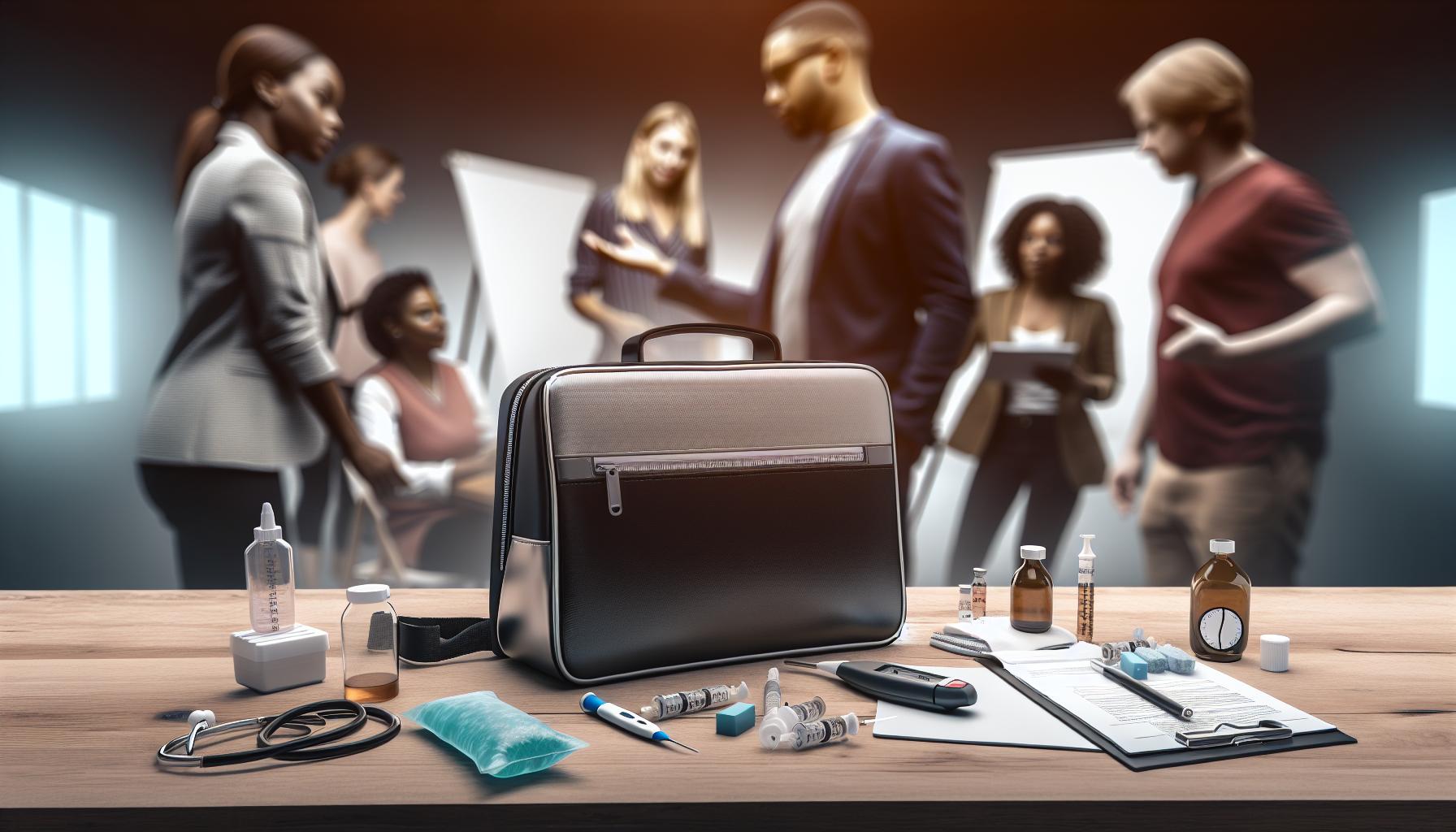
Essential Features of a Quality Insulin Cooling Bag
When it comes to managing diabetes, ensuring that insulin remains at the appropriate temperature is crucial, especially during travel. A high-quality insulin cooling bag can be a travel-savvy companion, safeguarding your insulin’s efficacy. But what characteristics should you look for in an optimal cooling bag? Understanding these essential features can lead to better choices that empower you to travel with confidence and ease.
Effective Insulation
One of the primary functions of an insulin cooling bag is its insulation. A quality bag will incorporate multiple layers of insulating material that minimize heat transfer, keeping the internal temperature stable. Look for bags made from insulating fabrics like neoprene or specialized thermal materials that reflect heat. An added feature is the presence of pockets for cold gel packs; these compartments should be strategically designed to maintain distance between the gel packs and the insulin to prevent any direct contact that could lead to freezing.
Size and Portability
The functionality of an insulin cooling bag is further enhanced by its size and portability. It should be compact enough to fit in a carry-on or personal bag while still holding all necessary items, such as insulin vials, syringes, and extra supplies. Some of the best bags come with adjustable straps or clips for easy attachment to luggage or backpacks, making them convenient for on-the-go lifestyles.
Cooling Duration
Different bags offer varying cooling durations, which is crucial for longer trips. A high-quality cooling bag should maintain the safe temperature range of 36°F to 46°F (2°C to 8°C) for an extended period, typically at least 12-24 hours, depending on conditions. Before purchasing, check user reviews or manufacturer claims about cooling duration to ensure it meets your travel needs.
Accessibility and Organization
Having quick access to your insulin and supplies is essential while traveling. A good insulin cooling bag will have design features like zipped compartments, mesh pockets, and external sleeves allowing easy organization and retrieval. Some bags even come with labels or color-coded sections for better organization, minimizing the time you spend searching for items.
By focusing on these features when selecting an insulin cooling bag, you can better ensure that your insulin remains effective throughout your travels. Remember, consulting with a healthcare professional can provide further guidance tailored to your specific requirements, making your journey smoother and healthier.
Best Cold Gel Packs for Traveling with Diabetes
Choosing the right cold gel packs is essential for effectively managing insulin temperature during travel. As a diabetic, maintaining the efficacy of your insulin is paramount, and cold gel packs play a crucial role in this process. High-quality gel packs not only provide the necessary cooling effect but also help sustain a stable, optimal temperature range that safeguards your medication.
When selecting gel packs, consider the following features:
- Durability: Look for gel packs made from strong, puncture-resistant materials that can withstand regular travel without leaking or tearing.
- Cooling Duration: Different packs offer various cooling times. Opt for those that can stay cold for extended periods, ideally 12-24 hours, depending on your travel plans.
- Size and Shape: Choose packs that fit well within your insulin cooling bag. Consider slim packs that can adapt to different bag compartments, allowing for more flexibility in packing.
- Freezing Time: Pay attention to how long it takes the gel packs to freeze thoroughly. Some packs require longer freezing times, which can be a consideration if you’re in a rush.
Another essential aspect is the temperature consistency. Cold gel packs should maintain a temperature between 36°F and 46°F (2°C to 8°C), which is considered ideal for insulin storage. Many users find success with packs that utilize phase change materials, as they can sustain exact temperatures longer than traditional gel packs.
For convenient travel, consider packing multiple gel packs so you can rotate them. This way, if you’re on an extended journey or if one pack starts warming up, you can easily switch it out. A well-thought-out strategy ensures that your insulin remains at a safe temperature, whether you’re on a long flight, a quick road trip, or enjoying a day out at the park.
Remember, when planning your travels, always assess the specific cooling needs of your insulin and choose gel packs that meet those requirements. Consulting with a healthcare professional can also provide personalized advice, further ensuring a successful journey in managing your diabetes.
Comparing Insulin Cooling Bags: Top Products Reviewed
When it comes to traveling with insulin, finding the right cooling bag can be a game-changer for maintaining the medication’s efficacy. Not all cooling bags are created equal; they vary significantly in features, insulation, and overall effectiveness. Here, we’ll dive into some of the top products on the market, highlighting critical aspects that can aid in making an informed decision for your travel needs.
Top Products Reviewed
- FRIO Insulin Cooling Case: Known for its innovative cooling technology, the FRIO case uses evaporative cooling to maintain low temperatures without the need for ice or gel packs. Simply soak it in water, and it will keep your insulin cool for several days. Its lightweight design makes it perfect for airport travel.
- Myabetic Insulin Cooling Case: This stylish yet functional cooler features insulated compartments and a built-in gel pack that lasts up to 18 hours once properly frozen. Available in various colors, it combines fashion with functionality. The Myabetic case is particularly popular for those who prioritize aesthetics along with efficiency.
- Genuine Thermos Brand Insulin Carrier: Recognized for durability, this insulated bag can maintain optimal temperatures for insulin. The design includes multiple pockets, providing space for syringes and other diabetic supplies. It’s robust, making it ideal for rugged adventures or long trips.
- MedAngel ONE Smart Temperature Sensor: While not a cooling bag itself, this smart device can be placed inside any insulin cooling bag to monitor temperature. It sends alerts to your smartphone if the temperature goes out of the safe range, ensuring your insulin remains viable during travel.
- ChillMed Insulin Cooler: Equipped with a rechargeable battery-powered cooling system, this bag maintains a steady temperature for up to 24 hours. It’s ideal for extended trips or unpredictable travel conditions. The ChillMed is also spacious enough to accommodate various insulin products and accessories seamlessly.
Choosing the right cooling bag tailored to your travel requirements plays a crucial role in managing diabetes effectively. Features like cooling duration, overall durability, and additional compartments for other supplies can significantly enhance your travel experience. Before making your purchase, consider reviewing user testimonials and researching any specific user experiences that align with your needs. Keeping insulin safe during travel doesn’t have to be stressful-finding a quality product can not only ensure medication integrity but also provide peace of mind as you explore the world.
Travel Safety Tips for Diabetics on the Go
Navigating travel as a person living with diabetes requires thoughtful planning, especially when it comes to insulin management. One critical aspect is ensuring that your insulin remains at an optimal temperature, which is where cooling bags and gel packs come into play. It’s essential to remember that insulin is sensitive to temperature fluctuations; exposure to extreme heat or cold can render it ineffective. Thus, being prepared with the right tools and knowledge can make all the difference.
Firstly, always carry an adequate supply of ice packs or gel packs that can easily fit into your insulin cooling bag. Ensure they are frozen solid before departure, and place them strategically around your insulin vials or pens to maintain a stable temperature throughout your journey. Additionally, consider using insulating materials or bags that provide extra thermal protection against varying environmental conditions. Remember to check the temperature of your insulin periodically using a thermometer to ensure it remains within the recommended range.
Communication is key when traveling, especially with airline staff or hotel personnel. Always inform them of your medical condition and the need for a cooler to store your insulin. Many airlines have policies in place for transporting medical supplies, and they may allow special accommodations to ensure that your insulin stays at the proper temperature. Moreover, using a travel-sized cooler with clear labeling indicating that it contains critical medication can help streamline security checks at airports.
Finally, have a plan in case of unexpected circumstances. Create a contingency list of nearby pharmacies or medical facilities at your destination where you can obtain insulin or other supplies if needed. Carry a doctor’s note detailing your medical needs, including your diabetes diagnosis and the necessity for insulin storage. This precaution not only helps in travel emergencies but also provides peace of mind as you navigate new environments. By following these tips, you can enhance your travel experience while ensuring your diabetes management remains on track.
Maintaining Insulin Integrity: Temperature Guidelines
Insulin is a crucial medication for many living with diabetes, and maintaining its integrity during travel is paramount. Did you know that insulin can lose its potency when exposed to temperatures outside the recommended range? For most insulin products, the ideal temperature lies between 36°F and 86°F (2°C to 30°C). Proper temperature management not only ensures insulin remains effective but can also prevent unnecessary complications related to diabetes management during your travel.
Using a diabetic cooling bag can greatly assist in maintaining this temperature range. When planning your journey, it’s essential to prepare your cooling bag strategically. Always freeze gel packs solid before departure and ensure they are placed correctly in the bag to maximize cooling. Avoid direct contact between the insulin and the gel packs as extreme cold can also damage insulin. Adding an insulating layer, like a small towel, can create a buffer that keeps your insulin warm while keeping the environmental heat out.
Regularly monitoring the temperature inside your cooling bag is also key. Consider investing in a small thermometer designed for this purpose, which can easily fit inside your insulin storage to provide continuous temperature feedback. This proactive approach is especially important during longer journeys or in places with fluctuating environmental conditions. Many travelers overlook the potential for heat buildup in vehicles, especially when parked in the sun, so be sure to check frequently.
Lastly, familiarize yourself with the insulin brands and products you use because some types are more sensitive to temperature changes than others. For example, rapid-acting insulin may have stricter temperature regulations than long-acting versions. Always consult your healthcare provider for any specific instructions related to your medications. By staying organized and informed, you can travel confidently, knowing that your insulin will remain safe and effective, helping you maintain optimal health during your adventures.
User Testimonials: Successful Travel with Insulin Bags
Traveling with diabetes can be a daunting challenge, particularly when it comes to maintaining insulin stability and potency. Many travelers have turned to diabetic cooling bags as a reliable solution to this problem. Users have reported transformative experiences, with cooling bags helping to keep their insulin within the essential temperature range, thus avoiding the potential pitfalls of temperature fluctuations.
One user, Sarah, shared that her recent trip to a tropical destination was worry-free thanks to her insulin cooling bag. Before her journey, she ensured that the gel packs were frozen solid and positioned the packs carefully within the bag. She discovered that a simple insulating layer, like a towel, kept her insulin safe from direct contact with the gel packs, which made her feel secure knowing her medication was protected. Throughout her travels, she was able to check the temperature inside the bag using a small thermometer, giving her peace of mind as she explored new sights.
Another testament comes from Mike, a frequent business traveler. He noted that the ability to confidently carry insulin without fear of losing its effectiveness transformed his trips. Mike emphasized the importance of checking in with local stores to refill gel packs. This knowledge not only optimized his travel but empowered him to stay active and engaged in business meetings without anxiety about his diabetes management. He frequently recommends cooling bags to fellow travelers, highlighting how much easier they’ve made his life on the road.
Through these shared experiences, it’s clear that diabetic cooling bags are not just useful-they’re essential tools for anyone traveling with insulin-dependent diabetes. By planning ahead and utilizing these bags effectively, travelers can maintain their health and enjoy their journeys with confidence. The testimonials underline an empowering message: proper preparation and the right tools can ensure that diabetes management doesn’t stand in the way of having adventures and enjoying life to the fullest.
Choosing the Right Travel Accessories for Diabetic Care
Traveling with diabetes presents unique challenges, particularly when it comes to preserving insulin’s efficacy. Having the right accessories can empower diabetic travelers to manage their condition confidently while on the go. Focus on selecting products tailored specifically for diabetes care, ensuring both functionality and convenience.
When assessing travel accessories, consider an insulin cooling bag as your primary item. These bags are designed to maintain a consistent temperature for your insulin. Look for bags that use high-quality insulating materials and come with reliable gel packs that keep insulin stable, even in varying climates.
In addition to cooling bags, don’t overlook the importance of other travel tools such as:
- Glucose Monitors: Ensure you have a portable glucose meter that fits comfortably in your bag, along with a sufficient supply of test strips.
- Emergency Supplies: Carry fast-acting glucose tabs or gels to quickly address unexpected lows in blood sugar levels.
- Medication Organizer: A compact organizer can help keep all medications, including insulin, syringes, and other necessary supplies in one place.
- Waterproof Cases: Protect your supplies from water damage during excursions or unexpected weather changes.
Always remember to have a sufficient supply of insulin and related medications, taking extra doses in case of travel delays. Keep your healthcare provider’s contact information handy and ensure you’ve got all prescriptions labeled and easily accessible to make passing through airport security smoother.
Customized planning with these accessories not only fosters independence but also helps in maintaining peace of mind during your travels. Traveling can be a seamless experience when taking proactive steps, allowing you to focus on enjoying your journey while safely managing your diabetes.
Common Mistakes to Avoid When Using Cooling Bags
Traveling with diabetes requires careful management, especially when it comes to insulin storage. One of the most common mistakes people make is not ensuring that their cooling bags are adequately prepared before departure. For instance, failing to freeze gel packs long enough can lead to an ineffective cooling system, putting insulin integrity at risk. Always allocate sufficient time for gel packs to freeze completely prior to your travel. This simple step can dramatically affect the temperature of your insulin, especially in varying climates.
Another critical error is underestimating the importance of checking the bag’s temperature during travel. Temperature fluctuations can occur, especially in crowded places or during air travel. Relying solely on a cooling bag’s insulation without periodically checking the temperature of the insulin can lead to exposure outside the recommended range, which may compromise its effectiveness. Consider using a portable thermometer designed for medications to monitor temperature regularly throughout your journey, especially during long layovers or road trips.
Additionally, improperly sealing the cooling bag can lead to unwanted temperature escapes. Ensure that your bag is zipped up properly and that all compartments are securely fastened. Some bags come with additional layers of insulation or reflective materials, which can enhance effectiveness. Make sure to familiarize yourself with the features of your specific bag to use it to its full potential.
Finally, keep in mind the importance of packing enough insulin for your trip, along with a few extra doses just in case of unexpected delays. It’s not just about how you store insulin; it’s also about ensuring you have enough access to the medication throughout your travels. Carrying your insulin in multiple locations, such as your carry-on and checked luggage, can provide redundancy in case one becomes lost or compromised. Incorporating these practices will ensure that you can maintain safe and effective insulin management while you enjoy your travels.
Emergency Tips for Insulin Management While Traveling
Traveling can be an exciting adventure, but for those managing diabetes, it requires thoughtful preparation-especially when it comes to insulin management. Situations can arise unexpectedly, from flight delays to changes in weather, affecting the temperature control of insulin that is critical for maintaining its efficacy. By having a set of emergency strategies, you can safeguard your insulin and enjoy your travels with confidence.
Firstly, always keep a backup supply of insulin and essential diabetic supplies accessible. In case your primary storage method fails-think of a broken cooling bag or unexpected exposure to heat-having an extra vial or pen on hand can be a lifesaver. Utilize insulated pouches or smaller cooling bags that can easily fit in your day bag. This way, you can ensure that regardless of your situation, you will have access to your medication when you need it most.
Regular temperature checks are crucial. Equip yourself with a reliable, portable thermometer designed for tracking medication temperatures. This can help you monitor the integrity of your insulin amidst changing environmental conditions. If you discover that the temperature is outside the recommended range, act fast by placing the insulin in an ice pack while waiting for a more stable solution. Also, avoid opening your cooling bag frequently, as this can allow warmer air to enter and potentially compromise the internal temperature.
Lastly, don’t hesitate to reach out for assistance. If you’re ever in doubt about the safety of your insulin while on the road, speak to staff members in pharmacies or mobile clinics that might be available at travel hubs. Many airport pharmacies can offer temporary solutions to keep your insulin at a safe temperature until you can regroup. Keeping these practices in mind while traveling can significantly reduce the worry that accompanies managing diabetes on the go, empowering you to focus on your journey and enjoy every moment.
Frequently asked questions
Q: What temperature should insulin be stored at when traveling?
A: Insulin should be stored between 36°F and 46°F (2°C to 8°C) to maintain its effectiveness. When traveling, using a diabetic insulin cooling bag with cold gel packs can help regulate the temperature and protect your insulin from extreme heat or cold.
Q: How long do cold gel packs last in an insulin cooling bag?
A: Cold gel packs typically maintain a cool temperature for 24 to 48 hours, depending on the bag’s insulation and environmental conditions. For optimal insulin protection during travel, ensure that the gel packs are fully frozen before use and check their effectiveness regularly.
Q: Can I use regular ice packs instead of cold gel packs for my insulin?
A: It’s not recommended to use regular ice packs as they can create too much cold, risking freezing the insulin. Instead, use specially designed cold gel packs that provide a consistent, controlled cooling environment ideal for insulin storage.
Q: How do I clean and maintain my diabetic insulin cooling bag?
A: Cleaning your insulin cooling bag involves wiping it with a damp cloth and mild detergent. Avoid harsh chemicals that could damage the bag. Make sure to let it dry completely before packing it again to prevent mold and bacteria growth.
Q: Are there special considerations for flying with an insulin cooling bag?
A: Yes, when flying, keep your insulin cooling bag in your carry-on luggage. Inform security about your medical needs, and if traveling internationally, check regulations regarding the transport of oils or liquids in your cooling gel packs.
Q: What should I do if I suspect my insulin has been exposed to high temperatures?
A: If you suspect your insulin has been compromised due to high temperatures, it’s best to discard it. Always have a backup supply when traveling and refer to guidelines for proper storage to ensure your medication remains effective.
Q: How can I ensure my cooling bag is effective during a long trip?
A: To ensure your cooling bag’s effectiveness on a long trip, pre-chill the cold gel packs thoroughly and pack your insulin tightly in the bag to minimize air pockets. Keep the bag in a shaded area and check its temperature regularly.
Q: Where can I purchase high-quality diabetic insulin cooling bags?
A: High-quality diabetic insulin cooling bags can be purchased from pharmacy stores, diabetes supply websites, and major online retailers. Look for products with good insulation, positive user reviews, and appropriate gel pack compatibility for optimal temperature control.
In Summary
Thank you for exploring how the Diabetic Insulin Cooling Bag can enhance your travel experience by keeping your insulin safe and effective with cold gel packs. Remember, proper storage and management of your insulin is essential for maintaining optimal blood glucose levels wherever you go. Don’t miss the chance to make your travels stress-free-invest in a cooling bag today!
For more valuable insights, dive into our articles on daily diabetes management and safe food choices, or check out our specialist referral guide to connect with healthcare professionals. If you have any questions or need further assistance, please share your thoughts in the comments below. Your journey towards better diabetes management is a community effort, and we’re here to support you every step of the way.
Join our newsletter for regular updates and tips, and explore our range of diabetic products to find what works best for you. Together, let’s make managing diabetes easier and more empowering!
Get our latest guides, news, and insights highlighted in your Google Search & AI Overviews.