Traveling with diabetes can be daunting, but it doesn’t have to be. Did you know that careful planning can enhance your travel experience while ensuring your health needs are met? The key lies in packing a well-thought-out diabetic travel bag. This essential kit not only includes your medication and monitoring supplies but also smart snacks and emergency items to keep your blood sugar in check, wherever your journey takes you. By prioritizing your health, you can focus on enjoying your travels without worry. Whether you’re heading out for a weekend getaway or a long vacation, understanding what to pack can significantly reduce stress and help you manage your diabetes effectively. Join us as we explore the must-have items for your diabetic travel bag and empower yourself to travel smart and safely.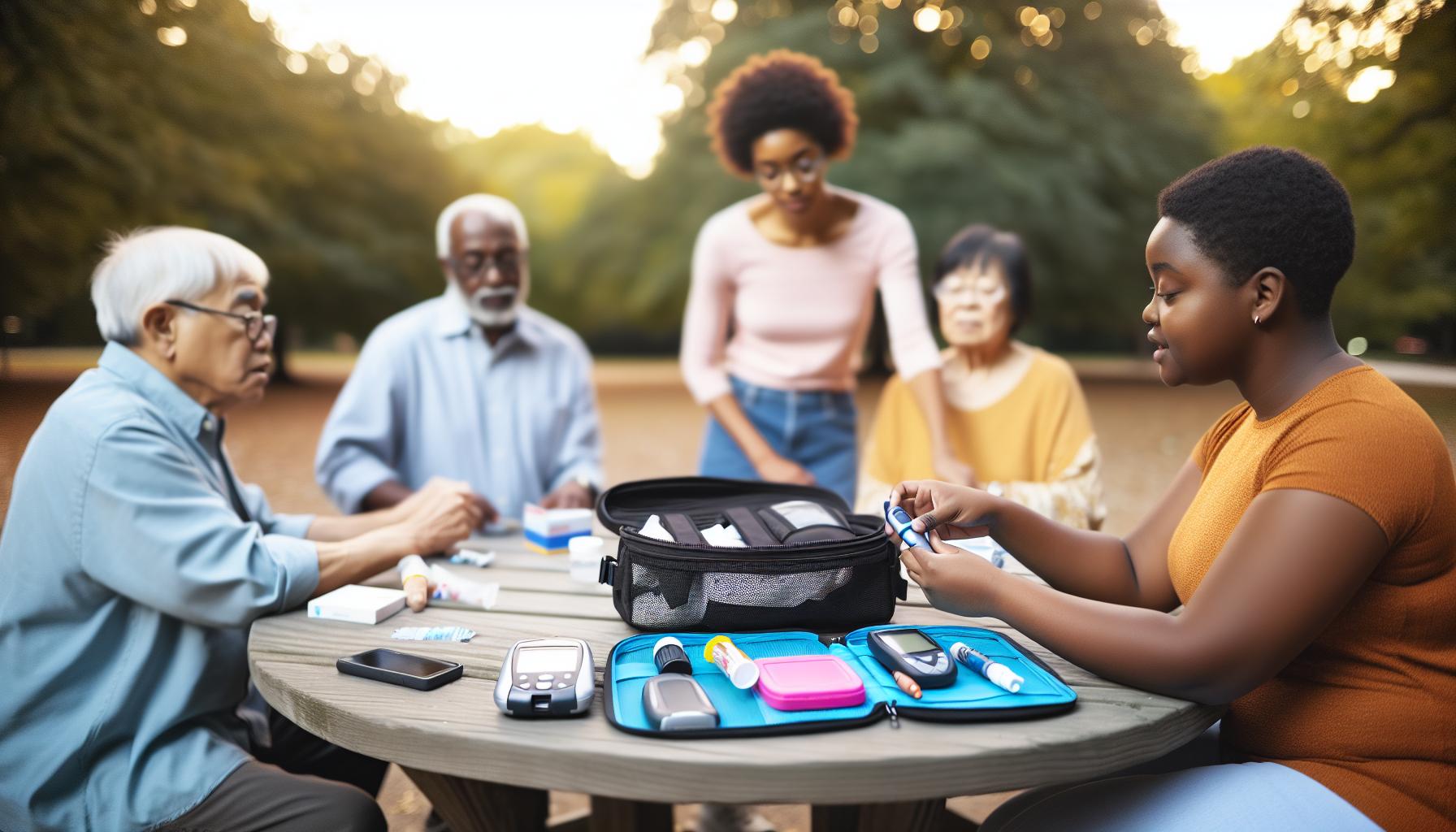
Diabetic Travel Essentials: What to Include
Traveling as a diabetic requires careful planning to ensure that your health is managed effectively while you enjoy your journey. Essential items should be thoughtfully included in your travel bag, equipping you to handle unexpected situations with confidence. By being prepared, you can focus on experiencing new cultures, cuisines, and adventures instead of worrying about your diabetes.
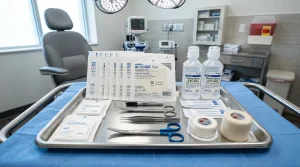
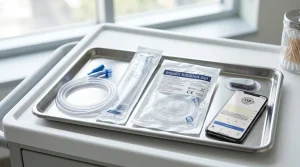
Start by including an ample supply of medication. This means not only your insulin or oral medications but also any necessary supplies such as syringes, alcohol wipes, or pen needles. It’s advisable to carry extra doses in case of travel delays. Additionally, consider bringing along a diabetes management device like a continuous glucose monitor (CGM) if you use one, and ensure you have replacement sensors and batteries. Always keep these items in your carry-on luggage rather than checked bags to have immediate access.
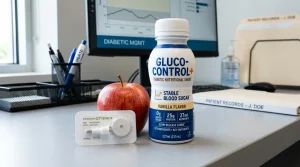
To further safeguard your health, pack snacks and food that are blood sugar-friendly. Items like nuts, protein bars, or low-glycemic fruit can help maintain your levels and are convenient to consume during travel. Also, keep a glucose meter handy, including test strips and batteries, to monitor your blood sugar levels on the go. Do not forget extra glucagon or fast-acting glucose (like glucose tablets) for emergencies.
Lastly, be sure to have documentation regarding your condition. Bringing a letter from your healthcare provider that explains your diabetes management plan can be helpful, especially when navigating airport security or if you encounter medical situations abroad. With careful packing of these essentials, you can manage your diabetes efficiently and travel with peace of mind.
Understanding Your Medication Protocol for Travel
Traveling can be an exciting adventure, but as a diabetic, understanding your medication protocol before you embark on your journey is crucial for maintaining your health and well-being. A well-structured medication plan not only prepares you for unexpected situations but also allows you to enjoy your trip without the persistent worry of potential blood sugar issues.
One essential step is to review your current medication regimen. This includes not only your insulin or oral medications but also any additional supplies like syringes, alcohol wipes, and test strips. Always pack more than you think you’ll need; it’s better to have excess than to find yourself at a loss due to unforeseen circumstances like delays or lost luggage. If you’re managing your diabetes with a continuous glucose monitor (CGM), ensure you include extra sensors and batteries in your travel kit. Keep all medications in their original packaging to avoid confusion and to comply with regulations, especially when traveling internationally.
Communicating Your Needs
Before you travel, discussing your medication plan with your healthcare provider is vital. They can provide a letter detailing your medical condition and necessary medications, which can be particularly helpful if you need to access healthcare while abroad. Having this documentation can also facilitate smoother interactions at airport security or customs, ensuring you’re able to carry your supplies without hassle.
Monitoring During Travel
When traveling across time zones, managing timing for your medications can be tricky. Set reminders on your phone or use a travel watch that adjusts automatically to new time zones. If you’re using insulin, consider the stability of your medication under various temperature conditions and plan accordingly; insulin should generally be kept at room temperature. Familiarizing yourself with local food available at your destination can also help you time your doses better and manage your diet more effectively.
In summary, thorough preparation regarding your medication can make your travel experience more enjoyable and less stressful. By following these guidelines, you can navigate your journey confidently, ensuring that your diabetes management is smooth and effective. This preparation not only enhances your travel experience but also empowers you to explore new cultures and environments without compromising your health.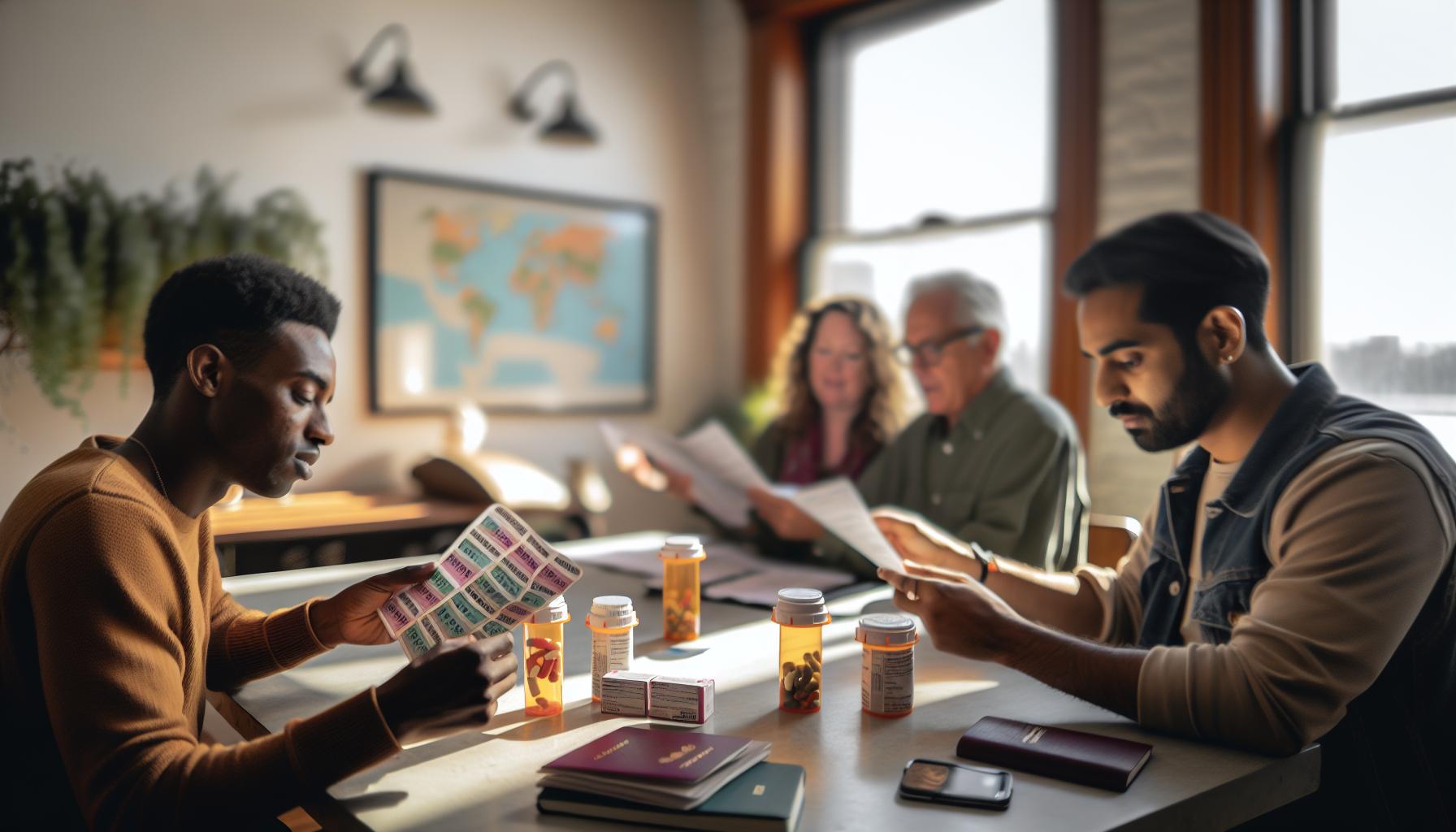
Smart Food Choices for Traveling Diabetics
Traveling with diabetes doesn’t mean limiting your culinary experiences; rather, it calls for informed choices that keep your blood sugar in check while satisfying your palate. With the right knowledge and preparation, you can enjoy your travels without feeling deprived of delightful food options. Planning your meals and snacks ahead of time, while being mindful of carbohydrate intake and the glycemic index of foods, will empower you to make health-conscious decisions on the go.
When you set out on your travels, arm yourself with knowledge about the types of foods available at your destination. Familiarize yourself with local cuisine and identify diabetes-friendly options that align with your nutritional guidelines. For instance, opting for whole grains, lean proteins, and plenty of non-starchy vegetables can help you maintain stable blood sugar levels throughout your journey.
Smart Eating Strategies
Consider these strategies to make your travel meals both satisfying and diabetes-friendly:
- Plan Ahead: Research restaurants or grocery stores at your destination that offer healthy options. Look for dishes rich in fiber and protein, which help stabilize blood sugar.
- Snack Wisely: Carry diabetes-friendly snacks like mixed nuts, low-sugar protein bars, or cut-up fruits and veggies. These can help fend off hunger and prevent blood sugar dips.
- Balance Your Plate: Aim for a balanced plate by filling half with vegetables, one-quarter with lean protein, and one-quarter with whole grains. This balance can help keep your blood sugar in check.
- Be Mindful of Portions: Eating out can lead to larger portion sizes than you’re used to. Request smaller servings or share meals to avoid the temptation of overeating.
Exploring Local Flavors
Delight in local flavors while prioritizing your health. Many cuisines offer a variety of fresh ingredients and cooking methods that suit a diabetic diet. For instance, Mediterranean dishes often feature heart-healthy fats like olive oil and plenty of vegetables, while Asian cuisine offers a wealth of stir-fried options rich in vegetables and lean proteins. Remember to communicate with your server about your dietary restrictions, and don’t hesitate to ask for modifications to dishes that might contain hidden sugars or unhealthy fats.
By being proactive and well-prepared, you can enjoy a range of delicious foods during your travels that complement your diabetes management plan. With thoughtful choices and the right snacks handy, every culinary experience can be a source of joy rather than worry, allowing you to embrace new experiences fully.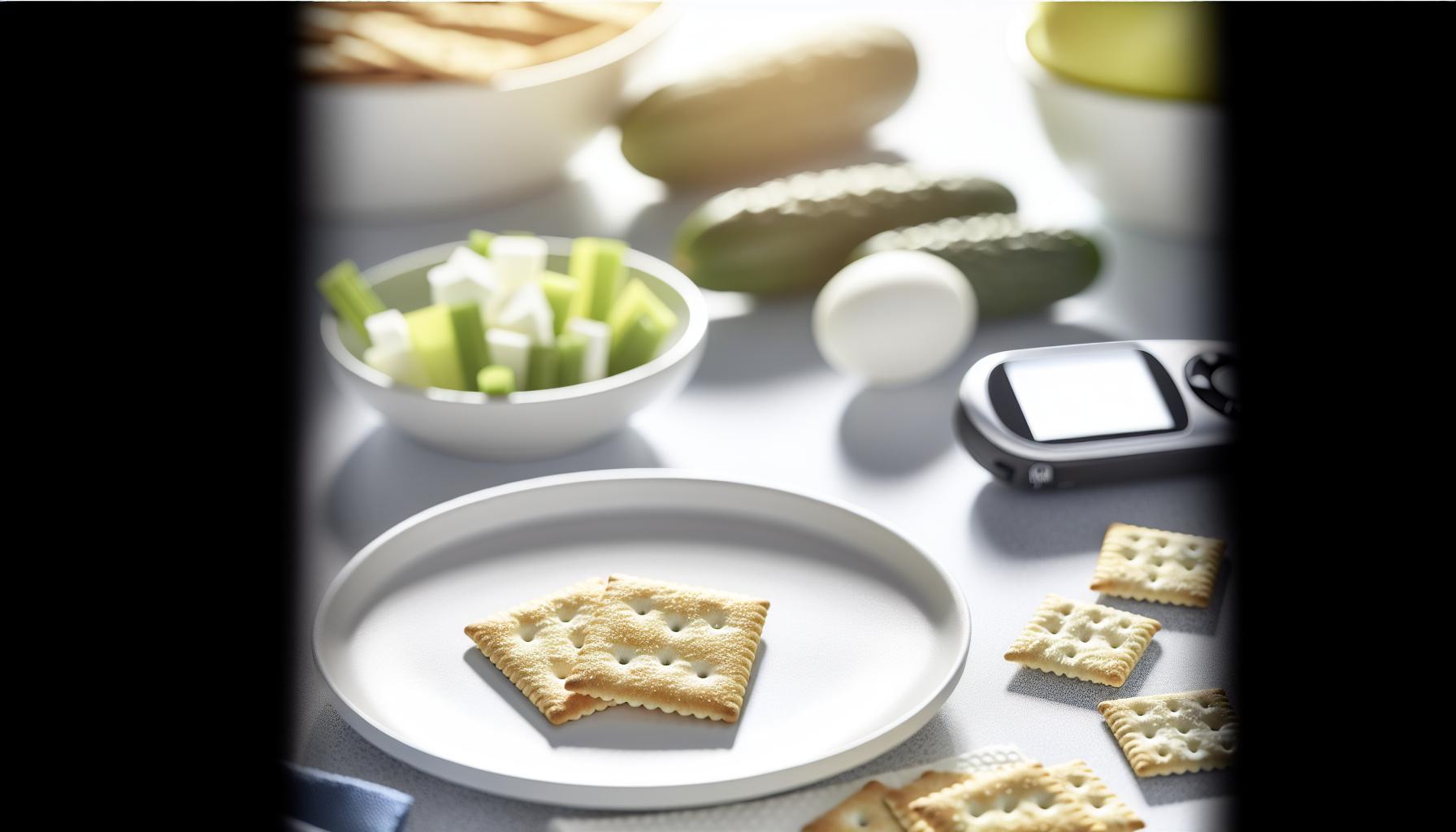
Managing Blood Sugar Levels While on the Go
Traveling can disrupt your usual routines and schedules, making effective blood sugar management even more critical for those with diabetes. Staying in tune with your body while on the go is essential, and being prepared with the right strategies can help you maintain stable glucose levels no matter where your adventures take you. By utilizing a few simple techniques, you can navigate your travels while keeping your diabetes management top of mind.
Begin by regularly monitoring your blood sugar levels. Carry a well-stocked diabetes kit that includes a blood glucose meter, test strips, and lancets. Make it a habit to test your blood sugar before meals, during travel, and whenever you feel any unusual symptoms. Understanding how food, activity, and stress affect your levels will empower you to make better decisions.
Engage in regular physical activity while traveling. Exploring on foot is a great way to combine sightseeing with health. Aim for brisk walks, hiking, or even taking the stairs instead of the elevator. Activity can help regulate blood sugar; just remember to monitor your levels closely – exercise can sometimes lower blood sugar too much, especially if taken after a meal or combined with insulin.
Hydration is another key factor often overlooked. Water helps maintain overall health and can prevent dehydration, which can affect blood sugar control. Always have a water bottle with you, and remember that drinks high in sugar can elevate your glucose levels quickly.
Lastly, be mindful of stress management. Traveling can be stressful, which may impact your blood sugar levels. Incorporate relaxation techniques such as deep breathing, stretching, or even short meditation sessions during your trip. This will help you stay calm and focused, allowing for better management of your diabetes throughout your journey. By following these practical tips and staying alert to your body’s signals, you can enjoy exploring new places without compromising your well-being.
The Best Diabetes-Friendly Snacks for Travel
Packing nutritious snacks is vital for managing diabetes while traveling. Not only do the right snacks help maintain blood sugar levels, but they also prevent that all-too-familiar energy slump that can hit when you’re away from home. The best diabetes-friendly snacks are those that combine complex carbohydrates, healthy fats, and protein to help stabilize blood sugar. By taking control of your snack choices, you can enjoy your trip without the worry of blood sugar spikes or dips.
When selecting snacks, consider these options that are both convenient and satisfying:
- Nuts and Seeds: High in healthy fats and protein, options like almonds, walnuts, or sunflower seeds are perfect for on-the-go munching. They provide lasting energy without causing rapid blood sugar increases.
- Greek Yogurt: A single serving of unsweetened Greek yogurt is rich in protein and can be easily packed in a cooler for travel. Top it with a small amount of berries for added fiber and flavor.
- Vegetable Sticks: Carrot, cucumber, and celery sticks are refreshing, low-calorie choices that can be prepped ahead of time. Pair them with hummus or guacamole for a satisfying snack.
- Whole-Grain Crackers: Look for whole-grain or high-fiber crackers that pair well with cheese or nut butter, providing a balanced mix of carbs, protein, and fats.
- Popcorn: Air-popped popcorn is a great fiber-rich snack that can be seasoned with herbs or nutritional yeast for extra flavor without added sugar.
- Dried Fruit: In moderation, dried fruits like apricots or figs can offer a sweet treat packed with fiber. Be mindful of serving sizes to avoid excessive sugar intake.
Being proactive about your snack choices will not only help in managing your blood sugar levels but also enhance your travel experience. Always pack your snacks in an insulated bag with ice packs if necessary, especially for items like Greek yogurt or perishable dips. Remember, it’s crucial to balance any treats with your overall meal plan, so consult your healthcare provider for specific advice related to your dietary needs while traveling. Making informed choices allows you to savor the joys of travel without compromising your health.
Choosing the Right Travel Bag for Diabetic Needs
When traveling with diabetes, having the appropriate bag can make all the difference in ensuring smooth management of your condition. A well-designed diabetic travel bag not only holds all your necessary supplies but also keeps them organized and accessible, allowing you to focus on enjoying your trip. It’s crucial to choose a bag tailored to your needs, featuring compartments that can accommodate medications, snacks, testing supplies, and personal items comfortably.
Start by considering a bag with a variety of compartments, which helps to separate your insulin, glucose meters, and snacks. Look for insulated pockets specifically designed for insulin pens or vials, as maintaining the appropriate temperature is vital for medication efficacy. Additionally, bags with waterproof or water-resistant materials offer an extra layer of protection against spills or unexpected weather while on the go.
Here are essential features to prioritize when selecting your travel bag:
- Insulation: Ensure the bag has insulated pockets to keep insulin cool.
- Compact yet Spacious: Choose a size that’s easy to carry but spacious enough to hold all your essentials.
- Organization: Look for multiple pockets and compartments to keep supplies organized, including easy-access slots for glucose tablets or snacks.
- Durability: Select a bag made from sturdy materials to withstand the rigors of travel.
- Comfort: A comfortable shoulder strap or backpack design can make it easier to carry your bag during long days of travel.
Be mindful when packing your bag, ensuring that all the essentials, such as your medication, testing supplies, and emergency snacks, are easily accessible. Use small pouches or containers to further organize your items within the bag, preventing confusion during hectic times like airport security checks or during transit. By selecting the right travel bag and maintaining organization, you empower yourself to manage your diabetes effectively, allowing for a more enjoyable and worry-free travel experience. Always consult your healthcare provider for tailored advice on medication storage and management while traveling to keep your journey safe and healthy.
Packing Your Diabetes Supplies Effectively
Packing thoughtfully is essential for effectively managing diabetes during travel. A well-ordered bag can be the difference between a smooth journey and a stressful one. Start by making a comprehensive checklist of all the diabetic supplies you’ll need, which typically includes insulin, syringes or pens, a glucose meter, testing strips, and emergency snacks. Remember, having a backup option for critical items is always wise, as issues can arise unexpectedly.
Organizing Your Supplies
Utilize small pouches or zip-lock bags to compartmentalize different types of supplies. For example, dedicate one pouch for your medications and another for testing supplies. This ensures that you can quickly access what you need without rifling through a jumbled mix of items. Labeling these pouches can also help you stay organized, especially in a less familiar environment.
Additionally, consider the layout of your bag. Place frequently used items, like your glucose meter and snacks, in easily accessible pockets. Insulin should be stored in an insulated compartment if the trip might expose it to varying temperatures. Also, prepare for emergency situations by including a small first-aid kit, as well as a list of local diabetic healthcare facilities based on your travel destination.
Adapting for Traveling Challenges
Traveling can entail unpredictable scenarios like delays or changes in schedule. Be prepared for these challenges by carrying extra supplies that can help you manage unexpected highs or lows. For instance, having extra glucagon on hand ensures you’re ready for severe hypoglycemic episodes.
Ultimately, an effective packing strategy is about anticipating needs and ensuring that you have quick and easy access to essential items. Regular consultation with your healthcare provider can lend personalized insights into your travel preparations, ensuring your diabetes management plan is robust for any journey you undertake.
Staying Active and Healthy During Your Trip
Traveling with diabetes doesn’t mean sacrificing an active lifestyle; in fact, maintaining mobility can be an essential part of effective diabetes management. Engaging in physical activities while on a trip not only helps with blood sugar control but also enhances your overall travel experience by allowing you to explore new environments and cultures. Here are some practical strategies to help you stay active and healthy during your travels.
First, plan your itinerary with physical activity in mind. Walking tours, hiking, or biking can be a great way to incorporate exercise. Many cities offer incredible walking paths or guided tours that allow you to see the sights while staying active. If you’re traveling to a resort or hotel, check for gyms or fitness classes available on-site. Integrating short bursts of exercise throughout your day can help keep your energy levels up and support your blood sugar management.
Utilize Downtime for Activity
Incorporate movement into your daily routine, especially during downtime. Use airport layovers or travel breaks to stretch or take short walks. Simple exercises like calf raises or seated leg lifts can also be done while waiting. Remember, moving your body helps improve insulin sensitivity and regulates blood sugar levels.
You can also prepare for your trip by researching local parks or outdoor spaces where you can walk or engage in physical activities. If you’re at a destination known for its natural beauty, such as beaches or mountains, take advantage of those settings for activities like swimming, hiking, or even leisurely walks along the shore.
Monitor Your Blood Sugar
As you increase your activity level, be mindful of your blood sugar levels. Carry your glucose meter and check your levels before and after exercise. Doing so can help you understand how different types of activities affect your body. If you’re unsure about what levels to aim for, consult your healthcare provider prior to traveling; they can provide guidance tailored to your individual needs.
Lastly, staying hydrated is critical, especially when engaging in physical activity. Drink plenty of water, and always have snacks on hand, like nuts or fresh fruit, to ensure you don’t hit any lows. Keeping your hydration and nutrition in check will support your activity levels while keeping you feeling your best during your trip.
Traveling can be a wonderful opportunity to maintain and even enhance your diabetes management while enjoying the thrill of discovery and adventure. Empower yourself with planning and a proactive mindset, and don’t hesitate to reach out to qualified healthcare professionals for advice tailored to your travel needs.
Insurance and Support: What to Consider Before Traveling
Traveling can introduce unforeseen challenges for those managing diabetes, making it essential to have the right insurance and support systems in place. Did you know that roughly one in ten Americans has diabetes? For these individuals, travel planning is not just about choosing a destination; it’s also about ensuring their health needs are met while away from home. Being well-prepared can mean the difference between a pleasant trip and a stressful experience.
Before embarking on your journey, checking your health insurance policy is crucial. Ensure it covers emergency care and potential hospitalization, especially if you are traveling internationally. Consider obtaining travel insurance that includes coverage for pre-existing conditions. This step is vital as it can offer peace of mind in case of unexpected health issues. Furthermore, if you’re traveling overseas, research the healthcare system of your destination; some countries may have specific regulations regarding treatment for chronic conditions like diabetes. Having a list of local healthcare facilities and diabetes specialists can serve as a valuable resource during your travels.
Support Systems are just as important. Inform your family and friends about your travel plans so they can provide support if needed. If you’re traveling alone, joining an online community of fellow diabetics can also be beneficial. Many platforms offer forums where travelers share tips and experiences, facilitating connections that can provide encouragement and advice. Moreover, consider carrying a medical alert card that outlines your diabetes management needs, including information about your medications, allergies, and emergency contacts.
Before you travel, don’t hesitate to consult with your healthcare provider for personalized advice regarding your trip. They can recommend which supplies you should pack, the appropriate adjustments to your medication schedule, and how to navigate food options during your travels. Engaging with a healthcare professional ensures that you’re equipped to manage your diabetes effectively while enjoying the freedom of travel without compromise. By taking these proactive steps, you can focus more on exploring new places and less on worrying about your diabetes management.
Special Considerations for Traveling with Pets
Traveling with pets is a rewarding experience that can strengthen bonds and create lasting memories, but it comes with unique considerations, especially for travelers managing diabetes. When planning your trip, it’s essential to ensure that both your health needs and those of your furry companions are meticulously addressed. Preparation is key to preventing complications and ensuring a smooth travel experience.
One critical aspect to focus on is ensuring a consistent diabetes management routine while on the road. For instance, if you’re traveling by car, make sure to pack your diabetes supplies, such as insulin, testing kits, and snacks, in a pet-friendly carrier or bag that’s easy to access in between stops. Additionally, since you may be more active while traveling, keep a close watch on your blood sugar levels. Adjust your diet and insulin schedule if necessary, based on your daily activity and any changes brought about by the presence of your pet.
Moreover, consider your pet’s health needs while on the trip. Just like with diabetes management, it’s essential to have the necessary supplies for your pet, including their food, medications, and any comfort items. If your pet is diabetic, ensure you have extra supplies to cover potential delays or unexpected changes, and be prepared to adjust their feeding schedule to align with your itinerary. Talk to your veterinarian before traveling; they can provide advice on managing your pet’s diabetes and suggest useful resources at your destination.
Incorporating your pet into your travel plans also means being mindful of their safety and comfort. Frequent breaks during long trips are crucial to ensure both you and your pet stay refreshed. Research pet-friendly accommodations and have a list of nearby veterinary services readily available in case of emergencies. By keeping both your health and your pet’s health in check, you can enjoy your trip without unnecessary stress, allowing for a delightful getaway for you and your four-legged friend.
Navigating Airport Security with Diabetes Supplies
can feel daunting, but being prepared can make the process smooth and stress-free. It’s essential to remember that TSA regulations permit travelers to carry necessary medical supplies, including insulin, lancets, and testing equipment, beyond the standard liquid limit. Before your travel day, familiarize yourself with the latest TSA guidelines relating to medical equipment, as these rules can evolve. Having your supplies clearly organized in a designated diabetes travel bag can expedite the process and help you communicate your needs effectively.
When you arrive at the security checkpoint, proactively inform the TSA agent about your diabetes supplies. This not only prepares them for what to expect but also fast-tracks your passage through the security screening. Consider carrying a letter from your healthcare provider detailing your condition and necessary supplies, as this can further assist in clarifying your needs. Always pack your supplies in an easily accessible part of your carry-on bag. If possible, opt for a bag that is clearly labeled as containing medical supplies; this can help security personnel quickly identify your items.
Useful Tips for a Smooth Experience
- Pill and Injection Organization: Use clearly labeled containers for pills and vials. This reduces the time spent explaining what each item is during the security check.
- Ice Packs: If you’re traveling with insulin that requires refrigeration, consider using ice packs or insulated pouches. Be prepared to show these to security, as they might require additional screening.
- Testing Equipment: Most blood glucose meters are allowed through security; however, keep them easily accessible for screening.
Once you’ve cleared security, ensure you have your glucose meter and snacks handy, as airport travel can sometimes lead to unexpected delays. Remember to keep an eye on your blood sugar levels, especially if you encounter long waits at security or before boarding. Your health and well-being should always be your top priority, and a little preparation can go a long way in ensuring you travel comfortably and confidently. Always consult with your healthcare provider for personalized advice tailored to your diabetes management plan before embarking on your journey.
Consulting Your Healthcare Provider Before Travel
Before embarking on any travel adventure, one of the most crucial steps for individuals managing diabetes is consulting with their healthcare provider. This pre-travel discussion is not just a formality; it plays an essential role in ensuring your journey is safe, enjoyable, and tailored to your specific health needs. Your healthcare provider can help you review your diabetes management plan, making any necessary adjustments to your medication or insulin regimen in light of new time zones or changes in your daily schedule.
During this consultation, it’s important to communicate your travel itinerary, including the destination, duration, and modes of transportation. For instance, if you’re flying internationally, there may be a significant time difference that requires you to adjust your medication schedule. Additionally, your doctor can provide advice on managing potential food changes at your destination and how to maintain your blood sugar levels through various travel scenarios, such as longer wait times or possible disruptions in meal routines.
Here are a few key points to discuss during your consultation:
- Medication Planning: Review your current medications and dosages to ensure they align with your travel schedule.
- Emergency Plans: Discuss what to do in case of a blood sugar emergency and ensure you have a plan for accessing medical care at your destination.
- Travel Supplies: Confirm the list of necessary diabetes supplies to pack, and check if you need any prescriptions or letters for your insulin or medical devices.
- Insurance Coverage: Verify your health insurance status while traveling, especially if you’re visiting a foreign country, to understand what services you will have access to.
Additionally, if you are traveling with a pet that has diabetes, it’s essential to have advice related to their care as well. Ensure you understand how to manage their diet and insulin requirements while away from home, as these may differ from routine care.
By taking the time to consult with your healthcare provider before travel, you equip yourself with the knowledge and resources needed to navigate your journey confidently. This proactive approach not only enhances your safety but also empowers you to make informed decisions that align with your health goals, allowing you to focus on enjoying your trip to the fullest.
Frequently Asked Questions
Q: What should I pack in my diabetic travel bag?
A: Pack essential items such as glucose meters, insulin, snacks, a travel log for blood sugar levels, emergency contact information, and medication instructions. Ensuring you have backups and storage for temperature-sensitive supplies is crucial for effective diabetes management on your trip.
Q: How can I ensure my medication stays at the right temperature while traveling?
A: Use insulated travel bags or diabetes supply cases with cooling packs to keep your medication at the required temperature. Additionally, plan your travel schedule to minimize time in extreme temperatures, and consider checking local accommodations for refrigerator access.
Q: What snacks are best to include in a diabetic travel bag?
A: Opt for low-glycemic snacks like nuts, seeds, whole grain crackers, and fruit cups. These options are not only convenient but also help manage blood sugar levels effectively. Check out the “The Best Diabetes-Friendly Snacks for Travel” section for more ideas.
Q: How do I handle food choices while traveling with diabetes?
A: Research dining options in advance and opt for restaurants that offer healthy meals. Look for low-carb or high-fiber choices, and don’t hesitate to ask for modifications to dishes when necessary. Always carry portable snacks in your diabetic travel bag to manage unexpected hunger.
Q: Are there specific travel insurance considerations for diabetics?
A: Yes, when choosing travel insurance, ensure it covers chronic conditions like diabetes, including emergency medical coverage for related complications. Refer to the “Insurance and Support: What to Consider Before Traveling” section for detailed information on selecting the right insurance plan.
Q: Can traveling affect my blood sugar levels?
A: Yes, changes in time zones, activity levels, and food availability can affect your blood sugar levels. Monitor your levels closely and consider adjusting your insulin or food intake based on your travel itinerary. Effective planning is key to managing blood sugar on the go.
Q: How do I prepare for airport security with diabetes supplies?
A: Familiarize yourself with TSA regulations regarding diabetes supplies. Carry a doctor’s note for your medications, especially if they are non-prescription. Always keep your supplies organized in a clear travel bag for easy access during security checks.
Q: What if I experience a diabetes emergency while traveling?
A: In the case of a diabetes emergency, identify the nearest medical facility or contact local health services immediately. Keeping a list of emergency contact numbers and healthcare providers in your diabetic travel bag can make managing emergencies smoother. Always consult with healthcare professionals before traveling for personalized advice.
In Retrospect
As you prepare for your journey, remember that packing smart for diabetes management is not just about convenience, but also about ensuring your health and well-being while traveling. To make the most of your diabetic travel bag, double-check that all essential items are included. Don’t let uncertainty hold you back; plan now to enjoy your trips worry-free!
For more tips on daily diabetes management, visit our guides on healthy food choices and essential diabetic products. Don’t forget to explore our resources on consulting healthcare professionals for tailored advice and proactive care strategies.
Join our community of informed travelers by signing up for our newsletter, where you’ll receive up-to-date insights and encouragement for your diabetes journey. Your adventure awaits-pack smart and travel confidently! Share your thoughts or questions in the comments below; we love hearing from you!
Get our latest guides, news, and insights highlighted in your Google Search & AI Overviews.