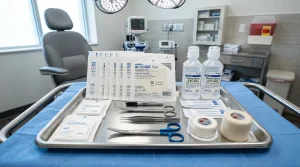
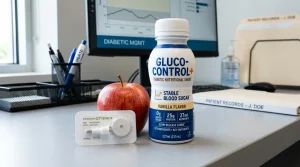
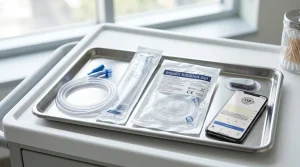
Did you know that staying organized can significantly impact your diabetes management? For many individuals living with diabetes, having a well-organized diabetes bag is essential for keeping track of necessary supplies, medications, and equipment. This guide will help you create a streamlined approach to managing your diabetes supplies, ensuring you’re always prepared for daily challenges and unexpected situations. Whether you’re navigating a busy day at work, planning a family outing, or simply managing your routine at home, knowing exactly where everything is can relieve stress and support better health outcomes. By investing a little time in organizing your diabetes bag, you empower yourself to take charge of your health, enjoy a greater sense of freedom, and focus on living well. Join us as we explore simple strategies to make your diabetes supply organization easy, effective, and tailored to your lifestyle.
Essential Diabetes Supplies for Daily Management
Every day poses unique challenges for individuals managing diabetes. Understanding and organizing essential supplies is crucial for maintaining optimal health and preventing complications. A well-prepared diabetes bag not only provides peace of mind but ensures you’re equipped to handle any situation, whether at home or on the go.
Key items should be included in your daily diabetes management arsenal. First, blood glucose monitoring tools are essential for tracking your levels effectively. This includes a reliable glucose meter, test strips, and lancets. Next, insulin supplies must be readily available, such as insulin pens, syringes, or an insulin pump, depending on your treatment plan. Don’t forget about a glucose emergency kit, which should include fast-acting carbohydrates like glucose tablets or juice boxes in case of hypoglycemia. Additionally, syringe disposal containers are vital for safely discarding used needles and maintaining a clean environment.
Moreover, having medical identification can be life-saving. Carry an ID card or wear a medical alert bracelet to inform first responders about your condition. For those who also manage food intake for diabetes, packing a small container with healthy snacks and a list of carbohydrates can keep you informed and help maintain balanced blood glucose levels throughout the day. Remember, keeping these items organized in your diabetes bag not only helps with accessibility but also encourages a proactive approach to your health management.
When choosing your diabetes supplies, consult with your healthcare provider to determine which products best suit your needs. New technologies and products are continually emerging, making it essential to stay informed. By establishing a well-stocked diabetes bag, you empower yourself to manage your condition confidently and effectively, navigating daily challenges with ease.
Organizing Your Diabetes Bag: Tips and Tricks
When it comes to managing diabetes, organization is key to ensuring that all essential supplies are readily accessible when you need them. A well-structured diabetes bag not only simplifies daily management but also helps avoid panic in situations where immediate care is needed. Start by selecting a durable and spacious bag that can easily accommodate all your supplies. Choosing a bag with multiple compartments can significantly enhance organization, allowing you to categorize items based on their purpose.
Prioritize Key Items
Identify and prioritize the items that you use daily. This might include your blood glucose meter, insulin supplies, and a glucose emergency kit. Allocate a designated space for each item; for example, use a small pouch for your glucose meter and its accessories, ensuring that it is easy to find. A clear, labeled box for medications and emergency snacks can also streamline the process. Consider using color-coded pouches: red for emergency supplies, green for snacks, and blue for monitoring tools. This visual aid can be helpful in quickly identifying the contents without rummaging through your bag.
Stay Prepared for Unexpected Situations
Think ahead about potential scenarios and include items for those situations. For instance, if you travel often, keep extra supplies such as syringes, insulin, or snacks in your bag. A checklist can be invaluable to ensure nothing is forgotten, particularly before outings or trips. Revisiting and reorganizing your bag regularly can ensure it remains equipped with supplies that are not expired and are in working condition.
Leverage Technology and Personalization
Consider incorporating technology by using apps or devices that can track your supplies and notify you when it’s time to restock. Additionally, personalizing your diabetes bag with reminders or motivational quotes can make the process more uplifting. Remember, ensuring organization in your diabetes bag is not just about having supplies on hand; it also fosters a proactive mindset towards managing your condition effectively. By keeping everything in order, you empower yourself and reduce stress, making daily diabetes management feel more accessible.
Must-Have Items for Every Diabetes Bag
Having the right supplies at your fingertips can significantly enhance the management of diabetes, making daily tasks more straightforward and less stressful. Essential items in your diabetes bag can help you respond promptly to changes in blood sugar levels and maintain a healthy lifestyle. Below are key items that should be included to ensure you are always prepared, whether at home or on the go.
Essential Supplies
- Blood Glucose Meter: This is crucial for monitoring your blood sugar levels. Keep test strips and lancets stored neatly alongside the meter for quick access.
- Insulin and Delivery Devices: If insulin is part of your treatment plan, ensure you have a sufficient supply. This includes vials or pens, syringes, or insulin pumps, as applicable.
- Glucose Tablets or Gel: Always carry fast-acting carbohydrates to quickly address low blood sugar episodes. These can be lifesavers when you’re feeling shaky or dizzy.
- Emergency Snacks: Healthy snacks like granola bars, fruit, or nuts provide a steady source of energy and help prevent blood sugar fluctuations.
- Alcohol Swabs: Ideal for sanitizing the area before insulin injections or finger pricks, reducing the risk of infection.
- Medical ID: A bracelet or card indicating you have diabetes is essential in case of emergencies when you may not be able to communicate your health condition.
Additional Considerations
- Logbook or App: Tracking your blood sugar readings helps you and your healthcare provider understand your patterns and make necessary adjustments.
- Chargers for Devices: If you use continuous glucose monitors or insulin pumps that rely on batteries or connectivity, including a charger can ensure you remain operational throughout the day.
- First Aid Supplies: Basic items like band-aids or antiseptic wipes can be handy in case of minor injuries that require attention.
Practical Tips for Organization
Organizing these supplies enhances efficiency. Use small pouches or sections of your bag to categorize items based on their function. Consider color-coding pouches: red for emergency supplies, green for snacks, and blue for monitoring tools. This not only saves time, but also helps reduce anxiety when you’re in a rush. Regularly check expiration dates and restock supplies to ensure you are always prepared.
Incorporating technology, such as reminder apps, can further streamline your management efforts; they can alert you when it’s time to check supplies or record readings. By ensuring your diabetes bag is well-stocked and organized, you embrace a proactive approach to your health, empowering you to manage your diabetes with confidence.
Creating a Personalized Diabetes Management Kit
Creating a management kit tailored to your individual needs can be a game changer in successfully navigating daily life with diabetes. Just as no two people are alike, neither are their diabetes management requirements. Personalization is key to ensuring that all necessary items are easy to find and accessible, helping you maintain control over your health no matter where you are.
To assemble a thoughtfully curated diabetes management kit, begin by evaluating your specific needs based on your health status, lifestyle, and daily activities. Consider including essential items such as a reliable blood glucose meter, test strips, and your preferred method of insulin delivery-be it pens, vials, or an insulin pump. Additionally, include fast-acting glucose sources, such as glucose tablets or gels, for quick action during hypoglycemic episodes. You might want to think about packing a few emergency snacks, like granola bars or nuts, which can help keep your energy levels consistent throughout the day.
Further tailoring your kit might involve adding items that facilitate your self-management journey. For instance, a digital logbook or an app to track your glucose levels can provide valuable insights into trends over time, assisting both you and your healthcare provider in making informed decisions. Incorporating items like a portable charger for any electronic devices, such as continuous glucose monitors (CGMs) or insulin pumps, is also prudent, ensuring that you’re never caught without power. Another thoughtful touch could be including a small first-aid supply kit that contains items such as antiseptic wipes and band-aids, ready for any minor mishaps.
Lastly, remember that your diabetes management kit should be flexible-adapt it as your needs change, whether it’s due to fluctuating activity levels, changes in medication, or even seasonal variations. Don’t hesitate to involve your healthcare professional in this process, as they can provide tailored recommendations that align with your specific health goals. By taking the time to build a personalized management kit, you empower yourself to handle diabetes proactively, allowing you to live your life fully and healthily.
Traveling with Diabetes: Packing Essentials
When planning to travel with diabetes, preparation is your best ally. Each adventure brings its own set of challenges, and having diabetes shouldn’t limit your experience. By carefully packing your essentials, you can ensure that your health is managed effectively, allowing you to focus on enjoying your trip without unnecessary worry. It’s vital to prioritize accessibility and organization so that every item you need is easy to find during your travels.
Begin by developing a comprehensive packing list tailored to your needs. Essential supplies to consider include:
- Blood Glucose Meter: Pack your meter along with extra batteries and test strips to keep track of your blood sugar levels.
- Insulin and Delivery Devices: Whether you use pens, vials, or an insulin pump, ensure you have an adequate supply and necessary accessories, such as syringes or a spare infusion set.
- Fast-Acting Carbohydrates: Bring glucose tablets or gels, as well as healthy snacks like nuts or granola bars, to address any hypoglycemic events.
- Medical ID: Wearing or carrying a medical identification bracelet can inform others about your condition in case of an emergency.
- Cooling Packs: If traveling in warmer climates or for extended periods, use a cooler bag or ice packs to keep insulin at the right temperature.
Moreover, consider the mode of travel. If flying, it’s crucial to bring all diabetes supplies in your carry-on luggage to avoid issues with lost checked bags. Also, be proactive by notifying airline staff about your condition; they can assist you should any emergencies arise during the flight. When heading to different time zones, plan for changes in your insulin dosing schedule accordingly.
Lastly, make the journey smoother by storing your supplies in a designated diabetes bag. Use pouches or compartments to separate different categories of items, ensuring everything is organized and easily accessible. This not only helps you find what you need quickly but also streamlines the process of checking supplies when going through security. Remember, traveling with diabetes is manageable-stay prepared, keep your supplies organized, and most importantly, enjoy your adventures!
Smart Storage Solutions for Diabetic Supplies
Keeping your diabetes supplies organized is crucial for effective daily management, whether at home or on the go. A clutter-free diabetes bag not only minimizes stress but also ensures you have everything you need at your fingertips, reducing the risk of missing essential supplies during critical moments. One straightforward approach to achieving smart storage is using compartmentalized pouches or an organizer specifically designed for diabetes supplies. This can help in quickly locating items, especially during hectic mornings or when you’re preparing for a day out.
Consider establishing a dedicated diabetes bag that includes sections for various categories of supplies. Here are a few ideas on how to categorize your items effectively:
- Monitoring Supplies: Use a small pouch to hold your blood glucose meter, test strips, and lancets. Place each item in its own compartment to ensure easy retrieval.
- Medications and Insulin: Keep your insulin vials or pens together, and add a thermometer for good measure. Many people find it helpful to include a small notebook to log their doses and results.
- Emergency Snacks: Designate a pocket for fast-acting carbohydrates such as glucose tablets or fruit juice. Keep these items easily accessible for those moments when you need a quick boost.
- Miscellaneous Items: Include a medical alert bracelet or card, alcohol wipes, and syringes if you use them. This pocket can also house your insurance information and contact numbers for your healthcare team.
When selecting a bag, opt for one with separate compartments to avoid jumbled supplies. Clear, zippered pouches work wonders, allowing you to quickly see contents without rummaging. Additionally, investing in a bag with thermal insulation can help keep insulin and other heat-sensitive medications at the recommended temperature, especially during travel or long outings.
It’s also beneficial to periodically review and restock your supplies. Keep a checklist of items that need to be replaced regularly, such as test strips and batteries, and schedule a monthly inventory. Doing so not only ensures you’re prepared but fosters a sense of control over your diabetes management. Remember, an organized approach can significantly enhance your confidence and efficiency in handling your health every day.
How to Choose the Right Diabetes Products
Choosing the right diabetes products can profoundly influence your daily management routine and overall health, providing both convenience and peace of mind. With a variety of options available, knowing what to prioritize can be challenging. It’s essential to consider factors such as your personal lifestyle, medical needs, and even your budget when selecting the best supplies for your diabetes bag. Moreover, quality and reliability are paramount-always opt for products that come recommended by healthcare professionals.
When assessing products, begin by evaluating your unique medical requirements, such as the type of diabetes you have and your treatment plan. For instance, those on insulin therapy will require specific types of syringes, pens, or pumps. Research brands that consistently receive positive reviews for accuracy, ease of use, and customer support. You might also consider solutions like continuous glucose monitors (CGMs), which can provide real-time glucose readings and help you make timely adjustments in your treatment without the need for frequent finger pricks.
Alongside medical supplies, emergency snacks are vital for managing blood sugar dips. Look for options that have a high glycemic index, such as glucose tablets, honey sticks, or even fruit juice. These not only deliver swift relief but are also easy to store in your diabetes bag. It’s also beneficial to carry items like alcohol wipes and emergency contact information, ensuring that you’re prepared for any situation.
Lastly, don’t hesitate to consult your healthcare team; their expertise can help you identify the best products tailored to your individual needs. Whether through in-person meetings or telehealth sessions, they can provide valuable insights on innovations in diabetes management products that may benefit you. Balancing your choices with professional guidance will bolster your confidence and enhance your day-to-day diabetes management.
Pet Diabetes: Essential Supplies for Your Furry Friend
Managing diabetes isn’t just a human concern; our pets can be affected too. In fact, diabetes in pets, particularly dogs and cats, is becoming increasingly common. Understanding what supplies are essential to manage your furry friend’s condition effectively can enhance their quality of life and keep their diabetes under control.
To ensure that you’re well-prepared to care for your diabetic pet, consider having a dedicated bag stocked with the following essential items:
Must-Have Supplies for Diabetic Pets
- Insulin and Syringes: Just like humans, diabetic pets often require regular insulin injections. Stock up on the prescribed insulin and insulin syringes or pens to administer the medication accurately.
- Glucose Monitoring Supplies: Keeping an eye on your pet’s blood glucose levels is crucial. Invest in a pet-specific glucose meter and test strips for regular monitoring.
- Pet-Friendly Snacks: Have a range of low-carb treats available. Look for treats specifically formulated for diabetic pets to ensure they satisfy your furry friend’s cravings without spiking their blood sugar.
- Tracking Journal: Maintain a log to track your pet’s insulin doses, blood glucose readings, and any behavioral changes. This information is valuable for both you and your veterinarian.
- Emergency Contact Information: Keep details of your veterinarian and an emergency clinic handy, so you’re prepared for sudden changes in your pet’s condition.
- Educational Materials: Books or pamphlets about pet diabetes care can be helpful to have on hand. They can serve as a quick reference for managing your pet’s health.
Caring with Confidence
Navigating pet diabetes can be overwhelming, but you’re not alone. Consulting with your veterinarian regularly will ensure that your pet is receiving the best possible care based on their individual needs. They can provide tailored advice on supplies and dietary choices that suit your pet’s condition. Additionally, online communities and resources focused on pet diabetes can offer support and shared experiences from fellow pet owners.
Being proactive about your pet’s diabetes management not only helps maintain their health but also strengthens your bond as you embark on this journey together. With the right supplies and support, you can take control of your pet’s diabetes and ensure they lead a happy and healthy life.
Professional Consultation: Building Your Diabetes Support System
Having a strong support system is crucial for effective diabetes management. Just like assembling the right supplies in your diabetes bag, building a network of healthcare professionals, family members, and fellow patients can provide you with the encouragement and knowledge needed to navigate daily challenges. Engaging in professional consultations not only helps in managing your own diabetes but also empowers you to make informed decisions regarding your health and lifestyle choices.
Start by prioritizing a healthcare team that includes your primary care physician, a certified diabetes educator, a registered dietitian, and any necessary specialists such as endocrinologists. This diverse team can tailor your diabetes management plan based on your individual needs and circumstances. Consider scheduling regular check-ins to discuss your progress and any concerns you might have. This open line of communication can be invaluable for adjusting medication, refining dietary plans, and addressing lifestyle changes that need to be made.
Additionally, don’t underestimate the power of community. Joining diabetes support groups or online forums can connect you with others who understand what you’re going through. Sharing experiences, tips, and even struggles with fellow patients can provide emotional support and practical advice that complements the professional guidance you receive. These connections can help you feel less isolated and motivate you to stay committed to your management goals.
For those managing diabetes alongside the care of diabetic pets, it’s equally important to engage with veterinary professionals who understand pet diabetes. Just as you would for yourself, make sure your furry friend’s healthcare team is equipped to handle their specific needs, which can include nutrition, insulin administration, and glucose monitoring. Keeping a detailed log of your pet’s health, just like you would for your own, can foster more productive consultations with your veterinarian.
In short, assembling a robust diabetes support system involves more than merely gathering supplies; it’s about forming meaningful connections with healthcare professionals and fellow individuals on a similar journey. By actively participating in your own health care decisions and leaning on your support network, you’re more likely to achieve better diabetes management outcomes and maintain a balanced, healthy lifestyle.
Balancing Lifestyle Choices with Diabetes Management
Navigating life with diabetes requires a delicate balance between managing the condition and enjoying everyday activities. Did you know that lifestyle choices can significantly impact your blood sugar levels and overall health? Understanding how to incorporate diabetes-friendly habits into your daily routine empowers you to live your life to the fullest while maintaining optimal glucose control.
One essential lifestyle adjustment is conscious eating. Embracing a balanced diet rich in whole foods, vegetables, lean proteins, and healthy fats can help regulate blood sugar levels effectively. Building a meal plan that includes a variety of nutrient-dense foods not only encourages better health but also aids in weight management, which is crucial for many individuals with diabetes. It’s beneficial to carry a list of glucose-friendly snacks, such as nuts or low-sugar protein bars, within your diabetes bag to help maintain steady energy levels throughout the day. This ensures you have the necessary fuel, especially during busy moments when meals may be missed.
Regular physical activity is another pillar of effective diabetes management. Incorporating even small bursts of exercise into your routine-like walking during lunch breaks or choosing the stairs over the elevator-can improve insulin sensitivity and lower blood sugar. While packing your diabetes bag, consider including a portable workout tool, such as resistance bands, or a quick reference for exercises that can be done anywhere. Remember, consistency over intensity is key; find activities you enjoy, as this increases the likelihood of sticking with them long-term.
Finally, don’t overlook the importance of mental health. Stress can wreak havoc on blood sugar levels, so integrating relaxation techniques into your daily schedule is vital. Whether it’s practicing mindfulness, yoga, or simply taking time for hobbies, these activities can enhance your overall well-being. Consider carrying a small journal or a stress ball in your diabetes bag to remind you to take breaks and manage stress in healthy ways.
By focusing on balanced lifestyle choices surrounding nutrition, physical activity, and mental health, you can create a sustainable and enjoyable routine that complements your diabetes management strategy. Always consult with healthcare professionals for personalized advice, so you can navigate your diabetes journey with confidence and support.
Budgeting for Diabetes: Cost-Effective Supply Solutions
Navigating the financial aspects of diabetes management can seem daunting, but with a strategic approach, it’s entirely possible to manage costs effectively without compromising your health. According to recent studies, individuals with diabetes can spend significantly on essential supplies, so looking for cost-effective solutions is crucial. By understanding your options and prioritizing your purchases, you can alleviate some of the financial burdens associated with diabetes care.
A smart starting point for budgeting is to take advantage of health insurance benefits. Many plans cover a portion of diabetes supplies, like glucose monitors and test strips. Always check with your insurer to understand what’s included, as limits and deductibles can vary widely. Additionally, government programs such as Medicare or Medicaid may assist with coverage depending on your qualifications.
Consider shopping at pharmacies and suppliers that offer discounts or loyalty programs. Stores such as National Diabetic Supply provide various diabetes products at competitive prices, and enrolling in a rewards program can lead to significant savings over time [[1]]. Furthermore, comparing prices online can help you identify the best deals on essential items such as test strips, insulin syringes, and glucose monitors. Some websites specialize in discounted products, allowing you to stock up while staying within budget.
When choosing products, opt for generic versions when available. Many high-quality generic options can provide the same effectiveness as brand-name medications and supplies without the hefty price tag. Consulting with your healthcare provider can help you determine which generic products are suitable for your care needs, ensuring you receive proper treatment while saving money.
Utilizing community resources can also make a difference in managing diabetes costs. Organizations often offer free or low-cost education programs that can teach you how to effectively monitor and manage your diabetes, assisting you in making informed decisions that can lead to financial savings down the line. Joining support groups can also provide valuable insights and tips from others who have faced similar financial challenges.
Finally, don’t forget to keep track of your expenses. Maintaining a detailed record of what you spend on diabetes supplies aids in budgeting and can help you identify areas where you might cut costs. Implementing these strategies not only allows you to save money but also empowers you to take control of your health in a sustainable manner. Always consult with healthcare professionals to align your budgetary decisions with your medical needs, ensuring that you manage your condition effectively while being fiscally responsible.
Empowering Yourself: Resources for Diabetes Education
Taking control of diabetes management requires not only awareness of essential supplies but also access to comprehensive educational resources. Empowering ourselves with knowledge enables better daily decisions regarding health, nutrition, and effective use of medical products. Many organizations and online platforms provide invaluable resources that can guide individuals living with diabetes through their unique journeys. Whether it’s learning about the proper use of insulin pens or understanding the significance of continuous glucose monitoring, the right educational tools can make a world of difference.
One of the best places to start is through trusted healthcare providers. Doctors and diabetes educators often have access to the latest research and practical advice tailored to individual needs. They can guide you in selecting the appropriate diabetic supplies and help create personalized management plans. Furthermore, considering reputable diabetes organizations, such as the American Diabetes Association (ADA) and the Juvenile Diabetes Research Foundation (JDRF), can provide access to tailored educational materials, workshops, and online resources, ensuring that you stay informed and empowered.
Additionally, online communities and forums play a crucial role in support and education. Platforms dedicated to diabetes management often share personal experiences, tips for integrating diabetes care into daily life, and updates on new products and technologies. Engaging with these communities allows individuals to share insights and strategies while fostering a sense of belonging. Alongside this, webinars and online courses offered by specialists can enhance your understanding of diabetes, covering essential topics such as nutrition, exercise, and the role of technology in managing health.
Finally, don’t overlook the power of mobile apps designed specifically for diabetes management. These tools can help track glucose levels, medication schedules, and dietary choices, making it easier to stay organized and informed. By actively utilizing these resources, you can build a robust support system that not only addresses the daily challenges of diabetes but also promotes long-term health and empowerment. Remember to always consult healthcare professionals before making any changes to your diabetes management plan, as their expertise is indispensable in navigating your unique health journey.
Frequently asked questions
Q: What are the essential items to include in a diabetes supply bag?
A: A diabetes supply bag should include blood glucose monitoring supplies, insulin and delivery devices, snacks for low blood sugar, alcohol wipes, a glucagon kit, and emergency contact information. Organizing these items helps ensure quick access during daily activities and emergencies.
Q: How can I effectively organize my diabetes bag?
A: To organize your diabetes bag, categorize supplies by type-keep monitoring devices in one section and snacks in another. Use small pouches with labels for easy identification and prioritize frequently used items by placing them at the top for quick accessibility.
Q: What tips can help when traveling with a diabetes bag?
A: When traveling, pack extra supplies, including insulin and snacks, in a cooler if needed. Always carry a medical ID and ensure that you have a backup plan for monitoring your blood sugar. Review packing tips in our “Traveling with Diabetes” section for comprehensive advice.
Q: How should I personalize my diabetes management kit?
A: Personalize your diabetes management kit by including your required medications, preferred glucose monitoring device, and snacks you like. Consider your daily routine and lifestyle to ensure that your kit meets your specific needs effectively.
Q: Why is it important to have a diabetes bag?
A: A diabetes bag is crucial for managing the condition effectively. It ensures that necessary supplies are always at hand, improves preparedness for emergencies, and helps maintain a routine that supports proper diabetes management.
Q: Where can I find smart storage solutions for diabetic supplies?
A: Look for portable organizers or specialized diabetes bags designed with compartments for storing various supplies. Our article on “Smart Storage Solutions for Diabetic Supplies” outlines options tailored to help you keep everything organized and accessible.
Q: What should I consider when choosing diabetes products for my bag?
A: Consider factors like compatibility with your treatment plan, ease of use, and portability. Check for user reviews and consult with healthcare professionals to select effective products for your personalized needs. Refer to our section on “How to Choose the Right Diabetes Products” for more guidelines.
Q: How can I budget for diabetes supplies effectively?
A: To budget for diabetes supplies, list all necessary items and research prices to find cost-effective options. Consider generic brands and make use of available financial assistance programs. Our “Budgeting for Diabetes” section provides additional tips on managing costs.
Final Thoughts
As you embark on your journey to manage diabetes more effectively, remember that organizing your essential supplies is just the beginning. By keeping your diabetes bag in top shape, you empower yourself to stay on top of your daily management routines, food choices, and medical care decisions. Take the time now to streamline your supplies and reduce the stress around your diabetes management. For more expert insights, be sure to explore our guides on daily diabetes care techniques and food choices that support stable blood sugar levels.
Don’t hesitate-implement these organizing tips today for a more proactive approach to your health. Interested in more personalized strategies? Sign up for our newsletter to receive valuable resources straight to your inbox. We’d love to hear your thoughts; share your organizing tips in the comments below and connect with others on a similar journey. Together, we can navigate the challenges of diabetes while celebrating the victories. Keep exploring our site for additional support and guidance, ensuring you’re always equipped to manage diabetes with confidence and care!
Get our latest guides, news, and insights highlighted in your Google Search & AI Overviews.