Did you know that just like humans, dogs can also experience diabetes? As caring pet owners, it’s crucial to ensure our furry friends maintain a balanced diet, especially if they’re diabetic. “Diabetic Dog Cookies: Homemade Recipes Your Pet Will Love” offers delicious and nutritious cookie recipes designed specifically for dogs with diabetes. By creating these treats at home, you control the ingredients, ensuring they are safe and healthy for your pet. This not only satisfies their cravings but also supports their health management. Join us in exploring easy recipes that cater to your dog’s unique dietary needs, making mealtime enjoyable while helping manage their condition. Let’s keep our furry companions happy and healthy together!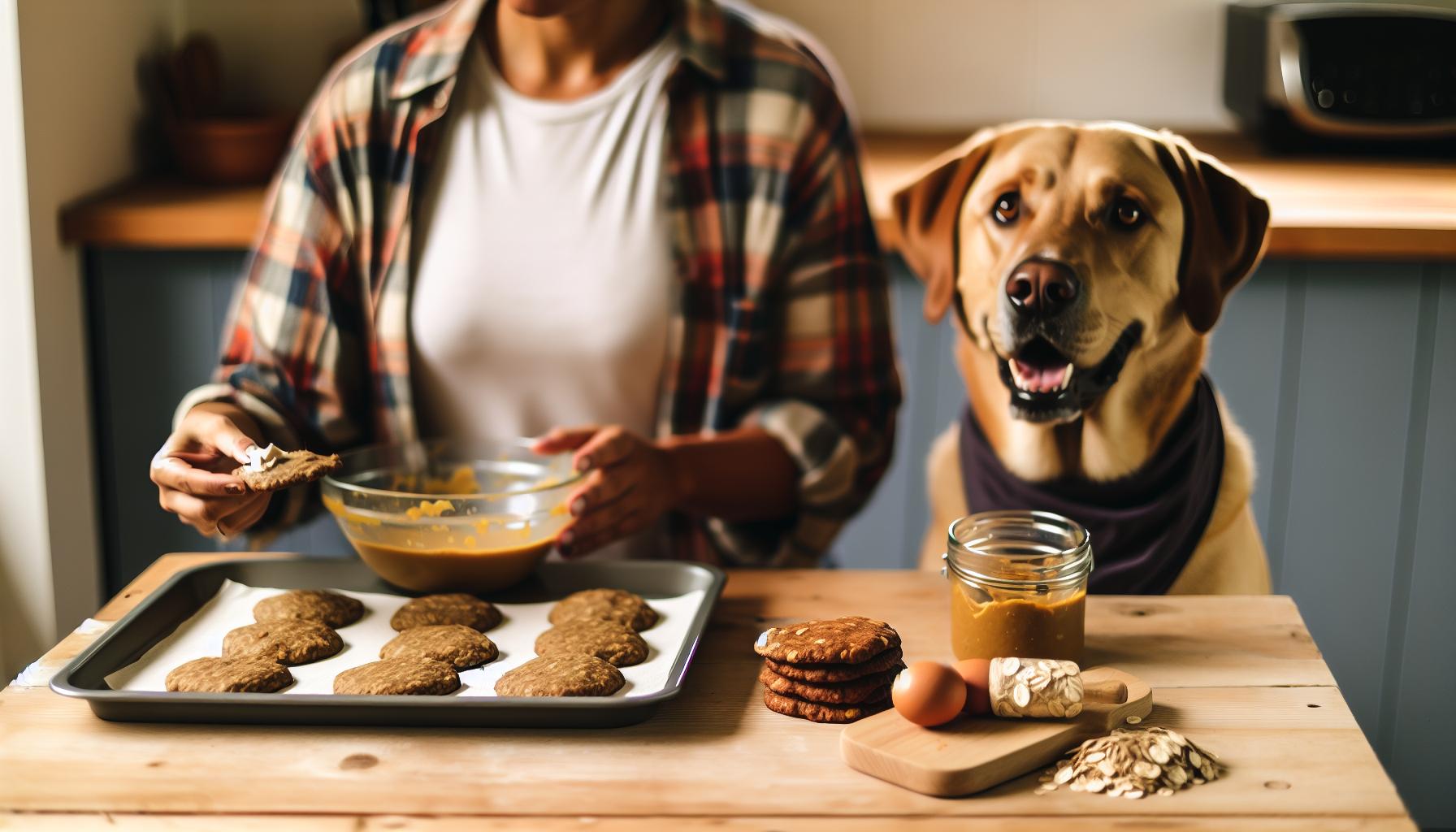
Homemade Dog Cookies for Diabetic Pups
There’s nothing quite like the joy of seeing your furry friend enjoy a tasty treat, especially when it’s tailored to meet their specific health needs. For diabetic pups, homemade dog cookies can be a delightful way to ensure they receive safe, nutritious, and satisfying snacks without compromising their health. By preparing these treats at home, you control every ingredient that goes into them, ensuring they are low in sugar and rich in healthy nutrients, proving that even dogs with diabetes can indulge occasionally.
When crafting dog cookies for diabetics, it’s important to prioritize ingredients that won’t spike blood sugar levels. Select alternatives like whole grains, such as oat flour or brown rice flour, which offer complex carbohydrates and are gentler on the digestive system. Incorporating protein sources like lean meats or peanut butter (in moderation and only if it’s xylitol-free) can provide the necessary energy without the unwanted sugars. Adding fiber-rich vegetables like pumpkin or sweet potatoes not only enhances flavor but also supports digestion, making these cookies both tasty and beneficial for your dog’s overall health.
As you embark on this baking adventure, consider customizing recipes to cater to your dog’s unique preferences and dietary restrictions. Experiment with different flavors and textures-your pup may prefer crunchy treats over softer ones. Incorporating ingredients like shredded carrots or apples can enhance taste while keeping sugar content low. And remember, it’s always wise to consult with your veterinarian before introducing new treats into your dog’s diet, ensuring they fit well with their overall management plan for diabetes. Making delicious and healthy homemade cookies for your furry friend can be a rewarding experience that both of you can enjoy together!
The Benefits of Homemade Treats for Diabetic Dogs
The ability to create homemade treats for your diabetic dog means you’re not only providing a delicious snack but also playing an essential role in the management of their condition. One of the main benefits of making your own dog cookies is the control you gain over the ingredients. Commercial dog treats often contain hidden sugars, fillers, and preservatives that can negatively affect a diabetic dog’s health. By baking at home, you can select high-quality, nutrient-dense ingredients tailored specifically to your pup’s dietary needs.
Homemade treats offer the potential for customization, allowing you to experiment with flavors and textures that your dog enjoys while keeping their health in check. For instance, you can incorporate ingredients like pumpkin or sweet potatoes, which are rich in fiber and can aid digestion without spiking blood sugar levels. Additionally, using whole grains such as oat or brown rice flour can enhance nutrition, providing complex carbohydrates that support stable energy levels. This flexibility not only ensures that your dog’s treats are palatable but also helps maintain their overall well-being.
Making treats at home fosters a deeper bond between you and your furry companion. The process can be enjoyable and rewarding-imagine your dog’s wagging tail as they await a fresh, healthy cookie, made just for them. Involving your pet in the baking experience, through scent and supervision, can also stimulate their senses and make them feel included in their dietary journey. Furthermore, sharing your knowledge about healthy treats invites other pet owners to consider similar practices, creating a community centered around health-conscious pet parenting.
While homemade treats are beneficial, it’s critical to balance this with ongoing monitoring of your dog’s health. Always consult your veterinarian regarding dietary changes, ensuring that your homemade snacks align with their overall diabetes management plan. Remember, while treats are a delightful addition to your dog’s diet, they should complement a balanced approach to their health. With homemade dog cookies, you’re not just baking; you’re investing in your dog’s happiness and well-being.
Essential Ingredients for Diabetic Dog Cookies
Creating delicious and nutritious cookies for your diabetic dog can be both a fun activity and a responsible choice for their health. The right ingredients are essential to ensure that these treats are not only tasty but also help maintain stable blood sugar levels. By focusing on low-glycemic and nutritious components, you can whip up delightful snacks that your furry friend will love.
Key Ingredients to Include
When baking for diabetic dogs, consider using the following ingredients:
- Pumpkin: Rich in fiber and low in calories, pumpkin can help regulate digestion and provides a sweet flavor that dogs enjoy without spiking their blood sugar.
- Sweet Potatoes: These nutrient-dense tubers are high in fiber, offering energy in a digestible form while being low on the glycemic index.
- Whole Grains: Ingredients like oat flour or brown rice flour are ideal because they contain complex carbohydrates that digest slowly, providing a steady source of energy.
- Peanut Butter: Ensure it is unsweetened and free of xylitol, this ingredient can be a tasty way to add protein and flavor to your treats.
- Applesauce: Unsweetened applesauce can not only add moisture to the dough but also provide a hint of sweetness while being low in calories.
- Green Beans: Chopped finely and added to the mix, these vegetables offer vitamins and a crunchy texture that can entice your pup.
Essential Oils and Flavorings
In addition to these basic ingredients, you can subtly enhance the flavor with safe herbs such as cinnamon or turmeric, which not only taste great but may also have anti-inflammatory properties. Just be sure to avoid any additives that contain sugar or artificial sweeteners.
Choosing the right ingredients is crucial for making homemade diabetic dog treats that not only please your pet’s palate but also support their health. Always remember to consult with your veterinarian before incorporating new ingredients into your dog’s diet, particularly when managing diabetes. By focusing on nutritious, low-glycemic components, you can help your furry companion indulge guilt-free!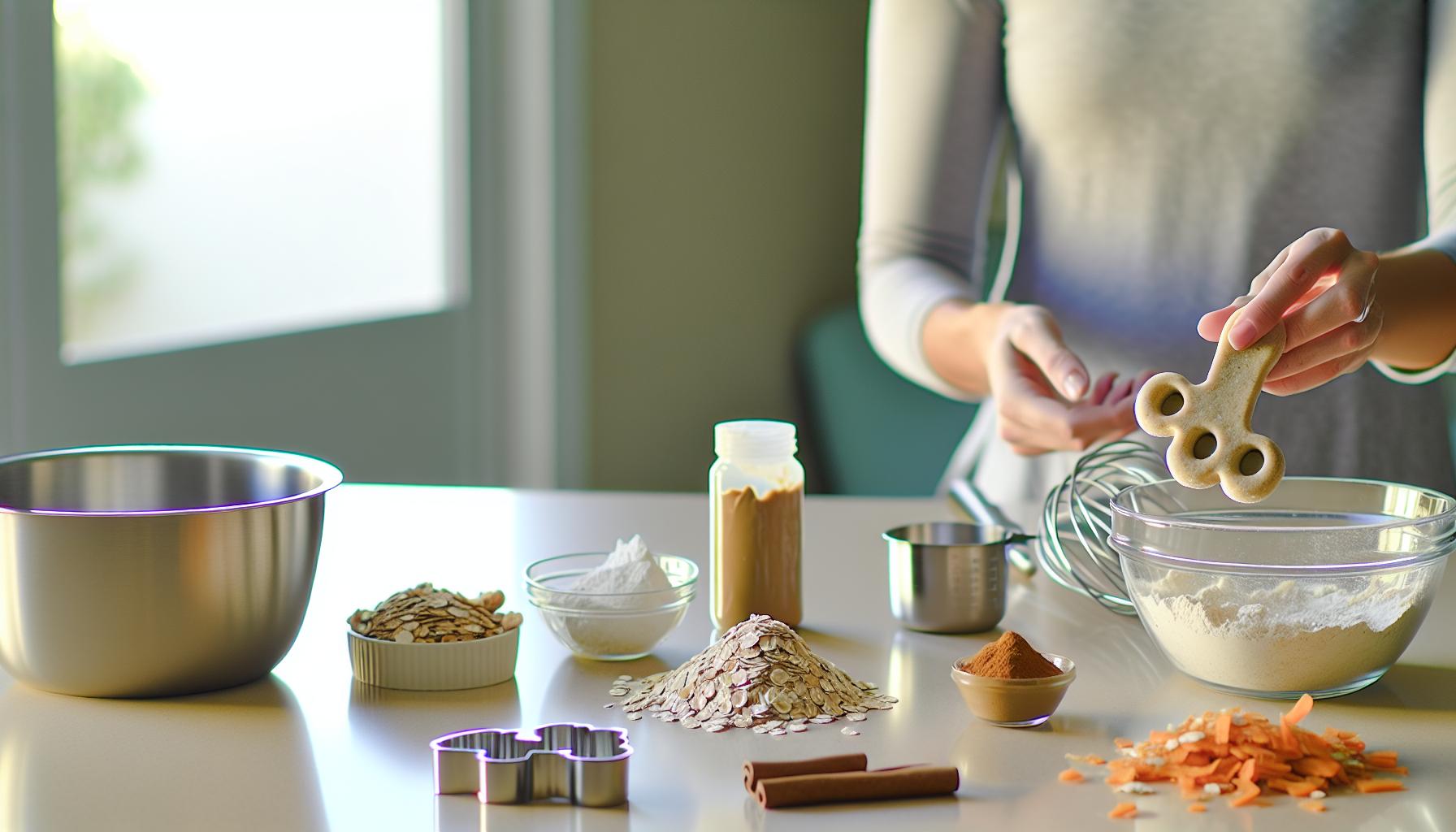
Step-by-Step Recipes for Tail-Wagging Delights
Baking delightful treats for your diabetic dog can be a rewarding experience, providing your furry friend with delicious snacks that support their health. These homemade cookies not only satisfy their taste buds but also ensure you know exactly what ingredients are being used, helping you manage their diabetes effectively. Here is a collection of that your pup will love.
Pumpkin & Peanut Butter Cookies
- Ingredients:
- 1 cup pumpkin puree (unsweetened)
- 1/2 cup natural peanut butter (unsweetened and xylitol-free)
- 1 1/2 cups oat flour
- 1/4 cup water (as needed)
- Instructions:
- Preheat your oven to 350°F (175°C).
- In a bowl, mix the pumpkin puree and peanut butter until well combined.
- Gradually add the oat flour, mixing until a dough forms. If the mixture is too dry, add water a tablespoon at a time.
- Roll out the dough on a floured surface to about 1/4 inch thick and cut out desired shapes with cookie cutters.
- Place the cookies on a parchment-lined baking sheet and bake for 20-25 minutes, or until firm.
- Let cool completely before serving to your pup.
Sweet Potato & Green Bean Bites
- Ingredients:
- 1 cup cooked sweet potato (mashed)
- 1/2 cup finely chopped green beans
- 1 cup whole wheat flour
- 1 egg
- Instructions:
- Preheat your oven to 350°F (175°C).
- In a bowl, combine the mashed sweet potato and egg, stirring until smooth.
- Fold in the chopped green beans and whole wheat flour, mixing until a dough forms.
- Shape the dough into small balls and place them on a lined baking sheet, flattening gently.
- Bake for 15-20 minutes, until golden brown. Allow to cool before serving.
These recipes offer a fantastic way to provide your diabetic dog with tasty and healthy treats packed with fiber and beneficial nutrients. Always remember that while baking for your pup can be fun, consulting with your veterinarian before introducing new ingredients is essential. This ensures that you are making the best choices for your furry friend’s unique dietary needs. With these simple recipes, you can create treats that support their health, making every tail wagging moment a little sweeter!
Customizing Recipes for Your Dog’s Preferences
When baking for your diabetic dog, customizing recipes ensures they receive treats that are both enjoyable and suitable for their specific needs. Every pup has unique taste preferences and sensitivities, making it vital to tailor homemade cookies accordingly. For instance, some dogs may have a preference for savory flavors over sweet, so consider adding cheese or chicken broth to recipes instead of fruits. Conversely, dogs that enjoy sweeter flavors can benefit from the natural sweetness of pureed veggies like carrots or apples. This flexibility allows you to experiment and find the perfect treat for your canine companion.
Moreover, knowing your dog’s dietary restrictions can guide your ingredient choices. For instance, if your dog is allergic to wheat, alternative flours such as coconut or almond flour can be utilized. Not only do these options cater to allergies, but they also provide added health benefits, such as improved nutrient profiles and fiber content. Additionally, incorporating low glycemic ingredients, like flaxseed, can help maintain stable blood sugar levels, which is crucial in managing diabetes. It’s all about finding what works best for your pup while maintaining a balance between flavor and health.
To further personalize the experience, consider how to adjust the texture and shape of the cookies. If your furry friend has dental issues, softer treats might be more appropriate. You can achieve this by baking for a shorter time or adding moisture through ingredients like mashed pumpkin or applesauce. On the other hand, if your dog enjoys crunchy textures, leaving the cookies in the oven a bit longer will develop that delightful crispiness. Don’t forget, engaging your pet by allowing them to help during the baking process can also enhance their connection with the treats you make.
Lastly, it’s always wise to involve your veterinarian when altering your dog’s diet or introducing new recipes. They can provide insights on safe ingredients and suitable portion sizes tailored to your dog’s health status. This collaboration ensures your furry friend not only enjoys their tail-wagging treats but also maintains optimal health. So, grab your apron, get creative, and tailor those cookie recipes to make every bite a healthy delight!
Storing and Preserving Diabetic Dog Treats
Homemade dog treats not only provide a way to cater to your diabetic pup’s dietary needs, but they also bring the joy of fresh, wholesome ingredients to their diet. However, proper storage and preservation of these treats are crucial to maintaining their nutritional value and freshness. By employing the right techniques, you can ensure that your dog’s cookies remain delicious and safe to eat, preventing spoilage and waste.
First, consider how you package and store your diabetic dog cookies. It’s best to let them cool completely after baking before storing, as residual heat can create moisture inside the container, promoting mold growth. Use airtight containers to keep your treats fresh longer. Options include glass jars, plastic storage containers, or resealable bags. If you’re planning to store them for an extended period, consider freezing them. Placing individual cookies in a freezer bag or container can extend their shelf life for months. When ready to serve, simply thaw them for a few hours at room temperature.
Choosing the Right Storage Method
The storage duration can vary based on the ingredients used in your treats. Here’s a brief guide:
- Room Temperature: Most homemade treats can be stored in an airtight container for about 1-2 weeks.
- Refrigeration: For ingredients that might spoil quicker (like certain fruits or yogurt), keep them in the fridge for up to 3 weeks.
- Freezing: Stored properly in the freezer, dog treats can last up to 3 months or more.
When it comes to your pet’s health, always be mindful of the ingredients you’ve included in the treats as some may have shorter shelf lives than others. Regularly check storage containers for any signs of spoilage before giving your dog a cookie, and remember to rotate your stock to use older treats first.
Additionally, engaging your dog during the treat storage process can provide a great opportunity for bonding. Allowing them to sniff and investigate the containers can reinforce positive behaviors and aid in their training. Always remember that even with homemade treats, moderation is key-consult your veterinarian about the best serving size and frequency for your dog’s unique health circumstances. Each bite should be a delight for your furry friend without compromising their health or blood sugar levels. Happy baking and storing!
Tips for Managing Your Dog’s Diabetes Through Diet
Adjusting your dog’s diet is one of the most effective ways to manage their diabetes, and doing so can significantly enhance their quality of life. For diabetic pups, a consistent diet helps maintain stable blood sugar levels while providing the nutrients they need to thrive. By focusing on balanced nutrition with controlled carbohydrate intake, you can take proactive steps toward managing your dog’s health. Homemade treats, like diabetic dog cookies, fit right into this regimen, allowing you to create delicious snacks that are both safe and enjoyable for your furry friend.
When preparing food and treats for a diabetic dog, prioritize low-glycemic ingredients that will not cause spikes in blood sugar. Look for whole grains like brown rice or oatmeal, and high-fiber vegetables such as carrots or green beans. Incorporating protein sources such as chicken or fish can also be beneficial, as protein helps in regulating blood sugar levels. Moreover, ensure that all treats you make are free from added sugars, using natural flavors like peanut butter or pumpkin instead. By selecting the right ingredients, you can create tasty, healthy cookies that feel like a special reward without compromising your dog’s health.
It’s equally important to establish a consistent feeding schedule. Dogs thrive on routine, and regular meal times can aid in stabilizing their insulin levels. Coordinate your dog’s treats with their meal times to help manage their overall carbohydrate intake. If you’re introducing homemade treats, start with small amounts and monitor their response closely. This practice not only helps keep blood sugar levels stable but also allows you to gauge how well your dog tolerates different ingredients.
Finally, always keep the lines of communication open with your veterinarian. Regular check-ups can ensure that your diabetic dog’s dietary needs are being met appropriately. Consulting with your vet can help you understand your dog’s specific nutritional requirements and adjust their diet as needed based on their health status and weight management goals. Remember, while you want to provide tasty treats like homemade cookies, maintaining your dog’s health and well-being is the ultimate priority.
Safe Snack Alternatives for Diabetic Dogs
Providing your diabetic dog with safe snack alternatives is a crucial aspect of their dietary management. Just like humans, dogs with diabetes must avoid certain foods that can cause fluctuations in their blood sugar levels. Thankfully, there are plenty of delicious and safe alternatives you can offer that not only satisfy their taste buds but also keep them healthy.
One excellent option is vegetables. Many dogs enjoy snacks like carrot sticks, cucumber slices, or green beans. These options are naturally low in calories and carbohydrates, making them a perfect addition to your dog’s diet. Additionally, vegetables such as sweet potatoes, when cooked and offered in moderation, can also serve as satisfying treats rich in fiber and vitamins. Just ensure that any vegetable is either raw or steamed to avoid added sugars from cooking processes.
Another great source of healthy snacks comes from fruits. While you must be careful about the quantities, some fruits like blueberries, strawberries, and small pieces of apple (without seeds) can be excellent for dogs. These fruits provide essential vitamins and antioxidants while being low in sugar compared to other options. Offering them in small amounts allows you to introduce variety without overwhelming your dog’s system with sugars.
For a protein-packed treat, consider lean meats. Scraps of cooked chicken or turkey, without added salt, spices, or sauces, can be enticing and nutritious. Just be sure to avoid processed meats that often contain additives and preservatives that are not suitable for a diabetic diet. Ground meats can also be used, providing you carefully monitor the portion sizes to prevent excess calories.
Homemade Treats: A Personal Touch
Creating your own treats allows you to have full control over the ingredients. Consider blending oats, pumpkin, and a touch of peanut butter (ensure it’s xylitol-free) to form cookies specifically tailored to your dog’s needs. This way, you can craft snacks that are both nutritious and suited to your dog’s preferences, reinforcing the bond between you through that special baking time.
When planning your dog’s diet and snacks, it’s always best to consult with your veterinarian. They can provide insights into what specific foods will complement your dog’s overall health while managing their diabetes. This ongoing communication ensures that you’re making choices that are both safe and beneficial, allowing your furry friend to enjoy their treats without compromising their well-being.
Common Ingredients to Avoid in Dog Treats
One of the most crucial aspects of managing a diabetic dog’s diet involves understanding which ingredients can negatively impact their health. Many commercial dog treats are convenient, but they often contain ingredients that can lead to blood sugar spikes, hindering your pet’s diabetes management. By avoiding specific harmful substances, you can create a more stable and health-conscious diet for your furry friend.
- Added Sugars: Just like humans, dogs do not need added sugars in their treats. Ingredients like corn syrup, cane sugar, or honey can dramatically affect your dog’s blood sugar levels. Always opt for natural, unsweetened alternatives.
- High-Carbohydrate Ingredients: Many grains, such as wheat, corn, and rice, can cause glucose spikes when consumed in large amounts. Treats that are high in these carbohydrates should be avoided. Instead, consider using low-carb alternatives like flaxseed or coconut flour.
- Artificial Sweeteners: While some sweeteners may seem harmless, certain artificial sweeteners, particularly xylitol, are incredibly toxic to dogs. They can cause severe insulin release, leading to life-threatening low blood sugar levels. Be vigilant about reading ingredient labels carefully.
- Preservatives and Fillers: Several commercial treats contain artificial preservatives (like BHA and BHT) and fillers that offer no nutritional value. These can contribute to other health issues, such as allergies or digestive problems. Homemade treats allow you to avoid these unnecessary additives.
- Rich Fats and Oils: Treats high in fats can lead to obesity and contribute to other health problems, especially in diabetic dogs. Ingredients such as rich cheeses or certain oils should be limited or avoided.
When crafting homemade treats, being mindful of these ingredients will empower you to create delicious snacks that your dog will love without jeopardizing their health. Always consider consulting with your veterinarian to tailor your dog’s diet effectively and ensure that all treats align with their specific needs and medical background. Empowering yourself with this knowledge not only fosters a healthy lifestyle for your dog but also enhances the joy of baking and sharing treats with your beloved pet.
Consulting with Your Vet About Pet Recipes
Consulting with a veterinarian is a crucial step when it comes to creating safe and nutritious homemade treats for your diabetic dog. A well-informed vet can offer personalized advice based on your pet’s medical history, current condition, and dietary needs. Having a professional’s input ensures that the recipes you consider will be beneficial rather than potentially harmful. Remember, every dog is unique, and dietary requirements may vary significantly from one pet to another.
When discussing homemade dog treats with your vet, it’s helpful to prepare by noting any specific concerns or questions you may have. For example, you might want to ask about safe ingredients, ideal portion sizes, or how treats can fit into your dog’s overall meal plan. Additionally, discussing the frequency of treats is essential; even healthy snacks can lead to weight gain if given too often. Your vet can also provide insights on creating a balanced diet that aligns with your pup’s diabetes management.
Moreover, veterinary nutritionists can guide you on using whole, nutrient-dense ingredients that promote overall health. This guidance can help avoid common pitfalls, such as incorporating high-carb or high-fat components inadvertently. If your vet recommends specific ingredients or supplements, inquire about how they can be harmoniously integrated into your homemade recipes. Having such tailored advice makes the cooking process not only safer but also more enjoyable, knowing that your creations will support your dog’s health.
Finally, consider involving your veterinarian in regular check-ups to monitor your pup’s progress. Keeping track of their blood sugar levels and overall health will allow you both to adjust the homemade treat recipes as needed, ensuring that they continue to serve your pet’s best interests in managing diabetes. This partnership will empower you to provide a loving, supportive, and health-conscious environment for your furry friend, enhancing their quality of life in a delightful way.
Creating a Balanced Diet for Diabetic Dogs
A well-balanced diet is essential for managing diabetes in dogs, as it helps regulate blood sugar levels, maintain a healthy weight, and promote overall well-being. Integrating homemade dog cookies into a diabetic dog’s diet can be a delightful way to provide treats without compromising their health. Quality ingredients and careful planning can create a stable diet that supports your furry friend’s specific needs.
When formulating a balanced diet for a diabetic dog, focus on the following key components:
- High-Quality Protein: Include lean meats like chicken, turkey, or fish to help your dog feel satisfied while maintaining muscle mass.
- Complex Carbohydrates: Opt for whole grains and vegetables, such as brown rice, oatmeal, or green beans, which help regulate energy release and prevent spikes in blood sugar.
- Healthy Fats: Incorporate moderate amounts of omega-3 and omega-6 fatty acids from sources like fish oil or flaxseed, promoting heart health and healthy skin.
- Fiber: Increase fiber intake through vegetables or psyllium husk, aiding digestion and stabilizing blood sugar levels.
Monitoring Portion Sizes
Portion control is as crucial as ingredient selection. It’s important to measure your dog’s food and treats carefully to avoid overconsumption, which can lead to weight gain and worsen diabetes management. Consulting with your veterinarian about the appropriate portion sizes based on your dog’s weight, activity level, and health conditions can help tailor a diet plan that works effectively.
Incorporating Homemade Treats
Homemade cookies can be a healthful addition to your diabetic dog’s diet when made with suitable ingredients. Always prioritize low-carb options, such as using pumpkin, sweet potatoes, or apple slices as bases, rather than traditional high-carb flours. Creating these treats can be a rewarding activity that not only keeps your dog engaged but also allows you to monitor exactly what goes into their food.
Regular Vet Check-ups
Regular visits to the veterinarian are vital for managing your dog’s diabetes effectively. Frequent assessments enable adjustments to their diet as needed, ensuring it remains optimal for their changing health status. Your vet can help monitor blood sugar levels and overall health, making it easier to identify when diet tweaks are necessary. This proactive approach gives you the tools to support your dog’s health, fostering a long, happy life together.
By embracing a balanced diet tailored to your diabetic dog’s unique needs, you not only enrich their daily life but also empower both of you to navigate the challenges of diabetes management together.
Engaging Your Pet with Healthy Baking Activities
Engaging in healthy baking activities with your diabetic pup can be a fun and rewarding experience that strengthens your bond while promoting a nutritious diet. Baking special treats together not only allows you to choose wholesome ingredients but also infuses joy into your daily routine. Did you know that dogs can actually sense excitement and connection during these interactive activities? They can become more engaged with you as you whip up their favorite flavors, creating an enriching environment for both of you.
One of the best parts about making homemade dog cookies is the opportunity for customization. You can adjust recipes to cater to your dog’s specific taste preferences, dietary restrictions, or nutritional needs. For instance, using pumpkin puree or mashed sweet potatoes as a base not only adds flavor but also offers additional health benefits, such as fiber and vitamins. Involving your dog in the process by letting them sniff ingredients or choose between different flavor options can also be a delightful experience, further enhancing their interest in healthy eating.
Incorporate educational moments into your baking activities by explaining the health benefits of each ingredient as you add them to your mixture. Discuss how certain foods can help manage their diabetes, such as choosing high-fiber ingredients that help stabilize blood sugar levels. This not only helps you become more knowledgeable as a pet parent but also reinforces a positive learning experience for you and your furry friend. Make sure to keep things light-hearted and fun-your dog will love being your sous chef.
After baking, involve your pup in the exciting part-taste testing! Positive reinforcement through treats is an excellent way to keep them motivated and excited about healthy eating. Create a special moment where you both enjoy the homemade goodies and celebrate this accomplishment together. Remember, engaging in healthy baking activities not only supports your dog’s nutritional needs but also fosters a joyful approach to managing their diabetes, making the journey a little sweeter for both of you.
Frequently Asked Questions
Q: What are the best ingredients for homemade diabetic dog cookies?
A: The best ingredients for homemade diabetic dog cookies include whole grains like oats, low-fat peanut butter, pumpkin puree, and applesauce. These ingredients are low in sugar and help maintain stable blood sugar levels. Always check with your vet for any specific dietary needs your dog may have.
Q: How can I customize diabetic dog cookie recipes for my pet?
A: You can customize diabetic dog cookie recipes by adjusting flavors with dog-safe herbs or spices like cinnamon and parsley. Substituting different fruits or vegetables, such as mashed banana or pureed sweet potato, can also cater to your dog’s taste preferences. Refer to the “Customizing Recipes for Your Dog’s Preferences” section for more ideas.
Q: Are store-bought diabetic dog treats healthier than homemade ones?
A: Homemade diabetic dog treats can be healthier because you control the ingredients and avoid preservatives and artificial flavors. Store-bought options often contain hidden sugars. Always read labels to ensure the treats align with your dog’s dietary restrictions, which you can learn more about in our “Common Ingredients to Avoid in Dog Treats” section.
Q: How should I store homemade diabetic dog cookies?
A: Store homemade diabetic dog cookies in an airtight container in the refrigerator for up to two weeks. You can also freeze them for longer storage. Ensure they’re fully cooked and cooled before storing to prevent moisture buildup. Check out the “Storing and Preserving Diabetic Dog Treats” section for tips.
Q: Can I use flour alternatives in diabetic dog cookie recipes?
A: Yes, flour alternatives like coconut flour or almond flour can be used in diabetic dog cookie recipes, as they typically have a lower glycemic index. However, these flours can absorb more moisture, so adjust recipes accordingly. Refer to the “Essential Ingredients for Diabetic Dog Cookies” section for further insight.
Q: How often can I give my dog homemade diabetic treats?
A: You should limit homemade diabetic treats to about 10% of your dog’s daily caloric intake to maintain balanced nutrition, especially when managing diabetes. Consult your vet for personalized advice based on your dog’s health and dietary needs.
Q: What are some safe snack alternatives for diabetic dogs?
A: Safe snack alternatives for diabetic dogs include baby carrots, green beans, and apple slices (without seeds). These options are low in sugar and provide essential nutrients. Learn more about suitable snacks in the “Safe Snack Alternatives for Diabetic Dogs” section.
Q: Why is it important to consult with a vet before making homemade dog treats?
A: Consulting with a vet before making homemade dog treats ensures the ingredients meet your pet’s specific dietary needs and restrictions. This is crucial for managing diabetes effectively. Get more insights from the “Consulting with Your Vet About Pet Recipes” section.
In Retrospect
Thank you for exploring “Diabetic Dog Cookies: Homemade Recipes Your Pet Will Love.” By making these special treats, you’re taking a proactive step in managing your furry friend’s diabetes while ensuring they indulge in delicious, healthy snacks! Ready to get started? Don’t wait-grab your ingredients and join our community of pet lovers striving for healthier choices.
For more insights on managing canine diabetes, check out our articles on managing diabetes in pets and understanding the best diabetic food options. Interested in connecting further? Sign up for our newsletter for updates on pet wellness and delicious recipes tailored for your pets’ needs. Remember, every bite counts towards your pet’s health, and making informed choices today can lead to a happier, healthier tomorrow. Share your cookie creations in the comments below, and let us know how your pup loves them!
Get our latest guides, news, and insights highlighted in your Google Search & AI Overviews.