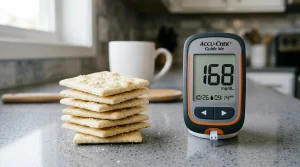
Have you ever felt left out during dessert time because of dietary restrictions? For those managing diabetes, indulging in sweets can feel like a daunting challenge. The good news is that enjoying delicious treats can still be part of your life! “Brownies for Diabetics: 8 Sugar-Free Recipes That Taste Great” brings you an exciting collection of desserts designed specifically for your needs. These sugar-free brownies not only satisfy your sweet tooth but also cater to your health goals, making it easier to maintain balanced blood sugar levels. With simple, wholesome ingredients, these recipes empower you to take control of your dessert choices without sacrificing flavor. Dive in and discover how you can treat yourself while prioritizing your well-being-because everyone deserves a little sweetness in their life!
Sugar-Free Ingredients That Taste Amazing

When it comes to creating decadent brownies that are suitable for a diabetic diet, the right ingredients can make all the difference. By substituting traditional sweeteners and fats with healthier alternatives, you can whip up indulgent treats without compromising on taste or your health goals. The following ingredients not only enhance the flavor but also ensure that your brownies remain diabetic-friendly.
Natural Sweeteners
Opt for natural sweeteners like stevia, erythritol, or monk fruit extract. These alternatives provide sweetness without the added calories and blood sugar spikes associated with refined sugars. Stevia is particularly popular for its intense sweetness, while erythritol combines well with other ingredients, providing a sugar-like taste without the digestive discomfort that can come from some other sugar alcohols.
Healthy Fats
Instead of using regular butter or margarine, consider avocado or coconut oil as your fat sources. Avocado not only adds a creamy texture but also infuses healthy fats that can help regulate blood sugar levels. Coconut oil, on the other hand, brings a subtle tropical flavor and has been linked to various health benefits, including improved cholesterol levels.
Fiber-Rich Additions
Incorporating fiber-rich ingredients like black beans or oats can enhance brownie texture and nutritional value. Black bean brownies, for instance, are rich in plant-based protein and can create a fudgy consistency, making them a satisfying choice. Oats can also add chewiness and further stabilize blood sugar levels due to their fiber content.
Flavor Enhancers
Don’t forget to elevate your brownies with natural flavor enhancers such as vanilla extract, cinnamon, or dark cocoa powder. These ingredients not only enrich the taste but can also provide health benefits. Cinnamon, for example, has been shown to improve insulin sensitivity, making it an excellent choice for diabetic-friendly recipes.
By utilizing these fantastic substitutions, you can craft mouthwatering sugar-free brownies that delight your taste buds while supporting your health. Remember, experimenting with different ingredients not only aids in managing diabetes but can also lead to delicious discoveries in your kitchen. Always consult with a healthcare professional when making significant changes to your diet, ensuring that your choices align with your individual health needs.
Creative Swaps for Traditional Brownie Recipes

When it comes to whipping up delicious brownies that are friendly for those managing diabetes, creative ingredient swaps can transform traditional recipes into healthier versions without sacrificing flavor. It’s possible to keep the rich, fudgy essence while ensuring the treats fit within a balanced diet. Let’s explore some innovative substitutions that can help you delightfully indulge your sweet tooth.
One impactful change is to swap out all-purpose flour for almond flour or coconut flour. Both options are lower in carbohydrates and higher in healthy fats compared to traditional flours. Almond flour adds a nutty flavor and moist texture, while coconut flour absorbs more moisture and provides a subtle sweetness. This simple change not only enhances the overall texture but also contributes healthy nutrients that support better blood sugar control.
Additionally, consider using unsweetened applesauce or mashed bananas in place of sugar or added fats. These fruits not only provide natural sweetness but also add moisture, helping to maintain a soft, fudgy brownie experience. Using fruit purees can reduce the need for extra fats while still delivering a satisfying treat that feels indulgent. For a chocolatey kick, experiment with unsweetened cocoa powder or dark chocolate with at least 70% cocoa. These ingredients are lower in sugar and can be used in moderation to enhance both flavor and health benefits.
Finally, replacing refined sugar with natural sweeteners like erythritol or stevia can further lower the glycemic index of your brownies while maintaining sweetness. Erythritol closely mimics the taste of sugar without the associated calories, making it an excellent choice for those looking to indulge without the sugar rush. Meanwhile, stevia provides intense sweetness from a plant-based source, ensuring your brownies arrive at the perfect level of indulgence.
By embracing these creative swaps in your brownie recipes, you can craft sweet treats that cater to a diabetic-friendly lifestyle while still satisfying cravings. Remember, it’s all about enjoying the process and finding enjoyable alternatives that fit your dietary needs. Always consult with a healthcare professional when integrating new ingredients into your diet, ensuring they align with your health goals.
Understanding Sweeteners: What’s Safe for Diabetics?
Navigating the world of sweeteners can be a complex task for those managing diabetes, but understanding which options are safe and effective can empower you to make informed choices. Many traditional sweeteners can cause spikes in blood glucose levels, making it essential to explore alternatives that offer flavor without compromising dietary goals. Artificial and natural sweeteners both have their place in a diabetic-friendly diet, but it’s crucial to choose wisely.
One popular option is stevia, a plant-derived sweetener that is calorie-free and has zero carbohydrates. It is approximately 50 to 300 times sweeter than table sugar, which means only a small amount is necessary to achieve the desired sweetness. Stevia does not raise blood sugar levels, making it an excellent choice for baking brownies. Additionally, erythritol is another favored sugar alcohol that is well-tolerated by most people. It has a glycemic index of zero and contains about 70% of the sweetness of sugar without the calories, making it simple to use in recipes without significant adjustments to your ingredients.
However, some sweeteners may not be suitable for everyone. Products like aspartame or saccharin, while safe for many people, can cause adverse reactions in some individuals. Therefore, it’s crucial to monitor your body’s response to these sweeteners and consult with healthcare providers, particularly if you are unsure about which options suit your individual needs.
When incorporating sweeteners into recipes, consider their specific properties. For instance, erythritol can crystallize similar to sugar, giving baked goods a pleasing texture, while stevia offers a distinct flavor that may require some experimentation to find the right balance. Remember that moderation is key, and it’s always advisable to consult nutrition labels and your healthcare team when integrating new sweeteners into your diet. By making smart choices about sweeteners, you can enjoy delicious, sugar-free brownies while effectively managing your diabetes.
Tips for Baking Delicious Sugar-Free Brownies

Baking delicious sugar-free brownies can be a gratifying experience that not only allows you to enjoy a sweet treat but also supports your health goals. The secret to achieving that rich, indulgent flavor often lies in carefully selecting your ingredients and using techniques that enhance the overall texture and taste. One of the most important steps is to use high-quality cocoa powder, as it can significantly elevate the chocolate flavor without adding sugar. Look for unsweetened varieties to keep your brownies diabetic-friendly.
Another effective tip is to replace traditional flour with almond flour or coconut flour, which can provide a delightful texture while being lower in carbohydrates. These alternatives not only add a nutty flavor that complements the chocolate but also infuse your brownies with healthy fats and nutrients. If you want to boost the moistness of your brownies, consider incorporating ingredients like unsweetened applesauce or mashed bananas. These natural sweeteners can help with moisture levels while adding fiber, which aids in digestion and gives a satisfying feel in your mouth.
Utilizing Sweeteners Wisely
When it comes to sweetening your sugar-free brownies, experimenting with various sweeteners can lead to a truly satisfying dessert. As mentioned earlier, stevia and erythritol are excellent choices, but combining them can also create a more balanced sweetness. This combination can mimic the taste and texture of regular sugar without causing blood sugar spikes. Always taste the batter before baking to determine if it meets your sweetness preference; you can adjust the sweetener levels suit your palate.
Don’t Forget the Extras
Adding nuts, dark chocolate chips, or even dried fruit can bring your brownies to the next level. Nuts not only enhance the texture but also provide healthy fats and proteins, making the treat more filling. Dark chocolate chips are often lower in sugar and can provide a rich, chocolatey burst in every bite. If you prefer a little more adventure, consider adding spices like cinnamon or a pinch of sea salt to elevate flavors, creating a delightful balance that will leave everyone asking for more.
Keep in mind that while these brownies are sugar-free, portion control is important. Cutting your brownies into smaller pieces can help you savor the flavor without overindulging, which is crucial for managing diabetes. Enjoy the process of baking and make these sugar-free brownies a staple in your dessert rotation; your taste buds and your health will be thankful!
Flavor Variations: Adding Depth to Your Brownies
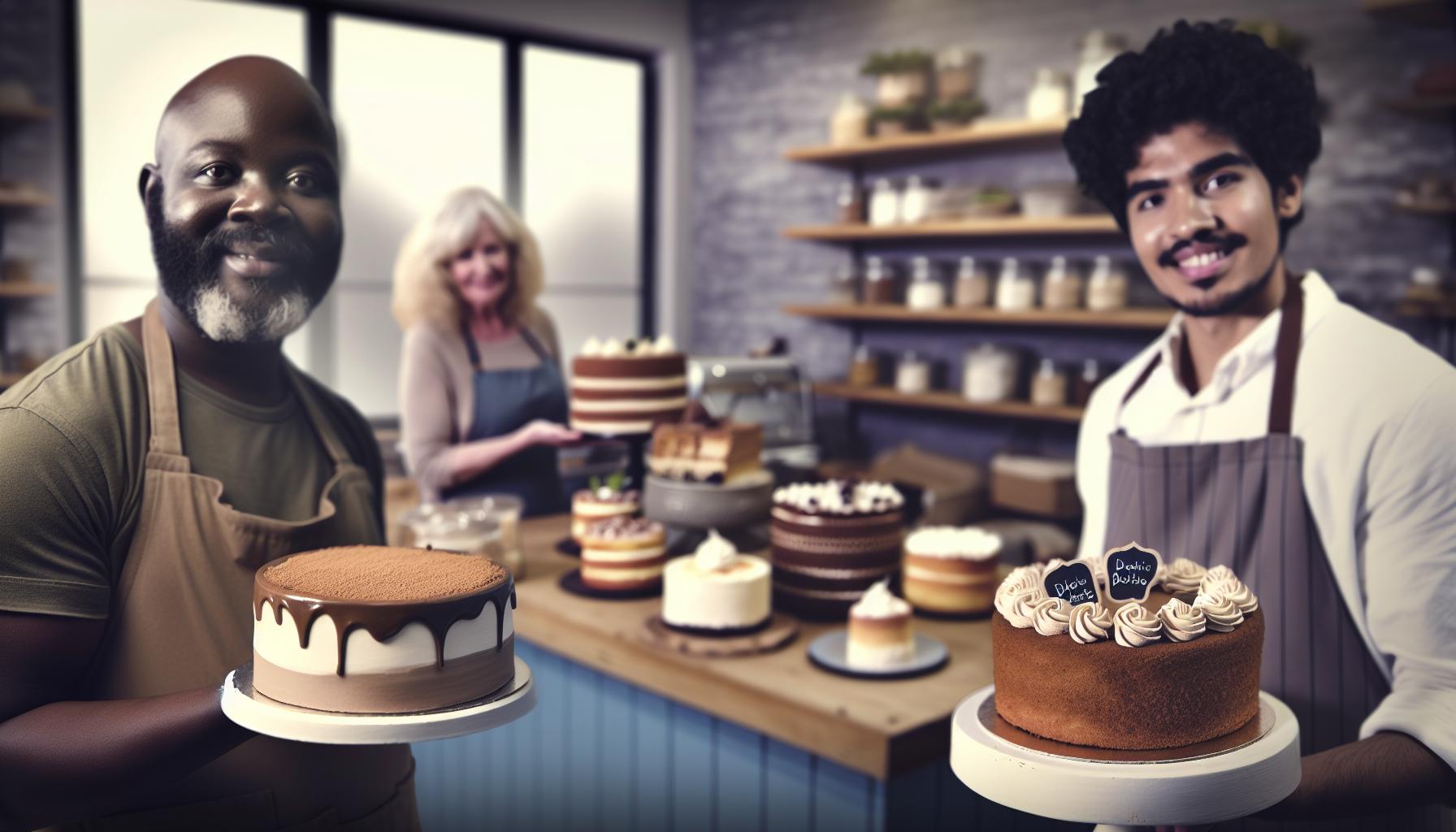
Chocolate doesn’t have to be the sole star when it comes to brownies; introducing a variety of flavors can add remarkable depth and make your sugar-free treats even more enjoyable. Consider experimenting with extracts, spices, and complementary ingredients that not only enhance taste but also contribute to a more satisfying dessert experience. A dash of espresso powder, for example, can intensify the chocolate flavor of your brownies without overwhelming sweetness, creating a gourmet touch that can be both delightful and diabetic-friendly.
To provide an extra layer of richness, you might explore the addition of nut butters, such as almond or peanut butter. These can lend both flavor and creaminess while adding healthy fats. Further, incorporating vanilla extract or almond extract can elevate the overall profile; just a teaspoon can completely transform the taste experience. For those looking to incorporate fruit flavors, consider adding finely chopped strawberries or blueberries, which not only introduce natural sweetness but also provide beneficial antioxidants.
Incorporating Zesty Flavors
Adding zesty elements can also change the game for your brownies. A hint of orange or lemon zest can brighten the chocolate and enhance the overall flavor, making it more refreshing. For a spicier twist, a pinch of cayenne pepper can infuse an unexpected yet exciting heat that beautifully contrasts with the sweetness of your sugar alternatives. Combining flavors diversely not only makes the baking fun but also allows you to enjoy different taste sensations each time you indulge.
With these enhancements, keep in mind that achieving the right balance is key. Tasting the batter before baking allows you to adjust and find the ideal combination that works for your palate while keeping diabetes management considerations in mind. Be sure to inform your choices with reliable resources or healthcare advice to make informed decisions about what you incorporate into your diet. By experimenting consciously and creatively, you can delight in the joy of baking while supporting your health goals.
Portion Control: Enjoying Brownies Responsibly
Brownies can be a delightful treat, but for those managing diabetes, it’s essential to indulge responsibly. Portion control plays a crucial role in satisfying the craving for something sweet while keeping blood sugar levels stable. Even with sugar-free recipes, the quantity consumed can greatly impact how you feel later, emphasizing the importance of moderation.
One effective strategy for managing portion sizes is to pre-portion your brownies. Instead of cutting the tray into large squares, consider using a smaller cutter to create bite-sized pieces. This approach not only helps in controlling your intake but also satisfies your sweet tooth without going overboard. For example, instead of enjoying a full 3-inch brownie, opt for a 1-inch square. This makes it easier to enjoy a treat whenever you want without consuming excessive calories or carbohydrates.
When serving brownies, pairing them with healthy accompaniments can enhance satisfaction without adding too many extra carbs. Think about pairing your sugar-free brownie with a side of fresh berries or a dollop of Greek yogurt. These additions offer nutrition and maintain the sweet moment without overwhelming your dietary needs. Always keep track of these combinations to ensure they fit within your daily carbohydrate goals.
If you’re enjoying brownies on a special occasion, plan your meals around your treats. For instance, if you know you’ll be having sugary or carb-heavy foods later, consider balancing your intake earlier in the day by choosing lower-carbohydrate meals. This approach allows you to fit in that delicious brownie without straying too far from your dietary goals. Remember to carry along any medications or snacks prescribed by your healthcare provider as a safeguard when you indulge.
As you navigate the joy of baking and sharing brownies, maintaining awareness of serving sizes and total carbohydrate intake can empower you in your diabetic management journey. Always consult with your healthcare professional for personalized advice, ensuring that your choices align with your overall treatment plan while allowing you to savor the moment. With these strategies in hand, you can confidently enjoy your sugar-free brownies, celebrating both delicious moments and your commitment to health.
Nutritional Benefits of Sugar-Free Desserts
Sugar-free desserts offer a delightful balance of satisfaction and health benefits, especially for those managing diabetes. By eliminating traditional sugars, these treats can help in maintaining stable blood sugar levels while satisfying cravings. When opting for sugar-free brownies, you not only reduce the calorie count but also minimize rapid spikes in insulin and glucose levels, making them a far more manageable choice for anyone working to control their diabetes or simply looking for healthier dessert options.
One of the standout benefits of sugar-free desserts lies in their ingredient profile. Many sugar alternatives, such as stevia, erythritol, or monk fruit sweetener, provide sweetness without the calories associated with sugar. These alternatives often have minimal impact on blood sugar, which is crucial for diabetic management. Furthermore, using wholesome ingredients like almond flour or coconut flour enhances the nutritional value, adding fiber and healthy fats that promote satiety and further stabilize blood sugar.
Additional Health Benefits
Incorporating sugar-free desserts into a diet can also encourage healthier eating habits. By making simple substitutions in traditional recipes, individuals can enjoy sweet treats without compromise. This shift can lead to a broader exploration of various flavors and ingredients, as low-carb and sugar-free recipes push beyond the confines of classic baked goods. For example, adding ingredients like nuts, seeds, or even vegetables (think zucchini or black beans in brownies!) not only enriches the nutritional profile but also contributes to greater overall health.
Moreover, enjoying sugar-free options can foster a positive relationship with food. When satisfying cravings without the guilt associated with high sugar content, individuals can feel empowered in their dietary choices. This can enhance their overall experience around food, transforming dessert moments into celebrations of health and well-being, rather than sources of stress or anxiety.
In summary, sugar-free desserts such as brownies allow for indulgence without the adverse effects of traditional sugar consumption. They can help maintain healthy blood sugar levels, provide nutritional benefits, and encourage a more mindful approach to eating, all of which can significantly enhance the quality of life for those managing diabetes. As always, individuals should consult healthcare professionals to ensure their dietary choices align with their health goals.
How to Store and Freeze Sugar-Free Brownies
Storing and freezing sugar-free brownies properly can help maintain their deliciousness and extend their shelf life, making it easier for those managing diabetes to enjoy a sweet treat when cravings hit. One of the beauties of sugar-free brownies is their ability to stay moist and flavorful even after freezing, thanks to the natural ingredients used in their preparation.
To store your sugar-free brownies, allow them to cool completely after baking. Once cooled, wrap them tightly in plastic wrap or aluminum foil to prevent air from entering, which can lead to dryness. Place the wrapped brownies in an airtight container or a resealable plastic bag. This method is effective for keeping them fresh in the refrigerator for up to one week. For prolonged storage, freezing is a fantastic option.
Freezing Sugar-Free Brownies
Freezing sugar-free brownies requires only a few simple steps. First, cut them into individual portions; this makes it easier to thaw only what you need. After slicing, follow the same wrapping procedure-each piece should be wrapped in plastic wrap, then placed in a freezer-safe bag or container. Label the container with the date to keep track of how long they’ve been stored. Sugar-free brownies can last in the freezer for up to three months, providing a convenient option for a healthier treat when desired. To enjoy, simply thaw the brownies in the refrigerator overnight or at room temperature for a couple of hours.
With proper storage and freezing practices, you can keep your sugar-free brownies accessible and ready to satisfy sweet cravings while maintaining your health goals. By planning ahead, you will always have a guilt-free dessert option at your fingertips, allowing for a more joyful experience around food.
Chocolate Alternatives That Delight Diabetics
When it comes to satisfying your chocolate cravings while managing diabetes, there are a variety of alternatives to traditional chocolate that can enhance your brownie experience without causing a spike in blood sugar levels. Whether you prefer something sweet yet low in sugar or are simply looking for options that maintain the integrity of flavor while being kind to your health, these chocolate substitutes are delightful additions.
One popular alternative is carob powder, derived from the pods of the carob tree. Rich in fiber and antioxidants, carob has a naturally sweet flavor, making it a great substitute for cocoa powder in brownies. It contains less fat and no caffeine, which can be beneficial for those sensitive to stimulants. Simply replace cocoa powder with an equal amount of carob powder to create brownies that retain a rich, chocolaty essence while potentially enhancing nutritional value.
Another exciting option is dark chocolate with a high cocoa content (70% or more). Dark chocolate is lower in sugar and can still deliver that deep chocolate flavor you love. It also contains antioxidants that have been shown to benefit heart health. When selecting dark chocolate, aim for brands that use stevia or erythritol as sweeteners to keep the sugar low. Melted dark chocolate can be swirled into batter or used for drizzling, adding elegance and decadence to your brownies.
For those looking for a truly innovative ingredient, consider using unsweetened chocolate baking bars. These bars contain pure cocoa solids and cocoa butter without added sugar, bringing a rich flavor while allowing more control over the sweetness of your final product. Combine unsweetened chocolate with sugar substitutes like monk fruit or allulose to create a low-sugar brownie that doesn’t compromise on taste.
Lastly, cocoa nibs provide a wonderful crunch and a robust chocolate flavor that can enhance any brownie recipe. Made from crushed cacao beans, they are packed with nutrients and antioxidants but contain no sugar. Their slightly bitter notes can balance the sweetness of your other ingredients, providing a sophisticated twist that delights the taste buds while keeping the treat diabetic-friendly.
Incorporating these chocolate alternatives not only offers delicious possibilities for sugar-free brownies but also empowers you to enjoy your favorite treats while prioritizing your health. Always consult with a healthcare professional to determine what is best for your dietary needs, and with creative substitutions, your journey through diabetes management can include delightful, guilt-free indulgences.
Baking Tools to Enhance Your Sugar-Free Journey
When embarking on your sugar-free baking journey, having the right tools at your disposal can make all the difference between a delicious success and a frustrating failure. Quality kitchen tools not only streamline the process, but they also empower you to create delectable desserts that suit your dietary needs, like brownies for diabetics. Here are some essential baking tools that can help you whip up irresistible sugar-free treats with ease.
Essential Baking Tools
- Digital Kitchen Scale: Precision is crucial in baking, and a digital kitchen scale allows for accurate measurements of ingredients, particularly when it comes to sweeteners or flour alternatives. This tool can help you maintain consistent texture and flavor in your brownies.
- High-Quality Mixing Bowls: Invest in a set of sturdy mixing bowls that can handle heavy batter. Mixing bowls made from glass or stainless steel are more durable and less prone to staining, ensuring you can maintain a clean kitchen environment.
- Silicone Baking Mats: These reusable baking mats are perfect for lining your baking sheets, reducing the need for greasing or using parchment paper. They provide a non-stick surface that can help you achieve perfectly baked brownies without added calories from oils or fats.
- Spatulas and Whisks: A sturdy silicone spatula is ideal for folding in ingredients without over-mixing, while a whisk helps incorporate air, especially when creating lighter and fluffier brownie textures. Consider silicone or heat-resistant options for longevity.
- Quality Baking Pan: A non-stick or ceramic baking pan in the size recommended by your recipe ensures even heat distribution, contributing to consistent baking results. For brownies, opt for an 8×8-inch square pan for a classic thickness.
Having the right tools can transform your approach to baking sugar-free brownies, making the process enjoyable and less stressful. Additionally, these tools will help you to explore various ingredients, such as alternative flours and sugar substitutes, which are vital to creating delicious desserts that satisfy your sweet tooth while aligning with your health goals. Remember that while these tools can enhance your baking experience, always consult with healthcare professionals regarding dietary choices and diabetes management. Armed with the right equipment and knowledge, you’re set to create brownies that are not only safe but entirely scrumptious!
Success Stories: Real People, Real Recipes
When it comes to baking for those managing diabetes, many people may think their options are limited, especially with beloved treats like brownies. However, there are countless stories of individuals who have transformed traditional recipes into delicious, sugar-free alternatives that not only satisfy cravings but also support healthy living. These success stories offer inspiration and practical examples of how one can enjoy life’s sweet moments without compromising health.
One heartwarming account comes from Maria, a mother of two who discovered her son had diabetes shortly after he was diagnosed. Faced with the challenge of creating desserts that he could enjoy safely, Maria decided to experiment with an array of sugar substitutes. Her go-to recipe features almond flour and erythritol, resulting in fudgy brownies that are rich in flavor and texture. Not only did her son love them, but they became a household favorite, proving that a little creativity can go a long way in keeping the family happy and healthy.
Another inspiring example is James, a fitness enthusiast who wanted to maintain his active lifestyle while managing his blood sugar levels. He found success by integrating avocado into his brownie recipe, which not only adds healthy fats but also provides a creamy texture. His coconut flour and unsweetened cocoa powder base paired with ripe avocados creates a decadent brownie that is guilt-free. Friends and family, often skeptical of healthier options, were amazed at how delicious these brownies were, and many now request his recipe when hosting gatherings.
For those aiming to adapt their family recipes or create new ones, here are a few tips based on these success stories:
- Experiment with Ingredients: Try using alternative flours such as almond or coconut flour and natural sweeteners like stevia, monk fruit, or erythritol.
- Incorporate Healthy Fats: Ingredients like avocado or nut butters can enhance flavor while adding nutritious benefits.
- Involve Family and Friends: Make baking a collaborative effort. Inviting loved ones allows you to share experiences and gather feedback on new creations.
- Document Your Journey: Keeping a journal of successful recipes and tweaks can be helpful for tracking what works best for your palate and blood sugar management.
Finding joy in baking while adhering to dietary needs is achievable, as these success stories illustrate. They empower others to believe that, with a bit of innovation and determination, enjoyable and satisfying sugar-free treats are within reach. Always remember to consult healthcare professionals to make the best dietary decisions for your unique health journey, and embrace the sweetness that life has to offer.
Q&A
Q: Can diabetics eat brownies?
A: Yes, diabetics can enjoy brownies by opting for sugar-free recipes that use safe sweeteners. These brownies can satisfy cravings while helping maintain blood sugar levels. Choosing recipes designed for diabetics ensures ingredient safety and offers delicious taste without excess sugar.
Q: What sweeteners are best for diabetic brownies?
A: Some of the best sweeteners for diabetic brownies include stevia, erythritol, and monk fruit sweetener. These alternatives provide sweetness without significantly affecting blood sugar levels, making them suitable for those managing diabetes.
Q: How can I make my brownies more flavorful without sugar?
A: Enhance the flavor of sugar-free brownies by incorporating vanilla extract, espresso powder, or spices like cinnamon. Additionally, add nuts or sugar-free chocolate chips for texture and depth. These ingredients can elevate taste while keeping the recipes diabetic-friendly.
Q: Are there gluten-free options for diabetic brownies?
A: Yes, gluten-free diabetic brownies can be made using almond flour, coconut flour, or gluten-free baking mixes. These alternatives maintain a pleasant texture and flavor, allowing individuals with celiac disease or gluten sensitivity to enjoy brownies too.
Q: How can I store sugar-free brownies to keep them fresh?
A: Store sugar-free brownies in an airtight container at room temperature for up to three days. For longer storage, consider freezing them. Wrap individual pieces tightly in plastic wrap, then place in a freezer-safe container to preserve freshness for up to three months.
Q: What are common mistakes to avoid when baking sugar-free brownies?
A: Common mistakes include using the wrong type or amount of sweetener, not measuring ingredients accurately, and overbaking. To ensure great results, follow the recipe closely and watch for doneness, keeping in mind that sugar-free desserts might take less time to bake.
Q: Can I use applesauce in diabetic brownie recipes?
A: Yes, unsweetened applesauce can be a helpful substitute for oil or butter in diabetic brownie recipes. It adds moisture and can reduce calories and fat while providing a slight natural sweetness without affecting blood sugar significantly.
Q: How do I know if my sugar-free brownies are done baking?
A: Sugar-free brownies are done when a toothpick inserted into the center comes out with a few moist crumbs. They should look set at the edges and slightly soft in the middle, as they will firm up as they cool.
The Conclusion
Indulging in delicious brownies does not have to compromise your health, even when managing diabetes. Our “Brownies for Diabetics: 8 Sugar-Free Recipes That Taste Great” has equipped you with delightful options that satisfy your sweet cravings while supporting your dietary needs. Don’t let food limitations dictate your enjoyment; it’s time to get creative in the kitchen!
Explore more about diabetic-friendly meals and tips for daily management through our collection of resources, including our Diabetes-Friendly Weeknight Dinner ideas and breakfast recipes that keep your energy steady throughout the day. Consider signing up for our newsletter for the latest updates on healthy living and delicious recipes that fit your lifestyle. Share your baking successes and any questions you might have in the comments-we’re here to support you every step of the way. Remember, when managed with care and creativity, life with diabetes can be just as fulfilling and tasty!
Get our latest guides, news, and insights highlighted in your Google Search & AI Overviews.