When living with diabetes, skin care often takes on a new level of importance, as diabetic individuals may face unique challenges such as dryness or sensitivity. Diabetic lotions are specifically formulated to address these concerns, offering nourishing ingredients that help protect and heal the skin more effectively than regular lotions. Understanding the differences between diabetic lotion and standard moisturizers can empower you to choose the right product for better skin health, which is essential in maintaining overall well-being. By exploring the special properties of diabetic lotions, you’ll uncover how these products can fit seamlessly into your daily routine, ensuring your skin remains hydrated while supporting your diabetes management. As you read on, you’ll gain valuable insights into the benefits of these specialized lotions and how they can enhance your skin care regimen.
What Is Diabetic Lotion? Understanding Its Purpose
Managing diabetes extends beyond monitoring blood sugar levels; it encompasses taking care of your skin as well. Diabetic lotion plays a crucial role in preserving skin health, specifically designed to address the unique challenges faced by individuals with diabetes. Unlike regular lotions, diabetic lotions are formulated with hydrating ingredients that not only moisturize but also strengthen the skin barrier, helping to alleviate common skin issues such as dryness, itching, and cracking that often plague diabetics due to fluctuating glucose levels and diminished blood circulation.
The purpose of diabetic lotion is inherently linked to the condition’s impact on the skin. People with diabetes often experience reduced moisture retention in their skin, leading to a heightened risk of dryness and related complications. Diabetic lotions typically contain ingredients like urea, glycerin, and shea butter, known for their humectant properties that attract moisture. These formulations are also crafted to be gentle, ensuring they are suitable for sensitive skin often affected by diabetes-related conditions. Regular use of these specialized lotions helps to maintain optimal skin hydration, protect against irritation, and expedite healing, aligning with the overall goal of enhancing the well-being of those living with diabetes.
It is essential for individuals managing diabetes to establish a consistent skincare routine that includes diabetic lotion, which can significantly mitigate the risk of skin infections and complications. The emphasis on prevention is vital, as maintaining healthy skin can lead to improved quality of life and reduced anxiety about potential skin issues. By incorporating diabetic lotion into daily self-care practices, individuals can empower themselves to take control of their skin health, ultimately contributing to better diabetes management. This commitment not only aids in symptomatic relief but also fosters confidence and comfort in daily activities.
Key Ingredients in Diabetic Lotions Explained
The effectiveness of diabetic lotion heavily relies on its carefully selected ingredients, which are specifically chosen to address the unique skin challenges faced by individuals with diabetes. While many lotions provide hydration, diabetic lotions go beyond basic moisturization to deliver targeted benefits that support skin health. Understanding these key ingredients can empower individuals to make informed choices about their skincare routines and promote overall well-being.
One of the standout ingredients commonly found in diabetic lotions is urea. Urea is a natural humectant, meaning it draws moisture from the environment into the skin, which is essential for combatting the dryness that many diabetics experience. By breaking down dry skin cells and smoothing rough patches, urea helps enhance the skin’s overall texture and appearance. This ingredient also has keratolytic properties that can assist in soothing calluses and thickened skin.
Another vital component is glycerin, which excels at attracting and retaining moisture. Known for its ability to hydrate the skin deeply, glycerin helps maintain the skin’s moisture barrier, which can be compromised due to diabetes. This barrier function is crucial in preventing irritation and infections, making glycerin a key ally for anyone managing diabetic skin health.
Shea butter is another common and beneficial ingredient in diabetic lotions. It is rich in vitamins and fatty acids, providing deep nourishment and enhancing skin elasticity. Its anti-inflammatory properties can alleviate redness and irritation, making it particularly soothing for sensitive skin that may be prone to rashes or other dermatological issues associated with diabetes.
By focusing on these ingredients, diabetic lotions effectively cater to the hydration needs that are often overlooked in standard moisturizers. They offer specialized formulations that not only moisturize but also protect and heal, thus serving as a crucial part of daily skincare routines for individuals with diabetes. Incorporating such lotions can significantly contribute to healthier skin and improve one’s quality of life, empowering individuals to take proactive steps in their diabetes management.
Benefits of Using Diabetic Lotion for Skin Health
Using diabetic lotion can significantly transform skin health for individuals managing diabetes. At its core, diabetic lotion is specially formulated to combat the unique skin challenges that those with diabetes face, such as dryness, sensitivity, and reduced healing capabilities. While regular lotions may provide only basic hydration, diabetic lotions contain potent ingredients tailored to restore and maintain skin integrity, effectively addressing common issues like cracked or irritated skin.
One of the primary benefits of diabetic lotion is its intense moisturizing properties. Ingredients like urea and glycerin are not merely for hydration; they actively draw moisture into the skin and help retain it, ensuring that the skin remains supple and healthy. This is particularly crucial for diabetics, who often experience dry and rough patches due to altered skin barrier function. With regular use, diabetic lotions can enhance skin texture, making it feel smoother and more comfortable.
Moreover, these lotions often incorporate emollients and occlusive agents, such as shea butter, that not only nourish the skin but also create a protective barrier. This barrier is essential for preventing moisture loss and protecting against environmental irritants, which can exacerbate skin conditions. As a result, individuals with diabetes may find that using diabetic lotion reduces the risk of developing skin infections and enhances overall skin resilience.
Beyond physical protection, the psychological benefits of using diabetic lotion should not be underestimated. Having a reliable skincare routine can empower individuals to take charge of their diabetes management. By choosing a moisturizer designed for their specific needs, individuals can experience a greater sense of well-being and confidence in their daily lives. This proactive approach to skincare encourages them to view self-care as an integral part of managing their condition, leading to healthier habits and a more positive outlook on their overall health journey.
How Diabetic Lotion Differs from Regular Lotion
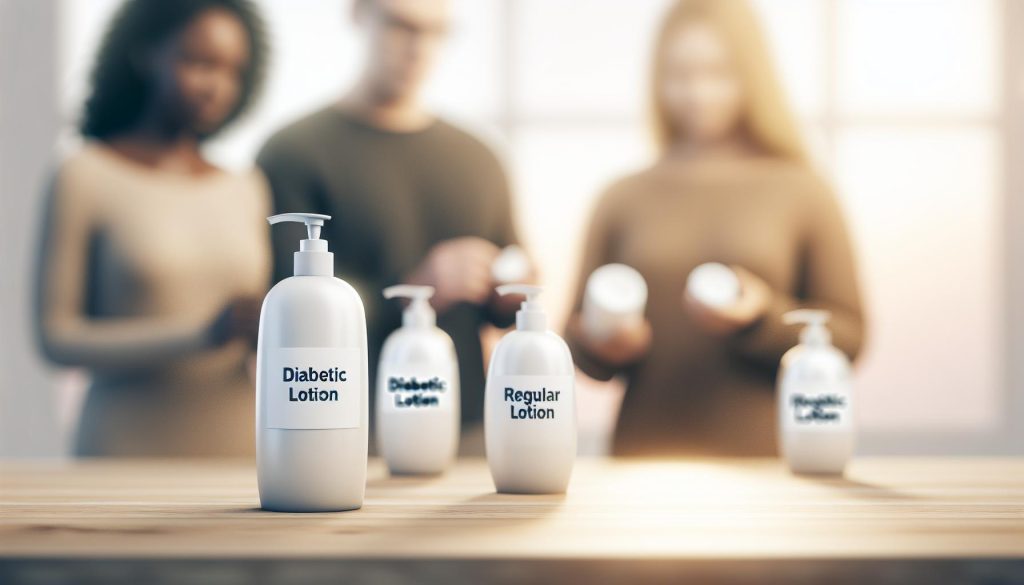
Individuals with diabetes often encounter unique skin challenges that require specialized care. While regular lotions may offer moisture, diabetic lotions are specifically formulated to address the distinctive needs of sensitive and often compromised diabetic skin. This differentiation is crucial because the skin of those managing diabetes tends to be drier, more prone to irritation, and has a reduced ability to heal due to fluctuating blood sugar levels.
Diabetic lotions typically contain key ingredients that support skin health more effectively than standard moisturizers. For instance, they often include higher concentrations of humectants like urea and glycerin, which are excellent at drawing moisture into the skin. This is particularly important for diabetics, as they frequently suffer from a compromised skin barrier that leads to excessive dryness. Other beneficial components may include emollients such as shea butter or jojoba oil, which create a protective layer that slows down moisture loss and nurtures the skin. Regular lotions might not have these targeted ingredients, making them less effective for individuals dealing with the skin conditions associated with diabetes.
Furthermore, diabetic lotions are designed to minimize irritation and inflammation, focusing on soothing sensitive skin. They may be free from common irritants found in regular lotions, such as fragrances and alcohols, which can exacerbate skin issues for those with diabetes. The use of hypoallergenic formulations is more prevalent in diabetic lotions, actively promoting skin health without inviting further complications. This thoughtful composition not only enhances hydration but also protects against potential infections, as diabetic skin can be more vulnerable due to its compromised state.
In summary, while both diabetic lotions and regular lotions serve the purpose of moisturization, diabetic lotions offer tailored solutions that address the specific needs of individuals with diabetes. By choosing the right type of lotion, people can significantly improve their skin health, ultimately leading to a better quality of life and enhanced self-care practices. The focus on targeted ingredients and reduced irritants makes diabetic lotions a critical component of effective diabetes management and overall skin care.
Common Skin Issues in Diabetics and Solutions
People with diabetes often contend with a variety of skin issues that stem from their condition. These problems arise due to factors like poor circulation, high blood sugar levels, and reduced moisture in the skin, making it more susceptible to irritation and infection. Being aware of these common skin complications can help empower individuals with diabetes to take proactive steps toward effective management.
Common Skin Issues and Solutions
- Dry Skin: A prevalent issue among diabetics, dry skin occurs when the body loses moisture more quickly than it can replenish it. This condition can be exacerbated by high blood sugar levels. To combat dryness, individuals should regularly apply diabetic lotion after bathing, as this helps lock in moisture and hydrate the skin. Additionally, using a humidifier in dry environments can also prevent excessive moisture loss.
- Itching: Dry skin can lead to persistent itching, creating a cycle of scratching that can cause further damage. It’s crucial for diabetics to use soothing lotions containing ingredients like aloe vera or oatmeal, which can help relieve irritation. Wearing loose-fitting, breathable clothing can also minimize skin irritation.
- Infections: Due to compromised skin barriers, diabetics are at higher risk for bacterial and fungal infections. Keeping skin clean and dry is essential. In cases of cuts or blisters, immediate attention with appropriate antiseptics and proper bandaging is necessary to prevent infections. Regularly applying diabetic lotion can help maintain overall skin health and reduce the likelihood of these issues.
- Delayed Wound Healing: Poor circulation and elevated blood sugar levels can lead to slower healing of wounds. It’s vital to monitor any cuts or abrasions carefully. If healing does not occur as expected, consulting a healthcare professional is necessary. Keeping wounds moisturized with diabetic lotion can promote better healing.
- Calluses and Corns: These thickened areas of skin can develop more frequently in diabetics due to pressure points. Regularly exfoliating the feet and applying lotions that focus on thick skin can help. In some cases, a foot specialist may need to be consulted for safe removal.
The key to managing these skin issues lies in regular and proactive care. Individuals should familiarize themselves with their skin’s response to various treatments and consult healthcare professionals when necessary. By integrating tailored lotion usage into their daily routine, people with diabetes can improve their skin health significantly, enhancing their quality of life and comfort. Remember that every individual’s situation is unique; thus, personalizing care strategies is essential in addressing specific skin concerns.
When to Use Diabetic Lotion vs. Regular Lotion
Managing skin care can be a pivotal part of diabetes management, particularly when it comes to choosing the right type of lotion. Diabetic lotion is specifically formulated to address the unique skin challenges faced by those with diabetes, making its application crucial, whereas regular lotion may not provide the targeted relief that’s needed.
Using diabetic lotion should be a consistent part of your daily routine, especially after bathing when your skin is still damp. This is when your skin can best absorb the moisture and beneficial ingredients present in the lotion. Diabetic lotions often contain hydrating elements such as glycerin, urea, or ceramides, which are essential in combating the extreme dryness that many diabetics experience. In contrast, regular lotions may not offer these specialized ingredients and could fall short in effectively treating diabetic-related skin problems.
While regular lotion may suffice for general moisture maintenance, it is vital to recognize situations where diabetic lotion is necessary, such as during the winter months when cold air can exacerbate skin dryness, or after experiencing dry, flaky patches. Because diabetic skin is often more prone to irritation and infection, relying solely on a regular lotion can lead to complications. Therefore, it’s essential to listen to your body and apply diabetic lotion at the first sign of dryness or irritation.
Additionally, integrating diabetic lotion into your skin care regime post-exercise or after prolonged exposure to elements can also promote skin health. By opting for products designed with diabetics in mind, you can ensure that your skin not only feels comfortable but is also protected against the challenges that arise from your condition. Always consult with a healthcare professional to create a personalized skincare plan that addresses your specific needs and ensures optimal skin health.
Choosing the Right Diabetic Lotion for Your Needs
Finding the right diabetic lotion can significantly improve your quality of life, especially when managing the symptoms associated with diabetic skin. Diabetic skin is often characterized by increased dryness, reduced elasticity, and susceptibility to irritations or infections due to high glucose levels. Therefore, choosing a lotion tailored to your unique needs is essential to maintain skin health and comfort.
When selecting a diabetic lotion, first consider its key ingredients. Look for products that feature humectants like glycerin and urea, which attract moisture and help keep the skin hydrated. Other beneficial components include ceramides, known for restoring the skin’s natural barrier, and essential fatty acids that soothe and nourish the skin. These ingredients are specifically beneficial for diabetic skin, helping to combat extreme dryness and irritation that may not be adequately addressed by regular lotions.
User experience can also guide your selection. Many people with diabetes report that thicker creams and ointments provide better protection and hydration than lighter lotions. Consequently, it’s wise to test a few products to see which texture feels most comfortable for your skin type. Additionally, consider any sensitivities or allergies; some formulations may contain fragrance or additives that could irritate your skin further. It’s always advisable to opt for fragrance-free and hypoallergenic formulas when possible.
Lastly, make sure to consult your healthcare provider before trying a new product, especially if you have existing skin conditions or are on specific medications. They can recommend suitable products and help you develop a personalized skincare routine that enhances your overall diabetes management while prioritizing your skin’s health. By empowering yourself with knowledge and seeking professional advice, you can effectively navigate the myriad options available and find the most effective diabetic lotion for your needs.
Tips for Maximizing the Effectiveness of Diabetic Lotion
To harness the full benefits of diabetic lotions, incorporating them into your daily routine with intention can make a significant difference in skin health. Diabetic skin tends to be drier and more prone to irritation, so applying lotion effectively is essential. Here are some practical tips to help improve the efficacy of your chosen diabetic lotion.
First and foremost, timing is crucial. Applying your lotion right after bathing, when your skin is still slightly damp, can enhance hydration. This is because water on your skin’s surface helps trap moisture. Additionally, consider using a thicker cream or ointment for areas that require extra care, such as elbows, knees, and feet. These specific areas often face a higher risk of dryness and injury, so they may benefit from additional protection.
Moreover, consistency is key. Aim for regular application throughout the day, especially during colder months when skin tends to lose moisture more quickly. Keeping a tube of lotion in easily accessible places-like your purse, desk, or bathroom counter-can serve as a reminder to reapply. Be vigilant about daily routines, as consistent use helps strengthen your skin barrier over time.
When choosing a lotion, take note of how it feels on your skin. Some individuals find that incorporating different textures for various parts of the body works best-thicker creams for very dry areas and lighter lotions for others. Also, opting for fragrance-free and hypoallergenic products can minimize the risk of skin irritation, ensuring your skin remains comfortable.
Lastly, it’s wise to engage with your healthcare provider about your skincare routine. They can offer tailored advice based on your skin’s specific needs and any other health considerations you might have. Elevating your approach to skincare not only enhances your comfort but reinforces your overall diabetes management strategy. By making informed choices and sticking to a routine, you can enjoy the most significant benefits from your diabetic lotion.
Real User Experiences: Diabetic Lotion Reviews
Real user experiences with diabetic lotions reveal a transformative potential for those managing diabetes-related skin challenges. Many individuals have reported significant improvements in skin texture and hydration upon incorporating specialized diabetic lotions into their daily routine. For instance, one user noted that after struggling with dry, cracked heels for years, a diabetic lotion specifically formulated with enhanced emollients provided much-needed relief, allowing their skin to regain softness and elasticity. This aligns with the notion that diabetic lotions are formulated to address unique skin needs, differing significantly from regular lotions.
Users often emphasize the importance of finding the right product that suits their specific skin type. A common theme in testimonials is the preference for lotions that are free from irritants and fragrances, as these can exacerbate sensitivity, a common issue among diabetics. Many have found success with creams that contain beneficial ingredients such as urea or glycerin, which help retain moisture more effectively than standard lotions. The feeling of reassurance from using a product tailored to their skin’s requirements can empower users to navigate their diabetes management more confidently.
In many cases, users recommend applying these lotions multiple times a day, especially during the winter months when skin tends to be drier. One diabetic individual even shared how keeping a bottle at her bedside and in her office served as a reminder to care for her skin regularly, reducing the incidence of dry spots and irritation over time. The shared experiences highlight that consistency paired with the correct product can lead to remarkable changes and improved skin health, illustrating that a proactive approach can profoundly enhance the quality of life for those managing diabetes.
To maximize the effectiveness of diabetic lotions, users advocate for routine consultation with healthcare professionals, offering a tailored approach to skincare that complements medical management of diabetes. Recommendations from dermatologists are often invaluable, empowering individuals to make informed choices about their skincare that align with their overall health goals.
Expert Recommendations: How to Care for Diabetic Skin
Taking care of diabetic skin requires a thoughtful and proactive approach, as those living with diabetes often experience unique skin challenges such as dryness, sensitivity, and slower healing. An estimated 2 million people in the U.S. live with diabetic skin conditions, highlighting the importance of understanding and addressing these specific needs.
To effectively manage diabetic skin, you should focus on hydration and protection. Utilizing specialized diabetic lotions that contain emollients and humectants can significantly improve skin hydration. Ingredients like urea, glycerin, and hyaluronic acid help draw moisture into the skin and retain it, preventing dryness and cracking. In addition to hydrating lotions, consider using overnight masks or thicker creams for areas prone to heavy moisture loss, such as feet and elbows.
Everyday Tips for Diabetic Skin Care
- Regular moisturizing: Apply diabetic lotion immediately after bathing to lock in moisture while your skin is still damp.
- Gentle cleansing: Use mild, fragrance-free cleansers that won’t strip the skin’s natural oils.
- Foot care: Thoroughly check your feet daily for any cuts, blisters, or dry patches. Consider using a foot cream specifically designed for diabetic skin.
- Stay hydrated: Drinking plenty of water aids overall skin hydration from within.
- Sun protection: Use sunscreen to protect your skin from UV damage, as diabetes can impact the skin’s ability to heal.
It’s crucial to consult with healthcare professionals like dermatologists or endocrinologists for personalized skin care solutions tailored to your specific needs. They can recommend the best products and practices suited to your skin type and help monitor any conditions that may arise. Remember, well-managed diabetes contributes positively to skin health, so integrating skin care into your daily diabetes management routine can lead to improved quality of life and confidence in your skin’s appearance.
Lifestyle Changes to Support Skin Health in Diabetics
The skin health of individuals with diabetes is significantly influenced by their overall lifestyle choices. Simple adjustments can lead to profound improvements in skin hydration, resilience, and overall appearance. For instance, incorporating balanced nutrition plays a vital role in skin health. Focus on foods rich in antioxidants, such as fruits, vegetables, and whole grains, which can help protect the skin from oxidative stress and support overall healing. Hydration is equally crucial; drinking plenty of water daily not only keeps the skin hydrated but also aids in maintaining overall bodily function.
Establishing a regular skincare routine is also essential for managing diabetic skin. This entails more than just applying diabetic lotion-it’s about creating an effective regimen tailored to your needs. Start with gentle cleansing to avoid stripping essential oils from the skin. Follow up promptly with a quality diabetic lotion, preferably one that contains key hydrating ingredients like glycerin and urea. Regular moisturizing helps prevent dryness and can alleviate discomfort associated with diabetic skin conditions.
Additionally, paying attention to lifestyle factors such as stress management can greatly benefit skin health. Stress can exacerbate glycemic variability, leading to dry and irritated skin. Incorporating stress-relief practices like yoga, meditation, or mindfulness exercises can be beneficial-not only for overall health but also for maintaining healthy skin. Moreover, regular exercise improves circulation and can contribute to better skin health, as it helps deliver nutrients and oxygen to the dermal layers while also reducing stress levels.
Finally, don’t underestimate the impact of sun protection on skin integrity. Using a broad-spectrum sunscreen can shield your skin from harmful UV rays, which may lead to delayed healing and complications for those with diabetes. Remember to consult healthcare professionals for tailored advice and support, ensuring your skincare routine aligns with diabetes management for optimal results.
Frequently Asked Questions About Diabetic Lotions
The distinction between diabetic lotions and regular lotions often leaves many wondering what specifically sets them apart and which option is best for their skin health. One common question that arises is, “Why can’t I just use regular lotion?” While regular lotions may provide some hydration, they often lack the specialized ingredients and formulation designed to meet the unique needs of diabetic skin. Individuals with diabetes can experience more severe dryness, itchiness, and skin sensitivity due to fluctuating blood sugar levels, making it crucial to use products that cater specifically to these concerns.
What Makes Diabetic Lotions Unique?
Diabetic lotions are formulated with ingredients that help enhance moisture retention and improve skin barrier function. They often contain urea, which helps to draw moisture to the skin, and glycerin, known for its humectant properties. These components are particularly beneficial since people with diabetes may not produce enough natural oils, leading to dryness. Moreover, diabetic lotions may include soothing agents like aloe vera or chamomile, which can calm irritated skin more effectively than regular lotions.
When Should I Use Diabetic Lotion?
To maximize the effectiveness of your skincare routine, it’s advisable to use diabetic lotion frequently-ideally after bathing or handwashing when the skin is still slightly damp. This practice helps lock in moisture and provides relief from dryness or itching. Regular application throughout the day can also prevent dry patches and promote overall skin health. If you’re contemplating whether to use a diabetic lotion versus a regular lotion, consider your skin’s sensitivity and hydration needs, as well as any specific recommendations from your healthcare provider.
Addressing Common Concerns
Another frequent inquiry involves price and availability. While diabetic lotions may sometimes be pricier than generic options, they can also be more effective at addressing specific skin issues, potentially reducing the need for additional treatments. Furthermore, many pharmacies and online retailers offer a variety of diabetic lotions at different price points, so there’s likely a suitable option for every budget.
Ultimately, managing diabetes requires a holistic approach, and taking care of your skin is an essential component. If you’re not sure about which lotion is right for you, consulting with a healthcare professional or dermatologist can provide personalized recommendations tailored to your skin’s unique needs.
Faq
Q: What are the main differences in formulation between diabetic lotion and regular lotion?
A: Diabetic lotions are specifically formulated to address the unique needs of diabetic skin, often containing ingredients that provide deep hydration, promote skin barrier repair, and prevent skin irritation. Regular lotions may not contain these specialized ingredients and often focus on basic moisture without targeting diabetic skin concerns.
Q: Can regular lotion be used on diabetic skin?
A: While regular lotion can be used on diabetic skin, it may not provide the specific benefits needed for optimal skin health in diabetics, such as enhanced hydration and barrier protection. Choosing a diabetic-specific lotion is advisable for best results, especially in areas prone to dryness or cracking.
Q: Why is hydration more important for diabetic skin compared to regular skin?
A: Hydration is crucial for diabetic skin because high blood sugar levels can lead to dry skin and impaired healing. Diabetic lotions deliver intense moisture and help maintain skin integrity, reducing the risk of complications like infections and sores common in diabetics.
Q: What ingredients should I look for in diabetic lotion?
A: When choosing a diabetic lotion, look for key ingredients such as glycerin, urea, hyaluronic acid, and ceramides. These components help attract moisture, lock it in, and support skin barrier function, enhancing skin care for those with diabetes.
Q: When should I opt for diabetic lotion over regular lotion?
A: It’s best to choose diabetic lotion over regular lotion if you experience frequent dry, itchy skin, or are prone to skin issues related to diabetes. Regular use of diabetic lotion can help prevent complications and maintain better skin health.
Q: How often should diabetic lotion be applied for best results?
A: For optimal results, diabetic lotion should be applied at least twice daily or as needed, particularly after bathing when skin is still slightly damp. This helps to lock in moisture and restore the skin barrier effectively.
Q: Are there any side effects associated with diabetic lotions?
A: Generally, diabetic lotions are safe for use with minimal side effects. However, some individuals may experience sensitivities or reactions to specific ingredients. It’s best to conduct a patch test and consult with a healthcare professional if you have concerns.
Q: How can I maximize the effectiveness of diabetic lotion?
A: To maximize the effectiveness of diabetic lotion, apply it on damp skin after showering, incorporate it into your daily skin care routine, and ensure you’re drinking enough water. Pairing it with a healthy diet and regular monitoring of blood sugar levels can also enhance skin health.
To Wrap It Up
In conclusion, understanding the key differences between diabetic lotion and regular lotion is essential for optimal skin care management, especially for those navigating the challenges of diabetes. Diabetic lotions are specifically formulated to meet the unique needs of your skin, offering targeted hydration and protection. Don’t wait to empower your skin health-explore our in-depth guides on diabetic product reviews and effective daily management tips for a more informed approach to your self-care routine.
We invite you to dive deeper by reading our articles on managing diabetic skin conditions and the best practices for overall diabetes care. Have questions or experiences to share? Leave your comments below; we love hearing from you! For personalized advice, remember to consult with your healthcare professional, as they can provide tailored recommendations suited to your needs. Together, let’s navigate this journey toward better health!
Get our latest guides, news, and insights highlighted in your Google Search & AI Overviews.