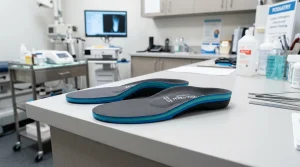
Did you know that proper footwear can significantly impact the well-being of individuals with diabetes? “Zapatos Para Diabeticos: Calzado Terapeutico y Comodo” explores therapeutic and comfortable shoes specifically designed to support diabetic foot health. With diabetes, managing foot care becomes crucial to prevent complications, making the right shoes essential for comfort and protection.
As someone living with diabetes or caring for a loved one, you may often worry about daily challenges that arise, including choosing the right footwear. Finding shoes that offer support, reduce pressure, and promote circulation is vital for maintaining mobility and overall health. In this article, we will delve into the features of diabetic shoes, explore the latest options available, and provide helpful tips for selecting the perfect pair. Let’s empower ourselves towards safer, more comfortable living as we uncover the importance of appropriate footwear in diabetes management.
Understanding Diabetic Foot Health: Why Proper Footwear Matters
Proper footwear plays a crucial role in maintaining diabetic foot health, as it can significantly reduce the risk of complications such as ulcers, infections, and deformities. Diabetes can cause neuropathy, which leads to reduced sensation in the feet, making it harder for individuals to perceive injuries or pressure points. This lack of sensation, coupled with poor circulation typically associated with diabetes, heightens the likelihood of foot injuries going unnoticed. For this reason, choosing the right shoes becomes imperative to provide protection and support.
When selecting footwear, individuals with diabetes should prioritize features that promote comfort and safety. Look for shoes with a wide toe box to minimize friction and allow for natural toe movement, as well as cushioned insoles that can absorb shock. Shoes should also be breathable to keep feet cool and dry, helping to prevent fungal infections. In addition, lightweight materials are important to avoid unnecessary strain on the feet.
It is also essential to consider the closure and fit of the shoes. Shoes with adjustable features, such as Velcro straps or laces, can accommodate changes in foot size or swelling. Regularly measuring your feet to ensure the correct size can help maintain both comfort and prevent blisters or calluses. By investing time and attention into selecting appropriate diabetic footwear, individuals can empower themselves in their daily diabetes management, leading to a healthier and more active lifestyle.
Key Features of Therapeutic Shoes for Diabetics

Proper footwear can be a game-changer for individuals with diabetes, significantly enhancing foot health and overall comfort. Therapeutic shoes are specifically designed to address the unique challenges faced by diabetics, providing essential support and protection against common complications such as neuropathy, poor circulation, and foot ulcers. Understanding the key features that make these shoes effective can empower you to make informed decisions about your foot health.
One of the fundamental aspects of therapeutic shoes is a wide toe box. This design allows the toes to spread naturally, minimizing friction and reducing the risk of blisters and pressure points. Additionally, cushioned insoles are vital for absorbing shock and providing a comfortable walking experience. These insoles often incorporate advanced materials that help in distributing pressure evenly across the foot, further enhancing comfort.
Another crucial feature is breathability. Shoes with breathable materials help maintain a dry environment within, which is essential for preventing fungal infections that are more likely to affect diabetics. Moreover, lightweight construction minimizes strain while walking, providing that much-needed support without weighing your feet down.
For those who may experience foot swelling, adjustable closures such as Velcro straps or elastic laces can be beneficial. These allow for a custom fit that can easily accommodate changing foot sizes throughout the day, ensuring sustained comfort. Regular measurement of your feet is also advisable to ensure the best fit, as foot size and shape may change over time, particularly for individuals managing diabetes. Investing in quality therapeutic shoes equipped with these features can dramatically enhance mobility and comfort, contributing to a more active lifestyle while reducing the potential for severe foot-related complications.
Top Brands of Diabetic Footwear to Consider

When searching for the right diabetic footwear, it’s essential to consider brands that have established a reputation for quality, comfort, and support. Many companies specialize in creating therapeutic shoes designed specifically for individuals with diabetes, addressing common concerns like neuropathy, pressure points, and circulation issues. Investing in the right brand can not only enhance comfort but also contribute significantly to foot health.
One leading brand is Dr. Comfort, renowned for its stylish yet functional diabetic shoes. They offer a variety of options that include both comfort and aesthetics, ensuring that wearers don’t have to compromise on style for health. Dr. Comfort shoes are created with cushioned insoles and breathable materials to promote a comfortable fit throughout the day.
Another impressive option is Orthofeet, which is celebrated for its wide toe boxes and specialized arch support. This brand emphasizes biomechanics in its designs, providing shoes that help reduce foot pain and improve overall foot health. Orthofeet shoes often feature removable insoles for those who require custom orthotics, giving users the flexibility to personalize their footwear.
Drew Shoe is also a notable contender in the diabetic footwear market, blending fashion and therapeutic function. They offer designs that allow for easy adjustments and plenty of room for swelling, making them ideal for varying foot conditions. Drew Shoe’s commitment to quality ensures that their therapeutic footwear lasts while keeping your feet comfortable.
Additionally, brands like New Balance and Saucony have started producing diabetic-friendly athletic shoes, incorporating features like cushioned soles and breathable fabrics into their lines. These brands cater to active individuals with diabetes, allowing them to maintain an active lifestyle without compromising foot health.
When choosing diabetic shoes, consider not only the brand but also specific features like adjustable fastenings, cushioned soles, and breathability. Each individual may have unique foot care needs, so it’s wise to consult with a healthcare professional to determine which options best suit your requirements. Remember, taking initiative in managing your foot health through the right footwear can lead to greater peace of mind and better overall health outcomes.
Custom Orthotic Options for Enhanced Comfort
Many individuals with diabetes experience foot complications, making it crucial to find solutions that prioritize comfort and support. Custom orthotics serve as an invaluable tool for managing foot health, particularly for those with unique foot shapes, conditions, or discomforts. These tailored inserts are designed to align the foot properly, distribute weight evenly, and alleviate pressure points, which can be especially beneficial for diabetes management.
When considering custom orthotics, it’s essential to consult with a healthcare professional, such as a podiatrist or orthopedic specialist. They can evaluate your specific foot mechanics and recommend orthotic solutions that best meet your needs. Depending on your situation, options may include rigid orthotics for structural support or softer, more flexible versions that cushion the foot. This personalized approach ensures not only enhanced comfort but also a reduced risk of ulcers and other complications.
Many therapeutic shoe brands, like Orthofeet and Dr. Comfort, offer footwear compatible with custom orthotics. This means you can achieve a perfect fit while enjoying the support and style you desire. When purchasing diabetic shoes, verify whether they come with removable insoles to easily accommodate your custom inserts. Furthermore, integrating orthotics into your daily footwear allows you to maintain an active lifestyle without compromising foot health, empowering you to engage in physical activities crucial for diabetes management.
Incorporating custom orthotic options can make a significant difference in daily comfort and overall foot health for those living with diabetes. Remember, regular check-ups and consultations with your healthcare team can help monitor your foot health and adjust your orthotic needs as necessary.
Choosing the Right Fit: Measuring Your Feet
Measuring your feet correctly is a foundational step in ensuring that you find the right diabetic shoes. Many people might not realize that foot size and shape can change over time due to factors like swelling, weight changes, or age, making it essential to measure your feet regularly. Did you know that improperly fitted shoes can lead to severe complications for individuals with diabetes, such as skin ulcers or even infections? A properly fitting shoe can help prevent these issues, providing both comfort and security for your feet.
To measure your feet accurately, it’s best to perform this task in the afternoon when your feet are likely to be at their largest. Here’s a simple method you can follow:
- Gather the Right Tools:
– A ruler or measuring tape.
– A piece of paper and a pen or pencil.
– A friend or family member can help, but it can also be done alone.
- Tracing Your Foot:
– Place the piece of paper on a flat surface, and stand on it with your weight distributed evenly between both feet.
– Ensure your heel is against a wall or a straight edge to keep the measurement consistent.
– Trace around your foot, making sure to capture the outline as accurately as possible.
- Measuring Length and Width:
– Measure the longest distance from the heel to the tip of your longest toe to determine foot length.
– Measure the width at the widest part of your foot to get an accurate width measurement.
- Consult Sizing Charts:
– Use the measurements (length and width) to compare with the sizing chart of the shoe brand you are considering. Shoe sizes can vary by brand, so referencing specific sizing charts is crucial.
- Consider Special Features:
– If you have any specific foot concerns, such as bunions or high arches, mention these to the retailer, as they might recommend particular styles or adjustments.
By taking the time to measure your feet properly, you not only enhance your comfort but significantly reduce the risk of foot complications associated with diabetes. If you’re uncertain or have specific health issues, consulting with a qualified healthcare professional can help ensure you find a comfortable fit tailored to your unique needs.
Finding shoes that fit well is just one piece of the puzzle, but it’s a crucial step towards maintaining your overall foot health and improving your quality of life as you manage diabetes.
Styles of Diabetic Shoes: What to Look For
Finding the right style of diabetic shoes is essential for managing foot health and comfort. It’s crucial to understand that not all shoes labeled as “diabetic” carry the same features, and selecting the right pair can significantly enhance your daily life. When searching for diabetic footwear, look for styles that prioritize both function and comfort, while also catering to your personal tastes.
- Adaptive Fit: Styles that feature adjustable straps or elastic bands are beneficial as they can accommodate changes in foot size throughout the day due to swelling, offering a customizable fit that promotes comfort.
- Wide Toe Box: Shoes with a wider toe box can help prevent pressure points and discomfort, particularly for individuals who may experience bunions or other foot deformities, offering the necessary space to avoid irritation.
- Stability and Support: Look for styles with arch support and cushioning to help prevent foot fatigue. Sneakers or shoes designed for stability can enhance gait performance and reduce the risk of falls.
- Breathable Materials: Select footwear made from mesh or other breathable materials to help prevent moisture build-up, which can lead to fungal infections-critical for those with diabetes.
- Slip-Resistant Soles: Ensuring that the shoe has slip-resistant soles is essential for safety, especially for those who may have balance issues. This feature can prevent slips and falls in various environments.
It’s also worth considering styles that can seamlessly transition from casual to formal settings, allowing you to maintain a sense of style while prioritizing foot health. For instance, some brands offer chic, orthopedic dress shoes that provide all the support you need without compromising on aesthetics. Remember, your healthcare provider can offer guidance suited to your specific foot concerns and ensure you make an informed choice tailored to your health needs.
Whether choosing sneakers for daily wear or loafers for special occasions, the right diabetic footwear can empower you to navigate life’s challenges more comfortably and confidently. Always stay attuned to how your footwear feels and consider consulting with foot care specialists for recommendations tailored to your individual situation.
Materials Matter: Breathability and Durability Explained
Choosing the right materials for diabetic footwear can significantly enhance foot health and overall comfort. Breathability and durability are paramount. Breathable materials, such as mesh and lightweight synthetic fabrics, allow air circulation around the foot, reducing sweat and moisture accumulation. This is particularly important for individuals with diabetes, as excessive moisture can create a breeding ground for fungal infections. Ensuring your shoes are made with breathable materials can help maintain a dry, comfortable environment for your feet throughout the day.
Durable materials, like high-quality leather or reinforced synthetic fabrics, not only withstand daily wear and tear but also provide reliable support and protection from external elements. Look for shoes that combine these materials with shock-absorbing insoles to cushion the foot. For instance, a well-constructed diabetic shoe might feature a breathable upper with a sturdy rubber sole, allowing for both flexibility and traction. This combination is essential for preventing slips and falls, particularly for users with balance issues or peripheral neuropathy.
When selecting diabetic footwear, be mindful of the impact that material choices have on the shoe’s weight and flexibility. A lighter shoe often encourages more natural movement, reducing fatigue, while flexible soles can promote a more comfortable walking experience. However, it’s important to balance flexibility with structural integrity to support your foot properly.
Furthermore, checking the shoe’s lining is crucial. A soft, seamless interior minimizes the risk of abrasions and blisters, which can be particularly debilitating for individuals with diabetes. Pay close attention to the quality and the type of materials used, as investing in high-quality diabetic footwear can lead to long-term benefits for your foot health. As always, consultation with a healthcare professional can help guide your choices to ensure they align with your specific needs and lifestyle.
Caring for Your Diabetic Shoes: Best Practices
Taking good care of your diabetic shoes is essential not only for their longevity but also for the health of your feet. Proper footwear maintenance can significantly reduce the risk of foot injuries and complications, making it a crucial aspect of daily diabetes management. One effective way to extend the life of your shoes is to establish a regular cleaning routine. Use a soft brush or cloth to remove dirt and debris, and wipe down the surfaces with a damp cloth. For deeper cleaning, particularly for leather shoes, consider using products specifically designed for leather care to maintain moisture without compromising the material.
Another important aspect involves inspecting your diabetic shoes regularly. Check for signs of wear such as uneven soles, loose stitching, or worn-out linings. If you notice any damage, it’s crucial to address it immediately, as compromised footwear can lead to discomfort or even injuries. Additionally, take a close look at the insoles and replace them when necessary, as worn-out insoles can fail to provide adequate cushioning and support, exacerbating foot problems.
Storage also plays a vital role in maintaining the integrity of your shoes. Keep your shoes in a cool, dry place away from direct sunlight and humidity to prevent material deterioration. Utilizing shoe trees can help maintain their shape and absorb moisture, ensuring they are ready for wear when needed. Rotating your footwear regularly is also advisable; wearing different pairs can prolong the lifespan of each pair while allowing time for accumulated moisture to dissipate.
Lastly, never underestimate the importance of professional consultation when it comes to your diabetic shoes. Regular visits to a podiatrist can provide insights tailored to your specific foot health needs and help you make informed decisions about replacing worn shoes or upgrading to models that offer better support or protection. By taking these proactive steps, you can ensure that your diabetic shoes not only serve you well but also contribute positively to your overall foot health.
Shopping Tips for Budget-Friendly Diabetic Footwear
Finding affordable diabetic footwear doesn’t have to feel like an impossible task. With a bit of strategy and insight, you can secure the right therapeutic shoes without straining your budget. To start, it’s essential to look at a variety of retailers-both online and offline. Many specialized stores, such as Healthy Feet Store and Orthofeet, offer promotions, sales, and clearance items that can help you find quality diabetic shoes at lower prices. Subscribing to newsletters from these retailers can also provide you with notifications about discounts and special offers.
Additionally, consider shopping during off-peak seasons or promotional events. Many footwear businesses have back-to-school, holiday, or seasonal sales where you can score significant savings. You might also want to look into utilization of health insurance or flexible spending accounts (FSAs) that might cover or reimburse part of the cost for diabetic shoes, so always check with your provider to understand your options.
Another practical tip is to keep an eye out for discounts or second-hand options if your shoes have specific healthcare needs or features. Websites that specialize in gently used footwear can provide quality options at a fraction of the retail price. However, always inspect any used shoes carefully to ensure they remain supportive and in good condition-safety should always be your top priority.
In summary, by broadening your search parameters and being vigilant during sales, you can find budget-friendly diabetic footwear that meets your needs. Empower yourself with knowledge about where to shop, available resources, and ways to save, and remember that prioritizing comfortable, protective footwear is a key aspect of managing diabetes effectively. Always consider consulting with a healthcare professional to ensure the shoes you choose are appropriate for your specific foot health requirements.
User Testimonials: Real Stories from Diabetic Shoe Wearers
Many individuals living with diabetes have experienced firsthand the challenges that come with finding the right footwear. From discomfort due to neuropathy to the risk of serious foot complications, the stakes are high when it comes to choosing proper shoes. Hearing the stories of others can be uplifting and educational, revealing how the right choice in footwear can dramatically improve one’s quality of life.
One user, Maria, shared her positive transition after switching to diabetic shoes designed with her needs in mind. “Before I made the change, I was constantly battling blisters and soreness, which made daily activities unbearable,” she explained. “Once I started wearing shoes specifically for diabetics, not only did I find relief, but I also felt supported and secure. It’s amazing how much a good pair of shoes can impact your day-to-day life.” Her experience serves as a reminder of the profound comfort that well-crafted diabetic shoes can provide.
John, another diabetic shoe wearer, noted that he initially struggled to find stylish options that met his medical requirements. “I thought I would have to compromise on style for comfort, but I was pleasantly surprised to discover a range of fashionable diabetic-friendly shoes,” he remarked. His journey illustrates that individuals need not sacrifice their sense of style for functionality; many brands now offer fashionable designs that cater to those with specific health needs.
These testimonials underscore the importance of listening to real-life experiences when selecting diabetic footwear. Each person’s journey is unique, and their stories highlight the diverse benefits that therapeutic shoes can offer. As always, individuals should consult with healthcare professionals when making decisions about their footwear to ensure they meet their specific health conditions. The right shoes not only enhance comfort but also contribute significantly to overall well-being and active living in the face of diabetes.
Combining Fashion and Function: Stylish Options for Diabetics
The challenge of managing diabetes goes beyond dietary choices and glucose monitoring; it extends into the realm of footwear as well. For many individuals with diabetes, finding stylish shoes that also cater to their specific medical needs might feel daunting. Fortunately, the landscape of diabetic footwear is evolving, offering an array of options that blend both function and fashion. Contemporary brands are breaking down the stereotype that diabetic shoes must sacrifice style for comfort, proving that you can enjoy both in your everyday life.
When searching for fashionable diabetic shoes, consider looking for brands that focus on comfort without compromising on aesthetics. Many now offer sleek and trendy designs that come equipped with essential features such as extra cushioning, adjustable straps, and breathable materials. These shoes not only support your foot health but also allow you to express your personal style. Options range from chic sneakers to dressy flats, showing that practicality does not have to come at the expense of elegance.
Here are some key elements to look for in stylish diabetic footwear:
- Adjustability: Shoes with adjustable features accommodate swelling and provide a custom fit.
- Cushioning and Arch Support: Look for shoes that offer ample padding and support to help alleviate discomfort associated with neuropathy.
- Breathable Materials: Materials that allow airflow can help prevent overheating and excessive sweating, which is crucial in maintaining foot health.
- Variety of Styles: Seek out brands that offer a variety of styles suitable for different occasions, from casual outings to formal events.
By choosing diabetic-friendly options that prioritize both health and style, individuals can take meaningful steps towards enhancing their quality of life while feeling confident in their appearance. As you shop, don’t hesitate to consult healthcare professionals about which features are most beneficial for your specific foot health needs. Ultimately, the right footwear can empower you to live an active and fulfilling lifestyle without compromising on personal style.
When to Consult a Specialist for Footwear Advice
Navigating the world of diabetic footwear can be overwhelming, especially given the numerous factors to consider to ensure proper foot health. Recognizing when to seek advice from a specialist is crucial for maximizing comfort, preventing complications, and enhancing overall foot care. The stakes are high, as improper footwear can lead to serious health concerns, including diabetic ulcers and infections.
If you experience any discomfort while wearing shoes-such as chafing, pressure points, or pain-these are clear signals to consult a foot care specialist. Your healthcare provider can assess your individual foot structure and identify specific features that your shoes must have for optimal support. Furthermore, if you have diabetes-related complications, such as neuropathy or peripheral artery disease, it becomes even more important to get tailored advice. Specialists can provide insights into suitable materials, design features, and fitting techniques that cater to your unique foot requirements.
It’s also wise to seek professional guidance when considering custom orthotics. These inserts can significantly enhance comfort and support within diabetic footwear, but they need to be customized to your foot shape and needs. A podiatrist can help in evaluating whether orthotic shoes are necessary for you and can create or recommend the best options available.
Finally, if you’re unsure about the right brands or styles that combine fashion and function, a consultation can illuminate various suitable choices. Specialists often have knowledge of the latest product innovations that align with medical requirements while also fitting contemporary styles. This dual approach not only affirms your foot health but also helps maintain your personal style-proving that managing diabetes doesn’t mean sacrificing comfort or aesthetics.
Faq
Q: What are the signs that I need diabetic shoes?
A: You may need diabetic shoes if you experience foot pain, numbness, swelling, or changes in the shape of your feet. Additionally, if you have difficulty finding comfortable footwear or have existing foot conditions, it’s crucial to consider therapeutic shoes designed specifically for diabetes management.
Q: How do diabetic shoes differ from regular shoes?
A: Diabetic shoes are designed to provide support, comfort, and protection for sensitive feet. They often feature wider toe boxes, cushioning materials, and soft seams to reduce friction. Unlike regular shoes, they prioritize blood circulation and minimize the risk of foot injuries.
Q: Can diabetic shoes help with neuropathy?
A: Yes, diabetic shoes can significantly help with neuropathy. Their cushioned insoles and supportive structure help alleviate pressure on sensitive areas, reduce pain, and prevent further issues, making them essential for those suffering from nerve damage due to diabetes.
Q: How often should I replace my diabetic shoes?
A: You should replace your diabetic shoes every 6 to 12 months, or sooner if you notice signs of wear such as reduced cushioning or structural deformities. Regularly check for fit and comfort, as proper footwear is vital for maintaining foot health in diabetics.
Q: Are there stylish options for diabetic shoes?
A: Yes, there are many stylish options for diabetic shoes that combine fashion with function. Many brands now offer trendy designs, colors, and finishes, allowing you to maintain your personal style while ensuring comfort and support for your feet.
Q: What materials are best for diabetic shoes?
A: The best materials for diabetic shoes are breathable, lightweight, and durable, such as mesh or soft leather. These materials help manage moisture and reduce heat, enhancing comfort and preventing foot injuries.
Q: Can I get custom-made diabetic shoes?
A: Yes, custom-made diabetic shoes are available and can provide better fit and support tailored to your specific foot shape and conditions. Consult a specialist who can measure your feet and recommend custom orthotics to enhance comfort.
Q: Do diabetic shoes need to be expensive to be effective?
A: Not necessarily. While some high-quality diabetic shoes can be pricey, there are budget-friendly options that can provide the necessary support and comfort. Look for shoes that meet the essential features outlined for diabetic footwear without overspending.
Key Takeaways
As you consider the best options for managing diabetes through comfortable and therapeutic footwear, remember that “Zapatos Para Diabeticos” offers unique benefits that prioritize your foot health. Don’t wait-explore our collection today to experience comfort that positively impacts your daily life. If you have further questions or need personalized advice, visit our blog on diabetes management for tips on food choices, daily care, and more.
For those ready to take the next step, consider signing up for our newsletter to receive the latest insights and product updates directly in your inbox. We understand the challenges you face, and we’re here to support you every step of the way. Share your thoughts in the comments below, and feel free to connect with us on social media for more engaging content. Your journey to optimal foot health begins today-let’s walk it together!
Get our latest guides, news, and insights highlighted in your Google Search & AI Overviews.