Did you know that nearly one in ten adults suffers from diabetes, resulting in a range of complications, including swollen feet? For many women managing this condition, choosing the right footwear becomes essential not just for comfort, but for overall health. Women’s diabetic shoes with extra wide options are designed specifically to provide relief for swollen feet, reducing pressure, and improving overall mobility. In this guide, we’ll explore the significance of finding the right fit and how these specialized shoes can enhance daily living for those managing diabetes. Whether you’re navigating daily challenges or seeking ways to improve your quality of life, understanding the benefits of proper footwear is a crucial step in your journey. Join us as we delve into the features of these shoes and the positive impact they can have on your health and well-being.
Understanding the Need for Extra Wide Diabetic Shoes
Individuals living with diabetes often face unique challenges when it comes to foot health, particularly due to conditions like neuropathy and poor circulation. An important aspect of diabetic management is wearing the right footwear, especially for those who require extra wide diabetic shoes. These specialized shoes are designed to provide ample space, ensuring that feet do not feel pinched, which can exacerbate discomfort or even lead to injury.
One of the key reasons for selecting extra wide diabetic shoes is to accommodate swelling that often occurs in the feet due to fluid retention or other complications associated with diabetes. This swelling can be uncomfortable and painful, making it essential for footwear to have enough room to prevent increased pressure and friction. Ill-fitting shoes can cause blisters, sores, and other issues that might take longer to heal due to diabetes-related factors, making proper shoe fit critical.
Moreover, extra wide shoes can help improve overall foot health by allowing for better blood circulation. When feet are constrained, it can lead to further complications, including increased risk of infections. Features such as breathable materials, cushioned soles, and arch support found in many diabetic shoes offer not just comfort but also an environment conducive to healthy feet. Educating oneself on the significance of wearing correctly sized footwear, consulting with healthcare professionals, and considering individual foot health needs can empower individuals to prevent complications and maintain a more active lifestyle.
In summary, understanding the necessity of extra wide diabetic shoes goes beyond just comfort; it is a vital part of managing diabetes effectively. By choosing shoes that cater to the specific needs of diabetic patients, individuals can take significant steps towards safeguarding their foot health and enhancing their quality of life.
Key Features of Women’s Diabetic Shoes
Selecting appropriate footwear is crucial for women with diabetes, particularly those who require extra wide options to foster comfort and health. Women’s diabetic shoes are specially designed not just for style, but for the unique support that diabetic feet need. Functionality takes precedence, ensuring that every step feels natural while meeting the specific requirements dictated by diabetic conditions.
Essential Features to Look For
When searching for women’s extra wide diabetic shoes, keep an eye out for the following key features:
- Ample Width and Depth: Extra wide shoes provide sufficient room to accommodate swelling, helping to prevent painful pressure points that can lead to sores and blisters.
- Breathable Materials: Look for shoes crafted from breathable fabrics to improve ventilation and reduce moisture, which is crucial for preventing infections.
- Cushioning and Shock Absorption: Shoes should feature padded insoles and cushioned soles to absorb shock and reduce impact as you walk, helping to alleviate stress on sensitive feet.
- Arch Support: Adequate arch support is essential to help distribute weight evenly, reducing strain on the feet and providing stability while walking.
- Non-Slip Soles: A good grip on the soles can help prevent slips and falls, an important consideration for those with compromised mobility.
- Wide Toe Box: A roomy toe box prevents crowding of the toes, which can lead to discomfort and increase the risk of foot injuries.
These features not only enhance comfort but also promote better foot health for diabetic women. They empower individuals to maintain mobility and an active lifestyle without compromising on style and safety.
Considerations for Style and Fit
While functionality is vital, many brands are now offering stylish options that do not sacrifice health benefits. The variety in design allows women to find shoes that reflect their personal taste while addressing their specific foot care needs. Additionally, it’s essential to measure your feet accurately to select the right size, especially since foot dimensions can change due to swelling or other diabetic-related issues.
Incorporating supportive footwear as part of a comprehensive diabetes management plan can significantly impact daily comfort and overall health. As always, consulting with healthcare professionals like podiatrists can provide tailored recommendations, ensuring that your footwear choices align with your individual health needs.
Benefits of Comfortable Footwear for Swollen Feet
Comfortable footwear is not just a luxury; it is a necessity for individuals dealing with swollen feet, especially for those managing diabetes. Wearing ill-fitting shoes can lead to unwanted pressure on specific areas, which may exacerbate health issues such as neuropathy or lead to serious complications like foot ulcers. Opting for extra wide diabetic shoes can be transformative, allowing for natural foot expansion without the risk of pinching or discomfort, thereby making everyday activities much more manageable and enjoyable.
One major benefit of comfortable shoes is their ability to accommodate foot swelling. Many individuals with diabetes experience fluctuations in foot size due to swelling caused by fluid retention, neuropathy, or poor circulation. Extra wide shoes can provide the necessary space, allowing the foot to spread comfortably without constraining movement. This alleviation of pressure does not just enhance comfort; it can also prevent serious foot complications. Consider shoes that feature an adjustable closure-like Velcro or elastic straps-which allow for a more customized fit throughout the day as swelling changes.
Beyond mere comfort, the right footwear can also promote better circulation. Shoes designed with ample room and breathable materials can help maintain proper airflow around the feet, further reducing the risk of moisture buildup which can lead to infections. Moreover, a well-cushioned shoe absorbs shock and distributes the impact of walking evenly across the foot, reducing strain on sensitive areas. This not only allows for longer periods of activity without discomfort but also supports overall mobility, empowering individuals to engage more fully in their daily lives.
Incorporating comfortable, supportive footwear into a diabetes management plan can significantly improve quality of life. Encouraging individuals to choose proper footwear filled with desirable features, like supportive cushioning and an extra wide fit, helps prevent foot injuries and discomfort. By prioritizing comfort in footwear choices, individuals can cultivate a more active lifestyle that supports their health needs, enabling them to enjoy their day-to-day activities while feeling confident and secure. Always consult with a healthcare professional or a podiatrist when making decisions about footwear to ensure they meet your specific health requirements.
Choosing the Right Materials for Maximum Comfort
Selecting the right materials for diabetic shoes is essential in providing the comfort and support needed for swollen feet. The significance of a shoe’s material extends beyond aesthetics; it directly impacts overall foot health and can mitigate discomfort or potential complications associated with diabetes. For those dealing with foot swelling, materials that offer breathability, flexibility, and adequate cushioning are critical to keeping feet dry, comfortable, and protected throughout the day.
Breathable Fabrics
One of the primary concerns for individuals with diabetes is moisture accumulation, which can lead to infections or fungal growth. Therefore, opting for shoes made from breathable materials such as mesh or moisture-wicking fabrics can significantly enhance airflow around the foot. This feature helps keep feet dry while allowing for natural temperature regulation. For instance, shoes with a sock liner made from antibacterial materials can further reduce microbial growth, improving overall foot hygiene.
Cushioned Support
Cushioning is another crucial factor when selecting materials for diabetic footwear. Look for shoes that incorporate high-density foam, gel, or air cushioning systems designed to absorb impact and provide comfort. This cushioning helps distribute weight evenly across the foot, reducing pressure points that can lead to blisters or sores, especially for those with neuropathy, who may not feel injuries immediately. Furthermore, the combination of well-cushioned insoles and outsoles promotes better shock absorption during daily activities, enabling greater mobility and less discomfort.
Adjustable and Flexible Components
An essential feature of diabetic shoes is the use of flexible materials around the shoe’s closure system, such as elastic or adjustable Velcro straps. This flexibility allows for easy adjustments throughout the day, accommodating any changes in foot size due to swelling. Such a design ensures a snug, customizable fit that prevents slippage while providing adequate support, which is paramount for those managing fluctuating foot sizes due to diabetes.
Choosing the right materials not only enhances comfort but also empowers individuals to maintain an active lifestyle without the hindrance of foot pain. Always prioritize the consultation of healthcare professionals when selecting the most suitable types of footwear to ensure they meet your specific health needs and lifestyle requirements. Empowering oneself with the right tools can transform how you manage diabetes daily, allowing you to take steps confidently and comfortably.
Top Brands Offering Extra Wide Diabetic Shoes
Diabetic individuals often face unique challenges when it comes to finding comfortable footwear, particularly for those with swollen feet who require extra-wide designs. Fortunately, several brands specialize in diabetic shoes that combine comfort, support, and style, making it easier for women to find the perfect pairs that fit their needs. Below, we delve into some of the top brands offering extra-wide diabetic shoes designed specifically with the health and comfort of their wearers in mind.
Key Brands to Consider
- Orthofeet: Recognized for their high-quality diabetic footwear, Orthofeet offers a range of extra-wide styles that are not only therapeutic but also stylish. Their shoes feature plush insoles and ergonomic soles that help reduce pressure on sensitive feet while providing essential arch support.
- APEX Footwear: Known for its commitment to foot health, APEX provides various diabetic shoes with excellent cushioning and comfort. They design their shoes not only to accommodate swollen feet but also to cater to different lifestyle needs, ensuring you look good while staying healthy.
- Dr. Comfort: With a focus on both function and style, Dr. Comfort offers a comprehensive collection of diabetic shoes. Their extra-wide options are designed with breathable materials and shock-absorbing soles, ensuring comfort throughout the day.
- New Balance: This athletic brand offers diabetic-friendly options that provide extra-wide fittings without sacrificing style or performance. Their shoes often feature advanced cushioning technology, making them ideal for both everyday wear and more active lifestyles.
Choosing the right footwear is crucial for managing diabetes and maintaining overall foot health. Each of these brands emphasizes the importance of support and comfort in their designs. Before making a purchase, it’s wise to consult with healthcare professionals who can provide personalized recommendations based on specific foot health needs. In doing so, you empower yourself to manage your condition while enjoying an active, comfortable lifestyle.
How to Measure Your Feet for the Perfect Fit
Finding the right fit for diabetic shoes is crucial, especially for women experiencing swelling in their feet. Accurate measurement ensures comfort and prevents complications, such as blisters or sores. Ideally, you should measure your feet at the end of the day when they may be most swollen, providing a more accurate representation of your size during daily activities.
To begin, gather essential tools: a ruler or measuring tape, a piece of paper, and a pencil. Follow these simple steps:
- Step 1: Place a piece of paper on the floor against a wall. Stand on the paper with your heel against the wall, ensuring your weight is distributed evenly across both feet.
- Step 2: Mark the longest part of your foot on the paper. This will help you determine the correct length.
- Step 3: Use the ruler or measuring tape to measure the distance from the edge of the paper to your mark. This measurement indicates the length of your foot.
- Step 4: Repeat the process for the other foot, as it is common for one foot to be slightly larger than the other.
- Step 5: For width, measure the widest part of your foot and compare it against standard width charts provided by shoe manufacturers.
It’s also advisable to take notes of any specific foot conditions you experience, such as bunions or hammertoes, as this information can be useful in selecting shoes that accommodate these features. Additionally, remember that different brands may have slight variations in sizing, so always refer to each brand’s size guide before purchasing.
As you embark on your journey for the perfect pair of extra-wide diabetic shoes, keep in mind that comfort is as essential as fit. Investing time in accurate measurements can empower you to make informed choices that enhance your foot health and overall well-being. Consult with your healthcare provider or a specialist to explore options that best suit your individual needs, as they can provide valuable insights tailored to managing diabetes effectively.
Caring for Your Diabetic Shoes to Prolong Life
Taking proper care of your diabetic shoes is essential not only for prolonging the life of the footwear but also for maintaining your overall foot health. Diabetic shoes are specifically designed to offer support and comfort, which are vital to preventing complications related to diabetes. By employing a few simple care routines, you can protect your investment and ensure that your shoes continue to provide the necessary comfort, especially when your feet may be prone to swelling.
Regular cleaning is one of the most important aspects of caring for your diabetic shoes. Use a damp cloth to wipe down the exterior, removing any dirt or debris that may have accumulated. For stubborn stains, a mild soap solution can be safely applied. Always make sure to dry your shoes thoroughly, avoiding direct heat sources like radiators or hair dryers, which can weaken materials and alter their shape. After cleaning, inspecting the inside of your shoes for wear is crucial. Ensure that insoles are intact and provide sufficient support, as worn-out insoles can lead to discomfort or exacerbate foot problems.
Additionally, proper storage makes a significant difference in the longevity of your shoes. If you’re not wearing your shoes regularly, store them in a cool, dry place away from direct sunlight. Using shoe trees can help maintain their shape, and you should avoid placing heavy items on top of them. This not only preserves the structure but also helps manage moisture retention, which is particularly important for diabetic footwear as moisture can lead to fungal infections or other complications.
Lastly, consider visiting a podiatrist or a qualified shoe specialist periodically. They can provide insights into when it’s time to replace your diabetic shoes, especially if you notice signs of uneven wear or inadequate support. Staying proactive with foot care through regular evaluations will empower you to make informed decisions and maintain your foot health effectively. Caring for your shoes is more than just maintenance; it’s a vital aspect of managing your diabetes and enhancing your quality of life.
Lifestyle Tips for Managing Swollen Feet
Swollen feet can be a common and often distressing challenge for those managing diabetes, affecting not just comfort but overall mobility. Taking proactive steps to mitigate swelling can significantly enhance daily quality of life. One powerful yet simple strategy is to elevate your feet whenever possible. This can help reduce swelling by encouraging fluid drainage. Aim to prop your feet up on a cushion or pillow when sitting or lying down, ideally at or above heart level.
Another effective approach is to incorporate gentle exercises into your daily routine. Activities like walking, swimming, or ankle rotations can improve circulation and alleviate discomfort. Not only do these movements keep your feet active, but they can also help release built-up fluid. Additionally, consider wearing compression socks or stockings specifically designed for diabetic individuals to enhance blood flow and reduce swelling.
Beyond physical interventions, it’s essential to monitor your diet closely. High-sodium foods can lead to water retention, exacerbating swelling. Instead, focus on a balanced diet rich in vegetables, fruits, whole grains, and lean proteins. Staying well-hydrated is crucial, too; paradoxically, drinking enough water can help minimize swelling by ensuring that your body flushes out excess salt.
Finally, it’s vital to consult with healthcare professionals regarding any changes in your swelling patterns. Regular check-ups with your doctor or a podiatrist can provide personalized strategies to manage your condition effectively. By adopting these lifestyle adjustments, you can take meaningful steps toward managing swollen feet and enhancing your overall well-being. Remember, proactive care leads to improved outcomes, so don’t hesitate to reach out for guidance tailored to your unique needs.
Exploring Inserts and Orthotics for Added Support
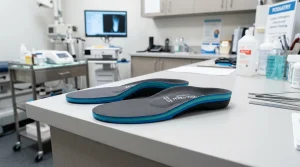
Inserting orthotics into diabetic shoes can significantly enhance comfort and support, especially for individuals facing challenges like swollen feet. These specialized inserts provide cushioning and stability, which can be pivotal for proper foot alignment and pain relief. Clinical studies have shown that custom or over-the-counter orthotics can reduce pressure on sensitive areas of the feet, thereby mitigating the risk of ulcers or injuries, which are a considerable concern for diabetics.
Choosing the right orthotic involves understanding your specific foot needs. Generally, diabetic orthotics are designed to distribute weight evenly across the foot, reduce friction, and absorb shock while walking. When selecting inserts, look for features such as:
- Arch Support: Essential for enhancing stability and promoting proper foot function.
- Shock Absorption: Helps reduce impact on joints and feet, crucial for those with diabetes-related complications.
- Moisture-Wicking Materials: These help keep feet dry, reducing the risk of infection.
Many manufacturers offer diabetic-friendly, extra-wide shoes that are compatible with orthotic inserts, ensuring a comfortable fit without compromising foot health. Brands such as Orthotic Shop and No Cost Shoes provide a range of options that meet Medicare guidelines, making them accessible for those seeking therapeutic footwear.
Consulting with a podiatrist is advisable for personalized recommendations regarding orthotics. A podiatrist can perform a thorough examination and prescribe custom orthotics tailored to individual needs, ensuring optimal support and comfort. By integrating these supportive tools into daily footwear, individuals managing diabetes can better navigate their daily activities while minimizing foot-related complications.
Styles and Designs for Fashion-Conscious Women
Fashion-conscious women with diabetes no longer have to compromise on style for comfort. With advancements in diabetic footwear, there are now plenty of chic options available that cater specifically to those needing extra wide shoes due to swollen feet or other complications. It’s a common misconception that medical footwear has to be plain or unattractive; however, brands are increasingly blending function with fashion, allowing wearers to express themselves while prioritizing foot health.
Many designers and brands focus on utilizing vibrant colors, unique textures, and stylish silhouettes that transcend typical orthopedic shoes. Look for features such as decorative buckle accents, trendy patterns, or seasonal colors that keep your wardrobe fresh. Additionally, some brands offer customizable options where you can choose the style and features that best fit your aesthetic preferences while ensuring that they are made with supportive materials suitable for diabetics.
To help you find your perfect pair, consider the following styles that are making waves in the diabetic shoe market:
- Mary Janes: A classic style, these shoes often offer adjustable closures and a supportive structure, making them fashionable and functional.
- Sporty Sneakers: Many brands create sporty designs that provide the needed support without sacrificing aesthetics, including options with breathable mesh materials for added comfort.
- Dressy Flats: Perfect for professional or formal occasions, stylish flats designed for diabetic needs often come with ample cushioning and arch support.
- Boots: Whether ankle or knee-high, fashionable boots can be found with wider fittings and optional orthotic support, making them versatile for all seasons.
Choosing diabetic footwear doesn’t mean you have to sacrifice being on-trend. When selecting shoes, prioritize those that combine superior comfort and high-quality materials, while still showcasing your personal style. And remember, taking care of your feet is essential; always consult with a healthcare professional for guidance tailored to your specific needs. By doing so, you can confidently step out in style while keeping your feet happy and healthy.
Comparative Pricing: Budget-Friendly Options
Finding affordable diabetic footwear that doesn’t compromise on quality or comfort can be a challenge, particularly for individuals dealing with swollen feet. Fortunately, there’s a range of budget-friendly options available, ensuring everyone has access to footwear that supports both health and style. Investing in the right pair can improve mobility and comfort, which is essential for managing diabetes effectively.
When considering pricing, it’s important to explore various brands that specialize in diabetic shoes. Many reputable manufacturers offer competitive pricing, often with promotional deals directly on their websites. Brands like APEX and Orthofeet feature a variety of extra wide options for women, with prices typically starting around $60 and going up to $150, depending on the materials and technology used. These options often include features like cushioning and arch support, vital for sensitive feet.
To make the buying process more manageable, consider shopping during sales events or exploring discount retailers that offer diabetic shoes at reduced prices. Websites often have clearance sections where you can find premium footwear at a fraction of the original cost. It’s also beneficial to keep an eye out for online coupons or sign up for newsletters from brands to receive alerts on special promotions.
While opting for budget-friendly options, always ensure that they meet the necessary health criteria. Look for features such as adequate arch support, breathable materials, and a wide toe box. These aspects not only enhance comfort but also help prevent complications associated with diabetes. Always review customer feedback and product ratings to ensure the chosen footwear will adequately support your feet.
In conclusion, budget-friendly diabetic shoes can provide the essential support needed without compromising on comfort or style. Remember, the cost of the shoes should be considered an investment in your health, so opt for pairs that prioritize quality. Consulting with a healthcare professional can provide additional guidance tailored to your specific needs and help you make informed choices for your diabetic footwear.
Expert Recommendations from Podiatrists on Foot Health
The significance of proper footwear for managing diabetic foot health cannot be overstated; podiatrists assert that choosing the right shoes can prevent complications that arise from diabetes, such as neuropathy and poor circulation. Many women with diabetes face unique challenges, especially those dealing with swollen feet. It’s critical to select shoes that not only accommodate the condition but enhance daily comfort and mobility.
Podiatrists recommend looking for shoes with specific features that cater to the needs of diabetic patients. When shopping for extra wide diabetic shoes, consider:
- Ample Toe Box: Shoes should have a wide and deep toe box that prevents pressure on the toes, accommodating any swelling that may occur throughout the day.
- Adjustable Features: Look for options with adjustable straps or laces that allow for a customized fit, helping to manage swelling more effectively.
- Cushioning and Arch Support: Adequate padding and support are essential to provide comfort and prevent excessive pressure on the foot, which can lead to injuries.
- Breathable Materials: Shoes made from materials that allow moisture to escape can help to keep feet dry and reduce the risk of skin irritation and fungal infections.
Regular foot examinations by a healthcare professional are also crucial. Podiatrists encourage diabetic individuals to inspect their feet daily for any changes or injuries, as well-fitting shoes can prevent complications from worsening. Engaging with a diabetic educator or a podiatrist can provide further insights into the best footwear choices tailored to individual needs while emphasizing that personal comfort should remain a priority. Dietary management and overall health are also integral to foot health; a balanced diet, regular exercise, and routine medical check-ups will empower individuals to take charge of their diabetes management, leading to a healthier lifestyle overall.
FAQ
Q: What are the benefits of wearing extra wide diabetic shoes for swollen feet?
A: Extra wide diabetic shoes provide essential comfort and support for swollen feet by allowing ample space to avoid pressure points. They help prevent blisters, reduce pain, and improve circulation, making daily activities more comfortable and enhancing overall foot health.
Q: How can I choose the right diabetic shoes for my swollen feet?
A: When selecting diabetic shoes, prioritize features like adjustable straps, cushioning, and breathable materials. Measuring your feet accurately and trying shoes on later in the day when swelling is most pronounced will ensure the best fit. Consider visiting a specialized store for personalized advice.
Q: Are there specific materials that enhance comfort in diabetic shoes?
A: Yes, look for diabetic shoes made from soft, breathable materials like mesh or leather, which accommodate swelling and promote airflow. Additionally, cushioned insoles can provide extra support, reduce shock, and enhance overall comfort during wear.
Q: What common mistakes should I avoid when buying diabetic shoes?
A: Avoid choosing styles based solely on fashion; instead, prioritize fit and comfort. Do not skip measuring your feet regularly, as size can change. Lastly, refrain from purchasing shoes that don’t have adequate arch support or that are too tight.
Q: Can orthotic inserts improve the comfort of extra wide diabetic shoes?
A: Yes, orthotic inserts can significantly enhance comfort and support in extra wide diabetic shoes. They provide custom arch support, alleviate pressure points, and can assist with foot alignment. Always consult with a healthcare professional for recommendations tailored to your needs.
Q: How often should I replace my diabetic shoes?
A: Diabetic shoes should typically be replaced every 6 to 12 months, or sooner if you notice signs of wear, such as thinning soles or structural changes. Regular checks ensure that you maintain optimal support and cushioning as your feet continue to change.
Q: Are there stylish options available for women’s extra wide diabetic shoes?
A: Yes, many brands offer stylish options for women’s extra wide diabetic shoes, including trendy designs in a variety of colors and styles. Look for brands that prioritize both fashion and comfort, ensuring you can express yourself while caring for your feet.
Q: What should I consider when caring for my diabetic shoes?
A: Regularly clean your diabetic shoes to keep them in good shape; use a damp cloth for the exterior and ensure insoles are fresh. Store them in a cool, dry place, and avoid exposing them to extreme temperatures, which can degrade materials. Proper care extends their life significantly.
In Retrospect
Finding the perfect pair of Womens Diabetic Shoes Extra Wide is crucial for comfort and health, especially for those managing swollen feet. These shoes not only provide the necessary support but also enhance your daily mobility. Don’t wait to prioritize your comfort; explore our complete guide on diabetic shoe options to learn how to choose the best fit for your needs.
If you have any lingering questions or concerns, our diabetes management resources are designed to empower you with knowledge-from dietary tips to essential medical advice. Remember, seeking guidance from healthcare professionals is vital for customized care.
Join our community of supportive individuals navigating diabetes together! Engage with us below, share your thoughts, or check out more articles on managing diabetes effectively. The journey to better foot health and overall well-being starts now, so take that next step today!
Get our latest guides, news, and insights highlighted in your Google Search & AI Overviews.