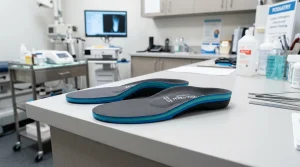
Finding the right footwear is crucial for men managing diabetes, as improper shoe choices can lead to serious foot complications. Men’s diabetic work boots are specifically designed to provide both safety and comfort, combining features like reinforced toe caps and cushioned insoles. This not only ensures better protection on the job but also promotes optimal foot health. With the right pair, you can walk with confidence, reduce the risk of injury, and maintain your mobility. As you explore this topic, you’ll discover how the right boots can support your daily activities while keeping your feet healthy. Let’s delve into how you can prioritize comfort and safety in your work life.
Selecting the Right Work Boots for Diabetes Management
Selecting the right work boots when managing diabetes is crucial for maintaining foot health and overall comfort. Individuals living with diabetes often face unique challenges, such as neuropathy, poor circulation, and the potential for foot injuries, making the choice of footwear a vital aspect of their self-care routine. A well-selected pair of work boots can help prevent complications, alleviate discomfort, and provide the necessary support to keep individuals active and engaged in their daily tasks.
When evaluating work boots, comfort should be at the forefront of your decision-making process. Look for features like cushioned insoles and padded collars, which can help reduce friction and enhance overall comfort during long hours on the job. Additionally, it is essential to prioritize fit; boots should provide enough space for your toes to move without constriction while maintaining a secure fit to prevent slippage. Foot swelling is common among diabetics, so consider boots with adjustable straps or laces for better adaptability throughout the day.
Another critical aspect to consider is the boot’s construction materials. Opt for breathable fabrics that promote airflow, which helps in moisture management and reduces the risk of fungal infections-a common concern for those living with diabetes. Durable materials, such as leather or synthetic compounds, can provide the robustness required for various work environments while ensuring longevity. It’s also advisable to check for specialized features, such as reinforced toe caps or slip-resistant soles, which enhance safety and protection in the workplace. By combining these considerations, individuals can find work boots that not only meet the demands of their jobs but also support their diabetes management effectively.
The Importance of Comfort in Diabetic Footwear
Wearing the right footwear is not just a matter of comfort; for individuals managing diabetes, it can be a crucial element in maintaining foot health and overall well-being. Did you know that foot complications are a leading cause of hospitalization for those with diabetes? This makes it essential for diabetic individuals to prioritize comfort in their footwear choices, especially in work environments where they may be on their feet for long periods.
Diabetic-friendly work boots should be designed with features that provide ample cushioning and support. Look for boots that have memory foam insoles or gel cushioning, which can help absorb shock and reduce impact on the feet. Additionally, padded collars and tongues can minimize friction, offering enhanced comfort during extended wear. Fit is another vital factor; work boots should allow for some wiggle room for the toes while also providing a snug fit to prevent slippage. This is particularly important as foot swelling is common among diabetics, so adjustable laces or straps can be beneficial in achieving the perfect fit throughout the day.
It’s also critical to consider how the boots accommodate specific diabetic foot concerns, such as neuropathy or reduced sensation. Features like wide toe boxes can help prevent pressure points and blisters, while moisture-wicking materials are essential for keeping feet dry and reducing the risk of fungal infections-common challenges for individuals with diabetes. Investing in comfortable, well-designed work boots is not just about avoiding discomfort; it can significantly contribute to preventing serious foot-related complications, allowing individuals to focus on their work with the peace of mind that comes from knowing their feet are supported and protected.
Safety Features to Look for in Work Boots
When selecting work boots for diabetes management, safety features play an essential role in ensuring both protection and comfort. Not only do these features enhance foot health, but they also provide peace of mind, which is crucial for those managing diabetes. For instance, many occupations involve hazardous environments, and a good pair of diabetic-friendly work boots should be equipped with safety features that protect against injuries while keeping diabetic foot concerns in mind.
A vital safety feature to consider is the presence of a steel toe or composite toe cap. These provide essential protection against heavy objects that may drop or roll onto the foot, reducing the risk of severe injuries. Additionally, enhanced slip resistance is crucial for diabetic individuals, as falls can lead to serious complications. Look for boots that have outsoles made from slip-resistant materials, which help maintain grip on various surfaces, ensuring stability and safety during workplace activities.
Other Important Features
Consider work boots with ankle support to help stabilize the foot and prevent injuries, especially if you are prone to foot swelling or balance issues, which are common among diabetics. A padded collar and tongue can prevent chafing and discomfort, further helping to maintain foot health during long hours of wear. Insulation or weatherproofing is also beneficial for those working in cold or wet environments, preserving foot warmth and dryness to avoid complications related to neuropathy.
Key Points to Remember
- Steel Toe or Composite Toe: Protection against heavy objects.
- Slip-Resistant Outsoles: Enhanced grip on various surfaces.
- Ankle Support: Stability and prevention of foot injuries.
- Padded Collars and Tongue: Comfort and prevention of chafing.
- Insulation/Weatherproofing: Keeping feet warm and dry.
Incorporating these safety features into your work boot choice can significantly contribute to your overall foot health management and comfort on the job. Remember, choosing the right work boots is not just about meeting work requirements; it’s about safeguarding your health and enhancing your diabetes management. Always consult with healthcare professionals to ensure the footwear aligns with your specific health needs, promoting a safer and more comfortable work experience.
Material Choices: Breathability and Durability
Selecting the right materials for diabetic work boots is crucial for both comfort and foot health. Many people with diabetes face unique challenges, such as neuropathy and poor circulation, which can make it essential to choose footwear that promotes breathability, durability, and protection. A well-considered choice of materials can not only enhance comfort but also play a significant role in preventing complications related to foot health.
Breathable materials such as mesh and lightweight leather are ideal for diabetic footwear. These materials allow air to circulate, helping to keep feet dry and reducing the risk of moisture buildup, which can lead to fungal infections or ulcers. Look for work boots that incorporate moisture-wicking linings or materials designed to control temperature and humidity levels within the boot. For instance, some brands use advanced synthetic fabrics that deliver excellent ventilation while maintaining structure and strength.
Durability is another paramount factor, particularly for work boots subjected to daily wear and tear in demanding environments. Choosing high-quality materials like full-grain leather or rugged synthetics ensures that your boots withstand the rigors of the job. These materials not only provide long-lasting protection but also offer essential support for the foot. Reinforced toe caps and puncture-resistant soles are crucial features that help safeguard against injuries. Additionally, opting for boots with a slip-resistant outsole can further enhance stability on slippery or uneven surfaces, ensuring both safety and confidence while working.
Investing in durable and breathable work boots will pay off in the long run, contributing to better overall foot health for those managing diabetes. It’s vital to consult with healthcare professionals about footwear needs and to try on various options to ensure a proper fit, as an ill-fitting boot can exacerbate existing foot problems. Ultimately, selecting the right materials in diabetic work boots can empower individuals to navigate their work environments confidently, enhancing both their comfort and health outcomes in the long term.
Understanding Diabetic Foot Health and Boot Design
Many individuals living with diabetes experience foot health issues that can significantly impact their daily lives. For those in physically demanding jobs, the right footwear is not just a matter of comfort but a critical factor in managing their condition effectively. Diabetic foot health is intricately linked to boot design, making it imperative to choose work boots that cater specifically to the needs of diabetic workers.
Effective boot design for diabetic individuals prioritizes several key features, including cushioning, arch support, and adequate toe space. The cushioning helps absorb impact while walking, reducing stress on the feet and potentially preventing ulcers or other injuries. Proper arch support can help alleviate pressure and distribute weight evenly, contributing to overall foot comfort. Moreover, having enough space in the toe box is vital; it allows the toes to move freely and helps avoid friction, which can lead to calluses or blisters.
In addition to comfort features, boots should be designed with moisture management in mind. Diabetes can cause decreased sensation in the feet, making it difficult for wearers to notice when their feet are becoming too hot or sweaty. Therefore, footwear that incorporates moisture-wicking materials or has ventilation features can help maintain a dry and healthy environment for the feet. This quality is crucial because excess moisture can lead to fungal infections, a common complication for those with diabetes.
Furthermore, closed-toe work boots provide essential protection against workplace hazards. Features like reinforced toe caps and puncture-resistant soles are crucial not just for preventing injuries but for giving diabetic workers the confidence to move around their work environment safely. As a part of a holistic approach to managing diabetes, selecting boots that combine safety with comfort can significantly enhance quality of life and work efficiency.
By paying careful attention to boot design features that benefit diabetic foot health, individuals can take proactive steps towards better managing their condition. It’s always best to consult with a healthcare professional regarding specific needs or concerns related to diabetic foot care, ensuring that choices made in footwear support overall health and well-being.
Top Brands Offering Diabetic-Friendly Work Boots
When it comes to finding the perfect work boots for men living with diabetes, several brands stand out for their commitment to comfort, support, and safety features tailored for diabetic foot health. Selecting the right pair can make a significant difference not only in daily comfort but also in overall foot management, which is crucial for those with diabetes.
One of the top brands in this category is New Balance, known for its sneakers that also provide excellent diabetic-friendly options. Their work boots feature advanced cushioning technologies, ample toe space, and moisture-wicking materials, ensuring feet remain dry and comfortable throughout the day. Moreover, New Balance focuses on proper arch support, which is vital for distributing weight evenly and reducing stress on the feet.
Another excellent choice is Dr. Comfort, which specializes in therapeutic footwear for individuals with diabetes. Their boots often include customized orthotic insoles designed for maximum comfort and protection. Dr. Comfort’s styles prioritize not only a snug fit but also make use of breathable materials that keep feet at a regulated temperature, which is essential for those with reduced sensation in their extremities.
Skechers is also worth mentioning, as they offer a variety of work boots with features that promote safety without compromising comfort. Their slip-resistant outsoles, cushioned insoles, and soft, breathable lining help prevent blisters and discomfort, while still offering the safety features necessary for working environments.
For those who prefer more rugged styles, Timberland PRO boots combine durability and safety features such as steel toe caps and anti-fatigue technology. Their offerings help reduce foot fatigue, making them a suitable option for those who spend long hours on their feet or in physically demanding jobs.
In addition to these brands, it is advisable for diabetic workers to look for work boot styles that meet key criteria: supportive insoles, adequate cushioning, and a breathable design. Many brands now incorporate cutting-edge technologies to achieve these goals. Checking customer reviews and consulting with healthcare professionals for personalized recommendations can further guide diabetic individuals in making the best footwear choices for their unique needs.
By selecting from reputable brands that understand the specific requirements of diabetic foot health, individuals can ensure they are not only safe at work but also supporting their overall well-being.
Budgeting for Quality: Cost vs. Value
When considering work boots designed for men with diabetes, it’s essential to understand that investing in the right pair can significantly impact comfort, safety, and long-term foot health. While lower-priced boots may seem tempting, they often lack the specialized features that support diabetic foot health, such as adequate cushioning and breathability. Quality diabetic-friendly work boots may command a higher price, but they are engineered to provide superior support and durability, which can ultimately save you money by preventing injuries and complications.
To balance cost and value effectively, prioritize key features that enhance comfort and protection. Look for boots with arch support and cushioned insoles, as they can reduce fatigue during long work hours. Additionally, breathable materials help maintain a comfortable foot temperature, decreasing the risk of moisture-related issues for those with neuropathy. While it may require a larger initial investment, these features promote overall health and comfort, enabling you to focus on your work instead of foot pain or discomfort.
When budgeting for your work boots, consider the potential long-term savings associated with selecting higher-quality products. Instead of frequently replacing cheaper boots, a well-constructed pair can last for years, offering better performance and protection while adapting to your unique foot needs. Reading reviews from other diabetic users can also guide your decision, as firsthand experiences can shed light on durability and functionality. Consulting with a healthcare professional for personalized recommendations can further ensure that you invest wisely in footwear that contributes to your overall well-being.
In summary, while it might be tempting to choose cheaper options when shopping for diabetic work boots, focusing on well-designed footwear that meets specific needs will provide the best value in the long run, enhancing your comfort and protecting your foot health.
Reviews of the Best Men’s Diabetic Work Boots
When it comes to finding the right work boots for men with diabetes, it’s essential to choose options that prioritize both safety and comfort. Many brands have stepped up to the challenge, engineering footwear specifically designed to meet the unique needs of diabetic individuals. High-quality diabetic work boots combine essential features like cushioned insoles, arch support, and breathable materials, which can significantly reduce discomfort and minimize health risks associated with poor foot care.
One standout choice is the Dr. Comfort Work Boots series. These boots are tailored specifically for individuals who need extra care for their feet. With features like padded collars, reinforced toe caps, and moisture-wicking linings, they ensure that feet remain dry and comfortable throughout long work shifts. Users often commend their lightweight design, which makes them an excellent option for those who need to stay mobile while working.
Another popular option is the Skechers Work Series. Known for their slip-resistant outsoles and memory foam insoles, these boots provide an exceptional level of comfort and safety on the job. They come in various styles that accommodate different work environments, be it construction or manufacturing, while also offering diabetic-friendly features like cushioned footbeds and ample room for toe movement, reducing the risk of blisters and sores.
Additionally, New Balance 990v5 offers a versatile athletic-inspired boot that seamlessly blends comfort, support, and style. Though not a traditional work boot, its robust design and focus on foot health make it a worthy alternative. Many users appreciate the arch support and wide fit, which cater to those with specific diabetic foot conditions.
For those looking for a cost-effective yet quality option, consider Propet’s Work Boots. They incorporate a broader toe box for added comfort and are compatible with custom orthotics. Users often share testimonials highlighting how these boots have made a significant difference in their daily comfort, especially for those who stand or walk for extended periods.
In summary, selecting the right work boots for diabetes management involves considering safety features, comfort, and the ability to support foot health. Brands like Dr. Comfort, Skechers, New Balance, and Propet deliver innovative solutions tailored to diabetic needs. Always remember to consult with healthcare professionals for personalized footwear recommendations that can enhance your overall well-being.
User Experiences: Testimonials and Case Studies
Many individuals living with diabetes face daily challenges that extend beyond managing blood sugar levels; a significant aspect often overlooked is the health of their feet. The right work boots can make a profound difference in comfort and safety for those with diabetic conditions. Users have shared transformative experiences that highlight how specific footwear can enhance their work life and overall well-being.
One user, John, a construction worker for over 15 years, had struggled with foot pain and sores due to his diabetes. After switching to the Dr. Comfort Work Boots, he noticed a remarkable difference. “The padded collar and moisture-wicking lining kept my feet dry and comfortable all day,” he explained. Since making this switch, John has experienced fewer foot complications and has been able to work longer hours without discomfort, allowing him to focus on his job rather than his feet.
In another instance, Maria, a nurse, shared her experience with Skechers Work Series boots. With her demanding shifts requiring long hours on her feet, she found that these boots offered much-needed support. “The memory foam insole feels like walking on clouds,” she remarked, noting that since her purchase, she has noticed a significant reduction in foot fatigue and blisters. Maria has even encouraged her colleagues with diabetes to consider investing in diabetic-specific work boots to improve their comfort during shifts.
Many testimonials also highlight the versatility of diabetic-friendly options. Mark, a warehouse manager, chose the New Balance 990v5 for its athletic design and support. He found that wearing these boots resulted in better foot alignment and significantly less swelling by the end of his workday. “I never thought an athletic shoe could work so well as a work boot,” he said. His experience underscores the idea that style doesn’t have to be sacrificed for comfort and health.
These user experiences showcase the vital role of proper footwear in managing diabetes effectively. Comfort, support, and durability are essential, not just for work productivity, but for overall health and quality of life. Encouragingly, many users report that investing in the right diabetic work boots has led to improved daily experiences. As always, it is critical for individuals with diabetes to consult healthcare professionals for personalized advice on foot care and footwear choices, ensuring they find the best solutions tailored to their specific needs.
Maintaining Work Boots for Longevity and Hygiene
Maintaining the integrity of your work boots is crucial for preserving their comfort, safety, and functionality, especially for those managing diabetes. Regular upkeep not only extends the lifespan of your footwear but also ensures that your feet remain healthy and free from complications. Studies have shown that proper footwear maintenance can significantly reduce the risk of skin issues, blisters, and even infections, which are particularly important for individuals with diabetic conditions.
To keep your work boots in optimal condition, start with a regular cleaning routine. Wipe down the exterior with a damp cloth to remove dirt and grime, and use a brush for tougher spots. For leather boots, consider applying a specialized leather conditioner to maintain flexibility and prevent cracks. Never submerge your boots in water, as excessive moisture can lead to mold and deterioration of materials. It’s also wise to allow your boots to dry thoroughly after a long day-this is key to preventing odors and maintaining hygiene.
Another vital aspect of boot maintenance involves checking the insoles and laces. Replace insoles periodically, especially if you notice wear or have gotten them damp frequently. Consider using antimicrobial insoles to further reduce bacteria buildup-an essential measure for individuals prone to infections. Keeping laces in good repair is also important; they should be tightly secured but not overly restrictive, which could cause irritation or reduced circulation.
For those working in harsh environments, invest in protective covers or sprays designed to enhance water and stain resistance. This added layer can greatly help in preserving the appearance and functionality of your boots, especially when working outdoors or in wet conditions. Regularly inspect the soles for signs of wear; uneven or worn-down soles can lead to slips and falls, which is particularly concerning for people with reduced sensation in their feet.
By adopting these maintenance practices, you not only prolong the life of your diabetic-friendly work boots but also contribute to overall foot health. Just as regular check-ups and consultations with healthcare providers are essential in managing diabetes effectively, so too is the routine care of your footwear, ensuring that comfort and safety remain intact on the job.
Additional Footwear Tips for Diabetic Workers
Choosing the right footwear is critical for diabetic workers, not just for comfort but also for maintaining foot health and preventing complications. With the right knowledge and considerations, you can enhance your well-being while balancing the demands of work. Here are several impactful tips specifically tailored for individuals managing diabetes.
Ensuring that your work boots fit properly is perhaps the most vital aspect of diabetic footwear. Ill-fitting shoes can lead to blisters, calluses, and other foot problems, putting individuals at greater risk for infections. When trying on boots, wear the type of socks you plan on using and try each pair at the end of the day, as your feet may swell. Look for boots with a wide toe box to allow for natural movement and avoid constriction. In terms of style, lace-up boots offer a customizable fit, which can help accommodate any swelling during your workday.
Prioritize Support and Cushioning
Another essential aspect is ensuring that your work boots provide ample support and cushioning. These features help with shock absorption while reducing fatigue during long hours on your feet. Consider options with a contoured insole that aligns with the arches of your feet and provides additional cushioning, which can be particularly beneficial in alleviating pressure points. If your boots do not come with adequate cushioning, investing in high-quality, supportive insoles designed for diabetics can enhance comfort significantly.
Choose Breathable Materials
Selecting the right materials for your boots can greatly affect your foot health. Look for footwear made from breathable materials, such as mesh or leather, which can help regulate temperature and wick away moisture. Excess heat and sweat can lead to fungal infections, an area of concern for those managing diabetes. Also, ensure that the soles are made from non-slip materials to provide stability and support on various surfaces. This can prevent falls, which are particularly concerning for individuals with neuropathy or reduced sensation in their feet.
Regular Foot Health Checks
Lastly, make it a habit to conduct regular foot health checks. Examine your feet daily for any signs of redness, sores, or other abnormalities. Practicing routine self-care can help catch minor issues before they escalate. If you notice anything alarming, do not hesitate to seek advice from a healthcare professional. Remember, the foundation of managing diabetes effectively involves not only medical treatment but also taking proactive steps in daily life, including maintaining the integrity of your footwear and prioritizing your foot health. Educated choices about footwear and self-care can lead to a healthier and more confident work experience.
Adapting Your Footwear Choices for Different Work Environments
Selecting the right footwear for different work environments can significantly enhance comfort and promote foot health, particularly for those managing diabetes. Depending on the nature of your job, the ideal boot might vary greatly. For instance, if you work in a warehouse or construction site, you will want work boots that not only provide comfort but also safety features such as steel toes and slip-resistant soles. On the other hand, if your role is primarily office-based, lighter and more breathable footwear might suffice, focusing on cushioning to support long hours of sitting or standing.
In outdoor settings, weather-resistant materials become increasingly important. Look for boots that are both insulated and waterproof, allowing you to tackle various weather conditions without compromising on breathability. This is especially crucial for diabetic individuals, as moisture accumulation can increase the risk of fungal infections and skin irritations. Additionally, consider boots with a rugged outsole to provide stability and prevent slips, which is particularly important for those who may have neuropathy or reduced sensation in their feet.
For individuals working in more sterile or health-focused environments, such as hospitals or restaurants, footwear should be easy to clean and made from materials that resist moisture and odor. Materials that are antimicrobial can also be beneficial, helping to maintain hygiene while offering comfort throughout long shifts. Moreover, shoes with removable insoles allow for the use of custom orthotics, providing additional support tailored to individual foot shapes and needs.
Regardless of the work environment, a well-fitting boot is paramount. Always assess your unique requirements and consider factors such as arch support, the weight of the boot, and its ability to allow for foot movement and circulation. By adapting your footwear choices to your specific work environment, you can take proactive steps in managing your diabetes while ensuring that your feet remain healthy and happy throughout your workday.
Frequently asked questions
Q: What features should I look for in men’s diabetic work boots?
A: When selecting men’s diabetic work boots, prioritize features like cushioning for comfort, moisture-wicking materials, and arch support. Additionally, ensure a roomy toe box to prevent pressure points and check for safety features like slip resistance and steel or composite toe protection.
Q: How can I ensure my diabetic work boots fit properly?
A: To ensure a proper fit for diabetic work boots, measure both feet at the end of the day when swelling may occur. Look for boots with adjustable features like laces or straps. It’s also essential to try on boots with the type of socks you plan to wear for accurate sizing.
Q: Can diabetic work boots help prevent foot complications?
A: Yes, diabetic work boots can help prevent foot complications by providing adequate support, reducing pressure, and minimizing friction. Boots designed for diabetics typically feature soft seams and non-irritating materials, which can significantly lower the risk of foot ulcers and blisters.
Q: Are there specific materials that are best for diabetic work boots?
A: Ideal materials for diabetic work boots include breathable leather or synthetic materials that promote airflow and wick moisture away from the skin. Lightweight cushioning materials like EVA foam can enhance comfort, while rugged soles should provide traction to prevent slips.
Q: How often should I replace my diabetic work boots?
A: It’s recommended to replace diabetic work boots every 6 to 12 months, depending on usage and wear. Regularly inspect for signs of deterioration such as worn out soles, compromised cushioning, or structural damage to ensure continued foot protection and support.
Q: What are the best practices for maintaining diabetic work boots?
A: To maintain diabetic work boots, clean them regularly to remove dirt and moisture, use appropriate waterproofing products, and allow them to air dry after use. Regularly check the soles and interior for wear to prolong their lifespan and support.
Q: Can I use insoles with my diabetic work boots?
A: Yes, using custom or over-the-counter diabetic insoles can greatly enhance comfort and support in your work boots. Opt for insoles that provide additional arch support and cushion, ensuring they fit well within the boots without cramping your toes.
Q: Where can I find diabetic-friendly work boots?
A: Diabetic-friendly work boots can be found at specialized medical supply stores, online retailers, and brands that focus on diabetic footwear. Review customer testimonials and ratings in the “Reviews of the Best Men’s Diabetic Work Boots” section of your guide for suitable options.
The Conclusion
Choosing the right footwear is a crucial step in managing diabetes effectively while ensuring comfort and safety in your daily activities. Our Men’s Diabetic Work Boots blend essential safety features with superior comfort, tailored specifically for those living with diabetes. Don’t wait to elevate your working experience-check out our collection today and step confidently!
For more insights, explore our articles on daily diabetes management and specialized footwear options to enhance your lifestyle. If you have lingering questions or need personalized assistance, subscribe to our newsletter for ongoing tips and resources. Stay empowered in your diabetes journey, and remember, a qualified healthcare professional is your best resource for tailored advice. Share your experiences in the comments below, and join a community dedicated to supporting one another!
Get our latest guides, news, and insights highlighted in your Google Search & AI Overviews.