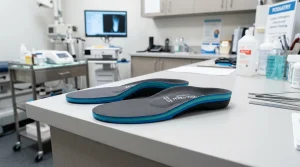
If you’ve ever experienced discomfort from swollen feet, you’re not alone. Many individuals with diabetes face this challenge due to poor circulation or other related conditions. The right footwear, particularly extra wide diabetic shoes, can significantly enhance your comfort and mobility. These specialized shoes are designed not just for aesthetics but to provide the support and room your feet need. By ensuring a proper fit, they help alleviate pressure, reduce the risk of sores, and promote overall foot health. As you read on, you’ll discover essential information about how to choose the best footwear solutions for swollen feet and gain insights into managing your diabetic health with confidence. Making informed decisions on footwear is a vital part of your self-care routine and can lead to a more comfortable, active lifestyle.
Understanding Extra Wide Diabetic Shoes for Comfort
People living with diabetes often experience foot complications, making the choice of footwear critically important. Extra wide diabetic shoes are specifically designed to accommodate swollen feet, providing a comfortable yet supportive fit that can significantly improve the daily lives of those affected. These shoes not only alleviate discomfort but also help prevent more serious conditions related to poor foot care. The right pair can make a substantial difference in mobility and overall well-being.
One of the key aspects of extra wide diabetic shoes is their construction, which includes features tailored for sensitive feet. A wide toe box is essential, allowing for a non-binding fit that relieves pressure on swollen areas. This is particularly important for individuals who may suffer from conditions such as neuropathy or bunions. Materials like stretchable, breathable mesh are often utilized to enhance comfort, enabling the shoes to expand as the foot moves throughout the day. Additionally, many styles include cushioned insoles that provide enhanced support and shock absorption, further reducing the risk of foot injuries.
Wearing extra wide shoes can lead to various benefits that go beyond mere comfort. They can improve balance and stability, essential for those dealing with fluctuating foot conditions due to diabetes. A well-fitted shoe minimizes friction and the risk of blisters or sores, which can lead to serious infections if untreated. By choosing the correct footwear, individuals can feel more empowered and confident, enabling them to partake in daily activities without fear of pain or injury.
In summary, understanding the characteristics and advantages of extra wide diabetic shoes is vital for making informed decisions regarding foot health. Proper footwear is a significant investment in one’s quality of life, offering a crucial layer of protection and support for individuals managing diabetes. As always, it is advisable to consult with a healthcare professional when selecting the right footwear tailored to individual needs.
Why Swollen Feet Require Special Footwear
People living with diabetes often face unique challenges, and one of the most common issues is swollen feet. This condition can result from various factors, including poor circulation, fluid retention, and nerve damage associated with diabetes. When feet swell, standard footwear may no longer provide the necessary support and comfort, leading to increased pain and discomfort. That’s where specialized footwear comes into play.
Special footwear designed for swollen feet is crucial because it accommodates the changes in foot size and shape. A shoe that fits snugly can create pressure points that exacerbate discomfort, leading to blisters, sores, or worse complications such as infections. In contrast, extra wide diabetic shoes offer a roomy toe box and a non-binding fit, allowing for easy movement and reducing friction. This type of footwear helps maintain proper circulation while also providing much-needed support to often vulnerable feet.
Moreover, the right shoes can directly impact mobility and independence. Many individuals with diabetes may experience an increased risk of foot injuries, and wearing shoes that adapt to swollen feet minimizes this risk. With features like cushioned insoles and stretchable materials, these shoes can absorb impact and provide additional arch support. This combination not only enhances comfort but can also empower individuals to engage more actively in their daily lives without the fear of pain or injury.
Ultimately, investing in specialized footwear is a vital step towards maintaining foot health for those managing diabetes. It can lead to improved quality of life, allowing for greater freedom of movement and a more proactive approach to managing one’s health. Always consult with a healthcare professional to ensure the best choices are made for individual needs and conditions.
Key Features of Extra Wide Diabetic Shoes
Choosing the right footwear can significantly impact the comfort and health of those dealing with diabetes, especially when facing the challenge of swollen feet. Extra wide diabetic shoes are designed with specific features to ensure that they provide the utmost comfort, protection, and support that diabetic individuals need. These shoes are not just wider; they incorporate various characteristics tailored to address the unique needs of swollen feet.
One of the most significant features of extra wide diabetic shoes is the roomy toe box. This design allows for natural toe splay, reducing the risk of blisters and sores that can result from tight footwear. A non-binding fit is another critical aspect, which helps to alleviate pressure points and allow for better blood circulation. This is essential for individuals who may suffer from neuropathy or poor circulation as a complication from diabetes. Moreover, these shoes often come with soft, breathable materials that can adapt to the changing shape of the foot throughout the day, providing ongoing comfort as swelling fluctuates.
In addition to these fundamental features, extra wide diabetic shoes frequently include cushioned insoles and arch support. These provide vital shock absorption, which helps reduce impact on the feet during movement. The cushioning is especially beneficial for those who might be on their feet for extended periods, providing additional comfort and fatigue reduction. Another innovative aspect is the adjustable closures, such as Velcro straps, which simplify fitting and allow easy adjustments throughout the day, accommodating varying foot sizes due to swelling.
Incorporating these key features into daily footwear can empower individuals with diabetes to lead active lives while minimizing the risk of foot injuries. It’s essential to consult with healthcare professionals to ensure the selected shoes align with individual foot health needs. By prioritizing comfort and fit, those living with diabetes can experience improved mobility and overall quality of life.
Benefits of Wearing Extra Wide Shoes
Wearing extra wide shoes presents numerous advantages for individuals managing diabetes, particularly for those dealing with swollen feet. With enhanced space in the toe box and a design that supports blood circulation, these shoes play a critical role in maintaining foot health and comfort. For instance, a less constricted fit helps prevent the development of blisters and calluses, which can lead to more serious complications if not addressed. The combination of roominess and supportive features allows for a more natural foot position, reducing discomfort during daily activities.
Another compelling benefit is the incorporation of cushioning and arch support in extra wide diabetic shoes. This added padding not only absorbs shock but also aids in reducing fatigue, making it easier to stay active throughout the day. Individuals who spend considerable time on their feet can particularly appreciate how these features contribute to overall comfort, allowing them to engage in activities such as walking or exercising without the discomfort that often accompanies standard footwear.
Moreover, adjustable closures inherent in these shoes-like Velcro straps-offer the flexibility needed to accommodate daily foot size changes that accompany swelling. This adaptability ensures a secure fit, providing confidence when moving around. Users can easily modify their shoe tightness, offering convenience and enhancing day-to-day mobility, which is vital in diabetes management.
Ultimately, embracing extra wide diabetic shoes fosters a proactive approach to foot care. By prioritizing comfort and health through appropriate footwear choices, individuals can better manage their condition and prevent potential complications. Whether through everyday wear or during special activities, the benefits of these specialized shoes contribute to an overall improved quality of life for those living with diabetes.
How to Choose the Right Pair of Shoes
Choosing the right pair of extra wide diabetic shoes is a crucial step for those managing diabetes and dealing with swollen feet. With the multitude of options available, understanding what to look for can make the difference between comfort and discomfort. It’s essential to consider various factors that align with the specific needs of your feet to ensure optimum support and protection.
Start by assessing the fit. Extra wide shoes should comfortably accommodate the entire foot without creating pressure points. When trying on shoes, ensure there’s enough room in the toe box. You should be able to wiggle your toes freely without feeling restricted. A good practice is to try shoes on later in the day when your feet are likely to be at their most swollen. This will help you gauge how the shoes will feel during daily activities.
Materials and Features
Look for shoes made with soft, breathable materials that provide support without sacrificing comfort. Shoes with cushioning, arch support, and a flexible sole can significantly reduce fatigue, making it easier to stay active. Additionally, consider options with adjustable closures, such as Velcro straps. These allow you to modify the fit throughout the day as needed, accommodating any swell that may occur.
Consult with Professionals
Don’t hesitate to consult a healthcare professional or a specialist in diabetic footwear. They can provide personalized advice based on your specific foot condition and lifestyle. Their expertise can steer you toward brands that prioritize diabetic needs, ensuring that you do not overlook important aspects of foot health.
By taking these steps and focusing on comfort, fit, and materials, you can select the most suitable extra wide diabetic shoes, nurturing your feet and promoting an active lifestyle. Remember, prioritizing your foot health enables better management of diabetes and contributes to overall well-being.
Top Brands for Extra Wide Diabetic Shoes
When it comes to finding the perfect footwear for diabetic individuals, selecting the right brand can greatly impact comfort and foot health. Numerous brands specialize in extra wide diabetic shoes designed to cater to those with swollen or sensitive feet, offering a balance of style, support, and practicality. Understanding the top brands can empower you to make informed choices, enhancing your daily comfort and mobility.
Leading Brands in Extra Wide Diabetic Shoes
Several well-regarded brands have established themselves as leaders in producing extra wide diabetic shoes. Here are a few noteworthy ones:
- Orthofeet: Known for their therapeutic footwear, Orthofeet combines comfort and support with stylish designs. Their extra wide options often feature multiple width choices, cushioned insoles, and ergonomic soles that help reduce pressure on sensitive areas.
- Propet: Propet offers a diverse range of extra wide diabetic shoes that prioritize function without compromising on style. Many of their shoes come with features like removable insoles for personalized orthotics and adjustable straps that accommodate foot swelling throughout the day.
- SAS (San Antonio Shoes): Renowned for their comfort and craftsmanship, SAS produces extra wide shoes that are particularly beneficial for individuals with diabetes. Their shoes often include soft leather uppers, cushioned footbeds, and flexible soles, making them suitable for prolonged wear.
- New Balance: Although primarily known for athletic shoes, New Balance has a line of diabetic shoes emphasizing extra width and proper arch support. Their shoes are designed to provide stability and cushioning, crucial for diabetic foot health.
Each of these brands understands the unique challenges faced by those with diabetes and swollen feet, ensuring their products are crafted with care and attention to detail. Furthermore, these brands often provide options that accommodate custom orthotics, a crucial consideration for many diabetic individuals.
Selecting the right footwear is more than just fashion; it’s about improving quality of life. Exploring the products from these top brands can lead to comfortable solutions that support daily activities, ultimately aiding in the management of diabetes. Always consult with a healthcare professional or a podiatrist to ensure that the footwear you choose meets your specific medical needs, fostering a proactive approach to diabetes management.
Innovative Materials in Diabetic Footwear
Many innovative materials are now making their way into diabetic footwear, aiming to enhance comfort, support, and overall foot health. With diabetic individuals often facing challenges such as neuropathy, swelling, and sensitivity, it’s crucial that the materials used in their shoes offer protective, supportive, and breathable qualities. Advanced technologies and designs provide solutions that help manage these conditions effectively.
A prime example of innovation in diabetic footwear is the use of lightweight and flexible materials. These materials reduce the overall weight of the shoe, making it easier for those with diabetes to walk without excessive strain. Orthotic-grade insoles made from memory foam or gel are also commonly incorporated for better cushioning and shock absorption, which is essential for protecting sensitive feet from impact. Additionally, the inclusion of moisture-wicking fabrics helps keep feet dry and comfortable, reducing the risk of blisters and infections, common concerns for individuals with diabetes.
Moreover, seamless construction techniques are gaining popularity in diabetic shoe design. These techniques eliminate irritating seams and stitches that can cause friction, making shoes more comfortable for those with sensitive skin. Shoes designed with a wider toe box and extra depth allow for the accommodation of custom orthotics and swelling throughout the day, providing much-needed flexibility as foot sizes can fluctuate. Consequently, the right materials and design innovations are pivotal in promoting better foot health and comfort for diabetic individuals, enabling them to lead active, fulfilling lives while managing their condition.
As you consider options for extra wide diabetic shoes, prioritizing advanced materials and thoughtful design can significantly impact daily comfort and long-term foot health. Always consult with healthcare professionals to ensure that any new footwear aligns with your specific needs, effectively supporting your journey toward better diabetes management.
Caring for Your Extra Wide Diabetic Shoes
Taking care of your extra wide diabetic shoes is essential not just for the longevity of the footwear, but also for the health of your feet. Well-maintained shoes can prevent unnecessary strain, blisters, and other foot-related issues that many individuals with diabetes may experience. Here’s a practical guide to help you keep your diabetic shoes in optimal condition.
Regular Cleaning
To maintain the integrity of your extra wide diabetic shoes, ensure you clean them regularly. Use a soft cloth or brush to remove dirt and debris from both the outside and inside. For leather shoes, apply a moisturizing leather conditioner periodically to prevent cracks and preserve flexibility. Fabric shoes might benefit from a gentle wash with mild soap and water; always follow the manufacturer’s care instructions.
Proper Drying Techniques
If your shoes get wet, it’s crucial to dry them properly to avoid mold and mildew. Remove the insoles and laces, then allow the shoes to air dry at room temperature-never use direct heat sources like a radiator or hair dryer, as heat can damage the materials. Stuffing the shoes with newspaper can help absorb moisture and maintain their shape during drying.
Insole Maintenance
Consider the insoles of your extra wide diabetic shoes as the first line of defense against discomfort. Many diabetic shoes come with orthotic-grade insoles, which should be inspected regularly for wear. If you find signs of compression or wear, replacing them can make a significant difference in your comfort level. You can also invest in specialized insoles designed for diabetics, which provide additional support and cushioning tailored to sensitive feet.
Storage Tips
Storing your shoes correctly can also prolong their lifespan. Keep them in a cool, dry area away from direct sunlight to avoid fading and material breakdown. Use a shoe tree or stuff them with paper to help maintain their shape. Avoid stacking heavy objects on top of your shoes, as this can cause them to lose their form and support.
is not just about maintenance; it’s about empowering yourself to manage your diabetes effectively. Well-cared-for shoes contribute significantly to foot comfort and health, allowing you to lead an active and fulfilling life. Remember to consult with healthcare professionals for personalized advice that aligns with your specific health needs.
Tips for Managing Swollen Feet Daily
Managing swollen feet is a common challenge for many individuals, especially those with diabetes. Swelling can result from various factors, including poor circulation, fluid retention, and the body’s response to inflammation. Understanding practical strategies to alleviate discomfort and support healthy feet is essential for anyone navigating this situation.
One effective daily practice is to elevate your feet whenever possible. Taking short breaks throughout the day to rest your feet on an elevated surface can help reduce swelling and improve circulation. Aim to keep your feet elevated for at least 15-30 minutes, particularly after long periods of standing or sitting. This technique encourages fluid to flow back towards your heart, alleviating some of the pressure.
Incorporating gentle exercises into your routine can also be beneficial. Simple activities like ankle circles, toe raises, and walking can stimulate blood flow and engage the muscles in your legs. Aim for low-impact exercises, such as swimming or cycling, which provide cardiovascular benefits without stressing the joints. Always consult with a healthcare professional before starting any new exercise program to ensure it’s appropriate for your condition.
Additionally, make sure to stay hydrated throughout the day. Drinking sufficient water can help manage fluid levels in your body, reducing the likelihood of swelling. Combine this with a balanced diet rich in fruits and vegetables that are high in potassium, such as bananas and spinach, to help regulate fluid balance.
Finally, choosing the right shoes is paramount. Wearing extra wide diabetic shoes can provide the necessary space and support, allowing your feet to breathe and minimizing irritation. Look for shoes made with soft, breathable materials that have ample cushioning and good arch support. Regularly monitoring your foot health and consulting with a podiatrist can help catch any issues early, ensuring you maintain a proactive approach to managing swelling effectively.
Foot Care Solutions for Diabetic Individuals
Managing foot health is crucial for individuals with diabetes, particularly those experiencing swollen feet. Choosing appropriate footwear is only one piece of the puzzle; comprehensive foot care strategies can significantly enhance comfort and prevent complications.
A key component of foot care solutions includes regular foot inspections. Individuals should visually examine their feet daily for any cuts, blisters, redness, or signs of infection. Consider using a mirror to check hard-to-see areas or enlist a family member’s help. Early detection of potential issues can lead to timely intervention, preventing more severe complications.
Incorporating proper hygiene practices is also vital. Gently washing feet daily with mild soap and warm water, then thoroughly drying them-especially between the toes-helps prevent fungal infections. Applying a moisturizing lotion may alleviate dry skin, but it’s important to avoid putting lotion between the toes to avoid excess moisture, which can lead to infections.
Routine visits to healthcare professionals are essential for effective diabetes management, especially for individuals with foot issues. Regular check-ups with a podiatrist can provide tailored recommendations, including specialized treatment for any foot problems and personalized advice on suitable diabetic footwear.
Beyond footwear, maintaining a healthy lifestyle can have a substantial impact on foot health. A balanced diet, regular physical activity, and managing blood sugar levels not only improve overall health but also enhance circulation, thereby reducing swelling. Incorporating gentle exercises, such as stretching or yoga, can improve flexibility and promote better blood flow.
By embracing these comprehensive foot care solutions, individuals with diabetes can create a proactive approach to managing swollen feet, ultimately leading to improved comfort and health outcomes.
Real User Reviews: Comfort and Fit Experiences
Experiencing swollen feet is a common challenge for many individuals living with diabetes, and finding the right footwear can significantly impact comfort and mobility. Real user reviews shed light on the effectiveness of extra wide diabetic shoes, revealing stories of positive transformations and newfound confidence. Many users report that these specially designed shoes not only accommodate their foot swelling but also alleviate pressure points and reduce discomfort, allowing them to engage more fully in daily activities.
One individual shared their journey of transitioning from regular shoes to a pair of extra wide diabetic footwear. They noted, “I used to dread going out because of my swollen feet. These shoes have a wide toe box that gives my feet plenty of room; I no longer feel that tightness or pinching.” This sentiment is echoed by many who find that the broader fit and softer materials help reduce irritation caused by traditional shoe designs. The seamless interiors, as highlighted in several reviews, are essential for those susceptible to friction and rubbing, particularly sensitive feet.
Beyond fit, the overall comfort provided by these shoes is repeatedly praised. Users often mention the soft foam padding and shock-absorbing constructions designed to support their daily movements. As one satisfied customer remarked, “I can walk for hours without pain. The cushioning feels like walking on clouds!” This kind of feedback emphasizes the importance of supportive designs that consider the specific needs of diabetic individuals.
Moreover, practical aspects such as the ease of putting on and removing the shoes also come into play. Many users appreciate features like hook and loop closures that offer adjustability, which is particularly beneficial for those whose foot size may fluctuate throughout the day. This user-friendly design allows for a customized fit without needing to search for shoelaces, which can be cumbersome for those managing mobility issues.
In summary, user experiences with extra wide diabetic shoes highlight their essential role in enhancing comfort for individuals dealing with swollen feet. By prioritizing broad toe boxes, soft materials, and supportive structures, these footwear options empower users to reclaim their mobility and confidence in daily life. Remember, while these shoes can greatly assist in managing foot health, ongoing consultation with healthcare professionals for personalized advice remains crucial in comprehensive diabetes management.
Where to Buy Extra Wide Diabetic Shoes Online
Finding the right pair of extra wide diabetic shoes online can transform your comfort and mobility, especially for those living with diabetes and experiencing swollen feet. There are a variety of reputable retailers offering these specialized footwear options, ensuring that you can find the best fit without sacrificing style or comfort. With just a few clicks, you can access a wide range of designs, materials, and price points tailored to your needs.
When exploring options online, consider well-known brands that are specifically dedicated to diabetic footwear. For instance, Orthofeet offers a collection of diabetic shoes designed for sensitive feet, emphasizing both comfort and protection. Their website features user-friendly navigation, allowing you to filter by size, width, and style to find the perfect match. You can view customer reviews and detailed product descriptions to help inform your purchase decisions. [1].
Another valuable resource is Amazon, which offers a vast selection of diabetic shoes and often includes various buying options. With user reviews and ratings, you can gauge the comfort and fit based on real-life experiences, ensuring that your choice aligns with your specific needs. Many products highlight eco-friendly materials, making it easier to shop while considering your health and the environment. Explore their offerings by visiting this link: [2].
For those looking for fashionable options, Drew Shoe combines style with function, presenting a range of diabetic shoes that cater to both comfort and current trends. Their collection includes shoes designed with extra wide widths, ensuring you find an option that doesn’t compromise on style. For more information, you can check out their dedicated diabetic shoes page here: [3].
When shopping for extra wide diabetic shoes online, remember to pay attention to return policies, as the right fit is crucial for your comfort. Look for websites that allow easy returns or exchanges, and consider measuring your feet correctly to choose the best size. By exploring these online platforms, you can confidently navigate your footwear options, ensuring that you find the perfect pair that supports your foot health and enhances your quality of life. Always consult with your healthcare professional for personalized advice related to your diabetes management.
Frequently asked questions
Q: What are the best features to look for in extra wide diabetic shoes?
A: The best features in extra wide diabetic shoes include a spacious toe box, soft interior lining to prevent friction, adjustable closures for a custom fit, and extra cushioning to absorb shock. These features help alleviate pressure points and provide optimal comfort for swollen feet.
Q: How can extra wide diabetic shoes help with foot pain?
A: Extra wide diabetic shoes reduce foot pain by distributing pressure evenly and providing ample space for swollen feet. Cushioned insoles and protective padding further minimize discomfort, making them ideal for individuals with diabetes and related foot conditions.
Q: When should I consider buying extra wide diabetic shoes?
A: Consider buying extra wide diabetic shoes if you experience consistent foot swelling, discomfort, or if traditional footwear causes irritation. It’s also advisable when managing conditions like neuropathy or after foot surgery to ensure comfort and support.
Q: Can I wear extra wide diabetic shoes for everyday activities?
A: Yes, extra wide diabetic shoes are designed for everyday activities. They provide necessary support and comfort for walking and standing, making them suitable for daily wear. Look for styles that blend functionality with aesthetics for various occasions.
Q: Are there specific brands recommended for extra wide diabetic shoes?
A: Recommended brands for extra wide diabetic shoes include FitVille, Strada, and Propet. These brands are known for their quality, comfort features, and range of sizes tailored specifically for diabetic individuals’ needs.
Q: How can I properly care for my extra wide diabetic shoes?
A: Proper care includes regularly cleaning the shoes with a damp cloth, air drying them away from direct heat, and checking for signs of wear. Additionally, replacing insoles periodically can enhance comfort and hygiene.
Q: What materials are best for extra wide diabetic shoes?
A: The best materials for extra wide diabetic shoes include breathable mesh for ventilation, soft leather for flexibility, and cushioned foam for added comfort. These materials help prevent irritation and support foot health.
Q: How do I know if my extra wide diabetic shoes fit correctly?
A: A proper fit means there’s about a thumb’s width of space between your longest toe and the shoe’s end, with no pressure points. The shoes should feel snug without being tight, allowing for natural foot movement.
In Conclusion
In conclusion, choosing the right pair of extra wide diabetic shoes can significantly enhance comfort and well-being for those dealing with swollen feet. Remember, these shoes are not just a necessity; they are an investment in your daily health and mobility. Don’t wait to experience the relief and support that these solutions can offer-your feet deserve it. For more tips on effective diabetes management, consider checking out our guides on daily care, meal planning, and specialized diabetic products.
Explore our resources further to find additional tools and insights that can empower your journey, whether you’re looking for assistance with pet diabetes or the best strategies for lifestyle adjustments. We invite you to leave comments, share your experiences, or reach out with any questions! Your engagement matters as we strive to support our community in navigating the challenges of diabetes health management. Embrace the comfort and confidence that comes with the right footwear today!
Get our latest guides, news, and insights highlighted in your Google Search & AI Overviews.