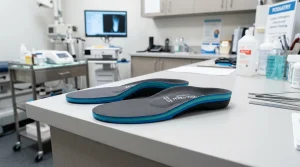
Did you know that wearing the right shoes can significantly impact your health if you have diabetes? Diabetic shoes are specially designed to provide support and comfort, reducing the risk of foot complications that many individuals with diabetes face. However, navigating insurance coverage for these essential items can be daunting. This article will guide you through obtaining a diabetic shoes prescription example, ensuring you get the coverage approval you need quickly and efficiently. Understanding the prescription process not only helps you maintain your foot health but also empowers you to take control of your diabetes management. By prioritizing the right footwear, you can enhance your overall well-being and enjoy a more active lifestyle. Read on to discover how you can secure the vital footwear support that’s crucial for your health journey.
Understanding the Need for Diabetic Shoes
Diabetic shoes play a critical role in preventing foot injuries and complications for individuals living with diabetes. People with diabetes often face challenges such as neuropathy, poor circulation, and an increased risk of foot ulcers and infections. These conditions make it vital to wear shoes specifically designed to provide the needed support and protection. A well-fitting pair of diabetic shoes can help distribute pressure evenly across the foot, reducing the risk of calluses, blisters, and other foot-related issues that could lead to more severe health problems.
Many standard footwear options lack the necessary characteristics to accommodate the unique requirements of diabetic feet. Therapeutic footwear is designed with features that help manage specific diabetic foot conditions. These include a wider toe box, additional depth for custom orthotics, a cushioned sole for shock absorption, and breathable materials to help maintain foot health. Choosing the right footwear can go a long way in ensuring mobility and comfort, allowing diabetic individuals to maintain an active lifestyle while minimizing the risk of foot complications.
When considering diabetic shoes, consultation with healthcare professionals is essential. They can provide personalized recommendations based on individual foot health needs and assist in obtaining the necessary prescriptions. Additionally, many insurance plans offer coverage for therapeutic footwear, which can ease the financial burden of purchasing specialized shoes. Being proactive in addressing foot health from the onset can have lasting benefits and contribute significantly to overall diabetes management.
In the journey of managing diabetes, understanding the importance and need for diabetic shoes is not just about style or comfort; it’s about safeguarding one’s health and enhancing quality of life. Taking these steps empowers individuals to live as fully and actively as possible.
Key Features of Therapeutic Footwear
In the quest for optimal foot health, understanding the unique features of therapeutic footwear makes all the difference for individuals with diabetes. These shoes are crafted specifically to tackle challenges such as neuropathy, inadequate circulation, and the risk of foot ulcers, all critical considerations for diabetic patients. Therapeutic footwear is not just designed for comfort; it is essential for safeguarding one’s health and maintaining mobility.
One of the standout features of diabetic shoes is their wider toe box. This design accommodates foot swelling and allows the toes to move comfortably without restriction, ultimately reducing the chance of blisters or calluses. Additionally, the extra depth often provided in these shoes permits the use of custom orthotics, ensuring that the shoe fits perfectly and provides necessary support.
The cushioned soles are another vital aspect, as they absorb shocks and lessen impact while walking. This cushioning is essential to reduce stress on vulnerable areas of the feet, especially for those experiencing discomfort or reduced sensation. Furthermore, many diabetic shoes utilize breathable materials to promote airflow, which helps in maintaining moisture control and preventing fungal infections.
When choosing therapeutic footwear, it is crucial to seek options that incorporate these features, as they collectively work to enhance both safety and comfort. By investing in well-designed diabetic shoes, individuals can significantly improve their daily experiences and reduce the risk of severe complications, thus encouraging a more active and fulfilling life. Regular consultations with healthcare professionals can guide individuals in selecting the most suitable footwear, enhancing the overall management of their diabetes.
How to Obtain a Prescription for Diabetic Shoes
For individuals living with diabetes, obtaining a prescription for diabetic shoes can be an empowering step toward healthier living. Prescription diabetic shoes are not just a luxury; they are often a necessity to prevent complications such as foot ulcers and neuropathy. To start the process, it’s essential to engage with your healthcare provider who understands the specific needs that your condition presents.
Initially, you should schedule an appointment with a healthcare professional, such as a podiatrist or an endocrinologist. During this visit, discuss any foot issues you may be experiencing, such as numbness, pain, or frequent blisters. The doctor will evaluate your feet and assess your overall health to determine if you qualify for therapeutic footwear. If eligible, they will provide a detailed prescription that includes specifics such as the type of shoes and any custom orthotics required.
Once you have your prescription, the next step is to choose a durable and reputable supplier that offers diabetic shoes. If you are using insurance, it’s crucial to ensure that the supplier is covered under your plan. Always verify beforehand whether your insurance provider requires specific step-by-step procedures for reimbursement or has a preferred network of providers. This proactive engagement can simplify the approval process and ensure that your needs are met without unnecessary delays.
Additionally, it may be helpful to document any foot issues you’ve had in the past, including previous treatments or medications, to support your case. Bring this information to your appointment with your healthcare provider, as it can strengthen the justification for your prescription and expedite the approval process with insurance companies.
Here’s a brief overview of the steps to follow for obtaining your diabetic shoe prescription:
- Consult your healthcare provider: Discuss foot health and needs.
- Receive a prescription: Ensure it includes necessary details.
- Select a supplier: Confirm they accept your insurance.
- Submit documentation: Provide necessary medical history if required.
By taking these steps, you not only help ensure that you receive the appropriate footwear, but you also empower yourself to manage diabetes more effectively. Having the right footwear can greatly enhance comfort and mobility, allowing you to lead a more active and fulfilling life. Remember, the journey to better diabetes management involves collaboration with health professionals who can guide you through each step, paving the way for healthier choices.
Insurance Coverage for Diabetic Footwear
Understanding the intricacies of can be a game changer for those managing diabetes. Many individuals may not realize that therapeutic shoes are often covered by Medicare and various private insurance plans, provided specific criteria are met. This coverage is crucial, as diabetic shoes are designed to reduce the risk of foot complications associated with diabetes, such as ulcers and nerve damage. By taking proactive steps, individuals can ensure they receive the benefits they are entitled to without unnecessary stress.
To begin the process of obtaining insurance coverage for diabetic shoes, it’s essential to gather the appropriate documentation. Patients should first consult with their healthcare provider, who can evaluate the need for specialized footwear. This typically involves a comprehensive foot assessment that takes into account any pre-existing conditions or risk factors associated with diabetes. The healthcare provider will then issue a detailed prescription, which is vital for insurance approval. This prescription should clearly state the medical necessity of the shoes, any required customizations, and the specific type recommended.
Upon obtaining the prescription, the next step is to choose a supplier that participates in your insurance network. It’s advisable to verify that the supplier accepts your insurance plan, as this will streamline the process and help avoid out-of-pocket expenses. Some insurance companies may have specific procedures for prior authorization, so it’s crucial to check these requirements early in the process. Simple steps like calling your insurance provider to confirm coverage details, reviewing any paperwork necessary for claims, and keeping a record of communications can save time and effort later.
Finally, misconceptions about diabetic footwear and insurance can lead to confusion. For instance, some believe that only certain types of shoes qualify for coverage, when in fact, a wide variety of therapeutic options are available. Additionally, keeping detailed records of any foot complications, treatments, or prior footwear-related issues may strengthen your case for coverage. Engaging in open dialogue with both your healthcare provider and insurance representative can create a clearer path towards securing the footwear essential for managing diabetes effectively.
Ultimately, by understanding insurance coverage and being proactive, individuals living with diabetes can ensure they receive the care and resources needed to maintain their foot health and overall well-being. Taking these steps not only empowers patients but also reinforces the importance of comprehensive diabetes management through appropriate footwear.
Navigating Prior Authorizations for Diabetic Shoes
Navigating the complexities of prior authorizations for diabetic shoes can feel overwhelming, but understanding the steps involved can make the process more manageable. Many insurance providers require prior authorization before covering the cost of specialized diabetic footwear, a necessity for those at risk of foot complications related to diabetes. The goal of prior authorization is to ensure that these shoes are medically necessary and suitable for the patient’s condition, safeguarding both the patient and the healthcare system.
To begin, gather all relevant medical documentation. This usually includes your healthcare provider’s prescription, which should explicitly detail why diabetic shoes are medically necessary for you. The prescription may describe any current foot conditions, previous injuries, or the risk of developing ulcers, making a strong case for why you need therapeutic footwear. A clear, detailed prescription enhances the likelihood of a smooth authorization process and underscores the importance of these shoes in maintaining your foot health.
Once you have the necessary documentation, contact your insurance provider to understand their specific requirements for prior authorization. This may involve completing forms or providing additional information. Here are some steps to streamline this process:
- Review Your Insurance Policy: Understand what is covered under your plan, including any particular brands or styles of diabetic shoes.
- Promptly Submit Required Information: Send over your healthcare provider’s documentation as soon as possible to avoid delays.
- Follow Up Regularly: Keep in touch with your insurance company to check on the status of your authorization request.
- Document All Communications: Record the names of representatives you speak with, the date and time of calls, and any confirmation numbers.
It’s important to remember that if your prior authorization is denied, you have the right to appeal the decision. Request the specific reasons for the denial, and consider consulting your healthcare provider to amend the documentation or appeal the insurance company’s decision. Open communication with both your healthcare provider and the insurance company can significantly ease the process and lead to a better outcome in getting the diabetic footwear you need for optimal health management.
By taking these proactive steps, not only do you empower yourself to navigate the insurance landscape more effectively, but you also ensure your diabetes management remains a top priority, keeping your feet healthy and reducing the risk of complications.
Common Misconceptions About Diabetic Footwear
Many individuals living with diabetes are unaware of the changing landscape surrounding diabetic footwear and the misconceptions that often accompany it. One prevalent belief is that diabetic shoes only serve as a luxury item or an accessory, rather than a critical part of diabetes management. In reality, these specially designed shoes are essential for preventing foot complications, a significant risk for individuals with diabetes. They provide adequate cushioning, support, and protection essential for maintaining foot health and avoiding serious complications like ulcers or infections.
Another common misconception is that all diabetic shoes look clunky or unattractive. While it’s true that therapeutic footwear may prioritize function over fashion, many brands have embraced design innovation, offering stylish options that do not compromise on comfort or support. With a variety of designs available-from sporty sneakers to elegant flats-individuals can find footwear that aligns with their personal style without sacrificing their foot health.
Some people also believe they can wear regular shoes as long as they are the correct size. However, regular footwear often lacks the necessary features tailored for diabetic needs, such as proper arch support, cushioning, and breathability. This lack of supportive features can lead to increased foot strain and exacerbate existing conditions, hence the importance of investing in footwear specifically designed for diabetics.
Lastly, many think that obtaining diabetic shoes is an arduous process fraught with obstacles. While securing a prescription and navigating insurance coverage can seem daunting, understanding the steps involved can simplify the journey. By gathering essential medical documentation and communicating clearly with healthcare providers and insurers, patients can obtain the footwear they need more efficiently. Taking proactive steps and being informed can help demystify the process, empowering individuals to prioritize their foot health effectively.
With these insights, individuals with diabetes can approach their footwear choices with confidence-knowing that well-chosen shoes not only serve their health needs but can also complement their lifestyle.
Tips for Choosing the Right Diabetic Shoes
Choosing the right diabetic shoes can feel overwhelming, but understanding what to look for can empower you in selecting footwear that not only suits your style but also safeguards your foot health. The right pair of shoes can significantly reduce the risk of foot complications, making it crucial to consider a few key factors before making a purchase.
Start by prioritizing comfort and fit. Shoes should have enough room in the toe box to allow for movement without pinching, while the heel should fit snugly to prevent slipping. It can be helpful to try on shoes later in the day when your feet may be slightly swollen, mimicking typical conditions. Look for shoes made from flexible materials that adapt to your foot shape and allow breathability. Features like adjustable straps or laces can enhance fit reliability and comfort.
Another vital consideration is the shoe’s construction. Opt for footwear that includes adequate cushioning, support, and shock absorption to protect sensitive feet. A rigid but supportive outsole is preferable, offering stability without being overly heavy. Additionally, consider diabetic shoes with seamless interiors to minimize friction and the potential for blisters, especially if you have neuropathy or diminished sensation in your feet.
Lastly, seek out shoes designed specifically for individuals with diabetes. Many reputable brands have developed therapeutic footwear that incorporate all these essential features, balancing health needs with aesthetics. Don’t hesitate to consult with a healthcare professional or a podiatrist specializing in diabetic care; they can provide recommendations based on your individual health requirements and help you navigate any insurance hurdles related to prescription coverage for your new shoes. Taking these steps can lead you to find the perfect diabetic footwear while fostering greater confidence in managing your diabetes effectively.
Top Brands and Styles for Diabetic Footwear
Selecting the right diabetic footwear can significantly impact your foot health and overall well-being, making it crucial to explore the best brands and styles available. Many companies have committed to creating shoes that meet the unique needs of individuals with diabetes, with a focus on comfort, support, and protection. Understanding which brands and styles stand out can empower you to make informed choices.
One of the leading names in this specialized footwear market is Orthofeet. Their shoes are designed with features like extra depth, orthotic support, and seamless interiors, which minimize friction and reduce the risk of blisters. Models like the Orthofeet Chelsea and OrthoFeet Edgewater offer stability and comfort, ideal for everyday wear while providing necessary cushioning for sensitive feet.
Another prominent brand is Propet, known for its expansive range of diabetic shoes that prioritize both functionality and style. Their Propet Stability X line includes shoes with adjustable straps for a personalized fit. Built for accommodating swelling and foot deformities, these shoes emphasize breathability without sacrificing foot health.
For those seeking a more athletic option, New Balance provides a variety of diabetic-friendly sneakers. The New Balance 990 and Fresh Foam series are particularly recommended due to their exceptional cushioning and support, making them suitable for individuals who enjoy walking or engaging in light exercise.
In addition to these specialized brands, you can find a selection of Medicare-approved options that can help alleviate the financial burden of purchasing diabetic footwear. It’s essential to work closely with your healthcare provider to determine which shoes are eligible for coverage under your insurance plan. This will ensure that you get the shoes best suited to your needs while potentially taking advantage of any cost assistance available.
Ultimately, selecting the right pair of shoes can make a world of difference in managing your diabetes. By choosing from reputable brands that prioritize quality and comfort, you can find the perfect styles that not only protect your feet but also enhance your lifestyle. Consulting with your healthcare provider can further assist in determining what styles may suit your specific medical requirements.
Real Patient Experiences with Diabetic Shoes
Many individuals living with diabetes have found that investing in proper footwear has transformed their daily lives, providing comfort, support, and peace of mind. Patient experiences highlight the importance of diabetic shoes in preventing complications such as ulcers and infections, which can arise from ill-fitting footwear. For instance, Sarah, a 58-year-old woman diagnosed with Type 2 diabetes, shared that before she switched to diabetic shoes, she often suffered from blisters and discomfort, especially during long walks. Since making the change, her foot health has significantly improved, and she now enjoys her daily walks with confidence, knowing her shoes provide the necessary support.
Additionally, many patients express relief when discovering that many diabetic shoes are covered by Medicare and other insurance plans. John, a 65-year-old retiree, went through the prescription process last year after experiencing numbness in his feet. He explained that the support of his healthcare provider was crucial in getting the proper documentation to qualify for coverage. After several weeks of navigating the approval process, he was able to select a pair of comfortable shoes without a financial burden, making his transition to diabetic-friendly footwear much smoother.
Real patient experiences also reveal the emotional factors involved in choosing diabetic shoes. Many patients report feeling a sense of empowerment when they find stylish options that suit their personality, proving that managing diabetes doesn’t mean sacrificing aesthetics for functionality. Maria, a young professional, highlighted how a pair of fashionable diabetic sneakers allowed her to maintain her style while ensuring proper foot health, helping her feel more confident in her skin.
As these narratives illustrate, the journey to finding the right diabetic footwear can be filled with challenges, but the positive outcomes remind patients that they are certainly not alone. Whether it’s navigating insurance approvals or simply gaining a better understanding of shoe options, sharing experiences can encourage others to prioritize their foot health. Emphasizing the importance of consulting healthcare professionals for individualized advice ensures that every step taken is a step in the right direction towards effective diabetes management.
Maintaining and Caring for Diabetic Shoes
To ensure that your diabetic shoes remain effective and supportive, proper maintenance and care are essential. Footwear designed for diabetic individuals is specifically crafted to provide comfort, support, and protection against foot-related issues. However, neglecting their upkeep can diminish their benefits and lead to complications. Regular cleaning and appropriate storage can help prolong the life of your shoes while keeping them in optimal condition for daily use.
Start by cleaning your diabetic shoes regularly. Depending on the materials used, gently wipe the surfaces with a damp cloth and mild soap to remove dirt and sweat. For shoes with removable insoles, take them out and clean them separately. Ensure that they are completely dry before reinserting them into the shoes. Avoid exposing your shoes to excessive moisture, as this can cause premature wear or encourage mold growth. Store your shoes in a cool, dry place away from direct sunlight to prevent fading and cracking. For those who wear orthotic inserts, make sure your shoes accommodate both the inserts and your foot comfortably.
Another important aspect is to periodically assess the condition of your shoes. Look for signs of wear, such as uneven soles or frayed seams. If you notice any discomfort while wearing them, it’s crucial to revisit a healthcare provider for an evaluation. They can assist in determining whether it’s time for a new pair or if your current shoes can be adjusted to better suit your needs. Remember, the goal is to maintain proper foot health to prevent complications associated with diabetes.
By committing to these maintenance practices, you not only extend the life of your diabetic shoes but also contribute to your overall foot health. You don’t have to tackle this alone; consulting with healthcare professionals who specialize in diabetic care can provide personalized recommendations for footwear maintenance and appropriate care strategies. Empower yourself to stay proactive in your diabetes management by treating your footwear with the same level of care as you do your overall health.
Shopping for Diabetic Shoes: Practical Advice
Shopping for diabetic shoes involves more than just picking a pair off the shelf; it’s about ensuring you have footwear that supports your foot health and fits your specific needs. Proper footwear can help prevent complications such as ulcers and infections, making it essential for those managing diabetes. With a wide range of options available, making an informed choice is vital to ensure comfort and support.
Start your shopping process by determining your foot size and shape, as well as any specific needs you might have, such as arch support or a wider fit. When trying on shoes, make sure to wear the same type of socks you typically use, as this can affect the fit. Walk around the store to assess comfort; you should feel secure without any areas of pinching or excessive tightness. It’s advisable to shop later in the day when your feet may be slightly swollen-this more accurately reflects how your shoes will fit during everyday activities.
Additionally, look for shoes that have the following characteristics:
- Soft, seamless interiors: This feature helps reduce friction against the skin, minimizing the risk of blisters.
- Adjustable fastenings: Shoes with Velcro or wide laces allow for a customizable fit, accommodating any swelling.
- Shock-absorbent soles: These provide cushioning with each step, protecting your feet from impact.
- Breathable materials: Good ventilation helps keep feet dry, reducing the risk of fungal infections.
When considering your insurance coverage for diabetic shoes, inquire with your healthcare provider about the necessary documentation for a prescription. This typically includes a letter of medical necessity. Understanding your insurance policy can streamline this process, as some plans may cover a pair of shoes and multiple pairs of inserts each year. Be sure to check with your provider to ascertain any particular requirements or limitations.
In summary, investing time in choosing the right diabetic shoes can significantly affect your overall foot health and comfort. Each step taken towards selecting appropriate footwear is a step towards better management of diabetes, enhancing your well-being and quality of life. Always consult with healthcare professionals for tailored advice and recommendations based on your individual health needs.
Consulting Healthcare Professionals for Diabetic Care
Consulting healthcare professionals is an essential step in managing diabetes, especially when it comes to footwear. Many individuals underestimate the importance of discussing proper diabetic shoe needs with their healthcare team. Regular check-ups can ensure that any changes in foot health or neuropathy symptoms are promptly addressed, significantly reducing the risk of serious complications.
When you visit your medical provider, it’s helpful to come prepared with questions and concerns regarding your foot health. Discuss any sensations like numbness or tingling, as these can indicate neuropathy, which increases the need for specialized footwear. An experienced healthcare professional will typically evaluate your feet for any abnormalities, including areas of high pressure that could lead to injury. It’s critical to have an open dialogue about your footwear experiences and how they impact your day-to-day comfort. They can provide valuable insights into how certain shoe features can alleviate discomfort while reducing the risk of injuries.
How to Facilitate the Prescription Process
To obtain a prescription for diabetic shoes, make sure you understand what is required. Your doctor may need to document your condition and the need for therapeutic footwear through a formal letter of medical necessity. This letter proves vital for insurance claims, as many insurance providers require this documentation for coverage approval. Be proactive in discussing your insurance benefits with your provider; some plans even offer coverage for multiple inserts each year, enhancing your options for foot care.
Additionally, it’s worthwhile to connect with a diabetes educator or a podiatrist who specializes in diabetic foot care. They can provide knowledge on the latest shoe technologies that may suit your needs and help coordinate care with your primary physician. By ensuring that all members of your healthcare team are aligned, you can streamline the prescription process for your diabetic shoes and initiate the coverage procedures more efficiently.
The goal is to empower you as a patient, ensuring that you’re equipped with the necessary information and support to make informed choices. Regular consultations with healthcare professionals not only aid in obtaining diabetic footwear but can also improve your overall management of diabetes, helping you lead a healthier and more active lifestyle.
FAQ
Q: What should a diabetic shoes prescription include?
A: A diabetic shoes prescription should include the patient’s diagnosis, the need for therapeutic footwear, specific shoe characteristics (like depth or width), and the healthcare provider’s signature. Ensure you discuss these details with your healthcare professional to streamline the approval process.
Q: How long does it take to get approval for diabetic shoes from insurance?
A: Insurance approval for diabetic shoes typically takes 1 to 3 weeks, depending on your provider’s policies. To expedite, ensure all necessary documentation, including a proper prescription and supporting medical records, are submitted promptly.
Q: Can I get diabetic shoes without a prescription?
A: While you can purchase diabetic shoes without a prescription, you may not benefit from insurance coverage. A prescription is essential if you want your insurance to reimburse the cost, so consult your healthcare provider.
Q: What are the common insurance requirements for diabetic shoe prescriptions?
A: Common requirements include a diagnosis of diabetes, evidence of foot complications, and a prescription from a healthcare provider. Check with your specific insurance policy for any additional documentation needed for approval.
Q: Are there limitations on how often I can get diabetic shoes covered by insurance?
A: Yes, most insurances have limitations on coverage for diabetic shoes, typically allowing replacements every 6 to 12 months. Verify your insurance policy details to understand the frequency and conditions for coverage.
Q: What should I do if my diabetic shoes prescription is denied?
A: If your prescription for diabetic shoes is denied, review the denial reason with your insurance provider. You can appeal the decision by providing additional medical evidence or a revised prescription from your healthcare provider.
Q: Are all diabetic shoes eligible for insurance coverage?
A: No, not all diabetic shoes qualify for insurance coverage. Eligible shoes must meet specific criteria set by your insurer, including being designated as therapeutic footwear. Always check for these specifications before purchasing.
Q: How can I ensure my diabetic shoes get approved quickly?
A: To ensure quick approval for diabetic shoes, provide comprehensive documentation, including a detailed prescription and relevant medical records. Communicate effectively with your healthcare provider and insurance company to address any questions they may have.
For further assistance in diabetes care and management, don’t hesitate to consult your healthcare professionals. They can provide personalized advice tailored to your specific needs.
Final Thoughts
Navigating the world of diabetic footwear doesn’t have to be overwhelming. With our “Diabetic Shoes Prescription Example: Get Coverage Approval Fast,” you now have a powerful tool to secure the support you need. Act now to take the next steps toward improved foot health; every moment counts! For added resources, explore our sections on [Diabetes Management Tips] and [Best Foods for Diabetes], which provide essential insights for daily living.
Don’t miss out-subscribe to our newsletter for ongoing updates and expert advice, empowering you to make informed choices. Whether you’re dealing with complications or looking for preventative measures, remember that collaborating with healthcare professionals ensures the best outcomes. Share your experiences in the comments, and let us help you on this journey toward a healthier life!
Get our latest guides, news, and insights highlighted in your Google Search & AI Overviews.