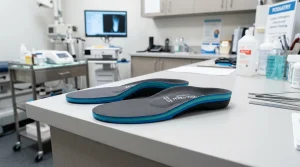
Did you know that foot problems are a common complication for individuals with diabetes, often leading to discomfort and mobility challenges? Diabetic shoe inserts offer a simple yet effective solution, providing essential support and cushioning tailored to your unique needs. These inserts not only enhance comfort but also help prevent further complications, allowing you to stay active and engaged in your daily life. Understanding the importance of proper foot care can empower you and your loved ones in managing diabetes effectively. As we explore the world of diabetic shoe inserts, we invite you to discover how they can enhance your comfort and confidence with every step. Your journey towards better foot health starts here, and there’s much more to learn about the options available to you.
Understanding Diabetic Foot Health Needs
Diabetic foot health is a crucial aspect of diabetes management that is often overlooked, yet it significantly impacts the day-to-day lives of those living with diabetes. Individuals with diabetes are at an increased risk of foot complications due to factors such as neuropathy, poor circulation, and skin changes. These issues can lead to serious conditions, including ulcers, infections, and even amputations if not properly addressed. Understanding these unique foot health needs is vital for prevention and maintaining mobility and overall wellness.
A key area of concern for diabetic foot health is pressure distribution. People with diabetes may not feel injuries or stress on their feet due to nerve damage, making it essential to provide support and cushioning to mitigate this risk. Custom shoe inserts play a pivotal role in addressing these concerns. By redistributing weight and alleviating pressure points, they can help protect sensitive areas of the foot, enhancing comfort and reducing the likelihood of injury. Engaging regularly with healthcare professionals ensures that individuals receive the appropriate assessments to identify their specific needs, which can influence the type of inserts that may be most beneficial.
Furthermore, it is essential to recognize that proper foot care goes hand in hand with suitable footwear and inserts. Daily routines should include checking feet for sores or blisters, maintaining proper hygiene, and wearing well-fitted shoes that accommodate any necessary inserts. This proactive approach not only aids in the prevention of foot issues but also fosters a sense of empowerment for those managing diabetes. With the right knowledge and tools, individuals can take charge of their foot health and significantly enhance their quality of life.
The Importance of Custom Shoe Inserts
Providing the right support for your feet is a crucial yet often overlooked component of diabetes management. Custom shoe inserts are specifically designed to cater to the unique challenges faced by those living with diabetes, including neuropathy, decreased sensation, and poor circulation. Unlike standard insoles, which may not offer adequate support or cushioning, custom inserts are molded to the contours of your feet. This personalized approach not only enhances comfort but also significantly reduces the risk of foot injuries and complications, offering peace of mind to individuals and their families.
lies primarily in their ability to distribute pressure more evenly across the foot. For individuals with diabetes, localized pressure can lead to blisters, ulcers, and infections that may worsen if unchecked. These inserts work to eliminate pressure points and maintain proper alignment, promoting healthier foot function. By using materials that provide both cushioning and stability, custom inserts can help support various foot conditions, such as flat feet or high arches. Moreover, the level of customization ensures that each insert addresses the specific foot shape and unique needs of the wearer.
When pondering the options for diabetic foot care, consider that improved comfort through custom inserts can lead to increased activity levels, which is vital for general well-being. Staying active not only enhances blood circulation but also helps in better blood sugar control, facilitating overall health management. Individuals often report greater mobility and less foot fatigue, allowing them to engage in daily activities more comfortably. Thus, incorporating custom inserts into their footwear can be a game-changer in the daily lives of those managing diabetes.
It’s essential to engage with healthcare professionals when considering custom shoe inserts. Podiatrists, orthopedists, and diabetes specialists can provide valuable insights that guide the selection and fitting process. These professionals can ensure that the inserts are not only suitable for one’s specific foot shape and condition but also integrate seamlessly into daily routines. Consequently, a proactive approach to foot care leads to more informed choices and ultimately contributes to a higher quality of life.
Key Benefits of Diabetic Shoe Inserts
The journey of managing diabetes requires attention to many details, and one often overlooked aspect is foot health. Diabetic shoe inserts play a pivotal role in enhancing comfort and preventing complications for those living with diabetes. One of the primary benefits of these inserts is their ability to redistribute pressure across the foot, which helps to alleviate localized stress points. This is particularly important for diabetic patients, who may experience neuropathy or reduced sensation. By distributing weight evenly, these inserts can help prevent issues such as blisters, ulcers, and ultimately, infections, which are significant concerns in diabetic foot care.
Moreover, diabetic shoe inserts are designed to provide superior cushioning and support, tailored to the specific needs of the user. Customized inserts can be molded to fit the unique contours of an individual’s foot, accommodating variations in arch height and overall foot shape. When people wear inserts that fit them correctly, they often report enhanced mobility and reduced fatigue, enabling them to engage more comfortably in daily activities. This increase in activity is essential not only for managing blood sugar levels but also for maintaining overall health and well-being.
Another key benefit of diabetic shoe inserts is their contribution to maintaining proper foot alignment. Many common foot conditions, such as flat feet or high arches, can be exacerbated without the right support. Custom inserts help to correct alignment and promote healthier foot function, thereby reducing discomfort when walking or standing for extended periods. In this sense, investing in high-quality inserts is a proactive step towards long-term health, as it may also prevent advanced complications of diabetes related to foot health.
Overall, the integration of diabetic shoe inserts into one’s daily routine can transform the quality of life for many individuals managing diabetes. By enhancing comfort, providing necessary support, and encouraging activity, these inserts represent a form of empowerment in diabetes management. However, it is crucial to consult with healthcare professionals, such as podiatrists or diabetes specialists, to select the most appropriate inserts and ensure proper fitting, aligning treatments with individual needs.
Choosing the Right Material for Comfort
Choosing the right material for diabetic shoe inserts can have a profound impact on comfort and foot health. The right materials not only enhance cushioning but also provide necessary support and moisture control, all of which are critical for individuals managing diabetes. Comfort is paramount, especially since diabetic patients may experience sensitivity in their feet, making it essential to select materials that minimize the risk of irritation.
When looking for diabetic shoe inserts, consider the following materials:
- EVA Foam: Ethylene-vinyl acetate (EVA) foam is lightweight, flexible, and offers great shock absorption. It is an excellent choice for those seeking cushioning. Additionally, its durability means it can withstand prolonged use without losing its supportive qualities.
- Memory Foam: This material conforms to the foot’s shape, providing personalized comfort. Memory foam can alleviate pressure points and is beneficial for those with neuropathy as it equally distributes body weight.
- Gel Inserts: Gel materials are effective in providing a soft feel and excellent shock absorption. They can help reduce the impact exerted on the feet during daily activities, making them a good option for those who spend a lot of time on their feet.
- Orthotic Materials: Some inserts use specialized orthotic materials designed for arch support and correction of foot alignment. These often feature firmer materials that provide more structure, which can be particularly helpful for individuals with specific foot conditions.
Choosing inserts with moisture-wicking properties is also highly beneficial. Inserts with materials that manage moisture can help prevent fungal infections and blisters by keeping feet dry, which is especially important for people with diabetes who may be susceptible to skin infections.
Ultimately, the comfort of diabetic shoe inserts is not solely determined by the material. Individual preferences and specific foot conditions play a critical role as well. Engaging with healthcare professionals like podiatrists can provide tailored recommendations, ensuring that you choose the right insert material that aligns with your unique needs. Prioritizing comfort in this way can significantly enhance your daily activities and overall foot health.
How to Properly Fit Diabetic Inserts
To ensure that diabetic inserts provide optimal comfort and support, proper fitting is essential. A well-fitted insert can significantly alleviate pressure on sensitive areas of the foot, reducing the risk of blisters, calluses, and other complications common in individuals with diabetes. Here are some key steps to successfully fit diabetic shoe inserts.
First, it’s crucial to consider the size and shape of both the foot and the shoe. Begin by measuring your foot size, preferably at the end of the day when feet are slightly swollen to ensure a more accurate fit. When trying on inserts, pay attention to the arch height and contour; these should align well with the natural curvature of your foot. If using custom orthotics, having your foot scanned or molded by a healthcare professional will help ensure that your inserts match your foot’s unique dimensions.
Next, place the insert inside your shoe before trying it on. Make sure it lies flat against the shoe’s footbed without curling or bunching. When wearing the shoe, ensure there is sufficient space in the toe area, as tightness can lead to discomfort or reduced circulation. Walk around in the shoes to check for any pressure points or discomfort areas; the insert should feel snug but not overly tight.
It’s also important to consider the type of footwear you will be using with your inserts. Shoes meant for casual wear may require different inserts than those designed for athletic activities. For instance, running shoes often have more cushioning, while dress shoes may need thinner, more structured inserts. Always test the fit with the specific shoes you plan to wear them in, as this can affect overall support and comfort.
Lastly, consult with a healthcare provider, such as a podiatrist or orthopedist, to periodically reassess your foot condition and the effectiveness of your inserts. They can recommend adjustments or different types of inserts based on changes in your condition, ensuring you maintain optimal foot health as you manage diabetes. With the right fit, diabetic shoe inserts can enhance comfort, reduce foot-related complications, and improve your daily life.
Comparing Off-the-Shelf vs. Custom Inserts
When it comes to diabetic foot health, choosing the right shoe inserts can be a game changer. With the wide selection of options available, understanding the differences between off-the-shelf and custom inserts is vital for managing comfort and health. Off-the-shelf inserts are often readily available, providing a quick and cost-effective solution for many. However, they may not address the specific needs of individuals with diabetes, whose foot conditions can vary significantly. While they might offer general support, they typically lack the tailored fit and pressure relief that those with diabetes require.
Understanding Custom Inserts
Custom inserts, on the other hand, are designed specifically for your feet, with careful consideration of your individual arch type, foot shape, and any existing foot conditions. This personalized approach often results in better alignment, improved comfort, and a substantial reduction in pain. For example, if you experience neuropathy or other foot sensitivities, custom inserts can provide targeted cushioning where you need it most, reducing the risk of complications such as blisters and foot ulcers. A healthcare professional typically creates these inserts, which involves measuring and possibly creating a mold of your feet to ensure a perfect fit.
Key Considerations
When weighing your options, consider the following aspects:
- Fit: Custom inserts are molded specifically to your feet, ensuring a snug fit, while off-the-shelf products may leave gaps or cause discomfort.
- Support: Custom inserts can cater to unique issues such as high arches or flat feet, offering enhanced support where it’s most needed.
- Price: While custom options may be pricier initially, they often prevent more costly treatments for complications that can arise from inadequate support.
- Duration: Off-the-shelf inserts might wear out quicker due to their generic design, while custom inserts tend to be durable and tailored for longer-lasting use.
Ultimately, the choice between off-the-shelf and custom inserts comes down to individual needs and lifestyle. Consulting a healthcare professional can help determine the best option for you, ensuring that every step you take is supported and comfortable.
Tips for Maintaining Your Shoe Inserts
Maintaining your diabetic shoe inserts is crucial for ensuring their longevity and effectiveness. Proper care not only prolongs their life but also supports your overall foot health, significantly contributing to diabetes management. Here are several practical tips to help you keep your inserts in optimal condition:
- Regular Cleaning: Clean your inserts regularly to prevent the buildup of bacteria and odor. Use mild soap and water to wipe them down, and allow them to air dry completely before placing them back in your shoes.
- Avoid Excess Moisture: Excess moisture can deform inserts and promote fungal growth. If your feet tend to sweat, consider using moisture-wicking socks, and ensure your shoes are well-ventilated.
- Check for Wear and Tear: Frequently inspect your inserts for signs of wear, such as cracks, thinning spots, or unusual odors. Address any issues immediately, as worn inserts can lead to decreased comfort and foot health problems.
- Store Properly: When not in use, store your inserts in a cool, dry place to avoid exposing them to excessive heat or humidity. This practice helps in maintaining their shape and functionality.
It’s also essential to follow the specific care instructions provided by your healthcare professional or the manufacturer of your inserts. For instance, some inserts may be heat moldable, which requires specific temperature guidelines during cleaning or storage.
Incorporating these maintenance habits into your routine can enhance the comfort and support that diabetic inserts provide. Remember to discuss any changes in your foot health with your healthcare provider, as they can offer personalized advice and adjustments to your care regimen. Regular foot exams and consultations not only enable monitoring of existing conditions but can also help catch potential complications early, ensuring you stay on track in managing your diabetes effectively.
Integrating Inserts into Daily Foot Care Routine
Integrating diabetic shoe inserts into your daily foot care routine can have a transformative impact on your overall foot health and comfort. Many individuals with diabetes face challenges like neuropathy and poor circulation, making proper foot care essential. By prioritizing the use of custom inserts as part of your everyday activities, you’re not only enhancing your walking experience but also taking proactive steps to prevent complications, such as blisters or ulcers.
One effective strategy for integration is to establish a daily check-in routine with your feet and inserts. This might involve examining your shoes and inserts first thing in the morning and before bed. Look for signs of wear and ensure that your inserts are placed correctly in your shoes. Additionally, wearing socks that wick moisture can help reduce friction and improve comfort throughout the day. At lunchtime or after prolonged periods of sitting, it’s beneficial to remove your shoes and allow your feet to breathe, which can also help you assess any pressure points or irritation caused by your inserts.
Moreover, engaging in gentle foot exercises while seated can improve circulation and strengthen foot muscles. Rolling your foot over a golf ball or doing simple ankle rotations are excellent ways to keep your feet active. Pair these exercises with regular foot inspections, making it easier to notice any abnormalities early. You can also set reminders on your phone or calendar to ensure you incorporate these assessments and practices consistently, ultimately fostering a more diligent and informed approach to your foot care routine.
Investing time in a routine that includes your diabetic inserts not only empowers you to manage your diabetes more effectively but also reinforces a positive relationship with your foot health. Remember to consult your healthcare provider to tailor your routine according to your specific needs, ensuring that your choices align with your health goals and provide the best support for your feet as you navigate your daily life.
Understanding Insurance Coverage for Inserts
Navigating insurance coverage for diabetic shoe inserts can be a daunting task, yet understanding your options is crucial for managing your foot health effectively. Many individuals with diabetes require specialized inserts to enhance comfort, prevent foot injuries, and reduce complications, making it essential to explore your insurance benefits thoroughly. Some insurance plans, including Medicare and certain private insurers, may provide coverage for therapeutic insoles, particularly when prescribed by a healthcare professional. This is often contingent on the documentation of a medical necessity, highlighting the importance of maintaining thorough communication with your provider.
To maximize your insurance benefits, consider the following steps:
- Consult Your Healthcare Provider: Before obtaining inserts, speak with your doctor or a podiatrist. They can evaluate your condition and determine if custom inserts are necessary, providing documentation that supports your insurance claims.
- Review Your Policy: Familiarize yourself with your insurance policy regarding coverage for durable medical equipment (DME). Policies vary significantly, so understanding specific provisions related to diabetic care will help you avoid unexpected out-of-pocket costs.
- Obtain Necessary Documentation: Ensure that all required paperwork is complete, including prescriptions and letters of medical necessity from your healthcare provider. This documentation will be essential for your insurance claim.
- Keep Records: Maintain copies of all receipts and correspondence related to your inserts. In case of potential disputes or if additional information is requested, having a well-organized record can expedite the process.
Be proactive in communicating with your insurance company to clarify any questions regarding your coverage options. Some insurers also offer customer service representatives specifically trained in DME inquiries who can assist you in understanding the nuances of your plan.
While the process can be complex, seeking support from patient advocacy groups or diabetes education programs can also provide guidance, resources, and even connections to medical professionals versed in navigating insurance issues. Empower yourself with knowledge and don’t hesitate to ask questions to ensure you receive the benefits necessary for your foot health, ultimately enhancing your quality of life as you manage diabetes.
Expert Recommendations for Top Brands
Finding the right diabetic shoe inserts can significantly enhance your foot health and overall quality of life. As someone managing diabetes, it’s crucial to select inserts that not only provide comfort but also target specific foot health needs, such as neuropathy or plantar fasciitis. Here are some top brands highly recommended by healthcare professionals and users alike, ensuring that you can walk with confidence and comfort.
Apex Foot Health
Apex offers a comprehensive range of diabetic inserts designed with both support and comfort in mind. Their orthotic measures are particularly effective for individuals suffering from diabetic neuropathy. Apex inserts provide excellent cushioning, combined with a contoured shape that supports proper foot alignment. Their products are crafted from high-quality materials specifically tailored for diabetic foot needs.
Dr. Scholl’s
Known for their accessibility and a wide variety of options, Dr. Scholl’s has an array of inserts catering to diabetic patients. Their diabetic insoles feature extra cushioning and a moisture-wicking surface to enhance breathability, helping to prevent discomfort and potential complications. These inserts are often recommended for everyday use, making them a practical choice for those constantly on their feet.
Thera-Pearl
For those seeking a more therapeutic approach, Thera-Pearl offers gel-filled diabetic inserts that provide both cushioning and temperature therapy. The versatility of these inserts allows them to be heated or cooled, which can help alleviate pain and reduce inflammation associated with diabetic foot conditions. This dual functionality makes Thera-Pearl a favorite among users looking for relief from foot pain.
Spenco
Spenco is another reputable brand that focuses on shock absorption and arch support specifically geared towards diabetic needs. Their inserts are designed with a contoured footbed that supports natural foot positioning, helping to alleviate pressure points. Spenco products also come with antibacterial properties to enhance hygiene, making them a well-rounded choice for anyone looking to improve their foot health while managing diabetes.
When selecting diabetic shoe inserts, consider your specific foot health needs, lifestyle, and any recommendations from your healthcare provider. Each of these brands offers unique benefits that cater to various concerns, ensuring that whether you need extra support, cushioning, or therapeutic relief, there’s an option available to help you step confidently every day.
Patient Testimonials: Real-Life Impact
The journey of managing diabetes can often feel overwhelming, especially when it comes to maintaining foot health. Many individuals struggling with diabetic-related foot issues have found solace and renewed confidence through the use of specialized shoe inserts. These personalized solutions not only offer comfort but also enable a higher quality of life, allowing for more active participation in daily activities. Consider the words of one user who states, “Since I started using custom inserts, my foot pain has significantly reduced, empowering me to resume my morning walks without discomfort.”
The real-life impact of diabetic shoe inserts can be profoundly transformative. Take, for example, a retired nurse who developed severe neuropathy. After years of limited mobility and pain, she finally sought out custom orthotics. She shares, “Within weeks, I could feel the difference. The inserts corrected my foot position, alleviating pressure on my nerves. I’m enjoying life again-playing with my grandchildren and even gardening, which I thought I’d never do again.” Such testimonials echo a powerful message: finding the right support can lead to meaningful lifestyle changes.
The successes don’t stop there. A father managing type 2 diabetes recalls his journey towards better foot health by integrating diabetic inserts. “I was skeptical at first, but after trying various brands, the right inserts made all the difference for me. I can spend hours on my feet without fatigue or pain. It’s liberating to be active again, especially when it comes to running after my kids!”
These personal stories not only highlight the tangible benefits of diabetic shoe inserts but also validate the importance of community and shared experiences. When individuals share their stories, they inspire others facing similar challenges to take proactive steps towards their own health.
Before selecting the best insert, it’s advisable to consult healthcare professionals who can offer guidance tailored to individual needs, ensuring users find the ideal balance of support, comfort, and functionality.
Consulting Healthcare Professionals for Optimal Fit
Consulting with healthcare professionals, especially when dealing with diabetic foot health, is pivotal in ensuring the proper fit of shoe inserts. Many individuals underestimate the complexities involved in selecting the right footwear and inserts, which can lead to discomfort or exacerbate existing health issues. Healthcare providers such as podiatrists or certified orthotists possess specialized knowledge that can guide you in navigating these choices effectively.
To begin, it’s essential to schedule a comprehensive foot examination. This process helps identify specific foot conditions affected by diabetes, such as neuropathy, peripheral arterial disease, or calluses. A healthcare professional can evaluate your foot structure, gait, and pressure points, which are critical in selecting custom orthotics. Based on this assessment, they can recommend designs that align with your unique needs-offering the right degree of arch support, cushioning, and stability.
Key Takeaways from Consulting a Professional
- Personalized Assessment: A thorough examination can reveal underlying issues that may not be apparent to a layperson.
- Custom Recommendations: Professionals can recommend specific brands or types of inserts designed for diabetic feet.
- Follow-Up Care: Regular check-ups can adjust inserts as foot conditions change over time, ensuring ongoing comfort and health.
Additionally, ensuring your inserts are correctly fitted is crucial; poorly fitted inserts can lead to misalignment or excessive pressure. A professional can guide you through proper fitting techniques, including trying the inserts in your shoes and adjusting based on how they feel as you walk. They may also provide education on how to assess the wear and tear of your inserts and when they should be replaced.
Lastly, don’t hesitate to ask questions during your consultation. Understanding how various materials and designs impact foot health can empower you to make informed choices. Always remember, managing diabetes effectively includes regular consultations with healthcare professionals to ensure you are equipped with the right tools for optimal foot health.
FAQ
Q: What are diabetic shoe inserts?
A: Diabetic shoe inserts are specialized orthotic devices designed to provide cushioning and support for individuals with diabetes. They help reduce pressure points, improve foot alignment, and prevent complications associated with diabetic foot health. These inserts can be customized to fit individual needs for optimal comfort and effectiveness.
Q: How do I know if I need custom diabetic shoe inserts?
A: If you experience foot pain, discomfort, or have conditions such as neuropathy or poor circulation, you may need custom diabetic shoe inserts. A consultation with a healthcare professional can determine your specific needs and whether custom inserts will benefit your foot health.
Q: Can diabetic shoe inserts help with foot ulcers?
A: Yes, diabetic shoe inserts can help prevent and manage foot ulcers by providing cushioning, support, and pressure relief. They support proper foot posture, reducing the risk of developing ulcers, which is crucial for individuals with diabetes who are susceptible to foot complications.
Q: What materials are best for diabetic shoe inserts?
A: The best materials for diabetic shoe inserts include memory foam, gel, and thermoplastic materials. These provide excellent cushioning, shock absorption, and support. Choosing breathable materials is also important for maintaining foot health and comfort throughout the day.
Q: How often should I replace my diabetic shoe inserts?
A: It’s recommended to replace diabetic shoe inserts every 6 to 12 months, depending on wear and tear. Inspect them regularly for signs of compression or damage, and consult your healthcare provider if you notice any changes in comfort or support.
Q: Will insurance cover the cost of diabetic shoe inserts?
A: Many insurance plans cover diabetic shoe inserts if prescribed by a healthcare professional. Coverage details can vary, so it’s crucial to check with your insurance provider to understand the specifics and any requirements for reimbursement.
Q: How can I ensure my diabetic inserts fit properly?
A: To ensure a proper fit, it is essential to consult with a certified specialist who can assess your foot shape and size. They will help determine the right type and size of inserts, which should provide support without causing additional pressure or discomfort.
Q: What are the long-term benefits of using diabetic shoe inserts?
A: Long-term benefits of using diabetic shoe inserts include enhanced comfort, improved mobility, reduced risk of foot injuries, and prevention of complications such as ulcers and neuropathy. Regular use can significantly contribute to overall foot health and quality of life for individuals with diabetes.
To Conclude
By choosing diabetic shoe inserts, you’re not just investing in comfort; you’re taking a vital step towards better foot health and overall well-being. Remember, the right support can make all the difference in your daily activities, so don’t wait – explore our collection of customized inserts today to find your perfect fit.
For additional guidance, check out our articles on daily diabetes management and healthy food choices tailored for diabetic lifestyles. If you have any questions or need support, we encourage you to connect with a healthcare professional who can offer personalized advice.
Your journey towards comfort doesn’t end here. Subscribe to our newsletter for the latest tips on managing diabetes and access to exclusive promotions on diabetic products. Engage with us by leaving comments or sharing your experiences-together, we can empower ourselves and others on this journey!
Get our latest guides, news, and insights highlighted in your Google Search & AI Overviews.