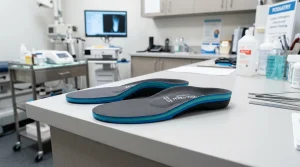
Did you know that the right footwear can significantly enhance the quality of life for those living with diabetes? Diabetic dress shoes are not just a trend; they represent a crucial step towards combining professional style with essential foot care. For many, managing diabetes involves balancing health concerns with daily responsibilities, including professional attire that doesn’t compromise comfort. The right pair of shoes can help prevent complications such as neuropathy or foot ulcers, allowing you to tackle your day with confidence. In this article, we’ll explore the importance of selecting diabetic dress shoes that provide both elegance and comfort, ensuring that you can present your best self without the worry of foot pain. Join us as we delve into the world of stylish, supportive footwear designed to meet the unique needs of those living with diabetes. Your journey toward healthier, pain-free feet starts here.
Understanding Diabetic Foot Health for Optimal Comfort
Understanding how diabetes affects foot health is crucial for ensuring comfort and preventing complications. Diabetes can lead to nerve damage and poor circulation, making individuals more susceptible to foot injuries and infections. In fact, one in four people with diabetes will experience foot problems at some point in their lives. Therefore, selecting the right footwear can play a pivotal role in foot health, particularly when it comes to professional dress shoes that merge style with comfort.
When choosing diabetic dress shoes, it’s essential to prioritize features that enhance comfort and protection. Shoes should offer adequate support, cushioning, and a proper fit to reduce pressure on sensitive areas of the foot. Look for styles with a soft, breathable upper material, along with a spacious toe box that allows for natural movement and prevents friction. Additionally, shoes with non-slip soles can help prevent falls, a significant concern for diabetic individuals who may have compromised balance.
Regular foot checks and caring for your feet are vital components of diabetic management. It’s advisable to inspect your feet daily, looking for any cuts, blisters, or changes in color. Proper footwear can significantly reduce the risk of developing foot ulcers or infections, which can lead to more severe complications. If you feel any discomfort or notice any issues, consult with a healthcare professional promptly to address concerns before they escalate into more serious problems. By taking proactive steps in caring for your feet and choosing appropriate shoes, you can better manage the challenges associated with diabetes while maintaining your personal style.
Choosing the Right Materials for Diabetic Dress Shoes
Selecting appropriate materials for diabetic dress shoes is crucial for ensuring comfort, support, and overall foot health. Did you know that the right shoe materials can significantly reduce the risk of foot injuries and complications associated with diabetes? When navigating the world of professional footwear, it’s essential to prioritize shoes made from materials that cater to the unique needs of diabetic clients.
The best diabetic dress shoes typically feature uppers made of soft, breathable materials like leather or synthetic blends that allow for airflow while providing necessary support. Leather is particularly advantageous due to its natural flexibility and ability to mold to the foot’s shape. Soft leathers also minimize the risk of friction, which can lead to sores and ulcers. Additionally, stretchable synthetic materials are becoming a popular choice as they offer elasticity and adjustability, accommodating foot swelling, a common concern for many individuals managing diabetes.
In terms of cushioning, look for insoles made from memory foam or gel. These materials help provide shock absorption and reduce pressure on sensitive areas of the feet, promoting comfort during extended periods of wear. Furthermore, insoles with antimicrobial properties can also contribute to foot health by reducing moisture buildup, which is vital for preventing infections. You should also consider soles made from lightweight, non-slip rubber to enhance stability and decrease the risk of falls.
Ultimately, requires attention to detail and a good understanding of your specific foot needs. By investing in shoes crafted from suitable materials like soft leather, breathable fabrics, and cushioned insoles, you can significantly enhance your comfort while maintaining a professional appearance. Remember, consulting with healthcare professionals or podiatrists can provide personalized recommendations to help ensure your footwear choice supports your overall diabetic management.
Key Features to Look for in Diabetic-Friendly Footwear
Diabetic-friendly footwear is not just about comfort; the right shoes can be a game-changer in preventing complications associated with diabetes. With an estimated 34 million people living with diabetes in the U.S., the importance of selecting quality footwear tailored to diabetic needs has never been more critical. Footwear designed with the diabetic foot in mind can help safeguard against blisters, calluses, and ulcers, which could lead to severe complications if left untreated.
When searching for diabetic dress shoes, it’s essential to focus on several key features that contribute to foot health and comfort. Firstly, adequate cushioning is paramount. Shoes should have thick, shock-absorbing insoles made from materials like memory foam or gel, which can significantly reduce pressure on sensitive areas of the feet. This cushioning can help prevent painful sores and improve overall comfort during long periods of wear.
Another crucial aspect is the shoe’s fit and adjustability. Diabetic shoes often come with wide toe boxes and adjustable straps or laces, accommodating foot swelling and ensuring a snug yet comfortable fit. Avoiding overly tight shoes is vital, as they can restrict blood flow and lead to further complications. In addition, selecting shoes with a soft and flexible upper material like soft leather or breathable fabric can minimize friction, thereby reducing the risk of irritation and injury.
Lastly, pay attention to the outsole design. Shoes should have non-slip, lightweight soles that provide good traction and stability. This feature not only enhances comfort but also significantly decreases the risk of falls, something that can be particularly dangerous for individuals managing diabetes, who may already be dealing with neuropathy or poor vision. By carefully assessing these features, individuals with diabetes can choose footwear that not only looks professional but also supports their health needs effectively.
The Impact of Footwear on Diabetes-Related Foot Complications
Footwear plays a critical role in the lives of individuals with diabetes, particularly in preventing foot complications that can arise from prolonged use of inappropriate shoes. The diabetic foot is often susceptible to various issues, from minor calluses to severe ulcers, which can result from poor circulation and nerve damage. Choosing the right shoes is not merely a matter of aesthetic preference; it is a crucial step in safeguarding your overall foot health and preventing potentially serious complications.
A well-designed pair of diabetic shoes can help minimize the risk of foot complications in several ways. First, they provide adequate support and structural integrity, which is essential for maintaining proper alignment and reducing pressure on sensitive areas. Features such as cushioned insoles can absorb shock and lessen the impact on joints, which is particularly important for diabetic individuals who may have neuropathy. Furthermore, shoes with breathable materials can help maintain a comfortable environment for the feet, thereby preventing excessive moisture buildup that can lead to fungal infections.
Additionally, diabetic-friendly footwear typically includes features that allow for customization and adjustability. Shoes should have wide toe boxes to accommodate foot deformities common in diabetes, as well as adjustable straps or laces to adjust the fit throughout the day. This bespoke approach not only enhances comfort but also promotes better circulation, which is vital for individuals managing diabetic symptoms.
Ultimately, investing in proper diabetic dress shoes is about more than just comfort; it is an essential component of proactive diabetes management. Engaging with healthcare professionals, such as podiatrists, can provide additional insights into the selection of appropriate footwear tailored to individual needs. By prioritizing foot health through thoughtful footwear choices, individuals with diabetes can significantly reduce their risk of complications and maintain their mobility and quality of life.
Stylish Yet Functional: Balancing Fashion and Comfort
Finding the perfect combination of style and comfort in footwear can feel like an uphill battle, especially for individuals with diabetes. Did you know that the right pair of diabetic dress shoes can significantly enhance your daily comfort and well-being without sacrificing fashion? With advancements in shoe design, it’s now possible to enjoy professional-looking footwear that also addresses the unique needs of your feet.
When searching for diabetic-friendly dress shoes, consider styles that offer discreet support while still making a statement. For example, opting for shoes with arch support and cushioned insoles can help alleviate pressure points and prevent pain throughout long workdays or social events. Additionally, materials such as soft leather or breathable mesh not only enhance comfort but also provide a polished look, ensuring that you feel confident in any setting.
Moreover, shoes with stylish silhouettes can be paired with various outfits to maintain a professional appearance. Look for options that feature adjustability, like velcro straps or elastic laces, making it easier to find a snug fit that accommodates any foot swelling common in diabetes. By focusing on supportive yet chic options, you empower yourself to prioritize your foot health while still expressing your personal style.
To truly elevate your wardrobe, consider investing in versatile colors and designs that can transition seamlessly from day to night. A classic black or brown dress shoe with a subtle design can be the perfect finishing touch to formal attire, while a trendy yet comfortable oxford or ballet flat can be suitable for more casual settings. The key is to look for footwear that not only meets your diabetic needs but also reflects your unique fashion sense. Balancing aesthetics with functionality is not just about looking good-it’s a vital part of maintaining your health and confidence in daily life.
Top 10 Brands for Professional Diabetic Dress Shoes
Finding the right diabetic dress shoes can be a game-changer for those looking to combine professional appearance with optimum foot health. With a plethora of brands focusing on the unique needs of diabetics, it’s essential to explore options that feature comfort, support, and style. Here are ten reputable brands that excel in creating diabetic-friendly dress shoes, ensuring you don’t have to compromise on aesthetics for comfort.
1. Dr. Comfort
Known for their orthopedic footwear, Dr. Comfort offers a variety of stylish dress shoes specifically designed for diabetic individuals. Their shoes feature adjustable closures and cushioning that provide excellent arch support and shock absorption.
2. New Balance
While primarily recognized for athletic shoes, New Balance has expanded its offerings to include diabetic-friendly dress shoes with supportive insoles and widths that cater to individual foot shapes, ensuring optimal comfort throughout the day.
3. Propet
Propet specializes in making footwear that is both functional and fashionable. Their diabetic shoes often come with features like removable insoles for custom orthotics, seamless interiors to reduce irritation, and cushioned soles to provide all-day comfort.
4. Orthofeet
Orthofeet aims to provide solutions for those who experience foot pain. Their dress shoes are designed with ergonomic soles, soft uppers, and extra room for toe comfort, making them a smart choice for anyone managing diabetes.
5. Hush Puppies
Hush Puppies blends style with comfort, offering versatile dress shoes equipped with soft uppers and cushioned footbeds tailored for diabetic foot care. Their designs range from classic to modern, catering to various fashion preferences.
6. Clarks
This brand is synonymous with comfort, and their line of diabetic-friendly dress shoes features cushioned footbeds and supportive structures that promote healthy foot alignment, ensuring comfort all day long while maintaining a sleek appearance.
7. SAS Shoes
SAS (San Antonio Shoemakers) produces hand-crafted shoes that prioritize foot health. Their diabetic shoes often include features like padded collars, adjustable straps, and cushioned soles that help reduce pressure on sensitive feet.
8. Vionic
Focusing on the importance of arch support, Vionic combines style with comfort in their range of dress shoes. With built-in orthotic technology and stylish designs, they cater to those looking to maintain their health without sacrificing aesthetics.
9. Keen
Keen is known for its durable and supportive footwear. Their line of dress shoes incorporates features that accommodate foot swelling and provide cushioning, making them a reliable option for diabetics seeking professional yet comfortable shoes.
10. Ecco
With an emphasis on elegant designs and breathable materials, Ecco provides diabetic-friendly dress shoes that include cushioned footbeds and supportive structures, ensuring that your style is always paired with comfort.
By proactively selecting the right brands, individuals with diabetes can find professional dress shoes that not only look great but also support their foot health. When exploring options, remember to consult with healthcare professionals to ensure the chosen footwear meets your personal health needs and lifestyle requirements.
How to Properly Fit Diabetic Dress Shoes
Properly fitting diabetic dress shoes is crucial for maintaining foot health and preventing complications associated with diabetes. Unlike conventional shoe fitting, individuals with diabetes must consider factors such as circulation, foot deformities, and sensitivity. The right fit can reduce the risk of blisters, calluses, and other foot injuries, ultimately promoting comfort throughout the day.
To ensure a proper fit, it is recommended to measure your feet regularly since foot size can change over time, especially for those managing diabetes. When shopping for shoes, always measure both feet while standing because your feet may swell during the day. Following these guidelines can help:
- Length: Ensure there is about a half-inch space between your longest toe and the front of the shoe. This clearance helps prevent toe cramping and discomfort.
- Width: The shoe should fit snugly without pinching the sides of your feet. Look for shoes that are available in multiple widths to accommodate your foot shape.
- Arch Support: Proper arch support is essential for diabetes management. Consider shoes with built-in arch support or those that can accommodate custom orthotics.
- Material: Opt for shoes made from soft, flexible materials that will reduce irritation. Avoid seams or protruding areas that can rub against the foot.
It’s also beneficial to try on shoes later in the day when your feet are at their most swollen. Walk around the store to test comfort and support, ensuring no areas feel tight or uncomfortable. If you’re purchasing online, refer to the brand’s sizing guide and customer reviews regarding fit to make an informed decision.
By prioritizing proper shoe fitting, individuals with diabetes can enhance their overall foot health and maintain an active lifestyle. Regular consultations with healthcare professionals can also provide valuable insights tailored to personal foot care needs.
Caring for Your Diabetic Shoes to Extend Lifespan
Investing in high-quality diabetic dress shoes is just the first step in ensuring optimal foot health; how you care for these shoes can significantly impact their longevity and their ability to support your feet. Regular maintenance not only extends the life of your footwear but also safeguards against foot complications, which can be particularly critical for individuals managing diabetes.
To keep your diabetic shoes in top condition, start with routine cleaning. Wipe them down with a damp cloth after each use to remove dirt and sweat that can contribute to deterioration over time. For leather shoes, consider using a specialized leather cleaner and conditioner to maintain the material’s suppleness and to prevent cracking. Additionally, ensure that the insoles are kept clean and dry. Insoles can harbor bacteria and moisture, which could lead to foot infections-a significant risk for those with diabetes. If the insoles are removable, wash them periodically according to the manufacturer’s instructions.
Storage and Handling
How you store your shoes can also influence their durability. Keep your diabetic dress shoes in a cool, dry place away from direct sunlight to prevent fading and damage. Use shoe trees or stuff them with newspaper to help maintain their shape. Avoid crushing or bending the shoes, as this can lead to creases that compromise their comfort and effectiveness. When not in use, consider using fabric shoe covers to protect them from dust and environmental factors.
Another crucial aspect of caring for your diabetic footwear is keeping an eye on wear and tear. Regularly inspect your shoes for signs of damage, such as worn-down soles, loose stitching, or changes in shape. If you notice any irregularities, take action immediately-whether that means repairing them or retiring them altogether. A professional cobbler can assist in repairs and prolong the life of your shoes, ensuring that you maintain the proper support and fit necessary for your foot health.
By implementing these proactive care strategies, you can significantly extend the lifespan of your diabetic dress shoes, allowing them to continue providing the necessary support and comfort. Remember that taking care of your footwear is just as vital as choosing the right pair from the start, contributing to your overall foot health and diabetes management.
Alternatives to Traditional Dress Shoes: Stylish Options
Finding comfortable footwear that also reflects your personal style can be a challenge, especially for those managing diabetes. Fortunately, you don’t have to sacrifice fashion for health; there are stylish alternatives to traditional dress shoes that cater to both elegance and comfort. These options not only support foot health but also allow individuals to express their unique fashion sense without compromising on comfort.
An excellent choice for those looking to combine functionality with style is loafers made from soft, breathable materials. These shoes often feature cushioned insoles and wider toe boxes, reducing the risk of blisters and pressure points. Look for brands that incorporate features such as arch support and a non-slip sole, which can enhance stability and reduce the risk of falls-an essential consideration for individuals with diabetes. Additionally, styles that come with adjustable straps or elastic panels can provide a personalized fit, accommodating any foot swelling that might occur throughout the day.
Another stylish option is ankle boots, which can be both trendy and practical. Many modern designs have been created specifically for comfort, featuring removable insoles that allow for customization based on individual needs. Choosing ankle boots with a lower heel height can also contribute to better posture and reduce strain on the feet, making them suitable for various occasions, from professional settings to casual outings.
For warmer months, consider dress sandals that provide support without sacrificing elegance. Look for sandals with cushioned footbeds, adjustable straps, and arch support. Brands now offer designs that merge style with necessary foot health features, ensuring you can step out confidently at any event. Pairing these sandals with tailored trousers or a flowy dress allows for a polished look while keeping comfort in the forefront.
Ultimately, seeking out alternatives that combine fashion and comfort is an empowering step for those managing diabetes. By choosing footwear that promotes foot health and mirrors personal style, individuals can navigate their daily activities and social engagements with confidence. Always remember to consult with a healthcare professional for personalized advice on managing diabetes effectively while maintaining an enjoyable lifestyle.
Expert Tips from Podiatrists: Avoiding Foot Pain
Finding harmony between style and comfort can be particularly challenging for individuals managing diabetes, where foot health should be a priority. Podiatrists emphasize that proper footwear is essential in preventing foot pain and complications that often arise when blood sugar levels fluctuate. One key strategy is to invest in high-quality diabetic dress shoes that prioritize support, cushioning, and breathability.
Begin by ensuring the right fit. Podiatrists recommend that you have your feet measured regularly, as foot size can change over time. Look for shoes with a wide toe box to prevent pinching and provide ample room for any swelling. A snug, yet comfortable fit is paramount; shoes should not be too tight or too loose. Consider brands that offer shoes designed specifically for diabetic feet, which often feature adjustable straps or stretchy materials that adapt to foot changes throughout the day.
Choosing the Right Features
When selecting diabetic-friendly dress shoes, focus on specific features that promote comfort and foot health. Look for:
- Cushioned Insoles: These provide additional shock absorption and reduce the impact on your feet as you walk.
- Arch Support: Proper arch support helps maintain foot alignment and distributes pressure evenly across the foot.
- Non-Slip Soles: This reduces the risk of falls, which is essential for individuals with diabetes who may experience balance issues.
- Breathable Materials: Shoes made from breathable fabrics help regulate temperature and moisture, reducing the risk of blisters and fungal infections.
Regularly inspect your feet and shoes for any signs of wear or discomfort. If you experience persistent foot pain or notice changes in the skin or nails, consult with a healthcare professional for personalized advice and treatment options. Maintaining communication with your diabetes care team, including podiatrists, can provide essential insights into managing foot health effectively. Remember, caring for your feet today can help you avoid complications tomorrow, enabling you to enjoy stylish footwear without compromising on comfort.
User Reviews: Real-Life Experiences with Diabetic Shoes
Real-life experiences from individuals who manage diabetes can provide invaluable insights into finding the right dress shoes that blend professional style with comfort. Many users highlight the transformative impact of investing in diabetic-friendly footwear; their feedback reveals not only the functional benefits but also the emotional uplift that comes from feeling confident in their appearance.
For instance, one user shared their journey of switching from regular dress shoes to specifically designed diabetic options. Initially hesitant, they noted that the cushioned insoles and arch support made a noticeable difference during long days at work. Not only did their feet feel more comfortable, but they also experienced fewer aches and pains by the end of the day. The breathable materials used in the shoes helped in managing moisture, a crucial factor for preventing blisters, which can be particularly concerning for those with diabetes.
Many reviewers also emphasize the importance of aesthetics alongside functionality. “I was always worried about looking too casual in my diabetic shoes,” one professional stated. However, they discovered several brands offering sleek, stylish designs that didn’t compromise on foot health. This newfound balance allows them to blend in seamlessly during business meetings while maintaining the comfort needed to support their diabetes management.
Another common theme in user reviews is the importance of proper fitting. One individual noted that having their feet measured regularly ensured they could easily find shoes that offered a snug fit without being tight. They found that this detail, combined with adjustable straps on some styles, significantly reduced foot strain, especially during work-related travel.
Ultimately, the experiences shared by users underscore how proper footwear is a critical component of comprehensive diabetes management. The right shoes not only provide comfort and protection but also empower individuals to engage confidently in both their professional obligations and personal lives. By prioritizing foot health through thoughtful shoe choices, those with diabetes can better navigate daily challenges while enjoying the benefits of stylish dress shoes.
Navigating Shoe Shopping: Online vs In-Store Tips
Navigating the world of shoe shopping can be a daunting task, especially for individuals managing diabetes. Finding the right diabetic dress shoes that offer both professional style and comfort requires a thoughtful approach, whether you are browsing online or exploring physical stores. The good news is that with a few strategic tips, you can simplify the process and make an informed decision that supports your foot health.
When shopping online, start by researching brands that specialize in diabetic-friendly footwear. Look for websites that provide detailed product descriptions, including the materials used, cushioning features, and size variations. Reading customer reviews can also offer valuable insights into how the shoes perform in real-life scenarios. Consider creating a shortlist of models that meet your requirements before finalizing a purchase. One significant advantage of online shopping is the availability of diverse styles and sizes, which may not be present in-store. Make sure to check the return policy, as the right fit is crucial for your comfort and health. If you’re unsure about sizing, many brands offer guides based on foot measurements, which can be particularly useful.
When opting for in-store shopping, take advantage of personalized assistance. Shoe stores that understand diabetic needs often employ knowledgeable staff who can guide you in selecting the correct type of footwear. Don’t hesitate to ask for specific features that you need, such as wide widths or removable insoles. It’s also beneficial to try on shoes later in the day when your feet are naturally slightly swollen. This practice ensures a more accurate fit, helping you avoid discomfort that may arise from wearing shoes that are too tight. During your visit, walk around the store in your potential choices; check for any pressure points or discomfort that suggest the shoe may not be suitable.
Lastly, whether browsing online or in-person, stay focused on the key elements that define diabetic footwear. Look for shoes with a soft, seamless interior to prevent rubbing, ample arch support, and a cushioned insole to absorb shock. Style does not have to sacrifice comfort-many contemporary designs now marry aesthetics with functional features. Embrace the technology and fashion available to you, and remember, consulting with a podiatrist can provide additional guidance tailored to your specific needs and concerns, ensuring that your shopping experience contributes positively to your overall diabetes management. By following these tips, you can successfully navigate the shopping landscape, empowering yourself to choose footwear that enhances your comfort and supports your lifestyle.
Frequently Asked Questions
Q: What are the best features to look for in diabetic dress shoes?
A: The best features to look for in diabetic dress shoes include adequate arch support, cushioning, adjustable closures, and a roomy toe box. These elements help prevent blisters and pressure points, making your footwear more comfortable and suitable for diabetic foot health. Refer to the section on “Key Features to Look for in Diabetic-Friendly Footwear” for more details.
Q: How can diabetic shoes enhance foot comfort in professional settings?
A: Diabetic shoes enhance foot comfort in professional settings by providing proper support and cushioning, reducing the risk of foot pain during long hours of standing or walking. Look for styles designed specifically for formal occasions without compromising comfort.
Q: Why is it important to choose the right size for diabetic dress shoes?
A: Choosing the right size for diabetic dress shoes is crucial to avoid pressure points that could lead to blisters or ulcers. A proper fit ensures comfort throughout the day and helps maintain foot health, which is vital for those with diabetes.
Q: Can diabetic dress shoes help prevent foot complications?
A: Yes, diabetic dress shoes can help prevent foot complications by reducing friction, pressure, and moisture buildup. They are designed to minimize the risk of injuries and infections, which are critical for individuals managing diabetes. Explore the section on “The Impact of Footwear on Diabetes-Related Foot Complications” for insights.
Q: Are there stylish options for diabetic dress shoes?
A: Yes, there are stylish options for diabetic dress shoes that combine professional aesthetics with comfort features. Look for brands that focus on both fashion and function, ensuring you don’t have to sacrifice style for comfort.
Q: How should I care for my diabetic dress shoes?
A: Caring for diabetic dress shoes involves cleaning them regularly, allowing them to dry naturally after wearing, and checking for wear and tear. Regular maintenance can extend the lifespan of your shoes and ensure they remain supportive over time, as discussed in “Caring for Your Diabetic Shoes to Extend Lifespan.”
Q: What should I consider when shopping for diabetic dress shoes online?
A: When shopping for diabetic dress shoes online, consider checking size charts carefully, reading customer reviews, and looking for return policies. Ensuring a proper fit is vital to maintaining foot health. For more tips, see “Navigating Shoe Shopping: Online vs In-Store Tips.”
Q: How often should I replace my diabetic dress shoes?
A: You should consider replacing your diabetic dress shoes every 6-12 months, depending on wear and the daily activities you engage in. Regularly assessing the condition of your shoes helps prevent foot pain and complications.
To Conclude
Discover the perfect blend of comfort and professionalism with our diabetic dress shoes. These specially designed shoes not only enhance your style but also prioritize your foot health, making them an essential addition to your wardrobe. Don’t let foot pain hold you back-act now and explore our selection to find the perfect pair that suits your needs.
Ready to learn more about managing diabetes while keeping your style intact? Visit our Diabetes Lifestyle Tips and Daily Management Strategies pages for valuable insights! Additionally, consider subscribing to our newsletter for the latest updates and exclusive offers. Your journey to a more comfortable, stylish life starts today-take the step toward healthier choices, and don’t hesitate to share your thoughts or experiences in the comments below. Your voice matters in our community!
Get our latest guides, news, and insights highlighted in your Google Search & AI Overviews.