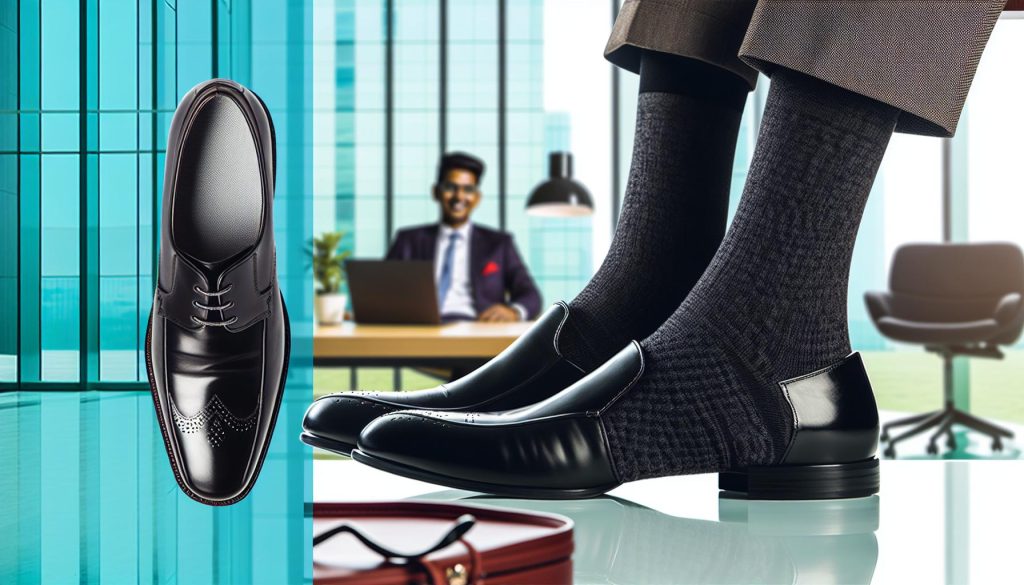
Finding the right pair of dress socks can be a game-changer for men living with diabetes. These specially designed diabetic dress socks offer not only comfort but also essential support for your feet, helping to manage circulation issues and prevent complications. With features like non-binding tops and protective cushioning, they enable you to maintain a polished, professional appearance without sacrificing your well-being.
Many people may not realize that the right footwear can have a profound impact on overall health, especially for those managing diabetes. As you navigate daily choices, understanding the benefits of stylish, functional socks is crucial. Whether for work or special occasions, having socks that cater to your unique needs allows you to express your personal style confidently while prioritizing foot health. Join us as we explore how these innovative dress socks bridge the gap between comfort and professional style, ensuring you step out with confidence and care.
Benefits of Diabetic Dress Socks for Comfort and Health
Diabetic dress socks are more than just a fashion statement; they offer crucial comfort and health benefits specifically designed for those managing diabetes. One of the most profound advantages of wearing specialized diabetic socks is their ability to minimize the risk of foot complications, which are all too common for individuals with diabetes. Poor circulation and nerve damage can lead to uncomfortable symptoms like swelling and blisters, making protective and supportive socks a necessity in everyday wear.
These socks are crafted from soft, breathable materials that provide cushioning without constricting blood flow. This unique combination reduces friction, preventing skin irritation and enabling moisture-wicking properties to maintain dryness. When feet stay dry and free from pressure points, the chance of developing sores or infections decreases significantly. For many, the simple act of wearing the right socks can enhance comfort throughout the day, reducing the burden of managing their condition.
Another vital benefit of diabetic dress socks is their design features, which include non-binding tops and flat seams. These characteristics ensure that the socks stay in place without digging into the skin, and they help to avoid the discomfort associated with traditional sock seams. Such thoughtful design not only takes care of physical comfort but also promotes confidence, allowing individuals to feel stylish and professional without sacrificing their health needs.
Incorporating diabetic dress socks into daily life can be a transformative choice for those living with diabetes. By prioritizing comfort and health in their sock selection, individuals can take proactive steps toward maintaining their well-being, enhancing their overall life quality while navigating daily challenges.
Choosing the Right Materials for Diabetic Socks

Selecting the ideal materials for diabetic dress socks is crucial to ensure both comfort and health for individuals managing diabetes. The right fabric not only enhances comfort throughout the day but also plays a significant role in preventing common foot complications associated with this condition. Breathable, moisture-wicking materials like bamboo, merino wool, and synthetic blends are top choices, as they help keep feet dry and well-ventilated. This is particularly essential since moisture can lead to friction and, subsequently, blisters or infections, which are serious concerns for those with diabetes.
Another important factor in material selection is the cushioning properties. Diabetic socks are often manufactured with additional padding in strategic areas to provide extra protection while walking or standing for extended periods. Soft, cushioned socks can help absorb shock and reduce the risk of developing calluses or other irritations, making them a valuable investment for daily wear. Look for options prominently featuring seamless designs made from smooth materials that minimize irritations, ensuring that the socks do not rub against sensitive skin.
In addition to comfort and protection, employing stretchy, non-constricting fabrics plays an essential role in optimizing blood circulation. Socks made from materials with elastic properties ensure they stay in place without being too tight, as constriction can lead to poor circulation and a heightened risk of complications. Many diabetic-friendly socks incorporate graduated compression technology, which gently promotes blood flow from the feet upwards, further aiding circulation and reducing swelling.
Ultimately, prioritizing high-quality materials not only enhances comfort but also aligns with the goal of maintaining overall well-being for individuals with diabetes. When shopping for diabetic dress socks, ensure that they are crafted with soft, breathable, and non-irritating materials to support foot health while seamlessly integrating into a professional wardrobe. Remember that consulting with healthcare professionals about specific foot care needs remains essential, enabling informed decisions that cater to individual health requirements.
Design Features to Look for in Professional Socks

When shopping for diabetic dress socks, attention to design features can significantly elevate comfort while ensuring the necessary health precautions are met. The ideal socks not only cater to diabetic foot health but also fit seamlessly into a professional wardrobe. Look for socks that incorporate a range of thoughtful design elements aimed at enhancing both aesthetics and functionality.
First and foremost, consider socks with cushioned soles. This feature provides much-needed support and padding, particularly beneficial for those who spend long hours on their feet. Cushioned areas help absorb the impact from walking, reducing pressure points that can lead to blisters or calluses, common issues for diabetics. Additionally, seamless construction is crucial. Socks designed without seams eliminate the chances of irritation or rubbing, making them ideal for sensitive skin.
Another vital aspect is non-constrictive tops. Socks that have a loose fit around the calf or ankle ensure proper blood flow without sacrificing grip. Look for socks featuring graduated compression, which can stimulate circulation and reduce swelling, a common concern for individuals managing diabetes. Breathable materials are also essential; socks crafted from moisture-wicking fabrics help maintain dryness and comfort, warding off potential fungal infections or skin irritations.
Finally, consider style options that blend professionalism with functionality. Many brands now offer diabetic socks that come in various colors and patterns, allowing individuals to express their style while adhering to health requirements. By focusing on these design features, you can find socks that not only meet your medical needs but also enhance your professional appearance.
Stylish Options for Men’s Diabetic Dress Socks
Maintaining a professional appearance while prioritizing foot health is entirely achievable with the right pair of diabetic dress socks. Many stylish options are now available that not only provide comfort and support but also enhance your overall look, making them suitable for any formal or business setting. The modern market offers a variety of designs, colors, and patterns specifically tailored for men living with diabetes, blending health benefits with personal style.
When selecting diabetic dress socks, consider options that feature elegant, muted colors or subtle patterns perfect for professional attire. Classic choices like black, navy, and charcoal not only pair well with any suit but also help maintain a polished appearance. Striped or lightly patterned socks can add a touch of personality without compromising professionalism, perfect for occasions where you wish to express individuality. Additionally, look for brands that offer socks specifically labeled as diabetic-friendly, which often include features such as non-binding tops and moisture-wicking materials to keep your feet comfortable and dry throughout the day.
- Material Quality: Socks made from high-quality cotton blends can provide both softness and durability, essential for all-day wear.
- Cushioning: Opt for styles with cushioned soles to enhance comfort, particularly if you’re on your feet for long periods.
- Breathability: Select socks that emphasize breathable fabrics, which help regulate temperature and reduce moisture buildup.
Accessories also play a pivotal role in a well-rounded wardrobe. Pair your diabetic dress socks with stylish shoes that have ample room and provide enough support, which complements the benefits of the socks. Additionally, consider using color-coordinated belts or ties to elevate your overall look, ensuring you are both comfortable and confident in any setting.
With these , you can confidently navigate both health and fashion, proving that managing diabetes doesn’t have to mean sacrificing style. As you put together your professional wardrobe, remember that investing in the right socks is an essential step toward ensuring your feet remain healthy and comfortable while you look your best.
How Diabetic Socks Improve Circulation
Diabetic socks are designed with unique attributes that significantly enhance circulation, a critical factor for anyone managing diabetes. Poor circulation is a common concern for individuals with diabetes, leading to various complications, including neuropathy and delayed healing of foot injuries. Diabetic dress socks provide targeted compression and warmth to promote blood flow, optimizing foot health and comfort throughout the day.
The non-binding tops of diabetic socks are a crucial feature that prevents constriction around the legs and ankles, enabling unrestricted blood flow. This design choice is particularly beneficial for individuals who may have sensitive skin or swelling, as it alleviates pressure while maintaining comfort. Additionally, many diabetic socks include graduated compression technology that applies varying levels of pressure along the leg. This targeted approach not only helps prevent edema (swelling) but also enhances venous return, ensuring that blood circulates efficiently back to the heart.
- Moisture-Wicking Properties: Diabetic socks typically feature materials that wick moisture away from the skin. This prevents dampness, reducing the risk of fungal infections and maintaining a healthier environment for the feet.
- Padding and Cushioning: Extra padding in certain areas of the sock can offer additional support and comfort, which is especially advantageous for individuals who stand or walk for extended periods. Improved comfort encourages regular movement, further aiding circulation.
Choosing the right diabetic socks isn’t just about comfort; it’s also about supporting your overall health management. Opting for socks that encourage circulation can help mitigate the risks associated with diabetes, empowering you to stay active and engaged in your daily life. Always consult your healthcare professional for personalized recommendations, especially if you experience significant changes in your foot health or circulation. By prioritizing both style and functionality in your sock choices, you can elegantly bridge the gap between managing diabetes and maintaining a professional appearance.
Maintaining Sock Hygiene for Diabetic Care
Proper hygiene practices are essential for anyone managing diabetes, especially when it comes to footwear. Maintaining sock hygiene plays a crucial role in preventing infections, reducing the risk of complications, and ensuring comfort, particularly for individuals with diabetes who may experience foot sensitivity or neuropathy. With socks being a direct point of contact between the foot and the environment, neglecting cleanliness can lead to serious issues such as fungal infections, blisters, or skin irritations.
To keep diabetic socks in optimal condition, it’s vital to wash them regularly with attention to the materials. Always follow the care instructions provided by the manufacturer, typically found on the label inside the sock. Most diabetic socks can be machine washed, but using a gentle cycle with mild detergent is recommended to preserve the fabric’s integrity. Avoid bleach and fabric softeners, which can irritate the skin and diminish the moisture-wicking properties that are so vital in diabetic care. It’s also advisable to wash socks in warm water, as hot water may shrink the fibers and cold water might not effectively remove bacteria.
When it comes to drying, air drying is the safest option to maintain the elasticity and fit of the socks. If using a dryer, select a low heat setting. Additionally, inspect the socks regularly for signs of wear and tear, such as thinning areas or holes, which can expose the foot to potential injury. Discarding and replacing worn socks is crucial, as compromised socks can lead to foot issues that may escalate quickly for individuals with diabetes.
Furthermore, ensure that feet are clean and dry before putting on socks. Foot hygiene should be a daily ritual, involving washing the feet with mild, unscented soap and thoroughly drying them, especially between the toes. This practice not only enhances sock hygiene but also contributes significantly to overall foot health. If any injuries or sores are detected on the feet, they should be evaluated by a healthcare professional immediately to prevent potential complications. By adopting these sock hygiene practices, individuals with diabetes can take proactive steps in managing their foot health, combining comfort with their professional style.
Combining Style and Function: Real-Life Examples
Understanding that diabetic individuals navigate unique challenges, combining style with function in their wardrobe is essential, particularly when it comes to dress socks. The modern designs of men’s diabetic dress socks showcase how comfort can seamlessly blend with professional aesthetics, allowing individuals to express their personal style without compromising their health.
Consider the case of John, a working professional who manages diabetes. He was initially skeptical about wearing specialized socks, fearing they would look overly clinical. However, after trying on a pair of dress socks designed specifically for diabetic needs, he quickly realized that these socks not only insulated his feet with soft, breathable fabric but also complemented his business attire perfectly. The socks featured subtle patterns and colors that matched his wardrobe while providing exceptional comfort and moisture-wicking capabilities.
Another compelling example is seen in the workplace of a financial consultant, Lisa. Her job requires her to attend numerous client meetings where a polished appearance is vital. Lisa opted for diabetic dress socks that offered both cushioning and support. The socks she chose had graduated compression, which promoted improved circulation, essential for managing her diabetes. Lisa noted that she felt less fatigued at the end of long workdays compared to when she wore regular socks, thus enhancing her overall productivity and comfort.
By selecting men’s diabetic dress socks that reflect their style while supporting their health, individuals like John and Lisa demonstrate that it is possible to prioritize comfort and wellness without sacrificing elegance. These real-life examples highlight the importance of making informed choices that cater to individual health needs, showcasing how looking professional can go hand-in-hand with taking care of one’s diabetic condition.
Tips for Shopping for Diabetic Dress Socks
When it comes to selecting the perfect dress socks, especially for those managing diabetes, making informed choices can significantly enhance comfort and health. Diabetic dress socks are designed not just for style but also for optimal foot care. Here are some essential tips to guide you in your shopping journey:
1. Look for Non-Binding Tops
Opt for diabetic socks with non-binding tops that provide a snug yet gentle fit. This feature helps in promoting circulation without constricting blood flow, which is crucial for diabetic individuals. A comfortable sock should sit firmly on the leg but not leave marks or cause discomfort.
2. Prioritize Breathable and Moisture-Wicking Materials
Select socks made from materials that wick moisture away from the skin, such as cotton blends or specialized synthetic fibers. This helps keep the feet dry, reducing the risk of fungal infections and blisters, common concerns for people with diabetes.
- Cotton: Offers comfort and breathability.
- Moisture-wicking synthetics: Helps keep feet dry.
- Compression fabrics: Can support circulation if needed.
3. Consider Padded and Cushioned Options
Cushioned socks can provide extra support and reduce the risk of injury. Look for socks that have padded soles or extra cushioning in key areas to enhance comfort, especially during long periods of standing or walking. This added protection is vital for those whose feet may be more susceptible to injury or soreness.
4. Verify Proper Sizing
Always check the sizing options available; diabetic socks should fit well without being too tight or loose. A proper fit ensures that the socks will not bunch up or slide down during wear, both of which can lead to irritation. It’s advisable to measure your foot size and refer to sizing charts provided by the manufacturer to avoid mismatches.
Shopping for diabetic dress socks doesn’t need to be daunting. By focusing on these features, you can find socks that cater to your health needs while complementing your style. Remember, consulting with healthcare professionals about which types of socks would best serve your personal situation is always a great step in managing your diabetes effectively.
The Importance of Proper Sizing in Sock Selection
Finding the right fit in diabetic dress socks is crucial for both comfort and health. Ill-fitting socks can lead to a range of issues, including blisters, skin irritation, and compromised circulation-especially for those managing diabetes. The significance of proper sizing resonates deeply in the diabetic community, where foot care is a primary concern. A sock that is too tight can constrict blood flow, risking serious complications, while socks that are too loose may cause slipping and bunching, leading to friction and potential sores.
Using accurate measurements is key to selecting the appropriate size. Many manufacturers provide detailed sizing charts, which can be essential for finding a match that suits your needs. When shopping for diabetic dress socks, consider measuring the widest part of your foot, as well as the circumference of your calf, to ensure you account for both foot length and calf size. This dual measurement process helps avoid the common pitfalls of sock selection. For example, a size that fits well across the foot might be too tight around the calf, leading to discomfort and health concerns.
It’s also beneficial to actively seek socks designed specifically for diabetes management. These socks typically feature non-binding tops, cushioned soles, and seamless construction to minimize pressure points and irritation. Paying close attention to these details not only enhances comfort but also promotes better foot health. Remember, everyone’s feet are different, and the optimal sock fit can make a significant difference in daily comfort and style, enabling you to walk confidently throughout your day.
Incorporating a habit of checking the fit of new socks regularly can also be advantageous. As feet may change over time due to various factors including swelling or weight changes, ensuring an updated fit can help maintain comfort levels and prevent complications. Consulting with a healthcare professional about foot health and optimal sock selection can provide personalized insights tailored to individual needs, empowering you to take control of your diabetic care effectively.
User Testimonials: Comfort and Style Success Stories
Many individuals managing diabetes have discovered the transformative power of wearing specialized diabetic dress socks, often sharing stories of comfort and renewed confidence in their daily lives. One user, John, recounts how finding the right pair of socks ruined by traditional options. “The moment I switched to diabetic dress socks, I noticed a significant reduction in discomfort during long days at work. The cushioned soles and non-binding tops provided support without making my feet feel restricted,” he explains, highlighting how these design features directly impacted his productivity and comfort.
Another user, Eleanor, found herself thrilled with the variety of stylish options available. “I used to avoid wearing dress socks because they often felt constrictive and unflattering. With the new diabetic socks I found, I can go to meetings feeling both comfortable and stylish,” she shared, emphasizing that these socks not only meet her health needs but also allow her to express her personal style. Her experience speaks volumes about how functional products can also cater to aesthetic preferences, thus enhancing the self-esteem of those managing diabetes.
Beyond comfort and style, the importance of proper sock management was echoed by a user named Mark. He set a practical routine by checking his socks daily for fit and wear. “Making this a habit has been crucial. I used to ignore minor issues until they became bigger problems, but now, I know that wearing the right socks not only feels good but helps me avoid complications,” he says. Mark’s proactive approach underscores the significance of regular self-assessment in maintaining foot health, especially for those with diabetes.
These testimonials demonstrate that adopting comfortable, stylish diabetic dress socks can profoundly enhance the daily lives of individuals managing diabetes. The right pair of socks can facilitate mobility, boost confidence, and promote better foot health, ultimately encouraging users to lead more fulfilling and active lives. Remember, while these personal experiences are empowering, consulting a healthcare professional is always recommended for tailored advice and treatment decisions for diabetic care.
When to Consult a Healthcare Professional About Foot Care
Managing diabetes is not just about monitoring blood sugar levels; it encompasses comprehensive care for your overall well-being, especially your feet. The risk of foot complications related to diabetes is a critical concern, with studies showing that individuals with diabetes are at a higher risk of infections, foot ulcers, and other complications that can lead to serious consequences. Thus, knowing when to seek professional help is paramount for those managing their health effectively.
If you notice any changes in your feet, such as persistent pain, swelling, or skin discoloration, it’s essential to consult a healthcare professional promptly. These symptoms can indicate potential complications that require immediate attention. Regular foot inspections should become a routine part of your self-care. Look out for blisters, cuts, or any signs of infection – even something that seems minor can escalate quickly if left unchecked. For instance, failing to address a small blister could lead to a more serious ulcer if proper care isn’t taken, further complicating your management plan.
Additionally, if you have any neuropathy symptoms, such as tingling or loss of sensation in your feet, reach out to your doctor. Neuropathy can mask the feeling of injuries, making foot care even more critical. Maintaining communication with healthcare providers regarding any foot concerns ensures that issues can be addressed early, minimizing the risk of severe complications. Regular visits to a podiatrist for specialized foot care are also recommended, particularly for individuals with a history of foot problems or those experiencing complications.
As you adopt diabetic dress socks that promote comfort and style, remember that they are just one part of a comprehensive foot care strategy. Maintaining good hygiene, choosing appropriate footwear, and monitoring your feet meticulously must complement your choice of diabetic socks. At any time you feel unsure about your foot health or the best practices for care, don’t hesitate to seek guidance from your healthcare team. Their expertise can empower your journey toward better management and healthier living.
Frequently asked questions
Q: What are the key benefits of wearing diabetic dress socks?
A: Diabetic dress socks offer numerous benefits, including enhanced comfort, improved circulation, and reduced risk of foot complications. They are designed to minimize pressure points and provide cushioning, making them ideal for individuals with diabetes who spend long hours on their feet.
Q: How do I choose the right size for diabetic dress socks?
A: To choose the right size, measure the circumference of your calf and the length of your foot. Most brands have a size guide that corresponds with these measurements. Proper sizing is crucial for avoiding tightness and ensuring adequate circulation, as outlined in our section on the importance of proper sizing.
Q: Can diabetic socks be stylish while still being functional?
A: Yes, many brands design diabetic dress socks that combine style and functionality. Look for options that feature elegant patterns, colors, and professional designs suitable for work settings without sacrificing comfort or health benefits. Our section on stylish options explores more choices.
Q: How often should diabetic socks be replaced?
A: Diabetic socks should be replaced every six months or sooner if signs of wear appear like thinning, holes, or loss of elasticity. Regular replacement helps maintain their supportive qualities and prevent potential foot issues.
Q: Are there specific materials that diabetics should avoid in socks?
A: Yes, diabetics should avoid socks made from materials that retain moisture, such as cotton. Instead, choose socks made from moisture-wicking synthetic fibers or bamboo, which help keep feet dry and reduce the risk of fungal infections.
Q: What features should I look for when buying diabetic dress socks?
A: Look for diabetic dress socks with graduated compression, seamless construction, moisture-wicking properties, and cushioning. These features enhance comfort and reduce the risk of foot irritation, aligning with the design features discussed in our article.
Q: How do diabetic socks help with foot circulation?
A: Diabetic socks are designed with gentle compression that promotes blood flow while minimizing swelling. This helps improve circulation, crucial for foot health in diabetics, which is discussed in our section on how diabetic socks improve circulation.
Q: When should I consult a healthcare professional about diabetic foot care?
A: Consult a healthcare professional if you experience persistent foot pain, swelling, or skin changes. Regular check-ups are essential to monitor foot health and prevent complications, as indicated in our section on healthcare consultations.
To Conclude
Thank you for exploring our collection of Men’s Diabetic Dress Socks, where comfort meets professional style to ensure you stay looking sharp while prioritizing your health. These specially designed socks not only enhance circulation but also provide the warmth and support your feet deserve, making them an essential addition to your wardrobe. Don’t wait-experience the difference today and elevate your comfort level at work or any occasion!
For further insights on managing diabetes, consider visiting our pages on daily diabetes management and the best foods for diabetic diets. If you have concerns about diabetic foot care, our resources can guide you towards the right solutions, reinforcing that professional medical consultation is key in your journey.
Join our community by signing up for our newsletter-stay informed and empowered in your daily choices. We’re here to assist you every step of the way, helping you navigate your health with confidence. Let’s make managing diabetes a little easier together; your next step towards comfort and style begins now!
Get our latest guides, news, and insights highlighted in your Google Search & AI Overviews.