
For those managing diabetes, understanding meal choices is crucial. Tuna salad, a protein-packed dish, often raises questions about its suitability. Packed with omega-3 fatty acids, tuna can support heart health, but what about carbohydrates and added ingredients? Many seek delicious, diabetic-friendly meals that aid in managing blood sugar levels and provide essential nutrients. In this exploration, we will delve into the benefits of tuna salad, dispel myths, and offer practical tips for making it a valuable part of your diet. Discover how this simple meal can fit into your diabetes management plan, ensuring you enjoy flavorful and healthy options without compromising your health goals.
Healthy Benefits of Tuna Salad for Diabetics

Tuna salad stands out as an excellent option for individuals managing diabetes, blending convenience with nutritional prowess. Rich in protein and low in carbohydrates, this hearty dish can help stabilize blood sugar levels while providing vital nutrients essential for overall health. Tuna, being high in omega-3 fatty acids, not only supports heart health-important for diabetics-but also contributes to enhanced cognitive function. With its blend of flavors and textures, tuna salad offers a satisfying meal without compromising dietary restrictions.
One of the primary advantages of incorporating tuna salad into a diabetic meal plan is its ability to provide a substantial dose of protein. Protein plays a crucial role in blood sugar control by promoting satiety and reducing the likelihood of blood sugar spikes associated with carbohydrate-heavy meals. A typical serving of canned tuna can pack around 20-25 grams of protein, making it an ideal choice for those looking to maintain steady energy levels throughout the day. Additionally, the inclusion of fiber-rich vegetables not only enhances the nutritional profile but also aids digestion and contributes to longer-lasting fullness.
When creating a diabetic-friendly tuna salad, the choice of ingredients is paramount. Opting for heart-healthy options such as avocado or olive oil instead of mayonnaise can significantly improve the health benefits of the dish. These healthier fats can aid in reducing inflammation and supporting overall cardiovascular health-an important consideration for those with diabetes.
Incorporating nutrient-dense additions like chopped celery, bell peppers, or even legumes can further enhance the fiber content, making the meal more balanced while keeping carbohydrate counts in check. This approach allows individuals to enjoy a versatile and delicious dish that aligns well with diabetes management strategies, ensuring that meals remain enjoyable and supportive of health goals. Regular consultations with healthcare professionals remain essential for personalized dietary recommendations, enabling individuals to navigate their diabetes care effectively while making food choices that promote their well-being.
Understanding the Nutritional Profile of Tuna Salad
Tuna salad is not just a delicious meal option; it is also a powerhouse of nutrition that can greatly benefit those managing diabetes. With its impressive protein content and low carbohydrate levels, it stands out as an ideal food choice for regulating blood sugar. A standard serving of tuna contains high-quality protein, typically around 20-25 grams, which is crucial for satiety and helps prevent blood sugar spikes. Together with fiber-rich ingredients like vegetables or legumes, tuna salad becomes a meal that not only satisfies hunger but also supports stable energy levels throughout the day.
When considering the nutritional profile of tuna salad, it is important to acknowledge the inclusion of healthy fats, particularly omega-3 fatty acids found in tuna. These fats are beneficial for heart health, lowering inflammation, and potentially reducing the risk of heart disease-a significant concern for many with diabetes. However, it’s essential to be mindful of the types of fats used in the preparation of the salad. Opting for healthy fats such as olive oil or avocado instead of traditional mayonnaise can further enhance the nutritional value while promoting greater cardiovascular health.
To maximize the benefits, incorporating a variety of colorful vegetables like bell peppers, cucumbers, or spinach not only boosts the fiber content but also adds a wealth of vitamins and minerals crucial for overall health. Fiber is especially beneficial for diabetics, as it aids in digestion and helps maintain healthy blood sugar levels. The combination of lean protein, healthy fats, and fiber creates a balanced meal that aligns well with diabetes management strategies.
Being proactive about nutritional choices is essential in diabetes management. For those navigating meal prep, consider preparing tuna salad in advance while storing it in individual portions. This approach not only simplifies meal planning but also allows for quick and healthy meals throughout the week. By consciously selecting ingredients and focusing on the nutritional profile of each element, individuals can enjoy flavorful meals that support their health goals while making informed dietary choices.
The Role of Protein in Blood Sugar Control

High-protein foods play an essential role in managing blood sugar levels, especially for individuals living with diabetes. Tuna salad, with its rich protein content, offers a satisfying meal option that helps keep blood sugar stable and promotes feelings of fullness. The inclusion of protein in meals triggers the release of hormones that help regulate appetite and glucose levels, making it a fantastic choice for those seeking to maintain a balanced diet.
Protein influences blood sugar through its slower digestion rate compared to carbohydrates, meaning it has a minimal impact on blood sugar spikes after eating. A standard serving of canned tuna typically boasts around 20-25 grams of protein, which not only aids in muscle repair and growth but also supports metabolic processes. Integrating this high-quality protein into meals, such as through tuna salad, can assist in managing cravings and reducing the tendency to snack on carbohydrates, which can lead to blood sugar fluctuations.
Moreover, pairing tuna with various fiber-rich vegetables can enhance this effect. Ingredients like leafy greens, bell peppers, or cucumbers add essential nutrients without significantly increasing carbohydrate content. This creates a synergistic effect wherein the fiber from the vegetables further moderates blood sugar absorption, ultimately contributing to a more stable energy distribution throughout the day. As a result, individuals can enjoy not only a flavorful meal but also one that aligns with their diabetes management goals.
Incorporating protein-rich meals like tuna salad into a regular eating plan empowers individuals to take control of their dietary choices, blending nutrition with satisfaction. It’s important to tailor these meals to personal preferences and dietary recommendations from healthcare professionals, ensuring that each bite optimally supports your health journey.
Choosing the Right Ingredients for Your Tuna Salad

Crafting the perfect tuna salad involves more than just combining canned tuna and a few ingredients; it’s about making thoughtful choices that align with your health goals, especially when managing diabetes. Selecting the right components for your tuna salad can enhance its nutritional profile, ensuring it provides the necessary benefits while being delicious and satisfying. Understanding how various ingredients can influence blood sugar levels is crucial for creating a meal that fits seamlessly into your diabetic meal plan.
Start with a foundation of canned tuna, which is an excellent source of lean protein and omega-3 fatty acids. These healthy fats are known for their heart benefits, particularly important for diabetics who may be at a higher risk for cardiovascular issues. When choosing tuna, opt for varieties packed in water rather than oil to keep saturated fat content low. Drain it well to avoid excess sodium, a factor to consider in managing blood pressure as well.
Next, incorporate fiber-rich vegetables to boost the salad’s nutrient density without significantly raising carbohydrates. Consider adding chopped celery, bell peppers, and cucumbers, which are not only crunchy and flavorful but also provide essential vitamins and minerals. Leafy greens, such as spinach or kale, can also serve as a base for your salad, adding volume and nutrients without many calories. The fiber from these vegetables helps slow digestion and stabilizes blood sugar levels, making your meal more diabetes-friendly.
Moreover, enhancing flavor without relying on high-calorie dressings can be achieved through ingredients like lemon juice, mustard, or Greek yogurt. These options provide zest and creaminess while keeping added sugars and unhealthy fats to a minimum. If you prefer a bit of sweetness, substituting traditional ingredients with chopped apples or grapes can offer a refreshing twist while also delivering fiber and antioxidants.
Lastly, be mindful of portions and the overall balance of your salad. While healthy, ingredients like nuts or seeds can add extra calories and fat quickly, so consider using them as a garnish rather than a main component. By focusing on the right ingredients, you can create a tuna salad that is not just enjoyable but also serves as a pivotal part of a balanced diet for diabetes management. Consulting with registered dietitians or healthcare professionals can further refine ingredient choices based on individual health needs and preferences, helping to create a meal that supports your well-being journey.
Low-Carb Variations for Diabetes-Friendly Tuna Salad
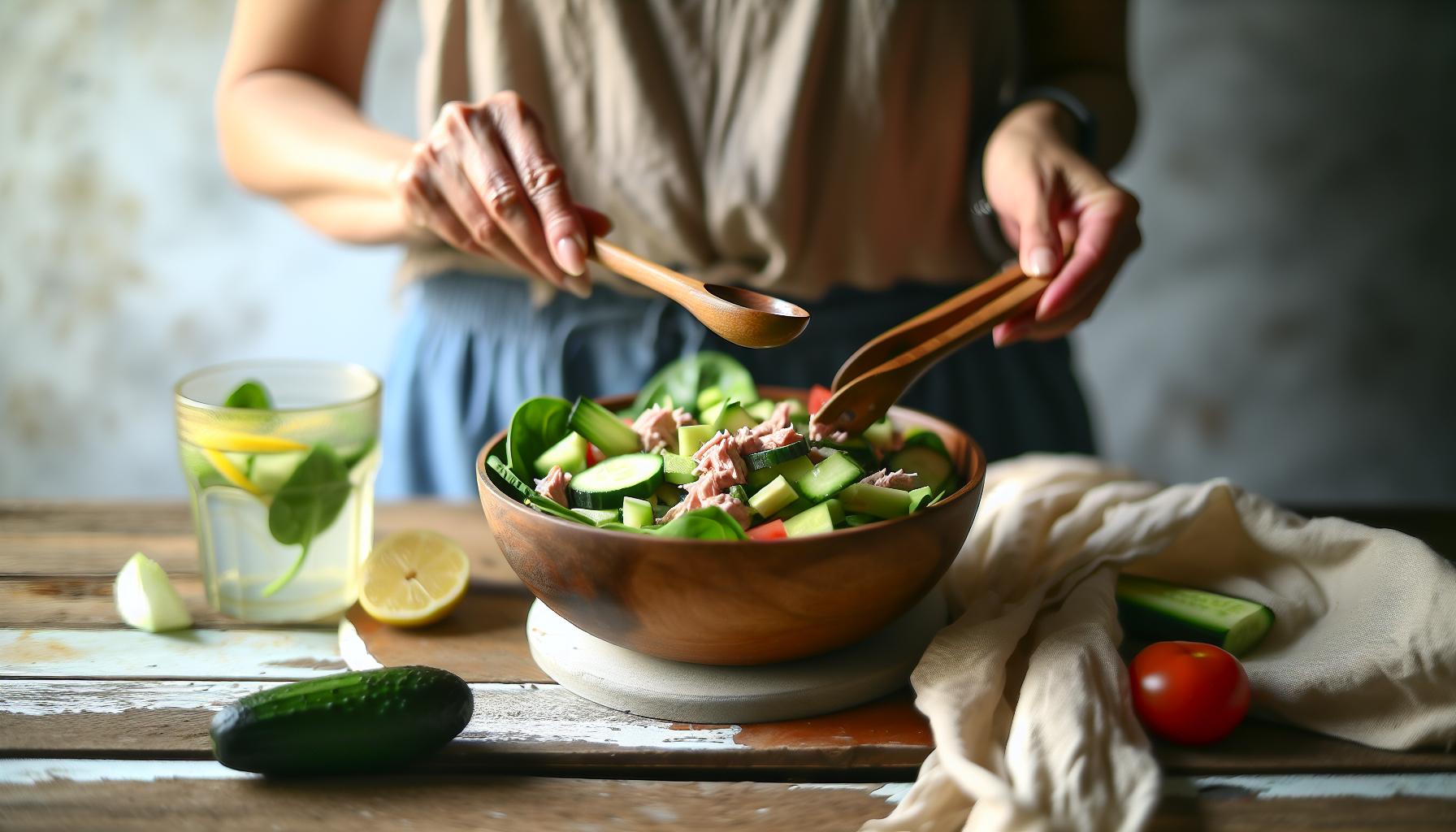
Incorporating low-carb variations into tuna salad not only enhances its nutritional profile but also aligns perfectly with diabetic dietary needs. By emphasizing low-glycemic, nutrient-dense ingredients, you can create a satisfying meal that helps maintain stable blood sugar levels. Tuna itself serves as a fantastic base due to its high protein content while being low in carbohydrates.
To craft a diabetes-friendly tuna salad, consider using a variety of non-starchy vegetables to add both flavor and texture without adding excess carbs. Ingredients such as celery, cucumbers, and bell peppers support your meal’s crunchiness while keeping the carbohydrate count low. You can also introduce leafy greens like spinach or arugula as a base, which not only amplifies nutrient content but also contributes to the salad’s volume without significantly impacting blood sugar levels.
Another effective strategy for a low-carb tuna salad is to swap high-carb fillers like pasta or crackers with healthy fats. Instead of mayonnaise, which can often be calorie-dense, try Greek yogurt or a dressing made with avocado. These alternatives not only provide creaminess but also introduce beneficial fats that are important for heart health, particularly crucial for diabetics. You might also consider adding herbs and spices such as dill, parsley, or garlic powder to enhance flavor without contributing carbohydrates.
Finally, managing portions is key when crafting low-carb meals. While ingredients like nuts and seeds can provide healthy fats, they can also quickly lead to added calories if not used judiciously. By balancing your ingredients and focusing on nutrient-dense, low-carb options, you can create a tuna salad that not only supports your diabetes management but also satisfies your taste buds. Engaging with a registered dietitian can provide personalized advice, ensuring your meal plan aligns with your specific health needs.
How Tuna Salad Supports Heart Health in Diabetics
Packed with nutrients that promote heart health, tuna salad is an excellent option for individuals managing diabetes. The combination of lean protein from tuna and healthy fats from ingredients like avocado or olive oil plays a vital role in supporting cardiovascular health. Fish, particularly tuna, is rich in omega-3 fatty acids, known for their anti-inflammatory properties that can help reduce the risk of heart disease-a common concern for diabetics. Incorporating tuna salad into your diet can be both a delicious and heart-friendly choice.
The protein in tuna has several benefits for diabetics. It aids in maintaining muscle mass, which is essential for a healthy metabolism and helps with weight management-a critical aspect of diabetes control. The amino acids found in the protein help regulate insulin response and support blood sugar control. When you combine tuna with a variety of non-starchy vegetables like spinach, tomatoes, or celery, you not only enhance the salad’s nutritional value but also provide additional fiber, which is beneficial for heart health.
Choosing the right ingredients in your tuna salad is equally important. Instead of traditional mayonnaise, opting for yogurt or avocado can provide healthy monounsaturated fats, which are heart-healthy alternatives that add creaminess without excessive calories. Adding fresh herbs and spices can elevate flavor without compromising health benefits, making your meal both satisfying and nutritious.
In summary, incorporating tuna salad into your meal planning can offer significant heart health benefits, which is especially pertinent for those with diabetes. Focusing on balanced ingredients while maintaining portion control can help maximize these benefits. Consult a healthcare professional or registered dietitian to tailor your tuna salad recipe to your specific health needs, ensuring a healthy, heart-friendly meal that supports your overall diabetes management journey.
Tips for Balancing Tuna Salad with Diabetic Meal Plans
Incorporating tuna salad into a diabetic meal plan can be both delicious and healthful, but it requires careful balancing of ingredients and portion sizes. Tuna is a low-carb, protein-rich food that fits well within the dietary needs of many people managing diabetes, but to maximize its benefits, consider the following tips.
First, focus on the ingredients. Choose nutrient-dense components that contribute to a balanced meal. Fresh vegetables like cucumbers, peppers, and leafy greens enhance the fiber content while keeping the carbohydrate count low. Instead of high-calorie dressings, consider using alternatives like Greek yogurt or a small amount of olive oil mixed with lemon juice to add flavor without excessive fat or calories.
Another important aspect is portion control. A typical serving of tuna salad is about 1 cup, which provides a concentrated source of protein without overwhelming calorie intake. Balancing this with a side of raw vegetables or a small piece of whole grain may help create a well-rounded meal. Using measuring cups or a food scale can aid in ensuring you’re staying within portion guidelines, making it easier to manage your blood sugar levels.
Finally, consider preparing tuna salad ahead of time to ensure you always have a healthy meal option readily available. After prepping, store your tuna salad in portion-controlled containers in the refrigerator. This approach not only saves time but also helps you avoid the temptation of less healthy choices during busy days.
Through mindful ingredient selection, portion management, and meal prepping, you can seamlessly incorporate tuna salad into your diabetic meal plans, supporting both your health and your taste buds. Always remember to consult with a healthcare professional or registered dietitian to tailor your dietary choices to best meet your individual health needs.
Managing Portion Sizes: Tuna Salad Guidelines
Incorporating tuna salad into your meals can provide a nutritious and satisfying option, especially when managing diabetes. To truly benefit from this healthy dish, understanding portion sizes is critical. A typical serving of tuna salad is around 1 cup, which generally helps keep calorie and carbohydrate intake in check while delivering ample protein, which is essential for maintaining stable blood sugar levels. This careful consideration of portion sizes not only aids in managing your diabetes but also enhances your overall meal experience.
Practical Portion Control Tips
Controlling portion sizes can be made easier with a few practical strategies. Consider using measuring cups or a kitchen scale when preparing your tuna salad. This method can help you avoid common pitfalls of over-serving, which can lead to unwanted spikes in blood sugar levels. Pair your tuna salad with side options that are high in fiber and low in carbohydrates, such as raw vegetables or a small serving of whole grain crackers. Not only does this create a balanced meal, but it also helps you feel full, reducing the temptation to overindulge.
Meal Prep for Success
Planning and preparing your meals ahead of time can simplify portion management. Preparing tuna salad in bulk and dividing it into individual portions for the week not only saves time but also ensures you have easy access to a healthy meal option. Store these portions in airtight containers in the refrigerator, and consider labeling them with the date and portion size. This strategy can help you effectively manage your dietary choices, making it easier to avoid last-minute, less healthy options when hunger strikes.
Listening to Your Body
Finally, it’s essential to listen to your body’s hunger and fullness signals. While portion sizes provide a helpful guideline, individual needs can vary based on activity level and metabolic rate. If you’re unsure about the right portion sizes for you, consider consulting a healthcare professional or a registered dietitian who can provide personalized guidance tailored to your specific health requirements. They can help you develop a meal plan that optimally supports your diabetes management while allowing you to enjoy foods you love, including delicious tuna salad.
Glycemic Index of Ingredients in Tuna Salad
Understanding the glycemic index (GI) of the ingredients in your tuna salad can illuminate how they impact blood sugar levels, particularly for those managing diabetes. The glycemic index rates foods based on their potential to raise blood glucose levels; lower GI foods typically result in more stable blood sugar responses, which is crucial for diabetes management. When crafting a tuna salad, focusing on ingredients with a low to moderate GI can help you create a meal that supports steady energy levels without causing spikes in blood sugar.
Tuna itself, being a protein-rich food, has a zero glycemic index, meaning it does not raise blood sugar levels. This makes it an excellent foundation for your salad. However, the other ingredients you choose can significantly affect the overall glycemic response of the dish. For example, traditional additions like mayonnaise can vary in their carbohydrate content, but generally, opting for low-fat or fat-free versions can minimize additional carbs. Incorporating high-fiber vegetables such as leafy greens, cucumbers, and bell peppers not only enhances nutritional value but keeps the GI of your meal low.
Here are some key ingredients typically found in tuna salad and their relative glycemic indices:
| Ingredient | Glycemic Index |
|---|---|
| Tuna (canned in water) | 0 |
| Fat-free mayonnaise | 0 – 15 (varies by brand) |
| Celery | 15 |
| Onions (raw) | 10 |
| Shredded carrots | 35 |
| Green apples | 39 |
In addition to focusing on the GI, balancing your tuna salad with healthy fats and fiber will further promote stable blood sugar levels. Nuts, seeds, and avocados are excellent choices that not only add flavor but can also provide heart-healthy fats. Moreover, pairing your salad with whole grains, like quinoa or whole grain crackers, in moderation can provide wholesome carbohydrates that contribute to satiety without causing significant glucose spikes.
As you explore these ingredients and their glycemic impacts, remember that portion control and meal timing also play essential roles in managing diabetes. Tailoring your meals based on your dietary needs will empower you in your diabetes management journey. Always consult with a healthcare professional or registered dietitian for personalized guidance to help navigate your choices effectively.
Common Mistakes to Avoid When Making Tuna Salad
Making tuna salad can be a wholesome and convenient meal, especially for those mindful of their dietary needs due to diabetes. However, there are several common pitfalls to watch out for when preparing this dish. By understanding and avoiding these mistakes, you can create a nutritious tuna salad that supports your health goals.
One major error is overlooking the ingredients’ glycemic index, which is crucial for managing blood sugar levels. Many people default to traditional mayonnaise without considering its carbohydrate content. Opting for fat-free or low-fat mayonnaise can be a better choice, but be sure to check the label for added sugars and carbs. Alternatively, consider using Greek yogurt or avocado as a healthier base, enhancing taste while minimizing glycemic impact. Additionally, be cautious with the inclusion of high-GI ingredients, such as sweet pickles or overly processed foods, which can spike glucose levels.
Another common mistake is neglecting the addition of fiber-rich components. Incorporating vegetables like leafy greens, cucumbers, and bell peppers can not only lower the overall glycemic index of your salad but also provide essential vitamins and minerals. Many people skip this step in favor of simplicity, but adding fibrous ingredients does wonders for satiety and digestive health. Furthermore, think about portion control; piling your salad high can lead to overeating, especially if you’re pairing it with high-carb sides.
Finally, failing to balance your meal can diminish the salad’s health benefits. To ensure you’re getting a complete meal, pair your tuna salad with whole grains, such as quinoa or whole-grain crackers, in modest portions. This approach satisfies hunger while providing sustained energy without significant blood sugar spikes. Emphasizing the importance of nutrition in meal preparation can greatly enhance your dietary management-always remember to consult healthcare professionals for tailored advice to fit your personal health needs.
Meal Prep Ideas: Tuna Salad for Diabetic Lunches
Making tuna salad ahead of time can be a game-changer for those managing diabetes. Not only does it save precious time during busy weekdays, but it also allows for better control over nutritional values and ingredient choices. With the right preparation strategies, you can pack a flavorful, protein-rich dish that supports your health goals while ensuring it fits seamlessly into your diabetic meal plan.
To streamline your meal prep, consider batch-making a large bowl of tuna salad on the weekend. You can divide it into individual portions and store it in the refrigerator, ready to grab when hunger strikes. When making the salad, focus on using low-GI ingredients, like diced celery, leafy greens, or a small amount of diced apple, alongside canned tuna packed in water. Instead of high-calorie dressings, opt for lower-calorie alternatives such as Greek yogurt mixed with lemon juice or a drizzle of olive oil, which not only enhances flavor but also offers heart-healthy fats.
When prepping for lunches, versatility is key. You can serve the tuna salad over a bed of mixed greens, in whole-grain wraps, or with a side of whole grain crackers. Pairing it with fiber-rich foods such as carrot sticks or cucumber slices can create a satisfying meal that keeps blood sugar levels steady. Additionally, consider portion sizes, as managing quantities can prevent overeating and help maintain stable glucose levels.
Another practical tip is to utilize resealable containers for individual servings, making it easy to grab a healthy lunch on the go. This method not only helps with portion control but also aids in maintaining freshness throughout the week. As always, consulting with healthcare professionals regarding your specific dietary needs and any changes to your meal prep routine can ensure you’re making the best choices for your health-related needs. By incorporating these simple strategies, tuna salad can transform into a nourishing staple that fits perfectly into your diabetic-friendly lunch rotation.
Consulting Healthcare Professionals for Dietary Choices
Navigating dietary choices as a diabetic can be overwhelming, but establishing a strong partnership with healthcare professionals is a vital step toward effective management. Regular consultations with nutritionists, dietitians, or your primary care provider can illuminate the path to better health, particularly when incorporating meals like tuna salad into your diet. These professionals can offer tailored advice that aligns with your individual health goals and personal preferences, ensuring that your meal choices are both nutritious and satisfying.
When considering tuna salad for its protein-packed goodness, it’s important to discuss your specific needs with healthcare providers. They can help you understand how the protein content and other nutrients in tuna can fit into your overall meal plan. For instance, a registered dietitian can evaluate your dietary restrictions, possible food sensitivities, and any other medical considerations. This personalized approach enables you to make informed decisions that not only improve your day-to-day health but also enhance your long-term wellness.
Moreover, family members and caregivers can benefit from consultations as they learn how to prepare meals that meet diabetic dietary guidelines. They can be part of the nutritional planning process, helping to manage portion sizes and select ingredients that stabilize blood sugar levels. Engaging healthcare professionals in this conversation allows for a comprehensive understanding of how meals like tuna salad can be crafted to fit into diabetic meal strategies without sacrificing flavor or enjoyment.
Regular check-ins with healthcare teams can foster a collaborative atmosphere where you feel empowered to ask questions and express concerns. As you explore the benefits of tuna salad, consider incorporating insights from professionals who are well-versed in diabetes management to optimize your meal choices. This combined effort can lead to improved nutritional balance, enhanced blood sugar control, and ultimately, a healthier lifestyle. By prioritizing professional guidance, you’re taking a critical step toward mastering your diabetes management journey.
FAQ
Q: Is tuna salad safe for diabetics?
A: Yes, tuna salad can be a safe and nutritious option for diabetics when prepared with healthy ingredients. Focus on using low-fat dressings and adding fiber-rich vegetables to enhance the nutritional profile while keeping carbs in check. Always check portion sizes to manage blood sugar levels effectively.
Q: How much protein does tuna salad provide?
A: Tuna salad is a protein-packed meal, providing approximately 20 grams of protein per can of tuna. This high protein content helps maintain muscle mass and supports blood sugar control, making it an excellent choice for those managing diabetes.
Q: Can I add fruits to tuna salad if I have diabetes?
A: Yes, you can add fruits like apples or grapes to tuna salad in moderation. These fruits offer natural sweetness and additional fiber, which can be beneficial for blood sugar management. Consider balancing the portion to avoid excessive carbohydrate intake.
Q: What are some diabetic-friendly tuna salad dressings?
A: Diabetic-friendly dressings include Greek yogurt, mustard, or vinegar-based dressings. These options are lower in calories and added sugars compared to traditional mayonnaise. They also add flavor without significantly increasing carbs, making them ideal for a healthy tuna salad.
Q: How can I lower the carbs in my tuna salad?
A: To lower carbohydrates in your tuna salad, focus on using low-carb vegetables like celery, cucumbers, and leafy greens. Replace high-carb ingredients like sweet pickles with dill pickles or omit them altogether for a more diabetes-friendly meal.
Q: Is it better to use canned or fresh tuna for salad?
A: Both canned and fresh tuna are healthy options, but canned tuna is typically more convenient and has a longer shelf life. When choosing canned tuna, opt for varieties packed in water to reduce calories and fat. Fresh tuna offers higher omega-3 fatty acids but requires more preparation.
Q: How often can diabetics eat tuna salad?
A: Diabetics can enjoy tuna salad several times a week as part of a balanced diet, as long as portion sizes and ingredients are monitored. Include a variety of proteins in your diet to ensure overall nutritional diversity and maintain stable blood sugar levels.
Q: Can tuna salad be part of a meal prep plan for diabetics?
A: Absolutely! Tuna salad makes an excellent component of meal prep for diabetics. Preparing individual portions ahead of time allows for quick, convenient meals that are easy to control in terms of carbohydrate and calorie intake, promoting better meal planning and blood sugar management.
In Conclusion
As you explore the benefits of tuna salad for diabetics, remember that it serves as a protein-packed meal that’s both nutritious and satisfying. Incorporating ingredients like low-fat mayonnaise and fresh vegetables can make your salad not just delicious but also aligned with your dietary needs. Don’t miss out on trying varied recipes, such as the tangy tuna salad or diabetic-friendly versions that bolster your meal options-check out our recipes section for more ideas!
If you’re eager to continue optimizing your diabetes management, consider signing up for our newsletter for the latest tips and recipes tailored for those living with diabetes. For any lingering questions or if you need personalized guidance, consulting a healthcare professional can provide clarity and support. Join the conversation by sharing your own tuna salad variations in the comments below or explore other articles on meal planning and healthy eating to enrich your journey. Your next step toward a healthier lifestyle is just a click away-let’s keep moving forward together!
Get our latest guides, news, and insights highlighted in your Google Search & AI Overviews.