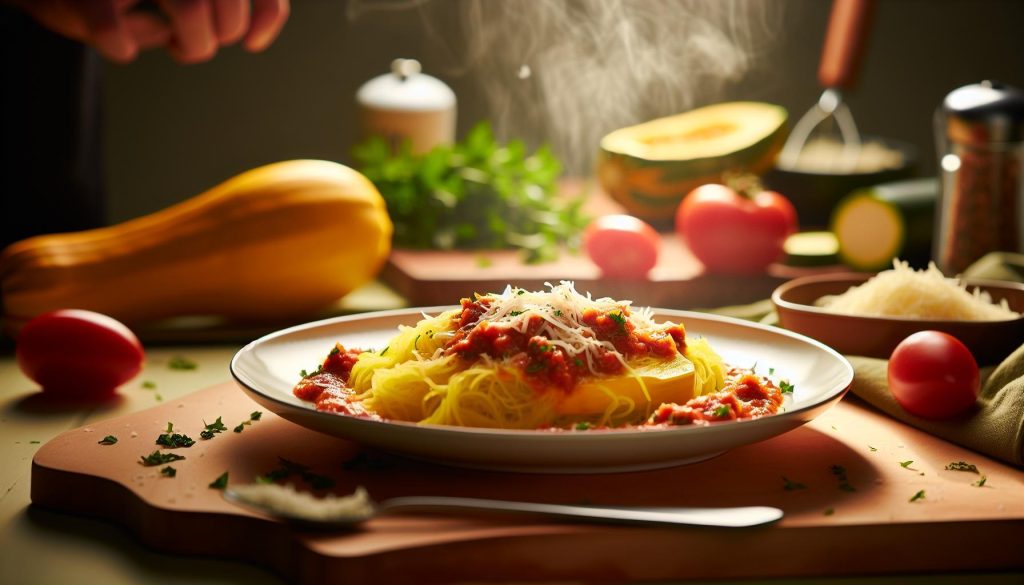
Did you know that spaghetti squash can be a delicious, low-carb alternative to traditional pasta? For those managing diabetes, making mindful food choices is crucial, and this versatile vegetable fits the bill perfectly. Not only is it low in carbohydrates, but it also boasts essential nutrients that can contribute to your overall well-being. Imagine enjoying a comforting pasta dish that supports your health goals without compromising on taste!
In this article, we’ll explore a delectable spaghetti squash recipe tailored for those with diabetes, guiding you through simple but effective meal preparation. Embracing healthy options like spaghetti squash not only helps in managing blood sugar levels but also enhances your culinary repertoire. Let’s dive into a world of flavor and nutrition that makes meal planning enjoyable and satisfying while keeping your health at the forefront!
Delicious Spaghetti Squash Benefits for Diabetics
Spaghetti squash is a low-carb alternative that can be a game-changer for diabetics looking to enjoy pasta-like dishes without the accompanying sugar spikes that traditional pasta can cause. With its unique ability to transform into noodle-like strands when cooked, spaghetti squash opens up a world of culinary possibilities. This vibrant vegetable is not only delicious but is also packed with nutrients that help support blood sugar management and overall health.
One significant benefit of spaghetti squash is its low carbohydrate content-approximately 7 grams of carbs per cup compared to roughly 43 grams in a cup of cooked pasta. This makes it an ideal choice for diabetics who need to monitor their carbohydrate intake. Additionally, spaghetti squash is rich in fiber, which aids in digestion and contributes to feelings of fullness, helping to prevent overeating. Fiber also plays a crucial role in blood sugar control by slowing the absorption of sugar into the bloodstream.
Moreover, incorporating spaghetti squash into meals can provide an excellent source of vitamins A and C, both of which are essential for maintaining a healthy immune system and promoting good vision. The antioxidants found in spaghetti squash can also help combat inflammation, a common concern for individuals managing diabetes. When paired with diabetes-friendly sauces or lean proteins, spaghetti squash can enhance meals while keeping blood sugar levels in check.
To make the most of this versatile ingredient, consider using it as a base for various dishes, from stir-fries to casseroles. Its neutral flavor allows it to absorb the tastes of accompanying sauces, making it a fantastic vehicle for healthy and flavorful prepared meals. By making simple substitutions in your cooking, such as swapping traditional pasta for spaghetti squash, you can enjoy a satisfying and nourishing diet while effectively managing your diabetes.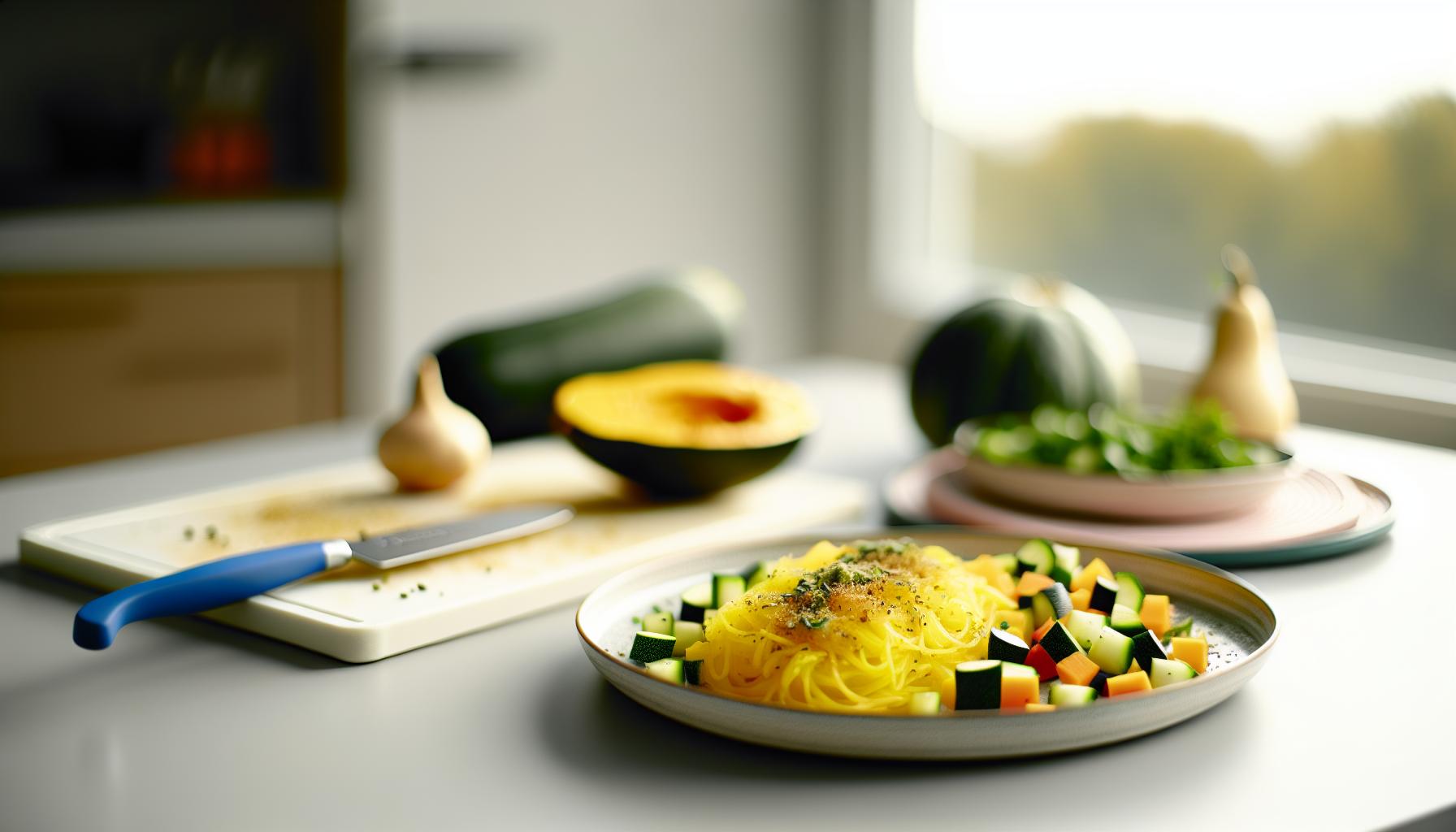
Mastering Low-Carb Cooking Techniques
Mastering the art of low-carb cooking is essential for those looking to maintain healthy blood sugar levels, especially for diabetics who want to enjoy delicious meals without the sugar spikes associated with high-carb ingredients. Spaghetti squash serves as an excellent foundation for many recipes, but understanding and employing effective low-carb cooking techniques can elevate your dishes and make meal preparation a more enjoyable experience.
One of the cornerstones of low-carb cooking is ingredient substitution. For instance, spaghetti squash can seamlessly replace traditional pasta in your favorite recipes. To prepare spaghetti squash, slice it in half, remove the seeds, and roast it cut side down in the oven until tender. The flesh can then be scraped into delectable “noodles.” This simple technique not only creates a visually appealing dish but also makes it easy to control portions and carbohydrate content.
Flavor enhancement is equally crucial when working with low-carb options. Use herbs, spices, and citrus zests to impart bold flavors without adding carbs. Ingredients such as garlic, onion powder, basil, and oregano can transform your dishes. For sauces, focus on low-sugar alternatives or create your own using fresh ingredients, putting you in control of what goes into your meals. Cooking methods such as sautéing or grilling your vegetables and proteins can also enrich flavors while keeping the meal wholesome.
It’s also important to develop a solid meal prep strategy for busy lifestyles. Preparing spaghetti squash in bulk can save time during the week, allowing you to have quick, low-carb options readily available. You can roast several squash at once, and their strands can be stored in airtight containers in the fridge. Pair them with a variety of proteins-grilled chicken, shrimp, or plant-based options like tofu, ensuring that meals are nutritious and satisfying when time is tight.
In addition to ingredient swaps and bold flavors, mastering low-carb cooking involves being mindful of portion sizes and overall balance. When crafting meals, aim to fill half your plate with non-starchy vegetables, one-quarter with lean protein, and the remaining quarter with your spaghetti squash or other low-carb alternatives. This not only helps manage blood sugar levels but also supports a fulfilling, well-rounded diet. By incorporating these techniques, you can navigate low-carb cooking with confidence, creating delicious meals that support your health and well-being.
Exploring Nutritional Value of Spaghetti Squash
Spaghetti squash is more than just a trendy low-carb alternative; it offers a wealth of nutritional benefits that can particularly support those managing diabetes. This versatile vegetable packs a punch with fewer than 50 calories per cup, making it a satisfying option that allows for larger portion sizes without the carb load associated with traditional pasta. Its unique structure readily absorbs flavors, making it a great base for many nutritious sauces and toppings that align with diabetic meal plans.
One of the standout features of spaghetti squash is its rich fiber content. Each serving provides around 2 grams of dietary fiber, which is essential for maintaining stable blood sugar levels. Fiber slows digestion and helps to prevent spikes in blood sugar, a crucial aspect for anyone managing diabetes. Additionally, the low glycemic index of spaghetti squash aids in blood glucose regulation, ensuring that energy is released more gradually into the bloodstream. This quality can make meals more satisfying and help curb cravings.
Moreover, spaghetti squash is loaded with essential vitamins and minerals, including vitamin C, vitamin B6, and potassium, which support overall health. Vitamin C is a potent antioxidant that boosts immune function and improves skin health, while potassium helps regulate blood pressure. These attributes make spaghetti squash not just a comforting dish but a nutrient-dense choice that offers multiple health benefits, particularly for those concerned about maintaining a balanced diet while dealing with diabetes.
Incorporating spaghetti squash into your meals can be simple and enjoyable. With its mild flavor, it works well with a variety of ingredients, enhancing both taste and nutritional quality. This vegetable can be diced and sautéed with bell peppers and onions, served with a robust tomato sauce, or topped with lean proteins like chicken or turkey. The possibilities are endless, making it easy to stay engaged with your meal planning and keep your diet both diverse and fulfilling.
Creating the Perfect Diabetes-Friendly Sauce
Creating a flavorful and diabetes-friendly sauce is a crucial step in elevating your spaghetti squash dish from simple to sensational. The right sauce can transform this low-carb vegetable into a satisfying meal while keeping your blood sugar in check. When crafting a sauce, focus on fresh, whole ingredients that provide rich flavors without added sugars or unhealthy fats.
One excellent base for a diabetes-friendly sauce is pureed tomatoes. They offer natural sweetness and acidity without raising blood sugar levels. Combine crushed or pureed tomatoes with aromatics like onion, garlic, and celery sautéed in a small amount of olive oil for a savory foundation. Enhancing your sauce further with herbs such as basil, oregano, or rosemary not only adds depth but also brings additional health benefits. Fresh herbs are packed with antioxidants and nutrients that can support overall well-being.
To make your sauce heartier and more nutritious, consider incorporating lean proteins like ground turkey, chicken, or plant-based alternatives such as lentils or black beans. These ingredients not only boost the protein content but also add satisfying textures. A sprinkle of nutritional yeast can provide a cheesy flavor to your sauce without the excess calories and carbohydrates often found in traditional cheese.
Quick Tips for Flavorful Sauces
- Use low-sodium vegetable or chicken broth instead of water to create a richer sauce.
- Experiment with spice blends like red pepper flakes or smoked paprika to add warmth without calories.
- Include non-starchy vegetables like spinach, zucchini, or bell peppers for added fiber and nutrients.
Pairing sauces with the mild flavor of spaghetti squash allows you to get creative. Think about incorporating green pesto made with basil, garlic, olive oil, and nuts for a refreshing take. If you enjoy a bit of sweetness, consider adding finely chopped carrots or bell peppers; both provide natural sugars and nutrients without drastically impacting blood sugar levels.
In summary, the key to a diabetes-friendly sauce lies in selecting fresh ingredients that enhance flavor and nutrition without compromising on health. Remember to consult with healthcare professionals or nutritionists to tailor your meals according to your specific dietary needs. With these tips, you’ll create sauces that not only complement your spaghetti squash but also support your journey toward effective diabetes management, making healthy eating an enjoyable experience.
Meal Prep Tips for Busy Diabetics
Meal prepping can be a game-changer for busy individuals managing diabetes, particularly when incorporating healthy options like spaghetti squash into their meals. By dedicating a few hours each week to prepare and store nutritious ingredients, you can streamline your cooking process and make healthier choices easier during hectic days. Did you know that planning your meals in advance can significantly reduce the chances of making impulse food choices that might spike your blood sugar levels?
Start by selecting a day, perhaps a weekend, to prepare large batches of low-carb staples. For spaghetti squash, roast several squashes at once-this method not only saves time but also allows you to enjoy a versatile base for multiple meals throughout the week. Simply slice the squash in half, drizzle with olive oil, and roast until tender. Once cooked, it can be stored in the refrigerator for several days, ready to be paired with various sauces or proteins for quick, satisfying meals.
Storage and Organization Tips
To optimize your meal prep, consider using clear, labeled containers to store your ingredients. This not only helps keep your fridge organized but also makes it easy to grab healthy options at a glance. Group prepped spaghetti squash with different toppings or sauces in separate containers to simplify assembling meals. You might create a Mediterranean-inspired topping with diced tomatoes and olives one day, and a savory meat sauce the next. This variety keeps your meals interesting and prevents flavor fatigue.
- Batch Cook Sauces: Prepare a few diabetes-friendly sauces in advance, such as a marinara or pesto, and store them in portioned containers. This allows you to mix and match with your spaghetti squash effortlessly.
- Incorporate Proteins: Cook lean proteins like grilled chicken or turkey in bulk. These can be paired with your spaghetti squash for a complete meal, ensuring you’re meeting your dietary goals.
- Easy-Freezing Options: If you find you have too much spaghetti squash or sauce, consider freezing portions for later use. This not only reduces waste but also provides convenient meal options on days when you’re short on time.
Making meal prep a routine can empower you with healthier choices and reduce stress around mealtime. Moreover, it ensures you have diabetes-friendly meals readily available, making it easier to stick to your dietary goals while still enjoying delicious flavors. Always consult with healthcare providers or dietitians to ensure your meal plans align with your unique health needs, allowing you to thrive in your journey towards effective diabetes management.
Innovative Recipes Beyond Just Pasta
Exploring spaghetti squash as a versatile ingredient can open the door to numerous innovative recipes that go beyond traditional pasta dishes. This nutrient-dense squash not only serves as a low-carb alternative but also adapts beautifully to diverse flavors and cooking styles. Think of it as a canvas, ready to host a variety of toppings and sauces that fit within a diabetes-friendly meal plan.
One popular option is to use spaghetti squash as a base for stir-fries. After roasting and shredding the squash, sauté it with your favorite vegetables and lean proteins, such as chicken or shrimp. Just add a splash of low-sodium soy sauce or a sprinkle of sesame seeds to enhance the dish. This not only adds a delightful crunch but also packs in nutrients while keeping the meal balanced and low in carbohydrates.
Spaghetti Squash in Salads
Another exciting way to utilize spaghetti squash is by incorporating it into salads. Once cooked, it can be cooled and tossed into a fresh salad with mixed greens, cherry tomatoes, and avocado. Drizzle a light vinaigrette or a yogurt-based dressing over the top for a refreshing lunch option. This method retains the squash’s texture while introducing complementary flavors and essential fats.
Unique Breakfast Ideas
Don’t forget that spaghetti squash can even find its way into breakfast dishes! Consider mixing it with eggs, spinach, and cheese for a savory frittata. This dish not only provides a hearty start to your day but also fuels you with fiber and protein, helping to stabilize blood sugar levels throughout the morning.
- Spaghetti Squash Tacos: Use shredded spaghetti squash as a filling for corn tortillas, topped with black beans, pico de gallo, and avocado.
- Vegetable Casseroles: Combine spaghetti squash with steamed vegetables and a light cheese sauce for a warm, comforting dish.
- Spaghetti Squash Pizza Boats: Hollow out the squash and fill it with tomato sauce, mozzarella, and your favorite pizza toppings for a healthy twist on pizza night.
Incorporating spaghetti squash into your repertoire not only diversifies your meals but also aligns with the principles of diabetes management by providing flavorful options that are lower in carbohydrates. As with any dietary change, always consult with healthcare providers to tailor these ideas to your specific health needs, ensuring that you can enjoy this delectable vegetable while maintaining control over your blood sugar levels.
Pairing Complementary Ingredients for Flavor
Embracing the natural flavors and textures of spaghetti squash opens up a world of culinary possibilities, especially when paired thoughtfully with complementary ingredients. This nutrient-rich squash can serve as an excellent low-carb base for a variety of meals, making it essential to explore how to enhance its appeal without compromising on health or nutrition. By combining spaghetti squash with the right components, you can create delicious, diabetes-friendly dishes that not only satisfy cravings but also support blood sugar management.
For instance, incorporating lean proteins such as grilled chicken, shrimp, or turkey can add both flavor and satiety to your meal. These proteins help stabilize blood sugar levels while providing essential nutrients. You might try a dish featuring sautéed garlic shrimp tossed with roasted spaghetti squash and a hint of lemon or a barbecue chicken mix topped with avocado for creaminess. Additionally, nutrient-dense vegetables such as spinach, bell peppers, or broccoli can enrich the meal, adding fiber and vital vitamins while enhancing taste and texture.
Flavorful herbs and spices also play a crucial role in elevating the experience of spaghetti squash dishes. Elements like basil, oregano, and rosemary can invigorate the taste profile without adding any sugars or carbs. A simple tomato sauce seasoned with fresh herbs offers a robust option, or a sprinkle of red pepper flakes can introduce some heat. Moreover, healthy fats such as olive oil, nuts, and seeds can enrich your dishes while providing heart-healthy benefits, keeping meals satisfying and flavorful.
For those seeking inspiration, consider creating a balanced bowl by layering spaghetti squash with your favorite roasted vegetables, lean protein, and a drizzle of tahini or light dressing. This not only provides an array of textures and flavors but also aligns with dietary requirements beneficial for diabetes management. By intentionally choosing complementary ingredients, you’ll ensure your spaghetti squash meals are both delicious and supportive of your health journey.
Adjusting Recipes for Blood Sugar Management
Adjusting recipes to support blood sugar management is crucial for those looking to enjoy meals that are both satisfying and health-conscious, especially when using spaghetti squash as a base. This versatile vegetable provides a great starting point due to its low carbohydrate content, aiding in maintaining stable blood sugar levels while offering a satisfying texture similar to traditional pasta.
To ensure your spaghetti squash recipes are diabetes-friendly, consider the following practical adjustments:
- Portion Control: While spaghetti squash is low in carbs, be mindful of portion sizes. Aim for about one cup of cooked squash as a serving to keep carbohydrate intake in check.
- Incorporate Healthy Fats: Adding healthy fats can enhance flavor and satiety without spiking blood sugar. Incorporate ingredients like avocado, olive oil, or nuts to your dishes.
- Focus on Lean Proteins: Include protein sources such as grilled salmon, chicken breast, or plant-based options like lentils to help manage blood sugar levels effectively. These proteins not only enhance the nutritional value but also keep you fuller for longer.
- Limit Sugary Sauces: Many store-bought pasta sauces contain added sugars that can significantly elevate blood sugar levels. Opt for homemade sauces made from fresh ingredients, such as pureed tomatoes mixed with herbs, garlic, and spices.
- Utilize Low-Carb Vegetables: Pair your spaghetti squash with other low-carb vegetables like spinach, zucchini, or bell peppers. These not only add flavor but also contribute fiber, which is important for digestion and blood sugar regulation.
Experimenting with spices and herbs can also transform simple recipes into delicious meals without relying on high-carb or high-sugar seasonings. Items like cinnamon, ginger, and spices can add depth and enhance taste. For example, a simple sauté of garlic and red pepper flakes in olive oil can create a flavorful base that complements the mild taste of spaghetti squash wonderfully.
Additionally, meal prepping is a practical step for busy individuals managing diabetes. Preparing large batches of roasted spaghetti squash and portioning them with balanced proteins and vegetables can simplify healthy eating throughout the week. It’s essential to consult with healthcare professionals to tailor these adjustments to individual dietary needs and preferences, ensuring a balanced approach to blood sugar management while enjoying the culinary flexibility that spaghetti squash offers.
Grocery Shopping Tips for Diabetic-Friendly Meals
Making smart grocery shopping choices can significantly impact your health when managing diabetes, especially if you’re planning to incorporate low-carb options like spaghetti squash into your meals. By understanding what to look for and how to shop effectively, you can create a pantry stocked with ingredients that support your dietary needs while satisfying your cravings.
When shopping for diabetic-friendly meals, prioritize whole, unprocessed foods. These items are generally lower in added sugars and can help maintain stable blood sugar levels. Consider the following tips as you navigate the supermarket:
- Read Labels Carefully: Always check nutritional information on packaged foods. Look for items with minimal or no added sugars and focus on fiber content. Ingredients should be recognizable-with whole grains and low-carb vegetables taking the top spots.
- Choose Fresh Produce: Load your cart with fresh vegetables, particularly non-starchy options like spinach, zucchini, and bell peppers. These vegetables complement spaghetti squash beautifully while adding nutrients and fiber, helping to keep blood sugar steady.
- Stock Up on Lean Proteins: Incorporate a variety of lean proteins such as chicken, turkey, fish, and plant-based options like tofu or legumes. These not only satisfy hunger but also assist in blood sugar regulation.
- Opt for Healthy Fats: Avocado, nuts, and olive oil are great sources of healthy fats that can enhance the taste of meals without causing blood sugar spikes. These items will contribute to the overall satisfaction of your meals, making it easier to stick to your dietary goals.
- Plan Ahead: Make a shopping list based on your meal plan for the week, incorporating spaghetti squash and other low-carb ingredients. This helps prevent impulse purchases and ensures you have everything you need for your diabetic-friendly recipes.
By shopping mindfully and making informed choices, you empower yourself to create meals that taste great while supporting your health goals. Don’t hesitate to explore local farmers’ markets or specialty stores for fresh, seasonal produce and diety-friendly options. Remember, integrating delicious and satisfying foods into your diet can lead to sustainable habits that foster long-term wellness. As always, it’s advisable to consult with a healthcare professional or a registered dietitian to tailor your dietary choices to your individual health needs.
Incorporating Spaghetti Squash into Your Diet
can be a game-changer for those managing diabetes. Recognized as a fantastic low-carb alternative to traditional pasta, spaghetti squash is not only versatile but also incredibly nutritious, making it an excellent choice for anyone looking to stabilize blood sugar levels while enjoying delicious meals. Its unique texture and mild flavor allow it to pair with a variety of sauces and toppings, opening the door to creative and satisfying dishes that are friendly to your dietary needs.
One of the simplest ways to enjoy spaghetti squash is by roasting it. Cut the squash in half, remove the seeds, and brush the inside with olive oil, salt, and pepper. Roast it cut-side down at 400°F (200°C) for about 30-40 minutes, or until it’s tender. Once cooked, use a fork to scrape out the strands, resembling spaghetti noodles. This can be the perfect base for a variety of sauces, such as a light marinara or a homemade pesto, allowing you to control the ingredients and keep sugar content low. Consider pairing it with lean proteins like grilled chicken or turkey meatballs, as they provide satiety without spiking glucose levels.
Another approach is to incorporate spaghetti squash into casseroles or stir-fries. For instance, you could replace noodles in a traditional lasagna by layering roasted spaghetti squash with vegetables, ground turkey, and a light cheese blend. This not only adds fiber and vitamins but also significantly reduces carbohydrates, making it an ideal choice for blood sugar management. Think outside the box; utilize spaghetti squash in salads or as a side dish alongside your favorite grilled foods.
Lastly, integrating this low-carb veggie into your daily meal prep can streamline your weeknight cooking, allowing for easy, diabetes-friendly meals. You might cook several squash at once and store the strands in the fridge for up to a week. This way, you can quickly toss them with sautéed vegetables or a quick sauce, creating nutritious meals in minutes. Always remember to consult with healthcare professionals to ensure that changes to your dietary habits align with your health goals, and enjoy exploring the delightful world of spaghetti squash!
Staying Motivated with Healthy Eating Habits
To maintain motivation and enthusiasm for healthy eating habits, particularly when managing diabetes, it’s crucial to cultivate a positive relationship with food. Recognizing that each meal is an opportunity to nourish your body can empower you to make better choices consistently. Engaging with the cooking process-especially using versatile ingredients like spaghetti squash-can transform the mundane into the enjoyable. Experimenting with new recipes allows you to discover flavors and textures that excite your palate while keeping blood sugar in check.
Making healthy eating a shared experience can also provide ample motivation. Involve family members in meal planning and preparation; this not only promotes accountability but also encourages collective learning about nutritious options. Consider planning weekly cooking sessions where you explore new spaghetti squash recipes, inviting family or friends to join. Establishing a community around healthy eating can help elevate your journey, providing support and inspiration when the road gets tough.
Consistency in your routine can further bolster your motivation. Setting aside dedicated time each week for meal prep can alleviate daily stressors and keep you engaged with your dietary goals. Perhaps you can prepare large batches of roasted spaghetti squash to incorporate into various meals throughout the week. The simplicity of pre-cooked ingredients allows for creative culinary expression with minimal effort. A well-organized meal prep schedule can also assist in keeping blood sugar levels stable, helping you avoid impulsive food choices that may not align with your health goals.
Lastly, recognize and celebrate small victories along the way. Tracking progress-whether it’s trying a new dish, feeling more energetic, or achieving better blood sugar levels-reinforces your commitment to healthy eating habits. By focusing on positive changes and maintaining a growth mindset, you can navigate the challenges of diabetes management with resilience. Always remember to consult your healthcare professional when making significant dietary changes, ensuring that your approach is safe and tailored to your individual needs. This balanced mindset is the cornerstone of a sustainable and fulfilling healthy eating journey.
Real-Life Success Stories: Spaghetti Squash Transformations
Transitioning to a healthier lifestyle can often feel overwhelming, especially for those managing diabetes. However, many individuals have discovered the transformative power of incorporating spaghetti squash into their diets. This low-carb alternative not only satisfies cravings for pasta but also offers essential nutrients, and the stories of those who’ve successfully made this swap provide encouragement and inspiration.
Consider the journey of Sarah, a busy mother diagnosed with type 2 diabetes. Initially, she struggled with meal planning and found herself relying on convenient, processed foods that caused her blood sugar to spike. After discovering spaghetti squash, she began to experiment with various recipes, substituting the squash for traditional pasta. Her family embraced dishes such as spaghetti squash with homemade marinara, enriched with lean turkey and colorful vegetables. This culinary change not only delighted her family’s taste buds but also contributed to significant weight loss and improved blood glucose levels for Sarah.
Another powerful example is Mark, who faced similar challenges but used spaghetti squash as a gateway to healthier eating. He started a weekly meal prep routine, roasting multiple spaghetti squashes to use throughout the week. From stir-fries to salads, he found versatility in this vegetable. Each meal became an opportunity to explore flavors and textures that kept his dining experience vibrant. Mark credits spaghetti squash with helping him manage his portion sizes and avoid carbohydrate-laden dishes that had previously been staples in his diet. His HbA1c levels consistently improved, showcasing the positive impact of mindful eating.
For anyone looking to follow in their footsteps, here are some actionable tips to harness the benefits of spaghetti squash:
- Start Small: Incorporate spaghetti squash into one meal per week to gradually adjust your palate.
- Experiment with Flavors: Combine spaghetti squash with different sauces and spices to find your favorite combinations.
- Engage Family and Friends: Make meal prep a communal activity to foster motivation and accountability.
- Use Meal Prep Techniques: Prepare large batches of spaghetti squash ahead of time to simplify your week.
The journeys of individuals like Sarah and Mark demonstrate that making intentional food choices can lead to substantial improvements in diabetes management. Their success stories highlight that with the right mindset and a focus on delicious, nutritious options like spaghetti squash, anyone can navigate the challenges of diabetes more confidently. Always remember to consult healthcare professionals to guide dietary changes safely and effectively.
Frequently asked questions
Q: What is spaghetti squash, and why is it good for diabetics?
A: Spaghetti squash is a low-carb, nutrient-rich vegetable that serves as a fantastic pasta substitute, making it ideal for diabetics. It has a low glycemic index and high fiber content, which can help stabilize blood sugar levels. Incorporating it into meals can support better glycemic control.
Q: How can I prepare spaghetti squash for a diabetes-friendly meal?
A: To prepare spaghetti squash, cut it in half lengthwise, remove seeds, and roast at 400°F for 30-40 minutes until tender. Scrape the insides with a fork to create spaghetti-like strands. Pair it with low-carb sauces or vegetables for a healthy meal. For recipe ideas, refer to the “Creating the Perfect Diabetes-Friendly Sauce” section of your article.
Q: Can spaghetti squash help with weight management for diabetics?
A: Yes, spaghetti squash can aid in weight management due to its low calorie and high fiber content, which promotes fullness without adding excess carbohydrates. This makes it a smart option for diabetics aiming to maintain a healthy weight while managing blood sugar levels.
Q: What sauces are recommended to pair with spaghetti squash for diabetes-friendly recipes?
A: Recommended sauces include marinara with no added sugars, homemade pesto, or creamy avocado sauce. These complement spaghetti squash well without spiking blood sugar levels, aligning with strategies discussed in the “Creating the Perfect Diabetes-Friendly Sauce” section of your content.
Q: How do I store leftover cooked spaghetti squash?
A: Store leftover cooked spaghetti squash in an airtight container in the refrigerator for up to five days. You can also freeze it for longer storage. Make sure to scrape and separate the strands for easier use in future meals. Refer to “Meal Prep Tips for Busy Diabetics” for more advice.
Q: What are some innovative ways to use spaghetti squash in meals?
A: Beyond traditional pasta dishes, spaghetti squash can be used in casseroles, salads, and as a base for stir-fries. Incorporating it into various meals can diversify your diet while keeping blood sugar levels in check, as explored in the “Innovative Recipes Beyond Just Pasta” section of your article.
Q: How can I ensure my spaghetti squash dish is low in carbohydrates?
A: To keep your spaghetti squash dish low in carbohydrates, focus on adding low-carb vegetables, lean proteins, and low-sugar sauces. Avoid high-carb ingredients like traditional pasta, bread, or creamy sauces that contain added sugars. The “Adjusting Recipes for Blood Sugar Management” section can provide further guidance.
Q: What is the best way to incorporate spaghetti squash into my diet if I have diabetes?
A: Incorporate spaghetti squash into your diet by replacing traditional pasta in your favorite recipes. Experiment with various sauces and pairings, starting with small portions to monitor blood sugar responses. Regular use can help diversify meals while supporting diabetes management goals.
To Conclude
Thank you for exploring the “Spaghetti Squash Diabetes Recipe: Low-Carb Pasta Perfection.” By incorporating this delicious and healthy alternative into your meals, you’re taking a vital step towards better diabetes management. Remember to experiment with various seasonings and sauces to keep your meals exciting while adhering to your dietary needs. Start today by trying this recipe and feel the difference in your health!
If you’re looking for more resources, check out our article on Healthy Low-Carb Alternatives and explore Diabetic-Friendly Meal Planning Tips for more ideas. Don’t forget to sign up for our newsletter for the latest recipes and tips tailored for diabetes management. Your journey towards a healthier lifestyle is just beginning, and we’re here to support you every step of the way.
Let us know how you enjoyed this recipe or share your favorite variations in the comments below! Together, we can create a supportive community focused on empowering each other through education and shared experiences.
Get our latest guides, news, and insights highlighted in your Google Search & AI Overviews.