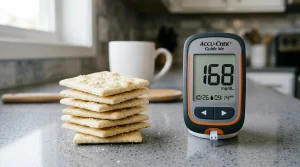
For many individuals managing diabetes, choosing the right snacks can be a challenging yet crucial task. Rice cakes, often hailed for their lightness and convenience, raise an important question: Are they truly a safe option for those monitoring their blood sugar levels? Understanding how rice cakes affect glucose levels can guide smarter dietary choices and enhance your overall health. In this article, we’ll explore the nutritional profile of rice cakes, potential impacts on blood sugar, and share expert insights to help you navigate your snack options confidently. Stay with us to uncover the surprising truths that could reshape your approach to snacking while managing diabetes.
Understanding Rice Cakes: Are They Safe for Diabetics?
Rice cakes are often touted as a convenient snack option, but their suitability for individuals with diabetes can be nuanced. While they may appear to be harmless, understanding their composition and potential impact on blood sugar levels is crucial for effective diabetic management. Rice cakes are primarily made from puffed rice, which is low in fat and calories but often lacks essential nutrients. They can provide a feeling of fullness but may not offer the sustained energy needed without the right toppings or pairings.
It’s important to note that rice cakes have a relatively high glycemic index (GI), which indicates that they can cause a rapid spike in blood glucose levels. For many people with diabetes, managing glycemic control is key to overall health. Therefore, consuming rice cakes in moderation-or as part of a balanced meal that includes protein and healthy fats-can help mitigate these spikes. For instance, topping a rice cake with hummus or nut butter can slow carbohydrate absorption, providing a more stable energy release.
Another consideration is portion control. While a single rice cake may not significantly impact blood sugar, having multiple in one sitting can contribute to excessive carbohydrate intake. Engaging with a healthcare professional or a registered dietitian can guide individuals in determining how to incorporate rice cakes into a personalized diabetic meal plan. As diabetes management is highly individual, understanding one’s own body can lead to better food choices and enhanced overall well-being.
Nutritional Profile of Rice Cakes: What You Need to Know
Rice cakes may seem like a light and versatile snack option, but understanding their nutritional profile is essential for individuals managing diabetes. Primarily composed of puffed rice, these cakes are low in fat and calories but can also be low in essential nutrients such as fiber, protein, and vitamins. This limited nutritional profile means that while rice cakes can provide a quick source of energy, they may not sustain energy levels effectively for those with diabetes who need stable blood sugar management.
One notable aspect of rice cakes is their carbohydrate content, which varies depending on ingredients and flavors. They typically contain around 7 grams of carbohydrates per cake, making them a relatively moderate option for snacking. However, relying on rice cakes as a primary snack could lead to a quick blood sugar spike, particularly in individuals more sensitive to carbohydrate intake. Pairing rice cakes with protein or healthy fats can enhance their nutritional value; toppings such as nut butter, avocado, or hummus can contribute beneficial nutrients while moderating blood sugar fluctuations.
A practical way to assess how rice cakes fit into a diabetic-friendly diet involves considering their overall dietary context. Incorporate them as part of a balanced meal or snack that includes a mix of macronutrients and fiber. This approach can maximize their benefits and help maintain blood sugar levels. Engaging with healthcare professionals or registered dietitians will provide personalized insights into incorporating rice cakes into a diabetic meal plan, focusing on how they align with individual nutritional needs and preferences.
Moreover, mindful observation of how rice cakes affect your blood sugar levels can be invaluable. Keeping note of your body’s reactions and adjusting your intake accordingly can empower you in your dietary choices. Balancing enjoyment with health considerations allows those affected by diabetes to navigate their dietary preferences while maintaining optimal health outcomes.
Glycemic Index of Rice Cakes: Impact on Blood Sugar Levels
The glycemic index (GI) is a critical factor to consider when evaluating how foods affect blood sugar levels, especially for those managing diabetes. Rice cakes, while appearing innocuous, typically have a high GI, often ranging between 70 to 90, which means they can cause a rapid spike in blood glucose levels. This swift increase can be concerning for diabetics, as it disrupts the stable energy levels they strive to maintain. Understanding the impact of the GI of rice cakes is essential for making informed dietary choices.
Consuming foods high on the glycemic index requires careful moderation. For example, someone may enjoy a rice cake as a quick snack, but without pairing it with protein or healthy fats, this can lead to swift spikes in blood sugar. Incorporating toppings like nut butter or hummus not only adds flavor but also increases the nutritional value, thereby helping to balance the meal. This approach offers a more stable energy release and less impact on insulin response, which is particularly beneficial for diabetic meal planning.
It’s also important to recognize that the glycemic response can differ between individuals depending on a variety of factors, such as the portion size consumed, how the rice cakes are prepared, and what other foods are included in the meal. Keeping a food diary can be beneficial for those with diabetes, allowing them to track how specific foods, including rice cakes, affect their blood sugar levels over time. Engaging with healthcare professionals or registered dietitians can further provide personalized strategies for integrating high-GI foods into a balanced diet.
In conclusion, while rice cakes can fit into a diabetic diet, it is essential to balance their consumption with other nutrients that promote steadier blood sugar levels. By understanding their glycemic index and making conscious choices about meal composition, individuals managing diabetes can enjoy a variety of foods while maintaining optimal health.
Alternatives to Rice Cakes for Better Diabetic Nutrition
When it comes to managing diabetes, finding nutritious snacks that won’t send blood sugar levels skyrocketing can feel like a challenging task. While rice cakes are often touted as a light snack option, their high glycemic index means many people with diabetes are searching for better alternatives. Fortunately, there are numerous delicious and satisfying options that provide essential nutrients while supporting stable blood sugar levels.
One fantastic alternative is whole grain crackers. They offer a heartier texture and usually come packed with fiber, which can help slow the absorption of sugar into the bloodstream. Look for varieties made with whole grains like oats or brown rice and pair them with a healthy topping, such as a slice of cheese or avocado, for a balanced snack or light meal.
Another excellent option is vegetable slices, such as cucumber, bell peppers, or celery, especially when paired with high-protein dips like hummus or tzatziki. Not only do these crunchy vegetables provide volume and hydration, but they are low in carbohydrates and calories, making them a perfect choice for blood sugar management while being rich in vitamins and minerals.
Nuts and seeds also make for a power-packed snack. They are nutrient-dense, high in healthy fats, and can provide a satisfying crunch. A small handful of almonds, walnuts, or pumpkin seeds can deliver protein and fiber, which help in stabilizing blood sugar levels. When snacking on nuts, it’s important to be mindful of portion sizes, as they are calorie-dense.
Lastly, consider Greek yogurt, which is low in carbohydrates and high in protein. This creamy option not only helps control hunger but also offers beneficial probiotics for gut health. You can enhance it with fresh berries or a sprinkle of cinnamon for added flavor and nutrients without excessive carbs. Remember to choose plain varieties to avoid added sugars.
In summary, replacing rice cakes with these nutritious alternatives can significantly impact blood sugar management and overall health. It’s essential to incorporate diverse and balanced food choices into your diet. Consulting with a healthcare professional or a registered dietitian can further help tailor snack options to your specific needs, ensuring you can enjoy a variety of tasty foods while effectively managing your diabetes.
How to Incorporate Rice Cakes in a Diabetic Diet
Incorporating rice cakes into a diabetic diet can be done mindfully, allowing for enjoyable snacking without compromising blood sugar levels. While rice cakes have a high glycemic index, which can lead to rapid spikes in glucose, there are ways to include them as part of a balanced diet by focusing on portion control and pairing them with other nutritious foods.
To start, it’s essential to monitor the quantity consumed. A single rice cake can serve as a base for a variety of toppings while offering a low-calorie option. Consider limiting your intake to one or two cakes at a time to help prevent overeating. Pairing rice cakes with foods that are high in protein or healthy fats can also mitigate their effect on blood sugar. For instance, spreading a thin layer of peanut butter or almond butter on a rice cake adds healthy fats and protein, promoting satiety and stabilizing blood sugar levels.
Additionally, consider incorporating rice cakes into savory meals. For example, use them as low-carb alternatives to bread in open-faced sandwiches topped with vegetables, lean meats, or avocado. This not only enhances flavor but also adds additional nutrients.
Finally, it’s beneficial to keep a close eye on your overall daily carbohydrate intake. By incorporating rice cakes with other low-carb or high-fiber snacks throughout the day, you can maintain a well-rounded diet while enjoying rice cakes occasionally. Always consult with healthcare professionals or a registered dietitian to customize your dietary choices to your individual needs, ensuring that you can enjoy your food while effectively managing your diabetes.
Risks of Eating Rice Cakes: What Diabetics Should Consider
Consuming rice cakes may seem like a healthy choice, but for those managing diabetes, it’s important to understand the hidden risks associated with these seemingly innocent snacks. One of the primary concerns is their high glycemic index, which means they can lead to rapid spikes in blood sugar levels. For individuals with diabetes, stable blood glucose levels are crucial for managing the condition effectively. When rice cakes are eaten alone, they are quickly digested and absorbed, causing a swift increase in glucose in the bloodstream, which can be detrimental if not balanced with other foods.
In addition to their glycemic impact, there are other factors that diabetics should consider. Many commercially available rice cakes are often devoid of essential nutrients, lacking fiber and protein that contribute to satiety and healthier blood sugar levels. This can lead to overeating, as individuals may not feel satisfied after consuming rice cakes alone. Instead of providing valuable nutrients, the empty calories from rice cakes could inadvertently lead to weight gain or poorly managed blood sugar levels if consumed excessively.
Furthermore, some rice cakes may contain additives or preservatives that may not align with the dietary needs of diabetics. It’s essential to read labels carefully and choose varieties that are low in added sugars and sodium. Individuals should also be cautious of brands that flavor their rice cakes with potentially sugar-laden toppings or coatings. Opting for plain, whole grain or brown rice cakes could be a more suitable alternative.
Finally, managing portion sizes is key when integrating rice cakes into a diabetic diet. While these snacks can be included occasionally, it’s wise to limit consumption to one or two cakes at a time. Pairing them with high-protein or healthy fat toppings like nut butter, Greek yogurt, or avocado can slow carbohydrate absorption, mitigating blood sugar spikes and making for a more balanced snack. Engaging in mindful eating practices and continuously consulting with healthcare providers can empower individuals to navigate their dietary choices effectively while enjoying their favorite foods.
Creative Topping Ideas for Diabetic-Friendly Rice Cakes
Rice cakes can serve as a versatile base for various toppings that not only enhance flavor but also provide essential nutrients, making them a more diabetic-friendly snack. The right combination of toppings can help balance the high glycemic index of rice cakes, reducing the risk of blood sugar spikes. Here are some creative ideas to transform your rice cakes into satisfying and nutritious snacks.
Protein-Packed Options
Adding protein-rich toppings can help stabilize blood sugar levels. Consider these ideas:
- Nut Butters: Almond, peanut, or sunflower seed butter provides healthy fats and protein. Try spreading a thin layer of nut butter and topping it with a few slices of banana for added fiber.
- Greek Yogurt: A dollop of plain Greek yogurt on top can contribute to a creamy texture. You can sprinkle some cinnamon for flavor or pair it with berries for a touch of sweetness.
- Cottage Cheese: Spread cottage cheese on rice cakes and top with fresh cherry tomatoes, herbs, or cucumber for a refreshing snack.
Healthy Fats and Fiber
Fats and fiber play a crucial role in maintaining satiety and slowing down carbohydrate absorption.
- Avocado: Smash some avocado on your rice cake and sprinkle it with salt and pepper, or add a squeeze of lime juice for a zesty kick.
- Hummus: A smear of hummus can add a wonderful flavor while delivering fiber and protein. Top it with sliced radishes or cucumber for an extra crunch.
- Chia Seed Pudding: Prepare chia seed pudding with almond milk and layer it on your rice cake for a sweet yet nutritious touch.
Sweet Treats
If you crave something sweet, opt for healthier alternatives:
- Fresh Fruits: Slices of strawberries, apples, or kiwi layered on top of rice cakes can add natural sweetness. Pair it with a sprinkle of cinnamon to enhance the flavor.
- Dark Chocolate: A small drizzle of melted dark chocolate can turn rice cakes into a satisfying dessert. Just be mindful of the quantity, as moderation is key.
- Unsweetened Applesauce: Spread unsweetened applesauce and sprinkle with walnuts or cinnamon for a warm, comforting snack.
With these topping ideas, rice cakes can become not just a quick snack, but a balanced part of a diabetic meal plan. Incorporating a variety of proteins, healthy fats, and fibers helps ensure you’re not just consuming empty calories. Always consult with healthcare professionals when making changes to your diet, and remember that portion control is essential in managing diabetes effectively. Enjoy experimenting with different combinations to find what works best for you!
Rice Cakes vs. Other Snack Options: A Nutritional Comparison
When comparing rice cakes to other snack options, it’s essential to consider several nutritional aspects, particularly their carbohydrate content and glycemic index, especially for those managing diabetes. Rice cakes are primarily made of rice, a high-carb food, leading to a rapid increase in blood sugar levels due to their high glycemic index. In contrast, many other snack options, such as whole grain crackers, nuts, or vegetables with hummus, can provide a better balance of nutrients, including fiber and healthy fats, which are more beneficial for blood sugar management.
Nutritional comparisons illustrate these differences clearly. For instance, a serving of rice cakes may contain around 14 grams of carbohydrates with very little fiber, whereas a serving of whole grain crackers can offer similar carbs but with much more fiber, helping to slow down the absorption process. In addition, snacks like nuts are not only low in carbs but also high in healthy fats and protein, which can aid in stabilizing blood sugar levels. Depending on individual preferences and health goals, choosing snacks that incorporate these macronutrient balances can significantly enhance diabetes management.
Moreover, factoring in portion sizes is crucial. While rice cakes can represent a light snack, the tendency to consume multiple cakes at once can lead to unintended blood sugar spikes. Pairing rice cakes with protein-rich or high-fiber foods can mitigate these effects, but alternatives that offer built-in nutritional benefits-like vegetables or yogurt-might provide more satisfaction and steady energy without the associated glycemic risks.
When it comes to making smarter snack choices, the empowering approach is to focus on whole, unprocessed foods that align with diabetic needs. For instance, exploring options such as sliced veggies with guacamole, Greek yogurt with berries, or even homemade energy balls can yield satisfying and nutritious snacks. These not only help in maintaining stable blood sugar but also contribute essential vitamins and minerals beneficial for overall health. Always consult healthcare professionals when incorporating new snacks into your diet to ensure they align with individual dietary plans.
Expert Opinions: What Nutritionists Say About Rice Cakes
Nutritionists have varying opinions on the role of rice cakes in a diabetic diet, primarily focusing on their glycemic impact and nutritional value. The overarching consensus is that while rice cakes can be enjoyed in moderation, they should be approached with caution, especially for individuals managing blood sugar levels. Registered dietitian nutritionist Michelle M. emphasizes the challenge presented by the high glycemic index of rice cakes, which can lead to rapid spikes in blood sugar. She suggests that even though there are healthier options available, rice cakes can be part of a balanced diet if paired thoughtfully with other food groups that help slow glucose absorption.
One common recommendation is to enhance rice cakes’ nutritional profile by adding protein or healthy fats. Nutritionist Sarah K. advocates for toppings such as nut butter, avocado, or cottage cheese to complement the rice cake’s carbohydrates with fiber and protein, which can stabilize blood sugar levels. This combination not only keeps you fuller for longer but also provides essential nutrients that support overall health. As Sarah points out, “The key is to balance the carbohydrate content from the rice cakes with other foods that mitigate blood sugar spikes.”
Moreover, some nutritionists suggest using rice cakes as a vehicle for nutritious toppings rather than relying on them as standalone snacks. This approach not only diversifies the diet but also encourages the intake of vitamins and minerals commonly lacking in processed snacks. Creating combinations like hummus and sliced vegetables, or Greek yogurt with berries, allows for delicious and satisfying snacks that align with diabetes management goals.
In summary, while rice cakes can fit into a diabetic diet, qualified nutritionists recommend thoughtful pairing and moderation. By focusing on enhancing their nutritional value and stability, individuals can still enjoy rice cakes without compromising their blood sugar control. As always, working with a healthcare professional is essential to tailor dietary choices to individual health needs and lifestyle preferences.
Real-Life Experiences: Diabetics Share Their Rice Cake Journey
Navigating dietary choices as a person with diabetes can often feel overwhelming, especially when it comes to seemingly simple snacks like rice cakes. Many diabetics have shared their journeys with rice cakes, shedding light on both the benefits and the pitfalls of including them in their diets. One common theme is the importance of awareness and balance. For instance, Jessica, a 35-year-old living with type 2 diabetes, discovered that while rice cakes provided a quick and convenient option, they could lead to spikes in her blood sugar if consumed alone. Now, she pairs them with almond butter or slices of turkey for added protein and healthy fats, effectively mitigating those glucose spikes.
Another user, Peter, emphasizes the role portion control plays in his diet. Having learned the hard way that eating multiple rice cakes in one sitting was detrimental to his blood sugar levels, he now restricts himself to one cake with a hearty topping. He has found that enjoying a single rice cake topped with cream cheese and cucumber not only satisfies his cravings but also aligns with his dietary management goals. This simple adjustment has empowered him to maintain better control over his condition without feeling deprived of snacks he enjoys.
Moreover, the experiences of those managing diabetes reveal creativity in their snacking choices. Sarah, an adventurous cook, uses rice cakes as a base for her homemade mini pizzas. By topping them with low-sodium tomato sauce, grilled vegetables, and a sprinkle of cheese, she transforms these cakes into a balanced meal. This approach not only satisfies her taste buds but also provides her with the vitamins and minerals necessary to support her health. Personal stories like these showcase the diversity of possibilities available when incorporating rice cakes into a diabetic diet, framed by moderation and mindful choices.
In essence, the journeys of diabetics with rice cakes highlight the importance of being attentive to personal needs and responses to food. By understanding how different toppings and portions affect blood sugar levels, individuals can make informed decisions that contribute to their overall well-being. Encouragingly, these shared experiences act as valuable reminders that with the right adjustments and creativity, snacks like rice cakes can fit within a healthy lifestyle. As always, consultation with healthcare professionals can provide tailored guidance, ensuring that dietary choices support individual health goals.
Shopping Tips for Choosing Healthier Rice Cakes
When it comes to selecting rice cakes, a seemingly benign snack, being mindful of the ingredients can significantly impact your blood sugar levels. Not all rice cakes are created equal; some come loaded with sugars and additives that can hinder your diabetes management efforts. To ensure you make the healthiest choices, consider the following tips while shopping for rice cakes:
Prioritize Whole Grain Options
Rice cakes made with whole grains, such as brown rice, quinoa, or multigrain blends, offer more fiber and nutrients compared to their white rice counterparts. Fiber can help stabilize blood sugar by slowing digestion, leading to a more gradual release of glucose into the bloodstream. Look for products that list whole grains as the primary ingredient on their labels.
Check the Ingredient List
Always scrutinize the ingredient list for any hidden sugars or unhealthy additives. Terms like high fructose corn syrup, honey, or added sugars can indicate that the rice cakes contain ingredients that could spike blood sugar levels. Ideally, choose options with a minimal and recognizable ingredient list that includes rice or other whole grains, and steer clear of artificial flavors or preservatives.
Evaluate Nutritional Information
Pay close attention to the nutritional information panel. Aim for rice cakes that are lower in carbohydrates per serving-consider options less than 15 grams of carbs. Additionally, look for snacks that provide at least 3 grams of fiber if possible. This helps ensure that you are selecting rice cakes that maintain better blood sugar control while also keeping you fuller for longer.
Consider Protein-Packed Toppings
If you find yourself drawn to rice cakes, consider complementing them with protein-rich toppings to enhance their nutritional profile and minimize blood sugar spikes. For instance, almond butter, Greek yogurt, or cottage cheese can provide the protein your body needs to maintain energy and blood sugar stability. These toppings can transform a simple snack into a more balanced option.
Remember, when it comes to managing diabetes, it can be beneficial to consult healthcare professionals for personalized dietary guidance tailored to your specific needs. Your journey to health is worthy of support, so equip yourself with knowledge and make informed choices that get you closer to your goals. With these shopping tips, you can navigate your options successfully and indulge in rice cakes more mindfully!
Guidelines for Moderation: How Many Rice Cakes Can You Eat?
Striking the right balance with rice cakes can be challenging, especially for those managing diabetes. While rice cakes can be a low-calorie snack choice, consuming them in moderation is crucial to avoid any adverse effects on blood sugar levels. Generally, it’s wise to limit your intake to 1-2 rice cakes per sitting, depending on your individual dietary plan and overall carbohydrate consumption for the day. Monitoring how your body responds is key; some may find they can comfortably enjoy more, while others may need to be more cautious.
Understanding Carbohydrate Content
Rice cakes typically contain around 7-15 grams of carbohydrates each. If you’re integrating them into your diet, consider how they fit within your daily carbohydrate allowance. For example, if your meal plan allows for approximately 45-60 grams of carbohydrates per meal, eating two rice cakes could represent a significant portion of that allocation. Thus, pairing rice cakes with protein and healthy fats can help balance the meal and stabilize blood sugar levels.
Customizing Your Snack
To personalize your snacking experience, think about portion sizes and toppings. You might enjoy one rice cake topped with nut butter, which provides protein and fiber. Alternatively, using a rice cake as a base for avocado or hummus can enhance the nutritional value while keeping portions manageable. Always remember to track your blood sugar to see how different snacks affect you personally.
Becoming familiar with your body’s signals and understanding your dietary needs can empower your decision-making process. Consider consulting a dietitian or healthcare provider to tailor a snack plan that works best for you, as individualized guidance can be incredibly beneficial in managing diabetes effectively.
FAQ
Q: Can rice cakes spike blood sugar levels?
A: Yes, rice cakes can spike blood sugar levels due to their high glycemic index (GI), typically around 82. It’s essential for diabetics to be cautious and consider how rice cakes fit into their overall diet. Pairing them with protein or healthy fats can help mitigate spikes.
Q: How can diabetics enjoy rice cakes safely?
A: Diabetics can enjoy rice cakes by selecting low-GI toppings, such as avocado or nut butter, which can help balance blood sugar levels. Portion control is also crucial, as larger servings can lead to significant increases in blood sugar, especially when eaten alone.
Q: What alternatives to rice cakes are better for diabetics?
A: Alternatives like whole-grain crackers, vegetable sticks with hummus, or air-popped popcorn can be healthier for diabetics. These options typically have lower glycemic indices and provide more fiber, which can aid in blood sugar management.
Q: Are all rice cakes equal in terms of nutrition?
A: No, not all rice cakes are equal. Brown rice cakes generally offer more nutrients, such as fiber and antioxidants, compared to white rice cakes. Always check the ingredient list and look for options that are minimally processed for better health benefits.
Q: How many rice cakes can a diabetic eat in one sitting?
A: It varies based on individual dietary needs and blood sugar response, but moderation is key. Generally, one to two rice cakes can be a reasonable serving with mindful pairing of proteins or fats to help stabilize blood sugar levels.
Q: Are flavored rice cakes a good option for diabetics?
A: Flavored rice cakes often contain added sugars or sodium, which can affect blood sugar levels and overall health. Diabetics should read labels carefully and consider plain rice cakes with healthy toppings instead for better nutritional balance.
Q: What should diabetics look for on rice cake packaging?
A: Diabetics should look for rice cakes that have whole grain ingredients, minimal added sugars, and a lower glycemic index. Reading nutrition labels is crucial to select the best options that fit into a balanced diabetic diet.
Q: How do rice cakes compare to other snack options for diabetics?
A: Rice cakes generally have a higher glycemic index compared to other snacks like nuts or veggies. This means they can lead to quicker blood sugar spikes. Therefore, incorporating a variety of snack options is essential for balanced diabetic nutrition.
For more in-depth information on managing diabetes, please refer to our section on incorporating rice cakes in your diabetic diet. Be sure to consult with healthcare professionals for tailored advice regarding your dietary needs.
In Summary
Understanding the role of rice cakes in a diabetic diet can significantly impact your nutritional choices. While these snacks may seem harmless, it’s critical to gauge their effect on blood sugar levels and make informed decisions. If you’re eager to learn more about managing diabetes through food, check out our articles on “Healthy Snacks for Diabetics” and “Understanding Glycemic Index” for further insights. Remember, each choice matters in your journey toward better health.
We encourage you to share your thoughts in the comments below, and don’t hesitate to subscribe to our newsletter for more tips that empower your diabetes management. Need personalized advice? Consider scheduling a consultation with a qualified healthcare professional. You’re not alone in this process; let’s navigate it together! Your health is our priority, and we’re here to support you every step of the way.
Can Diabetics Eat Rice Cakes? Glycemic Index vs Low-Calorie Myth
A widespread dietary myth leads many patients to ask can diabetics eat rice cakes as a healthy diet snack because they contain only 35 calories per cake. However, puffed rice cakes possess a shockingly high Glycemic Index (GI 82–91)—higher than pure white bread or table sugar. The intense industrial puffing process gelatinizes the rice amylopectin, enabling digestive amylase to convert the starch into free glucose almost instantaneously.
| Snack Alternative | Calories | Total Carbs | Glycemic Index (GI) | Postprandial CGM Curve |
|---|---|---|---|---|
| Plain Puffed Rice Cake | 35 kcal | 7.3 g (Refined Starch) | 85 (Very High) | Immediate steep vertical spike |
| Rice Cake + 1 tbsp Peanut Butter | 130 kcal | 10.5 g | 60 (Moderate) | Blunted peak; fat slows gastric emptying |
| Flaxseed Seed Crackers (4 crackers) | 140 kcal | 2.0 g (Net) | < 15 (Very Low) | Completely flat, stable baseline |
| Fresh Celery Sticks with Hummus | 70 kcal | 4.0 g (Net) | 15 (Very Low) | Zero glucose deviation |
Get our latest guides, news, and insights highlighted in your Google Search & AI Overviews.