Navigating the world of food choices as a diabetic can feel overwhelming, but it doesn’t have to be bland or boring. Quinoa, often hailed as a superfood, is not only a nutrient-dense grain but also a fantastic option for managing blood sugar levels thanks to its high protein and fiber content. With the proper recipes, quinoa can be transformed into delicious, blood sugar-friendly meals that cater to your health needs while satisfying your taste buds. In this guide, we’ll explore seven exciting quinoa recipes tailored for diabetics, designed to inspire healthy eating and demonstrate that nutritious meals can be both enjoyable and fulfilling. Let’s embark on this culinary journey together, ensuring that each dish is a step towards better health and well-being.
Quinoa: A Superfood for Diabetics
Quinoa stands out as an exceptional food choice for individuals managing diabetes, not only due to its low glycemic index but also because of its rich nutrient profile. Packed with essential amino acids, fiber, vitamins, and minerals, quinoa offers a nutritious alternative to traditional grains, helping to maintain steady blood sugar levels. Its unique composition supports digestive health and promotes satiety, making it a favorable option for those looking to manage their weight while ensuring balanced meals.
Incorporating quinoa into your diet can be both versatile and delicious. From hearty quinoa bowls brimming with vegetables to refreshing salads, the culinary possibilities are endless. Each serving provides around 8 grams of protein, contributing to muscle health and keeping you energized throughout the day. This complete protein feature is particularly beneficial for vegetarians and vegans, making quinoa a staple for anyone mindful of their health.
When integrating quinoa into your meal planning, consider pairing it with fiber-rich foods such as leafy greens, legumes, and nuts, which can further enhance its blood sugar-regulating properties. Moreover, cooking quinoa is straightforward; it takes about 15-20 minutes on the stove, making it an easy addition to weekly meal prep. By choosing whole, minimally processed quinoa, you can ensure you’re harnessing all its health benefits. Always consult with healthcare professionals or a registered dietitian to tailor your meal choices specifically to your health needs, especially when it comes to managing diabetes.
Health Benefits of Quinoa for Blood Sugar Control
Quinoa is more than just a trendy grain; it’s a powerhouse that can significantly aid in blood sugar management for those living with diabetes. This ancient superfood packs a nutritional punch, loaded with fiber and protein, both of which play crucial roles in helping to stabilize glucose levels. Unlike many refined carbohydrates, quinoa has a low glycemic index, meaning it causes a gradual rise in blood sugar rather than a spike. This characteristic makes it an ideal choice for those looking to manage their blood sugar effectively.
Dietary fiber, abundant in quinoa, not only supports digestive health but also aids in slowing the absorption of carbohydrates. This slow absorption helps maintain steady energy levels and prevents the crash that often follows a high-carb meal, which can be particularly challenging for diabetics. Each 1-cup serving of cooked quinoa can offer around 5 grams of fiber, making it a filling option that promotes satiety and reduces cravings. For those with diabetes, a feeling of fullness can be invaluable in managing portion sizes and ensuring balanced meals.
In addition to its fiber content, quinoa is a complete protein, containing all nine essential amino acids that the body cannot produce on its own. This makes it a fantastic plant-based protein source for vegetarians and vegans, ensuring that they can maintain muscle health while managing their dietary needs. Meals enriched with quinoa can help maintain muscle mass, which is important for overall metabolic health and blood sugar regulation. When planning meals, combine quinoa with lean proteins and healthy fats, such as grilled chicken or avocado, to create a well-rounded plate that will keep you satisfied longer while promoting stable blood sugar levels.
Ultimately, integrating quinoa into your diet can be as simple as swapping it in for rice or pasta in your favorite dishes. Explore various preparations, from warm grain bowls filled with roasted veggies to cold salads dotted with fresh herbs and nuts. Always remember, the journey to managing diabetes is personal and unique; therefore, consulting with healthcare providers or registered dietitians can help tailor your meal choices to fit your specific health goals and lifestyle preferences. By embracing wholesome foods like quinoa, you are making empowering choices that can have a profound impact on your diabetes management.
7 Delicious Quinoa Recipes for Diabetics
Quinoa’s versatility is one of its greatest assets, especially for those managing diabetes. Not only is it a nutritional powerhouse, but it’s also easy to incorporate into a variety of meals that help maintain stable blood sugar levels. Here are some exciting quinoa recipes that are not only delicious but also mindful of blood sugar control, ensuring you feel satisfied without the spike.
1. Quinoa and Black Bean Salad
This vibrant salad combines cooked quinoa with black beans, cherry tomatoes, bell peppers, and cilantro, providing a hearty source of protein and fiber. Toss with lime juice and olive oil for a zesty kick. This dish is not only refreshing but also ensures that you get a balanced meal packed with nutrients.
2. Quinoa Breakfast Bowl
Start your day right with a warm quinoa breakfast bowl. Cook quinoa in almond milk and top with sliced almonds, chia seeds, and fresh berries. The healthy fats from the nuts and the fiber from the berries will keep you full and energized throughout the morning.
3. Quinoa-Stuffed Bell Peppers
For a filling main dish, hollow out bell peppers and stuff them with a mix of quinoa, lean ground turkey, and your favorite spices. Bake until the peppers are tender. This meal provides ample protein and vegetables, making it an excellent choice for lunch or dinner.
4. Curried Quinoa and Vegetable Stir-Fry
Sauté your favorite vegetables, such as broccoli, carrots, and snap peas, and mix them with cooked quinoa and a light curry sauce. This dish is not only colorful but also offers a delicious combination of flavors while being gentle on your blood sugar levels.
5. Quinoa and Chickpea Buddha Bowl
Layer quinoa and roasted chickpeas with a mix of greens, avocado, and a tahini dressing for a nutritious lunch that covers all the food groups. This wholesome meal is easy to prepare and perfect for meal prep, keeping it fresh throughout the week.
6. Lemon Herb Quinoa with Grilled Chicken
Cook quinoa with vegetable broth, lemon juice, and fresh herbs like parsley and dill. Serve it alongside grilled chicken breast for a protein-rich meal that’s both satisfying and blood sugar-friendly.
7. Quinoa Almond Cookies
For a healthy treat, try baking quinoa cookies made with almond flour, honey, and dark chocolate chips. These cookies are a great alternative to traditional sugary snacks, allowing you to indulge without compromising your health.
Embracing these quinoa recipes can simplify meal planning while ensuring you’re making nourishing food choices that support diabetes management. Always remember to consult with healthcare professionals for personalized dietary advice and to maintain an ongoing awareness of how different foods impact your blood sugars. The journey toward managing diabetes is individual, and incorporating wholesome, delicious meals like these can help empower you along the way.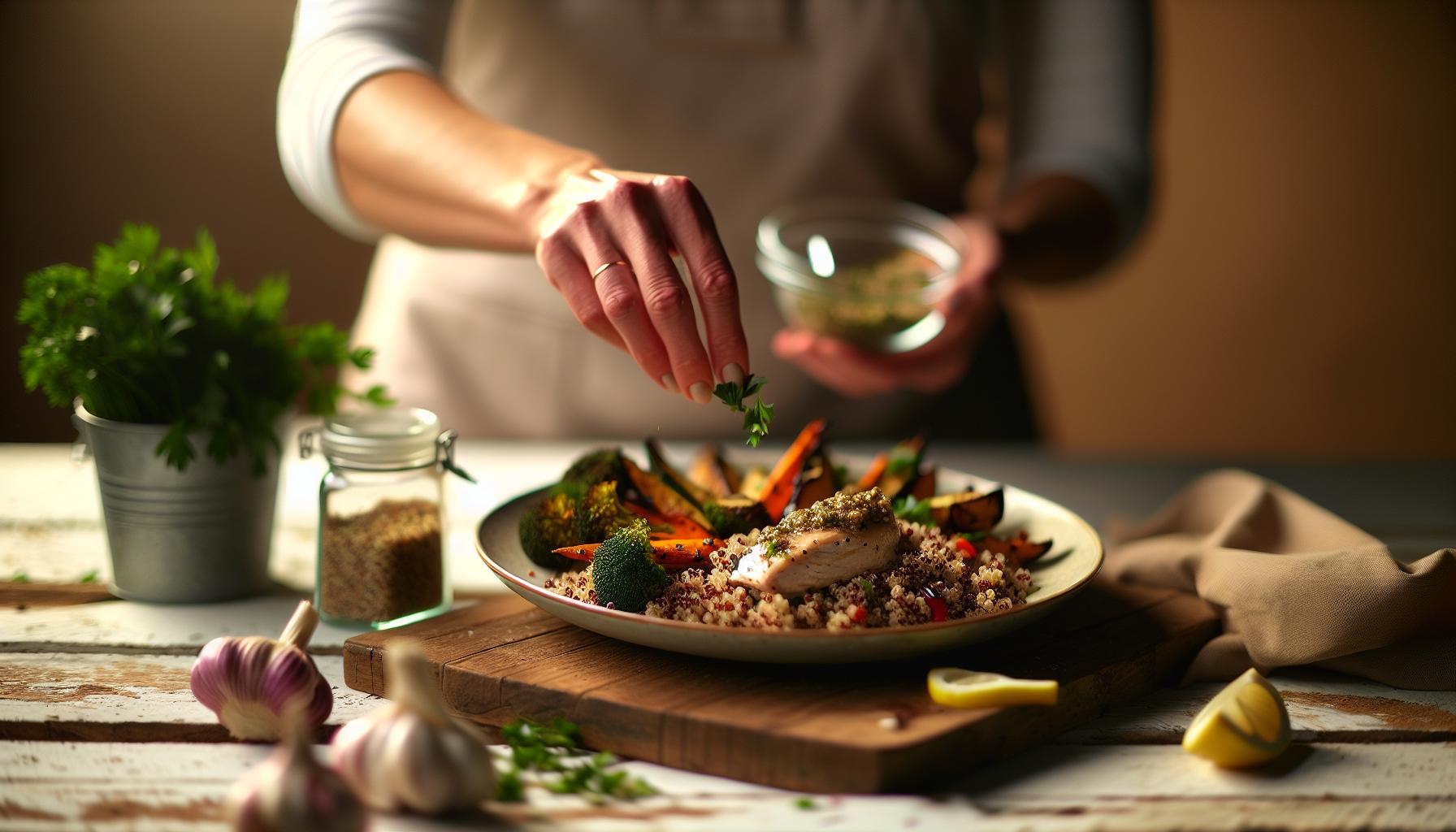
High-Protein Quinoa Meals That Satisfy
Quinoa is often hailed as a superfood, particularly for those managing diabetes, thanks to its robust protein content and overall nutrient profile. When paired with other high-protein ingredients, quinoa can create satisfying meals that help maintain stable blood sugar levels while keeping you full and energized throughout the day. For those watching their diabetes, incorporating high-protein quinoa dishes can enhance both nutrition and flavor, ensuring that your meals are as delicious as they are beneficial.
One standout option is a quinoa and white bean bowl. By combining cooked quinoa with white beans, which are rich in both protein and fiber, you create a hearty base that can be topped with sautéed vegetables or a light vinaigrette. This dish not only provides essential amino acids but also helps regulate blood sugar spikes, making it an excellent choice for lunch or dinner.
Another fantastic meal is quinoa with grilled shrimp. Marinate shrimp in a mixture of lemon juice, garlic, and olive oil, then grill them to perfection. Serve over a bed of quinoa mixed with fresh vegetables and herbs for a protein-packed dish that tastes as vibrant as it looks. The healthy fats from the olive oil and the protein from the shrimp further stabilize blood sugar, fulfilling both dietary and taste requirements in one go.
For those who prefer vegetarian options, consider a quinoa and lentil stir-fry. Lentils not only complement the nutty flavor of quinoa but also add a significant protein boost while being low on the glycemic index. Toss the quinoa and lentils with your favorite stir-fry vegetables and a splash of soy sauce or tamari for a quick, satisfying meal that can be easily customized.
Lastly, a quinoa and egg breakfast bowl is a delightful way to kickstart your day. Top cooked quinoa with a poached or scrambled egg, add some avocado for healthy fats, and a sprinkle of fresh herbs. This breakfast is not only nutrient-dense but also provides lasting energy, ensuring you start your day feeling satisfied and stable.
Incorporating high-protein quinoa meals into your diet can be a simple yet effective strategy for managing blood sugar levels. Always remember that meal planning should be personalized, and consulting with healthcare professionals can provide additional guidance tailored to individual needs. With a little creativity and intention, you can enjoy delicious meals that support your health and well-being.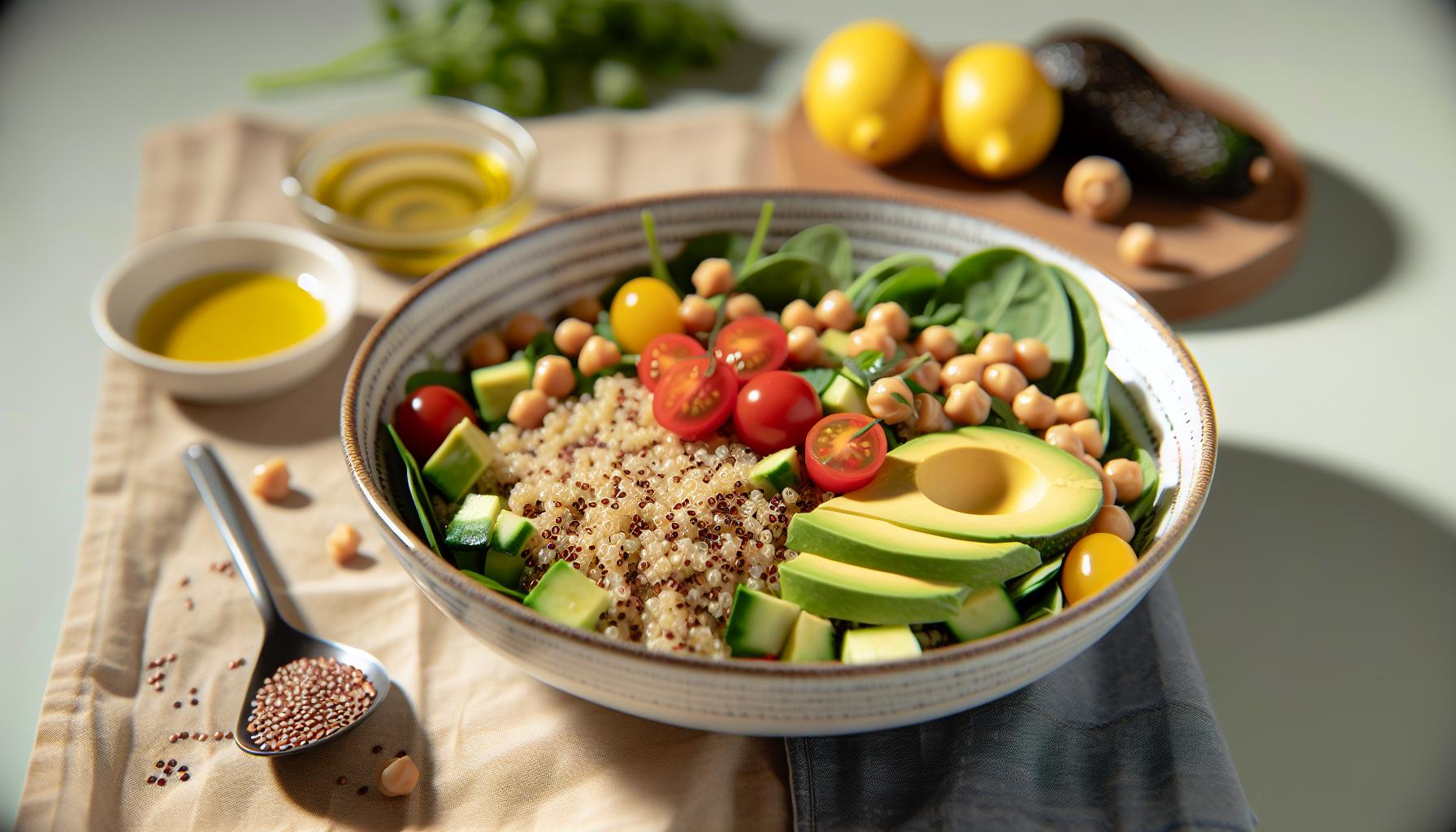
Quinoa Salad Ideas Packed with Nutrients
Quinoa salads are not only versatile and flavorful, but they also provide a nutrient-packed option that can lead to better blood sugar management. Incorporating quinoa into your salads adds a gluten-free source of complete protein and a low glycemic index grain that can help stabilize blood sugar levels, making it an ideal choice for those managing diabetes. By mixing quinoa with colorful vegetables, healthy fats, and flavorful herbs, you create a satisfying dish that can serve as a light meal or a hearty side.
One delightful combination to try is a quinoa and roasted vegetable salad. Simply roast a medley of your favorite vegetables, such as bell peppers, zucchini, and carrots, until they are tender. Toss the roasted veggies with cooked quinoa, a handful of fresh spinach, and a sprinkle of feta cheese. To dress this salad, drizzle olive oil and balsamic vinegar, which not only adds flavor but also provides healthy fats that can assist in managing blood sugar levels.
Protein-Packed Quinoa Salad Variations
For those looking to increase their protein intake, consider a quinoa and chickpea salad. Combine cooked quinoa with canned or cooked chickpeas, diced cucumbers, cherry tomatoes, and parsley. This salad can be brightened up with lemon juice and a dash of cumin, creating a refreshing dish loaded with fiber and protein to help keep you full and stabilize blood sugar.
Another fantastic option is the quinoa and avocado salad. Mash up ripe avocado and mix it with cooked quinoa, corn, diced red onion, and black beans, adding lime juice for a zesty finish. Avocados are rich in healthy monounsaturated fats and have a low glycemic index, making this salad a nutritious choice to include in a diabetes-friendly meal plan.
Tips for Making Your Quinoa Salads Even Better
When crafting your quinoa salads, consider adding a variety of colorful vegetables to ensure a broad spectrum of antioxidants and vitamins. Ingredients such as kale, shredded carrots, or even beets not only enhance the salad visually but also increase the nutritional profile.
Additionally, don’t hesitate to experiment with herbs and spices like cilantro, dill, or garlic to elevate flavors naturally, steering clear of high-calorie dressings. Remember, portion control is essential, even with healthy foods, so keeping an eye on servings will help maintain your overall caloric intake.
Making quinoa salads a regular part of your meal routine can empower those living with diabetes to enjoy tasty, satisfying meals that support both health and happiness. Always consult with healthcare professionals about dietary choices to create a personalized nutrition plan that meets your health needs.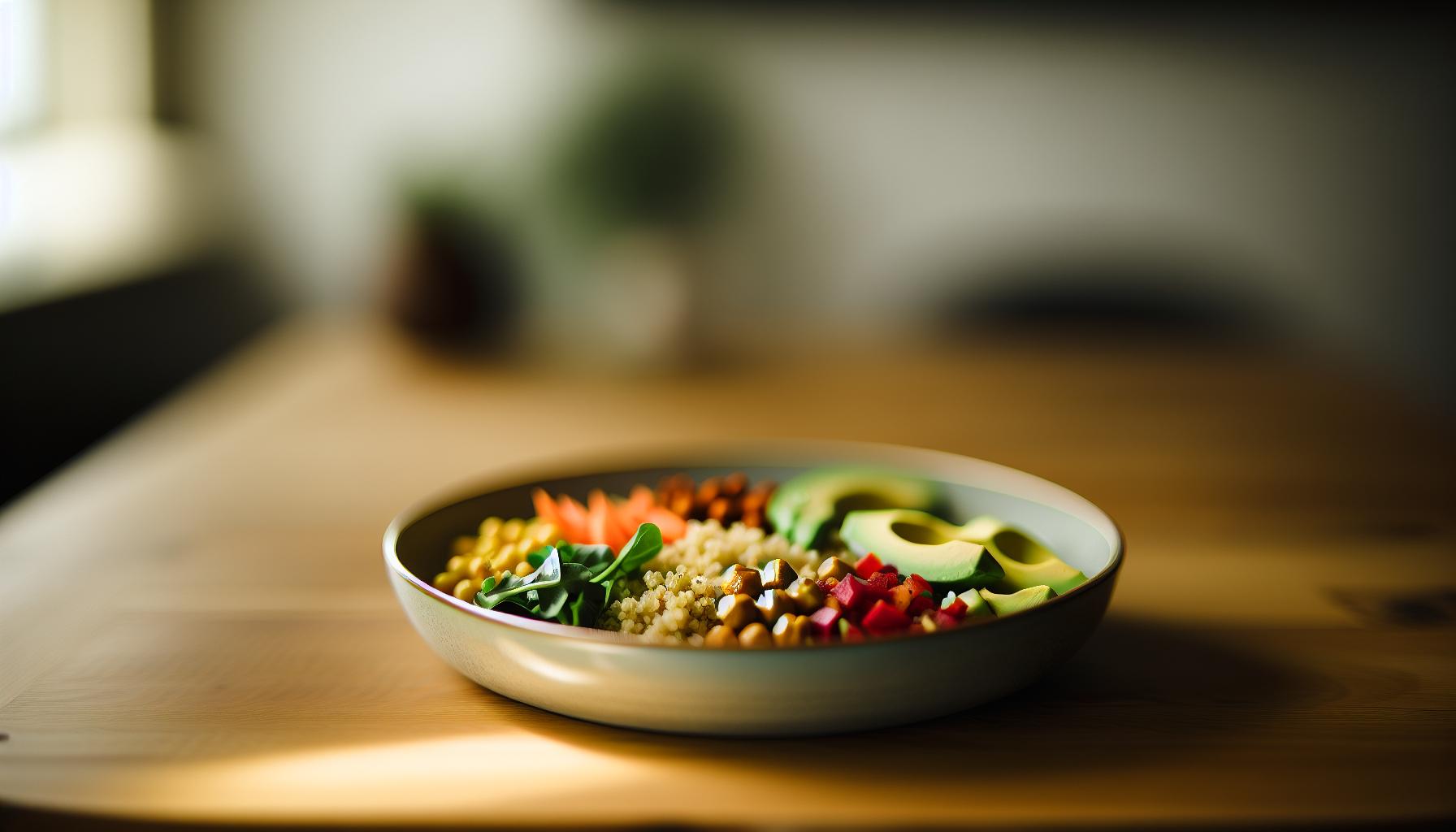
Hearty Quinoa Bowl Combinations for Lunch
Eating a hearty quinoa bowl for lunch can be a game-changer for individuals managing diabetes. Quinoa, a complete protein and a low-glycemic grain, helps keep blood sugar levels steady while providing essential nutrients and fiber, which contribute to prolonged satiety. By creating bowls filled with vibrant vegetables, healthy fats, and flavorful proteins, you not only craft a visually appealing dish but also enhance your overall nutrition, making it easier to manage diabetes.
A great option is a Mexican-inspired quinoa bowl. Start with a base of cooked quinoa, then load up with black beans, diced tomatoes, corn, and chopped bell peppers. Top it with sliced avocado and a squeeze of lime juice for a refreshing zing. The combination of proteins and healthy fats helps stabilize blood sugar, while the colorful veggies provide antioxidants and fiber that support overall health.
For a Mediterranean twist, consider a quinoa and roasted vegetable bowl. Roast a mix of zucchini, eggplant, and cherry tomatoes in olive oil until caramelized. Toss these vegetables with quinoa, crumbled feta cheese, and a sprinkle of oregano. Add a handful of spinach or arugula for an extra boost of nutrients. This bowl not only satisfies but is also packed with flavors that make healthy eating enjoyable.
To elevate your lunch even further, you might try a quinoa breakfast bowl that can double as a delicious midday meal. Combine quinoa with unsweetened almond milk, cinnamon, and fresh berries. Top it with a dollop of Greek yogurt or nut butter for added protein and creaminess. This bowl is not just nourishing but also versatile, as you can switch up the fruits based on what’s in season.
Incorporating varied grains and proteins into your quinoa bowls not only makes meals more satisfying but also helps case blood sugar levels to remain stable throughout your busy day. Remember to consult healthcare professionals and tailor your meals to fit your personal health goals. Enjoy experimenting with flavors and ingredients, knowing that each nutritious bowl contributes to a balanced and healthy lifestyle.
Quinoa Snacks to Keep Blood Sugar Steady
Snacking can often be a challenge for those managing diabetes, but incorporating quinoa into your snack repertoire can provide satisfying options that support blood sugar stability. Quinoa is not only a complete protein but also rich in fiber, which helps slow the absorption of sugar in the bloodstream, making it an ideal ingredient for healthy snacking.
Consider preparing quinoa-based snacks that are easy to make and pack a nutritional punch. Here are a few ideas to get you started:
- Quinoa Energy Bites: Combine cooked quinoa, nut butter, honey, and oats, then roll them into bite-sized balls. These energy bites are not only delicious but also provide long-lasting energy without spiking blood sugar levels.
- Quinoa Crackers: Make your own quinoa crackers by mixing cooked quinoa with chickpea flour, salt, and spices. Bake until crispy for a crunchy snack that’s high in protein.
- Quinoa and Veggie Hummus: Blend cooked quinoa with chickpeas, tahini, olive oil, garlic, and lemon juice for a unique twist on traditional hummus. Serve it with fresh veggies like carrots and bell peppers for dipping.
- Quinoa Porridge: Prepare a sweet quinoa porridge by cooking quinoa with unsweetened almond milk, cinnamon, and a touch of maple syrup. Add walnuts or seeds for extra crunch and protein.
When choosing snacks, always opt for those that include fiber and healthy fats, as these help keep blood sugar levels steady. Pairing quinoa with other nutritious ingredients can also enhance the flavor and texture of your snacks, making them enjoyable while supporting your health needs.
For individuals managing diabetes, it’s essential to approach snacking with a plan. Consulting healthcare professionals for personalized advice can help you tailor your snack choices to fit your dietary needs. Embrace the versatility of quinoa to create snacks that are not only beneficial for blood sugar management but also delight your taste buds. Explore different flavors and ingredients, and remember that each nutritious choice contributes to a balanced, healthy lifestyle.
Glycemic Index of Quinoa versus Other Grains
Understanding the glycemic index (GI) of foods is crucial for those managing diabetes, as it provides insight into how different carbohydrates affect blood sugar levels. Quinoa stands out in this regard: it has a relatively low glycemic index of around 53, making it a smart choice for blood sugar control compared to many other grains. This property allows for a slower release of glucose into the bloodstream, thereby helping to maintain steady energy levels and minimizing spikes in blood sugar.
When compared to more common staple grains, quinoa exhibits a favorable profile. For instance, white rice typically has a GI ranging from 70 to 90, while whole wheat bread averages around 69. In contrast, barley lands between 28 and 66, depending on its processing. This positions quinoa as a versatile grain that not only provides essential nutrients but also helps those with diabetes keep their blood sugar levels in check.
Including quinoa in your meals can be a simple way to enhance your diet without compromising on taste. This grain is rich in protein, fiber, and various vitamins and minerals, contributing to an overall balanced meal. It can be enjoyed in salads, bowls, or as a side dish, allowing you to create delicious, filling meals that align with your health goals.
By incorporating quinoa into your diet, you can enjoy satisfying dishes while effectively managing your blood sugar levels. Always consult with a healthcare professional to fine-tune your meal planning and make sure it aligns with your individual health needs. Embrace the benefits of quinoa as a staple in your daily meals to enhance your journey towards better diabetes management.
Tips for Cooking Quinoa for Diabetic-Friendly Meals
Quinoa is not just a nutritious grain; it’s also incredibly versatile and easy to include in your meals, especially when focusing on blood sugar management. Properly cooking quinoa can significantly enhance its health benefits, making it an excellent choice for individuals managing diabetes. To ensure you make the most of this superfood, here are some practical tips for preparing quinoa in diabetic-friendly ways.
Start with a thorough rinsing of quinoa before cooking. This step is essential as it removes saponins, a natural coating that can impart a bitter taste. By rinsing quinoa under cold water for about 1-2 minutes, you help achieve a more neutral flavor, making it easier to incorporate into various dishes, from salads to soups.
When it comes to cooking, the ratio of liquid to quinoa is crucial. Generally, a ratio of 2:1 (two cups of water or broth for each cup of quinoa) works well. Using low-sodium broth not only keeps the sodium level in check but also adds flavor without compromising heart health. Bring the liquid to a boil, then reduce the heat and simmer for about 15-20 minutes, or until the quinoa is fluffy and the germ separates from the grain.
To boost the nutritional profile of your meals, consider combining quinoa with other high-fiber ingredients. Incorporate vegetables such as bell peppers, spinach, or kale for added vitamins and minerals. Adding legumes like black beans or chickpeas can also enhance the protein content, providing a well-rounded meal that supports stable blood sugar levels. These ingredients can be whipped up into hearty quinoa bowls or salads, creating delicious meals that are both satisfying and nutritious.
Lastly, allow cooked quinoa to cool before using it in cold dishes, such as salads. This not only enhances the texture but also makes it easier to mix with other ingredients. You can prepare quinoa in batches and store it in the refrigerator for quick meal prep throughout the week. This approach not only saves time but also ensures you have healthy options readily available, helping you stay on track with your dietary goals.
By following these simple yet effective tips, you can prepare tasty and healthy quinoa dishes that support effective diabetes management. Always consult a healthcare professional for personalized dietary recommendations, ensuring your cooking methods align with your individual health needs and lifestyle.
How to Incorporate Quinoa into Your Meal Plan
Quinoa is gaining recognition not only for its rich nutritional profile but also as a versatile ingredient that can seamlessly fit into a diabetic-friendly meal plan. Incorporating this ancient “superfood” into your diet can be an empowering step in managing blood sugar levels while enjoying a diverse array of flavors and textures. With its low glycemic index, quinoa serves as an excellent substitute for higher-carb grains, leading to better blood sugar control.
To integrate quinoa into your daily meals, start by using it as a base for salads, bowls, or stir-fries. For instance, quinoa salads, enriched with colorful vegetables like cherry tomatoes, cucumbers, and leafy greens, can create a nutrient-packed dish. Adding a protein source such as grilled chicken or chickpeas not only makes the meal heartier but also supports sustained energy levels, essential for blood sugar management. Consider experimenting with herbs and dressings that offer additional flavor without excess sugar, such as lemon juice, olive oil, and fresh basil.
Planning Your Meals with Quinoa
Here are some creative ways to help you incorporate quinoa effectively:
- Breakfast: Use cooked quinoa to prepare a warm breakfast bowl with almond milk, topped with nuts and berries for a hearty start to your day.
- Lunch: Create a balanced quinoa bowl with grilled vegetables, a protein source, and a flavor-packed dressing to ensure full, steady energy to navigate your afternoon.
- Dinner: Pair quinoa with lean meats or plant-based proteins. Consider a quinoa-stuffed bell pepper, which not only looks appealing but also combines multiple food groups into one simple dish.
- Snacks: Prepare quinoa chips or patties for a healthy snack option that’s crunchy and fulfilling.
Moreover, batch cooking quinoa can save time and ensure you have a versatile ingredient ready for the week ahead. Store portions in the refrigerator and pair them with your meals as you go, preventing the temptation for quick and less nutritious options.
Remember, while quinoa is an excellent addition to meal plans for diabetics, individual dietary needs can vary greatly. It’s essential to consult with a healthcare professional to tailor these suggestions to your unique situation. This supportive approach will empower you to navigate your dietary choices confidently, creating meals that not only satisfy but also support your health goals.
Shopping Tips for Selecting Quinoa Products
When shopping for quinoa, it’s essential to choose high-quality products that support your health goals, especially if you’re managing diabetes. The right selection can elevate your meals while keeping your blood sugar levels stable. Start by looking for packages that clearly indicate the type of quinoa-whether it’s white, red, or black-as each variety offers slightly different flavors, textures, and nutritional profiles. For instance, red quinoa tends to be nuttier and chewier, which can provide a delightful contrast in salads, while white quinoa is softer and more versatile for various dishes.
Understanding Labels and Certifications
As you browse the aisles, check the ingredient list for any added components. Pure quinoa should only list quinoa, without preservatives or added sugars. If you’re choosing packaged quinoa, look for organic certifications. Organic quinoa ensures fewer pesticides and a lower chance of contamination from genetically modified organisms (GMOs), presenting a healthier option in your meal planning. Additionally, consider products that are certified gluten-free if you have sensitivities or are managing celiac disease.
Buying in Bulk vs. Pre-packaged
Purchasing quinoa in bulk can be a wise choice for those who use it frequently. Not only does it often come at a lower price point, but buying in bulk also allows you to choose the exact amount you need, minimizing waste. Just be sure to store it properly-keep it in an airtight container in a cool, dry place to maintain freshness. Pre-packaged quinoa, however, may offer convenience and come in ready-to-cook varieties, providing time-saving options for busy weekdays.
Exploring Quinoa Varieties and Products
Don’t hesitate to explore different forms of quinoa products beyond the traditional grain. Quinoa flour, for example, can be an excellent ingredient for making diabetic-friendly baked goods. Also, look for cooked quinoa packets for a quick and easy meal foundation. Just be sure to check the nutritional information to ensure it aligns with your dietary needs.
Incorporating quinoa into your shopping list can be both a delicious and empowering way to maintain your health. By paying attention to labels and selecting quality products, you can enjoy the benefits of this superfood while navigating your dietary choices confidently. And as always, consult with a healthcare professional to tailor your choices to your unique health journey.
Expert Advice: Quinoa and Diabetes Management
Managing diabetes effectively requires a keen awareness of food choices, especially when it comes to carbohydrate intake. Quinoa stands out as a superfood that offers numerous advantages for those looking to maintain stable blood sugar levels. This nutrient-rich grain is packed with protein, fiber, and essential vitamins, making it an excellent option for diabetic-friendly meals. Armed with knowledge about quinoa’s nutritional profile, you can confidently incorporate this versatile ingredient into your diet.
To optimize your quinoa intake for blood sugar control, consider these practical tips. First, always rinse quinoa thoroughly before cooking to remove its natural coating, saponin, which can impart a bitter taste. Cooking quinoa in low-sodium vegetable broth instead of water can enhance its flavor while providing additional nutrients, making your meals more satisfying. Portion control is crucial; aim for a serving size of 1/2 cup cooked quinoa, which delivers around 15 grams of carbohydrates, helping you incorporate it into your meal plan without spiking blood sugar levels.
Beyond cooking methods, pairing quinoa with other smart food choices can further aid in blood sugar management. Combine it with high-fiber vegetables, lean proteins, and healthy fats-like olive oil or avocado-for a balanced plate. Notable combinations include a quinoa salad with black beans, diced bell peppers, and a squeeze of lime, or a hearty quinoa bowl topped with grilled chicken, spinach, and nuts. These meals not only nourish your body but also satisfy your taste buds and improve adherence to a healthy diet.
Regular consultation with healthcare professionals is essential to tailor nutrition plans to your specific needs. If you have diabetes, consider keeping a food diary to track your carbohydrate intake and observe how different meals affect your blood sugar. Remember, small changes can lead to significant improvements in your overall health, so remain adaptable in your meal planning. Through mindful choices and insights from trusted sources, quinoa can play a key role in your diabetes management journey, helping to keep your blood sugar steady while enhancing your dining experience.
Frequently asked questions
Q: What are quinoa recipes that are suitable for diabetics?
A: Diabetics can enjoy various quinoa recipes like quinoa salad with veggies, quinoa and black bean bowls, and quinoa stir-fries with protein and greens. These recipes are nutritious, low-glycemic, and packed with fiber, making them ideal for blood sugar control while offering balanced meals.
Q: How does quinoa help in managing diabetes?
A: Quinoa is beneficial for diabetics due to its low glycemic index and high fiber content. It helps stabilize blood sugar levels, promotes satiety, and aids digestion, making it a healthy option for maintaining overall health and energy levels throughout the day.
Q: Can quinoa be included in a diabetic meal prep plan?
A: Yes, quinoa is an excellent addition to a diabetic meal prep plan. Its versatility allows for easy incorporation into various dishes, such as salads, bowls, and hearty snacks, making meal preparation simple while ensuring balanced nutrient intake for diabetes management.
Q: What is the glycemic index of quinoa compared to rice?
A: Quinoa has a lower glycemic index (around 53) compared to white rice (around 73), making it a better choice for managing blood sugar levels. Choosing quinoa over rice can help reduce post-meal blood sugar spikes.
Q: Are there specific cooking tips for making diabetic-friendly quinoa meals?
A: To make quinoa meals diabetic-friendly, rinse quinoa before cooking to remove saponins, use low-sodium broth instead of water for flavor, and combine it with fibrous vegetables and lean proteins. These techniques enhance nutrition while keeping meals balanced for blood sugar control.
Q: What are some quick quinoa snack ideas for blood sugar control?
A: Quick quinoa snacks include quinoa energy bites made with nuts and seeds, quinoa puddings with low-fat milk, and crispy quinoa topped with hummus or guacamole. These snacks provide sustained energy and help keep blood sugar levels stable between meals.
Q: How much quinoa should a diabetic include in their diet?
A: Diabetics can typically include half a cup of cooked quinoa per serving in meals. It’s important to monitor portion sizes and combine quinoa with various vegetables and proteins to achieve a balanced plate, supporting blood sugar management effectively.
Q: Can quinoa be included in desserts for diabetics?
A: Absolutely! Quinoa can be used in desserts like quinoa chocolate chip cookies or quinoa pudding made with almond or coconut milk, ensuring they remain low in sugar. Such options provide a sweet treat while maintaining blood sugar-friendly principles.
For more detailed meal ideas and strategies, refer to sections like “How to Incorporate Quinoa into Your Meal Plan” in the main article. Remember, always consult healthcare professionals regarding dietary choices for diabetes management.
Closing Remarks
Thank you for exploring our “Quinoa Recipes for Diabetics: 7 Blood Sugar Friendly Meals.” By incorporating these nutritious and delicious recipes into your daily routine, you’re taking a proactive step towards managing your blood sugar effectively. Remember, maintaining a balanced diet is crucial for diabetes management, and these quinoa-based meals can be a perfect addition. If you’re eager to dive deeper into meal planning or discover more about healthy food choices, check out our guides on Healthy Alternatives for Diabetics and Easy Meal Prep Ideas for diabetes wellness.
Don’t hesitate to share your thoughts or any questions in the comments below! Your journey towards better health is unique, and we’re here to support you every step of the way. For more personalized advice, consider consulting with a healthcare professional. Be sure to explore more of our resources on diabetic living, and sign up for our newsletter to stay updated on the latest tips and recipes designed for diabetes management. Your path to healthy living starts today-let’s navigate these delicious meals together!
Quinoa Recipes for Diabetics: Complete Amino Acids and Satiety Matrix
Incorporating wholesome quinoa recipes for diabetics provides a superior alternative to refined white rice or couscous. As an ancestral pseudo-cereal, quinoa (Chenopodium quinoa) contains all nine essential amino acids, providing 8 grams of complete bioavailable protein and 5 grams of dietary fiber per cooked cup. Its unique starch structure has a low Glycemic Index (GI 53), delivering sustained glycogen replenishment without erratic insulin spikes.
| Grain Side Dish | Serving Size (Cooked) | Protein Content | Dietary Fiber | Glycemic Index (GI) | Postprandial Response |
|---|---|---|---|---|---|
| Cooked Tri-Color Quinoa | 1/2 cup (93g) | 4.1 g | 2.6 g | 53 (Low) | Gradual, buffered rise; prolonged satiety |
| Steamed Long-Grain White Rice | 1/2 cup (79g) | 2.2 g | 0.3 g | 73 (High) | Rapid vertical hyperglycemic spike |
| Whole Grain Brown Rice | 1/2 cup (98g) | 2.5 g | 1.8 g | 68 (Moderate) | Moderate rise; slower than white rice |
| Riced Cauliflower (Vegetable) | 1/2 cup (54g) | 1.0 g | 1.2 g | 15 (Extremely Low) | Flat CGM line; zero glycemic impact |
Get our latest guides, news, and insights highlighted in your Google Search & AI Overviews.