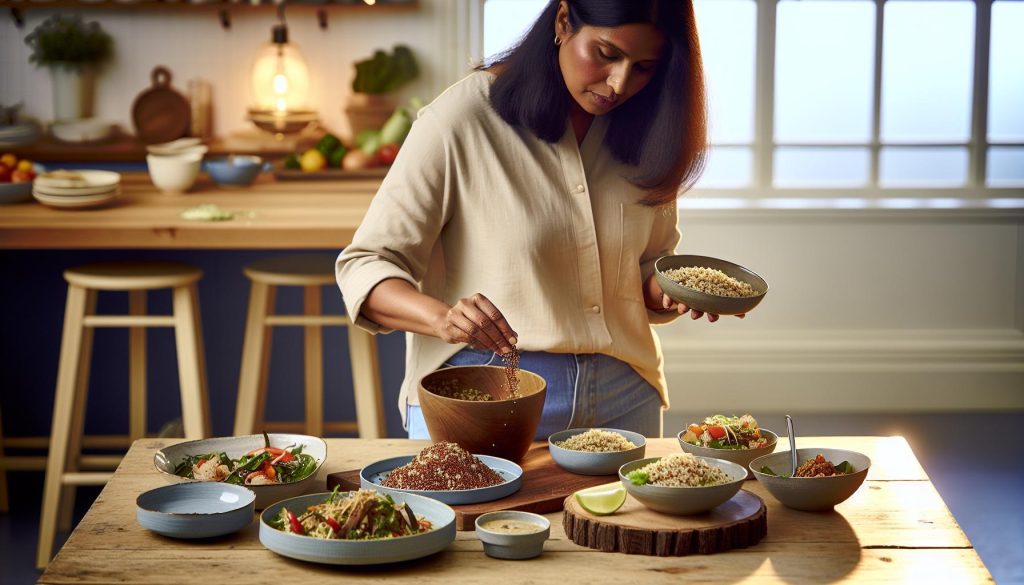
Managing diabetes can often feel overwhelming, especially when it comes to meal planning. Did you know that incorporating wholesome ingredients like quinoa can significantly support blood sugar management? This versatile grain is not only packed with protein and fiber but also offers a low glycemic index, making it an ideal choice for those looking to balance their blood sugar levels. In this article, we’ll explore eight delicious quinoa recipes specially crafted to be blood sugar friendly. These meal ideas are not only nutritious but also easy to prepare, helping you maintain a balanced diet while satisfying your taste buds. Whether you’re a seasoned chef or a novice in the kitchen, you’ll find inspiration to create meals that align with your health goals. Let’s dive in and discover how to make quinoa a staple in your diabetes-friendly diet!
Understanding Quinoa: Nutritional Benefits for Diabetics
Quinoa, often hailed as a superfood, is particularly beneficial for individuals managing diabetes due to its unique nutritional profile. With a low glycemic index, quinoa helps stabilize blood sugar levels, making it an excellent choice for those looking to maintain healthy glucose control. Not only is it rich in protein-providing all nine essential amino acids-but quinoa is also packed with fiber, which aids in digestion and promotes a feeling of fullness, thus potentially reducing overall caloric intake.
Furthermore, quinoa is loaded with important vitamins and minerals, including magnesium, which is known to improve insulin sensitivity and contribute to better blood sugar management. Incorporating quinoa into your diet can be as simple as using it as a base for salads or replacing rice in your favorite dishes. This versatility makes it easy to include in diverse meals, ensuring that nutritional benefits do not compromise flavor.
When preparing quinoa, consider rinsing it thoroughly before cooking to remove saponins, which can impart a bitter taste. To maximize its beneficial properties, opt for cooking quinoa in low-sodium broth or adding a pinch of salt and herbs for enhanced flavor without compromising its health benefits. Remember, while quinoa is a fantastic component of a diabetic-friendly diet, portion control remains essential. Monitoring serving sizes can help in maintaining balance and avoiding excessive carbohydrate intake, supporting overall diabetes management effectively.
Delicious Quinoa Breakfast Ideas to Start Your Day
Quinoa is a versatile superfood that can transform your breakfast routine, especially for those managing diabetes. Packed with protein and fiber, it not only keeps you full but also helps maintain stable blood sugar levels. Starting your day with quinoa provides a nourishing boost, allowing you to fuel your morning while making smart dietary choices.
One delicious option is a quinoa breakfast bowl. Simply cook quinoa in almond milk for added creaminess, then top it with sliced almonds, fresh berries, and a sprinkle of cinnamon. This meal is bursting with antioxidants and flavor, while keeping glycemic impact low. Another great idea is savory quinoa breakfast muffins. Combine cooked quinoa with eggs, spinach, and feta cheese, pour the mix into muffin tins, and bake. These muffins are easy to prepare in advance, making it a breeze to grab a quick, nutritious breakfast on busy mornings.
For those who enjoy smoothies, a quinoa smoothie is an excellent way to incorporate this healthy grain. Blend cooked quinoa with spinach, banana, and a splash of unsweetened almond milk for a refreshing start to your day. The combination of nutrients will not only curb cravings but contribute to effective blood sugar management.
Switching things up can keep breakfast exciting while ensuring you’re meeting your dietary needs. Try quinoa pancakes made with blended quinoa, oats, and egg whites; they’re fluffy and delicious. These options not only taste great but support a balanced diet that empowers you in your diabetes management journey. Remember to always consult with your healthcare provider regarding your specific dietary needs, as individual requirements may vary.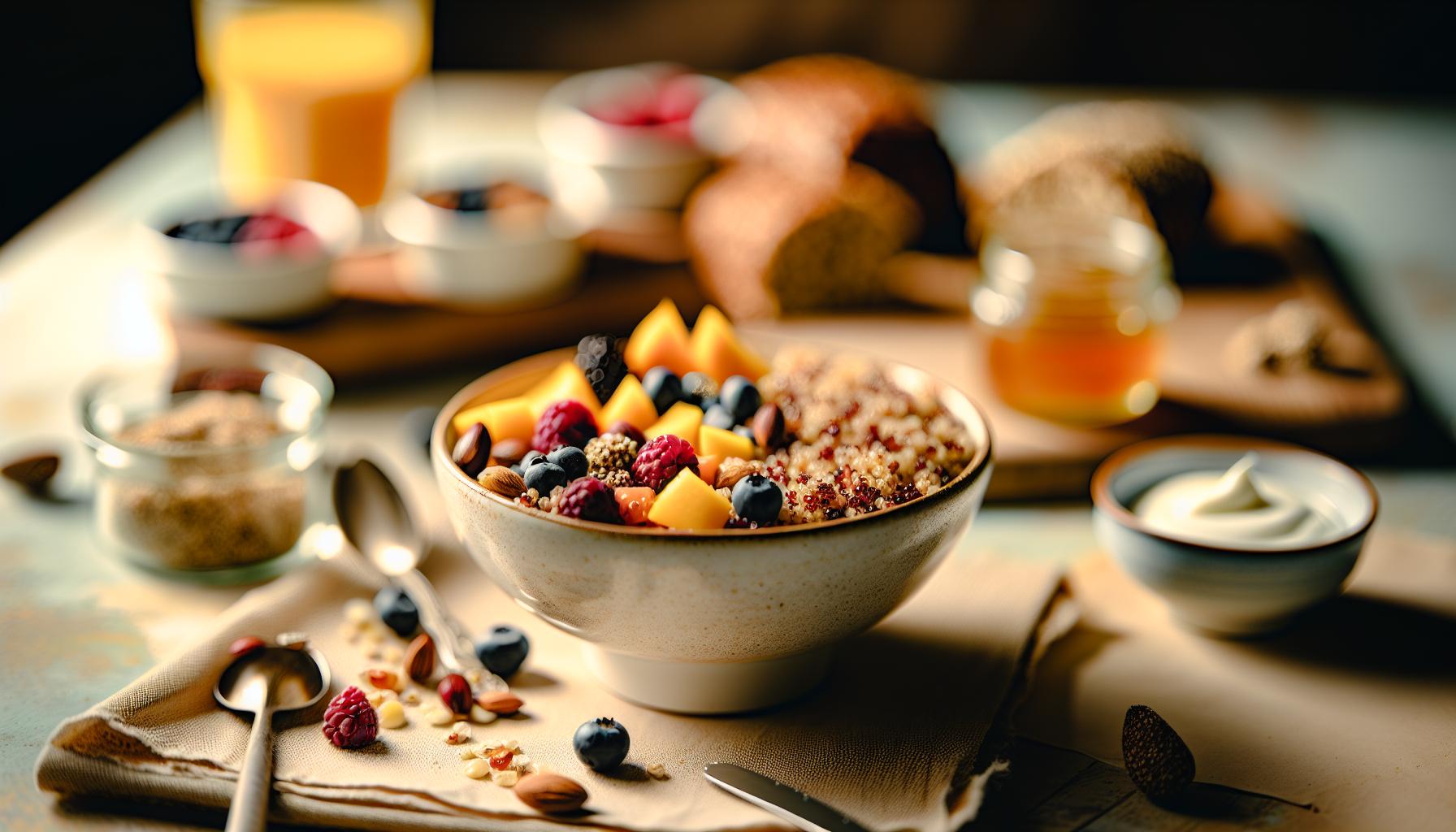
Satisfying Quinoa Lunch Recipes for Energy and Balance
Quinoa is not just a nutritious grain; it’s a valuable ally for maintaining balanced energy levels throughout the day, especially for individuals managing diabetes. Packed with protein and fiber, quinoa helps to stabilize blood sugar levels while providing sustained energy, making it an ideal choice for lunch. Incorporating quinoa into your midday meal not only supports your overall health but also satisfies cravings without the crash associated with high-sugar options.
One satisfying way to enjoy quinoa for lunch is through a quinoa and black bean salad. Combine cooked quinoa with canned black beans, corn, diced bell peppers, and a zesty lime vinaigrette. This salad is not only colorful but also packed with nutrients, offering a delightful mix of textures and flavors, while the fiber helps to keep you full and satisfied. You might also consider a quinoa veggie stir-fry; simply sauté your favorite vegetables such as broccoli, carrots, and bell peppers in a touch of olive oil, then add cooked quinoa and a splash of low-sodium soy sauce or tamari for extra flavor. This dish is quick to prepare and perfect for meal prep, allowing you to enjoy leftovers during the week.
For a heartier option, try making quinoa stuffed bell peppers. Hollow out some bell peppers, mix cooked quinoa with lean ground turkey or plant-based protein, diced tomatoes, and your choice of spices, and then bake until the peppers are tender. This meal provides a balanced combination of protein, fiber, and healthy carbohydrates essential for energy and blood sugar management. The beauty of these recipes lies in their versatility; you can add or substitute ingredients based on what you have on hand, making it easier to maintain a balanced diet on a tight schedule.
Don’t forget about the importance of portion control. Aim for around one cup of cooked quinoa per meal, complemented by plenty of vegetables and a source of lean protein. This approach not only keeps your plate colorful and appealing but ensures you get the nutrients you need to maintain your energy and support your diabetes management goals. Always consult with healthcare professionals to tailor your meal plans to your specific dietary needs, making culinary choices that empower your health journey.
Hearty Quinoa Dinner Options for Blood Sugar Control
Incorporating hearty dinners into your meal plan can significantly aid in managing blood sugar levels for those with diabetes. Quinoa, known for its high protein and fiber content, serves as an excellent base for delicious, filling meals. These meals not only provide essential nutrients but also help stabilize blood sugar levels when combined with lean proteins and plenty of vegetables.
A fantastic option is a quinoa and vegetable casserole. Start with cooked quinoa and mix it with an array of colorful vegetables, such as spinach, zucchini, and carrots. Add in some low-sodium vegetable broth and a sprinkle of cheese for flavor. Bake until everything is heated through and the veggies are tender. This dish is not only comforting but also packed with nutrients and fiber that are crucial for those monitoring their blood sugar.
Another great choice is quinoa-stuffed mushrooms. Opt for large portobello mushrooms or regular button mushrooms, and fill them with a mixture of cooked quinoa, chopped tomatoes, fresh herbs, and a source of protein like chickpeas or ground turkey. Bake these until the mushrooms are juicy and the filling is golden. This meal blends savory flavors with a hearty texture while being low in carbohydrates.
When preparing quinoa dishes, consider leveraging herbs and spices. Not only do they enhance flavor without adding extra calories or salt, but they can bring anti-inflammatory benefits which are advantageous for diabetic individuals. For example, a spiced quinoa pilaf with cumin, turmeric, and coriander can be a tasty side that pairs beautifully with grilled chicken or fish.
As you prepare these meals, be mindful of portion sizes. Aim for about one cup of cooked quinoa per serving, paired with nutrient-dense vegetables and a lean protein source. This balance helps keep meals satisfying without leading to spikes in blood sugar. Remember, consulting with healthcare professionals can provide you with personalized nutrition advice that best suits your dietary needs while navigating diabetes management effectively.
Tasty Quinoa Snacks to Curb Cravings
Quinoa is not only a versatile ingredient for main meals, but it also makes for delightful snacks that can help manage cravings without spiking blood sugar levels. Rich in protein and fiber, quinoa is a smart choice for those needing to maintain balanced glucose levels while enjoying flavorful morsels throughout the day. With a bit of creativity, wholesome quinoa snacks can become a satisfying part of your diabetes-friendly diet.
A popular option is quinoa energy bites, which are both easy to prepare and highly portable. Simply combine cooked quinoa with nut butter, oats, a sweetener like honey or maple syrup, and mix in add-ins like nuts, seeds, or dried fruit. Once the mixture is well-blended, form it into small balls and refrigerate for a quick grab-and-go snack that provides lasting energy without raising blood sugar sharply. These bites can even be tailored to preferences or dietary needs by substituting ingredients as necessary.
Flavorful Quinoa Granola
Another delicious approach to satisfying your snack cravings is by creating a quinoa-based granola. Start with puffed quinoa and combine it with rolled oats, nuts, and seeds. Toss these ingredients together with a drizzle of honey or agave nectar and a sprinkle of cinnamon. Bake the mixture until golden, then let it cool before breaking it into clusters. Enjoy this granola on its own or mix it with yogurt for a nutritious, balanced snack that supports blood sugar management.
Spiced Quinoa Chips
For those seeking something crunchy, consider making your own spiced quinoa chips. Blend cooked quinoa with a little olive oil and your favorite seasonings – try garlic powder, paprika, or chili powder for a kick. Spread the mixture thinly onto a baking sheet and bake until crispy. These homemade chips can be enjoyed with guacamole or salsa, providing both fun and nourishment without too much carbohydrate impact.
Embracing quinoa in your snacking routine not only adds variety but also allows for mindful eating that aligns with diabetes management. The key is to balance these snacks with other food groups like vegetables and lean proteins to prevent blood sugar spikes. As always, work with healthcare professionals to fine-tune your snack choices and portion sizes according to your specific health needs. With the right approach, you can enjoy tasty, quinoa-focused snacks that fit seamlessly into your lifestyle.
Quick and Easy Quinoa Meal Prep for Busy Lives
Quick meal preparation can be the cornerstone of effective diabetes management, especially when it comes to incorporating quinoa into your diet. With its rich protein and fiber profile, quinoa not only keeps you full but also helps stabilize blood sugar levels, making it an excellent choice for those with busy lifestyles. The good news is that quinoa can be prepped ahead of time in versatile, delicious ways that fit seamlessly into your week.
Start by preparing a large batch of quinoa at the beginning of the week-typically, one cup of dry quinoa yields about three cups of cooked quinoa. This can be stored in an airtight container in the refrigerator, ready to be used in various dishes. Consider using this base for multiple meals so that you can mix and match throughout the week. Here are a few practical ideas:
- Quinoa Bowls: Create simple quinoa bowls by layering cooked quinoa with protein sources such as grilled chicken, beans, or tofu, and top with a variety of veggies. Dress with a light vinaigrette for a complete meal.
- Stir-Fries: Add cooked quinoa to stir-fries for a nutritious twist. Toss in a mix of your favorite vegetables and a lean protein, and finish off with a low-sodium soy sauce.
- Soups and Stews: Stir some quinoa into soups or stews for added texture and nutrition. It absorbs flavors beautifully, making it a flavor-packed ingredient.
For those who appreciate a little sweetness, use your prepped quinoa to whip up a nutritious breakfast. Combine it with low-fat yogurt, berries, and a drizzle of honey or a sprinkle of cinnamon for a quick, balanced start to your day. This flexibility not only saves time but also ensures that you have healthy options on hand, minimizing the temptation of less healthy, quick take-out meals that can lead to blood sugar spikes.
Incorporating quinoa into your meal prep strategies supports a balanced diabetic diet while empowering you to make healthier choices amid a bustling schedule. Always consult with your healthcare provider for personalized advice on managing your diabetes through diet, especially when trying new meal prep recipes or adapting serving sizes. By planning ahead and utilizing this versatile ingredient, you can enjoy delicious meals without the stress, allowing you to focus on your health and well-being.
Creative Quinoa Salads Packed with Flavor and Nutrition
Packed with protein, fiber, and essential nutrients, quinoa serves as a fantastic base for salads that not only satisfy your taste buds but also help maintain stable blood sugar levels. The versatility of quinoa allows it to blend seamlessly with a plethora of ingredients, creating colorful, nutrient-dense salads that can be enjoyed as a meal or a side dish. Incorporating a range of vegetables, healthy fats, and lean proteins transforms a simple bowl of quinoa into a vibrant dish that fuels your body and nourishes your spirit.
To create quinoa salads that are both visually appealing and flavor-packed, consider incorporating a mix of fresh vegetables and protein sources. For a Mediterranean twist, combine cooked quinoa with diced cucumbers, cherry tomatoes, red onion, and Kalamata olives. To boost flavor, add crumbled feta cheese and a drizzle of olive oil and lemon juice for a refreshing dressing. Another delightful combination is a Southwest-style salad with black beans, corn, chopped bell peppers, cilantro, and a squeeze of lime for zesty flavor, ensuring your meal is as nutritious as it is inviting.
Here are some other creative ideas to inspire your quinoa salad-making:
- Asian-Inspired Salad: Mix quinoa with shredded carrots, bell peppers, scallions, and edamame. Toss in a ginger-soy dressing and sprinkle with sesame seeds for added texture.
- Autumn Harvest Salad: Combine cooked quinoa with roasted sweet potatoes, dried cranberries, walnuts, and a hint of maple vinaigrette. This salad offers a delightful balance of sweet and savory flavors.
- Green Goddess Salad: Blend quinoa with kale, avocado, green apple, and pumpkin seeds. Top with a creamy dressing made from Greek yogurt, herbs, and lemon juice for a nutritious boost.
It’s important to keep portion sizes in mind, as quinoa is dense in calories, which can affect blood sugar levels. Pair your salads with a lean protein source, such as grilled chicken or chickpeas, to increase satiety and provide essential nutrients. Always consult with your healthcare provider or a registered dietitian for personalized advice on integrating quinoa into your diabetes management plan effectively. With a bit of preparation and imagination, quinoa salads can become a staple in your dietary routine, contributing to both health and enjoyment on your journey to better diabetes management.
Flavorful Quinoa Side Dishes to Elevate Any Meal
Quinoa is not just a superfood; it can also serve as an exquisite side dish that complements any meal while promoting stable blood sugar levels. The nutty flavor and delightful texture of quinoa can elevate traditional sides, making them more nutritious and satisfying. By incorporating quinoa into your meals, you not only boost the nutritional profile but also introduce a versatile ingredient that pairs beautifully with an array of flavors.
One appealing way to serve quinoa is by preparing it as a pilaf. Sauté finely chopped onions, garlic, and seasonal vegetables like carrots or bell peppers in a bit of olive oil until tender. Add rinsed quinoa and vegetable broth, then allow it to simmer until fluffy. This savory side dish can easily accompany grilled proteins or roasted vegetables, providing fiber and essential nutrients that are crucial for blood sugar management.
Quinoa and Roasted Vegetable Medley
Another delicious option involves combining cooked quinoa with roasted vegetables. Choose a mix of colorful veggies – think zucchini, asparagus, and cherry tomatoes. Toss them in olive oil and season with herbs like rosemary or thyme, then roast; once done, mix with quinoa for a hearty, flavorful dish. This simple yet effective combination is a great way to ensure you’re consuming a variety of nutrients, all while keeping your meal low on the glycemic index.
Spiced Quinoa with Chickpeas
Consider a spiced quinoa with chickpeas for a filling side that offers protein and fiber. Begin by cooking quinoa with spices like cumin and coriander for added flavor. Stir in canned chickpeas and a squeeze of lemon juice for brightness. Not only does this dish satiate your appetite, but its high fiber content also aids in maintaining even blood sugar levels, making it a smart choice for those managing diabetes.
Incorporating quinoa as a side dish can truly transform your meals. Experimenting with various spices and ingredients allows you to cater to your taste preferences, all while ensuring your dietary needs are met. As you discover new combinations, remember to consult with a registered dietitian or healthcare provider for personalized advice tailored to your diabetes management plan. By making informed food choices, you empower yourself and contribute positively to your overall well-being.
Cooking Tips for Quinoa: Maximizing Nutritional Value
To truly benefit from quinoa’s impressive nutritional profile, giving attention to its preparation can maximize both flavor and health benefits. One of the first steps is to always rinse quinoa under cold water before cooking. This process removes the naturally occurring saponins, which can impart a bitter taste. Not only does rinsing improve the flavor, but it also ensures that the quinoa is more enjoyable, making it easier to incorporate into various dishes.
In terms of cooking, using broth instead of water can infuse the quinoa with additional flavor. Opting for low-sodium vegetable or chicken broth enhances the taste without significantly increasing the sodium content. This simple switch transforms the base of your meals, turning quinoa into a flavorful addition rather than a bland filler. Beyond just flavor, consider cooking quinoa in a ratio of one part quinoa to two parts liquid, which allows it to absorb the maximum nutrients from the broth.
Moreover, experimenting with cooking times and methods can yield different textures and flavors suited to your meals. While boiling is the most common method, try toasting quinoa in a dry skillet for a few minutes until it becomes golden before adding liquid; this technique brings out a nutty aroma and enhances its taste. Additionally, slow cooking or using a rice cooker can yield perfectly fluffy quinoa without the risk of overcooking.
Consider pairing quinoa with nutrient-dense ingredients such as leafy greens, nuts, and seeds. Mixing in vegetables like spinach or kale not only boosts the nutritional content but also adds vibrant colors and textures, making your meals visually appealing. For those concerned about blood sugar levels, including healthy fats from avocados or olive oil can promote feelings of fullness and aid in blood sugar control.
With these cooking tips, you’re not only preparing quinoa to be a delicious part of your diet but also enhancing its role in effective diabetes management. As always, it’s essential to liaise with healthcare professionals to develop a dietary approach tailored to your specific health needs and lifestyle.
Understanding Portion Sizes for Quinoa in Diabetes Management
Understanding appropriate portion sizes is crucial for effective diabetes management, especially when incorporating nutritious foods like quinoa into your diet. This ancient grain not only offers a wealth of health benefits but also carries carbohydrates that can impact blood sugar levels. Hence, being mindful of how much quinoa you consume can help maintain stable blood glucose levels while still enjoying its unique flavor and texture.
For most adults, a standard serving of cooked quinoa is typically about 1/2 cup. This measurement provides roughly 20 grams of carbohydrates, which can be compared to other carbohydrate sources in your meal plan. It’s important to balance your quinoa intake with other foods to create a well-rounded meal. When planning your plate, consider the following strategies:
- Combine with Lean Proteins: Pair quinoa with grilled chicken, turkey, or legumes. This combination will support satiety and stabilize blood sugar levels.
- Include a Variety of Vegetables: Adding fiber-rich vegetables such as broccoli, spinach, or bell peppers not only enhances your meal’s nutritional profile but also promotes fullness and keeps you satisfied longer.
- Monitor Overall Carbohydrate Intake: If you’re counting carbohydrates, be sure to factor in the quinoa serving along with other carbohydrates consumed throughout the day.
For those less familiar with portion control, it can be helpful to use measuring cups or a food scale initially until you’re comfortable estimating serving sizes. Visual aids, such as using the size of your fist to gauge a serving, can also be effective. Each person’s dietary needs can vary based on factors such as activity level, age, and individual health goals, so consulting with a registered dietitian or healthcare provider can personalize these recommendations.
Incorporating quinoa into meals doesn’t have to be daunting; understanding its impact on your diet can empower you to enjoy it fully without sacrificing your health goals. Balancing your meals with the right portion sizes not only contributes to physical well-being but also provides a sense of control and confidence in managing diabetes.
Incorporating Quinoa into a Balanced Diabetic Diet
can be both rewarding and enjoyable. Quinoa is known for its excellent nutritional profile, including fiber and protein, which can help in maintaining steady blood sugar levels. One of the most appealing aspects of quinoa is its versatility; it can be seamlessly integrated into a variety of meals throughout the day, from breakfast to dinner, supporting a balanced and satisfying dietary routine.
To make the most of quinoa’s benefits, consider using it as a base for meals instead of refined grains. For instance, it can replace rice or pasta in your favorite dishes, making them more nutritious while still delicious. Pairing quinoa with a mix of healthy fats and lean proteins can further optimize its blood sugar control properties. For example, toss quinoa with avocado, black beans, and a squeeze of lime for a refreshing salad. This combination not only adds a burst of flavor but also enhances fullness and stabilizes blood sugar levels due to the healthy fats and fiber present in the avocado and beans.
Another practical approach is to explore various cooking methods and seasoning options to keep your meals exciting. Quinoa can be cooked in vegetable or chicken broth instead of water to add depth of flavor. Experiment with herbs and spices such as turmeric, cumin, or garlic to create flavorful dishes that cater to your taste preferences. Even simple variations, like a quinoa breakfast bowl topped with berries, nuts, and a sprinkle of cinnamon, can provide a nutritious start to your day while managing blood sugar effectively.
It’s also essential to be mindful of portion sizes when incorporating quinoa into your meals. A standard serving is typically 1/2 cup of cooked quinoa, which contains about 20 grams of carbohydrates. Balancing this with other food groups-like non-starchy vegetables and lean proteins-can help create a well-rounded plate. Monitoring your overall carbohydrate intake remains crucial, especially for individuals who are counting carbs. Consulting a registered dietitian can provide personalized guidance tailored to your lifestyle and health goals, ensuring that you enjoy the many benefits quinoa has to offer without compromising your diabetes management.
Expert Advice: Managing Blood Sugar with Diet Choices
Managing blood sugar effectively can feel overwhelming, yet small, deliberate changes in your eating habits can have a substantial impact. When it comes to meals, focusing on food choices that stabilize blood sugar is essential for individuals with diabetes. Quinoa stands out as a particularly suitable option due to its low glycemic index, high fiber content, and rich nutritional profile, making it an ideal staple for blood sugar management.
To harness the benefits of quinoa in your diet, it’s crucial to combine it wisely with other ingredients. Pairing quinoa with healthy fats and lean proteins can enhance its blood sugar-regulating properties. For instance, adding ingredients like olive oil, nuts, or grilled chicken not only adds flavor but also helps slow down carbohydrate absorption into the bloodstream. This balanced approach allows for more stable energy levels throughout the day and minimizes the risk of spikes in blood sugar.
Moreover, portion control is paramount in managing diabetes. Consuming 1/2 cup of cooked quinoa as a serving aligns well with recommended carbohydrate intake. It’s not just about what you eat, but how much you eat, and ensuring that quinoa serves as a part of a colorful, nutrient-dense plate can significantly aid in diabetes management. Include a variety of non-starchy vegetables to bulk up your meal without adding too many carbohydrates, thus promoting fullness and satiety without excess caloric intake.
Staying informed and empowered in your food choices can make managing diabetes feel less daunting. It’s advisable to work closely with a healthcare provider or a registered dietitian who specializes in diabetes care. They can provide personalized meal plans and strategies to optimize your diet based on your specific health needs. Additionally, consider incorporating other essential lifestyle changes, such as regular physical activity and stress management, to complement your dietary efforts, creating a holistic approach to managing blood sugar effectively.
Frequently asked questions
Q: How does quinoa affect blood sugar levels?
A: Quinoa has a low glycemic index, making it a good option for stabilizing blood sugar levels. Its high fiber content slows digestion and helps maintain steady glucose levels, which is beneficial for diabetics aiming for better blood sugar control.
Q: What are some easy quinoa recipes for beginners?
A: Beginners can try quinoa salads with vegetables, quinoa stir-fries with lean proteins, or simple quinoa bowls topped with nuts and berries. These recipes are easy to make and packed with flavor, promoting a balanced diet.
Q: Can quinoa be included in diabetic meal plans?
A: Yes, quinoa can be a healthy addition to diabetic meal plans. It’s rich in protein, fiber, and essential nutrients, making it a versatile grain that helps manage blood sugar levels when portion sizes are controlled.
Q: What are the best types of quinoa for diabetes?
A: There are three main types of quinoa: white, red, and black. All types are nutritious, but red and black quinoa have slightly higher antioxidant levels. Including a variety can enhance the nutritional profile of any meal.
Q: How can I incorporate quinoa into snacks for diabetes?
A: You can make quinoa snack bars with nuts, dried fruits, and a bit of honey. Another option is quinoa bites mixed with vegetables and baked. These snacks provide energy without spiking blood sugar levels.
Q: Is quinoa better than rice for diabetics?
A: Yes, quinoa is generally better for diabetics compared to rice. It has a lower glycemic index, higher fiber, and more protein, which can be beneficial for managing blood sugar and providing sustained energy.
Q: What portion sizes of quinoa are recommended for diabetics?
A: A recommended portion size for quinoa is about ┬╜ cup cooked. Keeping portions controlled is essential for managing carbohydrate intake and blood sugar levels in diabetic diets.
Q: How can I meal prep with quinoa for a week?
A: To meal prep, cook a large batch of quinoa and store it in the fridge. Combine it with assorted veggies, proteins, and healthy fats in airtight containers. This makes it easy to assemble balanced meals throughout the week.
Concluding Remarks
Thank you for exploring our “Quinoa Diabetes Recipes: 8 Blood Sugar Friendly Meal Ideas.” Remember, incorporating these delicious and nutritious quinoa dishes can be a fantastic step toward managing your blood sugar levels effectively. Don’t wait-try these recipes today and take control of your health! If you’re curious about other healthy meal options, check out our guides on “Healthy Snacks for Diabetics” and “Cooking Tips for Managing Diabetes.”
For ongoing support, consider signing up for our newsletter where you can receive more invaluable tips and delicious recipes straight to your inbox. Managing diabetes can be a challenge, but with the right food choices and lifestyle adjustments, you can thrive. Remember, always consult with healthcare professionals to tailor your meal plans to your unique needs. Your journey to better diabetes management starts now-let’s navigate it together!
Quinoa Recipes for Diabetics: Mediterranean Bowls, Saponin Rinsing and Glycemic Load
Curating nutrient-dense quinoa recipes for diabetics allows individuals to enjoy grain-based grain bowls without the post-meal exhaustion caused by white rice or semolina pasta. Rinsing raw quinoa vigorously removes bitter saponins that can cause gut irritation. When simmered in vegetable bone broth and folded with diced Persian cucumbers, Kalamata olives, fresh parsley, extra virgin olive oil, and wild-caught salmon, quinoa delivers sustained satiety with a modest Glycemic Load of just 9.
| Quinoa Recipe Style | Macronutrient Distribution | Net Carbohydrates | Key Metabolic Mechanism |
|---|---|---|---|
| Mediterranean EVOO Quinoa Bowl | High MUFA lipids, moderate protein, high fiber | 16.0 g | Oleic acid delays gastric emptying, flattening glucose absorption |
| Southwest Black Bean & Quinoa Salad | High plant-based protein & resistant starch | 22.0 g | Dual-pulse resistant starch feeds butyrate-producing colonic bacteria |
| Morning Cinnamon Quinoa Porridge | Almond milk, chia seeds, Ceylon cinnamon | 14.0 g | Cinnamon activates insulin receptors; avoids morning dawn spike |
| Commercial Sweetened Quinoa Granola | Maple syrup / agave coating, puffed quinoa | 34.0 g | Avoid: Stripped of matrix; added sugars drive acute hyperglycemia |
Get our latest guides, news, and insights highlighted in your Google Search & AI Overviews.