Pancakes are a beloved breakfast staple, but for those managing diabetes, traditional recipes can often lead to blood sugar spikes. Did you know that with a few simple swaps, you can enjoy delicious pancakes that won’t derail your health goals? By opting for lower-carb ingredients and adding fiber-rich options, you can transform this classic dish into a diabetes-friendly treat. This guide will explore five innovative recipe swaps that cater to your dietary needs while keeping the joy of pancakes alive. Whether you’re cooking for yourself or family members, these alternatives not only satisfy cravings but also support balanced blood sugar levels. Keep reading to discover how easy it is to enjoy pancakes that are both delightful and conducive to diabetes management!
Understanding Diabetics’ Dietary Needs for Pancakes
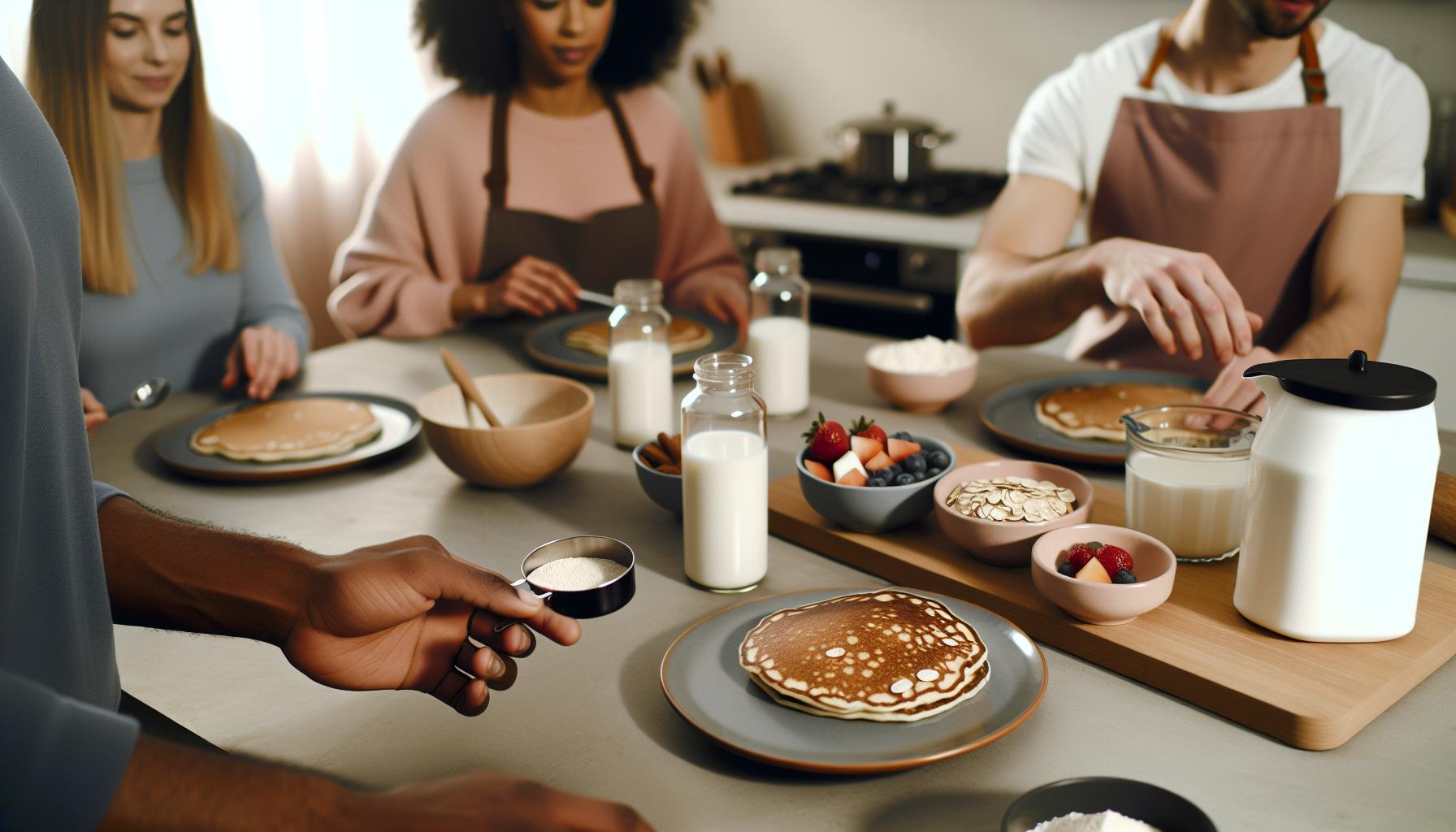
Understanding the dietary needs of individuals living with diabetes is crucial, especially when it comes to beloved comfort foods like pancakes. Many commonly enjoyed pancake recipes can contribute to significant spikes in blood sugar levels due to their high carbohydrate content and refined sugars. However, with thoughtful substitutions and smart ingredient choices, pancakes can be transformed into a blood sugar-friendly meal that still satisfies cravings.
For those managing diabetes, prioritizing ingredients with a low glycemic index (GI) is essential. Low-GI foods release glucose slowly into the bloodstream, helping to maintain stable blood sugar levels. Incorporating whole grains, healthy fats, and proteins can significantly alter the nutritional profile of pancakes. For example, using almond flour or oat flour not only lowers the carbohydrate content but also adds fiber and protein, promoting satiety and reducing the overall glycemic load of the dish. Additionally, including sources of protein, such as Greek yogurt or cottage cheese, into the pancake batter can help balance the carbohydrates and slow down their absorption.
Portion control is another critical aspect of managing dietary intake for those with diabetes. Even when pancakes are made with blood sugar-friendly ingredients, consuming large portions can still lead to undesirable spikes in glucose levels. Thus, being mindful of serving sizes and pairing pancakes with protein-rich or fiber-rich sides, such as eggs or a fresh fruit topping, can create a well-rounded meal that keeps blood sugar in check. As always, individuals should consult with healthcare professionals for personalized dietary advice, ensuring they make the best choices for their unique health needs.
Top Ingredients for Blood Sugar-Friendly Pancakes
Incorporating blood sugar-friendly ingredients in pancake recipes can not only preserve the beloved comfort of this dish but also support the nutritional needs of those managing diabetes. By choosing the right components, pancakes can become a delicious part of a balanced diet. Here are some top ingredients to consider that can help create pancakes that satisfy cravings without compromising health.
Whole Grains for Fiber and Nutrients
Using whole grains is a fantastic way to add nutrition to your pancakes. Instead of traditional white flour, consider substituting with options like whole wheat flour, oat flour, or even buckwheat flour. These flours have a higher fiber content compared to refined alternatives, which helps slow down digestion and can improve blood sugar control. They also provide essential nutrients, including B vitamins and minerals, making pancakes more wholesome.
High-Protein Ingredients
Incorporating high-protein ingredients into pancake recipes can enhance satiety and stabilize blood sugar levels. Adding Greek yogurt or cottage cheese to the batter not only boosts the protein content but also adds creaminess and flavor. Alternatively, you might try including egg whites or a vegan protein powder for a quick nutrient boost without significantly increasing carbohydrate levels.
Healthy Fats for Sustained Energy
Including healthy fats in your pancake mix or as toppings can also contribute to a balanced meal. Chia seeds or ground flaxseed are excellent additions that promote heart health and provide omega-3 fatty acids. These ingredients can be easily mixed into the batter or sprinkled on top before serving. Furthermore, using nut butters like almond or peanut butter as a spread can add extra flavor while delivering healthy fats and additional protein.
Natural Sweeteners
Instead of using refined sugars or syrups, opt for natural sweeteners that have a lower glycemic index. Consider using options like mashed bananas, unsweetened applesauce, or stevia. These alternatives can enhance sweetness without causing significant spikes in blood sugar levels, making pancakes an enjoyable treat.
By thoughtfully selecting these ingredients, individuals with diabetes can create pancakes that are not only enjoyable but also supportive of their health goals. Always remember that consulting with healthcare professionals is essential for personalized dietary adjustments. Happy cooking!
Creative Flours: Best Swaps for Traditional Pancake Mix

Considering alternative flours for pancake recipes can dramatically enhance the nutritional profile of a beloved breakfast classic, especially for those managing diabetes. By swapping out traditional refined flour with creative options, you not only introduce more fiber and nutrients into your diet but also help stabilize blood sugar levels.
A fantastic option to start with is almond flour, which is low in carbohydrates and high in healthy fats and protein. This flour adds a delightful nuttiness to pancakes and can contribute to a feeling of fullness. Another excellent alternative is coconut flour, known for its high fiber content. Due to its absorbent nature, you’ll need to adjust your liquid ratios when using coconut flour, typically increasing the moisture in your pancake mix.
Oat flour can also be a great choice, made simply by grinding rolled oats into a fine powder. It contains beta-glucans, a form of soluble fiber that may help reduce blood sugar spikes. Notably, chickpea flour (also known as gram flour) offers a high protein content and is rich in various vitamins and minerals, lending a unique texture and flavor to your pancakes while also being gluten-free.
By experimenting with these alternative flours, you empower yourself to create delicious, blood sugar-friendly pancakes that meet your dietary needs while still indulging in a classic comfort food. Always remember to consult with healthcare professionals for personalized dietary adjustments, ensuring your pancake creations fit seamlessly into your overall diabetes management plan. Happy cooking!
Natural Sweeteners: Delicious Alternatives to Sugar
Using natural sweeteners can transform your favorite pancake recipes into healthier options, especially for those managing diabetes. Traditional sugars can contribute to blood sugar spikes, but there are many delicious alternatives that not only enhance flavor but also provide a lower glycemic index, helping to maintain stable blood sugar levels. Here are some fantastic natural sweeteners that you can use in your pancake batter.
Natural Sweetener Options
- Stevia: This plant-derived sweetener is a popular choice among those seeking to reduce their sugar intake. Stevia is intensely sweet, so a little goes a long way, and it won’t raise blood sugar levels, making it an excellent option for diabetic-friendly pancakes.
- Erythritol: A sugar alcohol that contains almost no calories and does not affect blood sugar levels. Erythritol has about 70% of the sweetness of sugar and can be easily substituted in pancake recipes.
- Monk Fruit Sweetener: Another natural sweetener that doesn’t spike blood sugar. Monk fruit sweetener is derived from the monk fruit and is about 150-200 times sweeter than sugar, so you can use a very small amount to achieve the desired sweetness.
- Applesauce: Unsweetened applesauce can add moisture and natural sweetness to pancakes. It provides the added benefit of fiber, which is essential for blood sugar management.
- Pureed bananas: Mashed ripe bananas offer natural sweetness and a creamy texture. While they contain natural sugar, using them in moderation can still fit within a blood sugar-friendly diet.
Incorporating these sweeteners into your pancake recipes not only enhances the flavor profile but also aligns with the dietary needs of those living with diabetes. Always remember to adjust the quantities according to your taste preferences; you might be pleasantly surprised by how delicious these alternatives can be. As with any dietary change, consulting with a healthcare professional or a registered dietitian for personalized advice is recommended. Happy baking!
Savory Pancake Variations to Consider for Variety
Pancakes are often thought of as a sweet breakfast treat, but incorporating savory variations can provide a satisfying and nutritious twist while catering to the dietary needs of those living with diabetes. Savory pancakes can be flavorful and hearty, filled with ingredients that offer sustenance without spiking blood sugar levels. These alternatives promote variety and can equal a well-rounded meal, making them perfect for lunch or dinner, too.
One of the simplest ways to create savory pancakes is to swap out the traditional ingredients for protein-rich elements. For instance, consider using chickpea flour as a base. Chickpeas provide excellent protein and fiber, both of which aid in blood sugar control. By mixing chickpea flour with spices like cumin and coriander, you can create a base that pairs beautifully with toppings like sautéed spinach or roasted red peppers.
Another delicious option is zucchini pancakes, made by grating zucchini and mixing it with an egg and a bit of almond or coconut flour. This approach not only adds flavor but also increases vegetable intake, which is a cornerstone of healthy eating for diabetics. Adding herbs such as dill or basil can elevate their taste, and topping them with Greek yogurt instead of syrup can provide a creamy finish without the added sugar.
Don’t overlook the potential of savory pancakes made with eggs. A simple egg-based pancake can be loaded with vegetables such as diced bell peppers, onions, and mushrooms. These egg pancakes are high in protein and healthy fats, keeping you full and satisfied. Serve them with avocado slices for added healthy fats and fiber that support comprehensive blood sugar management.
Finally, think about incorporating spices and flavors that offer additional health benefits. Turmeric-infused pancakes can not only offer a vibrant color but also deliver anti-inflammatory properties. Pairing this with sautéed kale can make for a nutrient-dense meal that enhances overall well-being while keeping blood sugar levels stable.
These savory variations allow for killer flavor and essential nutrients without compromising blood sugar management. Always consider consulting a healthcare professional to tailor these recipes to fit personal dietary needs and enjoy this delightful culinary journey!
Toppings That Enhance Flavor Without Raising Blood Sugar
Enhancing pancakes with toppings that are not only delicious but also blood sugar-friendly can make for a satisfying meal while maintaining healthy glucose levels. It’s essential to think beyond syrup and sugary options; instead, opt for toppings that provide flavor and nutritional benefits without raising blood sugar. For instance, Greek yogurt is an excellent choice. Packed with protein and low in sugar, it can add creaminess to your pancakes without the glucose spikes commonly associated with traditional toppings. Furthermore, adding a sprinkle of cinnamon can enhance flavor while contributing to better blood sugar control, as studies suggest that cinnamon may help improve insulin sensitivity.
Fresh fruits can also be a fantastic way to elevate your pancake game. Choose berries such as strawberries, blueberries, or raspberries as they are lower in sugar and high in fiber compared to other fruits. These can be lightly mashed or served whole for both texture and taste while offering a range of vitamins and antioxidants. If you’re looking for something with a little crunch, consider nuts or seeds. A handful of almonds, walnuts, or pumpkin seeds can add healthy fats and protein, helping to create a more balanced meal. Just be mindful of portion sizes since nuts can be calorie-dense.
For those who enjoy a savory twist, consider topping your pancakes with a dollop of avocado or a sprinkle of feta cheese. Avocado is rich in healthy monounsaturated fats that promote satiety, while feta brings a tangy flavor that complements savory pancakes well. Additionally, incorporating herbs like chives or cilantro can elevate the overall flavor profile, making your pancakes even more appetizing without added sugars.
Lastly, adding homemade fruit compotes or purees can also enhance your pancakes without the sugar overload. Simply simmer fruits like cherries or peaches with a bit of water and spices to create a thick, flavorful sauce. This way, you can enjoy a sweet topping with natural flavors while managing your blood sugar. By thoughtfully selecting toppings, you can transform your pancake experience into a healthy and satisfying meal that aligns with diabetes management. Always consult with healthcare professionals to ensure these options fit well within your dietary needs, making your culinary journey not only enjoyable but also beneficial for your health.
Meal Prep Tips for Convenient Diabetic Pancakes
When it comes to enjoying pancakes while managing diabetes, meal prep is your best ally. By taking the time to prepare in advance, you can ensure that your mornings are stress-free and that your pancakes remain a healthy, blood sugar-friendly option. An effective strategy is to batch-cook pancakes that are tailored to your dietary needs. Preparing a large batch allows you to have fresh, delicious pancakes ready to go, making it easier to stick to your dietary goals without the temptation to stray.
One efficient approach is to use a recipe that incorporates blood sugar-friendly ingredients such as almond flour or oat flour. Cook the pancakes in bulk, and once they’ve cooled, store them in airtight containers in the refrigerator or freezer. To maintain their moisture and flavor, consider placing parchment paper between each pancake if you’re stacking them. This simple step makes it easy to separate them later, ensuring they’re quick to reheat in the microwave or toaster when you need a satisfying breakfast or snack.
For added convenience, you can also prepare a variety of toppings ahead of time. Consider making homemade fruit compote using berries or other low-sugar fruits, which can be stored in the fridge for several days. Alternatively, prep simple toppings like Greek yogurt or nut butter, portioning them into small containers for grab-and-go ease. By having nutritious toppings ready, you’ll enhance your pancakes without the worry of a sugar spike.
Finally, integrating meal prep into your routine can encourage a focus on healthy eating habits. Engage family members in the process, making it a fun activity that promotes togetherness while emphasizing the importance of balanced meals for everyone, not just those with dietary restrictions. Remember to always consult with healthcare professionals for tailored meal suggestions that align with your specific health needs, empowering you to enjoy pancakes and stay in control of your blood sugar levels.
Expert Tips for Cooking Pancakes with Diabetes in Mind
Cooking pancakes that fit into a diabetic-friendly diet can be an enjoyable and rewarding experience, promoting both healthy eating and culinary creativity. Understanding the right approach to ingredient selection, preparation techniques, and cooking methods can transform traditional pancake recipes into delicious options that won’t spike blood sugar levels.
One effective tip is to use low-glycemic ingredients that have a gentler impact on blood sugar. For instance, swapping out regular all-purpose flour for whole grain or nut flours like almond or oat flour can reduce the glycemic load. These flours contain more fiber and nutrients, promoting better digestion and satiety. Additionally, incorporating ingredients like flaxseed meal or chia seeds can boost omega-3 fatty acids and fiber content, further benefiting blood sugar control.
When it comes to preparation, consider using cooking spray or a non-stick skillet to minimize the need for added fats, which can help keep the calorie count low without sacrificing flavor. Cooking pancakes at lower temperatures allows for even cooking and prevents burning, which can create harmful compounds. Finally, experimenting with different savory additions, such as spinach or grated zucchini, not only enhances nutrition but also adds variety to your pancake repertoire.
It’s also important to be mindful of portion sizes when serving pancakes. Sticking to smaller servings can help manage overall carbohydrate intake. Topping your pancakes with fresh berries, a dollop of low-fat Greek yogurt, or a sprinkle of cinnamon instead of syrup can add flavor and health benefits without significantly raising blood sugar levels. Always remember to consult with healthcare professionals for personalized advice and ensure your choices align with your dietary needs, making your pancake breakfast both satisfying and health-conscious.
Healthy Sides That Pair Well with Pancakes
Pancakes can be a delightful addition to a diabetic-friendly breakfast, especially when accompanied by the right sides that enhance nutrition without causing spikes in blood sugar levels. Opting for healthy accompaniments not only complements the pancakes but also transforms a simple meal into a balanced one. By pairing pancakes with nutrient-dense sides, you provide additional fiber, protein, and healthy fats that can help regulate blood sugar while satisfying your palate.
Fruits and Vegetables
Incorporating fresh fruits and vegetables into your meal can add vibrancy to your pancakes while offering essential nutrients. Fresh berries such as blueberries, strawberries, or raspberries are excellent choices; they are rich in antioxidants and low in sugar, making them a blood sugar-friendly option. You can create a warm berry compote by simmering berries with a touch of cinnamon and a splash of water, which can serve as a delightful topping or side.
On the savory side, consider serving pancakes with a side of grilled vegetables, such as zucchini, bell peppers, or spinach. These not only add flavor but also provide additional fiber and vitamins to round out the meal. A simple sauté with olive oil and spices can make these vegetables a delicious complement to your pancakes.
Protein-Rich Additions
Including sources of protein can significantly enhance the balance of your meal. Consider pairing pancakes with a side of scrambled eggs or Greek yogurt. Eggs are a great source of high-quality protein and can keep you feeling full longer, which is crucial for managing hunger and blood sugar levels. If you choose Greek yogurt, opt for the plain, unsweetened variety to avoid unnecessary sugars. You can add a sprinkle of cinnamon or a few berries to it for added flavor.
Another excellent option is to enjoy your pancakes with a small serving of cottage cheese. This dairy product is rich in protein and can stabilize blood sugar levels, making it a perfect pairing. You could also mix in some chopped fresh herbs for a savory kick.
Nuts and Seeds
Adding some nuts or seeds can provide healthy fats and additional protein, which are beneficial for blood sugar control. Sprinkle a handful of walnuts or chia seeds on top or serve them on the side. Walnuts are particularly beneficial due to their high omega-3 fatty acid content, and chia seeds are loaded with fiber, which helps slow digestion and promotes sustained energy levels.
Slicing some almonds or hazelnuts can also provide a satisfying crunch and can be paired with Greek yogurt for a delightful contrast in texture.
By combining pancakes with these nutrient-rich sides, you can create a satisfying and well-rounded meal that aligns with your dietary goals and contributes to effective diabetes management. Always remember to personalize your meal choices based on your preferences and nutritional needs, and consider consulting healthcare professionals for tailored advice.
How to Track Blood Sugar After Enjoying Pancakes
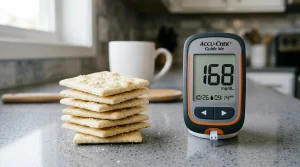
Tracking your blood sugar levels after indulging in pancakes can be an insightful part of managing diabetes effectively. Keeping an eye on how different foods affect your glucose levels allows you to make informed choices that align with your dietary needs and preferences. For many, pancakes can be a delightful treat, but understanding their impact on your body is crucial for maintaining stable blood sugar levels.
To track your blood sugar, begin by testing your levels before enjoying your pancakes. This baseline measurement serves as a reference point. After eating, it’s generally recommended to test your blood sugar at one and two hours post-meal. This helps you identify how your blood sugar responds to the meal. Noticing a significant spike can inform you about necessary recipe adjustments, such as incorporating more fiber-rich ingredients or reducing the use of high-glycemic sweeteners.
Use a Journal or App: Documenting these numbers in a blood sugar log or app can provide valuable insights over time. Tracking patterns helps you identify which pancake recipes and ingredients work best for your body. For instance, you may find that pancakes made with almond flour result in a more stable blood sugar response compared to those made with traditional wheat flour.
In addition, consider how portion sizes might affect your blood sugar. Eating a large stack of pancakes can lead to a higher spike than a smaller serving. By measuring out different portions, you can determine what quantity suits your body best while allowing you to enjoy this breakfast favorite. Remember, it’s essential to discuss any pattern findings or fasting and post-meal levels with your healthcare professional, who can offer personalized guidance tailored to your health needs.
Lastly, it can be helpful to pair your pancakes with protein or healthy fats. These additions can help slow digestion, leading to a more gradual increase in blood sugar levels. Including these elements not just improves your meal’s nutritional profile but also serves as another strategy to manage your glucose levels effectively.
Consulting Healthcare Professionals for Customized Recipes
Navigating a diabetes diagnosis can often feel overwhelming, especially when it comes to making dietary choices that promote health and stability. One impactful strategy is to consult healthcare professionals, which can pave the way for customized recipes that suit individual needs. Specialists such as dietitians and nutritionists can provide tailored guidance, helping you to create pancake recipes that are both delicious and supportive of your blood sugar management goals.
When seeking personalized recipes, consider sharing your preferences, any food sensitivities, and your blood sugar responses to various ingredients. This information will allow healthcare providers to suggest specific flours, sweeteners, and toppings that align with your dietary goals. For example, they might recommend using almond flour for its lower glycemic index compared to regular flour or suggest incorporating chia seeds for added fiber.
Moreover, healthcare professionals can offer insights on portion control and meal timing, which are crucial for maintaining balanced blood sugar levels. Engaging in conversations about your favorite pancake recipes can inspire creative variations that you’ll love. They can also share nutritional information and tips on how to enhance the flavor of your pancakes without compromising on health, such as by adding spices like cinnamon or nutmeg.
By utilizing the expertise of qualified professionals, you empower yourself to make informed culinary choices that support your health journey. Preparing pancakes with specialized advice not only enriches your meals but also reinforces your confidence in managing diabetes effectively.
FAQ
Q: What ingredients should I use for diabetic-friendly pancakes?
A: For diabetic-friendly pancakes, use whole grain flours like almond or oat flour, and natural sweeteners such as stevia or erythritol. Include fiber-rich ingredients, like ground flaxseed, to help stabilize blood sugar levels. Refer to the “Top Ingredients for Blood Sugar-Friendly Pancakes” section for more options.
Q: How can I make pancakes lower in carbohydrates?
A: To make pancakes lower in carbohydrates, substitute traditional flour with almond flour or coconut flour. Consider reducing added sweeteners and incorporating ingredients such as unsweetened applesauce or mashed bananas. Explore more in the “Creative Flours: Best Swaps for Traditional Pancake Mix” section of the article.
Q: Are there specific toppings for pancakes that are low in sugar?
A: Yes, opt for sugar-free options like Greek yogurt, fresh berries, or a drizzle of nut butter for added flavor without the sugar spike. The section “Toppings That Enhance Flavor Without Raising Blood Sugar” discusses various healthy topping ideas.
Q: What type of milk is best for diabetic pancakes?
A: Unsweetened almond milk or low-fat milk are excellent choices for diabetic pancakes as they are lower in carbohydrates and calories compared to whole milk. Find more details in the “Top Ingredients for Blood Sugar-Friendly Pancakes” section.
Q: Can I make savory pancakes for variety in my diet?
A: Absolutely! Incorporate ingredients like spinach, cheese, or herbs to create savory pancakes that are both tasty and low in sugar. This adds variety to your diet while still being blood sugar-friendly. Check out the section “Savory Pancake Variations to Consider for Variety” for more ideas.
Q: How can I prepare pancake meals in advance for convenience?
A: Meal prepping pancakes by making a batch and freezing them can save time. Simply reheat when ready to eat. Store them in airtight containers to maintain freshness. Refer to the “Meal Prep Tips for Convenient Diabetic Pancakes” section for detailed advice.
Q: When should I check my blood sugar after eating pancakes?
A: It’s beneficial to check your blood sugar levels 1-2 hours after eating pancakes to monitor how they affect you. This can help you with meal planning in the future. For more guidance, see the “How to Track Blood Sugar After Enjoying Pancakes” section.
Q: How can healthcare professionals help with creating diabetic-friendly pancake recipes?
A: Consulting healthcare professionals, such as dietitians, can provide personalized advice on developing diabetic-friendly recipes tailored to your dietary needs. They can also offer insights based on medical history. Check the “Consulting Healthcare Professionals for Customized Recipes” section for more information.
In Conclusion
Thank you for exploring our top 5 blood sugar-friendly pancake swaps! We hope these delicious alternatives empower you to enjoy breakfast while managing your diabetes effectively. For more tips on maintaining a balanced diet, check out our articles on “Healthy Snack Options for Diabetics” and “Managing Blood Sugar Levels Through Food Choices.” Don’t hesitate to leave a comment below sharing your favorite diabetic-friendly breakfast ideas, and subscribe to our newsletter for ongoing support and delicious recipes tailored just for you! Remember, staying informed is key-always consult your healthcare professional before making significant changes to your diet. Together, we can make those daily challenges feel a bit lighter. Keep thriving!
Diabetic Pancakes: Low-Carb Almond Flour and Protein Recipe Swaps
Traditional breakfast pancakes made from refined all-purpose flour and drenched in maple syrup represent a metabolic catastrophe, delivering over 80 grams of fast-acting carbohydrates. Fortunately, preparing authentic diabetic pancakes utilizing blanched almond flour, coconut flour, and whey protein isolate yields delicious, fluffy pancakes with under 4 grams of net carbs per serving.
| Pancake Recipe Base | Net Carbs (per 2 pancakes) | Protein Content | Glycemic Response (CGM) | Cooking Performance |
|---|---|---|---|---|
| Almond Flour & Cream Cheese | 3.5 g | 14.0 g | Flat, stable baseline trace | Tender, delicate golden finish |
| Whey Protein Isolate & Egg Whites | 2.0 g | 26.0 g | Negligible glucose rise | Firm, high-protein athletic texture |
| Whole Oat Flour (Blended Oats) | 22.0 g | 6.0 g | Gradual, moderate rise | Dense, hearty traditional crumb |
| Traditional White Flour Mix | 48.0 g | 4.0 g | Severe vertical hyperglycemic spike | Light and airy; high glycemic penalty |
Get our latest guides, news, and insights highlighted in your Google Search & AI Overviews.