Breakfast is often hailed as the most important meal of the day, but for those managing diabetes, it can also be a source of concern. Choosing the right foods is essential for stabilizing blood sugar levels and ensuring a healthy start. Did you know that with just a few ingredient swaps, pancakes can transform into a delicious and diabetes-friendly option? From incorporating whole grains to using low-glycemic fruits, there are plenty of tasty variations to explore. By understanding which pancakes are safe and beneficial, you can enjoy a fulfilling breakfast without compromising your health goals. In this article, we’ll delve into what kinds of pancakes are suitable for a diabetic diet, offering you practical tips and creative ideas that cater to your needs. Don’t miss out on reimagining a breakfast favorite while supporting your journey toward better health!
Types of Pancakes That Are Diabetic-Friendly
When it comes to breakfast, pancakes are a cherished comfort food that can be made diabetic-friendly with just a few smart adjustments. Many people with diabetes may wonder if they have to give up this beloved dish entirely, but there are a plethora of options that not only maintain the deliciousness of traditional pancakes but also support healthy blood sugar levels.
One popular choice for those monitoring their carbohydrate intake is using alternative flours, such as almond flour or coconut flour, which are lower in carbohydrates and higher in healthy fats compared to regular wheat flour. These flours not only contribute to a unique flavor and texture but also add nutritional benefits, such as protein and fiber, helping to keep blood sugar levels more stable. Additionally, incorporating protein-rich ingredients like eggs or Greek yogurt can enhance the pancakes’ satiety factor, making them a more satisfying meal.
Another excellent option is to explore whole grain pancakes made with whole wheat or oats. These grains are packed with fiber and provide a slower release of carbohydrates into the bloodstream, which is essential for managing blood sugar levels effectively. By including ingredients like ground flaxseed or chia seeds, you can boost the fiber content even further while adding a delightful crunch.
Lastly, consider adding nutrient-dense toppings that not only enhance flavor but also contribute to overall health. Fresh berries, for example, are low in sugar compared to other fruits and are rich in antioxidants, making them an ideal addition to your pancake stack. A dollop of Greek yogurt can provide extra protein and probiotics, promoting digestive health. By embracing these diabetic-friendly pancake options, you can enjoy this morning staple without compromising your health.
Understanding Carbohydrates in Pancakes
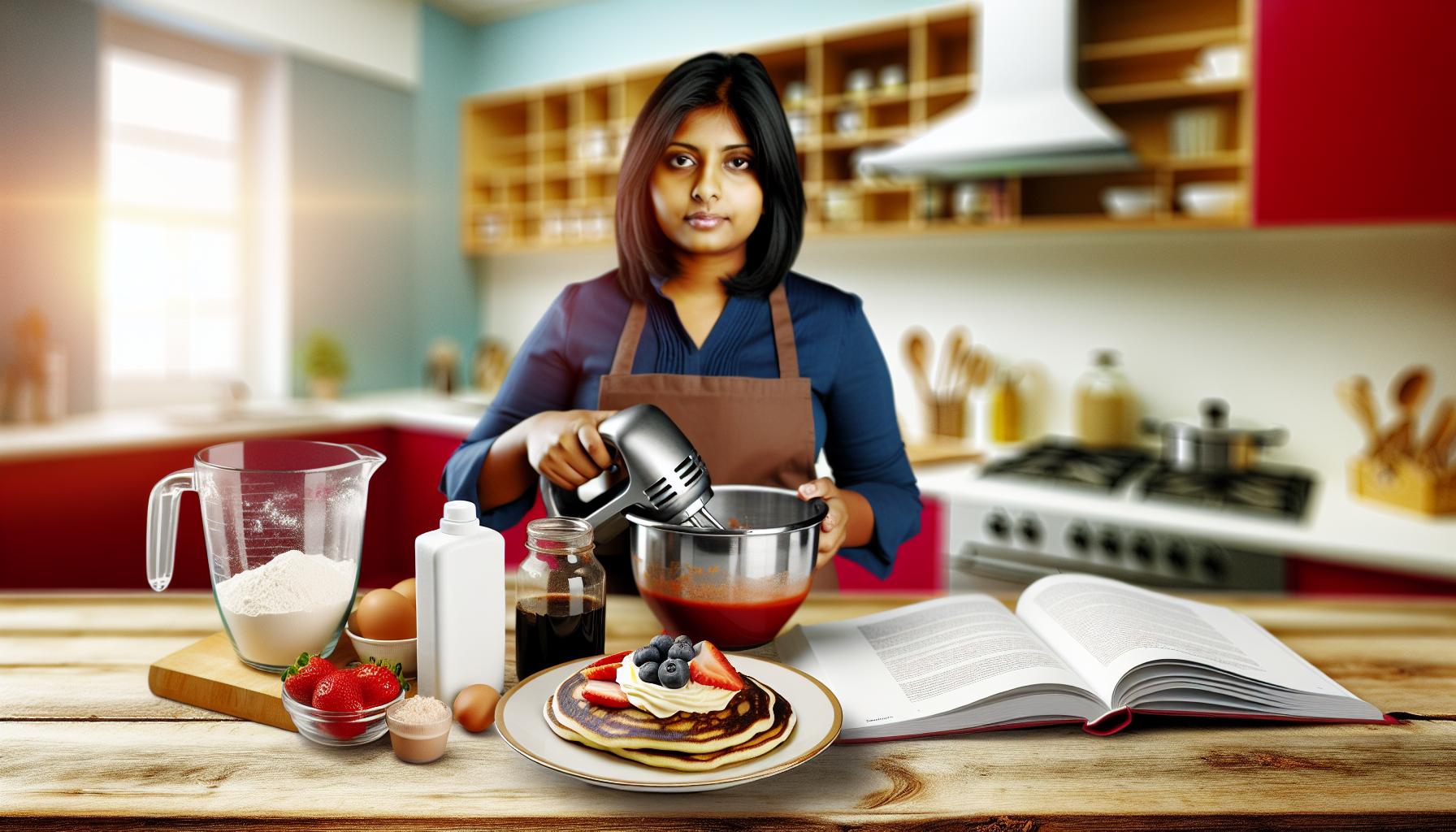
Understanding carbohydrates is essential for those managing diabetes, particularly when it comes to enjoying beloved foods like pancakes. Carbohydrates, which the body breaks down into glucose, can cause spikes in blood sugar levels if not consumed mindfully. It’s vital to distinguish between simple and complex carbohydrates: simple carbs, found in processed sugars and refined grains, can lead to rapid glucose spikes, while complex carbs, such as those found in whole grains and legumes, are digested more slowly, offering a steadier release of energy and a more stable blood sugar response.
When making pancakes, consider the type of flour you choose. Traditional white flour is high in refined carbohydrates and can quickly elevate blood sugar levels. Instead, opt for flours that have a lower glycemic index, such as almond or coconut flour. These alternatives not only contain fewer carbs but also provide healthy fats and protein, which can help regulate blood sugar levels. Incorporating ingredients like oats or whole wheat into your pancake mix can further enhance fiber content, promoting slower digestion and better blood sugar control.
Understanding portion sizes is another crucial aspect. Larger servings can inadvertently lead to higher carbohydrate intake, even when using healthier ingredients. A practical approach is to limit yourself to one or two small pancakes and fill your plate with high-fiber toppings like fresh berries or a dollop of Greek yogurt. This not only adds nutrition but also helps create a sense of fullness, reducing the temptation to indulge in larger serving sizes.
Ultimately, being informed about the carbohydrate content in your pancakes empowers you to make better choices at breakfast. Customizing your recipes with a focus on healthier, low-carb ingredients and understanding how different carbohydrates affect your blood sugar can allow you to enjoy pancakes as part of a balanced diet. Always consult with healthcare professionals or registered dietitians to tailor these guidelines to your individual health needs and to determine an appropriate eating plan that aligns with your diabetes management goals.
Low-Carb Pancake Recipes for Diabetics
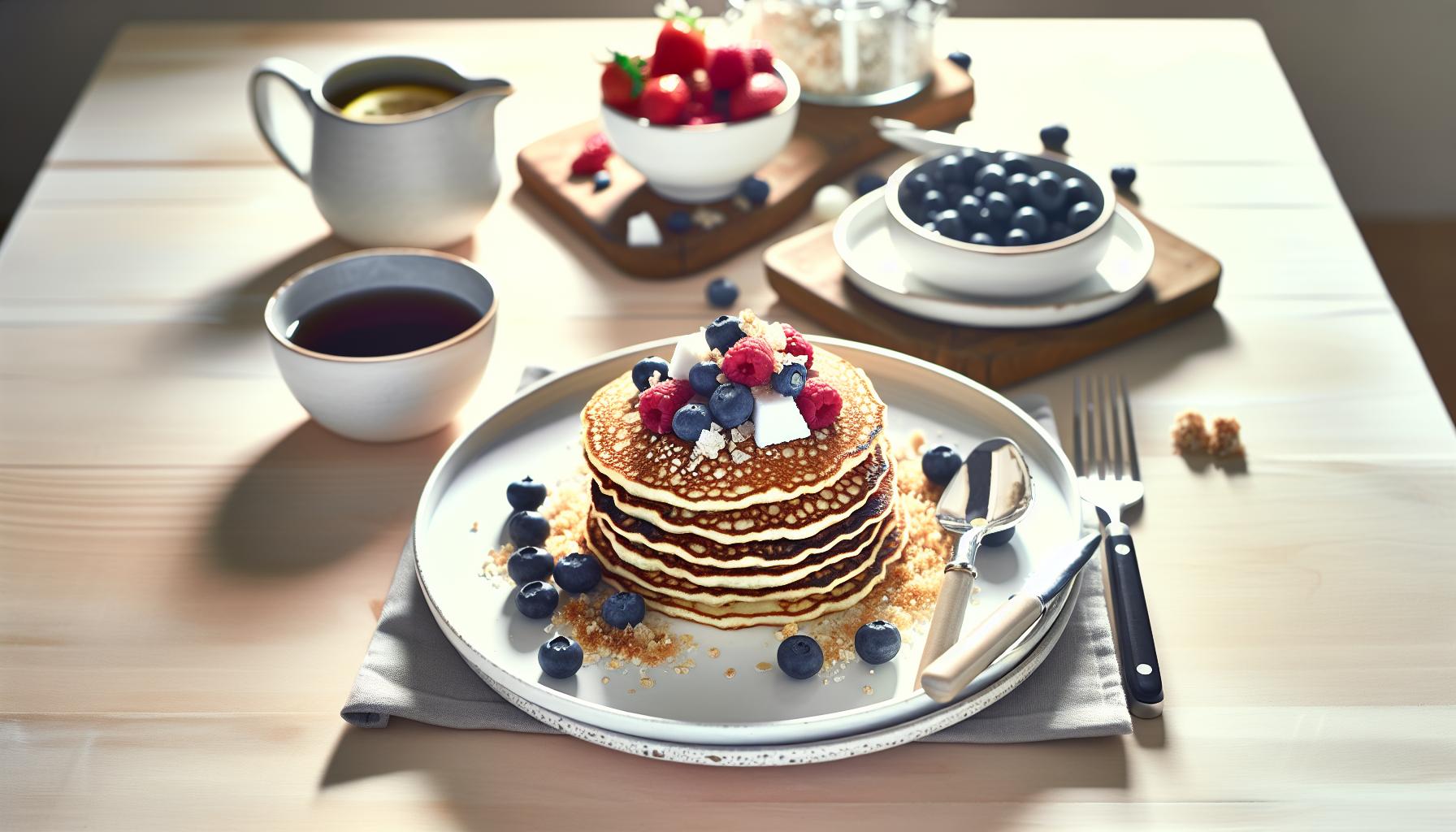
Creating delicious, low-carb pancakes that are friendly for individuals managing diabetes can transform breakfast from a potential blood sugar minefield into a satisfying meal. The good news is that you don’t have to give up on pancakes to maintain healthy blood sugar levels; you can simply modify the ingredients to fit your dietary needs. With a few innovative swaps, you can create meals that are not only nutritious but also delectable.
One popular option for low-carb pancakes is almond flour. Almond flour is rich in healthy fats and protein while being significantly lower in carbohydrates compared to traditional wheat flour. A basic recipe could include 1 cup of almond flour, 2 large eggs, and 1 teaspoon of baking powder mixed together to create a batter that’s both gluten-free and satisfying. Adding a splash of unsweetened almond milk can help achieve the desired consistency. Cook these pancakes on a non-stick skillet for a few minutes on each side, and you have a tasty breakfast option.
Another great choice is coconut flour, which is also a low-carb alternative. Coconut flour absorbs more liquid than almond flour, so it’s essential to include additional liquid in your recipe, such as eggs or unsweetened coconut milk. For a simple pancake recipe using coconut flour, mix ¼ cup of coconut flour, 4 eggs, and a pinch of baking powder. The result is light and fluffy pancakes with a tropical twist.
To enhance the nutritional value of your pancakes, consider incorporating chia seeds or flaxseeds. Both options add fiber and omega-3 fatty acids, which can contribute to better blood sugar management. Simply stir in a tablespoon of either seed into your pancake batter for added health benefits.
Ultimately, when preparing low-carb pancakes, confidence in your ingredient choices is paramount. You can explore different options and customize flavors, ensuring that your breakfast aligns with your personal taste and dietary requirements. Remember, these pancakes can be enjoyed with sugar-free toppings like fresh berries, a dollop of Greek yogurt, or a drizzle of sugar-free syrup, making for a delightful morning treat while you manage your diabetes effectively. Always check with a healthcare professional or a registered dietitian to tailor your dietary choices based on your health needs.
Healthy Toppings for Diabetic Pancakes

Incorporating healthy toppings can elevate the diabetic-friendly pancake experience, turning a simple breakfast into a nutrient-rich delight. While traditional syrups and sugary toppings are often off-limits, there are plenty of delicious, low-sugar alternatives that can satisfy your cravings and support your health. Consider enhancing your pancakes with the following options:
- Fresh Fruits: Top your pancakes with low-glycemic fruits such as berries, including blueberries, raspberries, and strawberries. These fruits not only add natural sweetness but also provide antioxidants and fiber, which can aid in better blood sugar management.
- Greek Yogurt: A dollop of unsweetened Greek yogurt offers a creamy texture and a protein boost. It can also serve as a base for adding other toppings like nuts or seeds.
- Nut Butters: Spread a thin layer of natural almond or peanut butter on your pancakes. These nut butters are rich in healthy fats and proteins, helping to maintain satiety and support insulin sensitivity.
- Seeds: Sprinkle chia seeds or flaxseeds on top for an extra dose of omega-3 fatty acids and fiber. These seeds can help stabilize blood sugar levels while adding a delightful crunch.
- Cinnamon: This aromatic spice not only enhances flavor but may also help improve insulin sensitivity. Dust a bit over your pancakes for added warmth and taste.
- Unsweetened Coconut Flakes: For an interesting texture and flavor, add unsweetened shredded coconut. It can provide healthy fats and a tropical taste without added sugars.
When exploring toppings, it is essential to be mindful of portion sizes. Even healthy options can contribute to overall carbohydrate intake, so balancing quantity with the rest of your breakfast can help maintain stable blood sugar levels. Remember, crafting a satisfying pancake creation goes beyond toppings; these choices allow you to explore flavors while working towards dietary goals.
By personalizing your pancake experience with these healthy toppings, you not only enhance the nutritional value but also foster a sense of enjoyment in your meals. Always consult with your healthcare professional or dietitian to tailor your choices as per your individual health needs, ensuring a safe and pleasurable breakfast journey.
Incorporating Whole Grains for Better Blood Sugar Control
Incorporating whole grains into your pancake recipes can be a game-changer for managing blood sugar levels, especially for those living with diabetes. Unlike refined grains, whole grains retain their natural bran and germ, which provide essential nutrients and dietary fiber. This fiber plays a vital role in stabilizing blood sugar, as it slows the absorption of sugars in the bloodstream, promoting a more gradual rise in glucose levels.
One simple way to introduce whole grains into your pancakes is by substituting traditional white flour with whole grain options such as whole wheat flour, oats, or spelt flour. These choices not only enhance the nutritional profile of your pancakes but also add a delightful nuttiness and texture that can elevate your breakfast experience. For example, using whole wheat flour can lend your pancakes a heartier flavor, while oatmeal can be blended into a fine powder to create a naturally sweet, fluffy base. Consider experimenting with a blend of different grains for added flavor and nutrients.
Another excellent option is to incorporate sources of whole grains that are high in fiber, such as quinoa or brown rice flour. These ingredients can help you create pancakes that are not only satisfying but also rich in protein and essential minerals, contributing to overall health. Adding ingredients like flaxseeds or chia seeds can further enhance the fiber content, offering additional health benefits such as omega-3 fatty acids, which are beneficial for heart health.
It’s essential to remember that portion control is key. While whole grains are healthier than their refined counterparts, maintaining appropriate serving sizes can help manage total carbohydrate intake effectively. Pairing whole grain pancakes with protein sources like Greek yogurt or nut butters can create a balanced meal that supports longer-lasting energy levels and overall blood sugar stability. Always consult with healthcare professionals or dietitians to tailor your dietary choices to your unique health needs, ensuring that your breakfast remains both enjoyable and safe.
Tips for Sugar Substitutes in Pancake Mix
In the world of pancakes, sweeteners can be a double-edged sword, particularly for those managing diabetes. The good news is that there are numerous sugar substitutes that can enhance the flavor of your pancakes without causing significant spikes in blood sugar levels. Understanding the best options to use can empower you to enjoy this beloved breakfast while keeping your health on track.
When selecting sugar substitutes, consider both natural and artificial options. Stevia, derived from the leaves of the Stevia plant, offers a zero-calorie sweetness without raising blood glucose levels. Another excellent natural sweetener is monk fruit sweetener, which is also calorie-free and provides a flavorful alternative to sugar. Both of these options can be used in your pancake mix at a ratio of about one teaspoon per cup of flour, though it’s essential to check the packaging for specific conversion guidelines, as potency can vary.
For those interested in more traditional alternatives, erythritol is a sugar alcohol that contains minimal calories and does not significantly impact blood sugar levels. It can be mixed with other sweeteners to create a rounded flavor profile. Agave nectar and honey should be consumed in moderation, as they can still affect blood glucose levels, but if used sparingly, they might add a satisfying depth to your pancakes.
It’s important to experiment with different substitutes to find what suits your taste buds while considering the overall impact on your blood sugar management. When incorporating these sweeteners, remember that less is often more. Gradually adjusting the amount you use allows you to find the right balance that satisfies your sweet tooth without overwhelming your dietary goals. Always consult with a healthcare professional to evaluate the best options tailored to your specific health needs, ensuring your breakfast choices support your diabetes management efficiently.
Managing Portion Sizes for Breakfast Safety
Managing portion sizes is a critical aspect of maintaining blood sugar levels, especially for those living with diabetes. Eating pancakes can be a delightful and satisfying experience, but it’s essential to ensure that the portion sizes align with your overall dietary plan. Overindulgence-even in healthier, diabetic-friendly pancakes-can lead to spikes in blood glucose levels. So, how do you balance enjoying your favorite breakfast while being mindful of portions?
To start, consider using standard serving sizes as a guideline. Typically, one or two pancakes (around 4 to 6 inches in diameter) can be an appropriate serving for adults. The key is to balance the carbohydrates from pancakes with other components of your meal, such as protein and healthy fats. For instance, pairing pancakes with a protein source like Greek yogurt or a couple of hard-boiled eggs can help slow down carbohydrate absorption-this can be beneficial for blood sugar control.
Another effective strategy is to prepare smaller pancakes. If you make them about 3 inches in diameter, you can enjoy two or three without significantly increasing your carbohydrate intake. This way, each pancake becomes more like a bite-sized treat, allowing for exploration of different flavors and toppings while keeping portions manageable.
Furthermore, keeping track of the nutrition information of your pancake ingredients can help you gauge the impact on your blood sugar better. For instance, if you’re using whole grain flour as a base, noting the carbohydrate content on the packaging will aid you in creating a balanced plate. If you’re not sure what serves you best, seeking guidance from a healthcare professional can provide personalized insight revised to your specific needs and lifestyle, ensuring you remain safe and satisfied with your breakfast choices.
By embracing mindful eating practices and understanding the importance of portion control, individuals with diabetes can enjoy pancakes and other favorite foods without compromising their health. This thoughtful approach not only prevents unwanted glucose spikes but also promotes a healthy relationship with food and dining experiences.
Meal Prep Ideas for Diabetic-Friendly Pancakes
Preparing pancake meals in advance can transform a busy morning into a stress-free breakfast experience, especially for individuals managing diabetes. By planning and prepping your diabetic-friendly pancakes ahead of time, you can ensure a delicious meal that aligns with your dietary needs and maintains stable blood sugar levels. Here are some practical meal prep ideas to incorporate into your routine.
One effective strategy is to make pancake batter in bulk and store it in the refrigerator. You can whisk together your favorite low-carb flour alternatives, such as almond or coconut flour, combined with eggs, baking powder, and a sugar substitute. Keep the batter in an airtight container for up to three days. When you’re ready to enjoy, simply pour the desired portion onto a heated skillet, and you’ll have fresh pancakes in minutes. For smooth texture and richer flavor, consider adding mashed bananas or unsweetened applesauce, which can also help you lower your overall carbohydrate intake while adding natural sweetness.
Another approach is to cook and freeze pancakes as a quick breakfast option. After cooking, allow the pancakes to cool completely. Then, stack them with a piece of parchment paper between each one to prevent sticking, and store them in a freezer-safe bag. When cravings hit, simply reheat them in the microwave or toaster oven for a nutritious meal that’s a breeze to prepare. This method also allows for portion control and easy access to something wholesome without the hassle of cooking each time.
For those looking to spice things up, consider preparing pancake mixes that can be stored dry and easily prepared when needed. Create custom mixes by combining whole-grain flour, baking powder, and your choice of sugar alternatives in a large jar. You can also add in flavors like cinnamon or vanilla for an extra kick. When you’re ready to make pancakes, just mix in wet ingredients like eggs and almond milk. This helps manage blood sugar by controlling portion sizes while allowing flexibility in flavor combinations to keep breakfast exciting and satisfying.
Meal prepping diabetic-friendly pancakes isn’t just about convenience; it’s also about empowering yourself to make healthier choices. By incorporating these strategies, you can navigate your mornings with confidence, ensuring that your breakfast aligns with your dietary requirements and supports your overall health goals. Always remember to consult with healthcare professionals for personalized dietary advice to optimize your meal planning and management strategies.
Breakfast Best Practices for Diabetic Individuals
Start your mornings right with pancakes that not only satisfy your cravings but are also beneficial for blood sugar regulation. Breakfast is a crucial meal, especially for those managing diabetes, as it can set the tone for your blood sugar levels throughout the day. Choosing the right ingredients and techniques can help enhance the nutritional value of your morning pancakes while keeping your health in mind.
When preparing pancakes, consider using low-carb or whole-grain flours like almond flour or oat flour, which release glucose more slowly into the bloodstream. These options offer a higher fiber content, promoting a feeling of fullness and assisting in blood sugar control. Additionally, incorporating protein-rich ingredients such as eggs or Greek yogurt into your pancake mix can support satiety, preventing mid-morning snacking and stabilizing energy levels.
Smart Ingredient Choices
Making thoughtful choices about what goes into your pancakes can lead to better health outcomes. Here are some best practices:
- Monitor Carbohydrate Intake: Keep an eye on the total carbohydrate count in your pancakes. Aim for a serving that fits within your meal plan.
- Use Sugar Substitutes: Opt for diabetic-friendly sweeteners like stevia or erythritol instead of traditional sugars. These alternatives provide sweetness without spiking blood sugar levels.
- Add Fiber: Incorporate high-fiber ingredients like ground flaxseeds or chia seeds to your batter. Fiber not only aids digestion but also helps in regulating blood sugar.
Mindful Eating Strategies
Implementing mindful eating practices can further enhance your breakfast experience. Consider the following:
- Portion Control: Use measuring cups to ensure your pancake portion is appropriate. Eating the right amount helps avoid unwanted blood sugar spikes.
- Meditate on Your Meal: Take a moment to enjoy your food. Chewing slowly and appreciating each bite can help you recognize when you’re full, reducing the likelihood of overeating.
- Pair with Other Nutrients: Serve your pancakes with a side of protein or healthy fats, such as peanut butter or a few slices of avocado, to balance the meal and keep you satiated longer.
Taking a proactive approach to breakfast can empower you in managing your diabetes effectively. By choosing healthier ingredients and practicing mindful eating, you can enjoy delicious pancakes without compromising your health. Always consult with a healthcare professional for personalized dietary advice tailored to your specific needs.
The Role of Fiber in Pancakes and Blood Sugar Management
Fiber plays a significant role in blood sugar management, making it an essential component to consider when preparing pancakes, especially for those with diabetes. Including fiber in your pancake recipe can lead to slower digestion and absorption of carbohydrates, resulting in more stable blood sugar levels. Foods high in fiber create a feeling of fullness, which can help in moderating portion sizes and reducing the urge to snack excessively later in the day.
For pancake lovers looking to maintain their health while enjoying delicious breakfasts, incorporating high-fiber ingredients is a smart strategy. Consider adding ground flaxseeds, chia seeds, or oats to your pancake batter. These ingredients not only enrich the pancakes with fiber but also provide beneficial nutrients that support overall health. For example, chia seeds offer omega-3 fatty acids which are beneficial for heart health, while oats are high in beta-glucan, a type of soluble fiber known to help lower cholesterol levels.
When preparing pancakes, aim to blend the fiber-rich components into your recipes creatively. Instead of traditional flour, try using whole-grain flours or nut flours that naturally contain higher fiber content. You might also consider keto-friendly options that emphasize low-carb ingredients but still incorporate fiber-rich elements like coconut flour or almond flour. To keep your pancakes nutritious and satisfying, experiment with adding fruits-such as blueberries or mashed bananas-which not only provide sweetness but also increase fiber intake.
Remember, while focusing on fiber, it’s critical to consult with healthcare professionals regarding your individual dietary needs, especially if managing diabetes. They can offer personalized advice and help shape a balanced meal plan, ensuring that your dietary choices contribute positively to your health. With these dietary strategies, you can enjoy your pancakes while effectively managing your blood sugar levels.
Customizing Pancakes for Personal Taste and Health Needs
Finding a way to enjoy pancakes while managing diabetes can feel like a daunting task, but customizing your recipes can create delicious breakfasts tailored to your tastes and health needs. Whether you’re craving sweet, savory, or something in between, there are endless possibilities to make pancakes satisfying and enjoyable without compromising blood sugar control.
Start by choosing the right base for your pancakes. Instead of conventional all-purpose flour, explore alternatives such as almond flour, coconut flour, or whole wheat flour. These options typically have a lower glycemic index and are higher in fiber, which can help stabilize blood sugar levels. If you’re also watching carbohydrate intake, consider making pancakes from ingredients like ground oats or chickpea flour, which not only provide unique flavors but also beneficial nutrients.
Incorporating flavorful and nutritious mix-ins can further enhance the taste of your pancakes while aligning with health goals. For instance, adding a handful of nuts or seeds, like walnuts or chia seeds, provides healthy fats and protein, contributing to a feeling of fullness. You can also integrate chopped vegetables, such as spinach or zucchini, for savory pancakes that are rich in vitamins and minerals. For those with a sweet tooth, consider mixing in lower-glycemic fruits like blueberries or sliced strawberries, both of which add natural sweetness along with essential antioxidants.
Lastly, don’t overlook toppings and sauces. Instead of traditional syrup, which is often high in sugar, try drizzling pancakes with unsweetened Greek yogurt, a dollop of nut butter, or a sprinkle of cinnamon for added flavor without all the added sugars. You might also experiment with sugar-free syrups or homemade fruit sauces made from blended fruits without added sugars to keep your meal both delicious and diabetic-friendly.
Remember, customizing your pancake recipes to fit your personal health needs is key to making every meal enjoyable and satisfying. As always, consult with a healthcare professional to ensure that your dietary choices are appropriate for your specific health situation, empowering you to enjoy your favorite breakfast while effectively managing your diabetes.
Consulting with Healthcare Professionals for Diabetic Diet Advice
While many people may feel overwhelmed by the multitude of dietary guidelines surrounding diabetes, engaging with healthcare professionals can provide clarity and direction. Medical experts such as registered dietitians, diabetes educators, and physicians are invaluable resources when navigating the complexities of a diabetic diet, especially for enjoying favorites like pancakes. Personalized dietary advice is crucial, as it takes into account individual health needs, lifestyle factors, and varying responses to different foods.
Healthcare professionals can offer specific insights into managing blood sugar levels through food choices and portion control. For example, a dietitian may recommend focusing on ingredients with a low glycemic index-like almond flour or whole grains-for pancake recipes. They can also help educate on the impacts of specific types of carbohydrates and how they affect blood glucose levels. Additionally, regular consultations can help monitor dietary habits and progress over time, ensuring tailored adjustments as needed.
It’s also beneficial to maintain open communication with your healthcare team regarding medication, physical activity, and overall diabetes management. For instance, discussing how your pancake meal fits into your broader meal plan can help in estimating insulin doses or oral medication requirements. They can advise on reading food labels effectively, recognize hidden sugars in pre-packaged mixes, and explore suitable sugar substitutes for beloved recipes.
Ultimately, collaborating with qualified professionals not only empowers individuals with diabetes but also enhances their confidence in making safe dietary choices. If you’re unsure about certain ingredients or recipes, do not hesitate to seek guidance-taking an active role in your health management is both beneficial and empowering. With the right support, enjoying delicious pancake breakfasts can be both safe and satisfying.
Faq
Q: What are the best flour alternatives for diabetic-friendly pancakes?
A: Almond flour, coconut flour, and whole wheat flour are excellent alternatives for making diabetic-friendly pancakes. These flours have lower carbohydrate content compared to regular flour and offer more fiber, which can help regulate blood sugar levels. Consider incorporating these flours into your pancake recipes for a healthier option.
Q: How can I reduce sugar in pancake recipes for diabetics?
A: To reduce sugar in pancake recipes, use sugar substitutes like stevia or erythritol, which are low-calorie and have minimal impact on blood sugar. Additionally, incorporating mashed bananas or unsweetened applesauce can add natural sweetness without the added sugar. Check the section on sugar substitutes for more tips.
Q: Are store-bought pancake mixes safe for diabetics?
A: Some store-bought pancake mixes can be high in sugar and refined carbohydrates. Look for brands specifically labeled as “low-carb” or “diabetic-friendly.” Always check the ingredient list for added sugars and high glycemic ingredients. Consider making pancakes from scratch for more control over ingredients.
Q: Can I add fruits to pancakes, and which ones are best for diabetics?
A: Yes, you can add fruits to pancakes. Opt for low-glycemic fruits such as berries, cherries, or apples. These fruits are packed with nutrients and fiber and have a lesser impact on blood sugar levels. Just be mindful of portion sizes to maintain blood sugar stability.
Q: How do portion sizes affect blood sugar levels in diabetic pancakes?
A: Portion sizes greatly affect blood sugar levels. Consuming larger amounts of any carbohydrate, even diabetic-friendly pancakes, can lead to spikes in blood sugar. Aim for smaller portions and pair pancakes with protein or healthy fats to help control glucose levels. Refer to the section on managing portion sizes for guidance.
Q: What are some healthy toppings for diabetic pancakes?
A: Healthy toppings for diabetic pancakes include Greek yogurt, fresh berries, a sprinkle of nuts, or a drizzle of sugar-free syrup. Avoid high-sugar sauces and toppings, as they can elevate blood sugar levels. Explore the section on healthy toppings for more ideas.
Q: How can fiber in pancakes help control blood sugar levels?
A: Fiber helps slow down digestion, leading to a more gradual release of glucose into the bloodstream, which can prevent spikes in blood sugar. Incorporating high-fiber ingredients such as oats or whole grain flour in your pancake recipes can be advantageous. Check the role of fiber section for more insights.
Q: When should diabetics eat pancakes for the best blood sugar control?
A: For optimal blood sugar control, diabetics should consider eating pancakes as part of a balanced breakfast that includes protein and healthy fats. Avoiding pancakes on an empty stomach can prevent rapid glucose spikes. Refer to best practices for breakfast for more tips.
Future Outlook
As we wrap up our exploration of what kind of pancakes diabetics can enjoy, remember that flavorful, safe breakfast options are within your reach! With the right ingredients, you can savor delicious pancakes without the worry of blood sugar spikes. For more tasty and diabetes-friendly recipes, check out our collection of low-carb pancake ideas and discover easy ways to incorporate fiber-rich foods into your meals.
Don’t let diabetes limit your culinary creativity-take action today by trying out these recipes! If you have any questions or want to share your own experiences, feel free to comment below. For ongoing tips and resources on managing diabetes, subscribe to our newsletter and stay informed. Your journey to delicious and healthy eating starts now, so explore related articles about mindful eating and effective meal planning for diabetes. Your health is too important to leave to chance!
Get our latest guides, news, and insights highlighted in your Google Search & AI Overviews.