
Did you know that homemade spaghetti sauce can be a delicious way to control blood sugar levels? Those living with diabetes often face challenges in managing their diet, especially when it comes to enjoying flavorful meals. The good news is that you don’t have to sacrifice taste for health. In “Spaghetti Sauce for Diabetics: Low-Sugar Recipes That Satisfy,” we’ll explore a range of easy-to-make, low-sugar sauce recipes designed to enhance your pasta dishes without compromising your health. By focusing on fresh ingredients and smart substitutes, these recipes will help you satisfy your cravings while supporting your diabetes management. So, whether you’re prepping family dinners or treating yourself, you’ll find that healthy eating can be both enjoyable and fulfilling. Dive in to discover how you can enjoy rich, hearty spaghetti sauces that fit seamlessly into your diabetic lifestyle.
Understanding Diabetes and Sugar Impact
Understanding how diabetes interacts with sugar is crucial for managing this condition effectively, especially when it comes to meal planning and food choices. When you have diabetes, maintaining stable blood sugar levels is essential, as fluctuations can lead to a variety of health complications. One fascinating aspect is how different sources of carbohydrates, particularly sugars found in food, can significantly affect blood glucose levels. By choosing low-sugar alternatives, like those in your spaghetti sauce, you can create satisfying meals without compromising your health.
A clear grasp of glycemic index (GI) is beneficial in this context. GI measures how quickly a food causes blood sugar to rise. Foods with a low GI value are digested more slowly, leading to a gradual increase in blood sugar levels-ideal for those managing diabetes. For instance, a spaghetti sauce made from whole, fresh ingredients rather than processed options can lower the sauce’s overall GI, hence providing better management of blood sugar post-meal.
Moreover, it’s vital to consider the overall composition of your meals. Combining carbohydrates with proteins and healthy fats can slow down the absorption of sugar into your bloodstream. This is particularly important when selecting ingredients for your spaghetti sauce. Incorporate healthy fats, like olive oil, and proteins from lean sources, which not only enhance flavor but also stabilize blood glucose levels.
Lastly, understanding portion sizes is an integral part of managing diabetes effectively. Be mindful of how much sauce you serve and how it complements your pasta choice, opting for whole grain or plant-based varieties that are usually lower in simple sugars. It’s always a good idea to consult healthcare providers for personalized advice tailored to your specific dietary needs, paving the way for a balanced approach to exploring low-sugar options without sacrificing taste or nutrition.
The Joy of Cooking: Low-Sugar Ingredients

Incorporating low-sugar ingredients into your cooking is not just beneficial-it’s an empowering way to take control of your health while enjoying the culinary delights of home cooking. For those managing diabetes, understanding how to select and use low-sugar options can transform meals, making them as satisfying and delicious as traditional recipes. By choosing fresh, whole foods over processed options, you can significantly decrease the sugar content of your dishes without sacrificing flavor.
Tips for Selecting Low-Sugar Ingredients
When creating spaghetti sauce or any dish, focus on the base of your sauce. Start with canned or fresh tomatoes, which are naturally low in sugar and high in flavor. Opt for whole tomatoes that you can crush or diced tomatoes without added sugars. In addition to tomatoes, consider using the following low-sugar ingredients:
- Garlic and onions: These aromatics add depth to your sauce and contain minimal sugar.
- Herbs and spices: Basil, oregano, thyme, and crushed red pepper enhance flavor without adding calories or sugar.
- Vegetables: Bell peppers, mushrooms, and zucchini can provide texture and nutrients while keeping sugar levels low.
- Healthy fats: Use olive oil or avocado oil to provide richness without unneeded sugars found in some ready-made sauces.
Creative Ingredient Swaps
Exploring alternatives that can enhance your cooking experience goes a long way. For example, instead of adding sugar to balance acidity, consider using a dash of balsamic vinegar or a sprinkle of cinnamon, which can achieve a similar outcome without raising blood sugar levels. Additionally, the inclusion of unsweetened tomato paste can intensify flavor while keeping sugar content low.
By making careful ingredient selections, you encourage not only a healthier lifestyle for yourself but also for your loved ones. Meal preparation can be an opportunity to educate family members about diabetes-friendly choices, supporting them in adopting balanced habits. Remember, professional guidance from healthcare providers is crucial when navigating dietary needs and personal adjustments-working together can empower you to explore this culinary journey while prioritizing your health.
In summary, the joy of cooking with low-sugar ingredients lies not only in the delicious meals you create but also in the understanding that these choices contribute positively to your diabetes management. Through mindful selection of ingredients, you can cook up healthful versions of classic recipes that satisfy both the palate and your wellness goals.
Top 5 Low-Sugar Spaghetti Sauce Recipes

Delicious spaghetti sauce can still be part of a diabetes-friendly diet, and creating low-sugar versions allows you to enjoy rich flavors without the added sugar that can spike blood glucose levels. Here are five satisfying and simple low-sugar spaghetti sauce recipes that prove you can indulge while keeping your health in mind.
For an Italian-inspired Marinara, sauté garlic and onions in olive oil until fragrant, then add crushed tomatoes, fresh basil, oregano, and a pinch of red pepper flakes. Simmer for at least 30 minutes to allow the flavors to meld. This sauce is not only low in sugar but also brimming with antioxidants from the fresh ingredients.
Consider a Mushroom and Spinach Sauce for a delightful earthy flavor. Begin by cooking chopped onions and garlic, then add sliced mushrooms and spinach. Pour in a can of unsalted, diced tomatoes and season with thyme, black pepper, and a touch of balsamic vinegar for a hint of sweetness without the sugar. This option is not only nutritious but elevates your meal with added texture and depth.
Try a Roasted Red Pepper Sauce for a unique twist. Blend roasted red peppers with garlic, a splash of vegetable broth, and nutritional yeast for a cheesy flavor without the calories or sugar. Heat the mixture on the stove, adding a dash of smoked paprika for a subtle kick. Serve this vibrant sauce over whole-grain pasta or spiralized vegetables for a wholesome meal.
If you’re looking for something creamy, a Low-Sugar Tomato Cream Sauce can be a delicious alternative. Combine plain Greek yogurt with diced tomatoes, sautéed garlic, and fresh herbs like basil and parsley. Gently heat the mixture, but be careful not to boil to prevent curdling. This sauce offers a creamy texture while keeping sugar levels in check, making it a satisfying choice.
Finally, a Balsamic Tomato and Zucchini Sauce utilizes fresh seasonal veggies beautifully. Sauté zucchini, garlic, and onion, then add cherry tomatoes and a splash of balsamic vinegar. Let it simmer until the tomatoes burst and thicken into a sauce. It’s refreshing and loaded with vitamins while remaining low in sugar.
These recipes demonstrate that low-sugar spaghetti sauces can be varied, flavorful, and satisfying. Always consult with healthcare professionals for personalized dietary advice, and enjoy experimenting in the kitchen to find your favorite combinations while managing diabetes effectively.
Creative Ways to Customize Your Sauce
Incorporating flavorful ingredients into your spaghetti sauce can transform a simple meal into a gourmet experience, leaving you feeling satisfied without the addition of sugar. One innovative method to customize your sauce is by adding vegetable purees. For instance, blending cooked carrots, zucchini, or even butternut squash can enhance the sauce’s sweetness and texture without raising sugar content. These vegetables not only contribute rich flavors but also pack nutrients that support overall health.
Another excellent way to personalize your sauce is by experimenting with herbs and spices. Fresh herbs like basil, oregano, and parsley can dramatically shift the flavor profile, making each iteration feel unique. Additionally, spices such as cumin or a pinch of cinnamon can add warmth and depth. Consider incorporating a bit of crushed red pepper flakes for a touch of heat or smoked paprika for a nuanced smokiness.
Texture alterations can also add an interesting twist; for example, sautéed mushrooms or grated carrots impart a delightful body to the sauce. If you prefer a smoother consistency, using an immersion blender can create a lovely creaminess without relying on heavy creams or sugars.
Lastly, don’t forget to consider the protein element. Adding ground turkey, chicken, or textured vegetable protein can turn your sauce into a hearty dish while keeping it nutritious. These additions can help maintain balanced blood sugar levels by including protein alongside your carbs.
Through these creative adjustments, you can ensure that your low-sugar spaghetti sauce remains varied and delicious while respecting your health goals. Always make sure to discuss any dietary changes with your healthcare provider to tailor your meals effectively to your personal health needs.
Glycemic Index: What You Need to Know
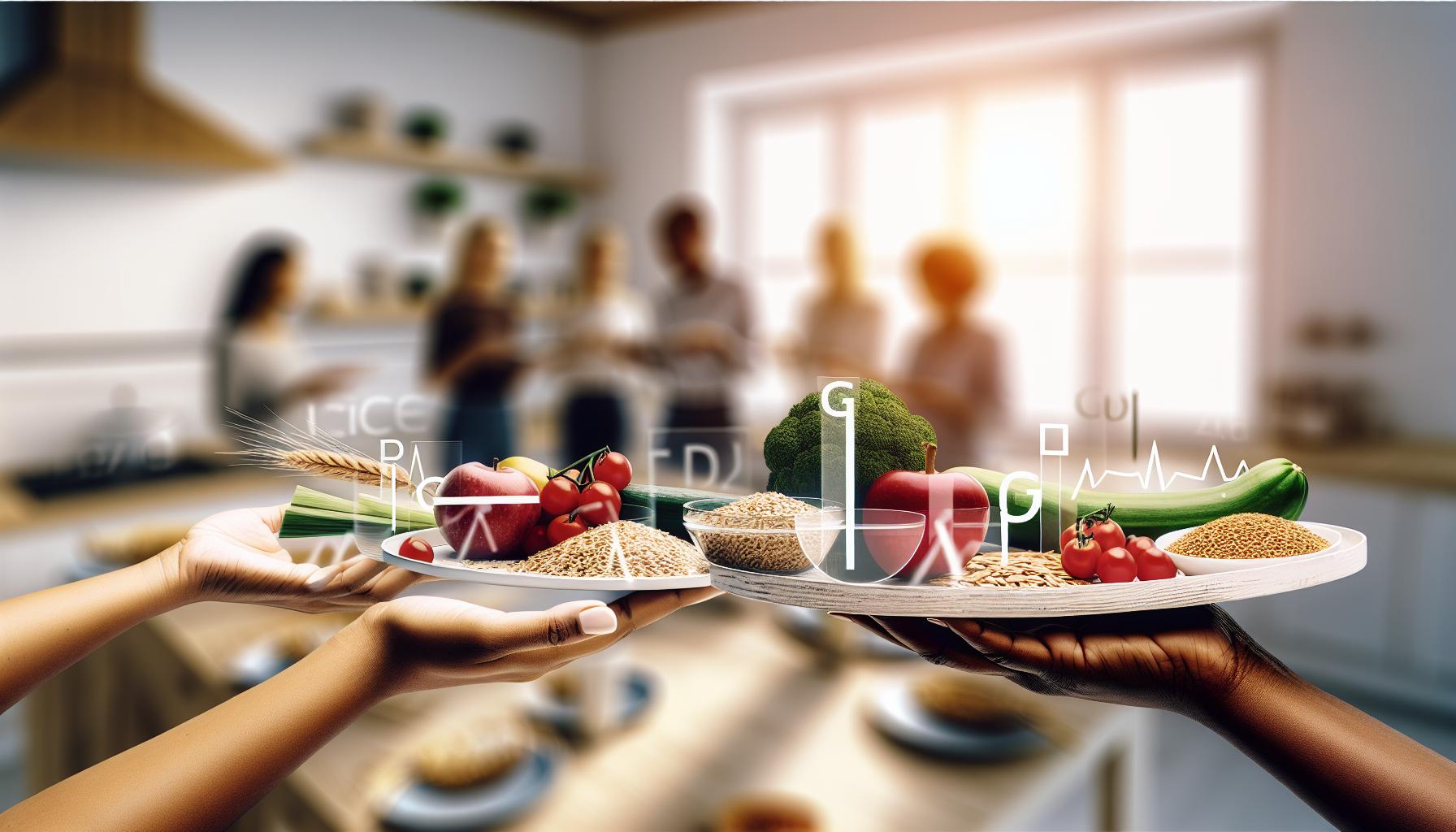
Understanding the glycemic index (GI) can be a game-changer for individuals managing diabetes, as it provides valuable insight into how different foods can affect blood sugar levels. The GI ranks carbohydrates on a scale from 0 to 100, based on how quickly they raise blood glucose after consumption. Foods with a high GI (70 and above) typically lead to rapid spikes in blood sugar, while those with a low GI (55 or below) result in a slower, more gradual increase, making them better choices for blood sugar management.
When preparing low-sugar spaghetti sauces, selecting ingredients with a low to moderate glycemic index can help keep blood sugar levels stable. For instance, tomatoes, the primary ingredient in most spaghetti sauces, carry a low GI of around 38. This means that using tomatoes as a base is advantageous, as they provide flavor, nutrients, and antioxidants without causing significant blood sugar spikes. Additionally, incorporating low-GI vegetables like bell peppers, zucchini, and onions can enhance the sauce’s nutrition while maintaining a balanced glycemic load.
Practical Tips for Low-Glycemic Sauces:
- Choose Whole Ingredients: Opt for whole, unprocessed items whenever possible. Fresh vegetables and herbs enhance the flavor naturally without added sugars or preservatives.
- Mind Your Carbs: When adding starchy ingredients like pasta, consider whole grain or legume-based options, which have a lower GI compared to traditional white pasta.
- Portion Control: Even with low-GI foods, portion sizes matter. Keeping servings reasonable can help manage overall carbohydrate intake.
Furthermore, combining carbohydrates with protein and healthy fats can slow digestion, resulting in a more moderated blood sugar response. Therefore, including protein-rich ingredients like lean ground turkey or chicken, and healthy fats such as olive oil, in your spaghetti sauce can provide both satiety and stable glucose levels.
Always remember, individual responses to foods can vary widely, and it’s crucial to monitor blood sugar levels and adjust dietary choices accordingly. It is highly recommended to work with a healthcare provider or a registered dietitian to create a personalized meal plan that considers both the glycemic index and individual health goals. Embracing the GI concept while preparing meals can empower you to make better food choices, leading to improved blood sugar control and overall well-being.
Cooking Techniques for Flavorful Sauces
To create spaghetti sauces that are not only low in sugar but also packed with flavor, employing the right cooking techniques makes all the difference. One of the most effective methods is to enhance the natural sweetness of vegetables through caramelization. When you sauté onions, garlic, and bell peppers in a bit of healthy olive oil, their sugars gradually intensify, contributing depth and richness to your sauce without adding extra sweeteners. This process not only adds flavor but also increases the nutritional profile of your dish.
Building Layers of Flavor: An excellent spaghetti sauce thrives on layers of flavor. Start with a flavorful base; consider incorporating herbs like basil, oregano, and thyme early into your cooking process. Allow these herbs to bloom in the heat, which releases their essential oils and enhances their taste. As you add your main ingredients, such as crushed tomatoes and other vegetables, be mindful of incorporating spices like red pepper flakes, black pepper, or even a touch of smoked paprika for nuance. These can add depth and complexity to your sauce without impacting its sugar content.
Another technique to consider is the use of acid to balance flavors. As your sauce simmers, a splash of balsamic vinegar or a squeeze of fresh lemon juice can brighten the dish and provide a lovely contrast to the rich, savory notes. The acidity not only enhances the overall flavor but also makes the sauce feel more vibrant and fresh.
Finally, simmering your sauce slowly allows the various ingredients to meld together, creating a harmony of flavors. While cooking, keep the heat low and give your sauce ample time to simmer-this not only enhances its taste but also allows for the development of a more robust texture. If your schedule allows, letting your sauce sit overnight can further deepen its flavors, making it even more satisfying when served.
With these cooking techniques, you empower yourself to create delicious spaghetti sauces that adhere to dietary needs while providing satisfaction for every meal. Always remember to monitor your blood sugar responses and collaborate with a healthcare provider or dietitian to tailor your recipes to your individual health goals. This ensures that your journey through cooking and managing diabetes is both enjoyable and effective.
Essential Kitchen Tools for Diabetic Cooking
Cooking for diabetes can be a rewarding experience, particularly when you have the right tools at your disposal. High-quality kitchen tools streamline the preparation and cooking processes, making it easier to create delicious low-sugar spaghetti sauces that can enhance your meals while keeping your blood sugar levels in check.
A good set of knives is essential for efficiently chopping vegetables, herbs, and other ingredients. A chef’s knife, paired with a cutting board, allows for precise and safe cuts, making it easier to sauté onions, garlic, and bell peppers to enhance their natural sweetness. Investing in a reliable chef’s knife also minimizes prep time, freeing you to focus on creating flavors that satisfy your taste buds while adhering to your dietary needs.
Measuring Tools for Portion Control
Accurate measurement is crucial in diabetic cooking. Utilizing measuring cups and spoons ensures that you are adhering to serving sizes, especially when dealing with ingredients that can affect blood sugar levels, such as certain vegetables or starches. A kitchen scale can also be beneficial for weighing ingredients, providing you with the precision needed to avoid excess carbohydrates in your sauces.
Another invaluable tool is a food processor. This device can save you time when mincing garlic or blending vegetables into a smooth sauce, allowing you to explore various textures and flavors in your spaghetti sauces. Alternatively, an immersion blender lets you puree large batches right in the pot, making it a convenient choice for sauces that require a creamy consistency without added sugar.
Smart Cooking Appliances
To further simplify your cooking process, consider using appliances such as slow cookers or pressure cookers. These tools not only save on cooking time but also enhance the flavors of your ingredients by slowly melding them together. For example, a slow cooker can simmer your spaghetti sauce for hours, creating a rich and robust flavor profile that is hard to beat.
Incorporating a thermometer is also a smart addition to your toolkit; ensuring that the temperatures of your ingredients and sauces remain within safe and palatable ranges can prevent any cooking mishaps.
Whether you are just starting your cooking journey or have honed your skills, having the right kitchen tools can make a world of difference in managing diabetes while enjoying your meals. As always, remember to collaborate with a healthcare professional or dietitian to create a meal plan that meets your individual health goals and dietary requirements, ensuring your cooking experience is both enjoyable and health-focused.
Tips for Pairing Sauce with Healthy Pastas
When it comes to creating a balanced meal that satisfies your pasta cravings and aligns with diabetes management, the right sauce can elevate even the simplest of dishes. By pairing low-sugar spaghetti sauces with healthy pasta options, individuals managing diabetes can enjoy flavorful meals without compromising their dietary needs. Choosing pasta with a lower glycemic index (GI) can help regulate blood sugar levels while still offering a comforting dining experience.
To start, consider using whole grain or legume-based pastas. Whole grain pasta, made from whole wheat flour, retains the fiber from the grain, which aids in digestion and helps control blood sugar spikes. On the other hand, legume-based pastas, such as chickpea or lentil pasta, are not only high in protein but also lower in carbohydrates compared to traditional pasta. This can be beneficial for those monitoring their carb intake.
Pair your pasta with tomato-based sauces enriched with vegetables. A homemade marinara sauce loaded with bell peppers, onions, and garlic not only enhances flavor but also adds nutrients. You can further boost your meal by incorporating lean protein sources like grilled chicken, shrimp, or a sprinkle of beans, making the dish more satisfying and helping to maintain stable glucose levels.
When selecting sauces, be mindful of store-bought options, as they often contain added sugars that can increase the glycemic load. Opt for sauces labeled as “no added sugar” or try crafting your own sauce at home. This allows you to control the ingredients and tailor flavors to your liking, ensuring a delicious meal that’s also diabetes-friendly.
By thoughtfully pairing sauces and pastas, you can create satisfying meals that align with your dietary goals. Be sure to consult with a healthcare professional for personalized advice that suits your health needs, helping you make informed choices in your culinary journey.
Storing and Reheating Your Spaghetti Sauce
Storing your homemade spaghetti sauce properly is essential not only for maintaining flavor but also for ensuring it’s safe and healthy for your dietary needs, especially when managing diabetes. Once your low-sugar sauce has cooled, transfer it to airtight containers, which help prevent air exposure that can lead to spoilage or off-flavors. Glass jars or BPA-free plastic containers are excellent choices; they are easy to seal and don’t leach harmful chemicals into your food.
When refrigerating, your sauce can last up to five days. For longer storage, consider freezing portions. Freezing makes it easy to portion out servings for quick meals later. Simply pour the sauce into freezer-safe containers or heavy-duty freezer bags, leaving some space for expansion as the sauce freezes. Label each container with the date, ensuring you use the oldest sauce first to avoid waste, a practice known as FIFO (First In, First Out).
When it’s time to enjoy your sauce, reheating can be done effectively in several ways. Microwave reheating is quick and convenient-simply transfer your sauce to a microwave-safe bowl, cover it loosely, and heat in 30-second intervals, stirring in between, until heated through. For a more flavorful option, reheating on the stovetop can enhance the sauce’s taste. Place the sauce in a saucepan over low to medium heat, stirring occasionally until it reaches your desired temperature. If the sauce appears too thick after freezing, add a splash of low-sodium broth or water to restore its consistency.
Being proactive about storing and reheating your sauce can help you maintain a healthy dietary regimen while managing diabetes. By making these practices part of your cooking routine, you’ll not only extend the life of your meals but also ensure that you have delicious, satisfying options readily available that match your health goals. Always remember to consult with healthcare professionals regarding any meal planning or dietary adjustments to align with your individual health needs.
Meal Prep: Easy Low-Sugar Meal Ideas
Meal prep can significantly ease the challenges of managing diabetes, especially when it comes to maintaining a low-sugar diet. Simplifying your cooking routine allows you to focus on essential nutritional choices while ensuring that satisfying meals are readily available. Incorporating low-sugar spaghetti sauce into your meal prep can not only boost flavor but also contribute to better blood sugar control.
Start by preparing a batch of your favorite low-sugar spaghetti sauce, focusing on fresh ingredients and minimizing added sugars. Consider blending ripe tomatoes, fresh herbs, and spices like garlic and onion for depth of flavor without the carbs from traditional sauces. Store your sauce in individual-sized portions in freezer-safe containers, making it easy to grab a meal any day of the week. To add variety, think about integrating different proteins such as grilled chicken, turkey meatballs, or tofu, which can be cooked in bulk and paired with the sauce for deliciously balanced meals.
Another practical tip is to combine your low-sugar sauce with alternatives to regular pasta. Opt for spiralized zucchini, spaghetti squash, or whole grain pasta, which generally have a lower glycemic index than standard pasta options. This not only keeps your meals within a healthy carbohydrate range but also introduces additional vitamins and fiber.
To streamline your weekly meal preparation, designate a day to batch cook. Set aside a few hours to make your sauce and various vegetables or proteins, and store them in labeled containers. This effort will help prevent the temptation of unhealthy takeout or processed foods during the week. The empowering aspect of meal prep is that it reinforces your control over your dietary choices, aligning your meals with your health goals and making it simpler to enjoy tasty, diabetes-friendly dishes. Always consult with healthcare professionals for personalized guidance in your meal planning to ensure it suits your specific health needs.
Navigating Grocery Shopping for Diabetic-Friendly Ingredients
Navigating the grocery store can often feel daunting, especially when trying to make diabetic-friendly choices. However, with a little knowledge and preparation, you can turn grocery shopping into a strategic and empowering experience that supports your health goals. The key lies in understanding labels, knowing what to look for, and making informed decisions as you shop for ingredients perfect for low-sugar spaghetti sauce and other diabetic-friendly meals.
Start by becoming familiar with nutrition labels. Look for sauces labeled “no added sugar” or “sugar-free,” but don’t be fooled by marketing terms like “light” or “reduced fat,” which can still contain high sugar levels. Check the nutrition facts for total carbohydrates and sugars. A low-sugar product typically has less than 5 grams of sugar per serving. When it comes to spaghetti sauces, products rich in tomatoes and vegetables without excessive sweeteners or preservatives are ideal. Fresh or canned tomatoes in their own juice, rather than tomato products with added sugars, can significantly boost both flavor and nutrition.
Incorporate seasonal produce into your meals to enhance taste and nutrient content. Visit the produce aisle to pick fresh herbs like basil, oregano, and parsley, which can elevate your low-sugar sauce without the need for added sugars. When shopping, prioritize whole foods and ingredients that are less processed. Consider experimenting with different varieties of onions, garlic, and bell peppers, which can provide natural sweetness and depth to your sauce.
To make your shopping experience even more efficient, consider creating a grocery list that focuses on insulin-friendly ingredients. Build your list around vegetables, lean proteins, whole grains, and healthy fats. Here’s a quick guide to consider:
- Vegetables: Spinach, zucchini, carrots, bell peppers
- Proteins: Chicken breast, turkey, tofu, lentils
- Healthy Fats: Avocado, olive oil, nuts
- Whole Grains: Quinoa, whole grain pasta
Staying accountable to your health journey often means shopping strategically. When you fill your cart with wholesome ingredients, you’ll be more equipped to create delicious and balanced low-sugar meals, perfect for any day of the week. Remember, seeking the right guidance from healthcare professionals is crucial for personalized advice that suits your individual needs. Empower yourself with knowledge, and make grocery shopping a positive aspect of your diabetes management routine!
Seeking Professional Guidance for Diabetes Management
Seeking professional guidance can significantly enhance your journey toward effective diabetes management, especially when it comes to making dietary choices like low-sugar spaghetti sauces. Engaging with healthcare professionals such as endocrinologists, registered dietitians, and certified diabetes educators can provide tailored insights that address your unique needs. These experts can help decode the complexities of sugar intake, portion sizes, and carbohydrate counting, enabling you to maintain balanced blood sugar levels while enjoying delicious meals.
It’s essential to cultivate a support system that includes professionals who emphasize the importance of individualized care. A registered dietitian can guide you through the process of crafting nutritious low-sugar recipes, helping to balance flavors while keeping glycemic impact in mind. They can also assist in developing meal plans that incorporate seasonal produce, Lean proteins, and whole grains, providing practical strategies to enhance your spaghetti sauce with healthful ingredients. Moreover, seeking regular follow-ups with your healthcare team allows for ongoing adjustments to your management plan, ensuring that you stay on track and informed.
In addition to food choices, it’s crucial to discuss other lifestyle considerations with your medical team. Monitoring your blood sugar levels regularly, understanding how different ingredients affect your body, and learning about diabetic-friendly cooking techniques are all valuable aspects of comprehensive diabetes management. Furthermore, if you have pets, consulting with veterinarians regarding pet diabetes can help create a holistic approach to health within your household.
Ultimately, your healthcare team plays a vital role in empowering you to make informed decisions regarding your dietary habits. By leveraging their expertise, you’ll not only navigate grocery shopping and meal preparation more confidently but also take proactive steps toward your long-term health goals. Remember, the journey of managing diabetes is more effective when approached collaboratively-so reach out, ask questions, and embrace the abundant resources available to you.
FAQ
Q: What are some common low-sugar ingredients to use in spaghetti sauce for diabetics?
A: Common low-sugar ingredients include fresh tomatoes, garlic, herbs like basil and oregano, and onion. Using unsweetened tomato paste or crushed tomatoes can also reduce sugar content. Consider adding non-starchy vegetables, such as bell peppers or mushrooms, for added nutrition and flavor while keeping sugar low.
Q: How can I make spaghetti sauce flavorful without using sugar?
A: Enhance flavor by using fresh herbs, spices, and aromatic vegetables like onions and garlic. Incorporating ingredients like balsamic vinegar or a splash of lemon juice can add depth without adding sugar. Experimenting with a variety of herbs will also boost flavor profiles significantly.
Q: Are there store-bought spaghetti sauces that are low in sugar?
A: Yes, many brands offer low-sugar or no-added-sugar spaghetti sauces. Look for options labeled “sugar-free,” “no added sugars,” or “low carb.” Always check the nutrition labels to ensure they fit within your dietary guidelines and avoid excessive carbohydrates.
Q: What should I pair with low-sugar spaghetti sauce to keep my meal diabetic-friendly?
A: Pair low-sugar spaghetti sauce with whole grain or legume-based pasta for higher fiber content, which can help manage blood sugar levels. Spiralized vegetables like zucchini or spaghetti squash can also serve as low-carb alternatives, adding nutrients and volume to your meal.
Q: How can I store homemade low-sugar spaghetti sauce effectively?
A: Store homemade low-sugar spaghetti sauce in an airtight container in the fridge for up to four days or freeze it for longer preservation. Make sure to label and date your containers to keep track of freshness, and thaw completely before reheating.
Q: What cooking techniques help retain flavor in diabetic spaghetti sauces?
A: Techniques such as roasting vegetables before adding them to your sauce can enhance their natural sweetness and flavor. Using slow cooking can also blend and intensify the flavors of the ingredients, while adding spices gradually allows for better flavor control.
Q: Can I use non-tomato bases for spaghetti sauce that are diabetic-friendly?
A: Yes, alternatives like cauliflower puree, pureed mushrooms, or vegetable broth can create a unique base for low-sugar sauce. These options often have fewer carbohydrates and calories, making them suitable for diabetic diets while also providing delicious flavors.
Q: What are some easy meal prep ideas with low-sugar spaghetti sauce?
A: Prepare batches of low-sugar spaghetti sauce to use in meal prep by portioning them out in containers. Pair them with various protein sources, such as grilled chicken or beans, and whole grain or vegetable pasta. This approach ensures quick, healthy meals throughout the week while keeping sugar intake in check.
The Way Forward
Thank you for exploring “Spaghetti Sauce for Diabetics: Low-Sugar Recipes That Satisfy!” You’ve discovered delicious ways to enjoy spaghetti sauce without compromising your health or taste. Remember, managing diabetes can be delicious, and with the right recipes, you can indulge in your favorites while keeping your sugar levels in check. Don’t wait-try out these recipes today and share your favorites with us in the comments!
To dive deeper into diabetic-friendly meals, check out our guides on meal planning for diabetes management and quick low-carb snacks that fit seamlessly into your lifestyle. Don’t forget to sign up for our newsletter for more delightful recipes and expert advice straight to your inbox. Your journey towards better health and enjoyable meals starts now-let’s embark on it together, ensuring you have the tools and support you need to thrive.
Get our latest guides, news, and insights highlighted in your Google Search & AI Overviews.