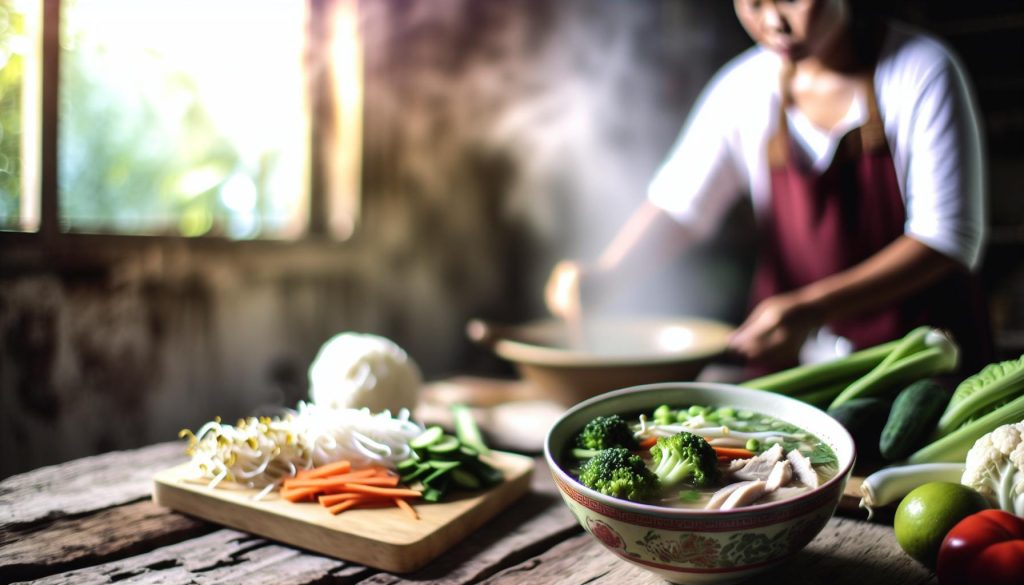
Did you know that Pho, a beloved Vietnamese noodle soup, can be adapted to fit a diabetic-friendly diet? This comforting dish not only warms the soul but can also be a nourishing option for those managing blood sugar levels. As many struggle with the challenge of balancing delicious flavors with health-conscious choices, creating healthier versions of traditional recipes like Pho can make a significant difference in their meal planning.
In this guide, we’ll explore how to modify Pho ingredients to boost its health benefits while maintaining its authentic taste. Whether you’re a diabetic looking to enjoy a comforting meal or a family member supporting a loved one’s dietary needs, this recipe can help you navigate daily challenges with ease. Let’s dive into the world of healthy Vietnamese cuisine and discover how you can savor every bowl of Pho without compromising your health!
Understanding Pho: A Diabetic’s Comfort Food Guide
Pho-the aromatic Vietnamese noodle soup-has gained popularity not only for its delightful taste but also for its comforting qualities. For diabetics, pho can be a versatile dish that, when prepared thoughtfully, supports a balanced meal. Understanding how to navigate the traditional ingredients and modify them can transform pho into a guilt-free comfort food that fits within a diabetic-friendly diet.
To enjoy pho without compromising blood sugar levels, it’s essential to be mindful of the noodles, broth, and additional toppings. Traditionally made from rice noodles, these can spike blood sugar if consumed in large portions. Opting for whole grain noodles or reducing the amount of noodles while increasing protein and vegetable servings can help manage carbohydrate intake. Additionally, cooking with lower sodium broth and using lean proteins like chicken or tofu can further enhance the dish’s health profile.
Flavorful herbs like basil, cilantro, and green onions not only add palate-pleasing zest but also provide various health benefits, including anti-inflammatory properties. Incorporating these herbs can elevate the meal without adding additional calories or sugars. Moreover, experimenting with spices like ginger and turmeric can further enrich flavor while supporting overall well-being.
For those preparing pho at home, consider meal prepping your ingredients. Keep your broth, proteins, and vegetables ready to combine when hunger strikes. Portion control is key; using smaller bowls can help manage servings, making it easier to enjoy this delightful dish without derailing dietary goals. Lastly, when dining out, ask for less noodles and more vegetables, ensuring that pho can remain a joyous part of your culinary repertoire while respecting your dietary needs.
Consulting with a dietitian can provide personalized strategies and modifications for your pho recipe, ensuring that it serves as a rewarding comfort food while effectively aligning with your diabetes management plan.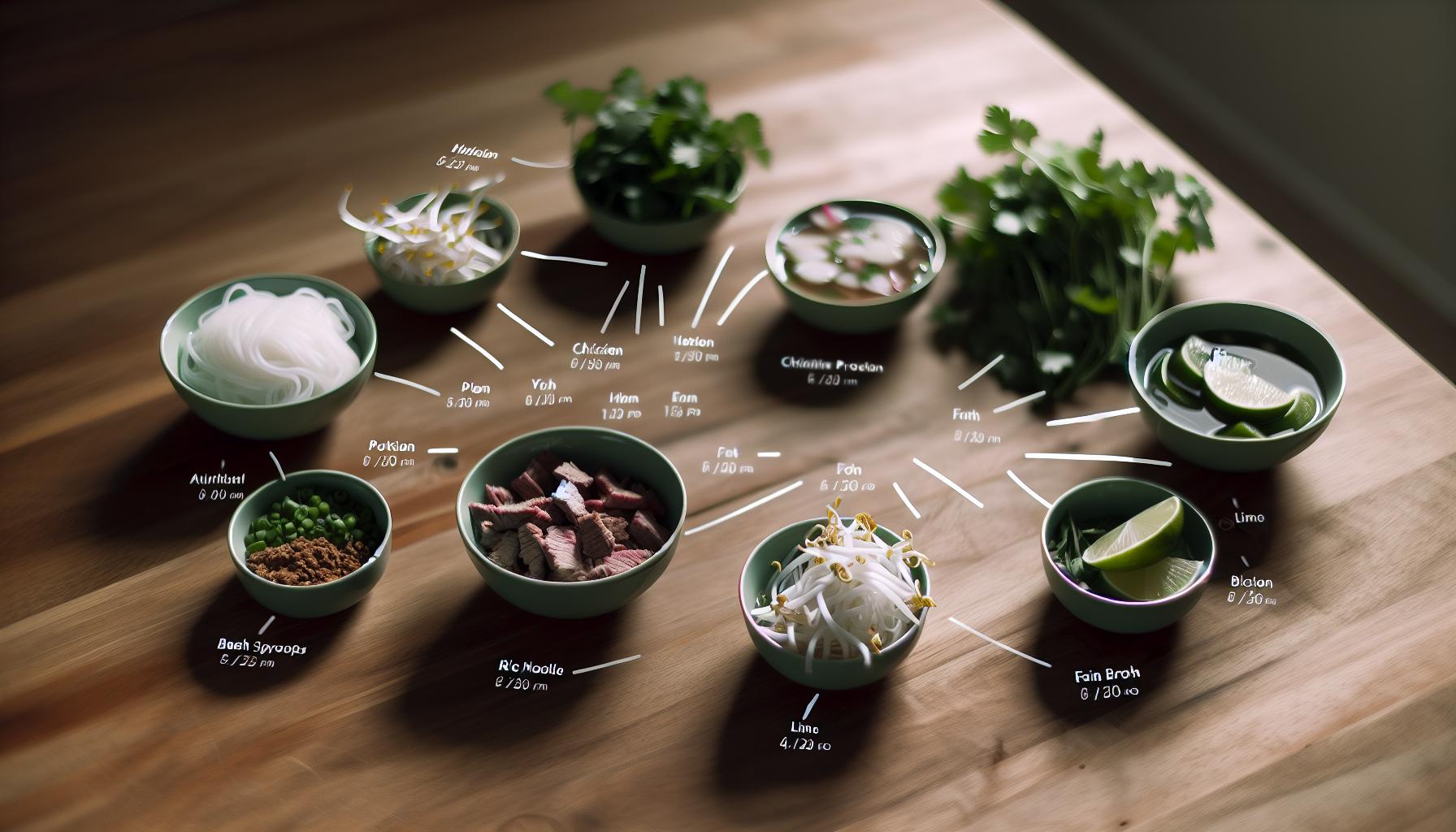
Nutritional Breakdown of Pho Ingredients
Pho, with its fragrant broth and delicate rice noodles, serves as a comforting staple not only in Vietnamese culture but also in many parts of the world. For individuals managing diabetes, understanding the is crucial to making healthier choices without sacrificing flavor. Each component of pho plays a significant role in determining its overall nutritional profile, allowing for thoughtful adjustments to suit dietary needs.
The primary ingredients typically include rice noodles, broth, protein (commonly beef or chicken), and assorted herbs and vegetables. Rice noodles, while a satisfying base, are high in carbohydrates, which can lead to spikes in blood sugar levels if not monitored. To minimize the impact on blood sugar, consider alternatives such as whole grain noodles or even spiralized vegetables like zucchini or squash. These options can provide fiber and essential nutrients while lowering the glycemic load.
The broth is another vital element, often made from simmering meat and bones, which contributes both flavor and nutritional value. A low-sodium version can help reduce salt intake, making pho heart-healthier. For diabetics, incorporating lean proteins like chicken breast or seafood instead of fatty cuts of meat can also help regulate blood sugar levels while providing essential amino acids for overall health.
Additionally, the herbs and vegetables commonly found in pho, such as basil, cilantro, and bean sprouts, are low in calories and packed with vitamins and antioxidants. These ingredients not only enhance the dish’s flavor but also offer health benefits, including anti-inflammatory properties and the potential to lower cholesterol. Including a variety of vegetables can enrich your meal further, providing essential nutrients without contributing to carbohydrate overload.
By understanding the nutritional benefits and potential pitfalls of pho ingredients, it’s easier to enjoy this beloved dish while keeping blood sugar levels in check. With thoughtful substitutions and a focus on balance, pho can remain a delightful and comforting part of a diabetic-friendly diet.
Healthier Alternatives for Traditional Pho
Pho, known for its aromatic broth and comforting flavors, can be made healthier for those managing diabetes without losing its signature taste. A few thoughtful swaps and adjustments can turn a traditional bowl of pho into a delicious, diabetic-friendly meal.
One effective modification is swapping out the standard rice noodles for alternatives with lower glycemic indexes. Consider using zucchini noodles, also known as “zoodles,” or shirataki noodles, which are made from konjac yam and contain very few carbohydrates. These alternatives not only reduce the carbohydrate load but also add fiber, promoting satiety and healthy digestion. For those who prefer a grain-based option, whole grain rice noodles can offer more fiber while still providing a similar texture to traditional pho.
Another essential aspect to consider is the broth. Traditional beef or chicken broth can be high in sodium, which may be a concern for health management. Opting for a homemade, low-sodium broth can significantly cut down on excessive salt intake. Incorporating vegetables like mushrooms, carrots, and bok choy into your broth not only boosts flavor but also magnifies its nutritional profile. These vegetables are often low in calories and high in essential vitamins and minerals.
To enhance the overall protein content without relying on fatty meats, lean options like skinless chicken breast, turkey, or shrimp can be used. These proteins are effective for maintaining steady blood sugar levels and support muscle health. For added texture and flavor, consider garnishing your pho with a variety of fresh herbs such as basil, cilantro, and mint. These herbs are low-calorie, packed with antioxidants, and can bring vibrant flavors to the dish.
By making these adjustments, individuals with diabetes can still relish the deliciousness of pho while adhering to dietary preferences that prioritize health. Always remember to consult with healthcare professionals to personalize these dietary changes according to individual health needs.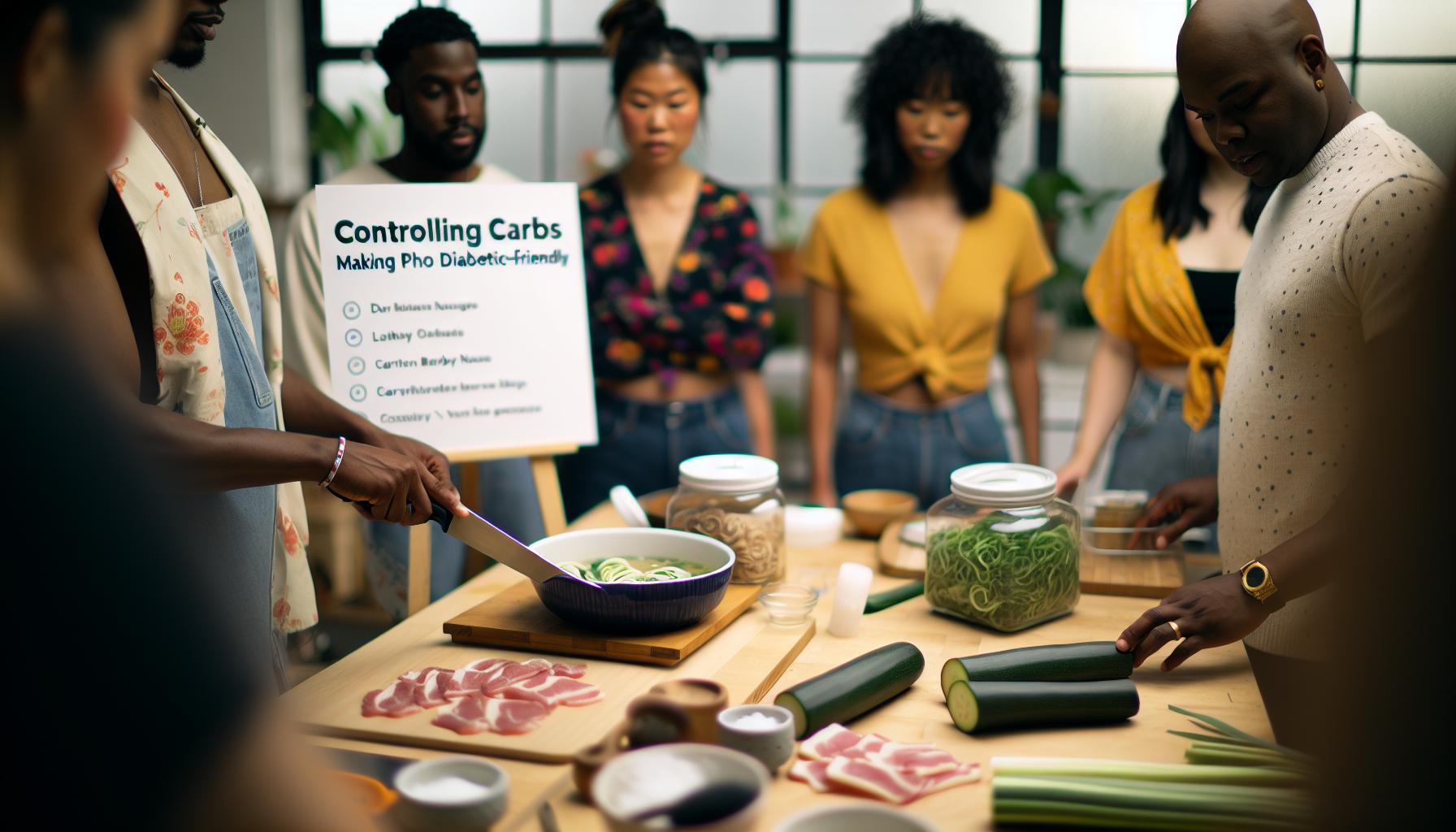
Controlling Carbs: Making Pho Diabetic-Friendly
With its rich flavors and comforting aroma, pho can be an enjoyable meal option even for those managing diabetes. By controlling carbohydrate intake and making strategic ingredient choices, you can savor this beloved Vietnamese dish while prioritizing your health.
Start by rethinking the traditional rice noodles, which can significantly contribute to carbohydrate intake. Instead, consider substituting regular rice noodles with zucchini noodles (zoodles) or shirataki noodles, both of which are lower in carbohydrates and can provide a satisfying texture. These alternatives not only help in managing blood sugar levels but also add a nutritious boost, giving you more fiber without the excess carbs. If you prefer grain-based options, opt for whole grain rice noodles, which are higher in fiber and can offer a more stable energy release compared to their white counterparts.
The broth is another key area where adjustments can make a significant impact. Traditional pho broth may be high in sodium, which can be an issue for those with diabetes. Consider making a homemade, low-sodium broth infused with flavor from spices like star anise, cinnamon, and ginger, as well as adding nutrient-dense vegetables such as mushrooms, bok choy, and carrots. These vegetables not only enhance the flavor but also add essential vitamins and minerals to your meal.
When it comes to protein, lean meats like skinless chicken breast, turkey, or shrimp are excellent choices. They provide the necessary protein for sustaining energy levels without added fats that could affect your overall diet. You can also enrich your pho with fresh herbs such as basil, cilantro, and mint, which not only contribute vibrant flavors but are also low in calories and rich in antioxidants.
As you prepare your pho, consider these modifications to keep your dish flavorful yet diabetic-friendly. It’s important to remember that managing diabetes is a personal journey that may vary for each individual, so be sure to consult with a healthcare professional for personalized dietary advice. By making these simple changes, you can enjoy the comforting experience of pho while effectively managing your carbohydrate intake.
Flavorful Herbs and Spices for Healthy Pho
Adding fresh herbs and spices to your pho not only elevates its flavor but also provides numerous health benefits, making it a perfect choice for those managing diabetes. Herbs like basil, cilantro, and mint are staples in Vietnamese cooking, and they add depth while being low in calories and rich in essential nutrients. Incorporating these fresh ingredients into your meals can enhance the overall taste experience without introducing harmful additives or excess sugar.
Benefits of Key Herbs for Health
- Basil: This aromatic herb is not just flavorful; it offers anti-inflammatory properties that can support overall health. Additionally, basil has been linked to improved digestion and may even help to stabilize blood sugar levels.
- Cilantro: Rich in antioxidants, cilantro can help reduce oxidative stress in the body. It is also known to support healthy digestion and can act as a natural detoxifier, aiding in the removal of heavy metals from the body.
- Mint: Mint not only adds a refreshing taste to your pho but may also help soothe digestive issues and might improve insulin sensitivity. This herb can provide a cooling effect that enhances the comfort of the dish, especially when served hot.
Spices That Spark Flavor and Health
Spices play a crucial role in crafting a robust broth for pho. Here are a few key options to consider:
- Star Anise: This spice is essential for that signature pho flavor. Beyond taste, it possesses anti-inflammatory properties and may help reduce blood sugar levels.
- Cinnamon: A natural sweetener, cinnamon not only adds warmth to your pho but has also been shown to improve insulin sensitivity and lower blood sugar levels.
- Ginger: Known for its aromatic quality, ginger can help with digestion, and it also has anti-inflammatory and antioxidant properties, making it a great addition both for flavor and health.
Incorporating Herbs and Spices into Your Pho
To maximize the health benefits while enjoying your meal:
- Add Generously: Include a handful of fresh herbs and spices close to serving time to preserve their flavor and nutrients.
- Experiment: Don’t hesitate to try different herb and spice combinations. This personalization not only keeps meals exciting but also helps discover ingredients that suit your palate while supporting your health.
- Layer Flavors: Begin with a well-seasoned broth using spices, and then finish with fresh herbs. This layering technique enhances both aroma and taste, providing a savory experience that’s enjoyable and beneficial for your health.
By thoughtfully selecting and utilizing these flavorful herbs and spices, you can create a delicious bowl of pho that aligns with your health goals while managing diabetes. Always remember to consult with a healthcare provider or dietitian for tailored advice that suits your dietary needs.
Portion Control Tips for Enjoying Pho
Managing portion sizes is crucial for diabetics who enjoy pho, as this traditional Vietnamese dish can vary greatly in carbohydrates depending on how it’s prepared and served. A practical tip is to start with a smaller bowl; this helps to control portion size while allowing room to savor the flavor. In many restaurants, a “small” or “medium” size may be ideal. Consider ordering a shared bowl with a family member or friend, ensuring that you can still enjoy the experience without overindulging.
When preparing pho at home, you have the advantage of controlling the ingredients and serving sizes. Using measuring cups or a food scale can help you accurately gauge the amount of noodles, broth, and protein you’re adding to each bowl. For those mindful of carbohydrate intake, consider using a smaller portion of rice noodles and bulk up your pho with low-carb ingredients like vegetables, herbs, and lean protein. Typically, one serving of rice noodles is around 1/2 cup cooked, and by incorporating additional fresh veggies, you can maintain hunger satisfaction without excessive carb counts.
Another effective strategy is to be mindful of toppings. While the garnishes like bean sprouts, cilantro, and lime add flavor and nutrition, it’s essential to manage their quantities as well. A good rule of thumb is to fill your bowl with veggies or herbs first, followed by a modest portion of noodles and protein. This not only enhances the dish’s nutritional profile but also allows you to enjoy the full spectrum of flavors while keeping glucose levels in check.
Finally, listening to your body is paramount. Eating mindfully can help you recognize when you’re satisfied, which often occurs long before the bowl is completely empty. By focusing on the flavors and enjoying each bite, you can enhance your dining experience and support your diabetes management strategy. Always consult with healthcare professionals about the best practices for your specific dietary needs, and don’t forget to celebrate enjoying pho in a balanced, mindful way!
Meal Prep Ideas for Quick Pho Dishes
To whip up delicious pho quickly in your kitchen, meal prep is essential. It not only saves time during busy weeknights but also allows you to craft a meal that aligns with diabetic-friendly guidelines. Planning and preparing your ingredients in advance can lead to a nutritious and satisfying bowl of pho that you can enjoy any day of the week.
Start by prepping your broth in bulk. A rich and aromatic bone broth, made from beef bones or chicken, can be made ahead of time, cooled, and then stored in individual portions. This allows you to simply heat it up when you’re ready to enjoy your pho. To make it even healthier for diabetes management, consider incorporating spices such as star anise and cinnamon, which not only add flavor but also have potential health benefits. Store the broth in freezer-safe containers, so you always have a base ready to go.
Next, focus on your protein choices. Pre-cook proteins like chicken, beef, or shrimp in advance. You can grill or poach them, then slice them thinly for easy addition to your pho. By using lean meats, you’ll be able to control fat content while ensuring sufficient protein in your meal, which is crucial for blood sugar management. Prepped proteins can be refrigerated or frozen, making it simple to pull out just what you need.
For the noodle component, consider using a lower-carb alternative to traditional rice noodles. Shirataki noodles or zucchini noodles can make your pho lighter without sacrificing volume. You can also batch-cook rice noodles, noting that the recommended serving for diabetics is about ½ cup cooked. Store them in portioned containers to keep them fresh and ready to add to your steaming broth.
Lastly, don’t forget about the fresh toppings and herbs. Chop vegetables like bean sprouts, scallions, and cilantro ahead of time, placing them in containers in the fridge. The crunch of bean sprouts not only enhances texture but also adds valuable nutrients, making your pho both filling and wholesome. You can even prepare a platter of various herbs and veggies to customize your bowl as you see fit.
By organizing your ingredients and preparing essential components, you reduce the effort required to enjoy a delicious and healthy pho dish any night of the week. Not only does this support your dietary needs, but it also helps to instill a sense of empowerment as you take control of your meal planning and diabetes management. Always consult healthcare professionals when developing meal plans that fit your individual health needs, ensuring that you’re making smart and beneficial choices for your lifestyle.
Incorporating Pho into a Balanced Diet
Incorporating your favorite Vietnamese pho into a balanced diet can be both enjoyable and beneficial for managing diabetes. This comforting dish, often packed with nutrients, offers excellent flexibility, allowing you to adjust ingredients to align with your health goals. The key is to focus on moderation and mindful choices while savoring the familiar flavors of this beloved dish.
To create a balanced bowl of pho, start with a nutritious base. A homemade broth, rich in vitamins and minerals, can significantly impact your meal’s overall health benefits. Opt for low-sodium options and enrich your broth with flavorful herbs and spices like ginger, cloves, and cinnamon. These ingredients not only enhance taste but also may offer metabolic benefits, promoting better blood sugar control.
When it comes to noodle choices, consider alternatives that are lower in carbohydrates. Traditional rice noodles can be swapped with options like zucchini noodles or whole-grain versions, which can help keep carb intake in check. A serving size of ½ cup of cooked noodles is generally suitable for those managing diabetes; portioning them can prevent overeating while ensuring you still enjoy a hearty meal.
Don’t underestimate the power of fresh vegetables and protein. Toppings such as bean sprouts, fresh herbs, and sliced chilies offer texture and flavor while adding essential nutrients without overwhelming your carbohydrate limits. Lean protein sources, like grilled chicken or tofu, can contribute to satiety and stabilize blood sugar levels. Aim to fill your bowl with a variety of colors and textures, making your meal not only visually appealing but also balanced and nutritious.
Lastly, it’s important to incorporate mindful eating practices when enjoying your bowl of pho. Savor each bite and watch your portion sizes to help prevent excessive calorie and carbohydrate consumption. Listening to your body’s hunger signals can further aid in maintaining a balanced diet while enjoying this comforting food. Engaging with your meal-and perhaps sharing it with loved ones-can help make the dining experience fulfilling and supportive of your dietary needs.
Incorporating pho thoughtfully into your meal plan empowers you to enjoy comfort food while staying aligned with your health objectives. Remember to consult with healthcare professionals for personalized advice and recommendations to best support your diabetes management journey.
Dine-Out Strategies for Healthy Pho Choices
When dining out for pho, making informed choices can turn a delicious meal into a diabetes-friendly experience. A key strategy is to prioritize restaurants that emphasize fresh ingredients and clear broth preparation. Look for places that offer customizable options, allowing you to select your protein, broth base, and noodle type. This flexibility not only empowers you to control what goes into your bowl but also helps you make choices that align with your health goals.
One effective tip is to request your pho with a smaller portion of noodles. Many restaurants serve generous bowls, which can lead to oversized servings and unnecessary carbohydrate intake. Ask for a half portion of rice noodles or, better yet, substitute with vegetables like zucchini or broccoli, which can maintain the dish’s flavor while minimizing carbs. Additionally, you can always ask for extra fresh herbs such as basil or cilantro, which can enhance the taste without adding calories or carbs.
Another smart approach is to sample broth first before diving into the entire bowl. The broth often contains hidden sugars and sodium, so tasting it allows you to gauge its sweetness and saltiness. If it seems too sweet, you can always request additional lime juice or fresh herbs to balance the flavors. When it comes to protein, opt for leaner choices like chicken breast or tofu over richer cuts, which may be higher in fat and calories.
Lastly, embrace the art of mindful eating. Focus on savoring the flavors in each bite, and consider sharing a bowl with a friend to enjoy the experience with less food. This practice does more than just control portion size; it allows for a richer dining experience and reinforces healthy eating habits. Keeping these strategies in mind fosters a healthy relationship with food, enabling you to enjoy pho without compromising on your dietary needs.
Cultural Insights: The Role of Pho in Wellness
Pho, a quintessential Vietnamese dish, is much more than just a meal; it’s a conduit of culture, comfort, and community. Traditionally enjoyed as a breakfast staple, pho offers a sense of belonging and warmth that resonates with many, from bustling street vendors to family kitchens. This dish, rich in history and flavor, embodies the essence of Vietnamese culinary art, intertwining healthful ingredients that can be especially beneficial for people managing diabetes.
The wellness aspect of pho lies not only in its nutritious ingredients but also in its preparation rituals that emphasize balance and freshness. Elements like high-quality broth, lean proteins, and a variety of fresh herbs contribute to a meal that can be both satisfying and wholesome. Engaging in the preparation and consumption of pho can also foster mindfulness, which is essential for diabetic individuals. When preparing pho at home, you have the opportunity to control every ingredient, choosing low-sodium broth and minimizing added sugars while enhancing flavor with fresh herbs like cilantro and basil, which are naturally low in carbohydrates and high in nutrients.
Moreover, incorporating pho into social gatherings can boost emotional well-being, especially for diabetics who face daily dietary restrictions and challenges. Sharing a bowl of pho with friends or family not only creates spaces for connection and enjoyment but also reinforces the importance of community in maintaining a healthy lifestyle. The flavors of pho can bring people together, allowing them to share stories and experiences, making the process of managing diabetes feel less isolating and more communal.
Lastly, understanding the cultural significance of pho can empower diabetics to embrace this dish as a healthy comfort food. By adapting traditional recipes and using modern dietary strategies, such as controlling portion sizes and choosing healthier substitutes, individuals can enjoy the pleasures of pho while adhering to their health goals. This dual approach-honoring cultural practices and embracing contemporary health considerations-positions pho as a versatile and beloved option in a diabetic-friendly diet.
Success Stories: Diabetics Loving Healthy Pho
Pho has proven to be a delightful addition to the diets of many individuals managing diabetes, offering a flavorful experience without compromising on health. One heartwarming success story comes from Jane, a 45-year-old with type 2 diabetes who discovered how to adapt her beloved family recipe for pho to meet her health needs. By substituting traditional noodles with zucchini noodles and using a lower-sodium homemade broth, she was able to significantly cut down on carbohydrates while still enjoying the rich and savory flavors that make pho so comforting. Jane now shares her modified recipe with friends and family, inspiring others to view pho not just as a dish but as a versatile canvas for healthful eating.
Not only has pho become a staple in Jane’s home, but it has also provided a sense of community. During her cooking classes, participants learn how to create diabetic-friendly pho, including tips for using fresh herbs like basil and cilantro that add flavor without extra calories or sugars. Feedback from attendees emphasizes how this dish helps them feel connected: “It brought us together in the kitchen, and we enjoyed a meal that we know is good for our health,” one participant remarked. This sense of sharing is vital, as it transforms dietary management from a solitary challenge into a collaborative journey.
Another inspiring story involves a group of office colleagues who introduced “Pho Fridays” into their weekly routine. Realizing that lunch choices could impact their energy levels and overall well-being, they began experimenting with healthier pho recipes. They focused on lean proteins, such as chicken or tofu, and incorporated plenty of vegetables. According to Mark, a participant, this approach has encouraged healthier habits beyond just lunch hours: “Now we’re more mindful of what we eat, and pho has become a fun and enjoyable way to support each other’s health goals.” The camaraderie built during these shared meals reinforces not just individual health journeys, but also collective well-being.
Ultimately, the journey of integrating pho into a diabetic-friendly lifestyle showcases the dish’s adaptability and the power of community support. By sharing recipes, cooking tips, and dining experiences, individuals navigate their dietary restrictions while embracing the rich cultural significance of pho. This tradition of togetherness not only promotes healthier choices, but it also creates a foundation for building strong relationships among those facing similar challenges in managing their diabetes. With a little creativity and collaboration, pho can remain a cherished comfort food that enhances wellness rather than detracts from it.
Expert Tips: Consulting a Dietitian for Pho Choices
Consulting a dietitian is one of the most beneficial steps a diabetic can take when incorporating pho into their diet. A qualified dietitian can provide personalized advice tailored to individual health needs, preferences, and lifestyle factors. With their expertise, patients can navigate the complexities of carbohydrate counting, ingredient selection, and portion control while still enjoying the rich flavors of this traditional Vietnamese dish.
When working with a dietitian, consider discussing the following aspects:
- Nutritional Content: Your dietitian can help analyze the nutritional profile of different pho ingredients, such as rice noodles, broths, proteins, and garnishes. This analysis helps in understanding how each component affects blood sugar levels.
- Ingredient Substitutions: If traditional pho ingredients are problematic for your diet, a dietitian can suggest healthier alternatives. For instance, using spiralized vegetables or shirataki noodles instead of rice noodles can drastically reduce carbohydrate content.
- Portion Sizes: A dietitian can offer practical guidance on appropriate serving sizes to maintain balanced blood sugar levels while still enjoying the comfort of pho.
- Meal Timing: Understanding the timing of meals around medication or insulin can help in planning when to enjoy your pho, ensuring it fits well into your daily regimen.
Additionally, dietitians often provide insights on how to enrich your pho with nutrient-dense ingredients. For instance, adding fibrous vegetables or lean proteins like chicken, tofu, or seafood can enhance the health benefits without piling on excess calories or carbohydrates. They may also emphasize the importance of flavorful herbs and spices that not only elevate the taste but also add health benefits-think ginger for digestion or basil for its anti-inflammatory properties.
Incorporating a professional’s guidance empowers individuals to view pho not just as a dish, but as a versatile tool for maintaining health and wellness. By taking the time to consult with a dietitian, you can enjoy the comforting flavors of pho while managing your diabetes effectively, ensuring that each bowl remains a delicious and healthy addition to your diet.
FAQ
Q: What makes Pho a good choice for diabetics?
A: Pho can be a suitable choice for diabetics if prepared with care. It often contains lean proteins, fresh herbs, and fiber-rich vegetables. Opting for a low-carb broth and controlling portion sizes can help manage blood sugar levels effectively. Explore our article’s “Controlling Carbs” section for more tips.
Q: How can I make Pho more diabetic-friendly?
A: To make Pho diabetic-friendly, use whole grain or low-carb noodles, increase vegetable content, and choose lean cuts of meat. Reduce sugary sauces and opt for natural seasonings. For more alternatives, check the “Healthier Alternatives for Traditional Pho” section of our article.
Q: Are there any specific herbs that aid in managing diabetes when added to Pho?
A: Yes, herbs like basil, cilantro, and mint not only enhance flavor but may also support blood sugar control. Incorporating these into your Pho can improve both taste and health benefits. See our “Flavorful Herbs and Spices for Healthy Pho” section for details.
Q: What are the best side dishes to pair with Pho for diabetes management?
A: Choose side dishes that provide fiber and healthy fats, such as salads with vinaigrette or steamed vegetables. Avoid options high in sugars or refined carbs, as highlighted in our “Incorporating Pho into a Balanced Diet” section.
Q: Can I enjoy Pho when dining out while managing diabetes?
A: Yes, but it’s crucial to make informed choices. Request broth-based soups, ask for additions like extra vegetables, and be mindful of noodle types. Explore our “Dine-Out Strategies for Healthy Pho Choices” section for further guidance.
Q: How can I prepare Pho in advance for quick meals?
A: Meal prepping Pho is simple-prepare the broth and noodles separately, and store them in the fridge. Combine ingredients when ready to serve. Check our article for “Meal Prep Ideas for Quick Pho Dishes” to streamline the process.
Q: What should I consider when reading nutritional labels for Pho ingredients?
A: Look for low-calorie, low-sodium options, and check for added sugars in sauces or broths. Selecting whole food ingredients ensures better control over what goes into your Pho. Refer to our “Nutritional Breakdown of Pho Ingredients” section for more insights.
Q: Why is consulting a dietitian helpful for including Pho in my diet?
A: A dietitian can provide personalized advice to balance your dietary needs with Pho recipes, ensuring you make the best choices for blood sugar management. Our “Expert Tips: Consulting a Dietitian for Pho Choices” section outlines more benefits.
The Way Forward
Thank you for exploring “Pho for Diabetics: Vietnamese Comfort Food Made Healthy.” By embracing the flavorful and nutritious aspects of pho, you can enjoy a comforting dish that aligns with your health goals. Remember, managing diabetes goes beyond meal choices; it encompasses daily monitoring and lifestyle adjustments. Don’t hesitate to check out our Diabetes Care resources for personalized support and expert guidance, or discover Ten Essential Self-Management Tips to elevate your daily routines.
Take charge of your health today-consider signing up for our newsletter to receive the latest recipes and diabetes management strategies right in your inbox. Your journey toward enjoying healthy comfort food starts here. For further engagement, share your thoughts in the comments below or explore additional topics like healthy snacks for diabetics. Together, we can create a supportive community focused on delicious and sustainable diabetic living!