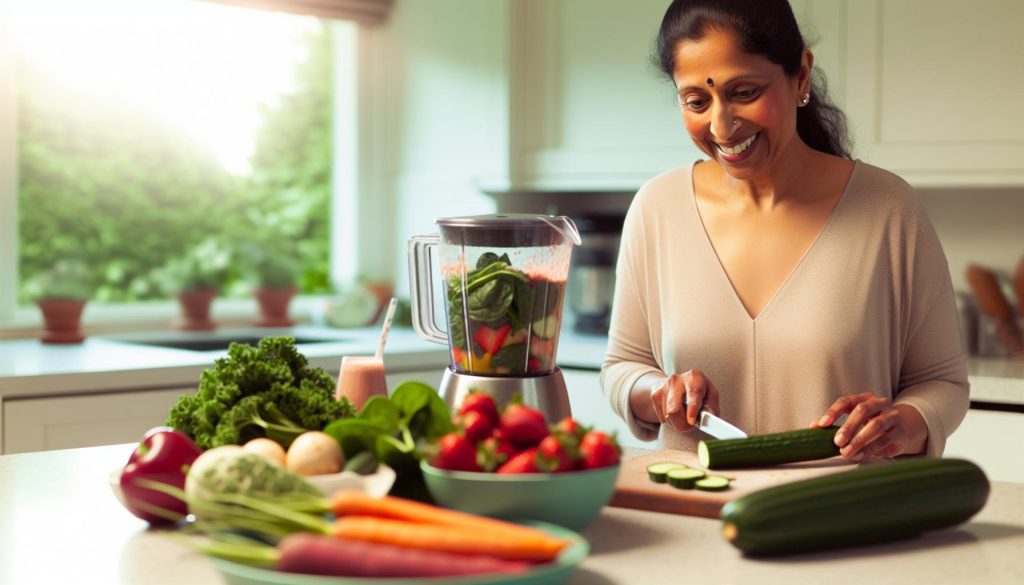
Discovering safe and delicious juicing options can significantly enhance the dietary choices of those living with diabetes. Did you know that incorporating fresh juices can help manage blood sugar levels while providing essential nutrients? As you navigate daily challenges of diabetes, understanding how to create flavorful juices can empower you in making healthier decisions. This collection of “Juicing for Diabetics Recipes: Safe & Delicious Options” not only prioritizes your health but also celebrates the joy of wholesome, vibrant flavors. Imagine sipping on a refreshing blend that supports your well-being while tantalizing your taste buds. Join us on this journey to explore recipes designed specifically for diabetics that are both satisfying and safe, and unlock the potential of juicing as a valuable component of your diabetes management strategy.
Understanding the Benefits of Juicing for Diabetics
Juicing can be a game-changer for individuals managing diabetes, offering both taste and nutritional benefits. Freshly prepared juices allow for a concentrated intake of vitamins, minerals, and antioxidants, essential for maintaining overall health. Unlike processed beverages, which may contain added sugars that can spike blood sugar levels, homemade juices empower diabetics to craft drinks tailored to their nutritional needs. This means choosing low-glycemic index fruits and vegetables, which help maintain stable blood sugar levels while satisfying hunger and promoting feelings of fullness.
One of the fundamental benefits of juicing for diabetics is its potential to enhance dietary variety and intake of essential nutrients. For instance, juices made from leafy greens like spinach or kale provide vital nutrients like magnesium, which plays a role in improving insulin sensitivity. Similarly, combining vegetables like celery and cucumber with fruits such as berries or green apples can yield beverages that are not only delicious but also support hydration and nutrient absorption. Moreover, these choices can help keep blood sugar levels in check, fostering a healthier lifestyle.
However, it’s important to approach juicing mindfully. Portion control is crucial; juicing can be calorie-dense and may lead to excessive carbohydrate intake if not balanced properly with dietary needs. Opting for a majority of vegetables in your juices, while limiting high-sugar fruits, can ensure you reap the benefits without compromising your blood sugar management. Additionally, seeking the guidance of healthcare professionals and dietitians can provide personalized advice and help tailor juicing habits to individual health goals, ensuring that this practice complements other diabetes management strategies.
Ultimately, integrating juicing into a diabetic diet can not only provide delicious beverages but also support health-conscious decisions that contribute positively to overall wellness. By choosing the right ingredients and adhering to sensible practices, juicing can become an enjoyable and beneficial part of a balanced lifestyle for those managing diabetes.
Essential Ingredients for Diabetic Juices
Juicing offers a vibrant way to incorporate essential nutrients into the diets of those managing diabetes. When selecting ingredients for diabetic-friendly juices, it’s vital to prioritize low-glycemic options that will not cause spikes in blood sugar levels. Leafy greens, such as spinach and kale, serve as excellent bases, packed with vitamins and minerals, while being low in carbohydrates. These greens not only enhance the nutritional profile of your juice but also provide a refreshing, earthy flavor that complements sweeter fruits.
Fruits play a significant role in adding taste and natural sweetness, but choosing the right ones is crucial. Berries-such as strawberries, blueberries, and blackberries-are particularly beneficial due to their high antioxidant properties and lower sugar content compared to other fruits. Green apples can offer a tartness, while citrus fruits like lemon and lime add a burst of flavor without overwhelming sweetness. Pairing these fruits with hydrating vegetables, such as cucumbers and celery, can create a well-balanced beverage that hydrates while satisfying your taste buds.
To maximize the health benefits of your juices, consider incorporating ingredients that specifically support metabolic health. For example, ginger and turmeric are not only flavorful additions but also have anti-inflammatory properties that may help improve insulin sensitivity. Additionally, including flaxseeds or chia seeds can add beneficial omega-3 fatty acids and fiber, further contributing to a balanced diet. Remember that hydration is key, so blending in water or coconut water can enhance your juice’s refreshment factor while keeping it low in calories.
As you experiment with different combinations, always keep your individual health goals in mind. Engaging with a healthcare professional or a registered dietitian can help tailor your selections based on personal preferences and nutritional needs, ensuring that your juicing journey is both delicious and beneficial. By focusing on these essential ingredients, you can create tasty, diabetic-friendly juices that support your overall well-being.
Delicious Low Glycemic Juice Recipes
Juicing can be a delightful and nutritious way to manage diabetes, especially when you focus on low glycemic ingredients. Combining the right elements not only creates delicious flavors but also helps maintain optimal blood sugar levels. Here are a few fantastic low glycemic juice recipes that are satisfying and diabetic-friendly.
Refreshing Green Apple and Spinach Juice
This vibrant drink is not only packed with essential nutrients but also delivers a refreshing taste that can easily become a favorite.
- 1 green apple, cored and chopped
- 1 cup spinach leaves
- 1 cucumber, peeled and chopped
- 1 tablespoon lemon juice
- ½ inch ginger root (optional)
- 1 cup water or coconut water
Blend all the ingredients together until smooth. This juice is rich in fiber and antioxidants, supporting digestive health and promoting hydration. The green apple provides a touch of sweetness while keeping the glycemic index low.
Berry Blast Juice
Berries are great for their low sugar content and high antioxidant properties, making them a perfect choice for those managing diabetes.
- 1 cup mixed berries (strawberries, blueberries, blackberries)
- 1 small beet, peeled and chopped
- 1 tablespoon chia seeds
- 1 cup water
Process the ingredients in a blender, giving you a rich and flavorful drink. Berries are known for their ability to reduce inflammation, and the beet adds natural sweetness and supports heart health.
Citrus Celery Refresher
This juice not only hydrates but also provides a zesty kick, making it an excellent morning beverage.
- 2 stalks of celery, chopped
- 1 orange, peeled and segmented
- ½ lemon, juiced
- 1 tablespoon honey (optional)
- 1 cup of cold water or ice
Blend the celery and oranges, then strain for a smoother texture if desired. This juice contains a wealth of vitamin C and electrolytes, vital for maintaining energy levels throughout the day.
When looking for the right ingredients, remember that incorporating herbs like mint or basil can also enhance your juices. They add flavor without the calories or sugar, making your juicing experience even more enjoyable and beneficial.
Always consult with a healthcare professional or dietitian to ensure that the ingredients you choose align with your personal health goals. Juicing should complement an overall healthy diet and lifestyle, helping you navigate diabetes management with ease and enjoyment.
Tips for Mixing Fruits and Vegetables Safely
Mixing fruits and vegetables for juicing can be a creative and rewarding way to boost your nutrient intake, especially for those managing diabetes. However, understanding how to combine ingredients safely and effectively can enhance not only the flavor but also the health benefits of your juices. One critical aspect is to choose low-glycemic fruits and vegetables, which can help maintain stable blood sugar levels. Using tools like glycemic index charts can guide you in selecting the best ingredients to mix, such as leafy greens, cucumbers, and berries, which are generally safe and nutritious.
When preparing your juices, it’s important to wash all fruits and vegetables thoroughly to remove any dirt and potential pesticide residues. To maximize nutrient retention, consider incorporating a variety of colors in your juicing routine; this not only enhances aesthetic appeal but also provides a broad spectrum of vitamins and minerals. For example, pairing dark leafy greens like kale or spinach with vibrant berries or citrus not only boosts flavor but creates a synergy of nutrients that can be particularly beneficial.
Another great strategy is to balance your juices with a combination of fruits and vegetables that have complementary flavors. For instance, combining sweet fruits like apples or pears with more bitter greens can create a well-rounded taste without overwhelming the palate. Additionally, using herbs such as mint or basil can not only enrich flavors but also provide additional health benefits, like improved digestion.
Always remember to monitor how you feel after consuming certain juice combinations, as everyone’s body reacts differently. Keeping a journal of your juicing experiences can help you identify which blends work best for your body and help you make informed choices. For those new to juicing, start with smaller quantities and gradually increase them as you gain confidence and find your preferences. Regular consultation with a dietitian or healthcare provider can further enhance your approach, ensuring that your juicing aligns with your overall dietary goals and health needs, enabling you to enjoy this vibrant and nutritious addition to your diet.
Juicing Techniques to Preserve Nutrient Content
Juicing can be a nutritional powerhouse, especially for those managing diabetes. However, it’s crucial to adopt techniques that maximize the retention of valuable nutrients during the juicing process. A thoughtful approach can ensure that every glass is packed with the vitamins and minerals that support your health. For instance, nutrient degradation can occur when fruits and vegetables are exposed to air, light, and heat. Therefore, employing techniques that limit these factors is essential.
To start, invest in a high-quality juicer that operates at a lower speed, such as a masticating juicer. These devices are designed to gently extract juice while minimizing oxidation, which helps preserve enzymes and vitamins that can be lost in high-speed juicing methods. Additionally, try to juice your ingredients as close to consumption time as possible. If you must store your juice, use airtight containers and fill them to the brim to limit oxygen exposure, placing them in the refrigerator to maintain their freshness.
Choosing Ingredients Wisely
Opting for organic produce can further enhance the nutritional quality of your juices. Organic fruits and vegetables often contain higher levels of antioxidants and essential nutrients, and they are free from harmful pesticide residues. Always wash your produce thoroughly before juicing to eliminate dirt and contaminants that can detract from your juice’s health benefits.
Lastly, focusing on ingredient combinations can significantly enhance nutrient absorption. For example, pairing vitamin C-rich ingredients like oranges or berries with iron-rich greens, such as spinach, can enhance the body’s ability to absorb iron. Consider adding a source of healthy fats, like avocado, to slow sugar absorption and keep your blood sugar stable while enjoying the natural sweetness of your juice.
Incorporating these techniques can empower individuals with diabetes to create delicious and nutritious juice blends that delight the palate while supporting overall health. Regular consultation with a healthcare professional will ensure that your juicing practices align with your daily management of diabetes, helping you navigate this journey with confidence and creativity.
Managing Blood Sugar Levels with Juice
Managing blood sugar levels is a crucial aspect of living with diabetes, and incorporating juicing into your dietary regimen can be an effective strategy. Juicing allows for the creation of nutrient-dense beverages that can help stabilize glucose levels, especially when focusing on low glycemic index (GI) ingredients. Understanding how the components of your juice affect blood sugar can empower you to make better choices that align with your health goals.
To maximize the benefits of juicing for blood sugar management, consider including a variety of vegetables and low-sugar fruits in your juices. Leafy greens like spinach, kale, and Swiss chard are excellent additions due to their low carbohydrate content and high levels of fiber, which can help regulate blood sugar levels. Adding cucumbers and celery not only adds hydration but also keeps the juice low in calories and sugar. To incorporate a touch of sweetness without spiking blood sugar, consider using small amounts of berries, green apples, or citrus fruits, which are less glycemic compared to other fruit varieties.
Balancing your juices with other nutrients is also key. Adding healthy fats from sources such as avocado or nuts can slow the absorption of sugars, providing a more gradual increase in blood sugar. Including a source of protein, likeGreek yogurt or a scoop of plant-based protein powder, can further stabilize blood sugar levels. These combinations can ensure that your juice not only satisfies your palate but also supports your overall health.
It’s important to listen to your body and monitor how different juices affect your blood sugar levels. Keeping a food diary can help you identify which ingredients work best for you. Always consult with your healthcare provider before making significant changes to your diet, especially when managing diabetes. With thoughtful ingredient choices and mindful preparation, juicing can be a flavorful and effective way to contribute to blood sugar control while enjoying a variety of health benefits.
Juicing for Weight Management in Diabetics
Incorporating juicing into a diabetic’s dietary plan can serve as a strategic tool for weight management, making healthy choices easier and more delicious. Juices can be nutrient-rich and low in calories, allowing individuals to enjoy satisfying flavors without excessive caloric intake. When formulated correctly, juicing can contribute to a balanced diet that supports weight loss or maintenance without compromising blood sugar control.
When creating juices for weight management, focus on incorporating a variety of vegetables alongside low-sugar fruits. For example, leafy greens such as spinach and kale, along with cucumbers and celery, are excellent choices due to their high water content and low caloric density. This combination can help you feel fuller for longer while providing essential nutrients without significantly impacting blood sugar levels. Including a small quantity of fruits like berries or green apples can add a hint of sweetness without overwhelming your juice with sugar.
Practical Tips for Juicing and Weight Management
- Use High-Fiber Ingredients: Fiber plays a crucial role in satiety and blood sugar regulation. Incorporate ingredients like chia seeds or flaxseed into your juices for added fiber.
- Monitor Portion Sizes: While juicing can be healthy, it’s essential to keep an eye on how much you’re consuming. Aiming for around a cup (8 oz) of juice can help manage calorie intake.
- Combine with Protein: For balanced nutrition, consider adding a scoop of protein powder or Greek yogurt to your juices. This not only aids in keeping you full but also helps in stabilizing blood sugar levels.
Furthermore, it’s beneficial to track how specific juice combinations affect your weight and blood glucose levels. Keeping a detailed food diary can provide insights into what works best for you, allowing you to refine your juicing strategy over time. Remember, every diabetic’s body responds differently; therefore, consulting with a healthcare professional or a registered dietitian is vital when incorporating juicing into your weight management plan. They can provide personalized guidance that considers your unique health needs.
By making refreshing and mindful choices in juicing, individuals with diabetes can enjoy a flavorful way to support their weight management goals, all while staying on top of their health and well-being.
Incorporating Juicing into Your Daily Routine
Incorporating freshly made juices into your daily routine can be both a delicious and strategic way to manage diabetes while enhancing your overall wellness. Juicing is not just about enjoying flavorful beverages; it’s a powerful tool for ensuring you get a variety of nutrients, especially when dealing with dietary restrictions. One popular strategy among those looking to integrate juices into their diets is to create a daily juicing schedule, much like meal prepping. Setting aside time each week to prepare your juices can help you stay consistent and make healthier choices.
A practical approach might include starting your morning with a green juice that combines spinach, cucumber, and a small portion of apple or lemon for added flavor; this will kickstart your day with hydration and essential vitamins. For lunch, consider a carrot and ginger juice, which can be refreshing and invigorating, aiding digestion and providing a slight energy boost. In the evening, you might enjoy a beet and berry juice for its antioxidants and earthy sweetness while benefiting from its potential to support cardiovascular health.
Tips for Seamless Integration
- Make it Convenient: Use a good-quality juicer to ensure you can whip up fresh juices quickly. Pre-wash and chop your ingredients so that they’re ready to go when it’s time to juice.
- Experiment with Combinations: Don’t hesitate to try different vegetable and fruit combinations to discover what you enjoy most. Keep a notebook or app to track what you like and how your blood sugar responds.
- Stay Mindful of Portions: While juicing is healthy, be cautious about portion sizes. Aim for a serving of about 8 ounces for your juices, focusing on nutrient-dense ingredients that won’t spike your blood sugar levels.
Having a juicing routine can also foster a deeper awareness of what you consume daily. Tracking the effects of your juices on your blood sugar can provide valuable insights, helping you refine your choices going forward. Remember, each individual’s response to foods and juices can differ significantly; therefore, it’s advisable to consult with your healthcare team or a registered dietitian. They can offer insights tailored to your specific health needs, helping you navigate this flavorful journey while maintaining optimal health. As you blend flavors and nutrients, you empower yourself with nourishing options that support your diabetes management naturally and enjoyably.
Common Mistakes to Avoid When Juicing
Juicing can be an excellent addition to a diabetic’s diet, but there are common pitfalls to avoid that can derail the benefits of this healthy practice. One of the most significant mistakes is neglecting to consider the glycemic index of fruits and vegetables. Ingredients high in sugar, like certain fruits, can rapidly elevate blood sugar levels, making it crucial to focus on low-glycemic options such as leafy greens, cucumbers, and avocados. For instance, while a juice made with mango might sound delicious, it could lead to unexpected spikes in blood glucose. Instead, start with a solid base of non-starchy vegetables and add fruit in moderation for flavor.
Another frequent error involves underestimating portion sizes. It’s easy to get carried away with juicing and consume large quantities of sugary fruits or high-caloric vegetables. Aiming for about 8 ounces per serving can help control blood sugar and caloric intake. Keeping your juices balanced is key; incorporate a variety of vegetables and a modest amount of fruit to make sure you’re reaping the benefits without flooding your system with sugar. To further support this, carry a measuring cup alongside your juicer, guiding you to stay within recommended serving sizes.
Ignoring the importance of meal timing can also affect blood sugar management. Juicing should ideally complement your meals rather than replace them. Consuming juices on an empty stomach may lead to a rapid increase in blood sugar. Pairing your juice with a balanced meal will help regulate the release of sugar into your bloodstream. For example, enjoying a carrot and apple juice alongside a protein-rich salad can create a well-rounded experience that benefits your body without compromising your glucose levels.
Finally, one of the most overlooked aspects is the need for proper equipment and maintenance. A low-quality juicer can lead to less efficient juice extraction, wasting time and produce. Ensure your juicer is easy to use and clean. Regularly check for any wear and tear that could affect its performance. Investing in a reliable juicer is not just a one-time expense; it can save you time and enhance the quality of your juices, allowing you to focus on enjoying the health benefits. By avoiding these common mistakes, you can create a juicing routine that complements your diabetes management plan while enriching your diet with vital nutrients.
Expert Advice: When to Consult a Dietitian
Engaging with a dietitian can significantly enhance your journey into juicing, especially if you’re managing diabetes. These professionals are equipped with specialized knowledge that goes beyond general nutrition, focusing on how food choices can specifically impact blood sugar control. If you’re considering incorporating juices into your diet, consulting a dietitian can help you develop strategies that are tailored to your individual needs and health goals.
One of the primary reasons to seek advice from a dietitian is to help identify which ingredients are most beneficial for you. With their expertise, they can guide you on how to select low-glycemic fruits and vegetables that won’t spike your blood sugar while maximizing nutrient density. Additionally, a dietitian can assist in creating a balanced juicing plan that complements your meals rather than substitutes them. This helps in maintaining stable blood glucose levels and ensures you’re not relying solely on juice for nutrition.
Moreover, if you have specific dietary restrictions, health conditions, or are experiencing challenges with your current management plan, a dietitian can provide invaluable insights. They can help you navigate potential food interactions with medications, suggest adjustments, and even validate the effectiveness of your juicing routine in conjunction with other meal planning strategies. This personalized approach ensures that your juicing practice supports your overall health, rather than inadvertently complicating it.
Lastly, keep in mind that ongoing support and education are crucial. Regular consultations with a dietitian can help you stay informed about new research findings, dietary trends, and practical juicing tips that align with your health objectives. By working collaboratively, you can empower yourself to make informed choices, optimize your juicing experience, and manage your diabetes with confidence.
Seasonal Produce for Diabetic-Friendly Juices
Incorporating seasonal produce into your juicing routine can significantly enhance the nutritional value of your drinks, especially for individuals managing diabetes. Seasonal fruits and vegetables are often fresher and tastier, which not only elevates the flavor of your juices but also maximizes their health benefits. For instance, certain fruits and vegetables are at their peak during specific times of the year, offering a bounty of nutrients crucial for blood sugar management and overall health.
Spring Staples
Spring brings a variety of vibrant produce that can add a refreshing touch to your juicing. Consider incorporating:
- Spinach: This leafy green is low in calories and carbohydrates while being rich in vital nutrients like folate and potassium.
- Asparagus: Packed with fiber and antioxidants, asparagus can help regulate blood sugar levels when juiced.
- Strawberries: Low in glycemic index, they provide natural sweetness without causing blood sugar spikes.
Summer Delights
Summer ushers in juicy options. Here are a few to consider:
- Watermelon: High in water content, watermelon is hydrating and low in calories, making it a refreshing juicing ingredient.
- Cucumbers: Perfect for juicing, cucumbers are low in sugar and high in hydration, aiding in digestion and providing essential vitamins.
- Bell Peppers: Any color of bell peppers is excellent for juicing, rich in vitamin C and other antioxidants.
Fall Favorites
As the weather cools, fall offers nutritious produce:
- Pumpkin: Full of fiber and beta-carotene, pumpkin can help improve insulin sensitivity and adds a deliciously rich flavor.
- Apples: Apples provide sweetness and are high in fiber, which helps stabilize blood sugar levels.
- Beets: Known for their ability to help with blood flow and circulation, beets add earthiness to your juices.
Winter Picks
In winter, focus on hearty, nutrient-dense foods:
- Kale: A powerhouse of vitamins A, C, K, and minerals, kale is great for detoxifying and boosting the immune system.
- Carrots: Rich in beta-carotene and fiber, carrots are excellent for sweetening juices while being healthy.
- Oranges: In season during the winter months, oranges provide a vitamin C boost and a refreshing zing to your juices.
By prioritizing seasonal produce, you can create a colorful and nutritious juicing routine that complements your diabetes management plan. In addition to incorporating these ingredients, remember to consult with a healthcare professional or dietitian to tailor your juicing habits to your individual health needs. Implementing a variety of seasonal fruits and vegetables not only keeps your juices exciting but also supports your overall health and well-being.
Storing and Preparing Juices for Maximum Freshness
Juicing can be a refreshing and nutritious addition to a diabetes management plan, but ensuring that your juices stay fresh is essential to maximize their health benefits. Freshly prepared juices are most effective when consumed shortly after juicing, as they begin to lose nutritional value and flavor over time. However, with proper storage techniques, you can extend their freshness and enjoy them throughout the week, making it easier to incorporate juicing into your daily routine.
To keep your juices at their best, use airtight containers made of glass or BPA-free plastic for storage. Glass containers are particularly effective as they do not leach chemicals and help to preserve flavor. Furthermore, filling the containers to the top minimizes the amount of air inside, which can oxidize the juice. Aim to store your juices in the refrigerator immediately after juicing and consume them within 24 to 48 hours for optimal freshness. If you need to store your juices longer, consider freezing them in ice cube trays, allowing you to thaw just the amount you need later.
When preparing juices, cleanliness is key. Ensure that all fruits and vegetables are thoroughly washed to remove dirt and pesticides, which can compromise both your health and the quality of the juice. Additionally, using a high-quality juicer can help extract maximum juice while retaining nutrients. Juicing harder vegetables like carrots before softer ones such as apples can prevent clogging and ensure a smoother blend. Lastly, always taste your juice before consuming; if it has an off flavor, it may not be safe to drink.
Incorporating these storage and preparation techniques into your juicing routine can help you maintain the nutritional integrity of your beverages, providing you with delicious, low-glycemic options that support optimal health and wellbeing as you manage your diabetes. Always remember to consult with a healthcare professional when making significant changes to your diet, particularly if you have specific health concerns. Embracing juicing can be a flavorful and vital part of living well with diabetes, empowering you to make informed choices for your health and vitality.
Faq
Q: What types of fruits are best for diabetics when juicing?
A: Low-glycemic fruits such as berries, cherries, and green apples are ideal for diabetics. They help minimize blood sugar spikes and provide essential vitamins. Always consider balancing fruits with non-starchy vegetables like spinach or cucumber for healthier juice options.
Q: How can juicing affect my blood sugar levels?
A: Juicing can influence blood sugar levels depending on ingredient choices. Incorporating low-glycemic index ingredients helps stabilize blood sugar. Monitor your levels post-juice consumption to understand its impact and adjust recipes accordingly.
Q: Are there any vegetables that should be avoided in diabetic juices?
A: Starchy vegetables like carrots and beets have higher glycemic indices and can spike blood sugar. Opt for non-starchy options like kale, spinach, or celery, which are more suitable for diabetic juices.
Q: How often should diabetics incorporate juicing into their diet?
A: Diabetics can safely incorporate juicing into their diet a few times a week as part of a balanced nutrition plan. It’s essential to combine juices with whole foods and monitor blood sugar levels regularly.
Q: Can juicing help with weight management for diabetics?
A: Yes, juicing can aid in weight management by providing nutrient-dense, low-calorie options that can promote satiety. Focus on juices rich in fiber, like those made with leafy greens and cucumbers, to support weight loss efforts.
Q: What are some tips for making diabetic-friendly juices?
A: To make diabetic-friendly juices, use low-glycemic fruits, incorporate leafy greens, and limit fruit quantities. Balancing sweet and tart flavors while adding spices like ginger or turmeric can enhance taste and health benefits.
Q: Is it safe to juice while taking diabetes medication?
A: Yes, it’s generally safe to juice while on diabetes medication, but consulting your healthcare provider first is crucial. They can help you avoid any potential interactions and provide guidance on how to adjust your diet accordingly.
Q: How can I store freshly made juices to maintain their nutritional value?
A: Store freshly made juices in airtight glass containers in the refrigerator and consume them within 24-48 hours for optimal freshness. Consider adding a little lemon juice to help preserve nutrients.
Wrapping Up
Thank you for exploring our collection of “Juicing for Diabetics Recipes: Safe & Delicious Options.” By incorporating these nutritious juicing ideas into your daily routine, you’re taking a proactive step toward managing your diabetes while enjoying flavors that excite your palate. Remember, each sip can support your blood sugar management goals and offer a delightful treat that aligns with your dietary needs.
For more insights into daily diabetes management, check out our guides on healthy snack ideas and meal planning tips for diabetics. If you have questions or need personalized advice, consider reaching out to a healthcare professional or joining our community for supportive resources.
Don’t forget to sign up for our newsletter to receive regular updates and new recipes tailored for diabetics. Your journey towards healthier choices starts today-let’s make it delicious and fulfilling! Share your thoughts in the comments below, and feel free to explore more on our site to continue your path to wellness.