Did you know that buttermilk, a common dairy product, can be a beneficial addition to a diabetic-friendly diet? With its low glycemic index, buttermilk can help stabilize blood sugar levels while providing essential nutrients. For those managing diabetes, the challenge often lies in making food choices that balance enjoyment and health. Understanding how foods like buttermilk can support your dietary goals is crucial. In this article, we will explore the benefits of buttermilk for diabetics, highlighting its nutritional profile and how it can fit into your daily meal plan. Read on to discover how integrating buttermilk into your diet could enhance your diabetes management!
Is Buttermilk Safe for Diabetics? Understanding Its Nutritional Profile
Buttermilk is often overlooked in the realm of healthy beverages, especially for those managing diabetes. A remarkable aspect of buttermilk is its low glycemic index of 35, positioning it as a safe option for many diabetic individuals. This means that buttermilk causes a more gradual increase in blood sugar levels compared to other sugary drinks or even some other dairy products, which can lead to spikes that complicate diabetes management. Understanding its nutritional profile is crucial for incorporating it into a diabetic diet effectively.
One serving of low-fat buttermilk-roughly one cup (237 ml)-contains approximately 99 calories and just 2.2 grams of fat. It also offers around 12 grams of carbohydrates and provides a moderate amount of protein, essential for maintaining satiety. Buttermilk is a source of calcium, which is vital since many diabetics face risks of bone complications; adequate calcium intake not only supports bone health but may also help regulate blood sugar levels, according to some studies. Furthermore, buttermilk contains probiotics, which promote gut health and may aid in better digestion-an additional benefit for individuals managing diabetes.
Given these attributes, buttermilk can fit seamlessly into a diabetic diet. However, moderation is key; it is generally recommended that individuals consume up to 150 ml at a time to maintain balanced blood sugar levels without overindulging. As always, consulting with healthcare professionals can help tailor dietary choices to individual needs, thereby enhancing diabetes management. By recognizing the nutritional benefits of buttermilk, individuals can make informed decisions and potentially include it as a delicious addition to their meal plans.
The Glycemic Index of Buttermilk: What You Need to Know
A significant consideration for anyone managing diabetes is the glycemic index (GI) of the foods and beverages they consume. The glycemic index is a scale that ranks foods based on how quickly they raise blood sugar levels. Foods with a low glycemic index-typically those ranked 55 or below-are digested and absorbed more slowly, leading to a gradual release of glucose into the bloodstream, which is vital for maintaining stable blood sugar levels. Buttermilk, with its GI of 35, falls comfortably within this low range, making it an excellent option for those looking to manage their diabetes.
The low glycemic index of buttermilk means it has minimal impact on blood sugar levels. When consumed, buttermilk contributes to a steady release of energy, preventing the sharp spikes and crashes often caused by high-GI foods. This is particularly beneficial for individuals with diabetes, as it aids in regulating their overall blood sugar management. Furthermore, buttermilk’s probiotic content can support digestive health, enhancing nutrient absorption and overall metabolic function, which is crucial for maintaining stable blood sugar levels.
Incorporating buttermilk into a diabetic diet can be simple. It can be enjoyed on its own, used as a base for smoothies, or added to various recipes to provide moisture and flavor without significantly impacting glucose levels. However, portion control remains essential; consuming small amounts-typically up to 150 ml at one time-helps maximize benefits while avoiding potential overconsumption of calories or carbohydrates.
For those navigating diabetes management, understanding the glycemic index of foods is empowering. Choosing low-GI options like buttermilk can help stabilize blood sugar and promote overall health. As you consider dietary choices, always consult with healthcare professionals to ensure a balanced approach tailored to your individual health needs.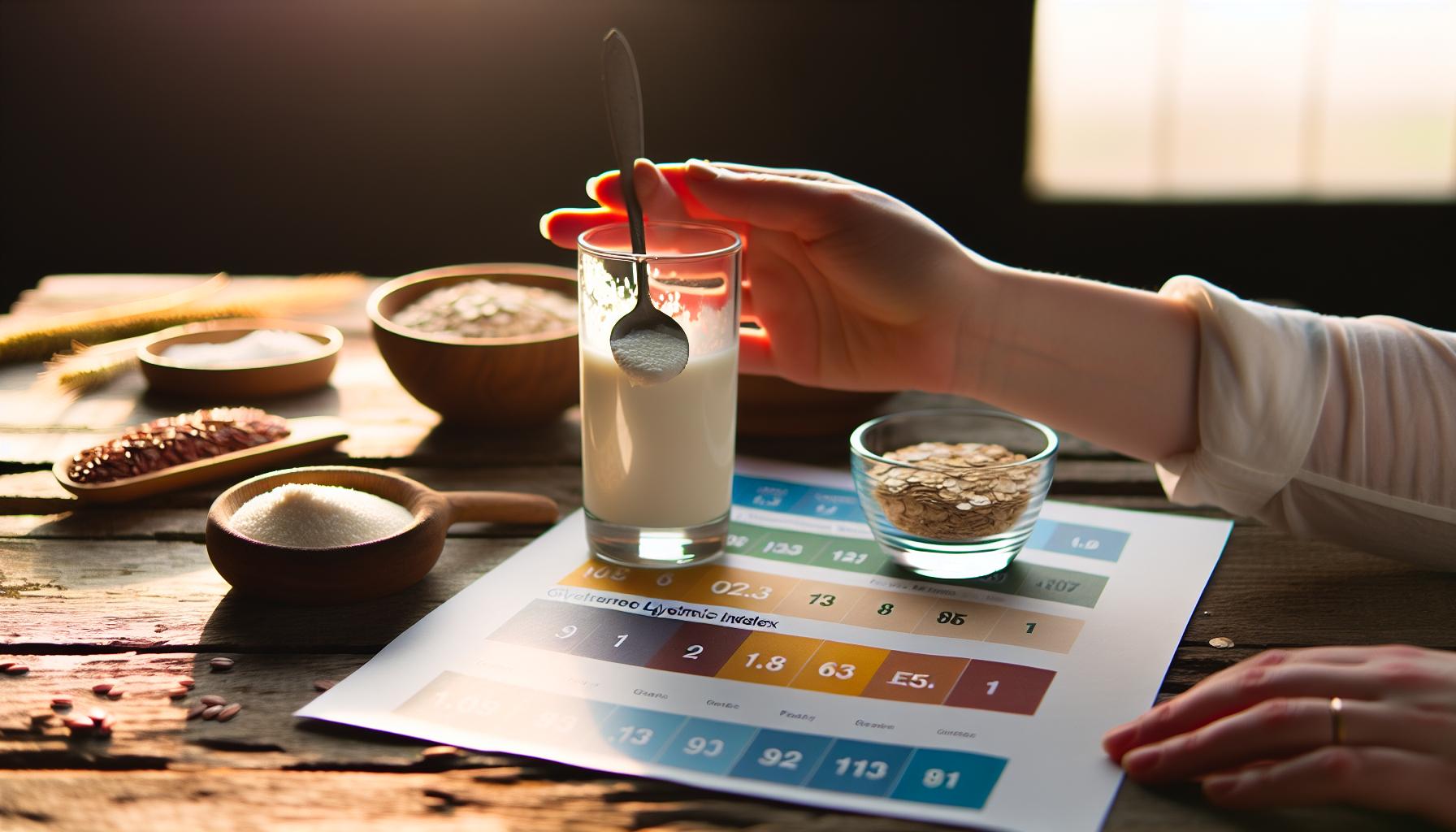
Benefits of Buttermilk for Blood Sugar Control
Incorporating buttermilk into a diabetic diet offers multiple advantages that can significantly aid blood sugar control. First and foremost, buttermilk’s low glycemic index (GI) of 35 means it releases glucose into the bloodstream slowly, which translates to stable energy levels without the sharp spikes associated with high-GI foods. This gradual release can help prevent energy crashes, making it easier for individuals managing diabetes to maintain their focus and daily activities.
Buttermilk’s inherent nutritional profile further supports blood sugar management. It is low in calories and sugar while being rich in essential nutrients like calcium and phosphorus, which play vital roles in various metabolic functions. Probiotics found in buttermilk contribute significantly to gut health, aiding in nutrient absorption and digestion. A healthy gut can improve overall metabolic function, which is crucial in managing glucose levels. By optimizing digestion, buttermilk may also help with maintaining a balanced gut microbiome-a factor that modern research increasingly links to improved insulin sensitivity.
For those looking for practical ways to integrate buttermilk into their routines, it can be enjoyed in various forms. Whether blended into smoothies for added creaminess, used as a dressing base, or incorporated into sauces and marinades, buttermilk provides versatility without compromising health goals. However, portion control is still essential. Keeping servings moderate-generally suggested to be around 150 ml at one time-ensures one can reap its benefits without inadvertently exceeding calorie or carbohydrate targets.
Embracing buttermilk as part of a daily nutrition plan can empower individuals and families affected by diabetes, allowing for a broader or more enjoyable diet. As always, it is essential to work closely with healthcare professionals when planning meals, to tailor nutritional strategies to individual health needs and conditions.
How Buttermilk Can Fit into a Diabetic Diet
Including buttermilk in a diabetic diet can be both beneficial and enjoyable. Thanks to its low glycemic index (GI), buttermilk impacts blood sugar levels positively, making it a smart choice for individuals managing diabetes. This means it not only provides essential nutrients without significant spikes in glucose but also contributes to overall satiety, helping you feel full and satisfied longer. With a calorie count that is generally low, buttermilk can easily find its way into various meals throughout the day.
One of the key strategies for incorporating buttermilk into a diabetic meal plan is moderation and creativity. Here are several practical applications that you might consider:
- Smoothies: Blend buttermilk with low-GI fruits like berries and a handful of spinach for a refreshing breakfast option.
- Salad Dressings: Use buttermilk as a base for creamy dressings, which can be combined with herbs and spices to enhance flavor without adding excess sugars.
- Cooking and Baking: Substitute buttermilk in recipes that call for milk or cream, subtly lowering the overall calorie content while maintaining texture.
- Soups and Sauces: Incorporate buttermilk into soups or as a finishing touch to sauces to add creaminess without heavy fats.
It’s important to recognize that while buttermilk offers these benefits, adhering to portion control is vital. Experts suggest limiting consumption to around 150 ml at a time. This helps maintain stable blood sugar levels while allowing for the inclusion of buttermilk’s nutritional benefits in your daily routine. Additionally, combining buttermilk with a source of fiber, such as whole grains or vegetables, can further help manage glucose levels effectively.
As with all dietary changes, it is crucial to consult healthcare professionals like dietitians or diabetes educators. They can provide personalized guidance that aligns with your health goals, helping you incorporate buttermilk safely and effectively into your diabetic diet. By doing so, you can take proactive steps towards better management of your diabetes while enjoying the varied flavors and textures that buttermilk can bring to your meals.
Comparing Buttermilk to Other Dairy Products for Diabetics
The versatility of buttermilk in comparison to other dairy products can be surprising, especially for those managing diabetes. With a low glycemic index of 35, it stands out among dairy options, making it a safer choice for blood sugar control. In contrast, whole milk has a higher glycemic index and can contribute to blood sugar spikes when consumed in large quantities. It is vital to understand how these differences can impact dietary choices for those living with diabetes.
When considering alternatives, options like yogurt and cottage cheese offer some benefits, but they can vary significantly in terms of sugar content and fat. For instance, plain Greek yogurt is rich in protein and lower in carbs than flavored varieties, but some may still contain added sugars which can affect glucose levels. Cottage cheese is another protein-rich option; however, its sodium content can be a concern for those also monitoring blood pressure. On the other hand, buttermilk delivers a good amount of probiotics, which can aid digestion and promote overall gut health without significant carbs.
In terms of cooking and meal preparation, buttermilk can replace higher-fat options such as cream or whole milk in recipes, contributing creaminess while maintaining a balanced calorie count. For example, using buttermilk in mashed potatoes not only lightens the dish but provides a tangy flavor without the extra calories. Additionally, it can be a base for salad dressings, where its low-fat content and lower sugar levels compared to many commercial dressings make it a healthier alternative.
Ultimately, when integrating dairy into a diabetic-friendly diet, moderation remains crucial. Portion control is essential, as even the healthiest options can lead to adverse effects if consumed in excess. For personalized advice and to craft a diet best suited to individual needs, engaging with healthcare professionals, such as registered dietitians, can provide tailored guidance that empowers better dietary choices and overall diabetes management. By selecting dairy wisely, individuals can enjoy satisfying meals while effectively managing their blood sugar levels.
Buttermilk Recipes: Healthy Options for Diabetic Meal Planning
Buttermilk isn’t just a tangy addition to your favorite recipes; it’s also a versatile and diabetes-friendly ingredient that can enhance meal planning for those managing their blood sugar levels. With its low glycemic index of 35, buttermilk stands out as a healthier dairy option when you consider its contribution to both flavor and nutrition. Here are some practical, healthy buttermilk recipes you can incorporate into your diabetic meal plan, providing delicious ways to enjoy this nutritious ingredient.
Delicious Buttermilk Recipes
- Buttermilk Pancakes: Make fluffy pancakes using whole wheat flour and buttermilk for added flavor and fiber. Use a sugar substitute to keep the carbohydrate count low. Top with fresh berries for a naturally sweet touch, and skip the syrup to keep the dish diabetic-friendly.
- Buttermilk Salad Dressing: Create a creamy salad dressing by mixing buttermilk with olive oil, garlic, and your choice of herbs. This dressing can elevate simple salads without adding too many calories or sugar. Pair it with leafy greens and non-starchy vegetables for a nutrient-rich dish.
- Spiced Buttermilk Smoothie: Blend buttermilk with spinach, a small banana, and cinnamon for a refreshing and nutrient-packed smoothie. This can serve as a satisfying breakfast or snack option, offering healthy fats and protein to keep you full.
- Buttermilk Roasted Vegetables: Toss your favorite vegetables, such as zucchini or bell peppers, in buttermilk before roasting. The buttermilk helps to tenderize the veggies while adding a unique flavor profile without excess calories.
Including buttermilk in your meals allows for creativity while adhering to dietary restrictions. It can be a base for sauces, marinades, or baked goods, providing a creamy texture without the excess fat of cream or mayonnaise. These healthy options not only support blood sugar control but also deliver essential nutrients.
When considering these recipes, remember that portion size plays a vital role in managing diabetes. Engaging with a healthcare professional or a registered dietitian can further customize these recipes to match your dietary needs, ensuring that you enjoy the benefits of buttermilk while maintaining stable blood sugar levels. By adding these delicious buttermilk recipes to your meal rotation, you can experience the joy of cooking while prioritizing your health.
Potential Risks of Buttermilk Consumption for Diabetics
While buttermilk is generally regarded as a healthy addition to a diabetic diet, there are potential risks and considerations that individuals with diabetes should be aware of. One significant factor is that buttermilk, like all dairy products, contains lactose, a natural sugar that can affect blood sugar levels in sensitive individuals. Although buttermilk has a low glycemic index, consumption in large quantities or without monitoring portion sizes can lead to spikes in blood sugar, particularly for those who may also experience lactose intolerance.
Moreover, not all buttermilk products are created equal. Many store-bought varieties can contain added sugars or preservatives, making them less suitable for a diabetic diet. Therefore, it’s crucial to read labels carefully. Seeking out brands that specify low-fat or no added sugar can help mitigate this risk. Homemade buttermilk, which can be made by adding vinegar or lemon juice to low-fat milk, provides a fresher, more controlled option devoid of unnecessary additives.
Another risk to consider is the potential for weight gain if buttermilk is consumed excessively, especially in high-calorie recipes. While moderation is essential in all aspects of a balanced diet, it’s particularly vital for managing diabetes. Incorporating buttermilk into a meal plan should be accompanied by a balanced distribution of other food groups-whole grains, lean proteins, and a variety of vegetables-to optimize blood sugar control without excessive calorie intake.
As with any dietary change, consulting with a healthcare professional or registered dietitian can provide personalized guidance and ensure that buttermilk fits well into your overall management plan. This is not just about including a trendy ingredient; it’s a step toward understanding the broader scope of your dietary needs as a diabetic, promoting health, and supporting lifestyle changes that enhance life quality.
Expert Opinions: Nutritionists Weigh In on Buttermilk
Nutritionists often highlight the unique properties of buttermilk, particularly its potential advantages for those managing diabetes. One noteworthy point is that buttermilk is a low-glycemic food, meaning it has less impact on blood sugar levels compared to many other dairy products. This can make it an excellent choice for individuals seeking ways to stabilize their glucose levels while enjoying diverse flavors in their meals.
Moreover, the presence of probiotics in buttermilk supports gut health, which is increasingly recognized for its role in overall metabolic health. Enhanced gut flora can contribute to improved insulin sensitivity, helping to better manage blood sugar levels. Nutritionists suggest that incorporating buttermilk into meals could be particularly effective when paired with high-fiber foods, like legumes or whole grains, as this combination promotes satiety and helps maintain balanced blood sugar.
Additionally, when considering portion control, nutritionists advise that moderation is key. While buttermilk can be beneficial, it’s essential to be mindful of how it fits within the broader dietary framework. Following general guidelines, such as a balanced intake of proteins, fats, and carbohydrates, not only promotes better health outcomes but also empowers individuals with diabetes to make informed choices that align with their health goals.
For those venturing into meal planning, nutritionists recommend exploring various healthy buttermilk recipes that avoid added sugars and high-calorie ingredients. From buttermilk pancakes to creamy salad dressings, there’s a wide array of ways to incorporate this ingredient into a diabetic-friendly diet. Ultimately, engaging with a registered dietitian can provide tailored advice and strategies for effectively integrating buttermilk into your life, ensuring it complements your health objectives rather than complicating them.
Testimonials: Diabetics Share Their Experiences with Buttermilk
Many individuals with diabetes have discovered that buttermilk can play a positive role in their dietary routines. One user shared, “I was initially hesitant to introduce buttermilk into my diet, but after reading about its low glycemic index, I decided to give it a try. I typically enjoy it as a mid-afternoon snack or added to smoothies, and I’ve noticed that my blood sugar levels stay more stable when I include it.” This anecdotal evidence highlights the sense of empowerment that comes from experimenting with new food options while managing diabetes.
Another diabetic mentioned how buttermilk has become a versatile ingredient in her kitchen. She stated, “I love using buttermilk in my salad dressings and marinades. Not only does it enhance the flavor, but it also makes me feel like I’m indulging without risking my blood sugar.” Such creative uses emphasize how buttermilk can be incorporated into a variety of meals, providing not just enjoyment but also nutritional benefits without the guilt associated with higher-calorie dressings or creamy sauces.
Moreover, many find that consuming buttermilk alongside fiber-rich foods amplifies its benefits. One user noted, “Whenever I pair buttermilk with whole grain dishes or legumes, I feel more satisfied and less likely to experience those post-meal spikes.” This illustrates the importance of combining foods wisely to maintain a balanced diet while managing diabetes effectively.
While these testimonials provide a glimpse into the positive experiences of diabetes management through buttermilk, consulting healthcare professionals remains crucial. Everyone’s body reacts differently, and it’s essential for individuals to tailor their diets based on personal health needs and medical advice. Whether you are a seasoned buttermilk enthusiast or just beginning to explore how it fits into your diet, these personal stories can inspire a cautious yet adventurous approach to diabetes management.
Shopping Tips: Choosing the Best Buttermilk for Diabetes Management
Choosing the right buttermilk can make a significant difference in managing diabetes effectively. When shopping for buttermilk, it’s essential to consider factors such as fat content, ingredient quality, and added sugars. Here are several practical tips to help you select the best options available to support your dietary needs.
- Opt for Low-Fat or Fat-Free Versions: Many diabetics find that choosing low-fat or fat-free buttermilk helps reduce overall calorie intake and saturated fat, making it an excellent addition to a balanced diet.
- Check the Ingredients List: Ideally, buttermilk should contain minimal additives. Look for options that use simple ingredients, such as cultured low-fat milk or skim milk, and avoid those with added thickeners or preservatives.
- Avoid Added Sugars: Some commercial buttermilk products might contain added sugars, which can spike blood glucose levels. Always read labels to ensure your choice is unsweetened.
- Consider Organic Options: Organic buttermilk often comes from cows that have not been treated with antibiotics or hormones. This not only aligns with a healthier eating philosophy but may also be preferable for those prioritizing cleaner quality foods.
Another key factor in selecting buttermilk is its versatility in your cooking and meal prep. Look for brands packaged in practical containers that are easy to pour and store, ensuring you can effortlessly incorporate the buttermilk into various recipes, from dressings to baked goods.
If you’re uncertain about the best way to incorporate buttermilk into your diet, consulting a healthcare professional can provide personalized recommendations tailored to your needs. It’s crucial to remember that while buttermilk can be beneficial for many, individual responses can vary, so adapting your diet with guidance from experts can help ensure your diabetes management remains effective and enjoyable.
Substitutes for Buttermilk: Alternatives for Diabetic Diets
It’s important for individuals managing diabetes to find suitable food substitutes that maintain flavor without compromising blood sugar levels. When looking for alternatives to buttermilk, there are several options that can seamlessly fit into a diabetic diet, providing versatility in cooking while keeping nutritional goals in check.
One excellent substitute for buttermilk is plain low-fat yogurt. It offers a creamy texture and tangy flavor similar to buttermilk while being lower in carbohydrates and calories. For a quick alternative, mix 1 cup of plain yogurt with 1 tablespoon of lemon juice or vinegar. This creates a similar acidity that can enhance recipes ranging from pancakes to salad dressings.
Another great choice is sour cream, preferably the reduced-fat variety, which can mimic the creamy texture of buttermilk in baked goods and sauces. Like yogurt, sour cream can be thinned with a little water or skim milk to achieve the desired consistency. Additionally, using almond milk combined with a tablespoon of vinegar or lemon juice can produce a dairy-free option that fits well within a diabetic meal plan.
For those who prefer avoiding dairy altogether, coconut milk is a fantastic option that provides creaminess and a touch of sweetness. Mixing coconut milk with a bit of lemon juice can give a tangy flavor reflective of buttermilk and work well in cooking and baking.
When considering substitutes, it’s crucial to check labels for added sugars and fillers, especially in commercial yogurt and sour cream. By opting for plain varieties or those labeled as “unsweetened,” individuals can manage their blood sugar levels more effectively.
Incorporating these alternatives not only aids in maintaining a balanced diet but also allows for creativity in recipes, ensuring that meals remain enjoyable and aligned with health goals. Always consult with a healthcare professional or a registered dietitian before making significant dietary changes, as they can provide tailored advice that considers personal health needs and goals.
Integrating Buttermilk into Your Daily Routine for Better Health
Integrating buttermilk into your daily routine can be a flavorful way to enhance your meals while catering to diabetes management. With its unique properties, buttermilk not only adds a rich, tangy flavor but also offers some potential health benefits. This versatile ingredient can be incorporated into various dishes, making it a delightful addition to your diet without overwhelming your blood sugar levels.
One effective way to include buttermilk is through cooking and baking. By substituting buttermilk for higher-calorie or sugar-laden ingredients, you can create heart-healthy recipes that satisfy your taste buds without jeopardizing your blood sugar stability. For instance, consider using buttermilk in pancakes or muffins. It’s worth experimenting with various ingredients, as reducing refined sugars or replacing white flour with whole grains can transform traditional recipes into healthier versions. Additionally, mixing buttermilk with herbs and spices can create delicious dressings and dips that enhance salads and vegetables.
Furthermore, exploring savory dishes can open up new avenues for incorporating buttermilk. Use it as a base for marinades or in creamy soups where you would typically use heavy creams. The acidity of buttermilk tenderizes meat, imparting a delicious flavor while reducing the need for excess fats and sugars found in traditional recipes. Pairing buttermilk with whole grains, like brown rice or quinoa, can also contribute to a balanced meal that supports diabetes management.
When integrating buttermilk into your dietary routine, it’s essential to monitor your body’s response. Keep track of how you feel after consuming it, and adjust portion sizes according to your personal health needs. Always consult healthcare professionals or registered dietitians to ensure your dietary choices align with your overall diabetes management plan. They can provide personalized tips and insights that cater specifically to your health objectives, ensuring you’re making the best choices for your wellness journey.
In summary, buttermilk presents a unique opportunity to add flavor and nutrients to your dishes while supporting diabetes control. By creatively incorporating this ingredient, you can enjoy a variety of meals that are both satisfying and aligned with your health goals, all the while fostering a positive relationship with food.
Q&A
Q: Is buttermilk beneficial for diabetes management?
A: Yes, buttermilk can be beneficial for diabetes management due to its low glycemic index of 35, meaning it has minimal impact on blood sugar levels. Its protein content and healthy fats can contribute to satiety and better blood sugar control. For further details, check the section on the glycemic index in our article.
Q: How can buttermilk help with digestion for diabetics?
A: Buttermilk contains enzymes and lactic acid that aid in digestion, helping to break down food more efficiently. This is particularly beneficial for diabetics, ensuring that nutrients are absorbed well while avoiding blood sugar spikes. Explore more on digestion benefits in our article.
Q: Can buttermilk be part of a diabetic meal plan?
A: Absolutely! Buttermilk can be incorporated into a diabetic meal plan as a versatile ingredient in smoothies, salad dressings, or as a marinade. Its nutritional profile makes it a healthy choice. For recipe ideas, see our section on buttermilk recipes.
Q: What are the alternative options for buttermilk in a diabetic diet?
A: Alternatives to buttermilk include yogurt, kefir, or plant-based milks like almond or coconut milk. These options can provide similar health benefits while catering to dietary preferences. Check our substitutes section for more alternatives.
Q: How much buttermilk is safe to consume daily for diabetics?
A: A moderate serving of buttermilk, around 1 cup, is generally safe for daily consumption. However, it’s best to consult with a healthcare provider for personalized advice based on individual dietary needs. For more details, refer to our safety section.
Q: Does buttermilk contain any health risks for diabetics?
A: While buttermilk is generally safe, overconsumption may lead to excess calorie intake or digestive discomfort for some individuals. It’s crucial for diabetics to monitor their overall diet and consult with a healthcare professional about their consumption. Visit our risks section for more insights.
Q: How can I incorporate buttermilk into my daily routine as a diabetic?
A: You can integrate buttermilk into your daily routine by adding it to smoothies, using it in salad dressings, or enjoying it as a drink. Its versatility allows for creative use in meals, promoting better health. For further ideas, check our daily routine section.
Q: What do nutritionists say about buttermilk for diabetics?
A: Nutritionists often recommend buttermilk for diabetics due to its low glycemic index and nutritional benefits. It can enhance meal satisfaction and support blood sugar management when consumed in moderation. For expert opinions, refer to our expert insights section.
Closing Remarks
In summary, buttermilk, with its low glycemic index of 35, offers a nutritious option for individuals managing diabetes, providing essential proteins while keeping carb intake in check. Integrating buttermilk into your diet can be a beneficial choice for blood sugar control and overall health. If you’re keen to learn more, check out our articles on “Healthy Dairy Alternatives” and “The Best Foods for Blood Sugar Management” to further enhance your understanding of diabetes-friendly options.
Don’t hesitate to explore our resources, join our newsletter for tips on managing diabetes, or consult with a healthcare professional for personalized advice. Your journey to better health is paramount, and we’re here to support you every step of the way. Share your thoughts or experiences with buttermilk in the comments-let’s continue the conversation! Remember, knowledge is power in managing diabetes effectively, so stay informed and empowered!