
Managing gestational diabetes can feel overwhelming, especially when it comes to satisfying cravings for sweet treats. Did you know that enjoying desserts doesn’t have to be off the table? With thoughtful choices, you can indulge in delicious options that won’t spike your blood sugar levels. In this article, we’ll explore 12 delightful dessert recipes crafted specifically for those managing gestational diabetes. These safe sweet treats allow you to enjoy flavorful desserts while adhering to your dietary needs, helping maintain your health and wellbeing during this special time. Let’s dive in and discover how you can satisfy your sweet tooth without compromising your health or the joy of dessert!
Understanding Gestational Diabetes: Key Facts You Need to Know
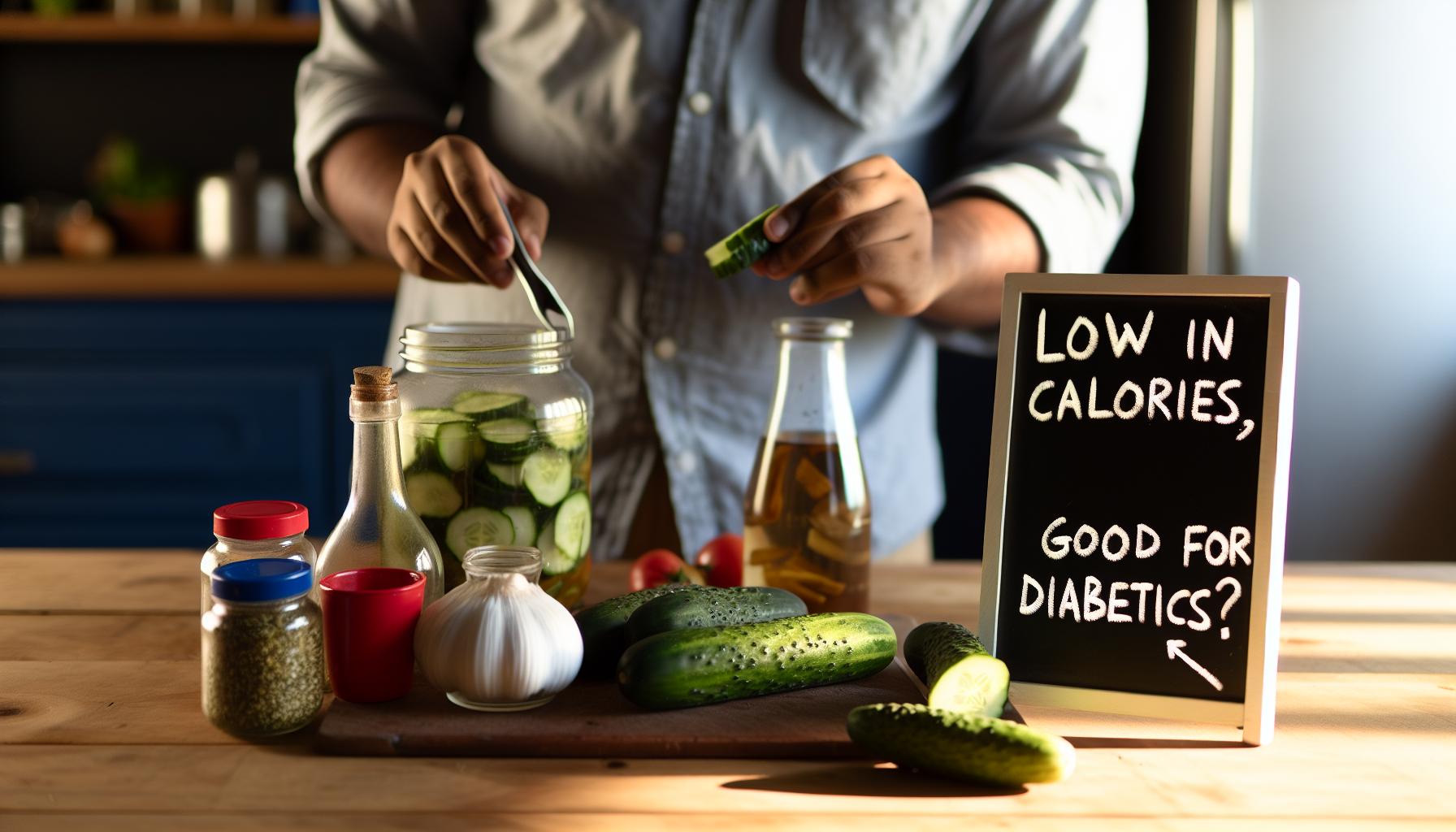
Understanding gestational diabetes is crucial, especially for those expecting mothers who face this condition during pregnancy. This temporary form of diabetes occurs when the body cannot produce enough insulin to meet increased demands during pregnancy, leading to elevated blood glucose levels. It’s essential to recognize that while gestational diabetes can pose risks to both the mother and the baby-such as increased chances of cesarean delivery, high birth weight, and early delivery-it is manageable with proper care and lifestyle adjustments. By following healthcare professionals’ recommendations and making informed dietary choices, individuals can successfully navigate this challenging time.
When managing gestational diabetes, diet plays a vital role. Understanding the importance of meal planning and healthy eating can significantly improve blood sugar control. Mothers are encouraged to focus on a balanced intake of carbohydrates, proteins, and healthy fats while limiting processed sugars and high-glycemic index foods. This approach not only stabilizes blood sugar levels but also supports overall health for both the mother and baby. Exploring options for delicious yet safe desserts can help satisfy cravings without compromising on health, providing a sense of normalcy and enjoyment during pregnancy.
Integrating physical activity into daily routines is equally important. Encouraging gentle exercises-like walking, swimming, or pregnancy-safe workouts-can boost insulin sensitivity and aid in weight management. Regular monitoring of blood sugar levels helps mothers understand how different foods and activities affect their health, allowing for better decision-making in their dietary choices. Remember, the management of gestational diabetes is a team effort, and support from healthcare professionals, family, and friends is vital in creating a nurturing environment that prioritizes health and well-being.
As you embark on this journey, knowledge is empowerment. With the right strategies and support, managing gestational diabetes can lead to a healthy pregnancy and a beautiful outcome for both mother and child. Always consult with your healthcare provider for personalized advice that best caters to your unique situation and needs.
Nutritional Guidelines for Managing Gestational Diabetes
Proper nutrition is a powerful tool in managing gestational diabetes, enabling expectant mothers to support both their health and the development of their baby. Understanding the key principles of nutrition not only aids in maintaining normal blood sugar levels but also contributes to overall well-being during this critical time.
A well-balanced diet is essential. Focus on incorporating a variety of food groups, ensuring adequate intake of whole grains, lean proteins, and healthy fats. These nutrients play a significant role in stabilizing blood sugar levels and providing the necessary energy for daily activities. Aim for meals that are rich in fiber, as it helps slow down digestion and reduce blood sugar spikes. Foods such as vegetables, legumes, and whole grains are excellent sources of fiber and should be a regular part of the diet.
When planning meals, it’s beneficial to consider the glycemic index (GI) of foods. Low GI foods have a smaller impact on blood glucose levels compared to high GI foods. For instance, substituting white rice with quinoa or brown rice can help maintain better blood sugar control. It’s also important to consider meal timing; regular meals and snacks can aid in keeping blood sugar levels steady throughout the day. Practicing portion control and being mindful of serving sizes can further enhance dietary management.
Additionally, expectant mothers should prioritize hydration and limit their intake of sugary beverages, which can lead to rapid increases in blood sugar. Instead, opting for water, herbal teas, or infusions can be refreshing alternatives. If cravings for sweets arise, turning to healthy dessert options that align with nutritional guidelines can provide satisfaction without the guilt. Incorporating fruits, yogurt, or homemade treats made with low-GI ingredients allows for enjoyment without compromising health.
Lastly, it’s essential to work closely with healthcare professionals, such as registered dietitians or diabetes educators, to create a personalized nutrition plan tailored to individual needs. This collaborative approach ensures that all dietary recommendations are safe and effective, fostering a supportive environment for managing gestational diabetes effectively. Always remember that education and awareness are key components in navigating this journey, empowering mothers to make informed choices that promote their health and the health of their unborn child.
Essential Ingredients for Safe Desserts

Managing gestational diabetes doesn’t mean giving up on desserts; it’s all about choosing the right ingredients that satisfy your sweet cravings while keeping blood sugar levels stable. By understanding which components to incorporate, you can create delicious treats that benefit both you and your baby. Imagine indulging in a chocolate pudding that not only tastes heavenly but is also crafted from wholesome, low glycemic ingredients-this is possible and entirely within reach!
To create safe and delightful desserts, focus on incorporating whole food ingredients that are rich in fiber and protein while being low in added sugars. One excellent example is using Greek yogurt as a base for various desserts. High in protein and lower in carbohydrates compared to regular yogurt, it provides a creamy texture perfect for parfaits or dips. Pair it with fresh berries, which are not only flavorful but also packed with antioxidants and have a relatively low glycemic index.
Another vital category is healthy fats, which can help slow the absorption of sugars into the bloodstream. Ingredients like avocado, nuts, and nut butters are perfect for this purpose. Consider making chocolate avocado mousse-blending ripe avocados with unsweetened cocoa powder and a natural sweetener like stevia or erythritol can yield a rich, satisfying dessert that feels indulgent without spiking your blood sugar.
Don’t overlook the power of natural sweeteners when crafting treats. Options such as stevia, monk fruit, and erythritol can provide sweetness without affecting blood glucose levels significantly. Additionally, incorporating spices such as cinnamon or vanilla not only enhances flavor but can also provide health benefits; for instance, cinnamon has been shown to help improve insulin sensitivity.
Lastly, be mindful of portion sizes when creating desserts. While ingredients can be healthy, consumption in moderation is key. By focusing on nutrient-dense elements and healthy swaps, you can enjoy a range of desserts that meet your needs during this unique phase of life. Always consult with your healthcare professional or a registered dietitian to ensure that your dietary choices align with your health goals. This collaborative approach will empower you to make informed decisions that enhance your overall well-being while enjoying sweet treats.
12 Delicious and Safe Dessert Recipes to Try
Indulging in desserts while managing gestational diabetes can be a delightful experience, provided you choose recipes that prioritize health without sacrificing taste. Here are some exciting dessert ideas that not only satisfy your sweet tooth but also align perfectly with your dietary needs. Each recipe balances flavor and nutrition, allowing you to indulge responsibly.
1. Greek Yogurt Parfait
Layer Greek yogurt, fresh berries, and a sprinkle of nuts for a protein-packed treat. The berries are low in sugar and high in fiber, making this parfait a fantastic choice for managing blood sugar levels.
2. Chocolate Avocado Mousse
Blending ripe avocados with unsweetened cocoa powder and a natural sweetener like stevia creates a luscious, creamy dessert that’s rich in healthy fats and fiber. This treat feels indulgent yet stays on track with your health goals.
3. Chia Seed Pudding
Mix chia seeds with almond milk and a hint of vanilla extract, letting it sit overnight. This pudding is full of omega-3 fatty acids and fiber, providing a filling dessert that’s low in carbs.
4. Baked Apples
Slice apples and sprinkle with cinnamon and a tiny bit of stevia. Bake until tender for a warm, comforting dessert that satisfies cravings while being easy on your blood sugar.
5. Coconut Milk Ice Cream
Blend coconut milk with a natural sweetener and freeze into pops for a refreshing, dairy-free ice cream that can be customized with flavors like vanilla or mint.
6. Chocolate Bark with Nuts
Melt dark chocolate (at least 70% cacao) and mix in your choice of nuts and seeds. Pour the mixture onto a baking sheet, let it set, and break into pieces. This treat provides antioxidants and healthy fats.
7. Pumpkin Spice Muffins
Use almond flour instead of regular flour and sweeten with erythritol for a deliciously moist muffin that’s packed with seasonal flavor without the sugar spike.
8. Peanut Butter Banana Bites
Slice a banana and spread a thin layer of natural peanut butter between two slices for a satisfying snack that combines protein and fiber without refined sugars.
9. Cinnamon Roasted Chickpeas
Toss chickpeas in cinnamon and a touch of olive oil before roasting. This crunchy snack brings together a sweet flavor and beneficial nutrients, perfect for satisfying mid-day cravings.
10. Berry Smoothie Bowl
Blend your favorite berries with a little Greek yogurt and almond milk. Pour into a bowl and top with sliced almonds and a few seeds for a colorful and nutritious dessert.
11. Almond Flour Cookies
Create simple cookies using almond flour and a natural sweetener. These cookies offer a delightful crunch while being gluten-free and low in carbs.
12. Stevia Sweetened Chocolate Dipped Strawberries
Melt dark chocolate and mix it with a stevia sweetener. Dip fresh strawberries for a fresh, juicy dessert that is both gorgeous and guilt-free.
These recipes highlight the importance of utilizing wholesome, low-glycemic ingredients that benefit you and your baby. Remember, consulting with a healthcare professional or a registered dietitian is crucial when making dietary changes, ensuring that every sweet treat aligns with your health goals. Savor these delightful desserts as part of a well-balanced diet, empowering your journey through gestational diabetes with deliciousness and care!
Satisfying Your Sweet Tooth: Tips and Tricks
To manage cravings and enjoy desserts while navigating gestational diabetes, it’s crucial to adopt strategies that allow you to indulge without compromising your health. Many find that it’s not just about avoiding certain foods but also about embracing alternatives that deliver on taste. Understanding your body’s responses and making informed choices can transform your approach to dessert time. Here are some key tips to help you satisfy your sweet tooth responsibly.
One effective strategy is to incorporate desserts that are rich in protein and fiber. These components not only enhance the flavor but also help stabilize blood sugar levels. For example, consider desserts like Greek yogurt parfaits layered with berries and nuts, which provide a satisfying crunch along with healthy fats and antioxidants. Similarly, chia seed pudding made with almond milk is not just delicious; it’s a great source of fiber, helping you feel fuller longer.
Planning and portion control are essential. Being proactive means you can prepare smaller, more frequent treats that fit into your dietary plan instead of omitting desserts entirely. Allow yourself to enjoy a small piece of dark chocolate or a few homemade almond flour cookies rather than larger portions of conventional sweets. By doing so, you still get the satisfaction of a treat without overloading your system with sugar.
Finally, utilizing natural sweeteners such as stevia or erythritol can help you enjoy your favorite desserts without the negative effects associated with sugar. These alternatives offer sweetness with fewer carbohydrates, making them excellent choices for satisfying those cravings. Always remember to discuss any dietary changes or concerns with your healthcare professional to ensure that your choices align with your overall health plan.
Sweet Substitutes: Healthy Alternatives to Sugar
Managing cravings while adhering to a nutritious diet during gestational diabetes can be challenging, but making smart choices about sweeteners can open up a world of dessert possibilities. Natural sweeteners not only help satisfy your sweet tooth but also have benefits that make them preferable to refined sugar for blood sugar control. For example, sweeteners like stevia and erythritol are low in carbohydrates and don’t cause a significant spike in blood glucose levels, making them excellent alternatives.
Types of Healthy Sweeteners
When considering substitutes for sugar, here are some popular alternatives to explore:
- Stevia: Derived from the leaves of the Stevia plant, this sweetener is many times sweeter than sugar but has zero calories and a low glycemic index. It can be used in baking or as a table sweetener.
- Erythritol: A sugar alcohol that has about 70% of the sweetness of sugar. It is low-calorie and doesn’t raise blood sugar or insulin levels. Erythritol is often used in baked goods and confections.
- Monk fruit sweetener: Made from monk fruit extract, this sweetener contains zero calories and has a sweetness similar to sugar, making it ideal for desserts.
- Xylitol: Another sugar alcohol, it has a similar sweetness to sugar but contributes fewer calories and has a lower glycemic index. However, it should be used cautiously as it can be harmful to pets.
Incorporating Sweet Substitutes in Desserts
When creating desserts, consider recipes that incorporate these sweeteners seamlessly. For instance, you could whip up a delicious chocolate chia seed pudding sweetened with stevia, or bake almond flour cookies using erythritol for a delightful treat. Experimenting with these alternatives allows you to enjoy satisfying desserts without the associated sugar rush.
Furthermore, blending sweet substitutes with nutrient-dense ingredients, such as greek yogurt, or coconut flour, can elevate your dessert options. Always remember to read labels carefully, as some sweeteners may include additional ingredients that could affect your blood sugar.
Professional Guidance
While these alternatives offer compelling options, it’s important to consult with healthcare professionals before making significant changes to your diet. Your healthcare provider can help tailor your choices to your specific needs and ensure your approach aligns with your overall diabetes management plan. Keep in mind that not all substitutions may work for everyone, and it’s essential to find what suits your body best.
By choosing healthy sweet alternatives, you can indulge in delicious desserts and maintain your stability of blood sugar levels, making your journey through gestational diabetes deliciously manageable.
The Importance of Portion Control in Desserts
Portion control is a cornerstone of managing gestational diabetes and enjoying dessert responsibly. Many may not realize that even the healthiest of sweets can lead to unwanted spikes in blood sugar levels if consumed in large quantities. By practicing mindful eating and understanding appropriate serving sizes, individuals can indulge in delightful treats without compromising their health or wellness.
When it comes to desserts, aiming for servings that contain around 15 to 20 grams of carbohydrates can be a smart strategy. This amount is often manageable for both maintaining blood sugar levels and satisfying your cravings. For example, a small serving of Greek yogurt topped with a handful of warmed berries can provide a delicious yet controlled sweet experience. Similarly, portioning out desserts into small cups or using measuring tools can eliminate guesswork and encourage moderation.
Practical Portion Control Tips
Implementing portion control can be straightforward with a few practical tips:
- Use Smaller Plates: Serving desserts on smaller plates can create the illusion of a fuller portion while naturally limiting the amount you’re eating.
- Pre-Portion Desserts: Consider preparing desserts in individual servings, like small jars or cupcake liners. This helps to keep track of what you’re consuming.
- Focus on Quality over Quantity: Choose desserts that are rich in flavor so that even a small piece can satisfy your cravings.
- Track Your Intake: Keeping a food diary (even a mental one) can help in learning and understanding your body’s responses to different dessert sizes.
Remember, it’s not just about eating less; it’s about making intentional choices that contribute to a balanced diet. Incorporating smaller portions of desserts into your meal plan can make it easier to enjoy sweets without jeopardizing your health or wellness goals. Always consult with healthcare professionals for guidance tailored to your specific health situation to ensure you’re on the right track and effectively managing your gestational diabetes. By embracing portion control, you can savor the sweetness of life while keeping your health in check.
Navigating Special Dietary Needs with Gestational Diabetes
Navigating the dietary landscape while managing gestational diabetes can present unique challenges, particularly when it comes to satisfying those sweet cravings. Understanding that every individual has distinct dietary needs is crucial. It’s not just about limiting sugar intake; it’s also about ensuring that the foods you eat support both your health and your baby’s well-being.
One effective strategy is to identify foods that can be included in your dessert options without compromising your glucose levels. Focusing on ingredients that are low in glycemic index (GI) and high in fiber can help create desserts that satisfy your sweet tooth while managing blood sugar levels. Incorporating whole foods like fruits, oats, and nuts not only enhances flavor but also adds nutritional value.
When preparing desserts, consider experimenting with safe sugar substitutes such as stevia or erythritol. These alternatives can provide the sweetness you desire with minimal impact on blood glucose levels. For instance, an avocado chocolate mousse made with cocoa powder, a low GI sweetener, and ripe avocado can offer a rich, indulgent flavor experience without the sugar load.
It’s also essential to be mindful of portion sizes. Use measuring cups or small bowls to help control servings, which can help prevent overindulging. Preparing desserts in single portions not only makes it easier to monitor your intake but also allows for better meal planning.
While managing your own dietary needs, don’t hesitate to explore resources and seek advice from healthcare professionals. Their guidance based on your personal health profile is invaluable in creating a balanced and enjoyable diet. Embracing a proactive approach towards dietary management will empower you to navigate your special dietary needs with confidence, adding sweetness to the journey of pregnancy without compromising health.
Balancing Desserts with Your Meal Plan
Finding the right balance between enjoying desserts and sticking to a healthy meal plan is crucial for those managing gestational diabetes. It’s a common misconception that dessert has to be off-limits; instead, with thoughtful planning, sweet treats can fit seamlessly into a balanced diet. By understanding your individual meal plan and the role desserts can play, you can satisfy your cravings while keeping your blood sugar levels stable.
To begin with, it is essential to assess your daily carbohydrate allocation. Each meal and snack should ideally contain a consistent amount of carbohydrates, which can help maintain steady glucose levels. When incorporating desserts, be mindful of their carbohydrate content and consider them as part of your overall intake for the day. For example, if your meal plan allows for 30 grams of carbs per meal, a dessert with 15 grams would leave you with ample room for other foods without exceeding your limits.
- Choose Balanced Treats: Opt for desserts that include healthy fats, fiber, and protein to slow the absorption of sugars and help prevent spikes in blood sugar. For instance, a serving of Greek yogurt topped with nuts and a few berries can be both satisfying and nutritious.
- Timing is Key: Consider enjoying desserts after meals rather than as standalone snacks. This approach can regulate blood sugar levels, as the other foods consumed will help minimize the impact of the sugars from the dessert.
- Keep Portions Small: Portion control is essential. Preparing desserts in single servings or sharing them can help you enjoy the flavors without overindulging.
- Incorporate Desserts into Meal Planning: Dedicate specific days or occasions for dessert, ensuring they align with your meal plans. This strategy allows you to manage expectations and maintain balance in your overall carbohydrate consumption.
Incorporating desserts into your meal plan is not just about moderation; it is also about making informed choices. Consider sugar substitutes like stevia or monk fruit that provide sweetness without the excess calories or carbohydrate load of traditional sugars. Encourage yourself to experiment with innovative recipes that fit your carb limits while ensuring you still enjoy the flavors and satisfaction that desserts bring. Remember, the goal is to celebrate your nourishment journey and savor sweet moments without compromising your health. Always consult with healthcare professionals for personalized advice tailored to your specific needs, enabling you to strike a healthy balance that accommodates delightful treats in your daily routine.
Real Stories: Managing Gestational Diabetes with Treats
Discovering ways to enjoy delicious desserts while managing gestational diabetes can seem challenging, but many have successfully navigated this balance, sharing their experiences and insights along the way. One inspiring story comes from Sarah, who found herself overwhelmed by the new dietary restrictions she faced after her gestational diabetes diagnosis. Instead of resigning herself to a life devoid of sweets, she decided to get creative. She discovered that by swapping traditional ingredients with healthier alternatives, she could enjoy her favorite treats. For instance, Sarah’s go-to recipe for peanut butter cookies now uses almond flour instead of regular flour, drastically reducing the carbohydrate content while still satisfying her sweet tooth.
Similarly, Jane, a mother-to-be, faced her own set of challenges regarding dessert options. Initially hesitant to indulge in any sweets, she worked with a dietitian who guided her in incorporating controlled portions of desserts into her meal plan. Jane began to enjoy Greek yogurt topped with fresh berries and a sprinkle of cinnamon, a delicious and nutritious option that felt like dessert while adhering to her dietary guidelines. This simple yet effective choice allowed her to feel included in family dessert gatherings and made her feel less deprived during her pregnancy.
Moreover, many expectant mothers have shared their success stories with group support, emphasizing the importance of community in managing gestational diabetes. Through local meet-ups and online forums, women have exchanged recipes for delightful treats such as chia seed puddings or baked apples infused with cinnamon, both of which are not only easy to prepare but also align with their dietary needs. These shared recipes often come with tips on portion control and timing, allowing everyone to savor their desserts without the worry of blood sugar spikes.
These personal accounts highlight that managing gestational diabetes and enjoying desserts can go hand-in-hand with the right mindset and resources. By continually experimenting with new recipes and reaching out for support, many have found joy in sweets, transforming their dietary restrictions into opportunities for creativity and connection. Just remember, consulting with healthcare professionals is crucial to tailoring choices to individual needs, ensuring that celebrating sweet moments doesn’t compromise health.
Consulting Healthcare Professionals: Your Best Resource
One of the most vital steps in managing gestational diabetes, especially when it comes to enjoying desserts, is engaging with healthcare professionals. These experts-ranging from obstetricians to registered dietitians-play a crucial role in guiding your dietary choices and ensuring that you maintain a healthy balance while satisfying your sweet cravings. They bring a wealth of knowledge regarding nutritional guidelines that support both your health and your baby’s development, emphasizing the importance of personalized care.
Consultations with a registered dietitian can be particularly beneficial. They can help you design a meal plan that incorporates desserts that are both enjoyable and safe, providing insights on portion sizes and appropriate ingredient substitutions. For example, they might suggest using alternatives like whole grain flours or natural sweeteners that have a lower glycemic index compared to regular sugars. This tailored guidance allows you to feel empowered in your food choices, culminating in a variety of safe dessert options that still feel indulgent.
It’s also helpful to ask about the specific needs of your body as you navigate these dietary restrictions. Healthcare providers can recommend regular monitoring of blood sugar levels, which will help you identify how different foods, including desserts, affect your glucose levels. Equally important is discussing any challenges you face; whether it’s difficulty in resisting traditional sweets or confusion around what counts as a safe treat, your healthcare team can provide strategies to manage these concerns effectively.
Remember, while seeking advice from friends and online groups offers community support, the expertise of healthcare professionals ensures that your choices are sound and safe. By maintaining open communication with your medical team, you not only safeguard your health and that of your baby but also enrich your journey with the knowledge to navigate desserts and other food choices confidently.
Staying Motivated: Enjoying Sweet Treats Responsibly
Many women with gestational diabetes find themselves challenged by cravings for sweet treats, feeling as though enjoyable food is off-limits. The good news is that you can still indulge your sweet tooth responsibly while managing your blood sugar levels! It’s all about understanding your body’s needs, making informed decisions, and finding innovative ways to satisfy your cravings without guilt.
Creating a positive relationship with desserts starts with awareness. Rather than restricting yourself, focus on replacing traditional sugary treats with healthier options that align with your dietary guidelines. For instance, consider switching to desserts that incorporate nut butters, Greek yogurt, or fresh fruit. Not only are these alternatives delicious, but they also provide crucial nutrients. You might enjoy a parfait made with Greek yogurt topped with berries and a sprinkle of cinnamon, which not only satisfies your craving but also stabilizes blood sugar levels due to its protein and fiber content.
Setting Realistic Goals
It’s essential to set achievable goals when it comes to enjoying sweet treats. Instead of aiming to eliminate all desserts, think in terms of moderation and balance. Perhaps designate one day a week as a “treat day,” where you can savor a dessert while keeping portion sizes in check. This approach helps you stay on track with your dietary plan while also giving you something to look forward to. Pairing desserts with a source of protein, like a handful of nuts or a spoonful of nut butter, can further help manage blood sugar spikes.
Mindfulness and Enjoyment
Practicing mindfulness when consuming sweets can enhance your experience. Take time to truly enjoy every bite of your dessert, which can help you feel more satisfied and less likely to overindulge. Pay attention to how the flavors change with each mouthful; this mindful approach not only enhances enjoyment but also supports your body’s signals of fullness.
As you navigate this journey, remember to consult your healthcare professional for personalized advice tailored to your specific needs. They can offer strategies to incorporate treats into your meal plan safely while monitoring your blood sugar levels. Staying informed and proactive will empower you to enjoy sweet treats responsibly while keeping your health at the forefront. Embrace this new way of enjoying desserts that cater to both your health goals and your taste buds!
Frequently Asked Questions
Q: What are some healthy dessert options for gestational diabetes?
A: Healthy dessert options for gestational diabetes include Greek yogurt with berries, avocado chocolate mousse, and almond flour cookies. These desserts provide balance with healthy fats and natural sweetness while keeping blood sugar levels stable. For more ideas, check out our section on safe dessert recipes.
Q: How can I sweeten desserts without sugar when I have gestational diabetes?
A: You can sweeten desserts without sugar by using natural alternatives like stevia, monk fruit, or erythritol. These sweeteners have low glycemic indexes and won’t spike blood sugar levels. Explore our sweet substitutes section for further details.
Q: Why is portion control important in gestational diabetes desserts?
A: Portion control is crucial in managing gestational diabetes to prevent blood sugar spikes. Eating smaller amounts helps balance insulin levels and allows for enjoyment of treats without compromising health. Refer to our importance of portion control section for tips on managing servings.
Q: What ingredients should I avoid in desserts for gestational diabetes?
A: Avoid ingredients high in refined sugars, such as white sugar, corn syrup, and certain flours like all-purpose flour. Instead, opt for whole food ingredients that are lower on the glycemic index. You can learn more in our section on essential ingredients for safe desserts.
Q: Can I enjoy chocolate if I have gestational diabetes?
A: Yes, you can enjoy chocolate in moderation, especially dark chocolate that contains at least 70% cocoa. It has lower sugar content and provides antioxidants. For more dessert ideas that include chocolate, see our recipes section.
Q: How do I balance dessert consumption with my meal plan for gestational diabetes?
A: Balancing dessert with your meal plan involves careful planning of your carbohydrate intake for the day. Try incorporating desserts into your meal count and monitor your blood sugar response. Visit our section on balancing desserts for practical strategies.
Q: Are there any specific dairy-free dessert options for gestational diabetes?
A: Yes, dairy-free options like chia seed pudding with almond milk, coconut flour cupcakes, and fruit-based sorbets are good choices. These alternatives cater to dietary restrictions while staying safe for gestational diabetes. Check our dessert recipes to explore more dairy-free ideas.
Q: What role do nuts play in gestational diabetes desserts?
A: Nuts are a great addition to gestational diabetes desserts since they are rich in healthy fats, protein, and fiber. They can enhance flavor and texture while providing sustained energy without spiking blood sugar. Discover recipes that incorporate nuts in our delicious dessert section.
In Summary
As you explore these delightful gestational diabetes desserts, remember that managing your diet doesn’t mean sacrificing sweetness. These 12 safe treats are designed to satisfy your cravings while supporting your health. Don’t hesitate to check out our further resources on healthy meal planning and daily management of gestational diabetes for ongoing support on your journey.
Ready to take the next step? Sign up for our newsletter for more tips, recipes, and expert insights that empower you in making informed food choices. Additionally, if you have questions or need personalized advice, consider scheduling a consultation with a healthcare professional who specializes in diabetes care. Your journey to enjoyable, safe eating is just a click away! Share your favorite dessert ideas in the comments below and let’s inspire each other to sweeten our health responsibly!